Elvantis
Elvantis
Elvantis
Elvantis Mesh Systems Ltd. (elvantismesh.com) is a high-performance AI GPU server and telecommunication equipment manufacturer. We specialize in designing and engineering scalable computing infrastructure, optical network peripherals, and storage engines for artificial intelligence, high-performance computing (HPC), and modern cloud data centers.
Founded in 2016, Elvantis has transitioned from standard rack assembly to designing complex GPU cluster setups with custom thermal ventilation layouts and flexible network interfaces. With over 10 years of industry design experience and 7 years of direct export credentials, we assist enterprise clients, telecom operators, and AI labs across the globe in scaling operations cleanly and efficiently.
Our operation model centers on structural reliability and supply chain flexibility. We have formed robust partnerships with approximately 850 component providers, allowing us to maintain stable manufacturing cycles and deploy highly customized OEM/ODM projects on demand.
High-throughput compute systems configured for low-latency network pipelines, high capacity processing, and scalable storage arrays.
Evaluating the evolution of high-density processing environments, telecommunications backbones, and carrier demands.
The global telecommunication and computing landscape is going through a structural phase shift. Telecommunications service providers and cloud operations teams are no longer looking for standalone hardware boxes. Instead, they require optimized, unified ecosystems that combine processing speed, modular storage, and energy-conserving thermal management. As an established manufacturer in the industrial compute space, Elvantis designs systems tailored to these specific needs.
Integrating dual-socket architecture with high-speed DDR5 pathways to eliminate bandwidth limits for large language models, neural network training, and deep learning operations.
Placing robust computing platforms closer to cellular transmitters, allowing rapid data handling, IoT integration, and low-latency response times for smart infrastructure.
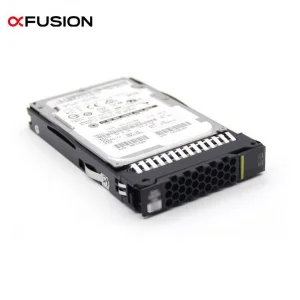
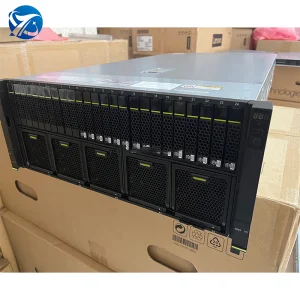
Combining high-capacity storage drives (SAS/SATA/NVMe) with raw CPU resources in rack designs, reducing spatial needs and power consumption in corporate servers.
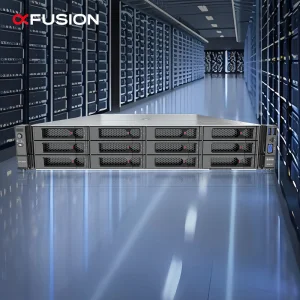
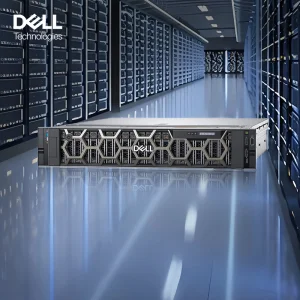
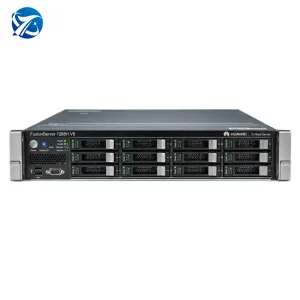
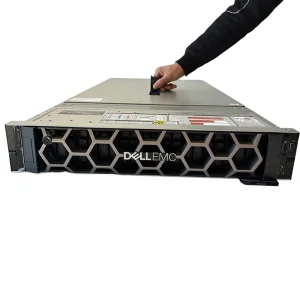
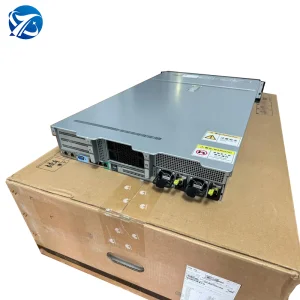
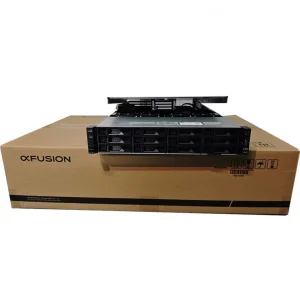
In modern industrial processing, data bandwidth is the main performance bottleneck. Traditional network designs rely on external processing cores, which increases round-trip latency. Our latest server series, including the xFusion 2288H V7 and the Dell PowerEdge R760, balances high-density processing chips with wide data lanes (PCIe 5.0). These platforms allow hardware-level optimization for modern applications, including AI-driven search models like DeepSeek, media distribution nodes, and transactional banking systems.
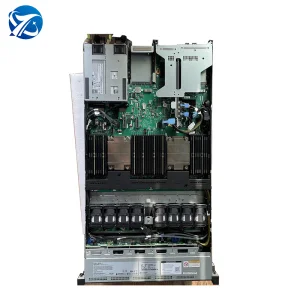
As server racks pack more compute power, heat generation rises exponentially. Elvantis structures server chassis with zoned cooling partitions, variable-speed fan blocks, and support for liquid cooling pipes. These features help prevent processor throttling and hardware degradation under continuous workloads, lowering overall operating costs in high-density facilities.
Exploring our hardware validation labs and strict manufacturing standards that keep failure rates low.
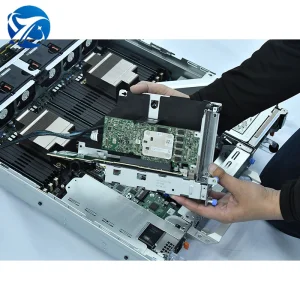
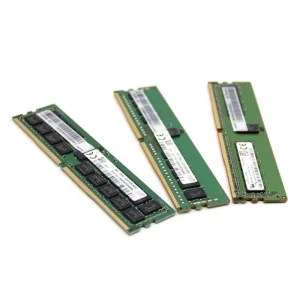
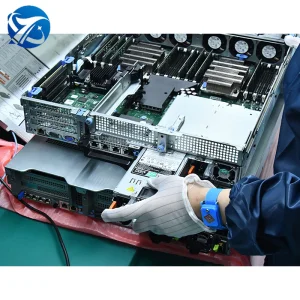
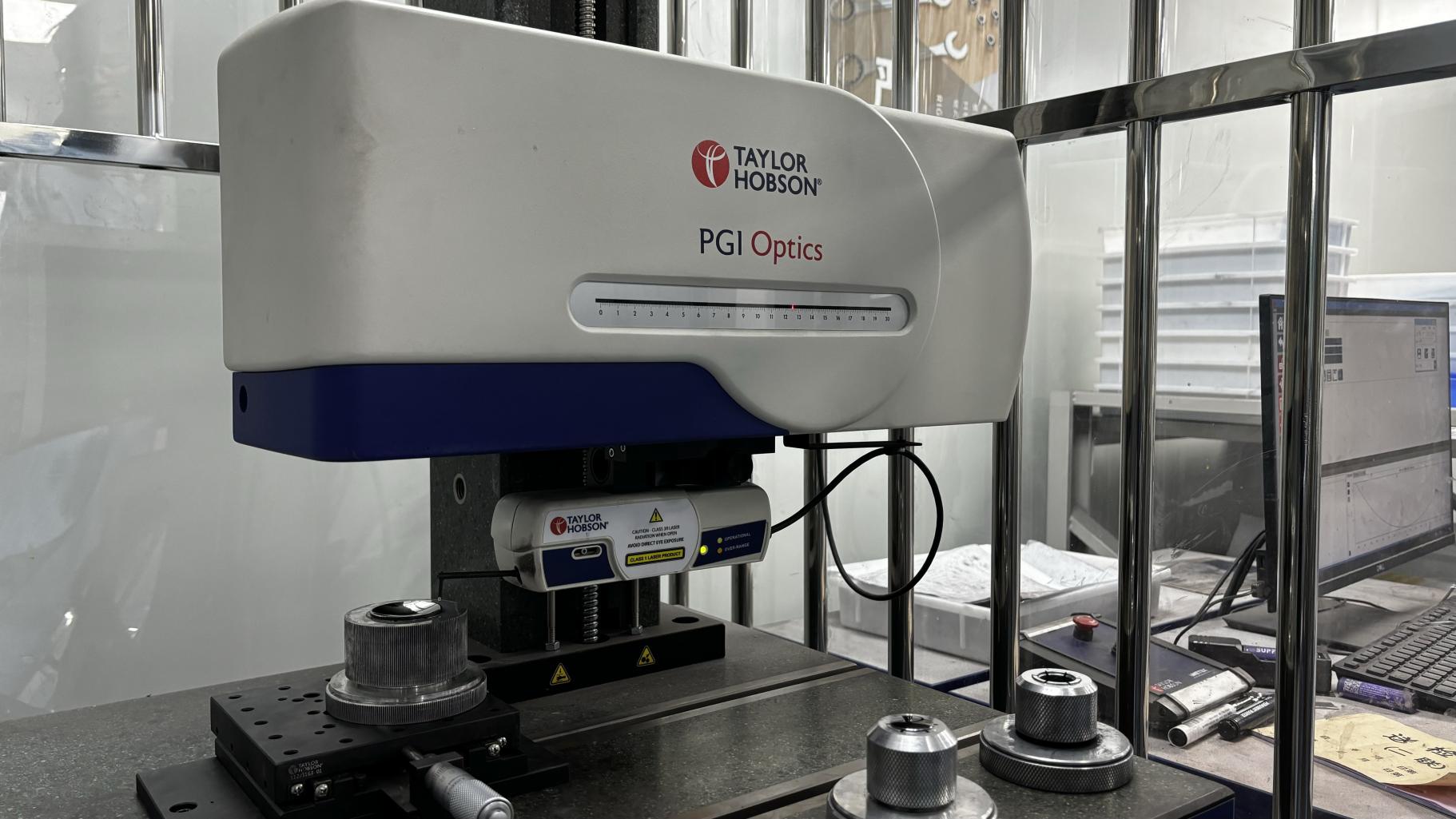
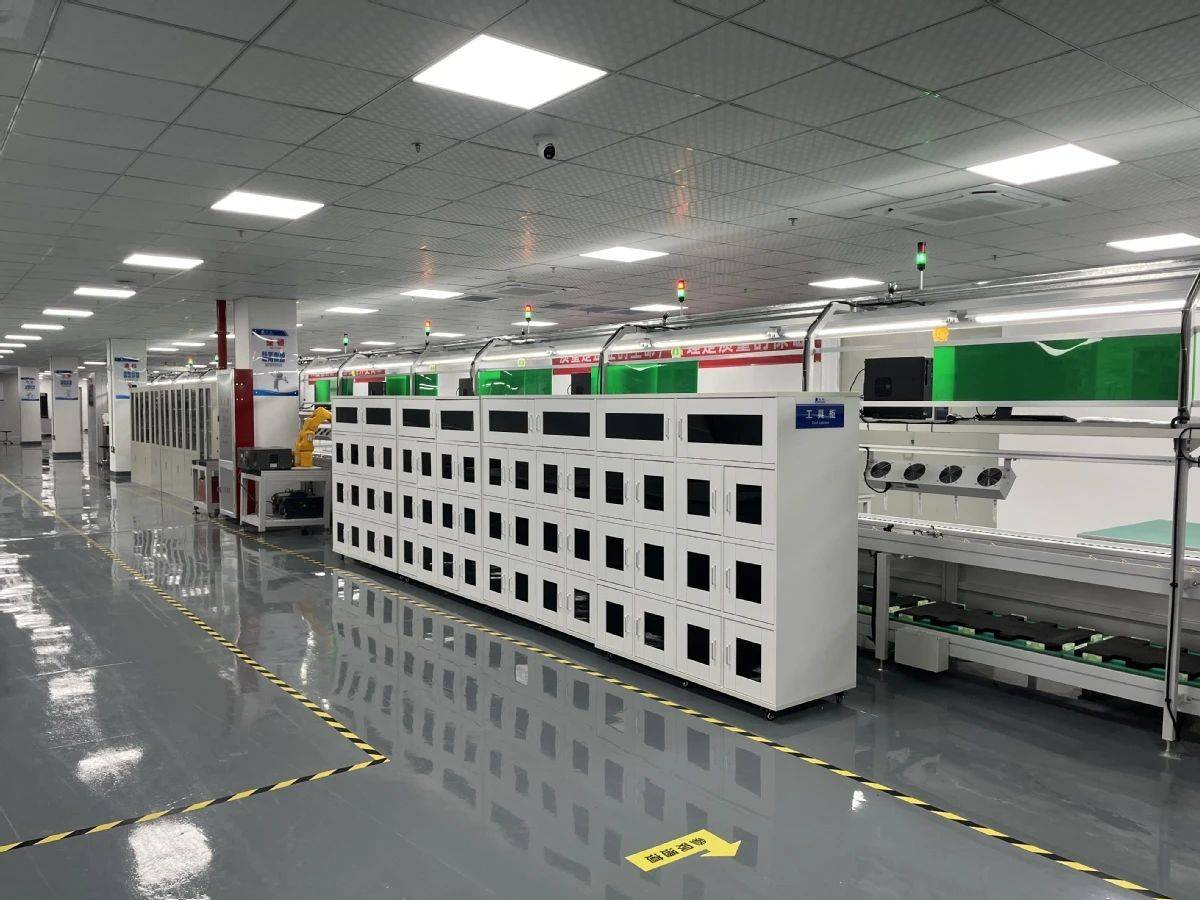
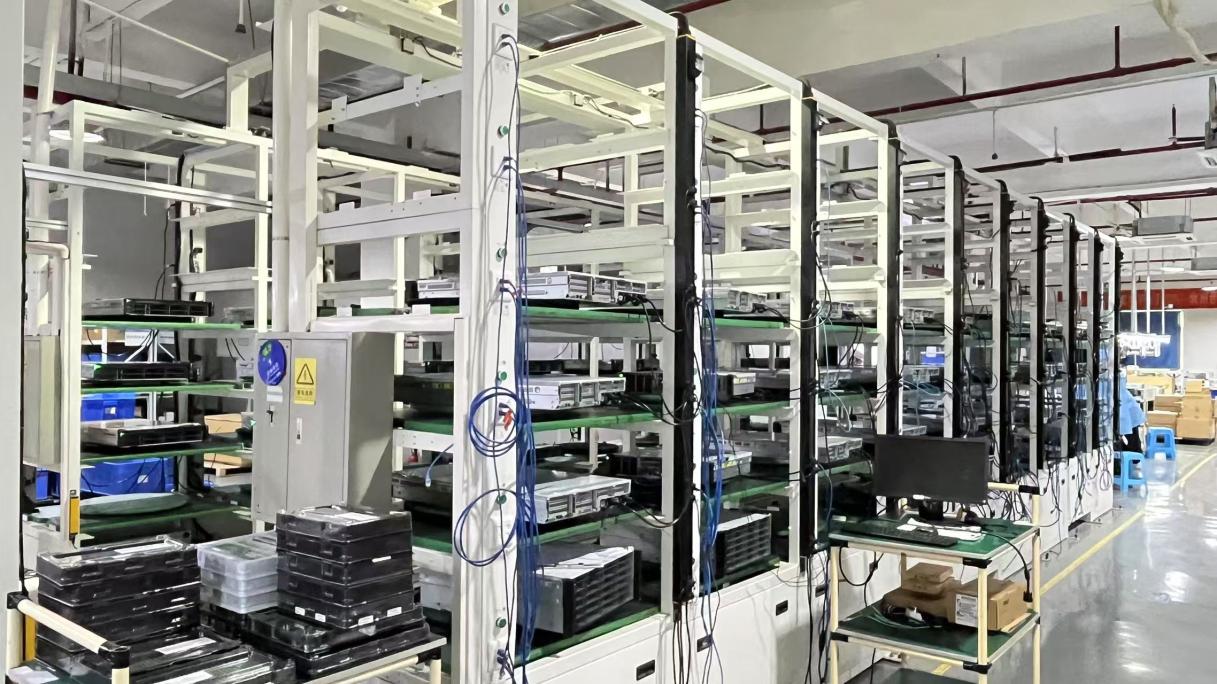
Our production facilities feature a carefully optimized 380㎡ specialized clean-room facility. This space is structured to prevent dust contamination during delicate assembly phases, such as installing processors, configuring memory banks, and seating motherboard components.
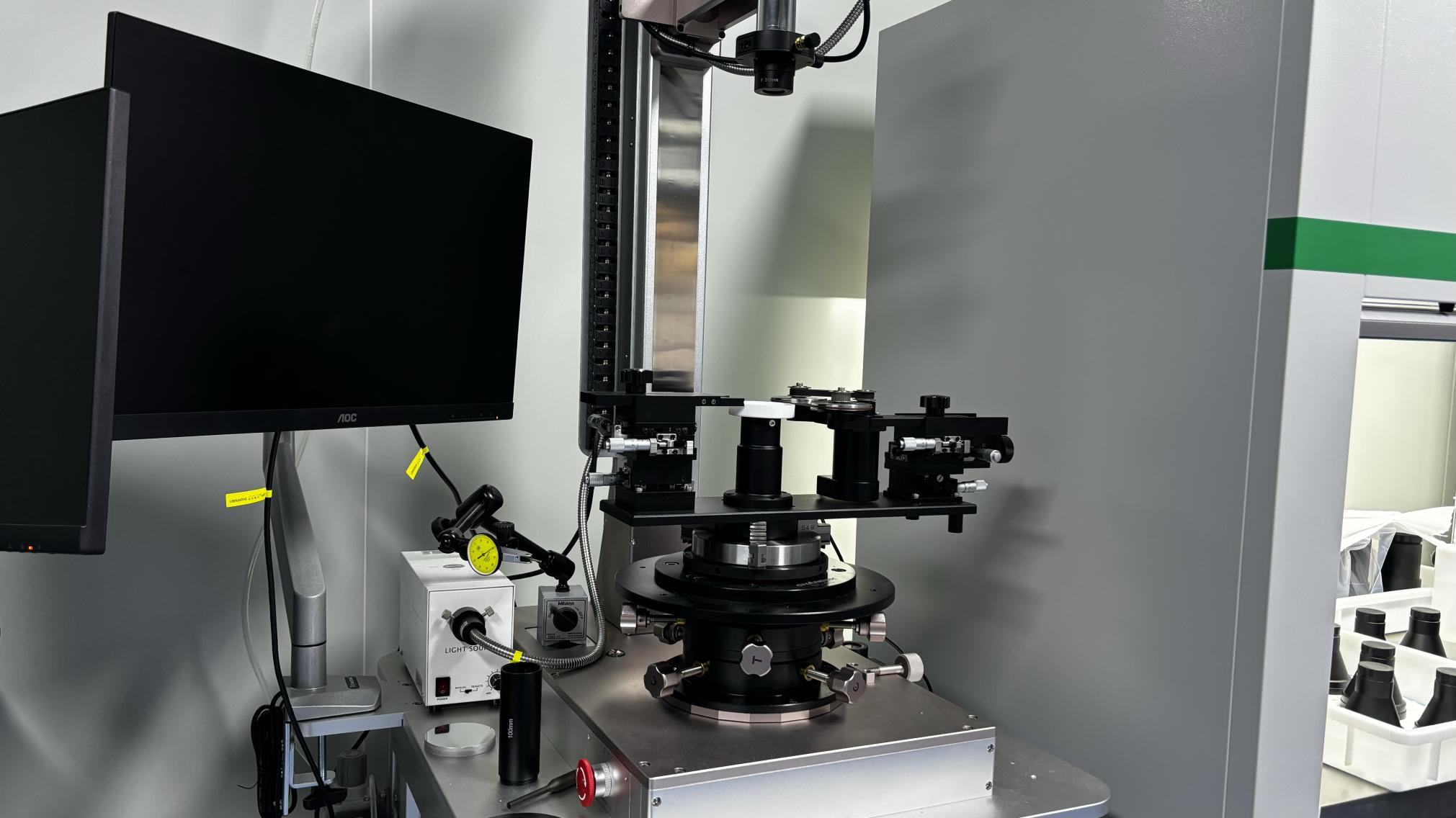
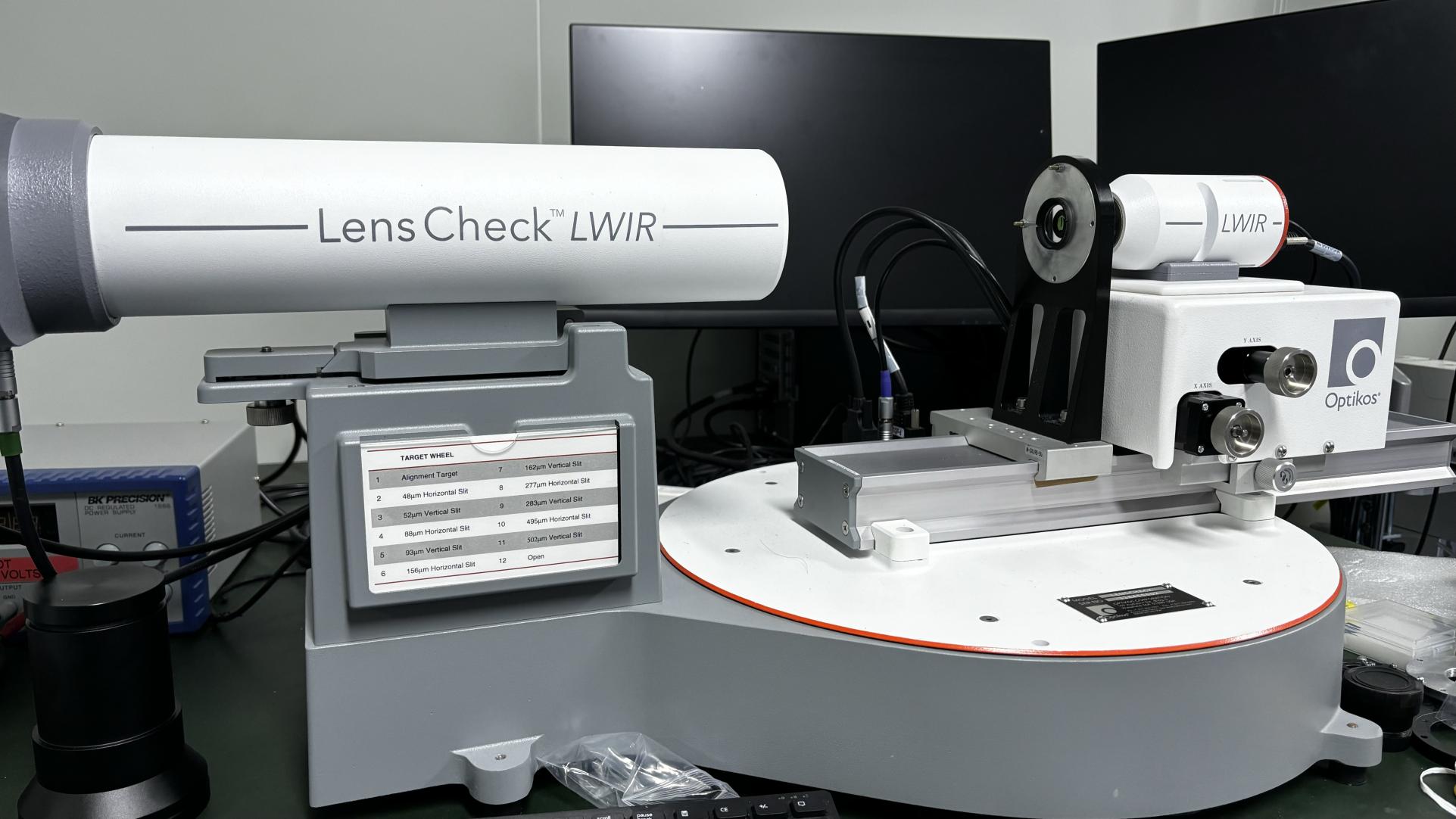
Quality assurance is the core of our operations. The Elvantis team includes 35 dedicated quality control professionals who monitor every phase of assembly. We use a multi-step testing strategy to ensure stable long-term performance:
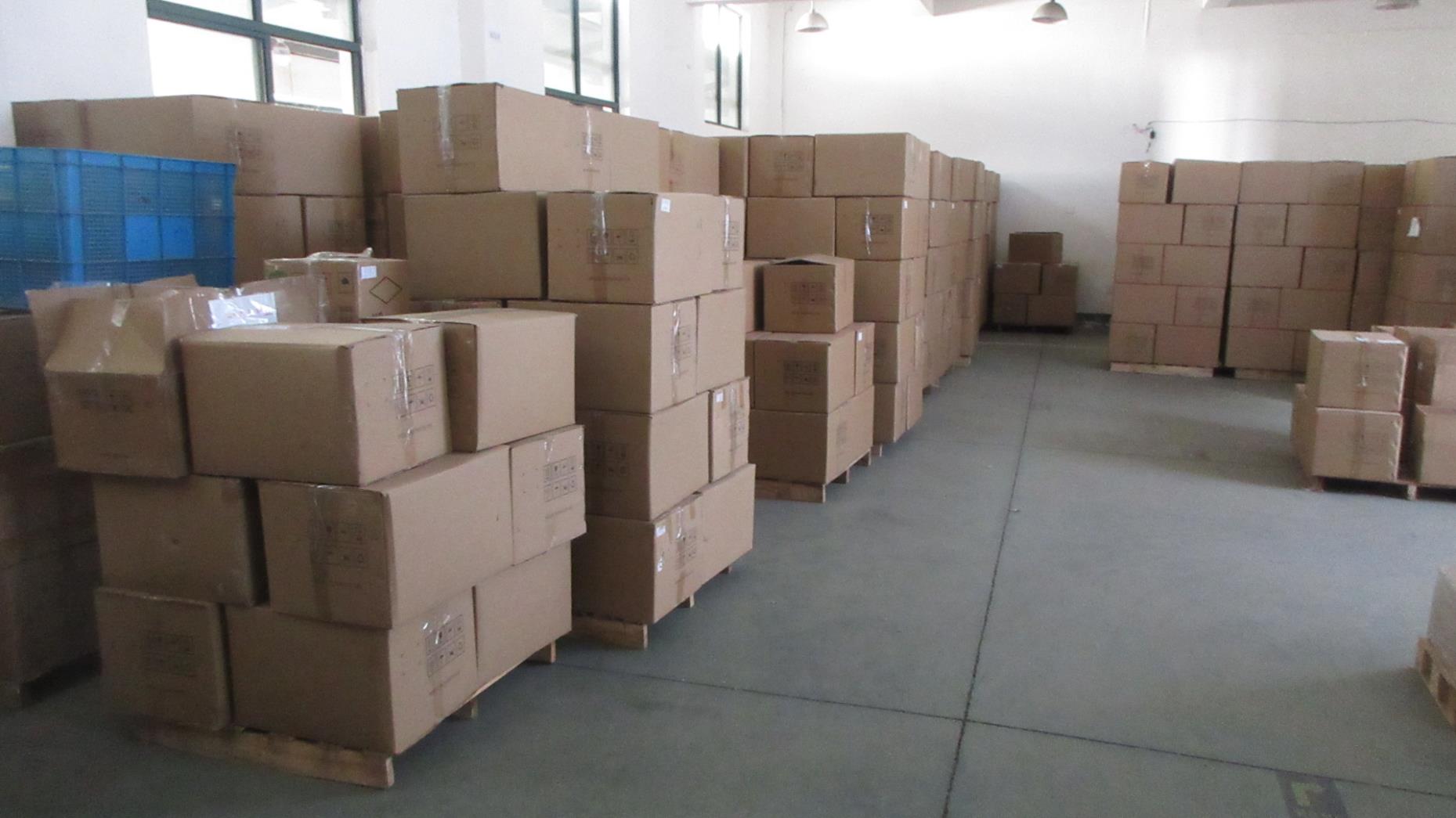
As a global hardware exporter, we customize our system builds to comply with the technical regulations of different importing regions:
Adapting our enterprise hardware designs to meet the cooling and bandwidth needs of future compute clusters.
As deep learning models and server networks continue to grow, physical infrastructure must scale accordingly. The R&D engineering team at Elvantis focuses on updating our designs to align with upcoming enterprise technology standards:
Modern language models require clean, high-bandwidth interconnects to coordinate across different server chassis. Our upcoming server designs focus on maximizing the space for PCIe Gen 5 and Gen 6 slots. This enables direct, low-latency communication between GPU accelerators, avoiding processing delays in complex compute workloads.
Air cooling alone is becoming insufficient for modern processors that pull more than 350W per socket. We are integrating hybrid cooling manifolds into our 2U and 4U chassis configurations. This setup routes closed-loop liquid cooling blocks directly to the processors while using variable fans to cool the rest of the motherboard components, helping operators run systems more efficiently.
For cloud servers and telecommunications setups, data security is critical. Our modern motherboard designs support hardware-level security, including Silicon Root of Trust and Trusted Platform Modules (TPM 2.0). These technologies protect the system starting at the boot layer, helping block unauthorized firmware modifications.
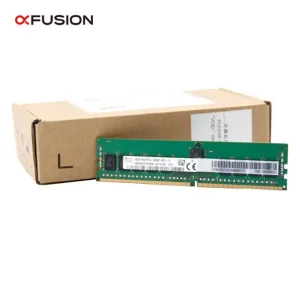
Browse our selection of storage options, memory upgrades, and processing arrays built for data centers and enterprise applications.
Answering common questions about system specifications, customization options, and global shipping policies.