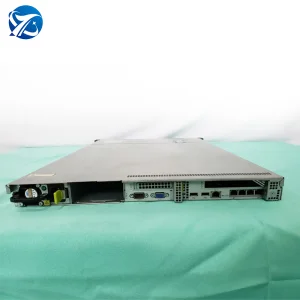
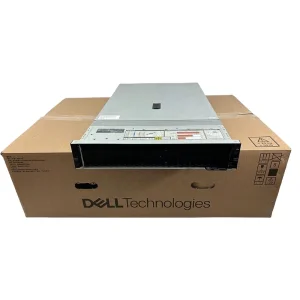
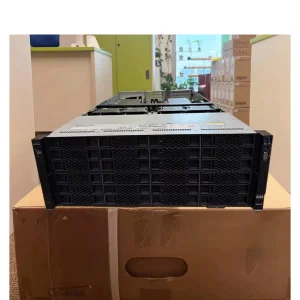
Elvantis
Elvantis
Elvantis
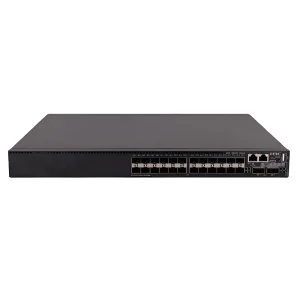
Modern computing environments are undergoing a massive architectural shift. With the explosion of artificial intelligence (AI), machine learning (ML), high-performance computing (HPC), and distributed containerized microservices, the network fabric is no longer just a passive transmission highway—it is a critical performance bottleneck. When configuring next-generation IT environments, enterprise-grade network switch manufacturers and factories play a pivotal role. They engineer the high-density physical switches that route, filter, and compute massive telemetry and data packets across modern datacenters.
"In high-density compute environments, the efficiency of your fabric is directly proportional to the throughput capability of your physical network switches. Relying on optimized ASIC designs, Layer 3 processing, and robust power delivery mechanisms guarantees minimal latency overhead."
Selecting the appropriate network switch vendor requires an evaluation that goes far beyond simple port-count and unit pricing. Purchasing directors and enterprise architects must analyze the hardware's backplane bandwidth, non-blocking switching capacity, packet forwarding rates (Mpps), and specialized protocols like RoCEv2 (RDMA over Converged Ethernet). The synergy between server hardware (like high-density GPU accelerators) and the network core determines the overall scalability of the infrastructure.
Modern switches operate at Layer 3 (routing/IP) to offload data-plane processing from the software layer, reducing latency and allowing sub-microsecond packet transit.
Stacking bandwidth allows physical units to behave as a single logical core switch, ensuring seamless bandwidth distribution and simplified node management.
Integrating PFC (Priority Flow Control) and ECN (Explicit Congestion Notification) ensures lossless transmission, vital for modern distributed storage array environments.
Operating at the intersection of high-performance compute clusters and complex networking fabrics, Elvantis Mesh Systems Ltd. (elvantismesh.com) is an industry-leading AI GPU server and network system manufacturer. Recognizing that enterprise networks require highly unified architecture, Elvantis designs systems that optimize data throughput between AI servers, massive SSD storage nodes, and the primary layer 2/3 core switches.
Established in 2016, Elvantis has designed, assembled, and validated complex high-density compute solutions for global operators. With a centralized facilities layout, the company integrates strict R&D with modern assembly lines. Leveraging over 10 years of industry experience and 7 years of direct export operations, Elvantis has developed robust supply relationships to manufacture high-bandwidth IT devices, servers, and custom switches.
Elvantis Mesh Systems operates under a multi-layer quality assurance system. Every network interface card (NIC), high-speed motherboard, and network processor module undergoes automated optical inspection (AOI), thermal stress testing, and continuous packet-loss diagnostics under full system loads. This intense quality control methodology prevents failures on-site, bringing peace of mind to enterprise datacenters globally.
China stands as the global hub for network hardware manufacturing, offering unparalleled structural advantages in logistics, component sourcing, and technical adaptability. High-speed networking switches require specialized multilayer PCBs, high-frequency signal lines, premium quality capacitors, complex heat dissipation components, and custom-designed metal enclosures. The concentration of component suppliers in the primary electronics hubs of China minimizes transit times and enables rapid iterations.
By positioning factories adjacent to raw component suppliers, network switch designs can proceed from initial design to fully operational hardware-in-the-loop validation within days rather than months.
Adaptive ASIC Integration →Massive procurement networks allow Chinese switch manufacturers to negotiate lower unit prices for high-end chipsets, passing the savings down to enterprise clients.
Reduced Capex Overhead →Furthermore, modern Chinese manufacturing hubs incorporate highly sophisticated automated assembly plants. Utilizing state-of-the-art robotic arms, automated soldering systems, and advanced SMT (Surface Mount Technology) processes, factories are capable of mass-producing multi-port switches with sub-millimeter precision. These optimizations yield high MTBF (Mean Time Between Failures) metrics, rendering them ideal for deployment in tier-1 cloud infrastructures.
In the enterprise network domain, global deployments are subject to strict regulatory frameworks. Switch manufacturing must comply with diverse regional certifications including CE, FCC, RoHS, and UL standards. Without these compliance badges, enterprise purchasing departments cannot lawfully integrate imported network platforms. Additionally, network switches require hardened, audit-ready firmware to defend against modern network intrusion vectors.
To address these critical requirements, top-tier factories establish localized technical support units and maintain collaborative engineering partnerships in North America, Europe, and Asia-Pacific. Local Field Application Engineers (FAEs) assist with network topology design, on-site commissioning, and troubleshooting, ensuring minimal system downtime.
"A network switch is the gatekeeper of your organizational data flow. Operating with validated firmware, secure boot loaders, and complying with FCC Class A electromagnetic interference criteria is mandatory for defense-in-depth security architectures."
Quality verification also relies heavily on standardized packet-generation tests using industry-standard platforms like Spirent or Ixia. Manufacturers subject their switches to long-duration stress tests, simulating extreme traffic storms, routing table exhaustion attacks, and high-temperature environments. This process ensures the hardware handles peak production traffic without degradation or frame loss.
Procurement agents often face challenges when comparing options across different OEM/ODM switch configurations. Defining operational limits prior to making a bulk purchase helps prevent costly design errors and deployment delays. Enterprise buyers should evaluate switches across the following structural parameters:
Calculated as duplex capacity. Ensure the backplane has non-blocking architecture, allowing all ports to communicate at wire-speed simultaneously without buffer exhaustion.
For campus and edge deployments, switches must support PoE+ (802.3at) or PoE++ (802.3bt) standards to deliver up to 90W of power per port for access points and camera hardware.
Open-source networking OS compatibility (such as SONiC) avoids vendor lock-in, enabling enterprise users to deploy unified control planes across multi-vendor networks.
The practical deployment of network switch technology varies widely depending on the target environment. Below are three primary localized application scenarios where high-throughput switching architecture is critical:
Challenge: Massive gradient exchanges during neural network training demand ultra-low latency.
Solution: 100G/400G switches optimized with RoCEv2 allow direct memory access between GPUs, maximizing parallel execution efficiency.
Challenge: Connecting hundreds of smart access points, IP cameras, and VoIP lines.
Solution: Layer 3 Managed PoE++ switches simplify cabling and power management, while VLAN segregation secures corporate assets.
Challenge: Millisecond delays can result in significant financial losses.
Solution: Ultra-low latency switches with sub-microsecond cut-through mode forward data streams with minimal routing overhead.
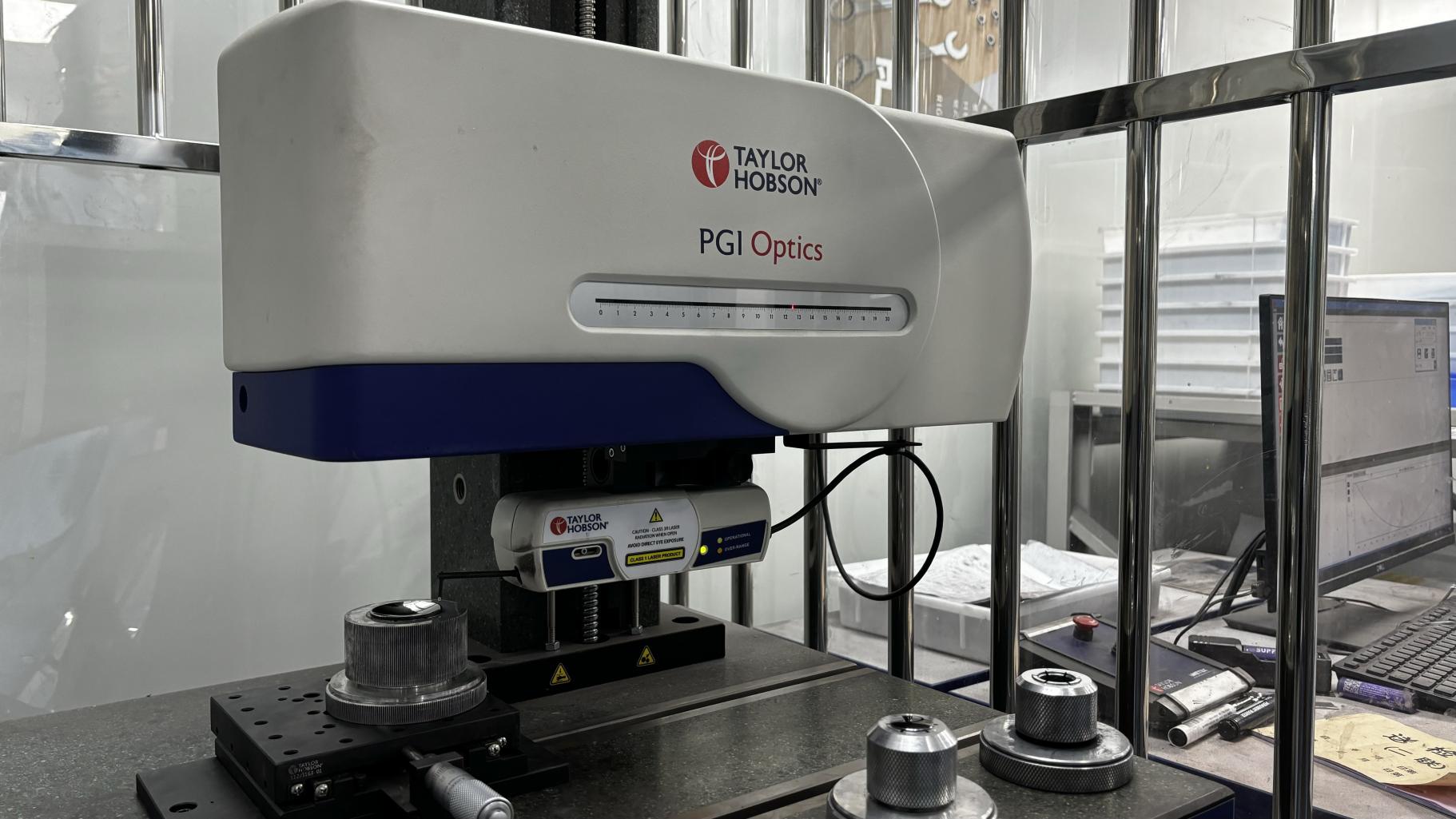
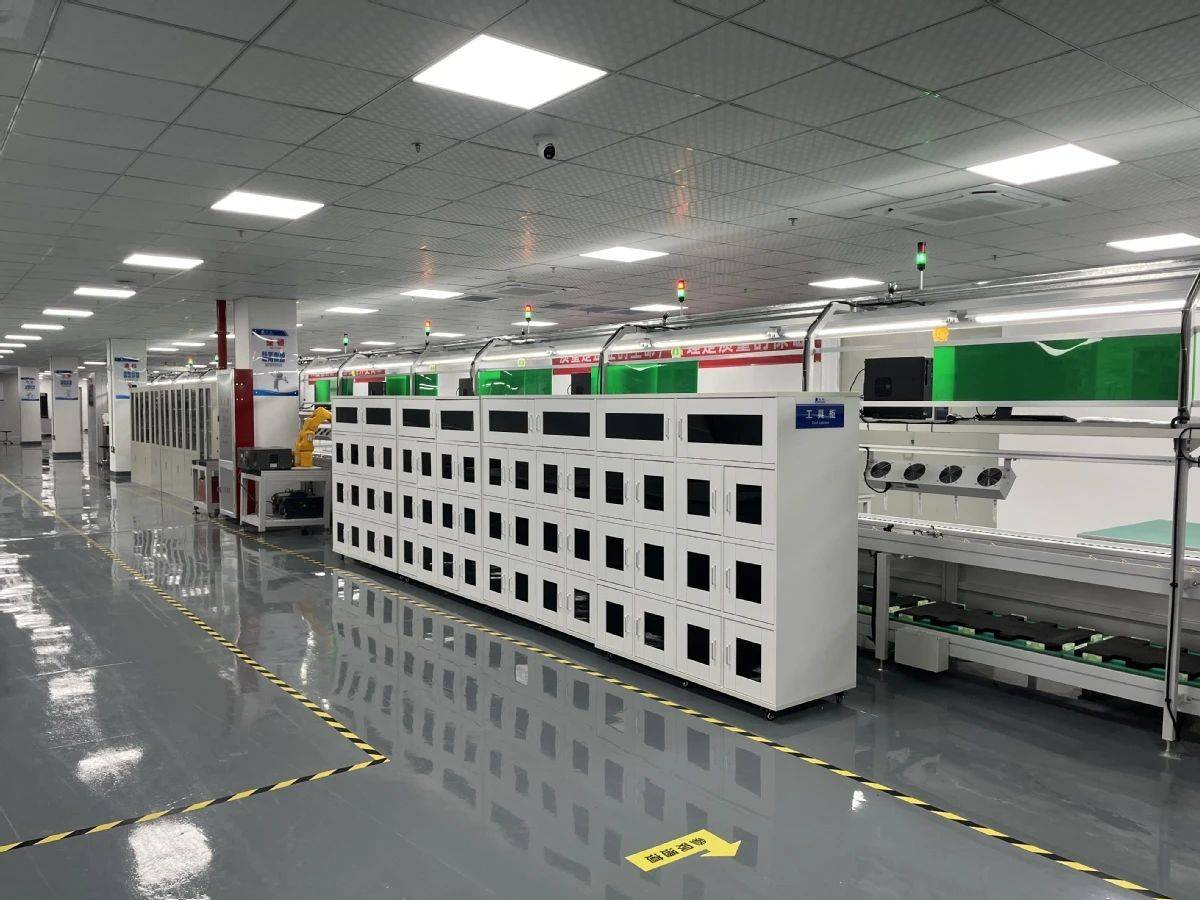
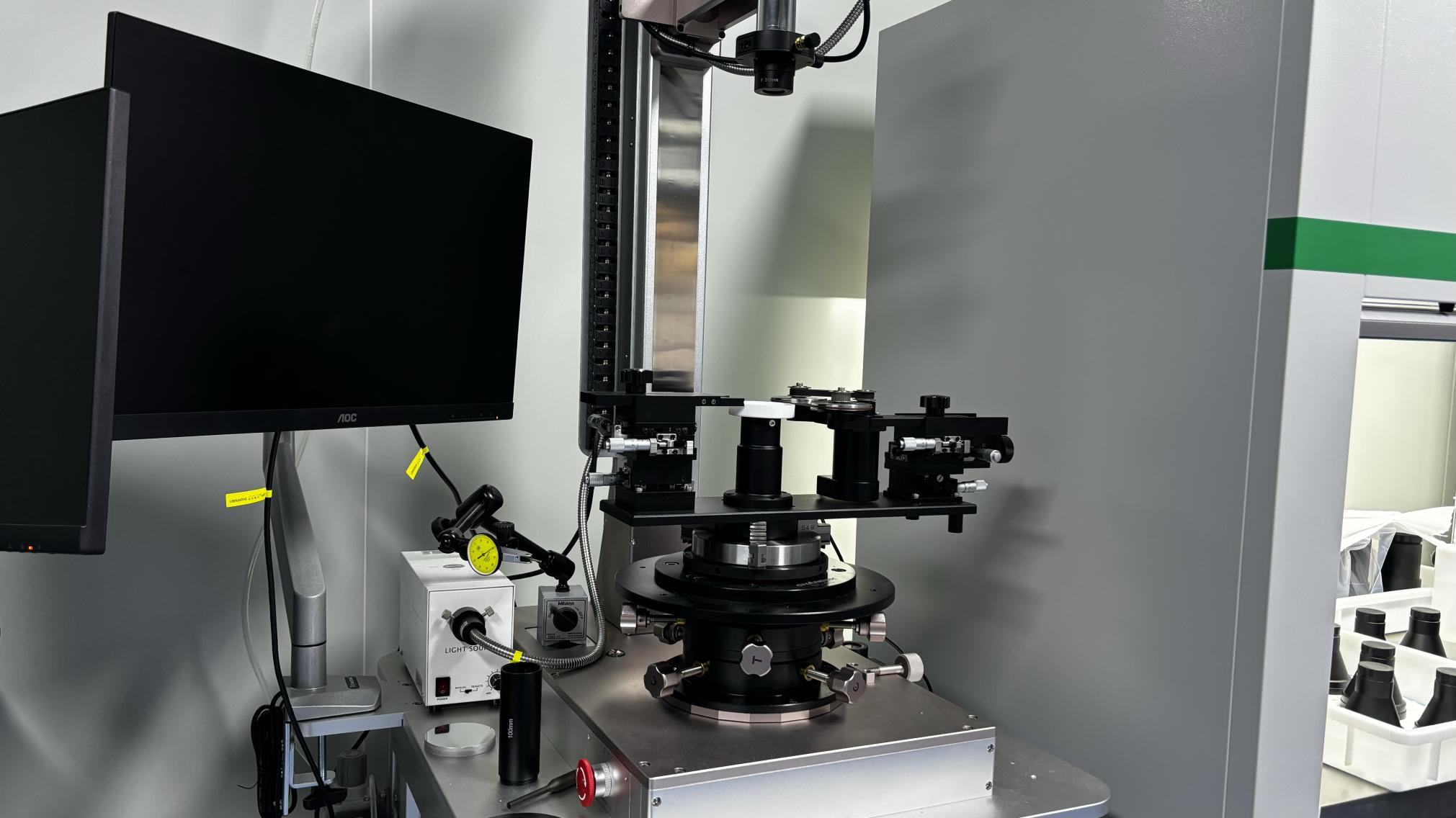
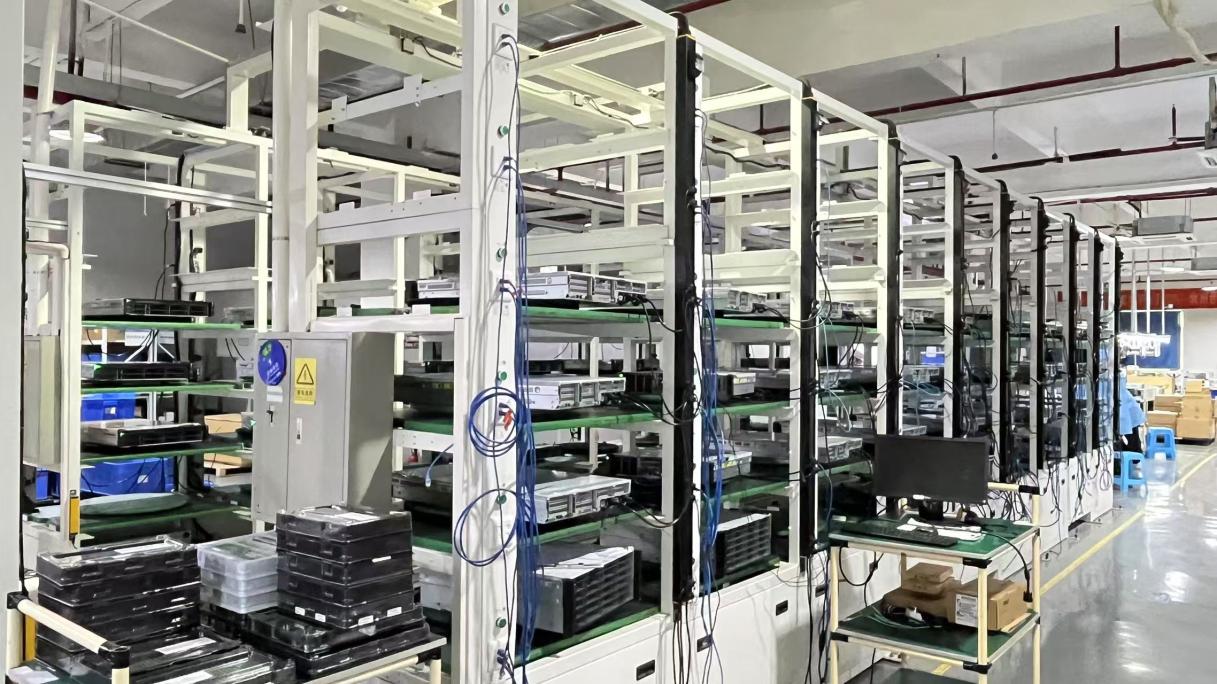
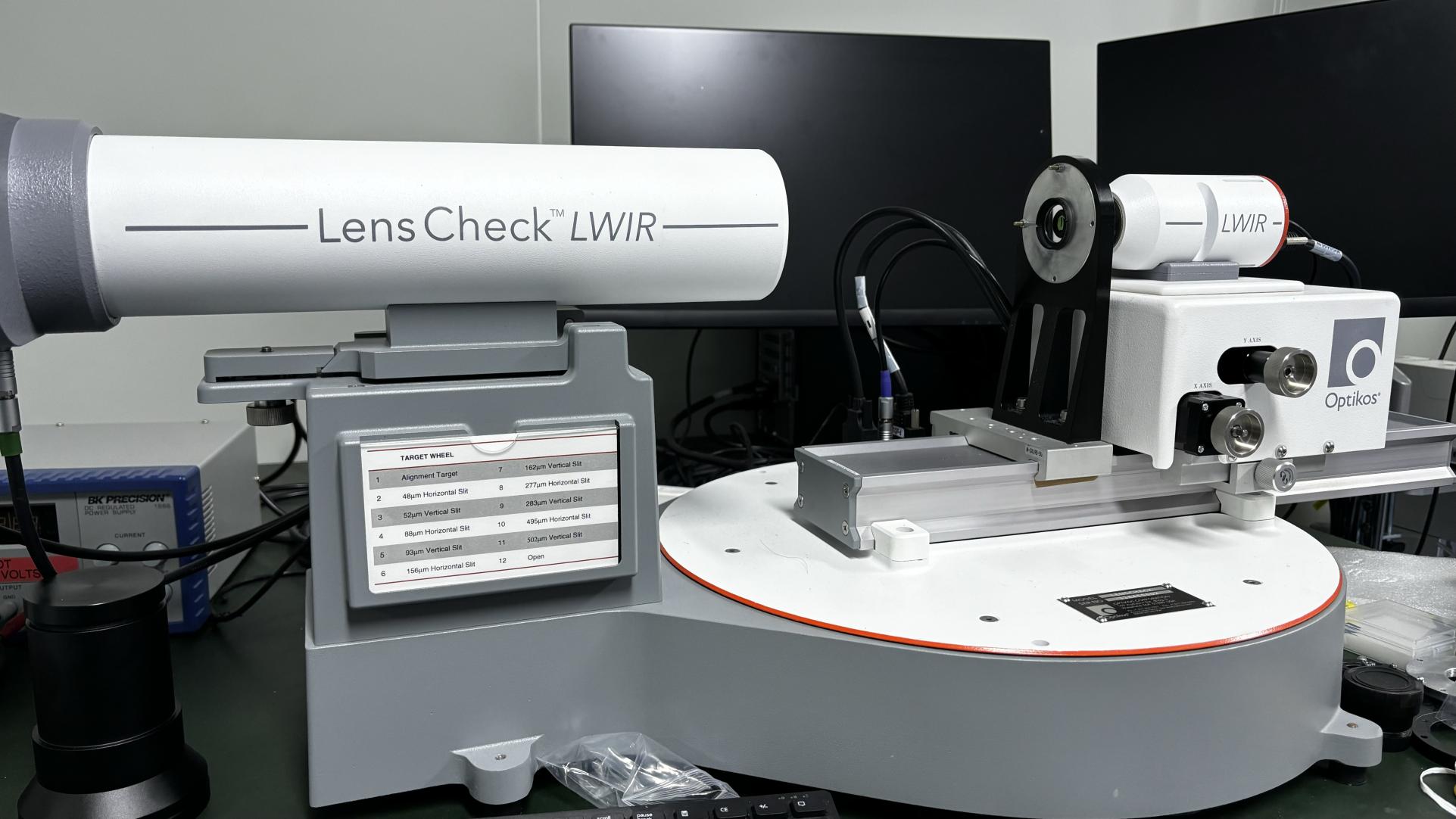
Take an inside look at our production floor, QA cleanrooms, automated SMT pick-and-place systems, and physical testing setups. This infrastructure supports our product development pipeline, ensuring high reliability for high-performance servers and switches.

Find answers to technical and commercial questions regarding bulk switch sourcing, custom factory options, and hardware integration.