Elvantis
Elvantis
Elvantis
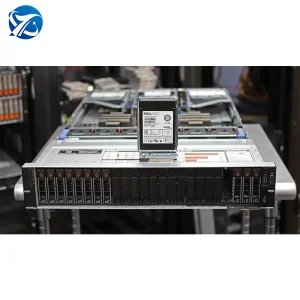
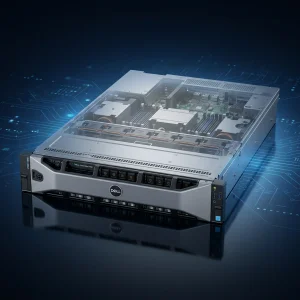
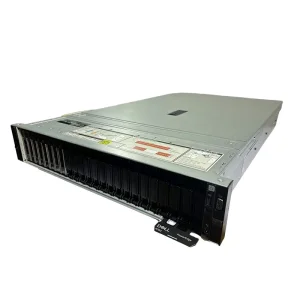
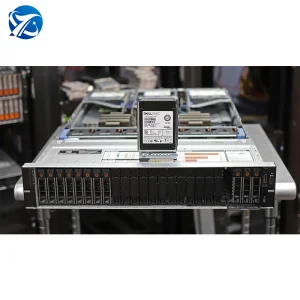
The global compute paradigm is undergoing an unprecedented architectural shift. As machine learning models, neural networks, and multi-modal AI systems—such as deep learning inference networks—become foundational to modern enterprises, the requirements placed on backend server architecture have transitioned from basic execution speed to mass parallel processing, extreme thermal management, and dynamic data fabric access.
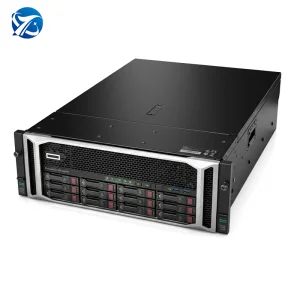
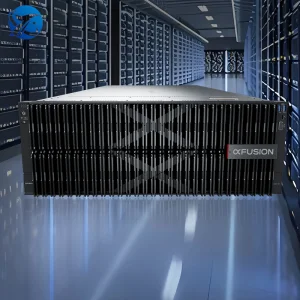
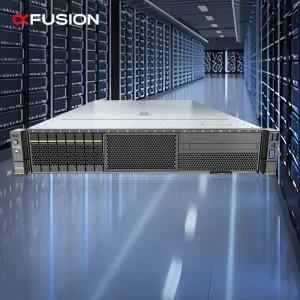
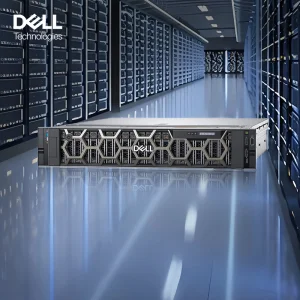
In this high-performance computing (HPC) landscape, specialized hardware solutions like xFusion FusionServer rack servers and complementary enterprise clusters have emerged as industry benchmarks. These systems are strategically engineered to solve the complex bottlenecks associated with large-scale data ingest, real-time analytics, and virtualization workloads. High-speed networking, advanced motherboard chipsets, and next-generation CPU sockets define this new class of hardware, allowing modern datacenters to scale horizontal capacities seamlessly.
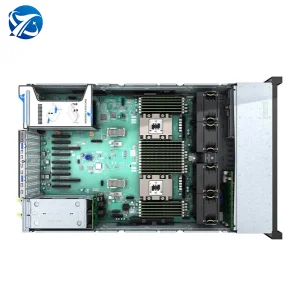
By leveraging modular architectures, these computing platforms accommodate high-density storage drives, scalable PCI Express (PCIe) expansion channels, and multi-socket setups capable of hosting powerful Intel Xeon Scalable processors. This level of adaptability ensures that cloud service providers, large corporations, and specialized research institutions can configure hardware explicitly aligned with their throughput requirements. The ultimate objective is clear: maximizing physical compute density while minimizing structural overhead and system latency.
A resilient compute infrastructure requires more than advanced engineering; it demands a robust, certified manufacturing framework. Elvantis Mesh Systems Ltd. (elvantismesh.com) stands as a specialized global provider of high-performance GPU and enterprise-grade servers. Established in 2016, Elvantis has spent the last decade building a world-class environment for R&D, integration, compliance verification, and volume production.
Operating a modern, specialized testing and configuration facility spanning 380㎡ of high-precision laboratory footprint, Elvantis coordinates the design and custom integration of compute architectures. Backed by 10 years of industry experience and 7 years of export history, Elvantis exports high-density servers to prime markets across North America, Europe, the Middle East, and Southeast Asia. The company's annual export revenue has reached approximately USD 12 million, sustained by a cooperative manufacturing and components network of over 850 partner organizations.
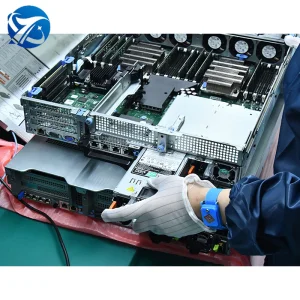
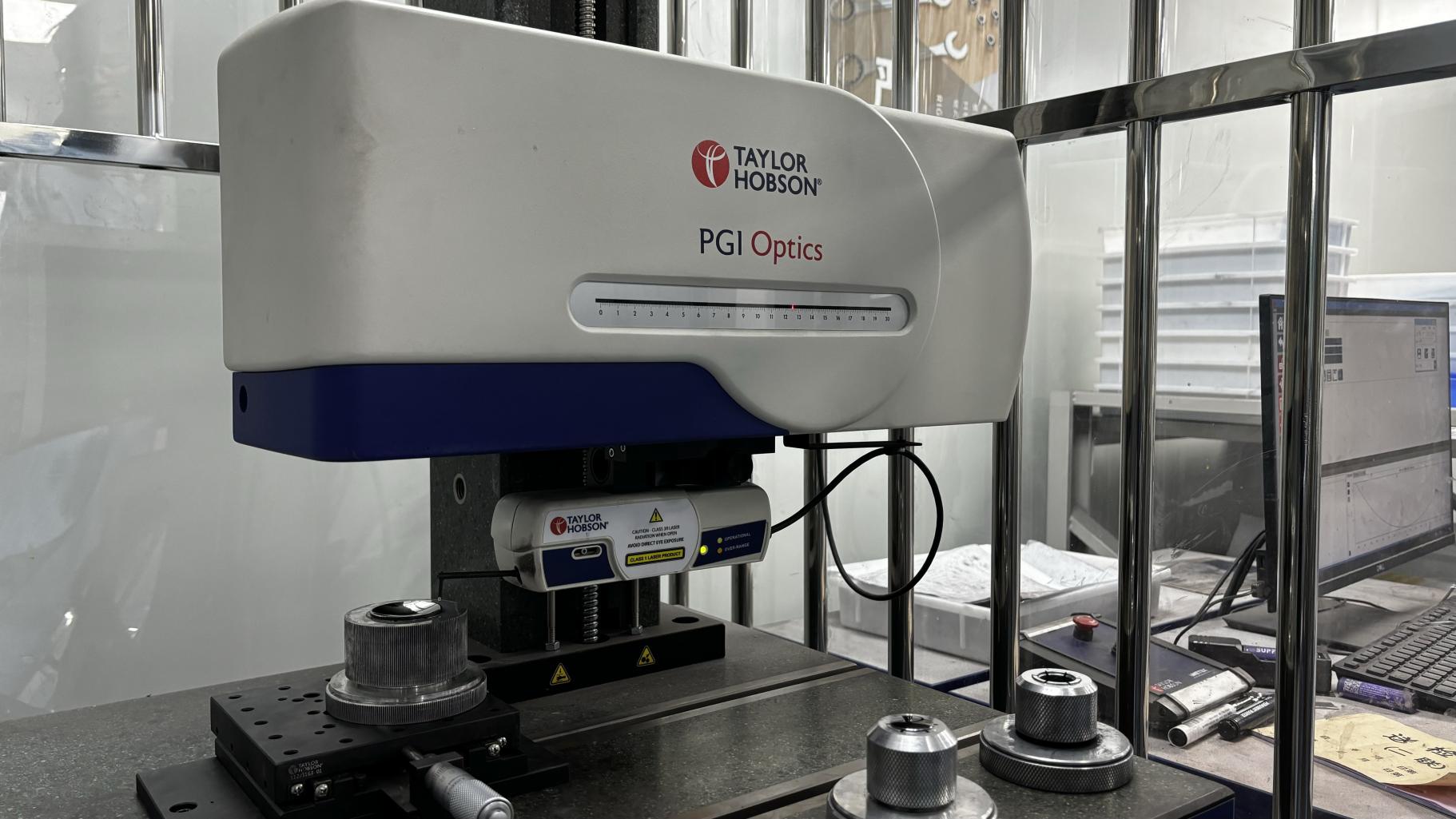
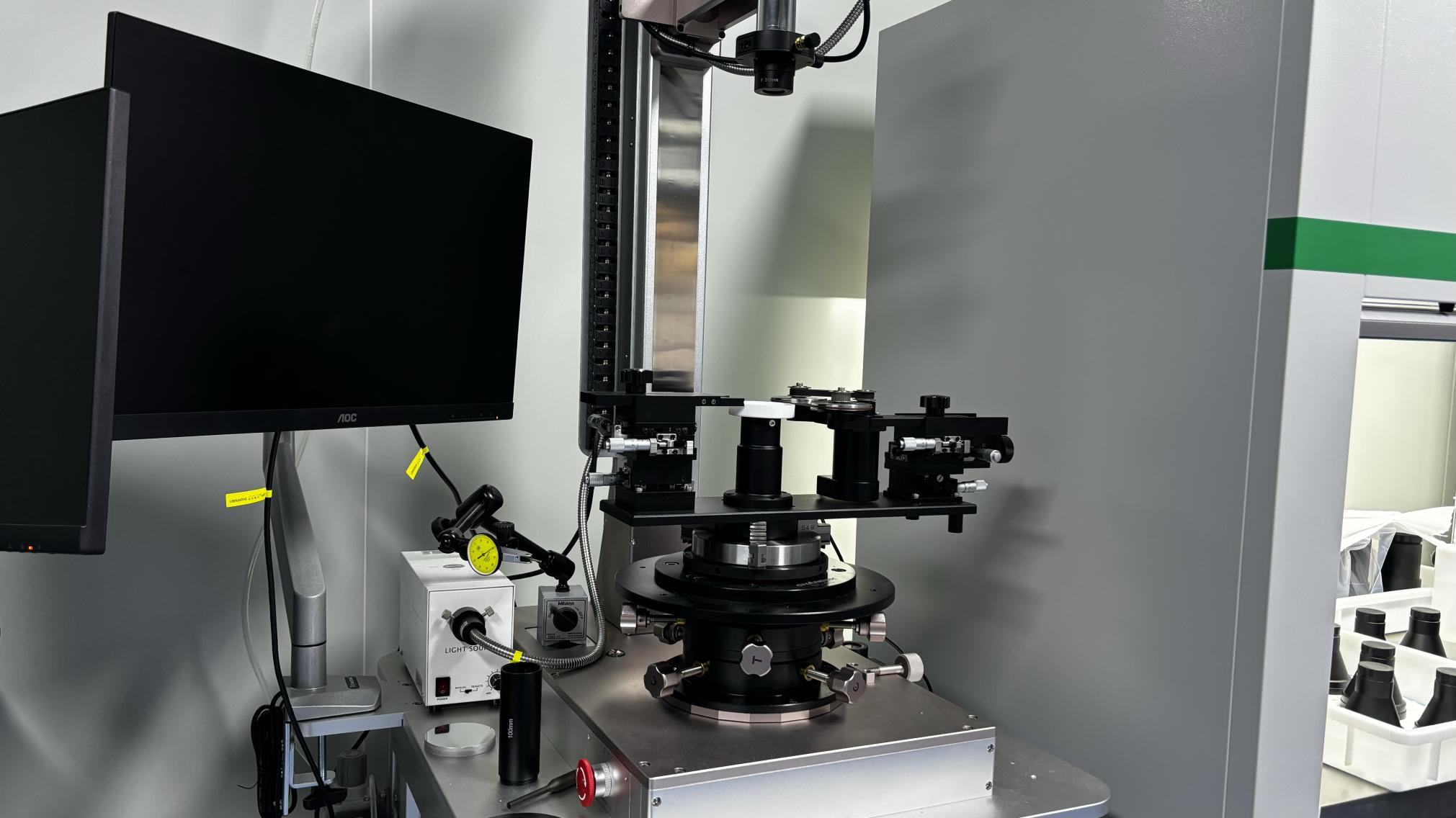
Elvantis implements a rigid, multi-layered quality control mechanism. Every system configuration, from individual motherboard assemblies to complete rack units, goes through automated optical inspection (AOI), hardware diagnostic sweeps, physical thermal stress cycling, and full-load AI workflow simulation. This rigorous process is monitored by a team of 35 QC professionals working alongside a core engineering department of 180 R&D staff. This dynamic operational capacity enabled Elvantis to launch 120 new products in the last calendar year, ensuring that global datacenters have access to cutting-edge server form factors and component updates.
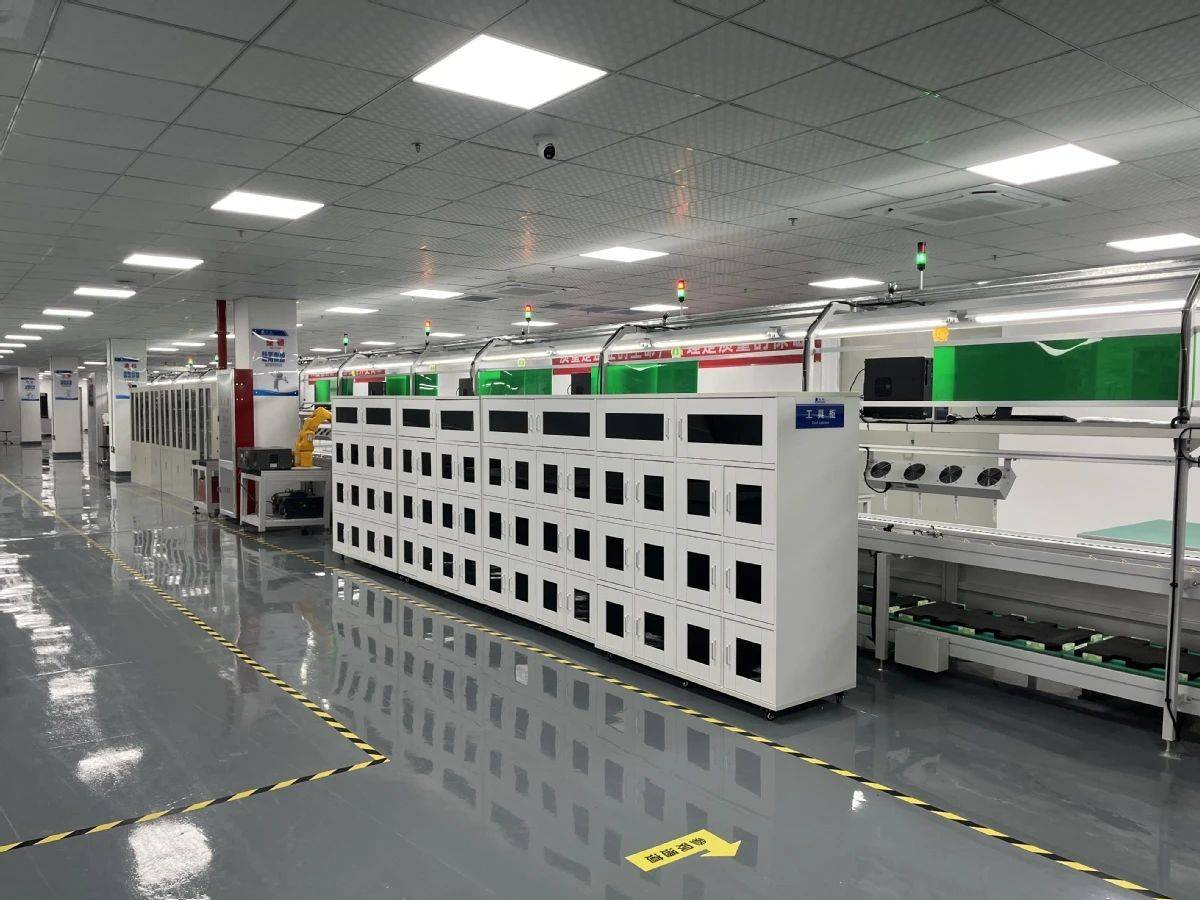
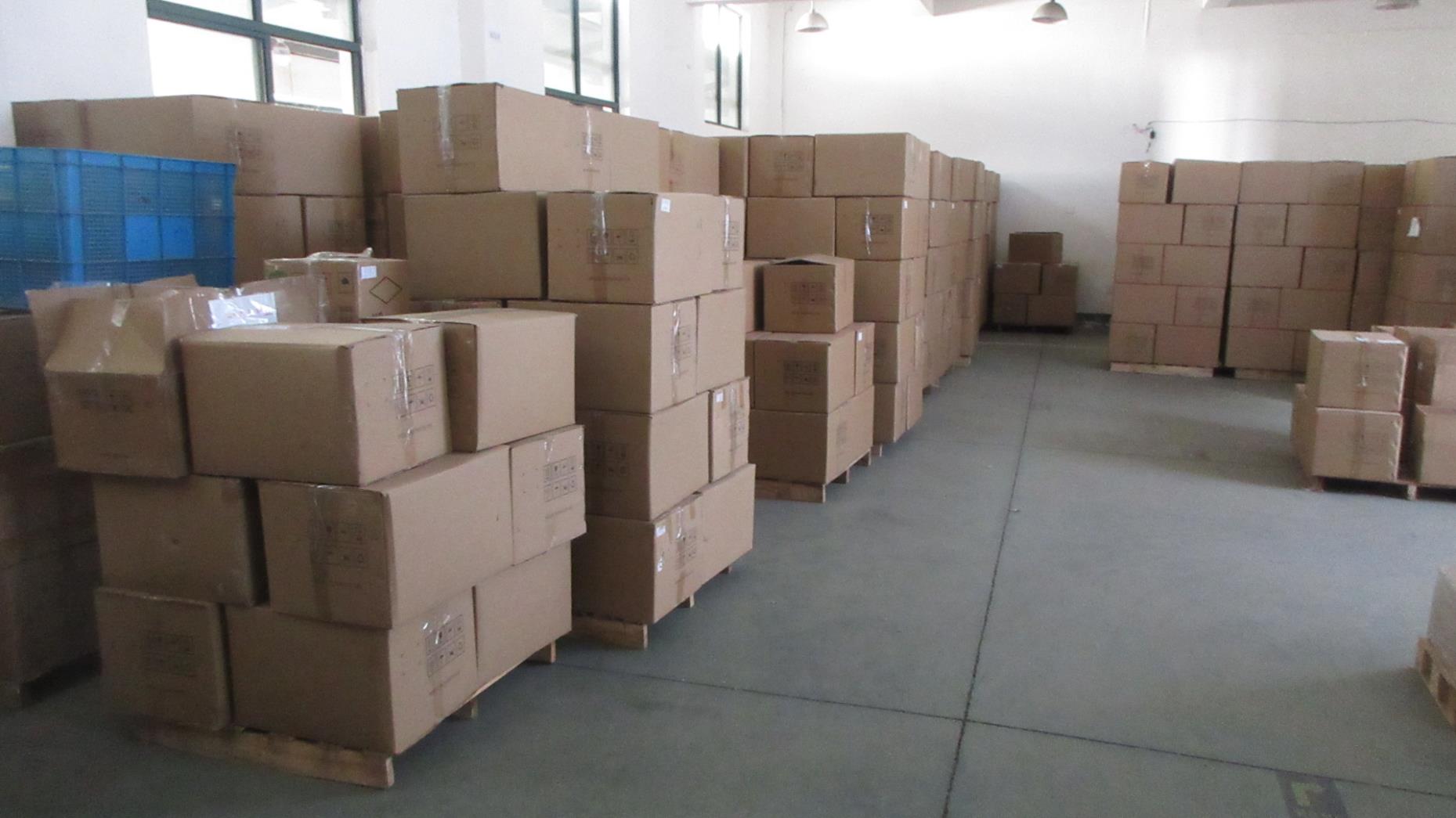
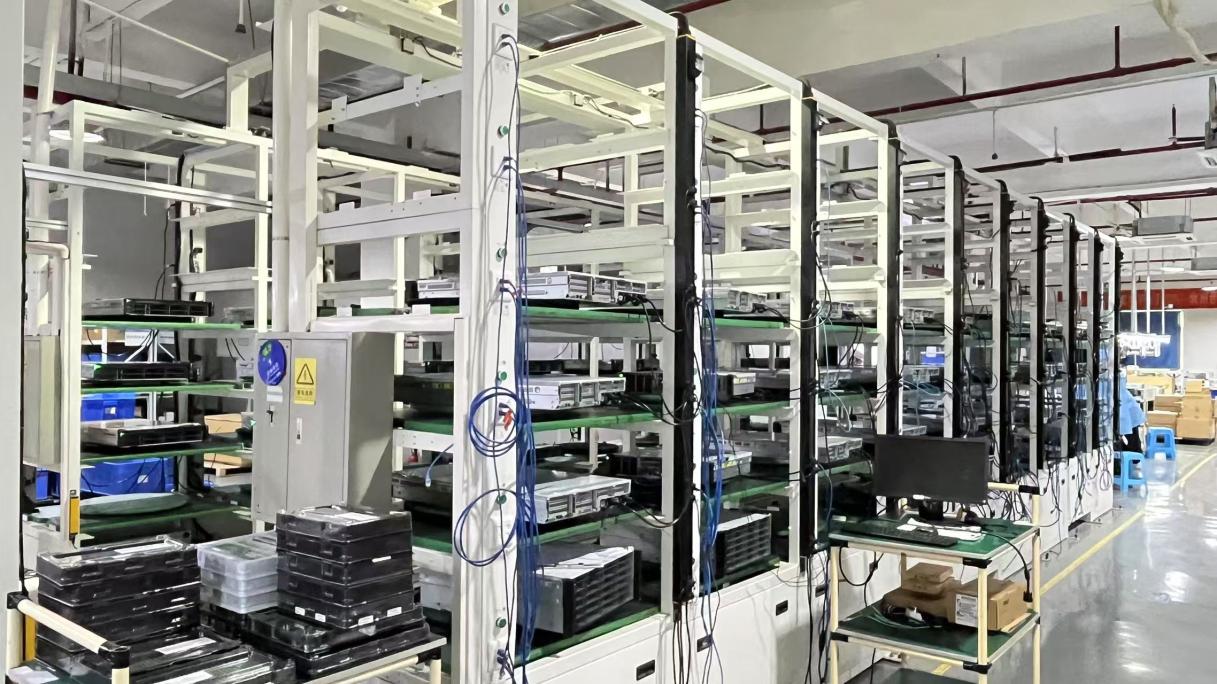
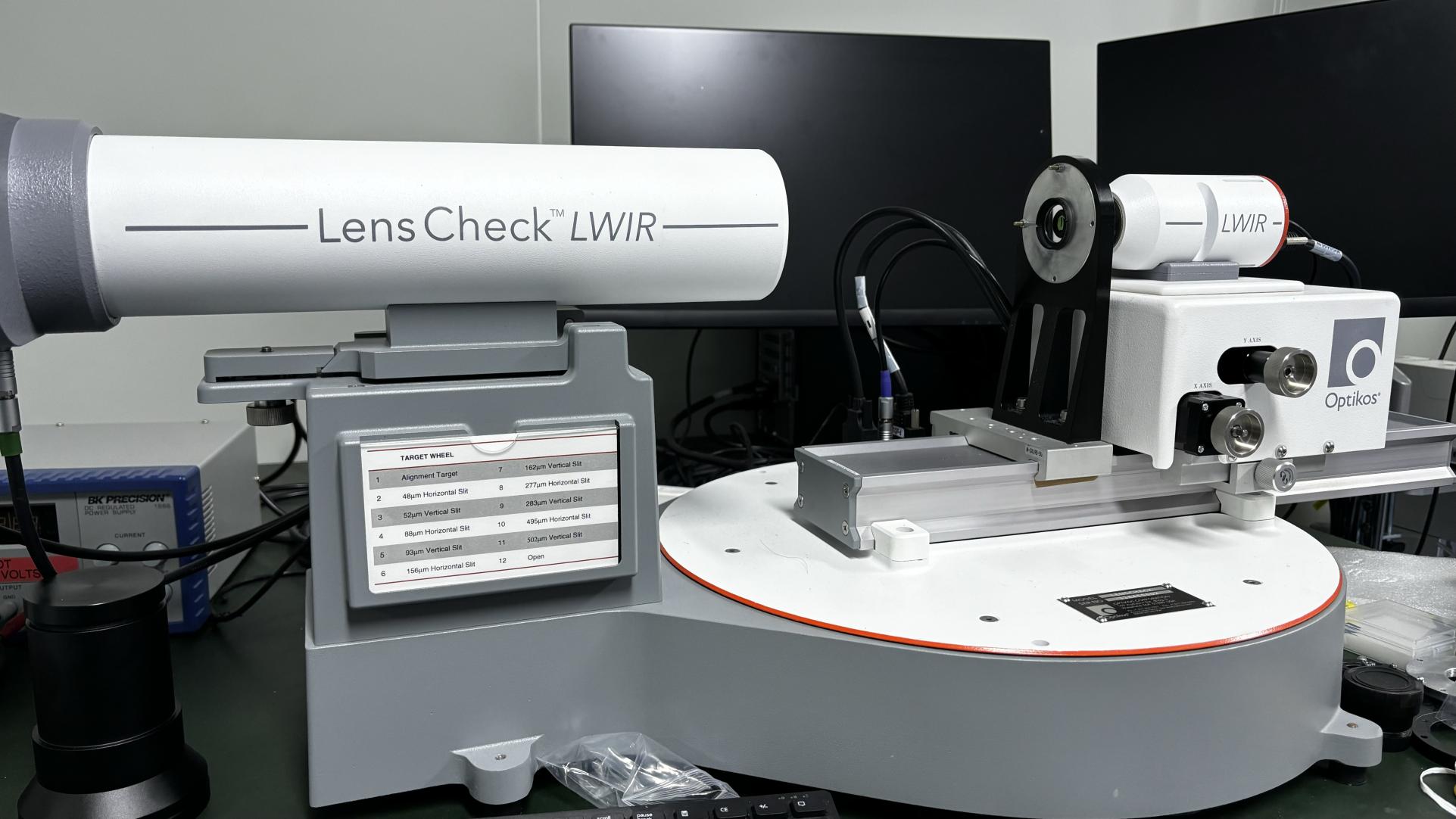
The manufacturing ecosystem located in major Chinese industrial centers—such as Shenzhen—offers critical strategic benefits for global enterprise server distribution. China-based server factories rely on a highly concentrated, localized component supply network. Every crucial structural element, from printed circuit board (PCB) fabricators, multi-layer chassis designers, and specialized power supplies (ranging from 800W to 2000W) to high-speed riser cards, is sourced within a small geographical radius. This concentration minimizes production lead times, allowing factories to assemble, configure, and ship hardware packages rapidly.
This localized network ensures strong resilience against global supply chain disruptions. When semiconductor or passive component shortages arise, Chinese factory networks can adapt quickly by utilizing validated alternative components. Furthermore, the deep integration of Surface Mount Technology (SMT) lines, automated mechanical assembly, and high-speed robotic routing lowers raw manufacturing costs. These savings are passed directly to international buyers in the form of highly competitive hardware pricing, without compromising on materials or build quality.
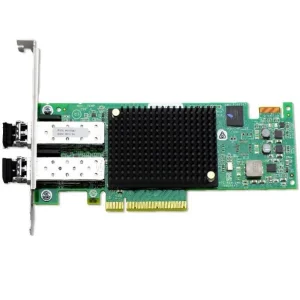
Additionally, this structural model supports rapid customization. Global suppliers can implement custom specifications (OEM/ODM) at speed—whether integrating specific high-bandwidth host bus adapters (HBAs) like the Emulex LPe35002-M2, adjusting PCIe riser card configurations for GPU computing, or configuring hyperconverged infrastructure platforms. This flexibility allows customers to design server configurations that align with their specific operational needs and budgetary frameworks.
Meeting the demands of future enterprise applications requires a clear, forward-looking hardware roadmap. Modern systems must adapt to high-frequency processing, massive memory bandwidth, and intensive thermal demands.
Future xFusion server platforms will fully integrate CXL 2.0/3.0 architectures, allowing dynamic memory sharing between CPU cores and discrete accelerators. This pool minimizes resource idle times and increases virtual machine density across hyperconverged infrastructures.
As PCIe Gen 5.0 systems (like the V6 processor generation) mature, the technical roadmap leads directly to PCIe Gen 6.0 integrations. This double bandwidth allows storage devices, SAS controllers, and NVMe drives to achieve unparalleled throughput rates.
With TDP figures crossing 350W on advanced CPUs, factories are shifting from standard air cooling to closed-loop water cooling blocks and rear-door heat exchangers. This cooling path allows datacenters to maintain a stable PUE close to 1.10.
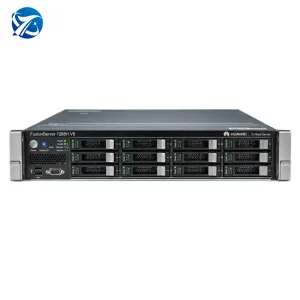
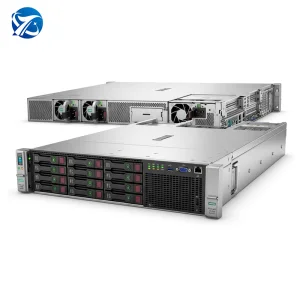
By using systems such as the xFusion 2288H V6, businesses can run hundreds of isolated virtual machines on a single node. High RAM capacities (supported by 2*64GB modules) and dual Intel Xeon Scalable processors ensure that resource allocation is smooth and latency is kept to a minimum.
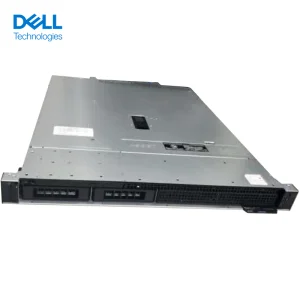
Deploying rugged 2U servers in physical warehouse settings or decentralized branch locations allows organizations to process high-volume sensor and imaging data locally. This architecture speeds up decision-making and reduces WAN usage.
Using high-speed Fibre Channel network controllers like the Emulex LPe35002-M2, companies can connect their database servers directly to high-performance storage arrays. This configuration ensures rapid transactional database processing with minimal risk of performance bottlenecks.
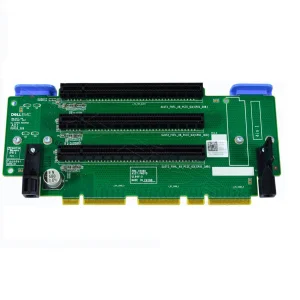
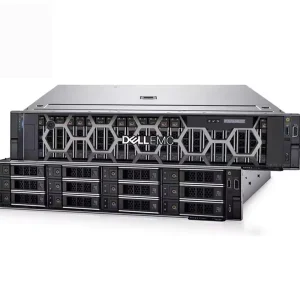
With custom GPU riser cards (like the R740 GPU Kit) and multi-card chassis arrays, factories can configure servers specifically for deep learning workloads. This custom hardware platform is ideal for running complex deep learning pipelines within local networks.
Deploying high-performance server hardware globally requires strict adherence to international safety, environmental, and security standards. Manufacturers work diligently to ensure that all models comply with localized safety frameworks, including the CE mark, FCC certifications, UL testing, RoHS directives, and WEEE regulations. This compliance guarantees that the hardware integrates safely into standard electrical systems without introducing harmful substances.
Furthermore, security is integrated directly into the firmware. With TPM 2.0 (Trusted Platform Module) support, hardware-level encryption keys, and secure boot technologies, these systems protect sensitive data against unauthorized modifications. From a shipping perspective, established logistics networks ensure that all customs documentation, export controls, and tariff filings are processed efficiently, enabling seamless deliveries to destinations in North America, Europe, Asia, and the Middle East.