Elvantis
Elvantis
Elvantis
Ultra-low latency data path solutions for mission-critical architectures
A Macro-Economic and Technical Outlook on High-Performance Compute Deployment
As deep learning algorithms, artificial intelligence training clusters, and hyperscale cloud providers scale their processing needs, server hardware is no longer considered a commodity. Organizations are forced to optimize at the bare-metal level. Factors like thermal design power (TDP), bus multiplexing, PCIe lane distribution, and memory caching structures have become the determining variables for Total Cost of Ownership (TCO).
Transitioning from SAS-2 systems to 12Gb/s and 24Gb/s SAS-3/SAS-4 architectures allows enterprise environments to bridge legacy HDD storage configurations with modern NVMe caching layers, minimizing pipeline bottlenecks during parallel read operations.
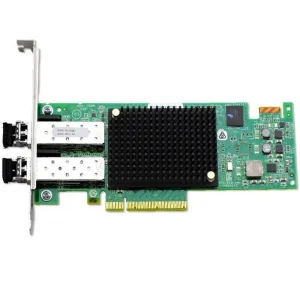
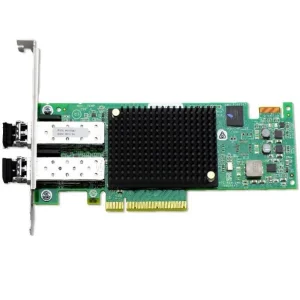
For financial applications and database transaction integrity, 32GFC Host Bus Adapters (HBAs) remain the industry standard. They utilize specialized FC-SP-2 authentication protocols to secure point-to-point datacentral interfaces, ensuring zero-packet-drop storage fabrics.
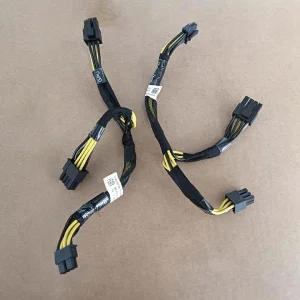
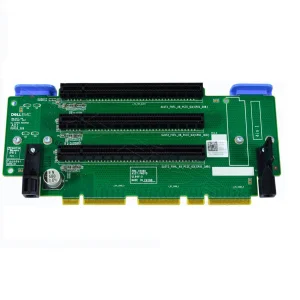
Deploying R740 and R740XD dual-socket platforms in AI nodes requires customized high-power delivery cables (such as the TR5TP) and robust PCIe riser configurations to sustain reliable power rails during intense, multi-GPU training workloads.
Your Trusted High-Performance AI GPU Server & Components Partner
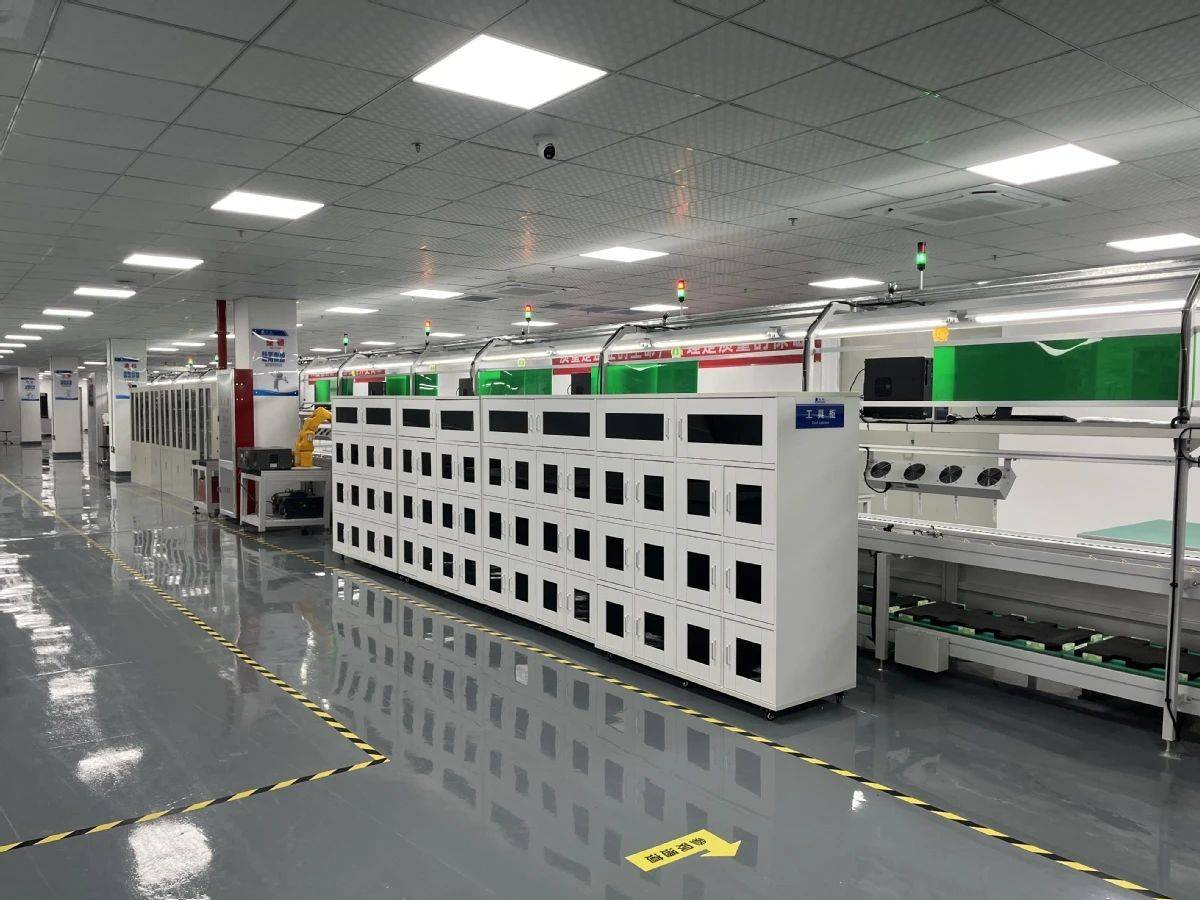
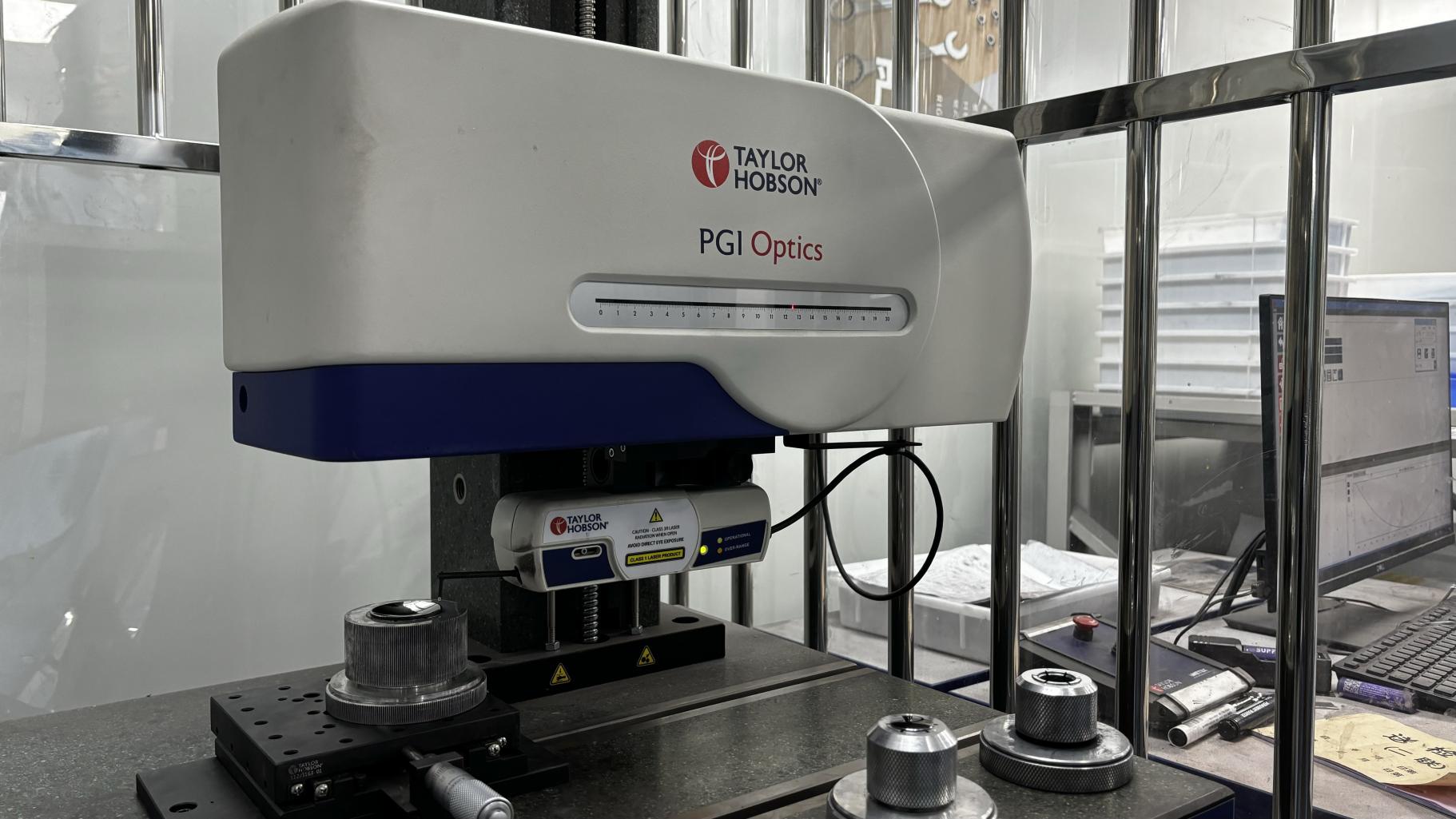
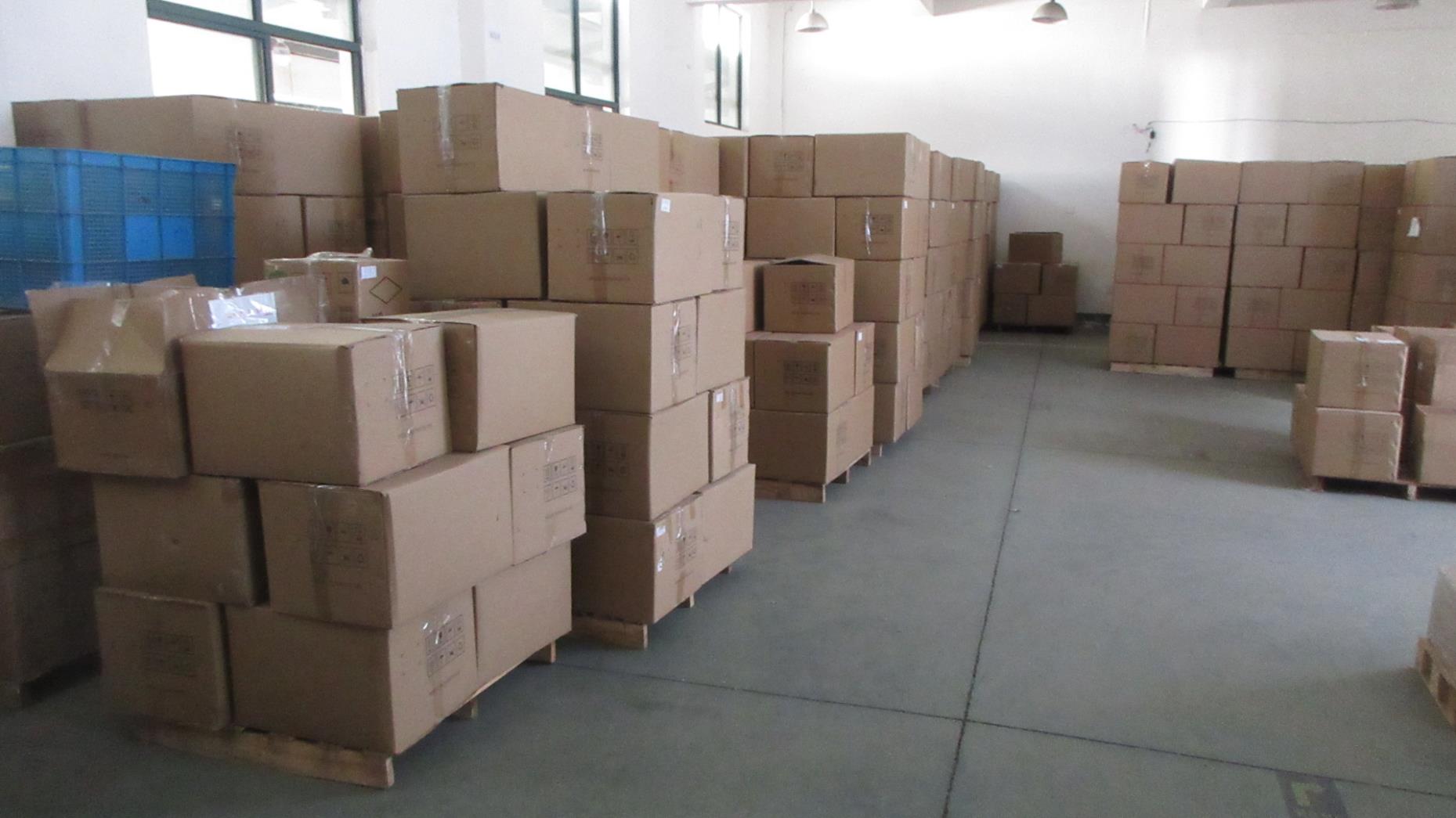
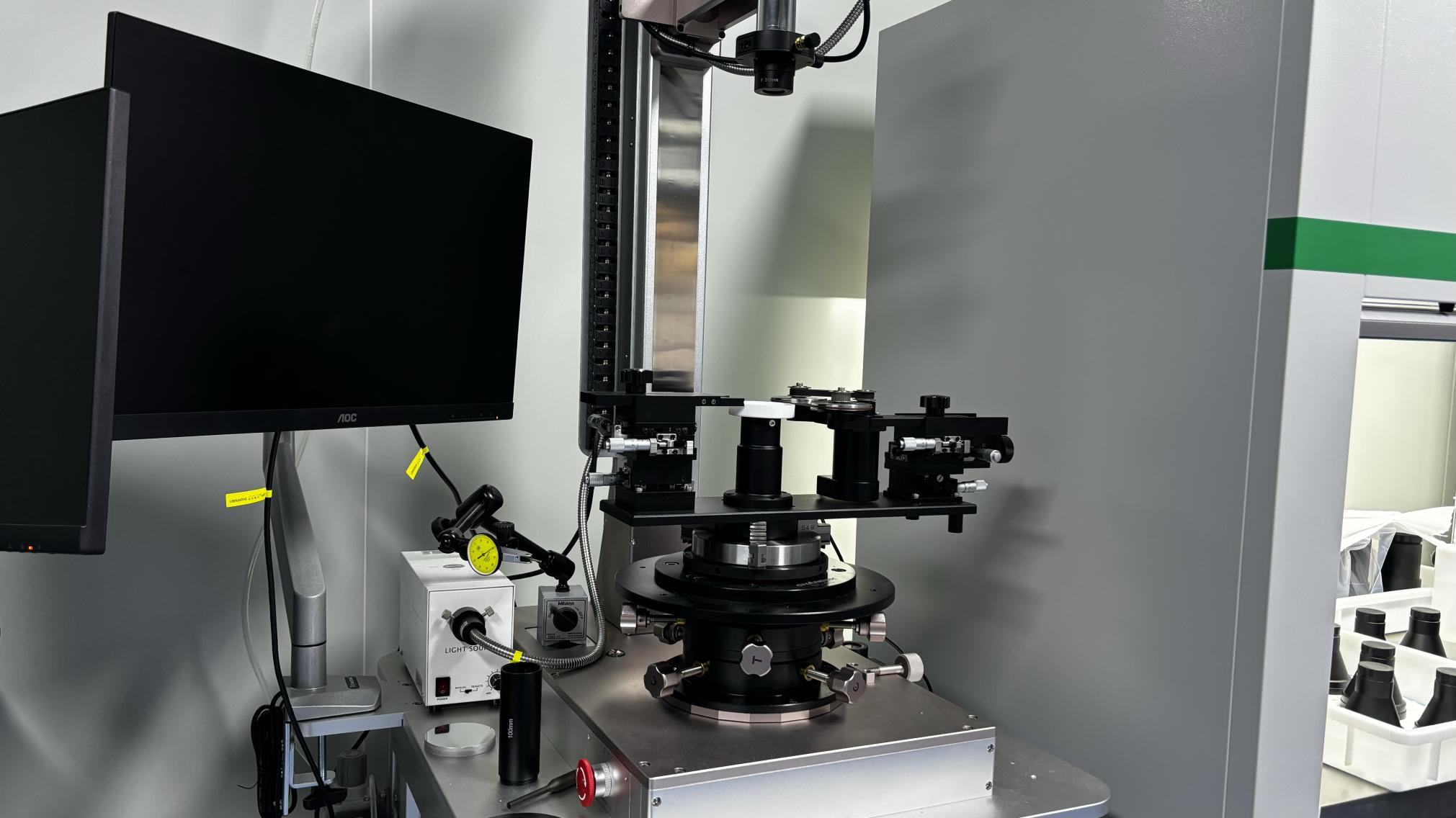
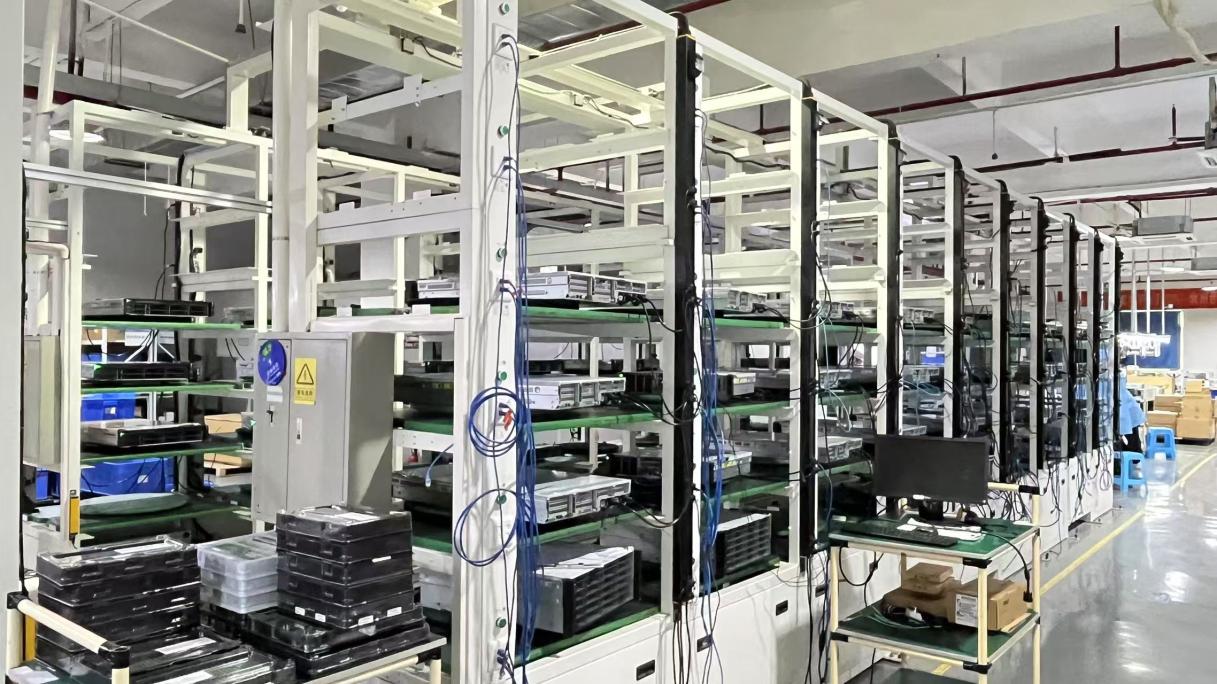
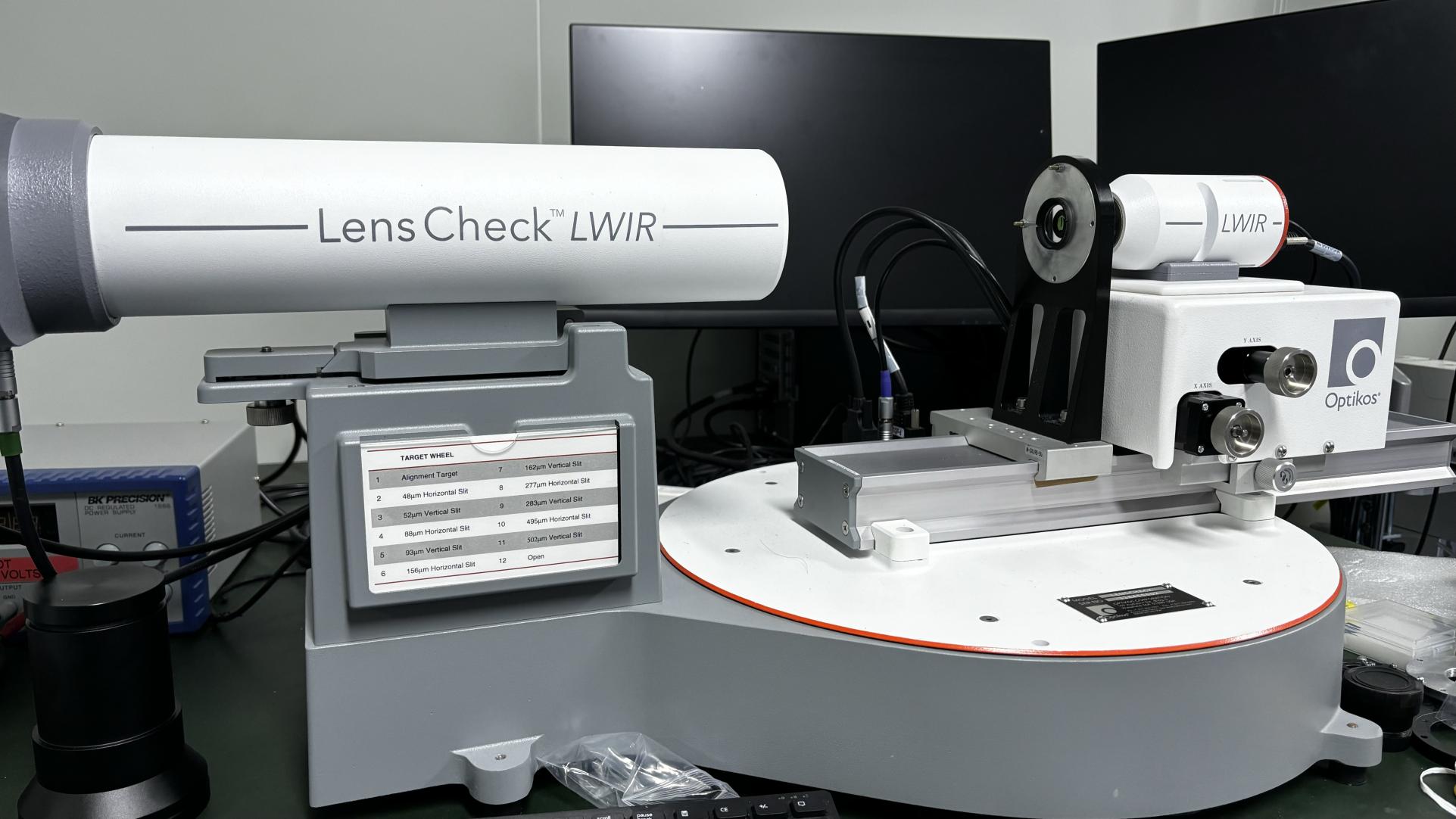
Established in 2016, Elvantis Mesh Systems Ltd. (elvantismesh.com) has developed into an industry-leading AI GPU server manufacturer. We focus on designing next-generation GPU cluster networks, thermal management systems, and high-speed data routing pathways. Our modern production layout features a specialized R&D lab, system testing environments, and burn-in cells across a 380㎡ boutique facility, supported by scalable contract manufacturing resources.
Backed by over 10 years of core industry experience and 7 years of international trade operations, we deliver robust equipment configuration processes to systems integrators, hyperscalers, and AI research institutes worldwide. In the past year alone, Elvantis expanded its hardware portfolio by releasing 120 new products, catering to the technical shifts in PCIe Gen 4/Gen 5 interconnect structures.
Annual Export Value
Supply Chain Partners
R&D Engineers & Specialists
QC Professionals
Modern server storage environments balance capacities and data access latency. Integrating high-bandwidth controllers like the Broadcom 9560-16i or 9540-8i Tri-Mode RAID Controller Cards allows enterprise servers to concurrently manage NVMe, SAS, and SATA interfaces via a single backplane. This flexibility is essential for dynamic data tiering strategies.
Historically, storage designs required separate interfaces for SAS/SATA configurations and PCIe-based NVMe storage. By deploying 12G SAS RAID systems featuring PCIe 4.0 host interfaces, the overall host-side lane requirements are minimized. A 16-port controller configured with a Gen 4.0 x8 interface delivers up to 16GB/s of host bandwidth. This is sufficient to handle large-scale database queries and heavy VM storage traffic without PCIe bottlenecking.
| Controller Model | Host Interface | Port Count | Cache Capability | Supported RAID Levels |
|---|---|---|---|---|
| Broadcom 9560-16i | PCIe 4.0 x8 | 16 Internal | 8GB LPDDR4 | 0, 1, 5, 6, 10, 50, 60 |
| Broadcom 9540-8i | PCIe 4.0 x8 | 8 Internal | No Cache (Pass-through) | 0, 1, 10 |
| XC470C-M-8i (SAS3908) | PCIe 4.0 x8 | 8 Internal | 4GB DDR4 | 0, 1, 5, 6, 10, 50, 60 |
| XP270-M2 (SAS3808) | PCIe 3.0 x8 / PCIe 4.0 x8 | 2 M.2 Ports | No Cache | 0, 1, JBOD |
In high-availability configurations, write-back caching features risk data loss or corruption during unexpected power outages. Utilizing supercapacitors or CacheVault flash modules with controllers like the LSI 9560-16i ensures that any unwritten metadata cached in LPDDR4 is instantly copied to non-volatile flash storage if input voltage drops below critical thresholds. This prevents file allocation table failures and directory corruptions.
Future-Proofing Data Infrastructure for High-Throughput System Topologies
Modern memory allocations face capacity bottlenecks at the processor level. The development of CXL technologies allows servers to treat HBA storage buffers and GPU accelerators as shared memory pools. This reduces device-to-device copying and frees up host processor cycles during complex database calculations.
As server processors run hotter, cooling air-cooled racks requires excessive fan power. Deploying direct-to-chip liquid blocks and custom loop splitters ensures systems operate within thermal limits, preventing processor throttling during peak computational tasks.
To support high-speed enterprise storage networks, HBA developers are launching 64Gb/s Single and Dual-Port Host Bus Adapters. These cards maintain backwards compatibility with existing 32GFC and 16GFC systems while doubling optical throughput for critical SAN databases.
Processing networks, security tasks, and storage fabrics directly on host CPUs can consume up to 30% of their processing power. Offloading these tasks to dedicated Data Processing Units (DPUs) and SmartNICs allows enterprise clusters to dedicate host CPUs entirely to user applications.
Protecting System Performance with Modern OEM/ODM Testing Protocols
To ensure server accessories maintain high reliability under continuous operation, Elvantis Mesh Systems Ltd. utilizes a multi-layer quality assurance testing workflow. Each controller card, HBA network card, optical cable, and server power supply undergoes strict verification steps before shipment:
AOI systems inspect trace elements, solder consistency, and component alignment on controller cards to prevent circuit path issues under thermal loads.
Components undergo environmental testing from 0°C to 75°C to confirm the structural stability of solder joints and capacitor performance under rapid temperature changes.
Devices are subjected to continuous read-write stress tests on PCIe bus interfaces for 24-48 hours to confirm steady driver execution under load.
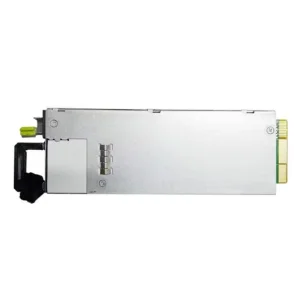
Optimized interface configurations and high-performance server power systems
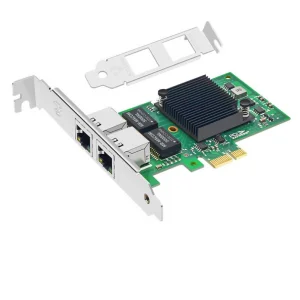
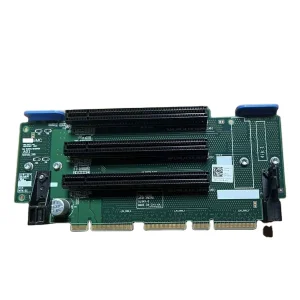
Configured Infrastructure Setups for Critical Datacenter Scenarios
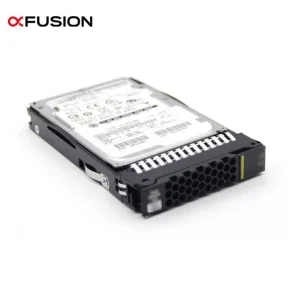
For datacenters managing large VM farms or object storage configurations, utilizing NL SAS 12Gb/s HDDs combined with LSI 9560-16i cache controllers maximizes cost-efficiency. This configuration supports high sequential capacities while keeping controller hardware overhead to a minimum.
Database systems requiring high transaction speeds rely on 32GFC Host Bus Adapters (such as the LPe35002-M2). These dual-port PCIe cards connect directly to SAN switch structures, providing redundant, low-latency datapath connections for enterprise storage systems.
High-end GPU nodes need robust power delivery and stable bus configurations to prevent computational dropouts. Combining R740 Riser Kits, reliable GPU interface adapters, and custom power solutions like the TR5TP GPU Cable ensures GPUs remain powered and connected during sustained workloads.
HCI nodes benefit from mixing fast SSD caching and mechanical storage drives. Utilizing Tri-Mode RAID controller cards allows a single controller to manage SSD caching layers and high-capacity storage backplanes simultaneously, saving slot space for additional network interface cards.
Ensuring Secure Delivery to Key Global Enterprise Hubs
Exporting high-performance server hardware requires strict compliance with international trade laws and technical certifications. Elvantis maintains up-to-date compliance records to meet import regulations in our main markets, including North America, Europe, the Middle East, and Southeast Asia:
Additionally, we supply comprehensive custom clearance paperwork, including origin declarations, commercial invoices, packing lists, and test reports. This detail helps prevent customs delays, keeping your deployment schedules on time.
Technical answers to common enterprise server accessory procurement queries