Elvantis
Elvantis
Elvantis
The global enterprise data ecosystem is undergoing a dramatic architecture shift. Driven by the computational demands of Large Language Models (LLMs), dense cloud virtualization, and real-time analytical database pipelines, server memory has progressed from a simple storage block to a core pipeline bottleneck. System engineers are no longer just looking at raw capacity; they are analyzing thermal limits, signal attenuation, ECC error recovery boundaries, and latency budgets.
Currently, the enterprise space relies heavily on two primary memory standards. While DDR5 has introduced groundbreaking advancements, DDR4 remains the operational backbone for thousands of legacy and budget-optimized systems:
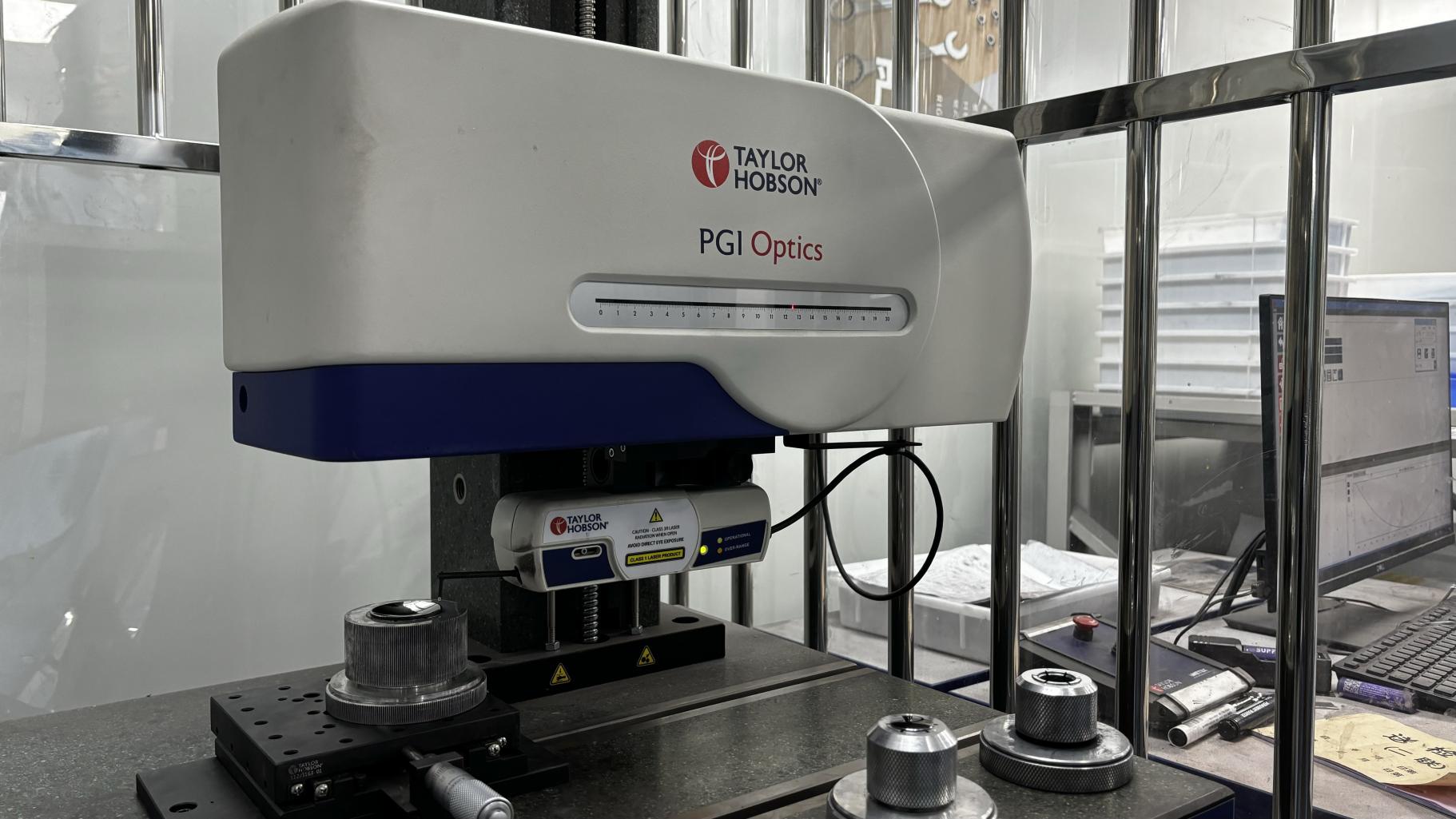
"Memory latency and reliability represent the absolute thin red line in modern multi-tenant cloud platforms. A single uncorrectable ECC error can cause system panics that disrupt thousands of virtual machines."
Procuring server RAM on a global scale requires checking parameters far beyond simple prices. Memory exporters must demonstrate compliance with tight architectural and electrical baselines. System integrators, hyperscalers, and OEM/ODM designers prioritize the following metrics during factory selection:
Enterprise RAM factories must maintain a 100% transparent supply chain, sourcing original DRAM dies from Tier-1 silicon manufacturers (Samsung, SK Hynix, Micron). Standardized testing records for the PCB layer configuration and sub-components are essential to prevent counterfeit hardware from reaching the field.
As silicon geometries shrink, memory cells become more susceptible to electromagnetic interference and alpha particle strikes. Sourcing requirements mandate Error Correcting Code (ECC) mechanisms to detect and repair single-bit errors dynamically, ensuring continuous uptime in enterprise missions.
High-density modules (such as 64GB RDIMMs and 128GB LRDIMMs) generate significant heat under intensive AI training workloads. Efficient heat sink integration and validation under elevated operational temperatures prevent thermal throttling.
China's specialized high-tech manufacturing sector has evolved from simple hardware assembly to fully automated Industry 4.0 operations. Through advanced automation and deep supply chain integration, Chinese factories provide unmatched efficiency and engineering customization.
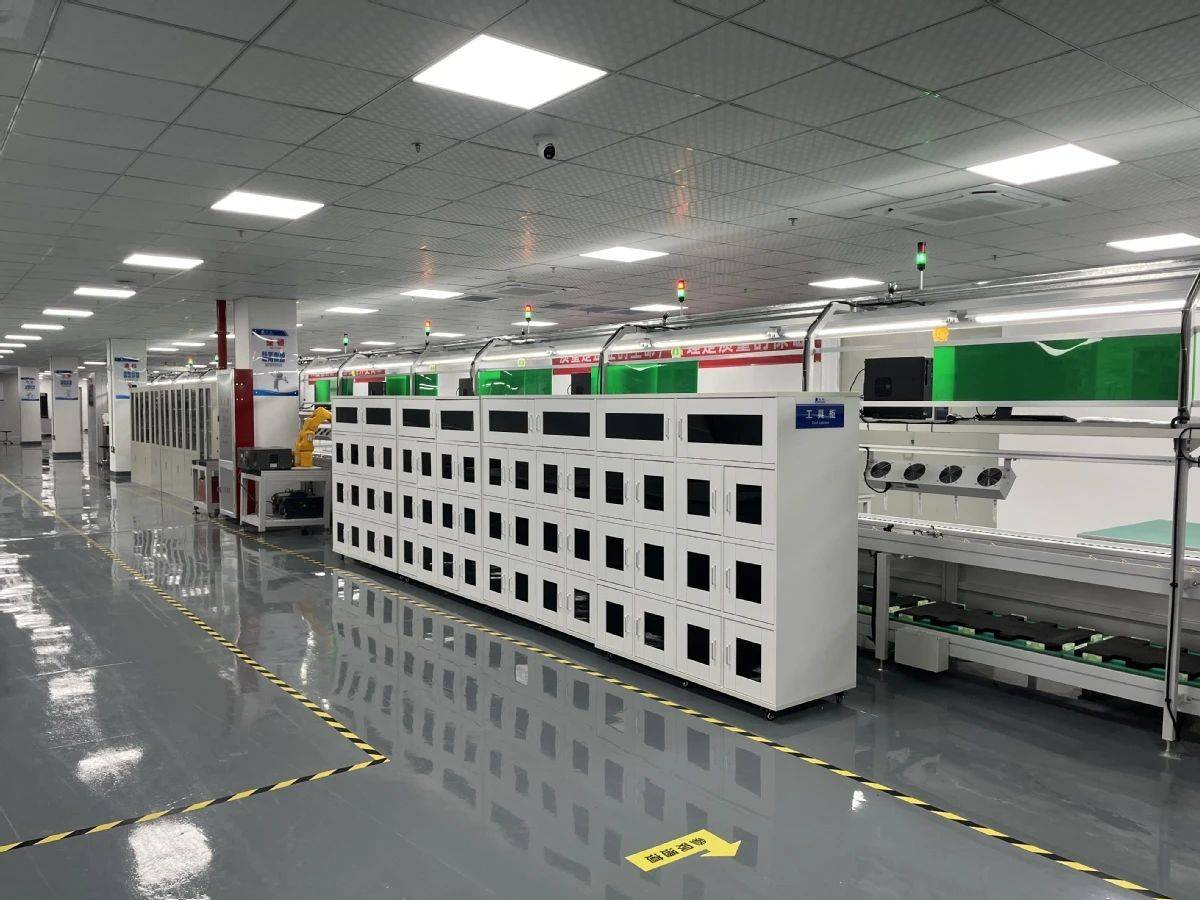
Leading server RAM factories utilize advanced SMT (Surface Mount Technology) processes coupled with online optical testing platforms to eliminate human error:
A global pioneer in high-performance AI GPU server and enterprise-grade computing hardware design.
Established in 2016, Elvantis operates a highly advanced facility spanning approximately 380㎡, integrating R&D, advanced assembly, diagnostics, and multi-tier quality assurance. With over 10 years of industry experience and 7 years of direct export credentials, Elvantis serves primary high-tech centers across North America, Europe, the Middle East, and Southeast Asia. The company recorded an annual export revenue of approximately USD 12 million, supported by a reliable network of 850 cooperative supply partners.
Founded
Export Revenue
Supply Partners
QC Specialists
R&D Engineers
Because high-density hardware requires close optimization between memory subsystems, processors, and accelerators, Elvantis offers complete OEM/ODM capabilities. Their team released 120 new products in the past year alone, showcasing fast development cycles that help buyers customize system boards, custom memory layouts, thermal solutions, and firmware protocols.
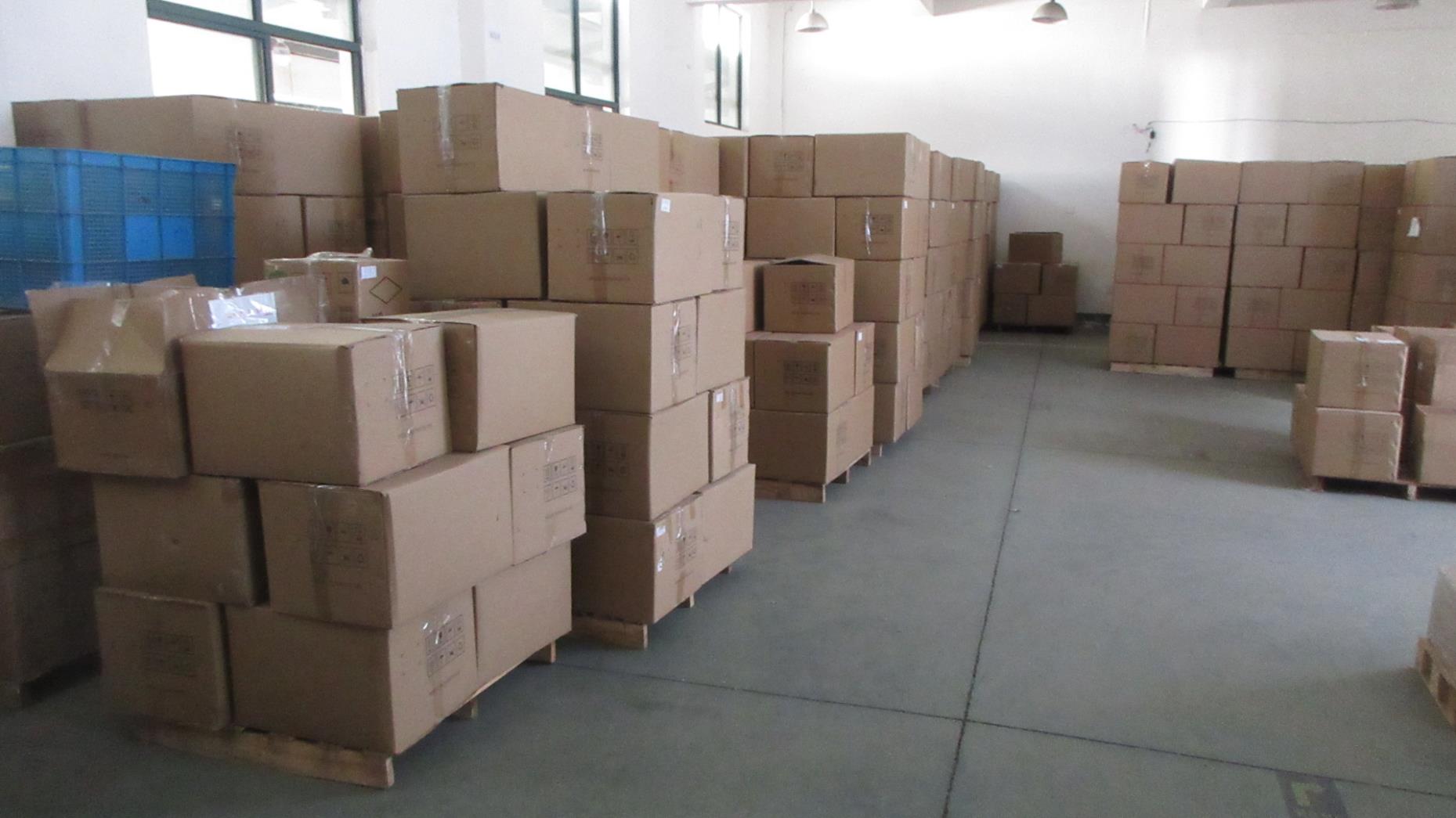
Server memory modules must operate reliably under challenging workloads for many years. Elvantis employs a comprehensive, multi-layer quality assurance framework managed by 35 dedicated QC professionals. The validation system includes:
All modules undergo extended high-temperature testing under variable voltages to isolate and eliminate components prone to early failure before shipment.
Proprietary software tools stress the memory controllers and registers, ensuring complete stability even when managing dense virtual workloads.
Memory operates within a wide thermal range (-40°C to +85°C) to simulate high-temperature data center hot aisles and prevent premature circuit wear.
Modern servers, such as the AI Inference G5200 V5 GPU Server or FusionServer G8600 V7, place unique electrical loads on memory channels. To prevent memory bus failures during high-speed data transfers, the quality control team performs system-level testing using production motherboards and actual AI workloads. This ensures that every RAM kit meets the performance requirements of enterprise data centers.
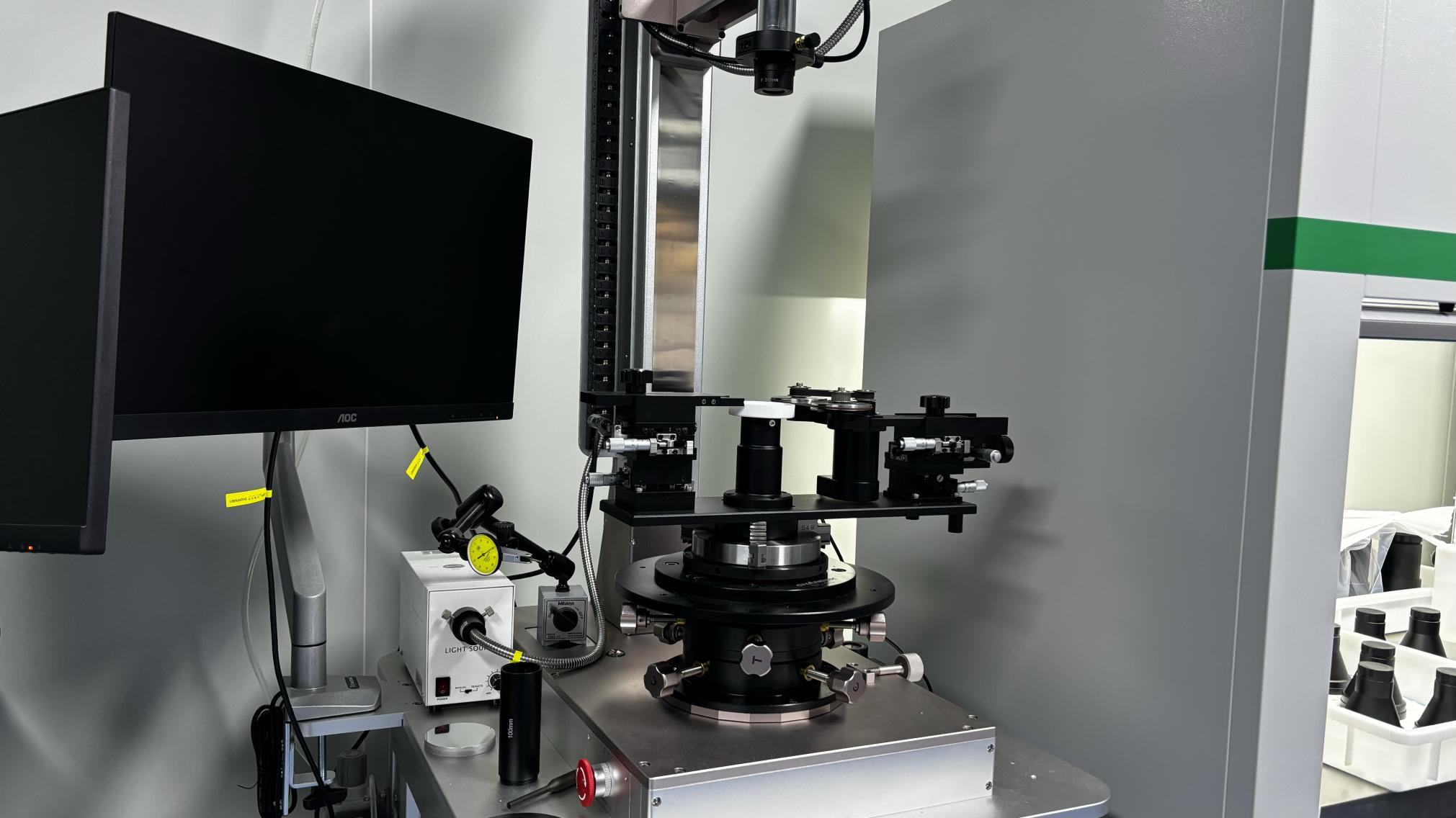
Sourcing requirements differ significantly depending on the operational environment. Here is how modern applications dictate hardware specifications:
GPU clusters require constant data feeding. High-speed, high-density DDR5 memory modules minimize latency, preventing idle GPU cycles and maximizing compute ROI.
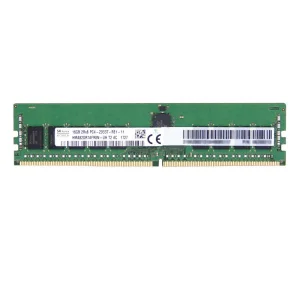
Virtual environments require substantial memory capacity. High-density DDR4 RDIMMs (32GB, 64GB) offer a cost-effective way to maximize memory density per rack unit.
Industrial edge nodes require resilient memory. ECC capabilities protect against data corruption caused by environmental stress and power fluctuations.
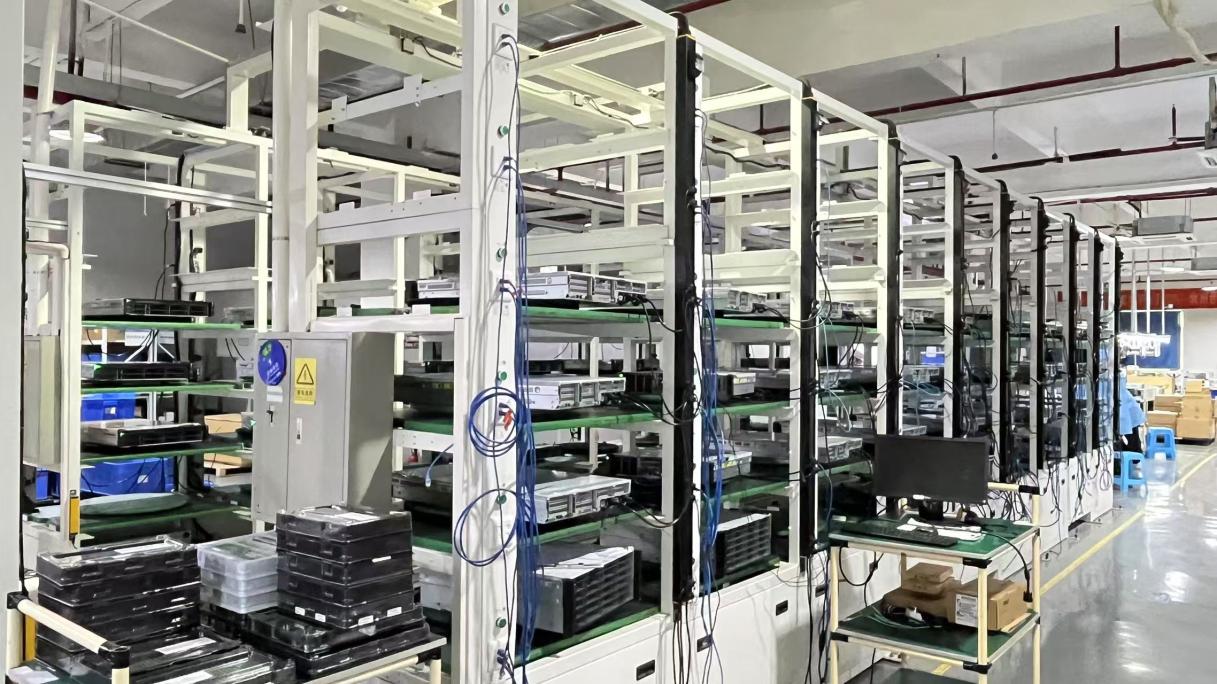
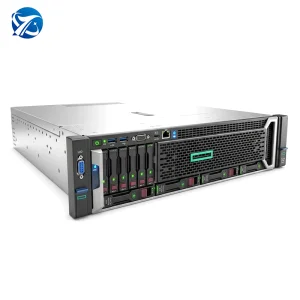
Modern server platforms, such as the Dell PowerEdge R760XS and the HPE ProLiant Compute DL360 Gen12, feature multi-channel memory architectures. To achieve peak memory performance, system modules must be matched in performance, latency, and layout. Working with experienced exporters ensures that memory configurations match specific processor requirements.
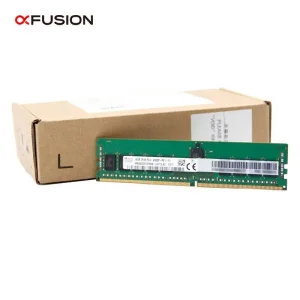
Maintaining a reliable international supply chain requires robust logistics packaging and thorough compliance documentation. Modern server RAM modules are highly sensitive to electrostatic discharge (ESD) and physical impacts, requiring specialized transport packaging and reliable global tracking.
Ensuring that memory modules arrive in perfect condition requires strict adherence to international shipping standards:
Common technical and logistics questions regarding global enterprise server memory sourcing.