Elvantis
Elvantis
Elvantis
High-density compute processors, disk arrays, and storage connectivity systems engineered for immediate industrial integration.
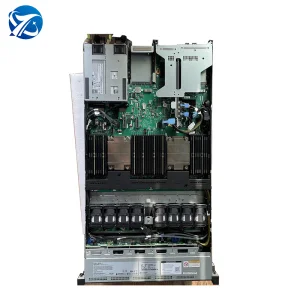
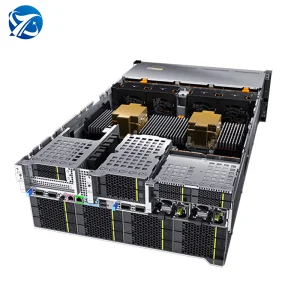
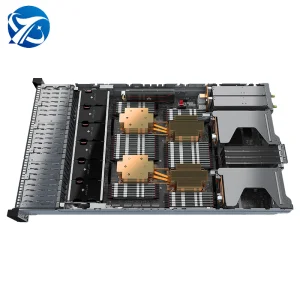
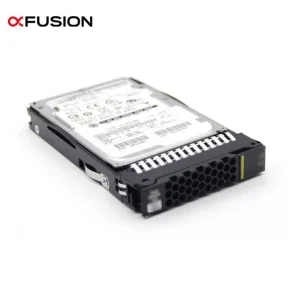
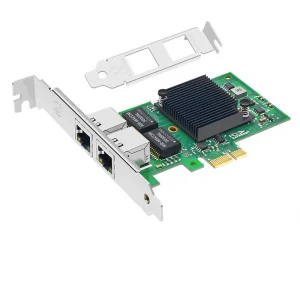
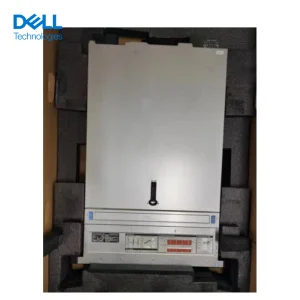
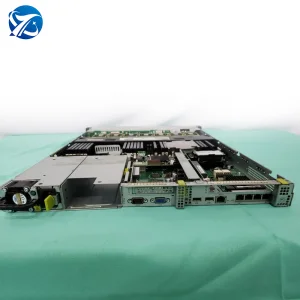
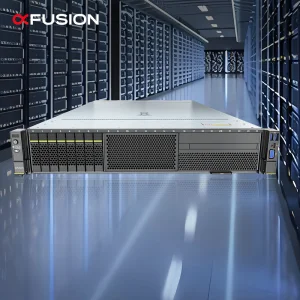
Enterprise workloads require SAN nodes capable of pushing hundreds of thousands of IOPS with sub-millisecond latencies. Deployments utilizing systems like FusionServer 1288H V7 and high-performance array cards ensure smooth transaction databases (ERP, OLTP) without throttling.
Organizations are rapidly migrating from traditional Fibre Channel (FC) SCSI command sets to NVMe over Fabrics (NVMe-oF) over RoCEv2 or TCP. This shift minimizes protocol translation bottlenecks and fully unleashes the capabilities of enterprise NVMe SSD arrays.
With increasing data breach risks, procurement officers look for storage controllers featuring native hardware-level AES-256 encryption, SED (Self-Encrypting Drive) support, and compliance with SOC2, GDPR, and HIPAA regulations.
| Storage Protocol | Typical Physical Medium | Max Bandwidth (approx) | Ideal Enterprise Workload |
|---|---|---|---|
| Fibre Channel (FC-SAN) | Optical Fiber / Dedicated HBA | 32G / 64G FC | Legacy Mission-Critical Database (Oracle, SAP HANA) |
| iSCSI (IP-SAN) | Ethernet (Cat6A/Fiber) | 10G / 25G / 100G | Virtualized Environments (VMware vSphere, Hyper-V) |
| NVMe over Fabrics (NVMe-oF) | InfiniBand / RoCEv2 / TCP | 100G / 200G / 400G | Real-time Big Data Analytics, GPU Clusters, AI Training (DeepSeek, etc.) |
Modern commercial enterprises require storage systems that do not exist as siloed structures. To extract the maximum ROI, organizations deploy unified hyperconverged infrastructures that combine block-level SAN systems with scale-out NAS layers.
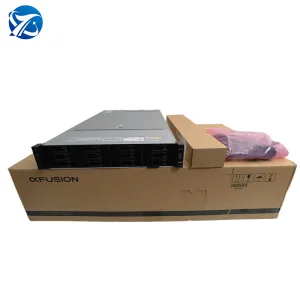
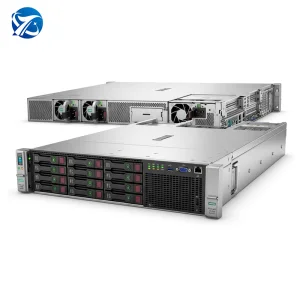
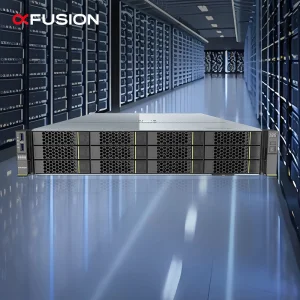
Leveraging high-density servers such as xFusion FusionServer 2258 V7 and HPE ProLiant Gen11 machines, data centers pool storage arrays into dynamic, software-defined fabrics. This allows administrators to allocate high-speed block storage volumes to virtual nodes on the fly.
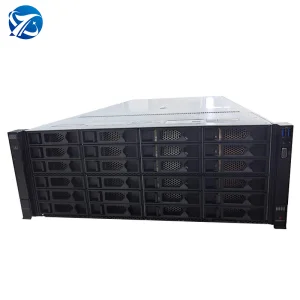
Training models like DeepSeek requires vast computing clusters processing massive files concurrently. High-density GPU storage nodes like FusionServer 5288 V6 act as storage bridges, linking massive SSD pools to GPU computing clusters through low-latency fabric links.
Financial accounting and high-frequency transactions run on high-reliability, multi-socket servers like the 2488H V5 / V6 systems. These servers are hooked to dual-controller active-active SAN arrays to ensure continuous data availability even during unexpected controller failovers.
The storage area networking environment is undergoing rapid architectural changes. Hardware designers and system integrators must align their procurement cycles with the key milestones of the global storage development roadmap.
The transition to PCIe Gen 6 brings double the bandwidth of Gen 5. Coupled with Compute Express Link (CXL 3.0), it creates direct memory access pools across storage racks, allowing servers to share DRAM and flash assets with virtually zero protocol overhead.
Data Processing Units (DPUs) and Smart Network Interface Cards are now standard on enterprise servers. A DPU can offload the entire NVMe-oF network stack, storage encryption, compression, and RAID operations, freeing host CPU cycles for core application computing.
As data center power limits tighten globally, storage systems are adopting ultra-dense QLC SSDs and advanced liquid cooling blocks. Modern rack layouts integrate cold-plate liquid cooling systems directly onto storage controller CPUs to optimize overall PUE.
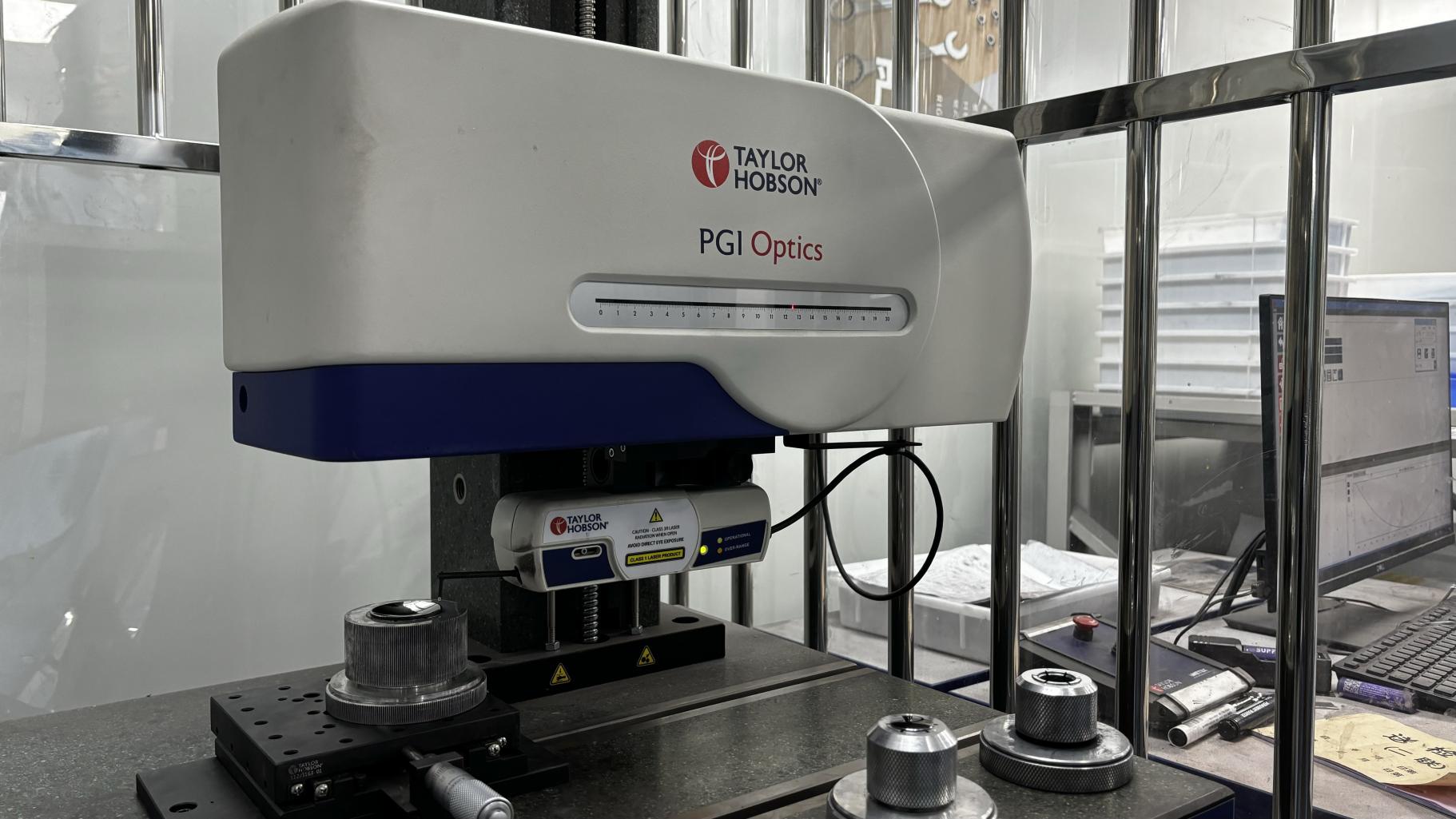
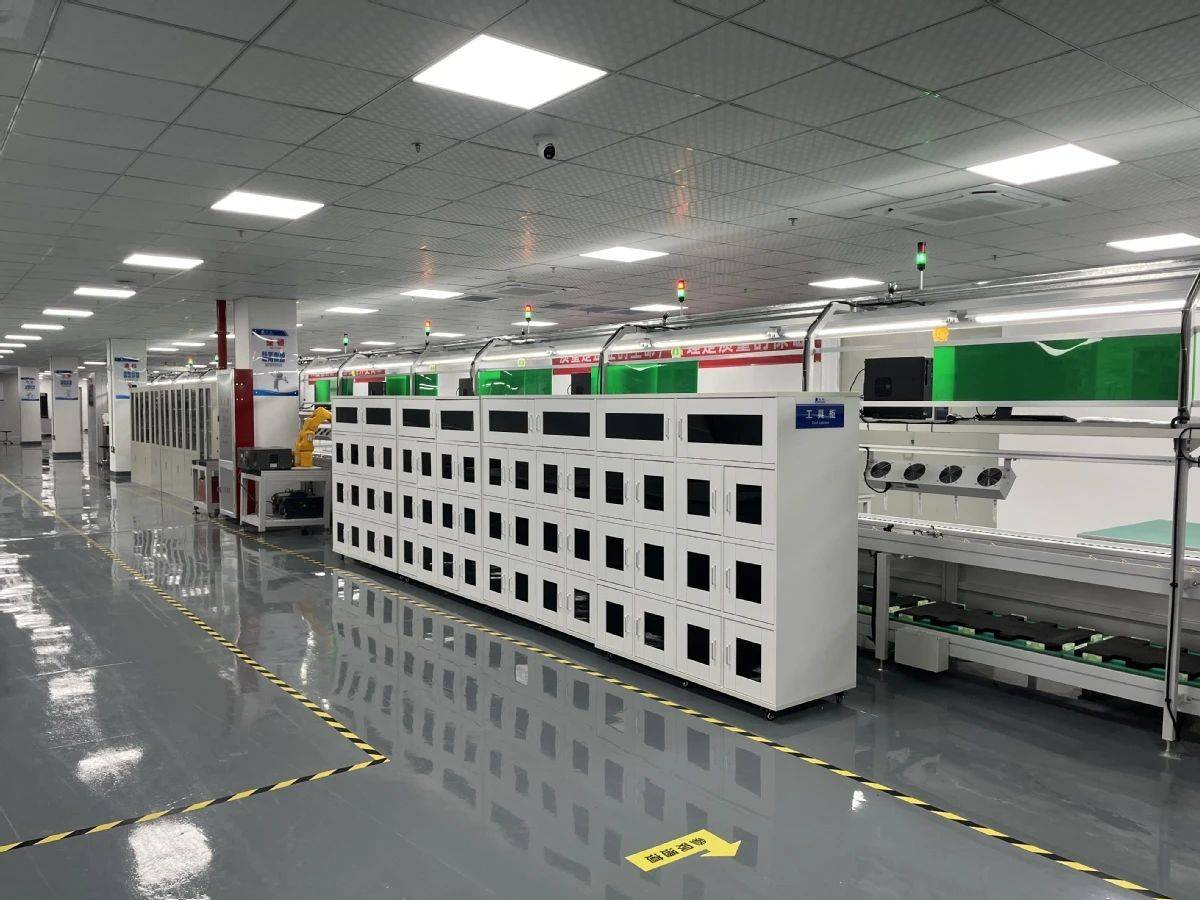
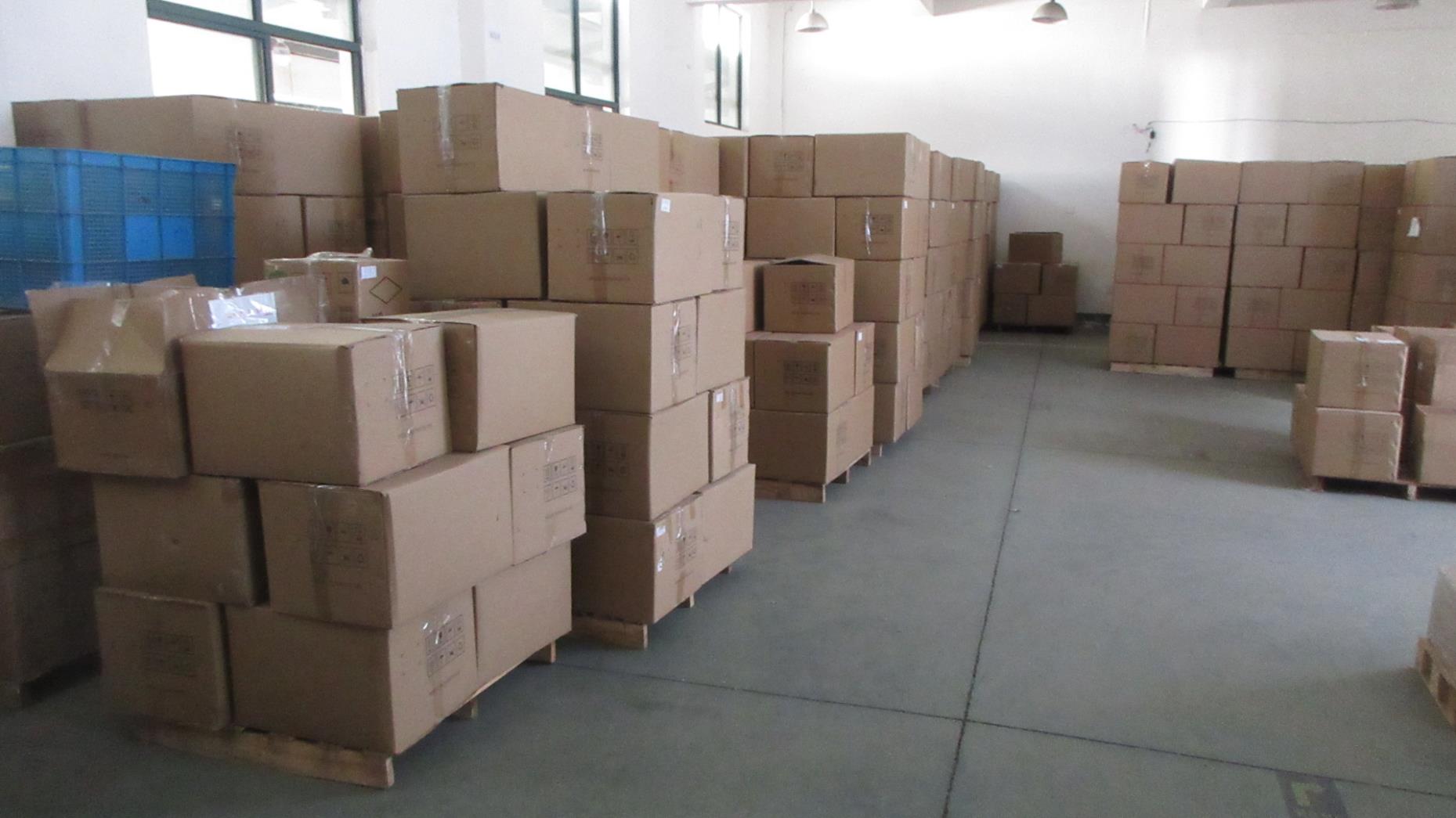
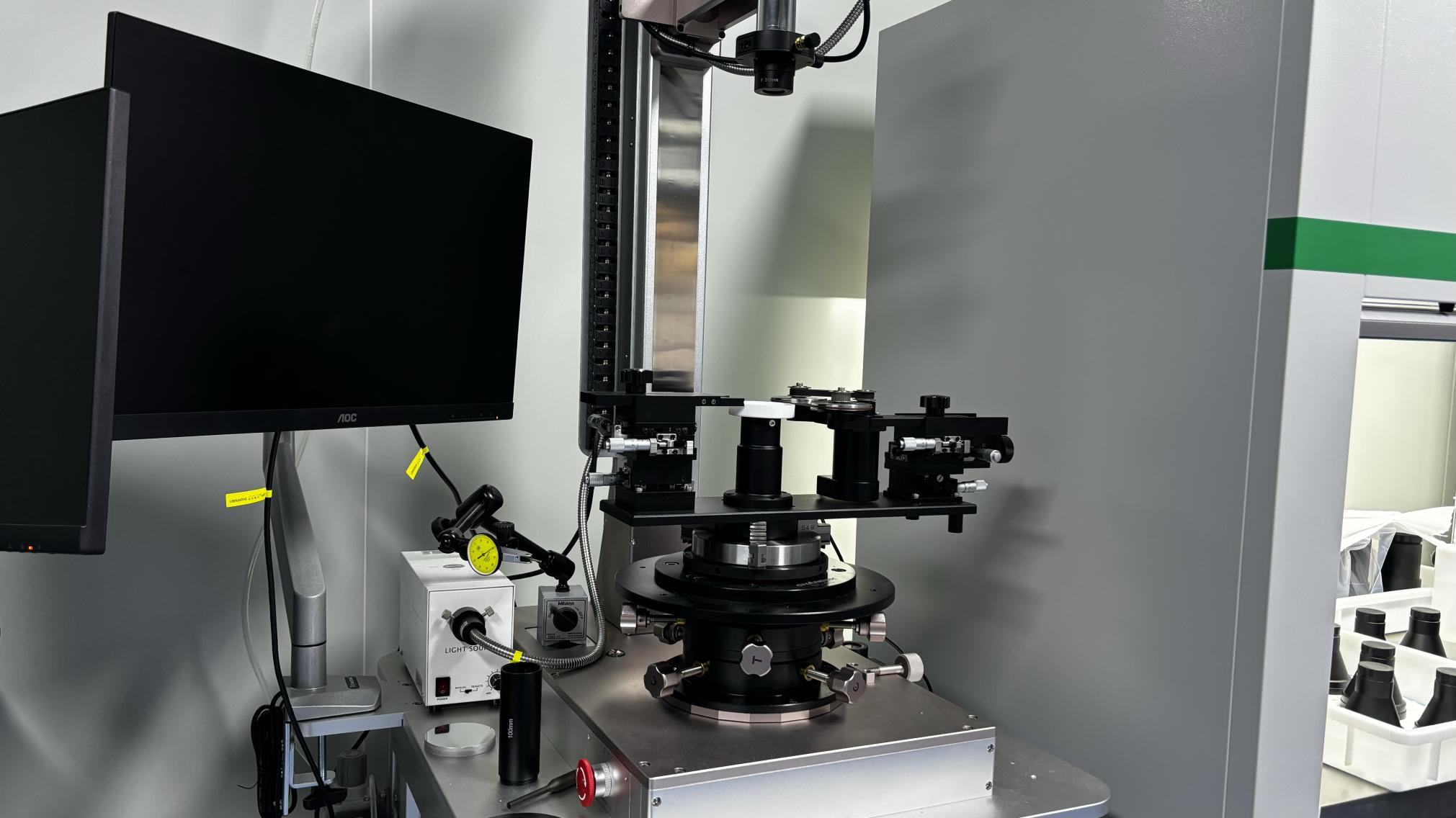
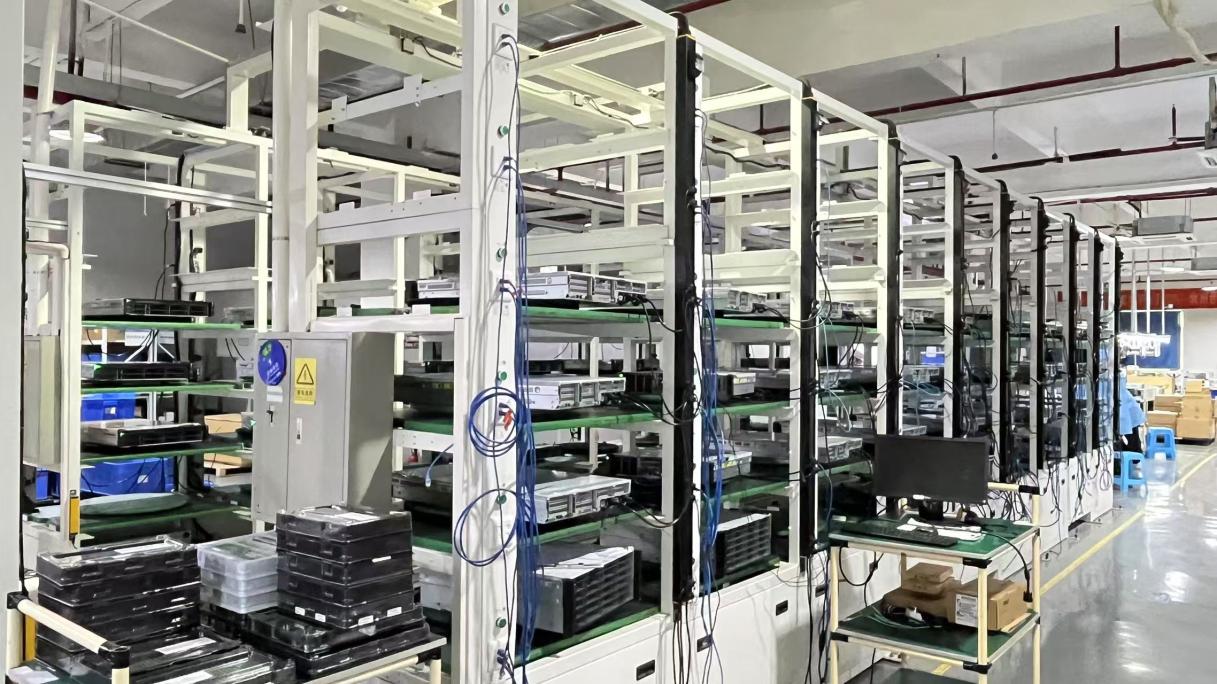
Operating a state-of-the-art production facility spanning approximately 380㎡, Elvantis has accumulated over 10 years of deep industry experience and 7 years of specialized export history. With an annual export revenue of approximately USD 12 million, the company caters to clients across North America, Europe, the Middle East, and Southeast Asia.
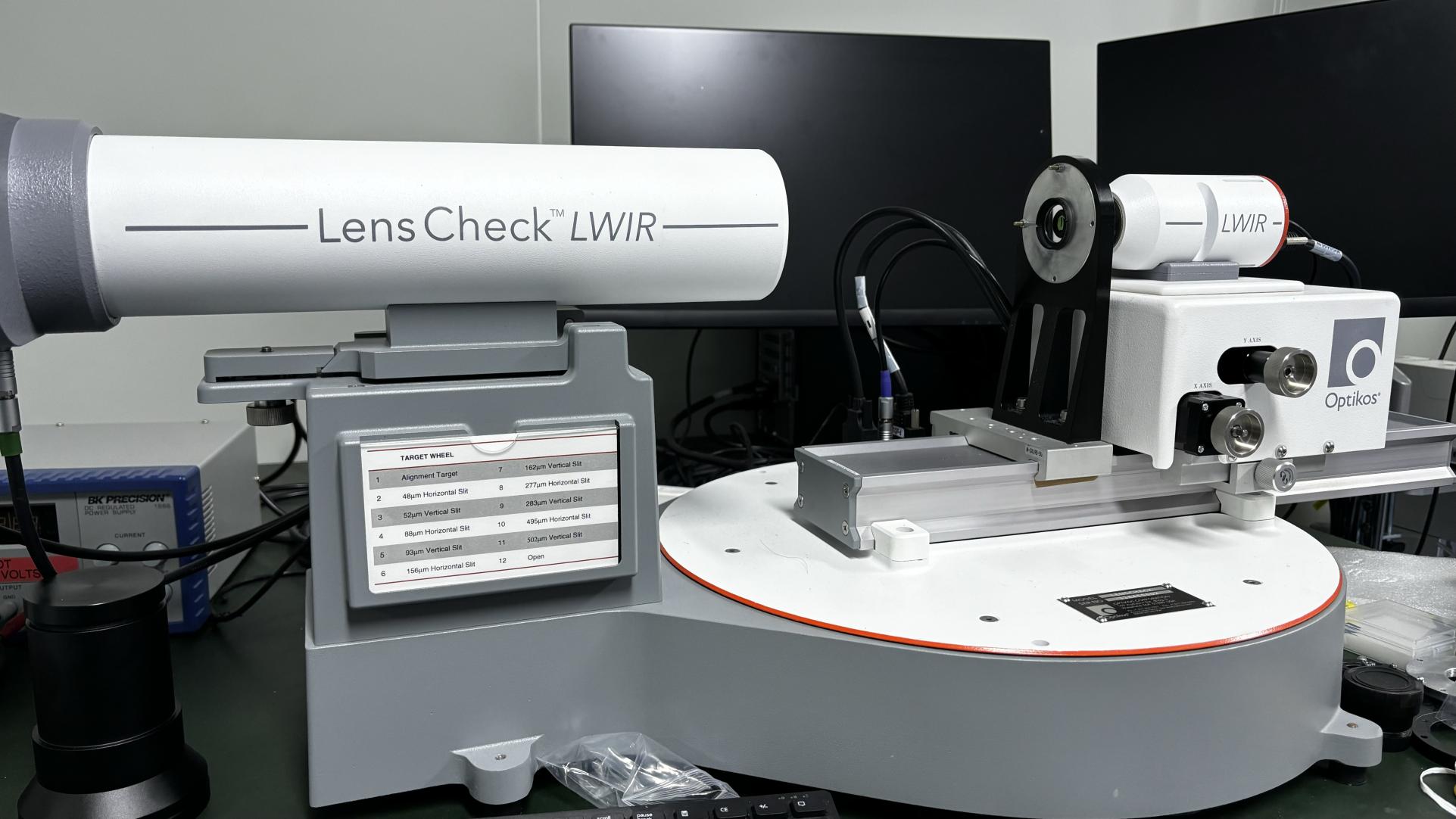
To maintain zero-fault operational standards in live corporate environments, Elvantis employs a comprehensive quality assurance framework supervised by 35 dedicated QC professionals.
Get insights into the design, compatibility, setup, and deployment of Chinese-manufactured SAN nodes and high-performance server structures.
Complete rack-level servers and specialized system elements ready for scale-out data center deployments.