 Elvantis
Elvantis
Elvantis
Explore our foundational xFusion rack systems and virtualization setups designed to deliver maximum computing density with optimized efficiency.
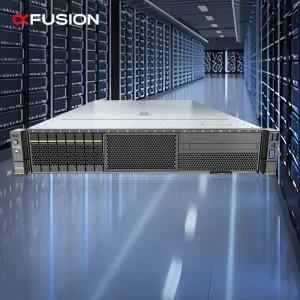
Optimized for hyperconverged infrastructure (HCI) configurations in Gauteng and Cape Town hybrid-cloud setups.
View Details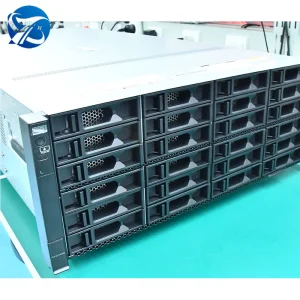
Tailored for massive data storage, GPU-accelerated computing workloads, and high-capacity network systems.
View Details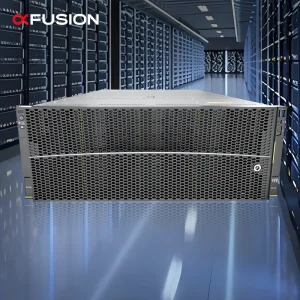
Designed to balance heavy storage capability with solid processing capacities for large archiving databases.
View Details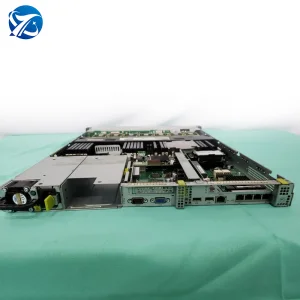
A high-density 1U system optimized for artificial intelligence, DeepSeek local deployment, and containerization.
View DetailsSouth Africa represents the digital gateway of Sub-Saharan Africa. With metropolitan areas like Johannesburg, Cape Town, and Durban establishing themselves as major cloud hubs, the regional demand for high-performance computing (HPC) hardware has surged exponentially. However, operating enterprise-grade servers within the South African geographic landscape introduces unique parameters. Physical computing assets must endure high environmental temperatures, adapt to varying levels of grid stability, and maintain 24/7 operating uptime despite power shifts (loadshedding).
The implementation of xFusion FusionServer systems across local financial institutions, regional telecommunication networks, and manufacturing facilities directly addresses these critical environmental and operational constraints. With high-efficiency dual redundant power supply systems (up to 96% Titanium efficiency) and intelligent dynamic thermal management, these server nodes reduce overhead cooling costs and handle supply variations with robust resilience.
Procuring directly from specialized original design manufacturers (ODM/OEM) in Shenzhen and tech manufacturing corridors presents a major competitive advantage for South African ICT managers. By choosing factory-direct procurement channels, businesses bypass multi-layered distributor margins, gaining transparent access to hardware configuration blueprints and customizable component assemblies.
Our manufacturing facility bridges the gap between premium server engineering and commercial accessibility. Here is how our production framework supports South African hardware integration:
Every node, RAM upgrade, and server motherboard is subjected to rigorous quality control protocols managed by our 35 dedicated QC professionals. Our 180 engineering and technical staff members specialize in rack customization, BIOS tuning for legacy systems, and thermal modeling to ensure components perform flawlessly when deployed in high-ambient South African edge locations.
We supply a range of customizable enterprise servers to meet specific legacy parameters, software compatibility requirements, and local deployment priorities.
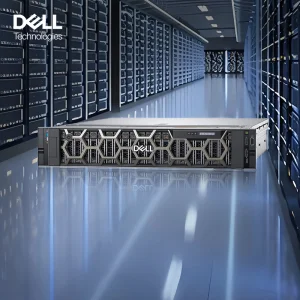
Robust dual-socket architecture providing solid virtualization foundations for regional office networks.
View Details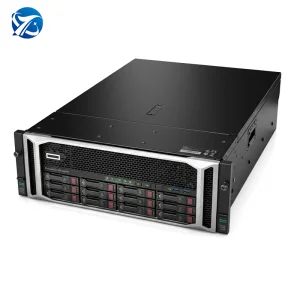
High-performance enterprise hardware option offering a 3-year warranty for corporate computing hubs.
View Details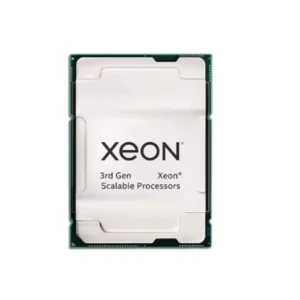
Replacement thermal assemblies and modular heat-pipe sinks engineered for extreme environmental demands.
View Details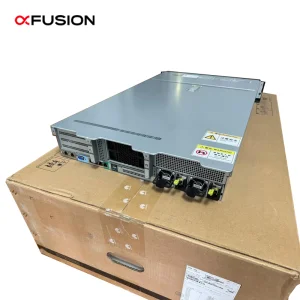
Short-depth layout configurations perfect for localized telecom racks and resource-efficient container systems.
View DetailsTake a closer look at our testing, packaging, R&D processes, and physical facilities. We guarantee component longevity through structural hardware validation.
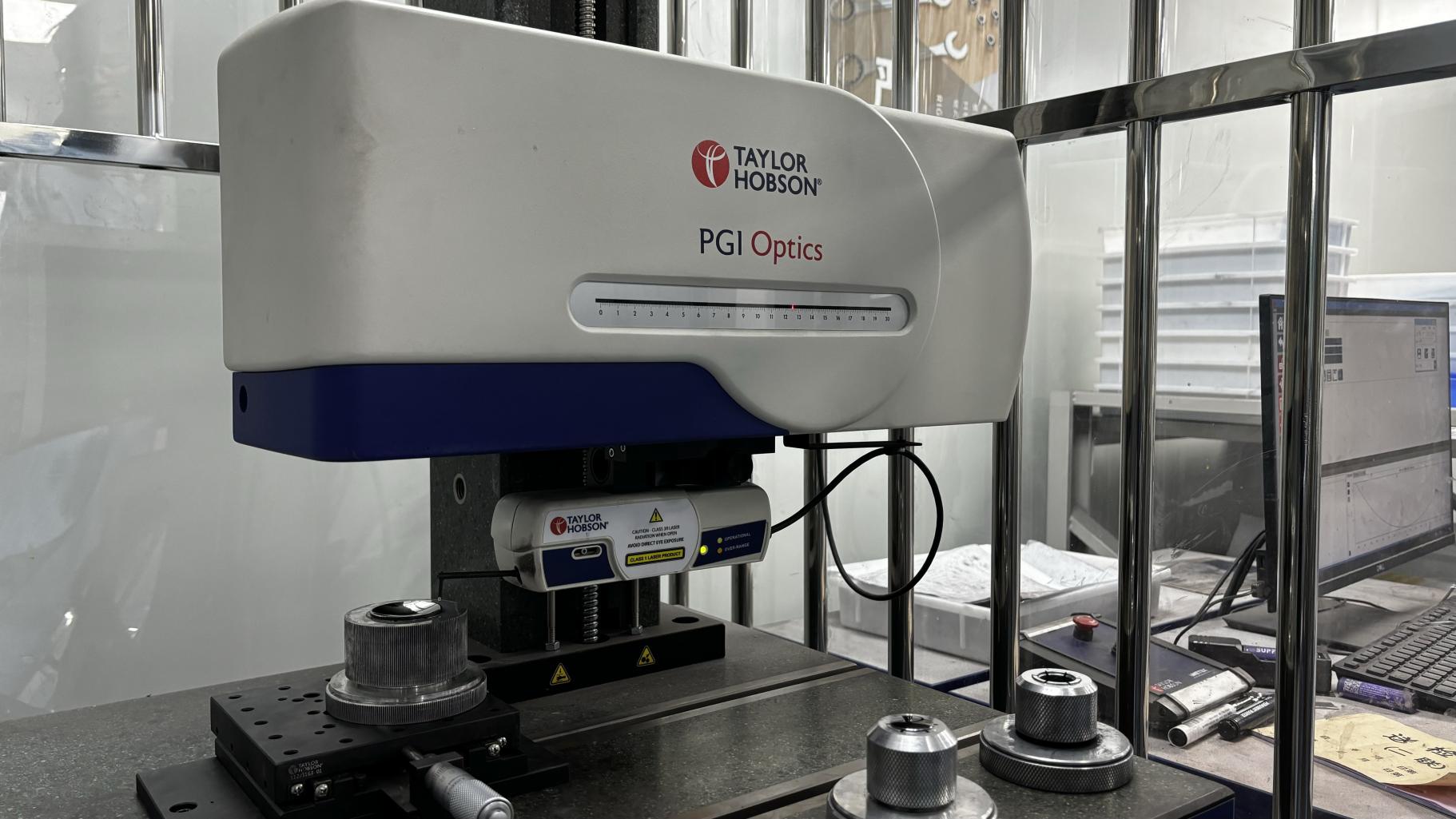
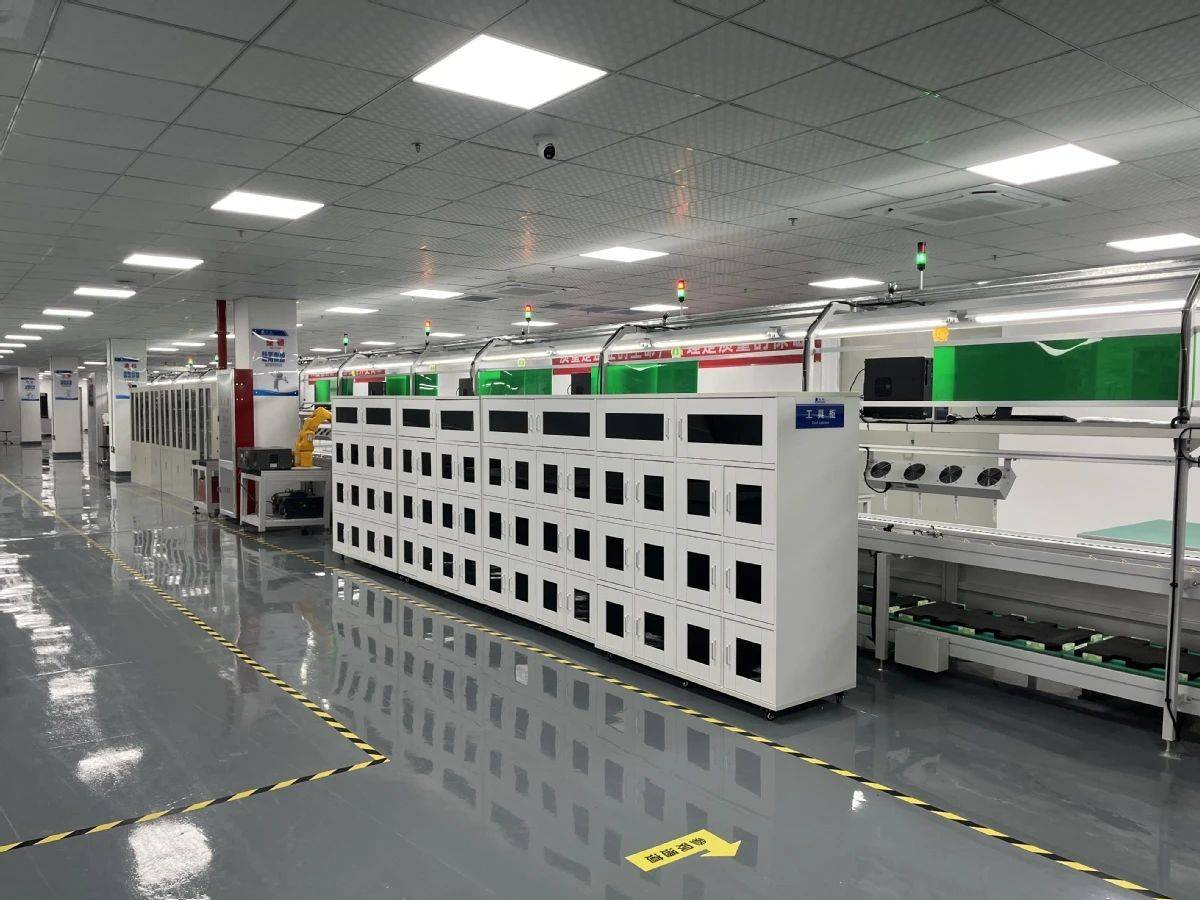
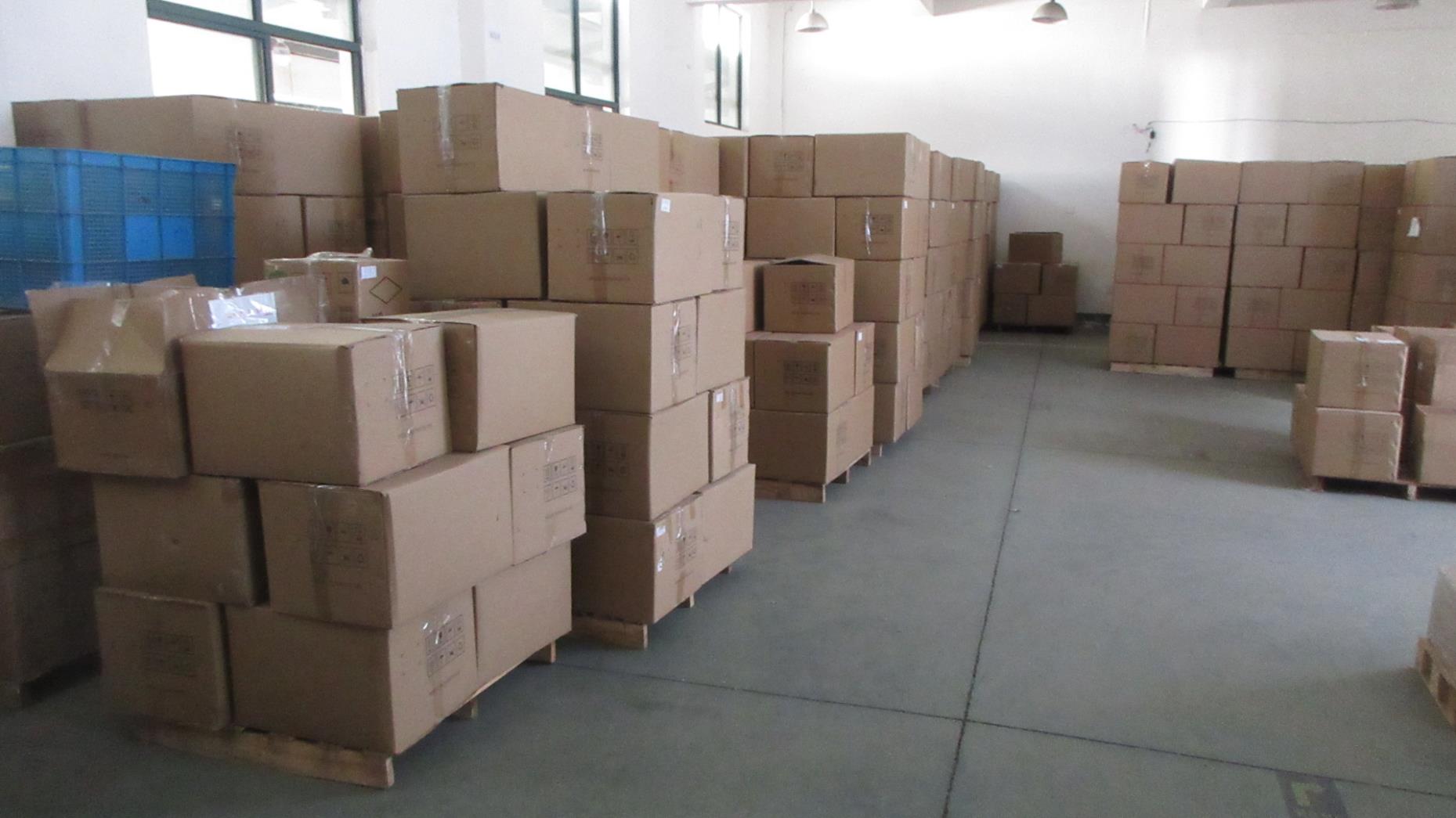
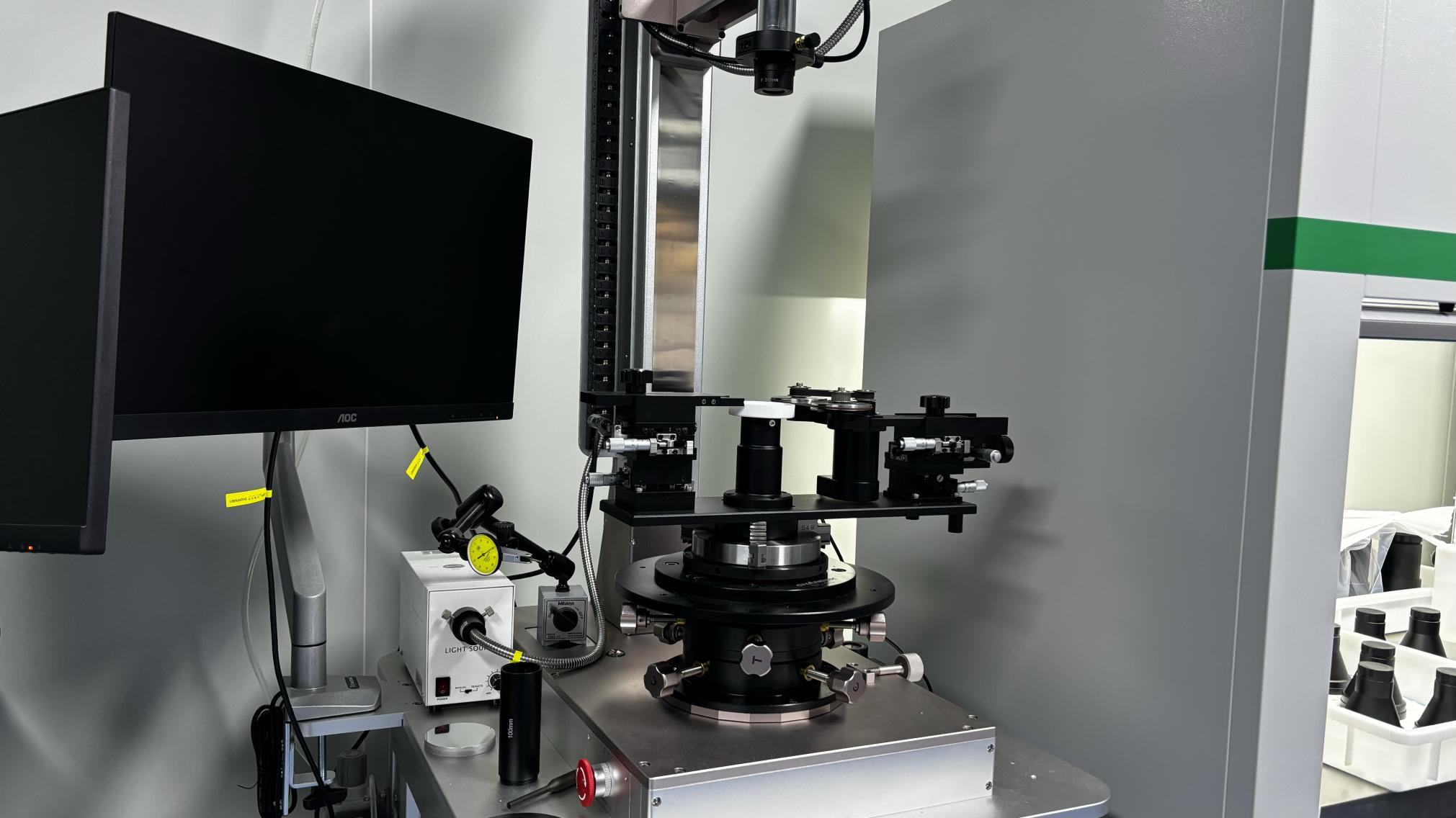
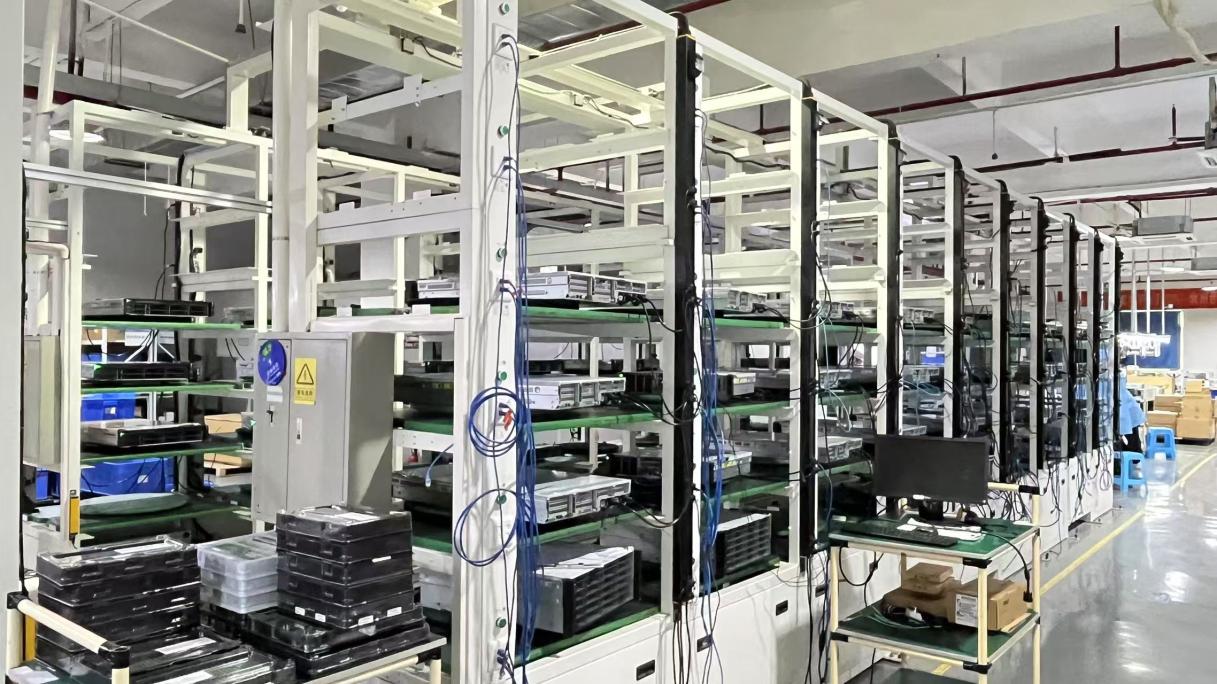
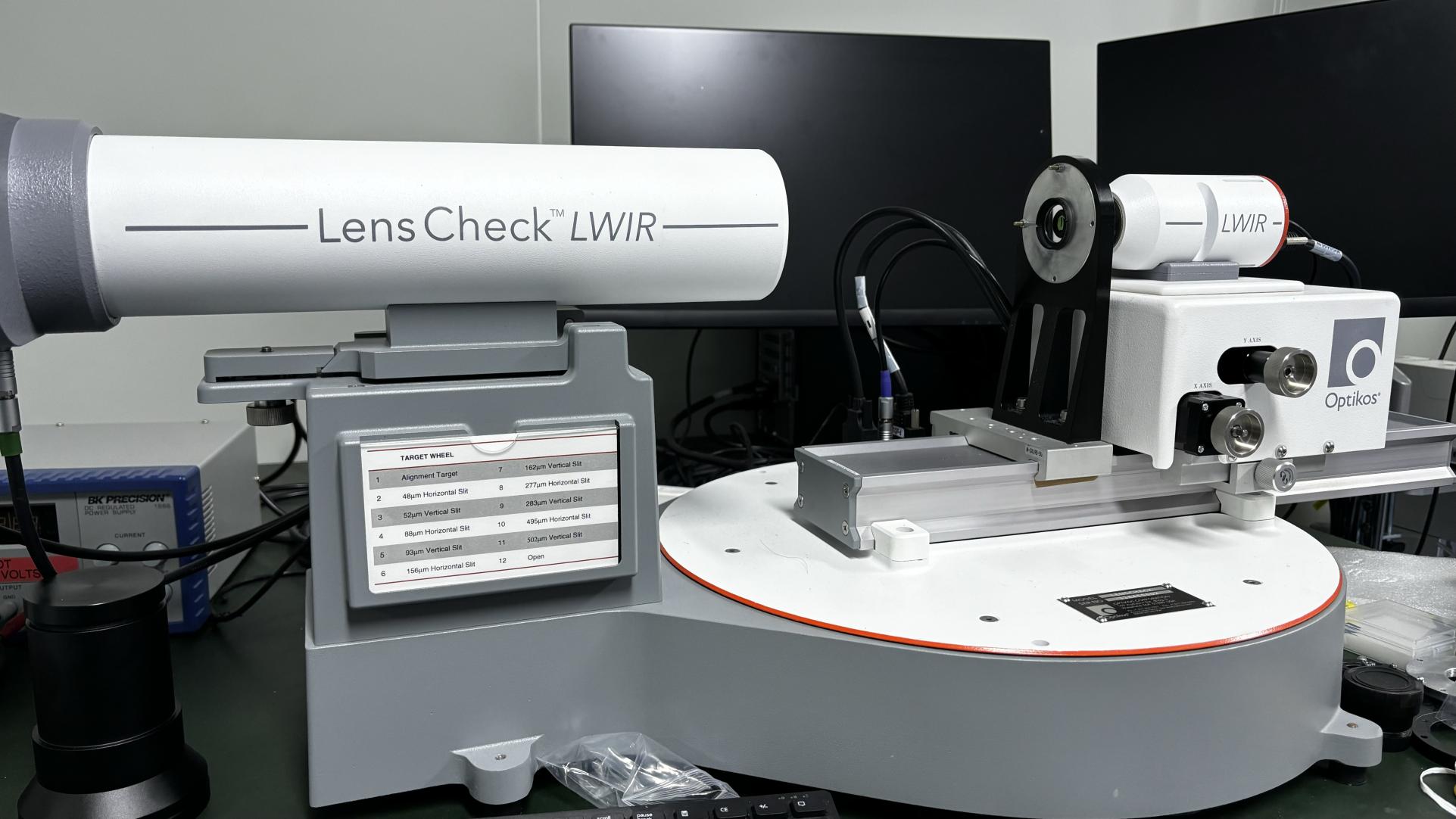
Our manufacturing line integrates Automated Optical Inspection (AOI) alongside customized stress-testing arrays designed to simulate continuous thermal loads under peak AI inference operations (such as DeepSeek R1 models and intensive container tasks). This ensures that every server leaving our facility matches the operational standards expected by South African telecommunications networks and modern financial hosting complexes.
Modern computing in South Africa requires vertical integration tailored to local economic engines. As infrastructure continues to digitize rapidly, three sectors represent the core deployment environments for high-density servers:
Deploying xFusion nodes within Sandton financial institutions. Low-latency performance, hardware-based data encryption keys, and high-speed ECC memory allocations safeguard banking operations.
Mining operational facilities require localized computational control systems to filter sensor telemetry. Dust filtration compatibility and deep operating thermal ranges keep these nodes functional on-site.
High-density hyperconverged layouts (HCI) allow local service providers to scale their private cloud services seamlessly, keeping operational margins competitive.
The computational paradigm is shifting. In 2025, enterprises are prioritizing local container platforms and AI processing capabilities. Deploying open-source language models, custom predictive analytics, and automated image processing pipelines locally inside South Africa helps companies minimize high data transit costs to global offshore clouds.
xFusion G-series GPU nodes and high-density Xeon systems provide the compute clusters needed to run complex artificial intelligence algorithms without relying on overseas server networks. This guarantees low latency, maintains data sovereignty under regional POPIA regulations, and ensures operations continue without interruptions.
Select from our widely compatible product lines, memory expansions, and processing systems designed for standard server racks.
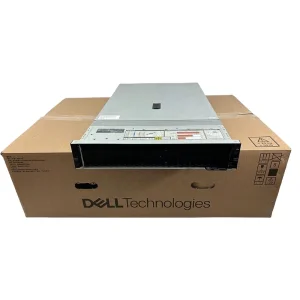
A high-density 2U model optimized for virtualization, software-defined storage, and general office computing needs.
View Details
A compact 1U layout configuration optimized for web hosting, caching, and network edge monitoring nodes.
View Details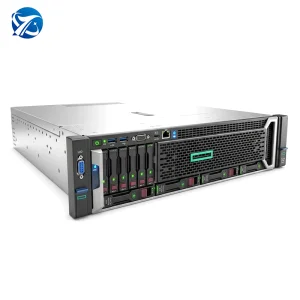
Supports up to 3 enterprise GPUs, making it ideal for deep learning, local inference, and database tasks.
View Details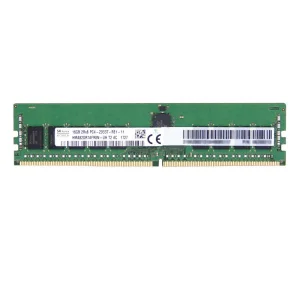
Genuine ECC server RAM modules designed for stable execution and preventing system crashes.
View Details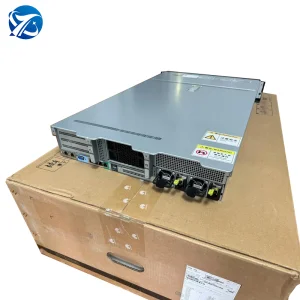
Ready for containerized environments and designed to handle large language model (LLM) processing workloads locally.
View Details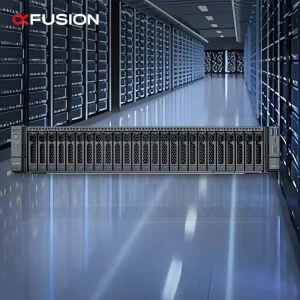
A high-density 4-socket system built for virtualized clusters, database backends, and intense compute profiles.
View Details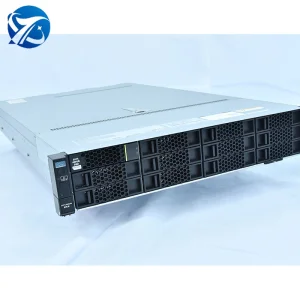
Features an 8-bay drive configuration, dual Intel processors, and redundant power supplies for reliable workloads.
View Details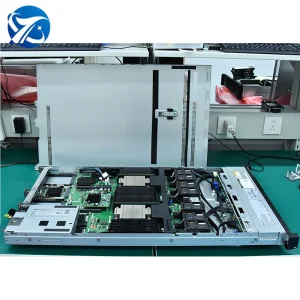
A high-capacity 25-bay rack server designed for database management and distributed hot-tier storage setups.
View DetailsFind technical answers on server configurations, power grid compatibility, transit details, and support metrics.
xFusion servers are configured with dual redundant, hot-swappable Platinum or Titanium power supply units (PSUs). These components are certified for high-range voltage input tolerances and fast recovery states, which help protect system logic from power fluctuations. To ensure continuous operation, we recommend pairing these systems with localized double-conversion online UPS units and generator backups, which allow the dual PSUs to switch inputs seamlessly.
Yes. We offer fully customizable hardware configurations. Through our OEM/ODM assembly channels, clients can specify their processor models, RAM capacity (DDR4 vs DDR5 ECC modules), storage setups (SATA, SAS, or high-speed NVMe SSDs), network adapters (10GbE/25GbE SFP+), and RAID controllers (such as the 9540-8i). This ensures you receive a custom-built solution that fits your exact workflow requirements.
Absolutely. Our AI-optimized systems (like the xFusion GPU nodes and high-density Xeon systems) are built for containerized workloads, machine learning, and running local AI frameworks (including DeepSeek models). With support for enterprise-grade GPU cards and high-throughput memory channels, they deliver stable, low-latency processing for compute-heavy workloads.
Every server undergoes a comprehensive quality check before leaving our facility. This includes automated optical inspection (AOI), full-system diagnostic scans, CPU and RAM stress-testing under simulated workloads, and thermal performance testing. Our 35 QC professionals review all test logs to ensure every component functions reliably before packaging.
Lead times depend on the complexity of your custom configuration and the shipping method you choose. Standard air freight typically delivers systems within 7 to 12 business days, making it ideal for time-sensitive projects. For larger deployments or bulk hardware updates, sea freight offers a more cost-effective option, with delivery times ranging from 25 to 35 days. We provide comprehensive tracking and import documentation to ensure smooth customs clearance.
We offer remote technical support to assist with server deployment, BIOS configuration, RAID setup, and general troubleshooting. If a component replacement is needed under warranty, we dispatch tested spare parts (such as replacement RAM, hard drives, or fans) via express air courier services to minimize downtime and keep your systems running smoothly.