 Elvantis
Elvantis
Elvantis
Enterprise rackmount servers engineered to deploy high-availability database environments, complex localized analytical queries, and localized AI models.
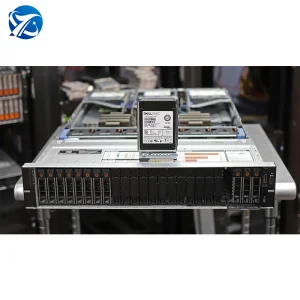
High-performance scalable architecture for Deepseek deployments and complex model training within Egyptian administrative networks.
View Specifications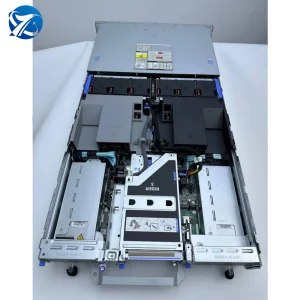
Integrated 2U design optimize for regional NAS workloads, workstation precision rendering, and local datacenter deployments.
View Specifications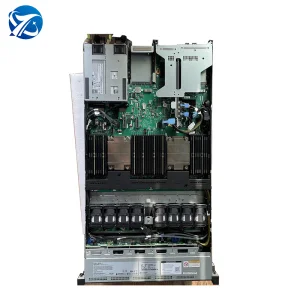
Dense 1U layout utilizing high performance Xeon processors designed to support SSD-based network storage arrays and computing nodes.
View Specifications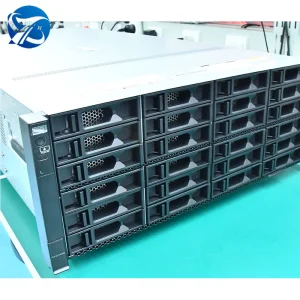
Equipped for massive data throughput, supporting multi-GPU accelerators perfect for public and private enterprise AI cloud stacks.
View SpecificationsAn in-depth look at how North Africa's largest economy is adapting to sovereign AI requirements, infrastructure demands, and thermal realities.
Egypt is strategically positioning itself as the leading digital hub of the Middle East and North Africa (MENA) region. Guided by the Ministry of Communications and Information Technology's (MCIT) National Strategy for Artificial Intelligence, the nation is investing heavily in localizing digital compute platforms. Historically, regional enterprises and government agencies relied heavily on offshore hyperscale cloud datacenters. However, issues regarding data sovereignty, latency, and compliance with the Egyptian Personal Data Protection Law (Law No. 151 of 2020) have shifted focus toward local deployment of high-density AI hardware.
Establishing localized GPU computing infrastructure allows Egyptian institutions to train large-scale language models (particularly optimized for localized Arabic dialects) without transmitting sensitive information across national borders. As Cairo, Alexandria, and the New Administrative Capital scale up smart city deployments, local AI GPU server manufacturing and direct hardware supply channels have become critical to keeping digital infrastructure costs manageable.
Deploying high-performance GPU systems in Egypt requires addressing extreme local ambient temperatures. In summer, temperatures regularly exceed 40°C, which places a heavy strain on standard datacenter air cooling loops. Running advanced AI accelerators—such as the NVIDIA H100, H200, or regional equivalents—produces immense thermal output, which can lead to thermal throttling and hardware degradation if not managed.
Circulates cooling liquid directly over the hottest server modules (CPUs/GPUs). This architecture minimizes dependence on massive chiller units, lowering the overall Power Usage Effectiveness (PUE) in regional datacenters.
Engineered server chassis feature high-CFM counter-rotating fan walls and custom-machined copper heat sinks to ensure stable air cooling even under 35°C ambient inlet conditions.
The adoption of GPU clusters in Egypt spans across several critical vertical markets:
Providing high-density computing infrastructure with strict quality controls, verified thermal architecture, and global distribution logistics.
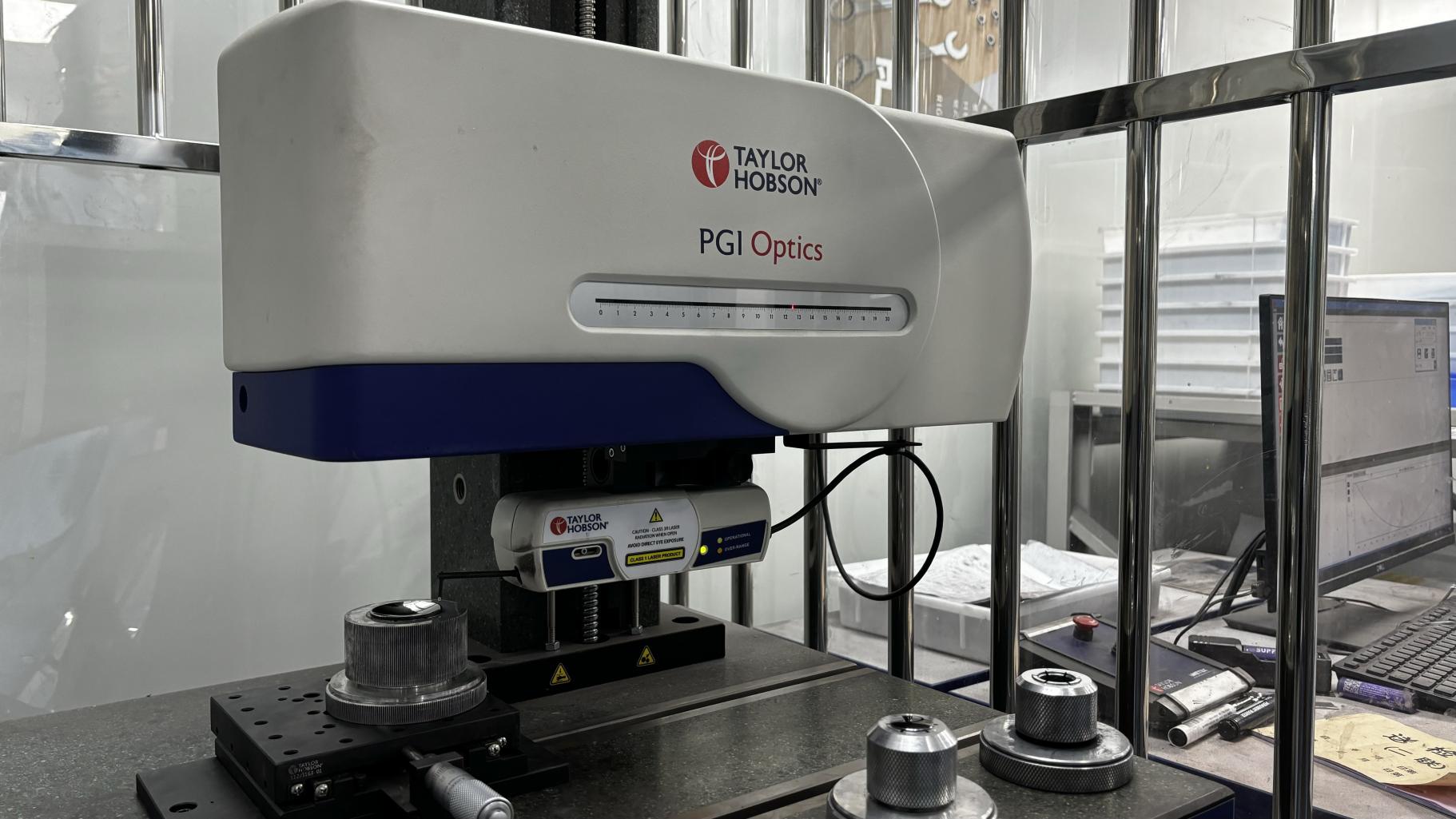
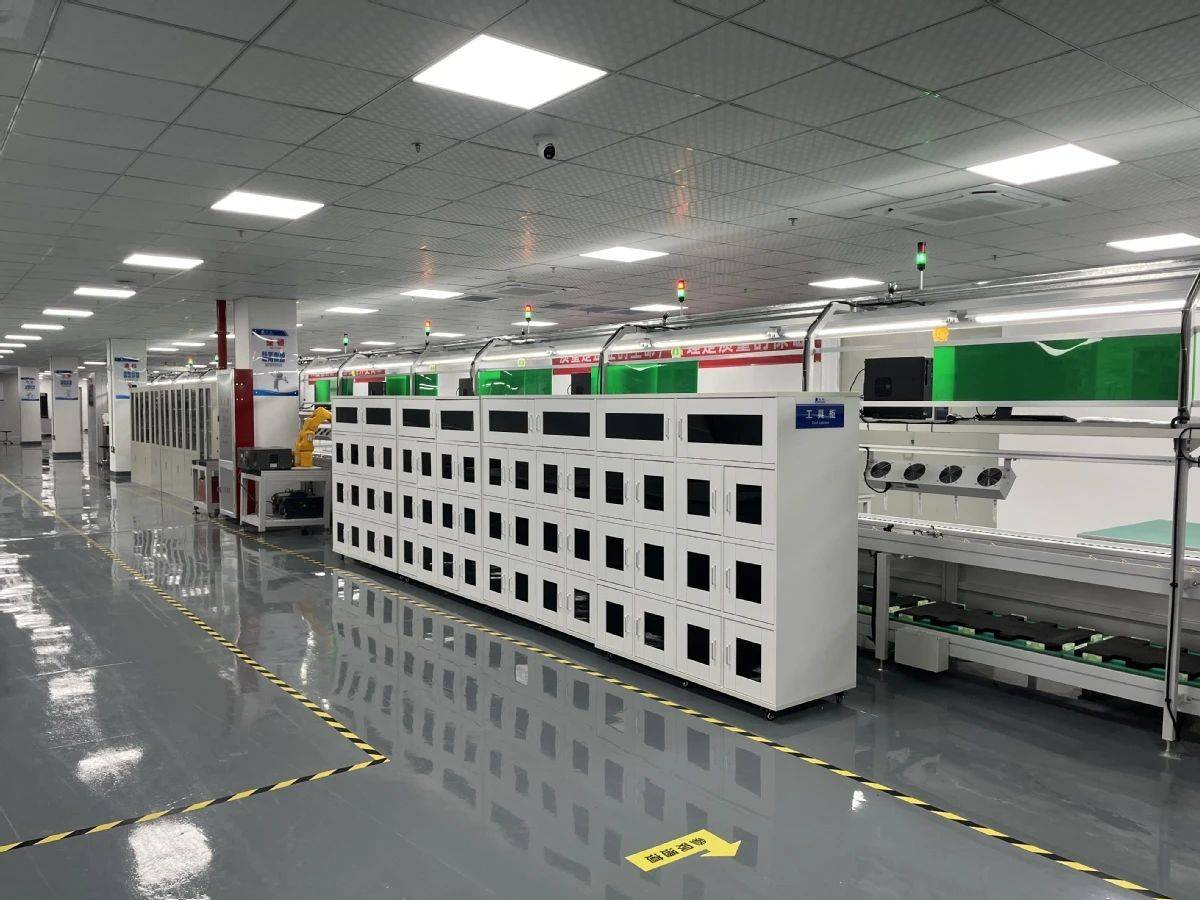
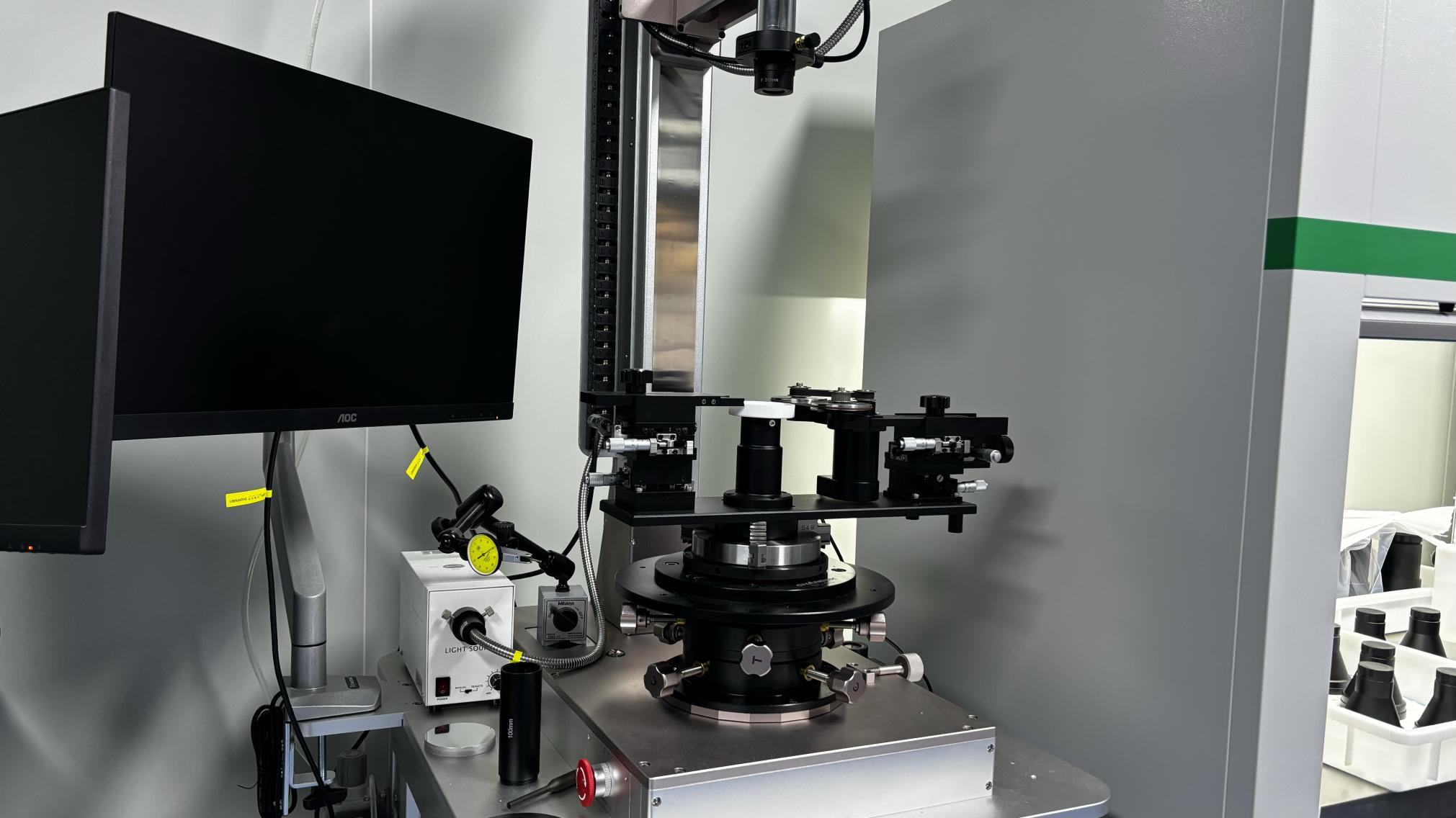
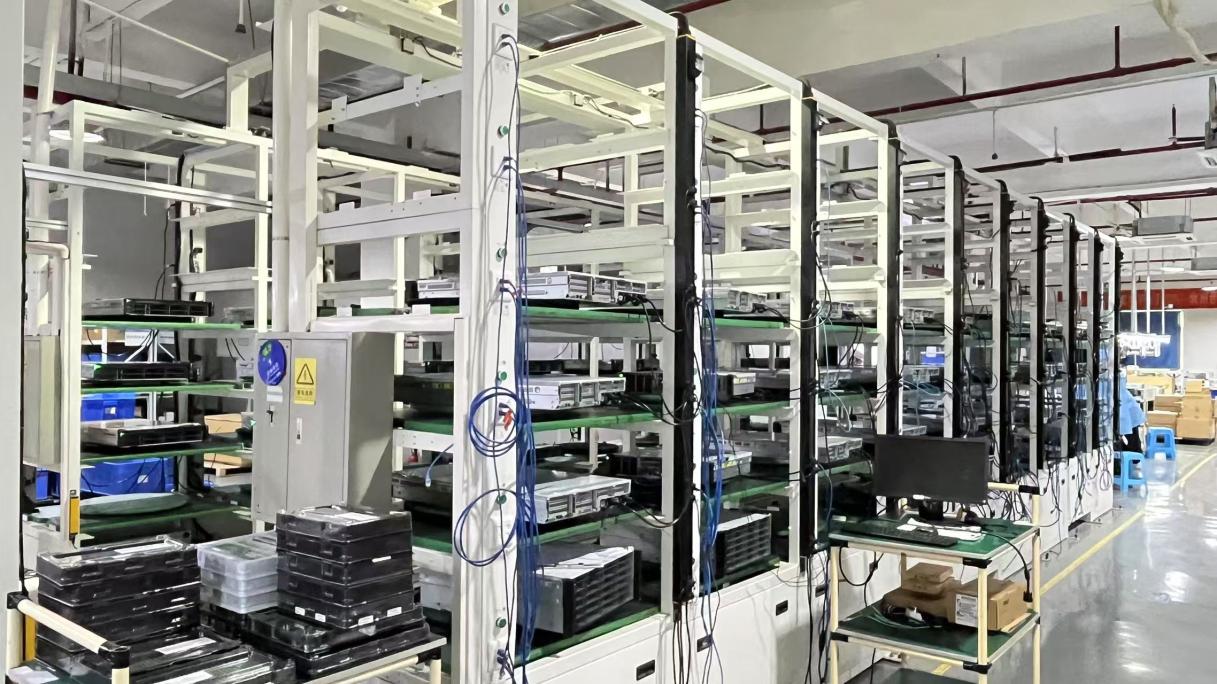
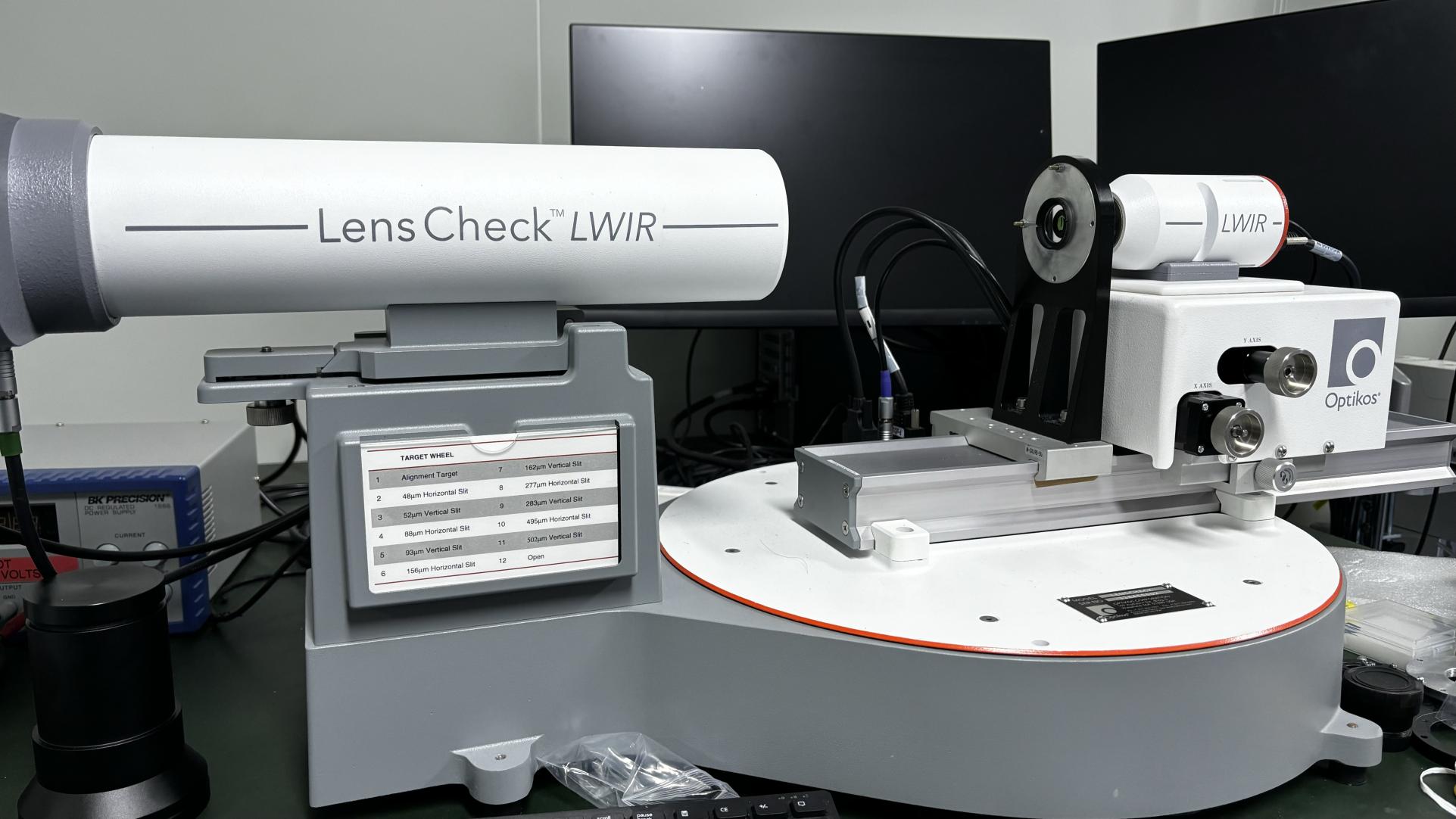
Maintaining high reliability in enterprise hardware requires a multi-stage testing process. Each GPU node undergoes rigorous validation before leaving our manufacturing lines:
High-density platforms engineered for deep learning, scientific research, and high-performance computing (HPC) environments across Egypt.
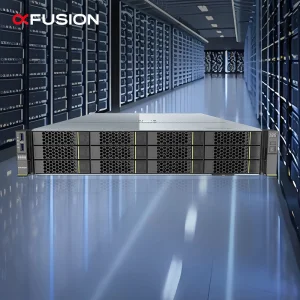
Engineered for large-scale databases, hybrid enterprise cloud architectures, and Deepseek processing platforms.
View Specifications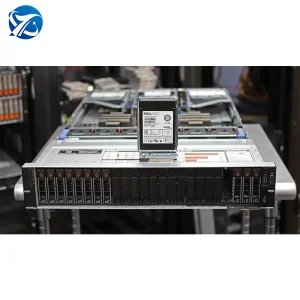
Adaptable 2U rack design featuring modular storage slots and PCI Express lanes to accommodate varied accelerator configurations.
View Specifications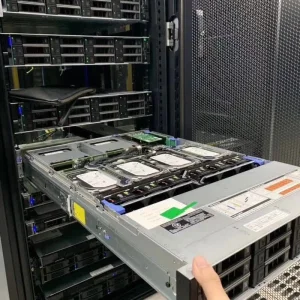
Offers high bus speeds and thermal efficiency, designed to run virtualization nodes and high-frequency transactions.
View Specifications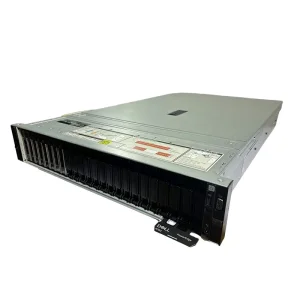
Designed for complex mathematical models, high-performance data processing, and large workload management.
View Specifications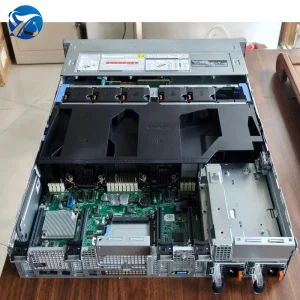
Features dual EPYC 9654 processors, 512GB DDR5 RAM, and high-performance NVMe storage for advanced AI workloads.
View Specifications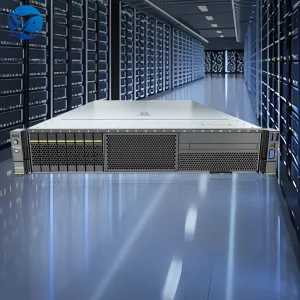
Robust industrial server chassis engineered for edge AI telemetry, processing, and localized industrial computing units.
View Specifications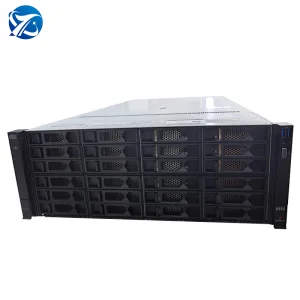
Engineered for large language models (LLM) and neural network training in research facilities and academic institutions.
View Specifications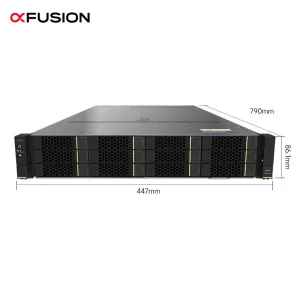
Designed for enterprise application backends, combining storage density with GPU acceleration.
View SpecificationsAnalyzing key advancements in chip interconnects, cooling systems, and datacenter designs through 2030.
AI model complexity is growing faster than single-GPU memory capacity. As a result, the interconnect speed between server processors and individual GPU cards has become a critical performance factor. Modern systems are transitioning from PCIe Gen 5 to Gen 6 architectures, doubling bandwidth to handle larger data volumes. Implementing high-bandwidth interconnects like NVLink and unified CXL (Compute Express Link) protocols allows multiple server nodes to pool memory, significantly reducing latency during training runs.
With Egypt hosting COP27 and emphasizing environmental sustainability, the power consumption of datacenters is under increasing scrutiny. High-performance AI servers can consume up to 10.2 kW per rack unit when fully configured. Modern server designs address this challenge by incorporating high-efficiency titanium-rated redundant power supplies (CRPS) and intelligent power management systems that scale consumption down during idle periods.
Our manufacturing strategy focuses on environmental responsibility by sourcing recyclable aluminum alloys for system chassis, optimizing airflow to reduce fan power requirements, and preparing server architectures for direct liquid cooling integrations. These measures help regional datacenters lower their operating overhead while meeting national energy-efficiency targets.
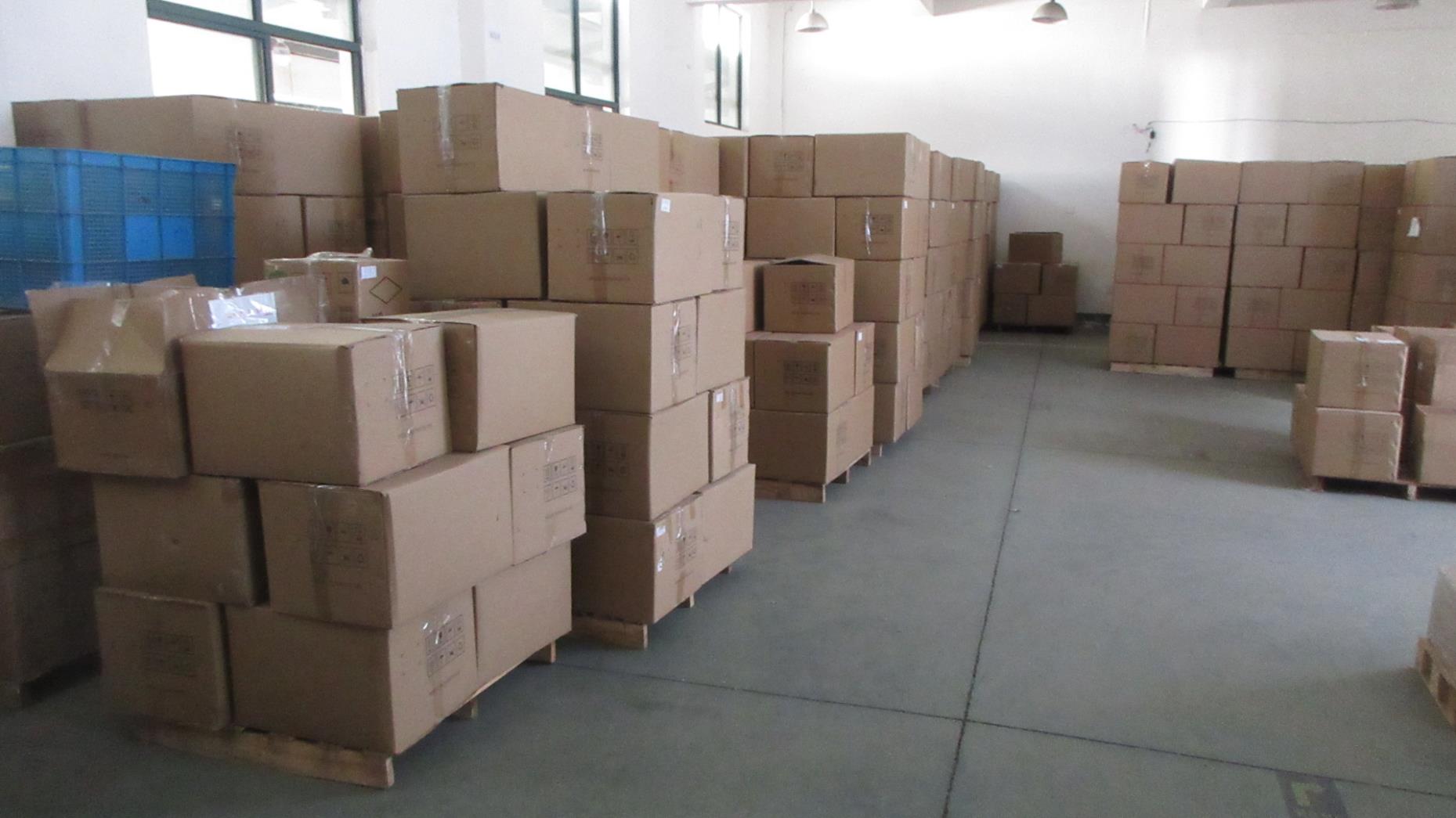
Shipping high-performance computing hardware to North Africa requires navigating complex logistics and customs clearance procedures. Thanks to Elvantis Mesh Systems' trade experience, we have established direct shipping lines and reliable regulatory pathways for importing complex systems into Egypt. By managing import processes in Cairo and Alexandria, we reduce transit times and simplify customs handling for local enterprise buyers.
Clear answers to technical inquiries regarding GPU configurations, local deployments in Egypt, and hardware optimization.
Our servers are built with high-velocity, counter-rotating smart cooling fans and advanced vapor chamber heat sinks. For high-ambient-temperature environments like Cairo, we offer liquid-assisted cooling loops and Direct-to-Chip (D2C) custom modifications. These configurations prevent thermal throttling and ensure stable performance even when inlet temperatures reach 35°C to 40°C.
Yes. We offer fully customizable server builds, allowing you to select GPU capacities (up to 8 cards per chassis), scale system memory (up to 8TB DDR5 RAM), and configure NVMe high-speed storage pools. This flexibility allows researchers to tailor hardware to their specific model sizes and computational workloads.
Our quality control process is managed by a team of 35 dedicated QC professionals. Each system undergoes automated optical inspection (AOI), full-system diagnostic checks, and a continuous 72-hour burn-in stress test under simulated full load to ensure long-term hardware reliability.
With over seven years of global export experience, we handle international shipping requirements, including customs clearances, shipping documentation, and regulatory compliance checks. We work closely with local partners in Egypt to coordinate secure, direct delivery to your datacenter facility.
Yes, our GPU servers are optimized for deep learning libraries, including PyTorch and TensorFlow. They support high-speed data exchanges via PCIe Gen 5 and InfiniBand, providing the computational performance needed to train, fine-tune, and run localized Arabic LLMs.