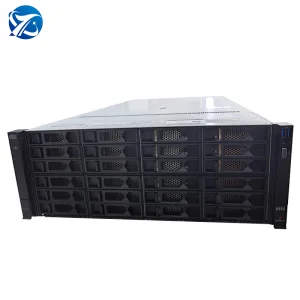
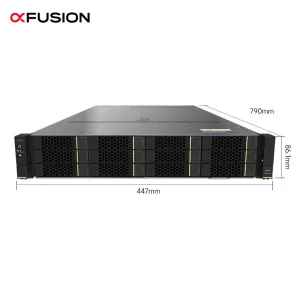
Elvantis
Elvantis
Elvantis
Discover high-performance deep learning workstations and multi-socket cluster configurations optimized for low-latency inferencing and model fine-tuning in the Lombardy digital corridor.
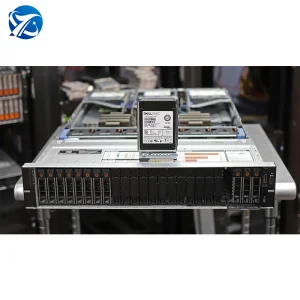
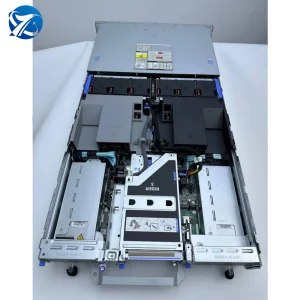
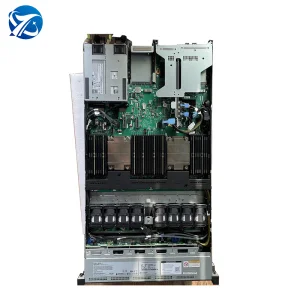
The Metropolitan Area of Milan, particularly the technological corridors extending through Lombardy, has solidified its position as Italy's principal focal point for AI innovation, data center expansion, and enterprise digital operations. As domestic enterprise adoption of foundational large language models (LLMs)—including architectures like Deepseek R1, Llama 3, and proprietary multi-modal models—surges, the local demand for dedicated GPU computing platforms has outstripped general cloud availability.
Traditional hyperscalers, while providing flexibility, present organizations in Milan's banking, manufacturing, and fashion research sectors with critical data egress fees, latency bottlenecks, and compliance issues related to the European Union's strict AI Act. The strategic alternative is localized enterprise deployment of high-density 2U, 4U, and 8U GPU servers directly inside metropolitan colocation zones such as Caldera Park and emerging Tier IV facilities in Milan's periphery.
Integrating global enterprise requirements with the rapid deployment and custom hardware supply capabilities of Chinese ODM/OEM manufacturing facilities.
| Parameters | Enterprise GPU Rack (e.g. Dell R760/xFusion) | Standard Compute Node (2U Dual-Xeon) |
|---|---|---|
| Primary Intended Workload | LLM Training, Real-Time Inference, HPC Math Models | Web Serving, Database Storage, Virtualization |
| Memory Topology | High Bandwidth DDR5 + HBM3 (SXM5/NVLink) | Standard DDR5 Register RDIMMs |
| Thermal Output | 700W - 1200W per Acceleration Module | 150W - 350W per Socket (CPU Only) |
| Fabric Interface | InfiniBand NDR 400Gb/s or RoCE v2 | Dual-Port 10Gb/25Gb Ethernet SFP28 |
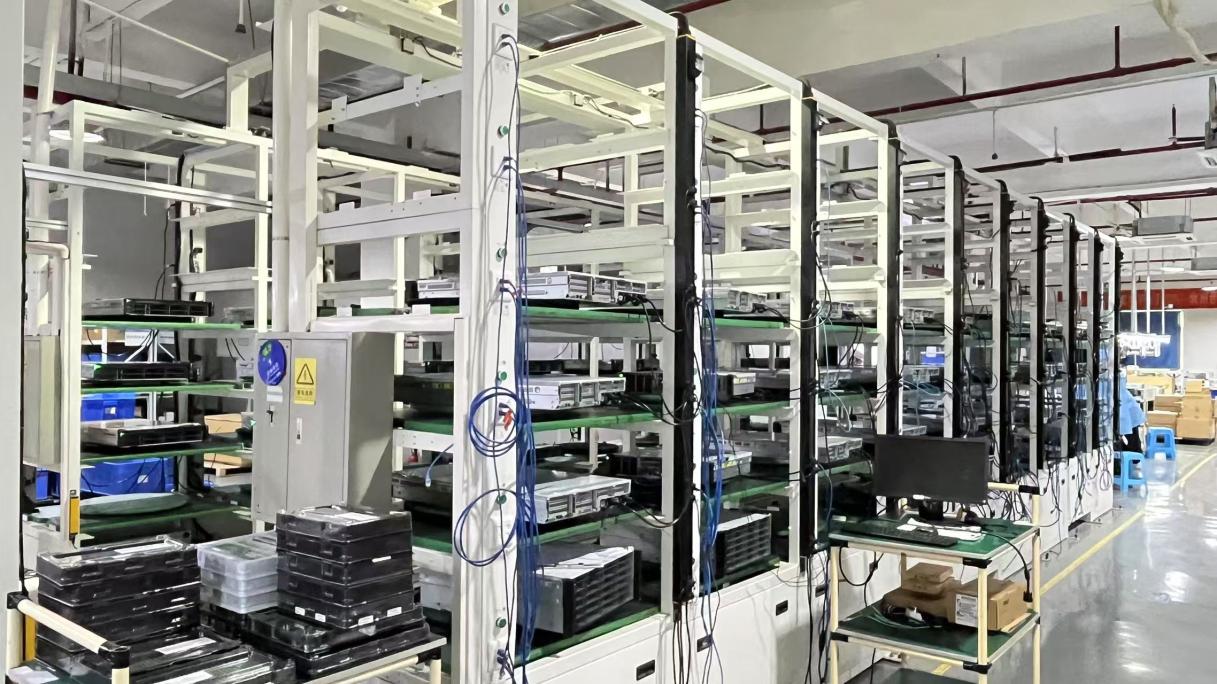
Understanding the gap between custom hardware design requirements and execution velocity is critical for procurement teams. Chinese manufacturing centers offer a concentrated supply chain where base chassis construction, power supply distribution assemblies (CRPS), multi-layered PCBs, and high-frequency active/passive components are fabricated in adjacent industrial areas. This proximity enables unprecedented delivery speeds for highly customized enterprise systems.
For organizations in Italy configuring localized architectures, this integration delivers significant value. Hardware revisions that would historically require quarters in Western development pipelines are tested, thermal-profiled, and packaged for export within weeks, offering Milanese data centers optimized high-density equipment without the standard logistical lag.
Pioneering scalable, multi-layered quality assurance and high-performance server architectures for global distribution.
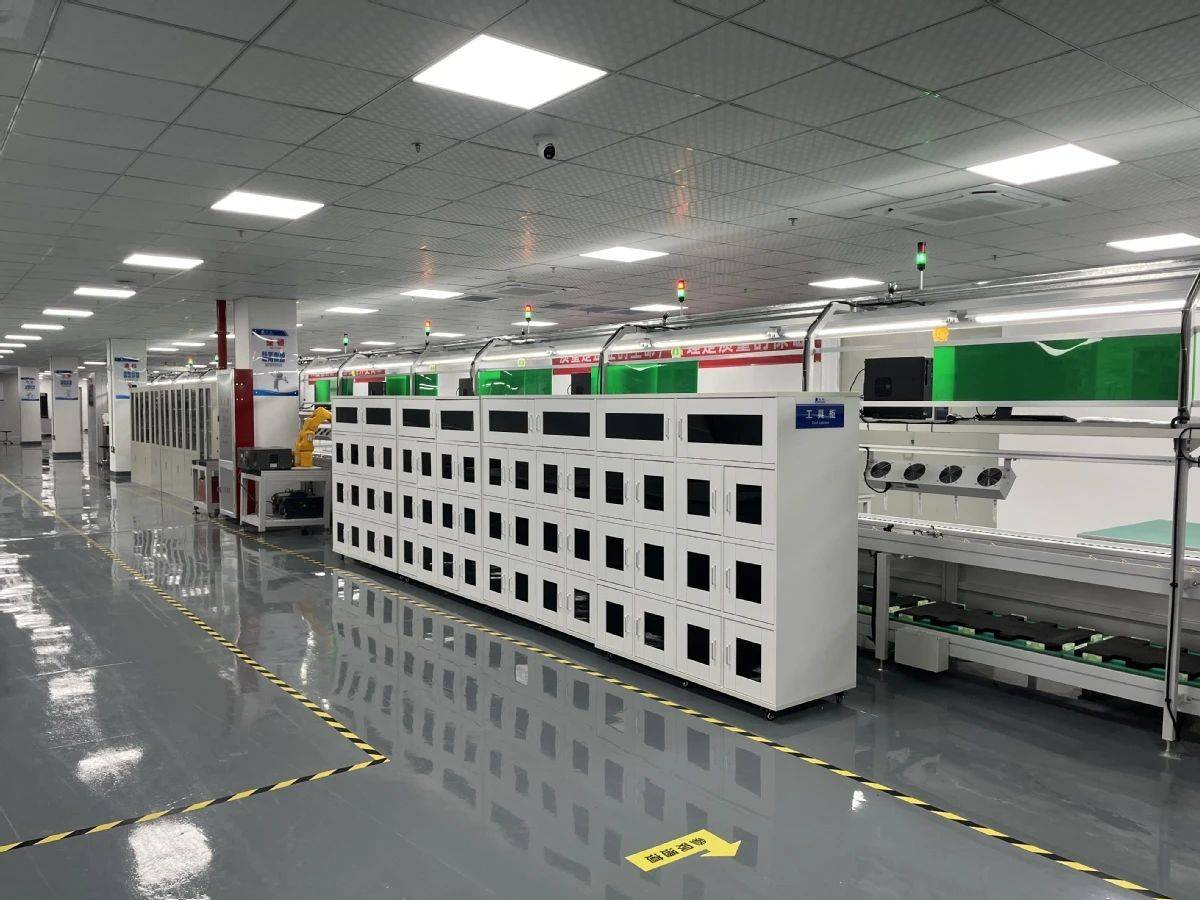
Founded with the core goal of developing complex computing platforms for AI and HPC workloads, Elvantis Mesh Systems Ltd. (elvantismesh.com) manages custom enterprise designs from schematic layout to deployment. Over 10 years of domestic manufacturing experience and 7 years of global export compliance enable us to build hardware that meets the strict technical, electrical, and environmental criteria of European data hubs.
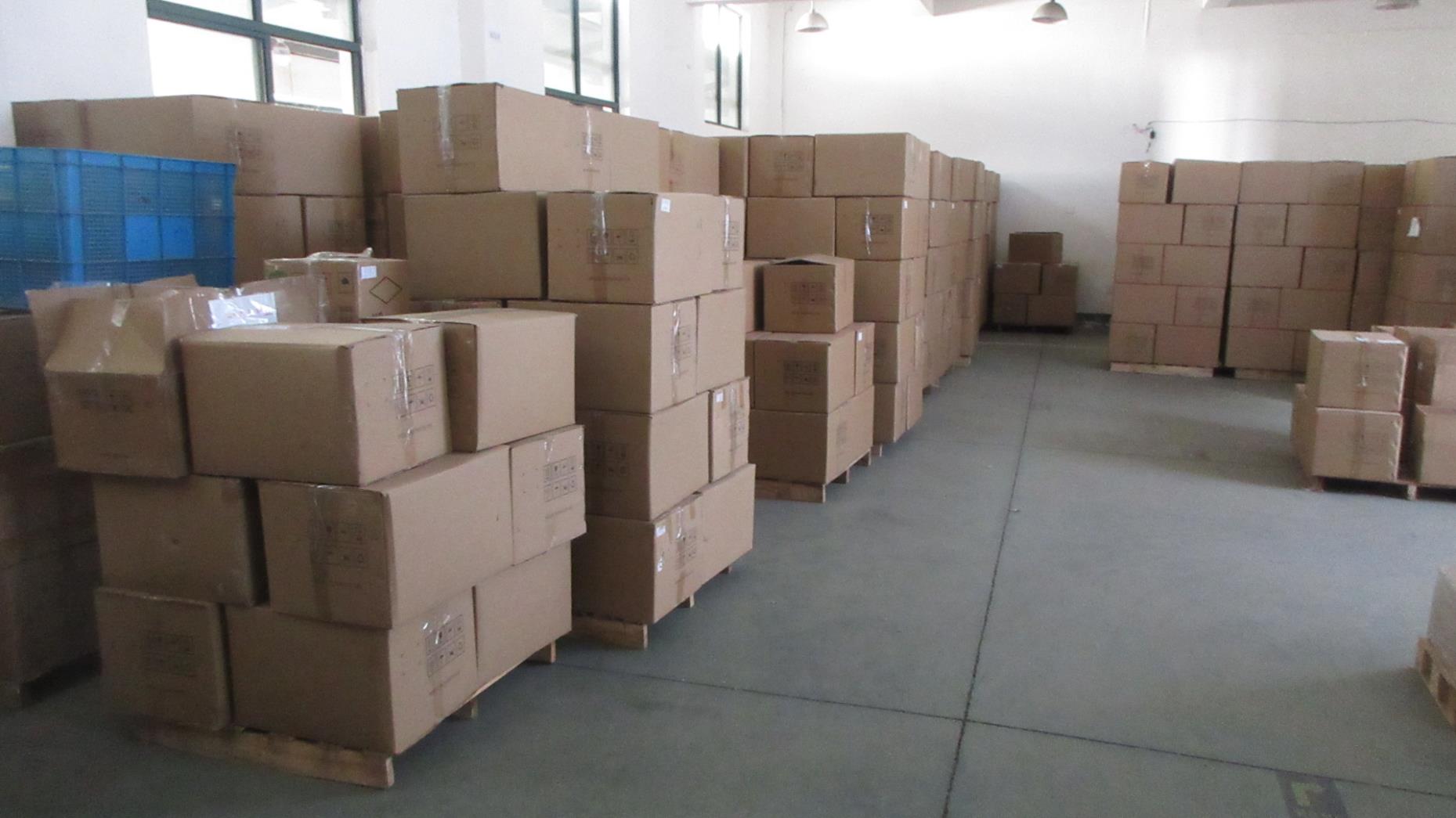
With an extensive ecosystem of 850 partners, we secure high-value components—such as PCIe Gen5 switches, high-amperage power units, and high-conductivity thermal interface materials—even during global supply bottlenecks. This stable supply chain translates directly into predictable lead times and reliable system deliveries for Milanese buyers.
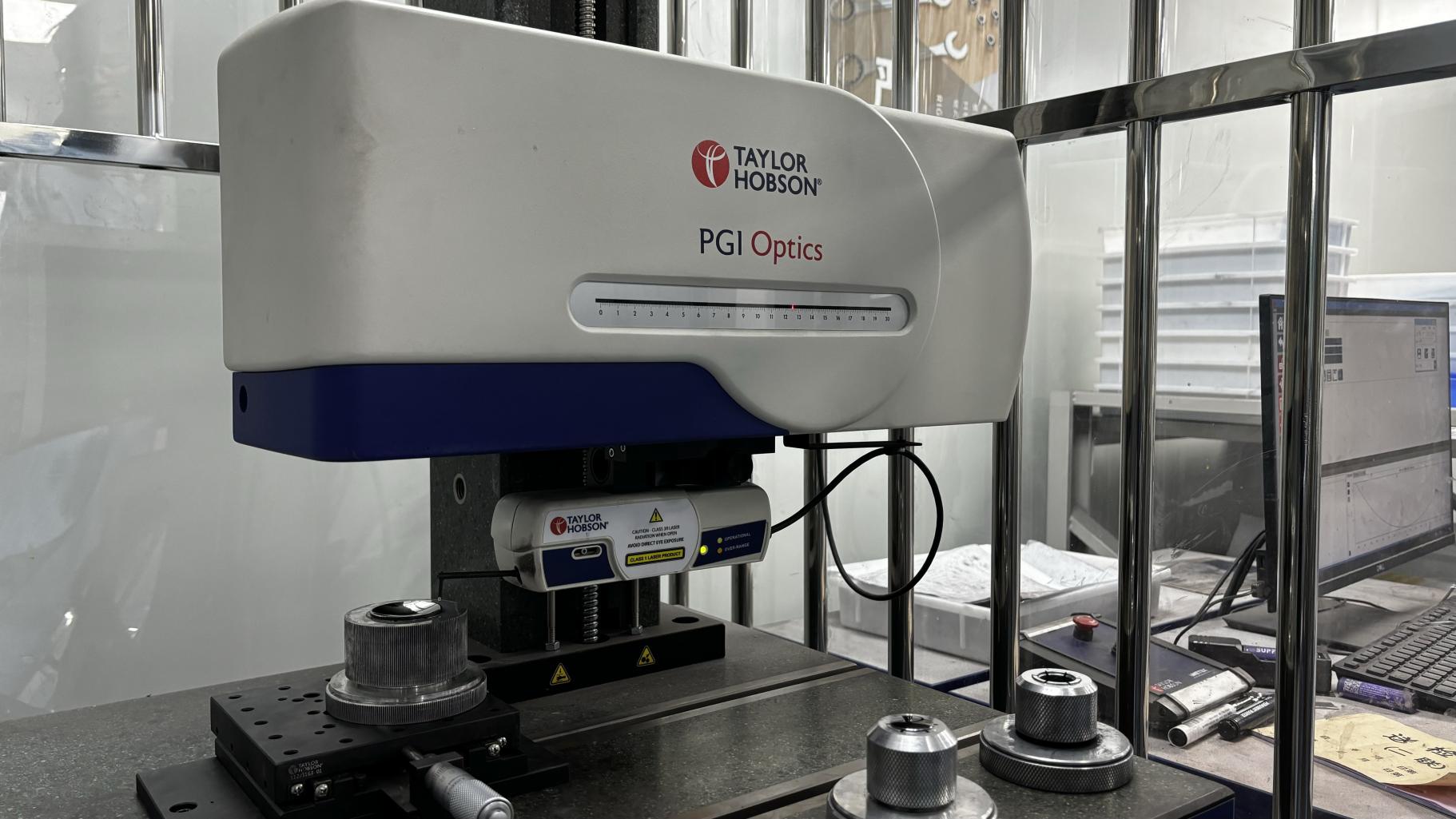
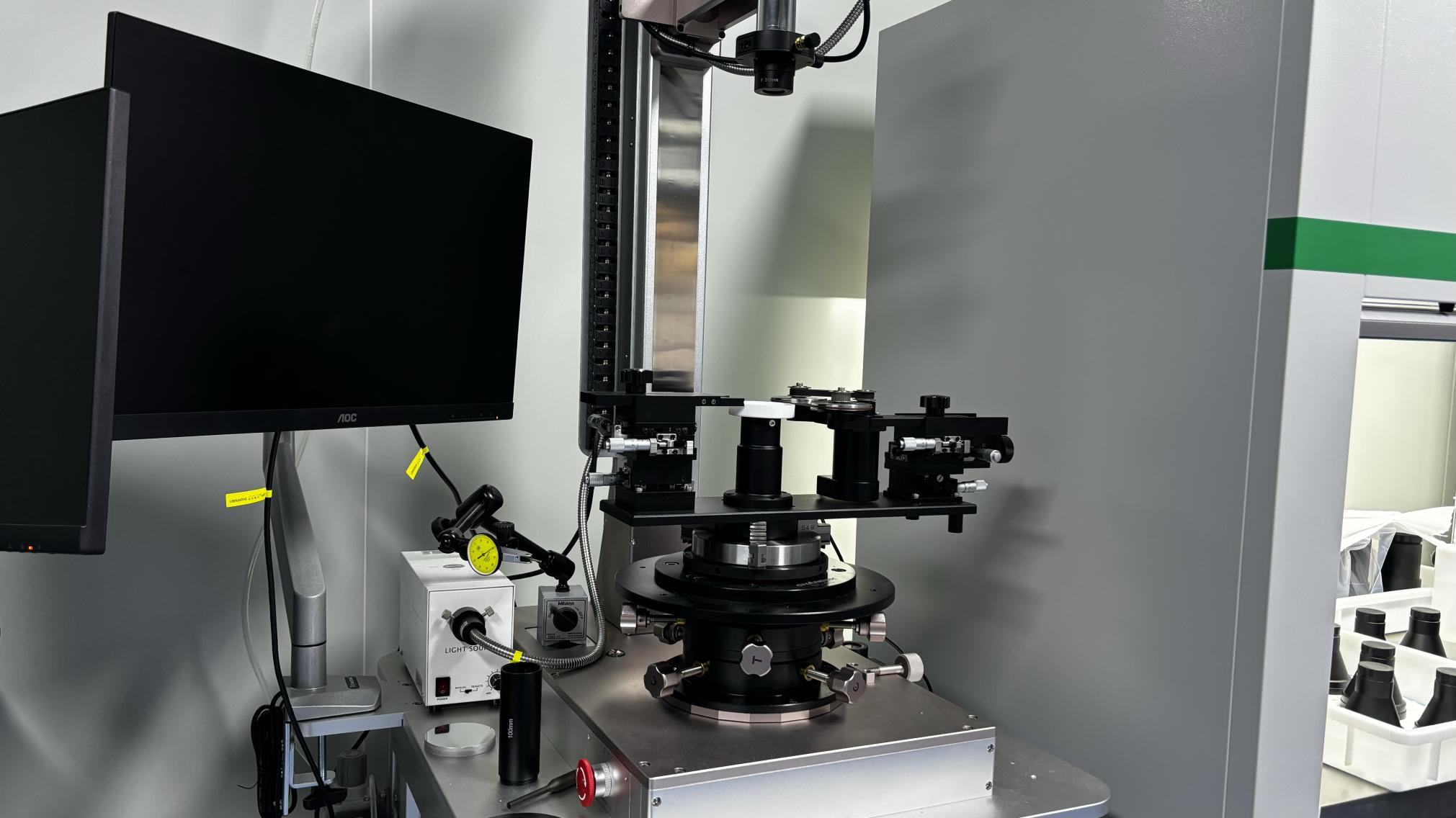
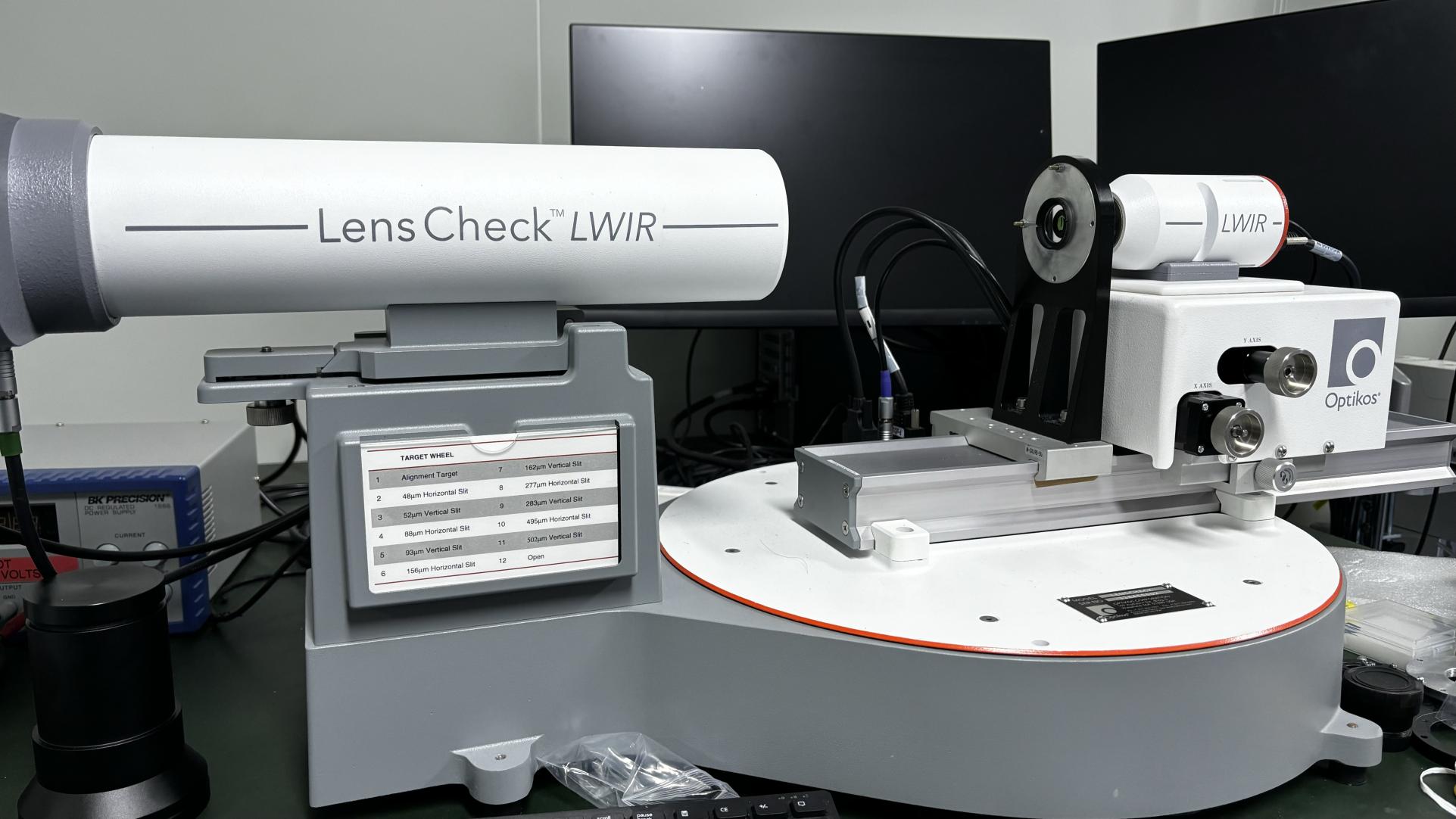
Quality assurance is the core of Elvantis operations. Our 35-person quality control team implements a rigorous, multi-layered inspection protocol, which includes:
Deploying targeted hardware configurations to match specific commercial and academic computing profiles.
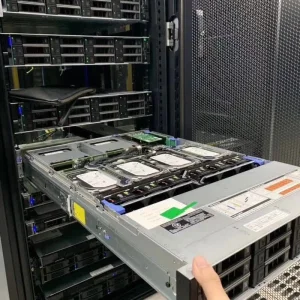
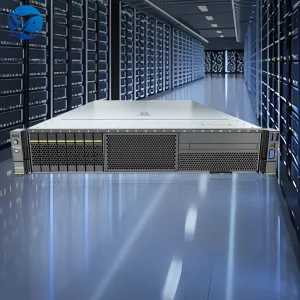
Milan's high-end retail and production sectors use complex visual model AI systems to monitor warehouse automation, inspect raw fabrics, and forecast inventory shifts. These workloads require continuous inference with low latency. A rack-mount server configuration (such as the Dell R750 or xFusion 2288H) equipped with multiple L40S or A100 Tensor Core GPUs provides the optimal balance of FP16 processing power, high bandwidth, and energy efficiency.
The financial institutions centered in Piazza Affari require high-frequency computing resources for quantitative risk evaluation, multi-variable portfolio modeling, and fraud detection. These workloads benefit from dual-socket architectures paired with dense system memory (up to 8TB DDR5) and NVLink-connected H100/H200 modules, ensuring seamless memory access across GPU nodes.
To comply with local regulations and protect proprietary assets, local research entities and enterprise consortia deploy private instances of modern deep learning models (such as Deepseek 671B or Llama 3 405B). By installing custom-configured high-density xFusion G5500 or Dell PowerEdge R7625 servers on-premise, organizations retain complete control over internal engineering data and intellectual property.
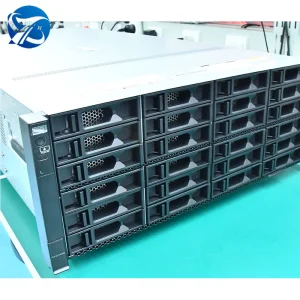
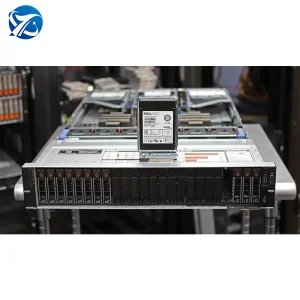
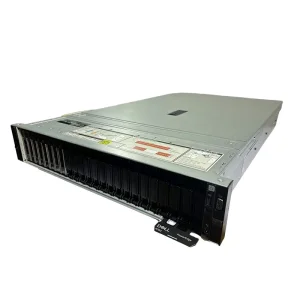
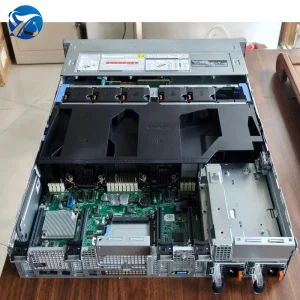
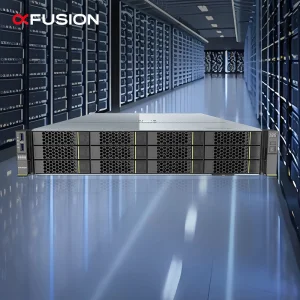
Select from our certified OEM hardware platforms, featuring multi-socket configurations, scalable memory architectures, and proven thermal designs.
Key structural and design developments that will influence the next generation of high-density hardware deployments.
Standard PCIe slots are increasingly replaced by high-performance mezzanine card form factors (such as OAM and NVLink SXM modules). These interfaces allow direct card-to-card communications, bypassing host system CPU and RAM pathways. By routing traffic over dedicated high-bandwidth networks, these clusters mitigate transmission latency issues in large-scale model training.
Consequently, custom server designs must integrate dedicated power rails and high-density copper cabling structures to match the intensive power draws of high-end GPU configurations.
As computational densities rise, standard air-cooling systems struggle to manage thermal limits efficiently inside space-constrained server rooms. Liquid-to-air cooling loops, dry-break fluid quick-disconnects, and direct-to-die water blocks are transitioning from specialized research setups to standard enterprise features.
Implementing direct-to-die liquid blocks allows datacenters to maintain optimal operating temperatures while reducing power allocated to mechanical fan systems, improving overall energy metrics.
Get in touch with our design engineers for detailed technical specs, system quotations, and deployment planning.
Send Inquiry Now