Elvantis
Elvantis
Elvantis
High-throughput architectures specifically integrated to run large language models, industrial vision networks, and complex training models inside Thai enterprises.
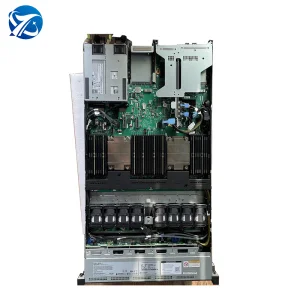
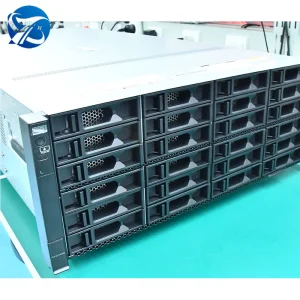
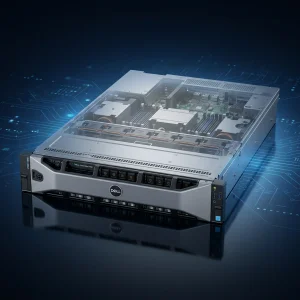
Thailand's digital economy is transforming rapidly, guided by the government's "Cloud-First" strategy and the development of the Eastern Economic Corridor (EEC) as a technological hub. From Bangkok's financial services sectors to regional smart factories in Chonburi and Rayong, organizations are shifting from traditional CPU-based workflows to high-performance GPU-accelerated computing. Local businesses require compute nodes that handle intensive operations locally, reducing latency and securing operational data within regional lines.
As a leading exporter of enterprise AI servers, Elvantis Mesh Systems Ltd. fills this gap. We supply enterprise-class rack servers engineered to withstand demanding operational conditions, including thermal adaptations required for tropical climates. By combining the processing power of dual-socket Intel Xeon and AMD EPYC architectures with high-density GPU accelerators, we deliver localized solutions to power Thai industries.
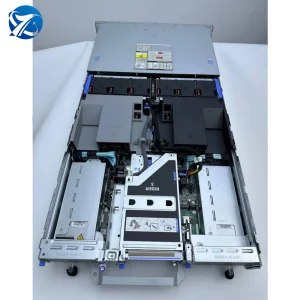
Multi-fan redundancies and advanced chassis architectures designed for high-density deployments in warm climates, ensuring reliable operational uptime.
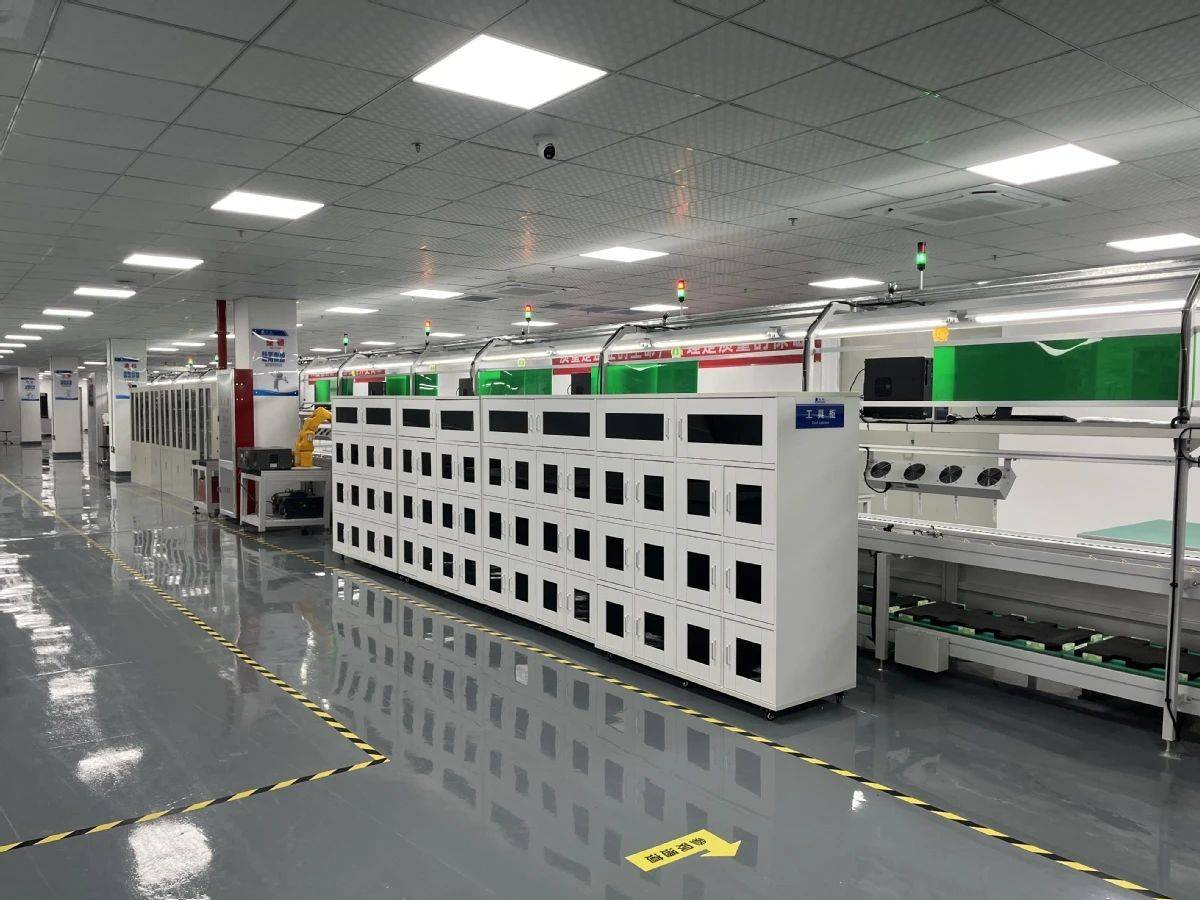
For organizations deploying large language models (LLMs) like DeepSeek-R1 or conducting molecular modeling, hardware architecture is critical. When optimizing servers for Thai data centers, it is vital to balance thermal dissipation, power distribution units (PDUs), and PCI Express (PCIe) configurations.
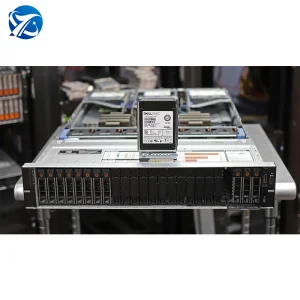
Dell PowerEdge (such as the R750 and R760 series) and xFusion FusionServer systems offer distinct advantages for specific computational workloads:
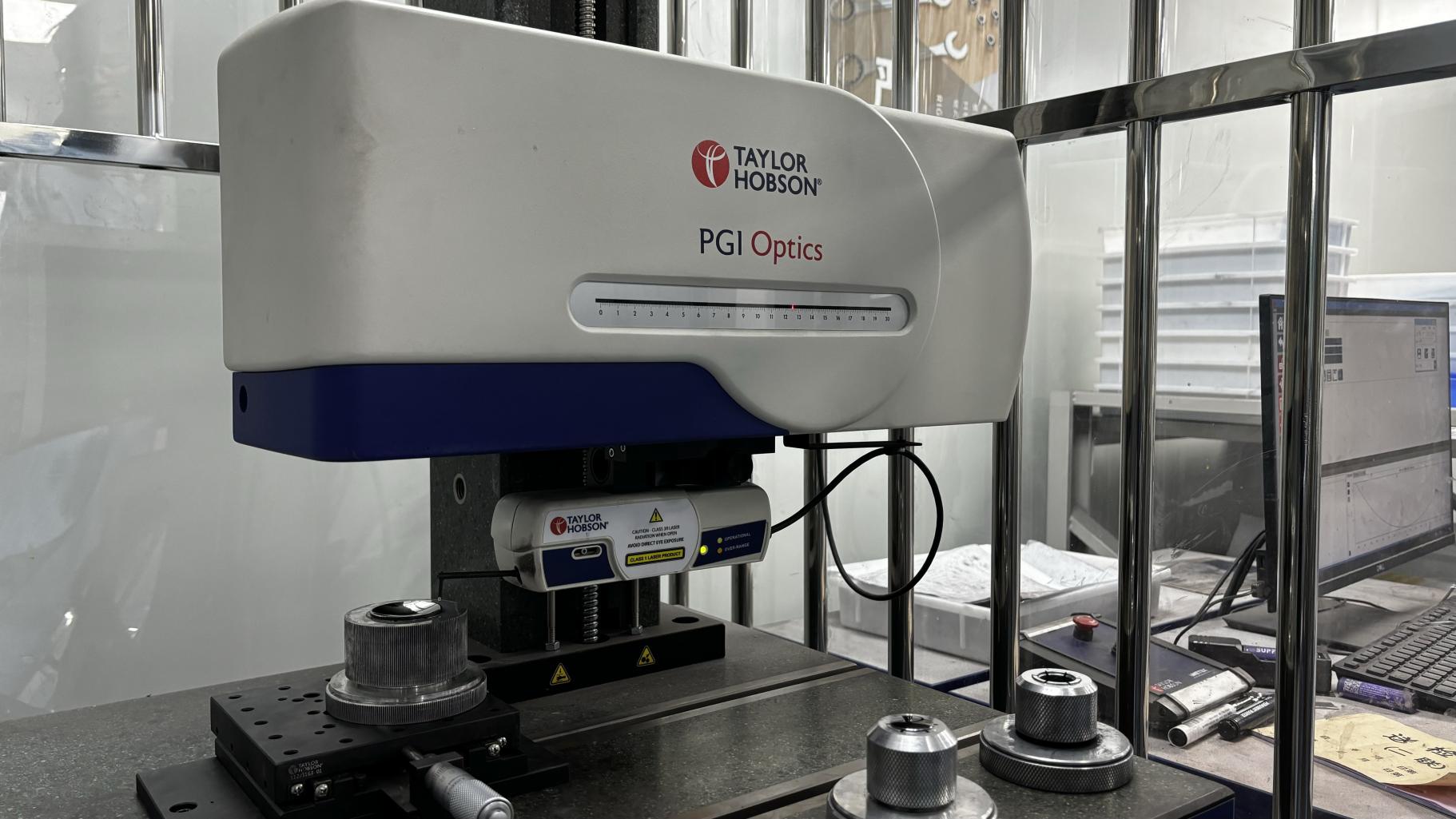
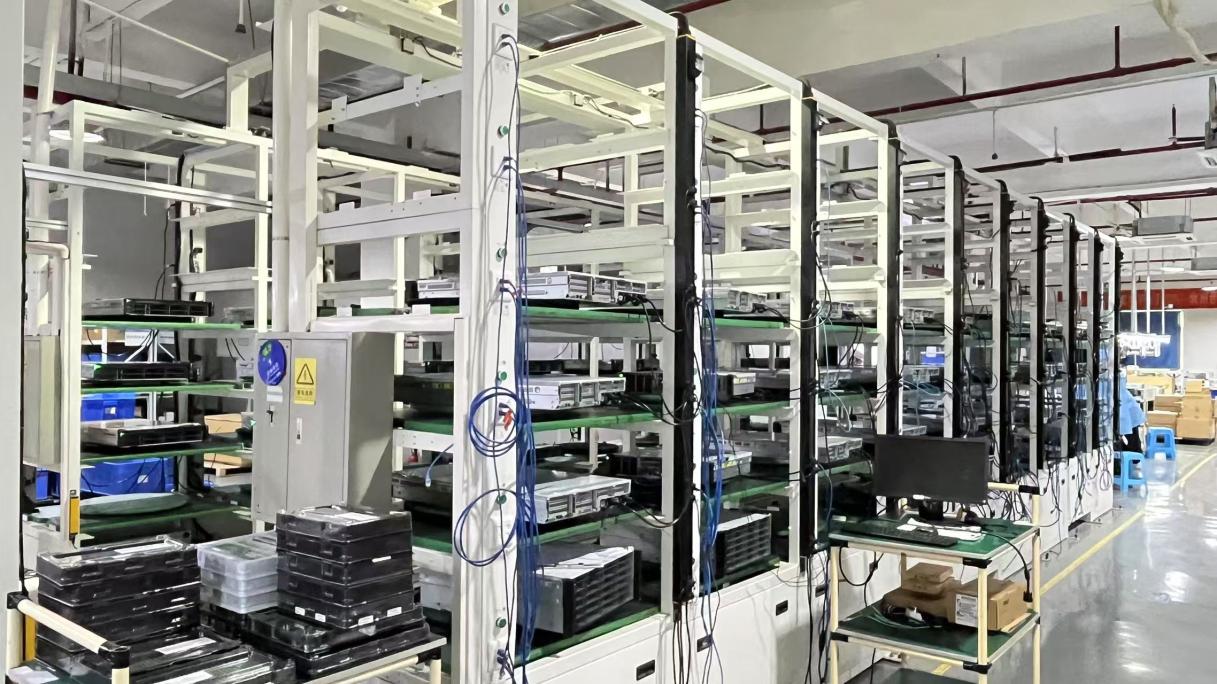
Every compute node shipped to Southeast Asia undergoes a comprehensive testing matrix to verify component durability under continuous compute workloads.
Operating a dedicated 380㎡ testing and assembly facility, Elvantis Mesh Systems Ltd. ensures all Dell and xFusion components meet strict international performance standards before shipment. Our export workflow is managed by a team of 35 quality control specialists who inspect every server under heavy stress test conditions.
72-hour continuous burn-in tests evaluate system stability under 100% compute load, preventing premature hardware failure in remote locations.
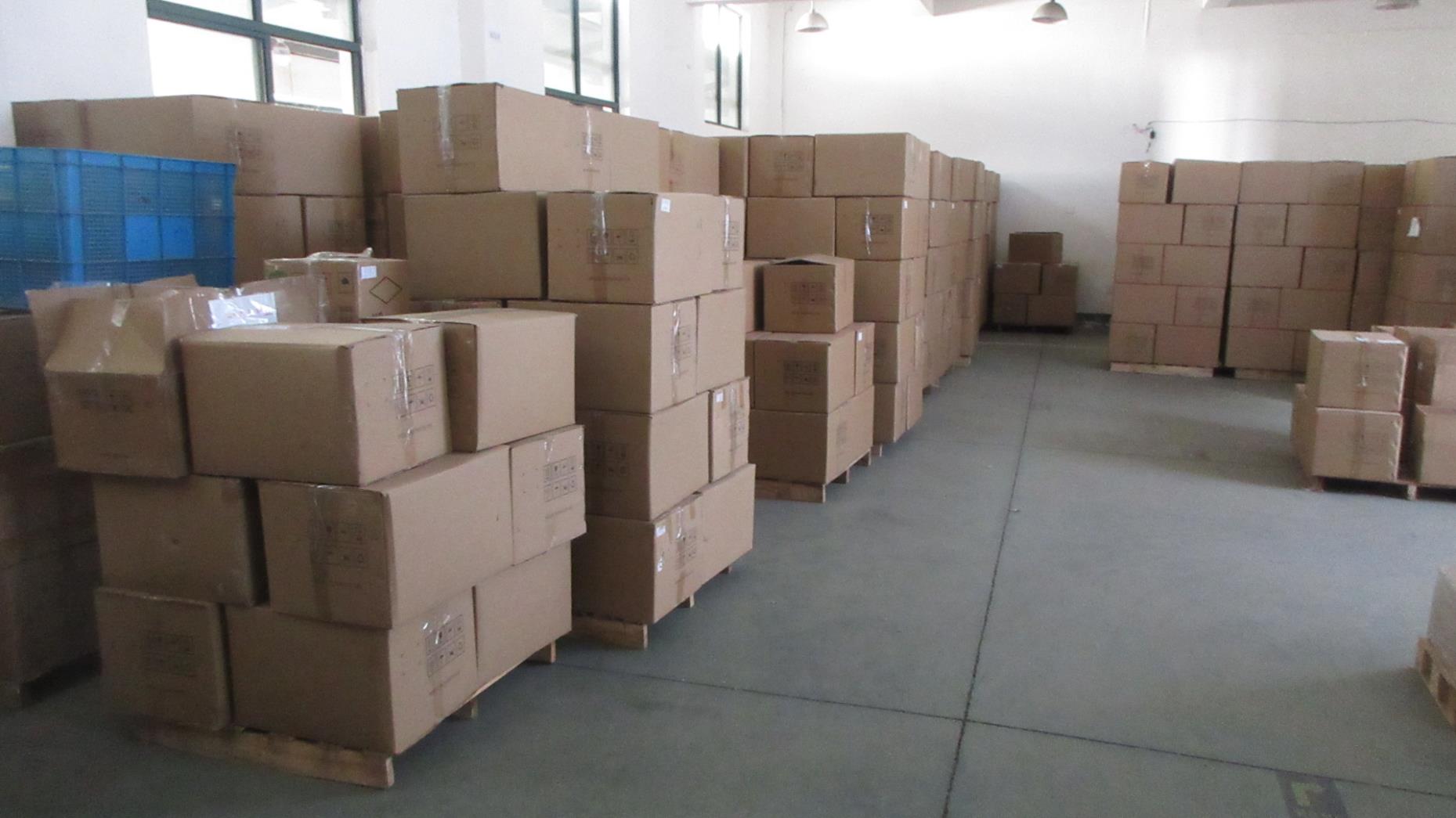
Anti-static, impact-cushioned wooden crates and humidity-controlled packaging secure components during sea freight to Laem Chabang or air cargo to Suvarnabhumi.
Explore our inventory of enterprise-grade compute platforms, including dense 1U node options and multi-GPU high-capacity chassis, all eligible for direct export to Thailand.
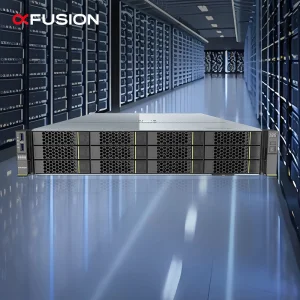
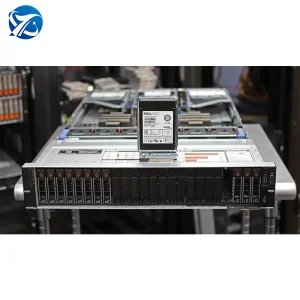
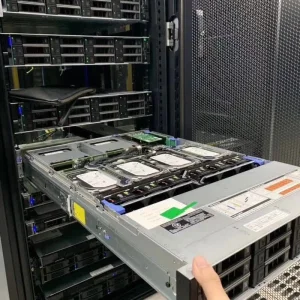
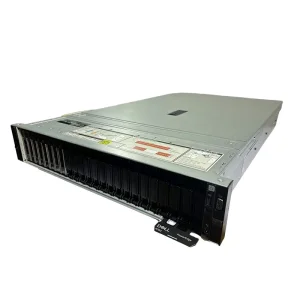
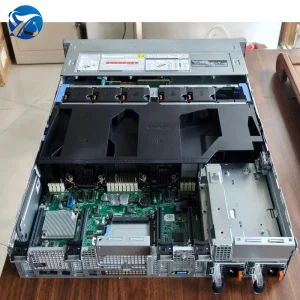
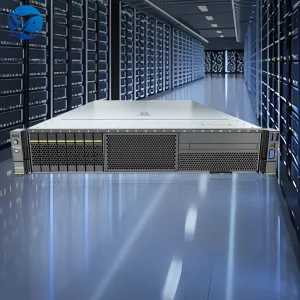
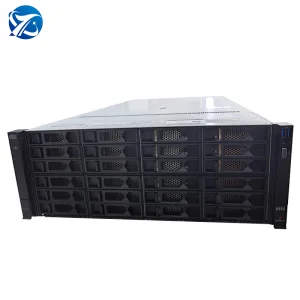
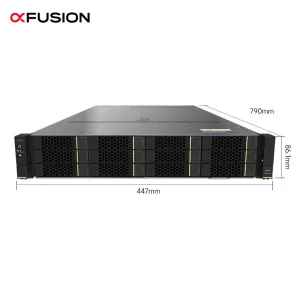
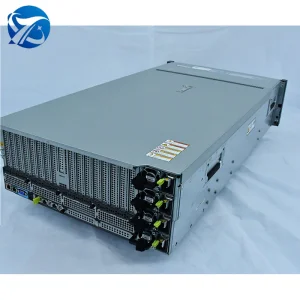
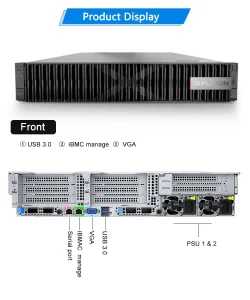
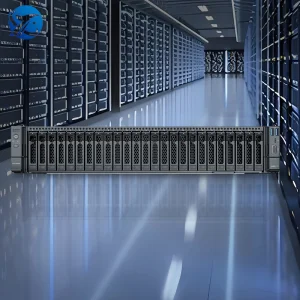
We engineer customized configurations to resolve local operational challenges, from data integration compliance to high-efficiency power distributions.
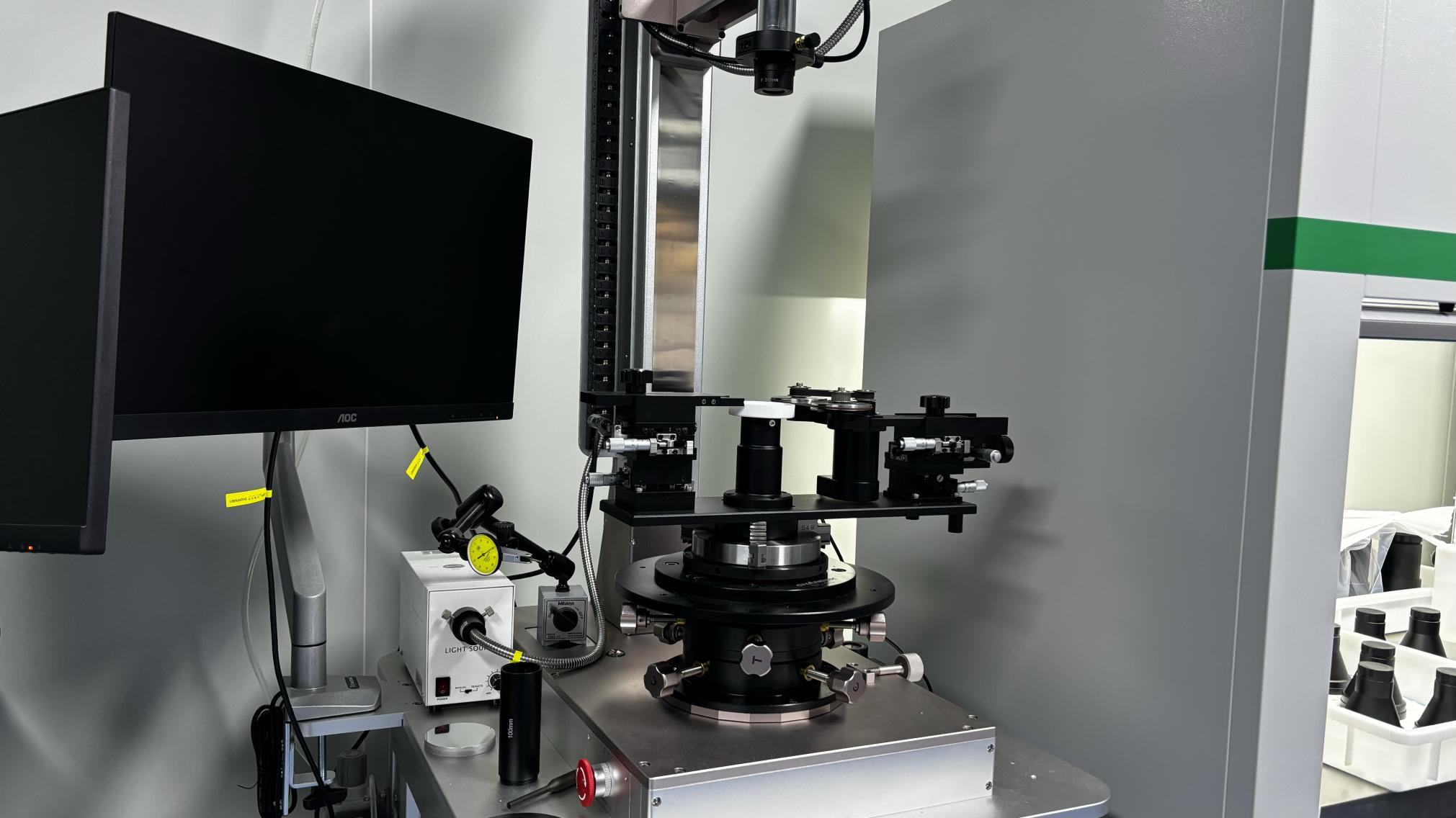
Thailand's industrial sectors rely on high computing density to automate processes and integrate internet-of-things (IoT) pipelines. In smart cities like Bangkok and EEC high-tech zones, GPU servers process hundreds of optical channels simultaneously, requiring continuous high-throughput operations.
Our tailored configurations support regional integration requirements:
As deep learning architectures grow in complexity, computational components must scale accordingly. Modern AI infrastructures require high PCIe lane availability and fast network interfaces to prevent compute bottlenecking.
Our enterprise solutions integrate current hardware standards: PCIe Gen5 support allows high-speed communication between GPUs and the CPU, while dual 25GbE/100GbE network interfaces provide high-throughput interconnectivity between node clusters.
Twice the throughput of PCIe Gen4 platforms, significantly reducing data load times between storage arrays and GPU memory.
Direct memory access configurations enable faster database queries and large-file read speeds for AI storage tasks.
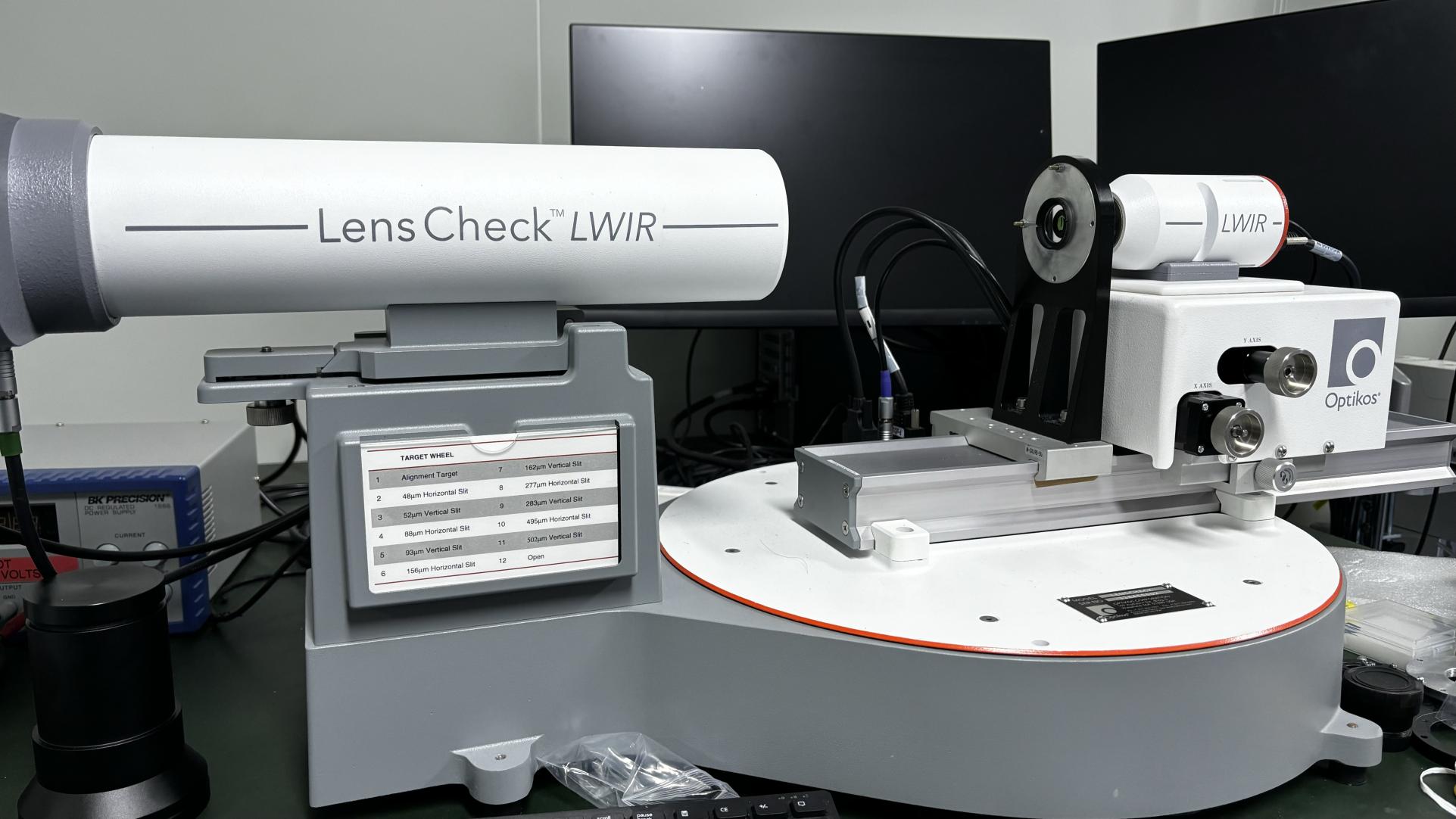
Every system exported by Elvantis Mesh Systems Ltd. is fully configured, structured, and tested to meet local customer requirements. We work with a network of 850 partners to secure authentic components, including storage devices, processors, and network interfaces.
Our quality management workflow follows three steps:
Clear, technical details addressing import logistics, compliance, customization, and hardware integration.
The standard export lead time for configured servers is 10 to 15 business days. Transport via sea freight to Laem Chabang takes 7 to 12 days, while air freight to Suvarnabhumi Airport typically takes 2 to 4 days, depending on customs clearance workflows.
Under local HS code classification (typically 8471.50 for digital processing units), standard customs duties can vary. We supply necessary commercial documentation, including certificates of origin (CO) and technical specifications, to streamline clearance processes.
Our configurations include dual hot-swappable platinum/titanium redundant power supplies (up to 3200W). These power supplies support wide input ranges (typically 100V-240V AC) and are compatible with standard power feeds from the Metropolitan Electricity Authority (MEA) and Provincial Electricity Authority (PEA).
Yes. We offer ODM customization services, which include flashing required bios updates, configuring hardware RAID arrays, and installing base operating systems, CUDA toolkits, and containerization frameworks (like Docker or Singularity) prior to shipment.
Every node undergoes visual inspections, memory diagnostic loops, and a 72-hour full stress burn-in test. We monitor CPU temperature profiles, memory response times, and storage write cycles to ensure the hardware is stable and ready for deployment.
We provide comprehensive warranty coverage for all exported hardware. If a component fails within the warranty period, we supply replacement parts (such as RAM modules, fan units, or power supplies) via express courier to minimize system downtime.
Talk with our engineering team to design, configure, and export high-performance AI GPU servers optimized for your organization's specific workloads.
Send Inquiry Now