Elvantis
Elvantis
Elvantis
Reliable components, high-density processors, and modular storage arrays designed for software-defined environments.
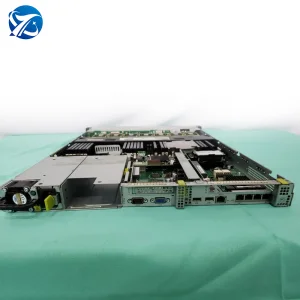
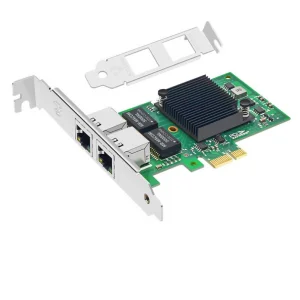
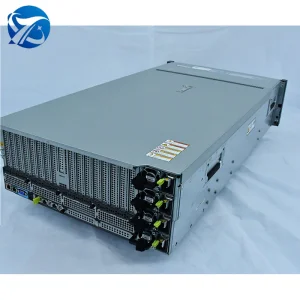
Modern telecommunications, enterprise hyper-scalers, and artificial intelligence clusters require network architectures that go beyond legacy hardware configurations. Software-Defined Networking (SDN) addresses this requirement by decoupling the control plane from the data plane. This decoupling enables administrators to centrally program and orchestrate traffic dynamically, reducing provisioning times from weeks to milliseconds.
By abstracting network intelligence into centralized controllers, global organizations can easily manage network virtualization, implement intent-based policy configurations, and enhance cloud multi-tenancy models. As a specialized network infrastructure hardware exporter, Elvantis Mesh Systems Ltd. manufactures high-performance enterprise server nodes, host bus adapters (HBAs), and NVMe-optimized storage controllers that form the hardware foundation for robust SDN environments.
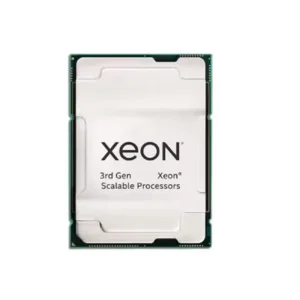
Deploying SDN demands reliable raw computing throughput and network interfaces. Central controllers must process high flow-setup rates, while the underlying switches require broad physical backplanes to route packets without latency. Our OEM/ODM servers, powered by advanced Intel Xeon Scalable processors, are built to handle the computational requirements of virtualized switches, firewalls, and SD-WAN endpoints.
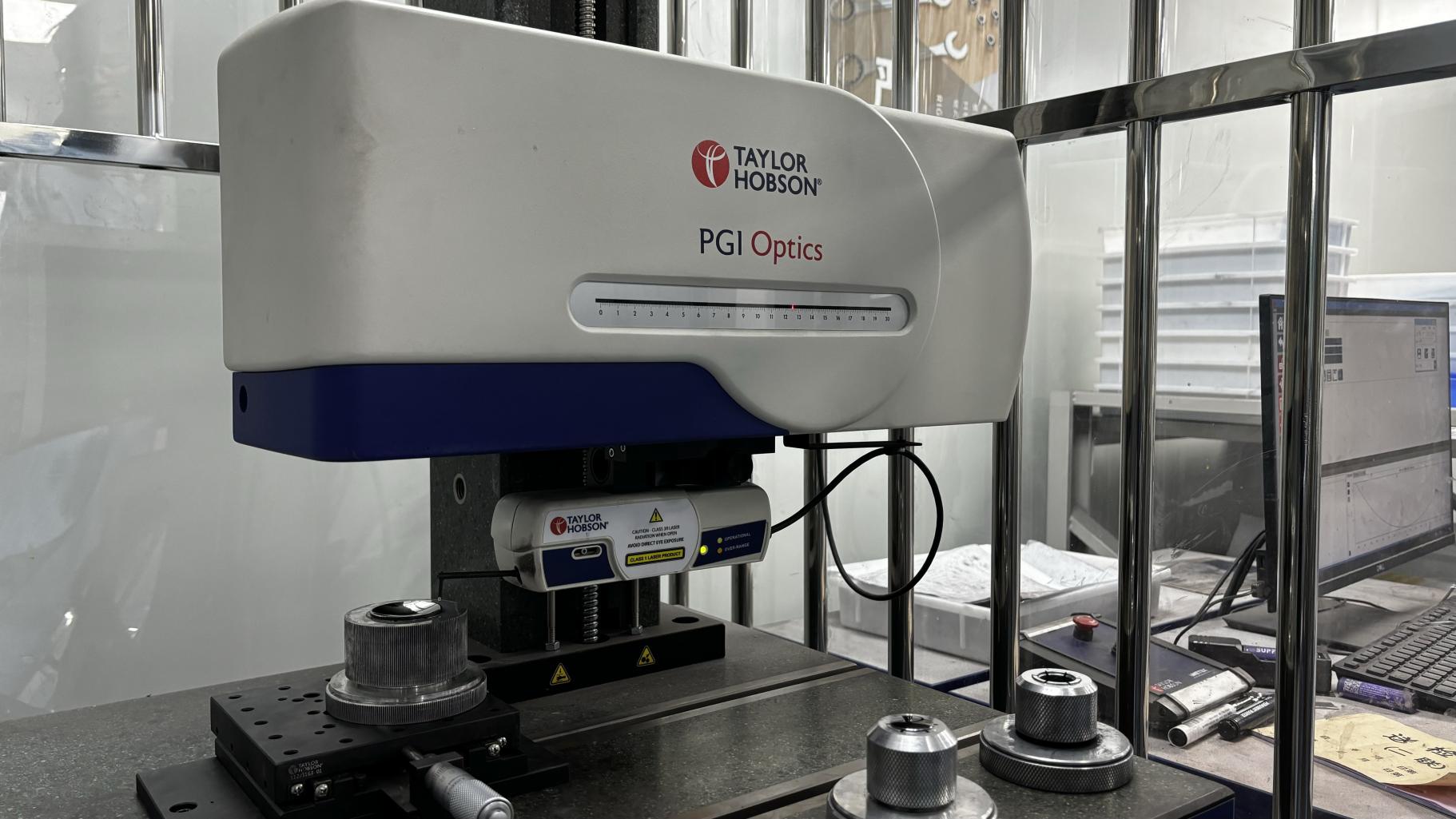
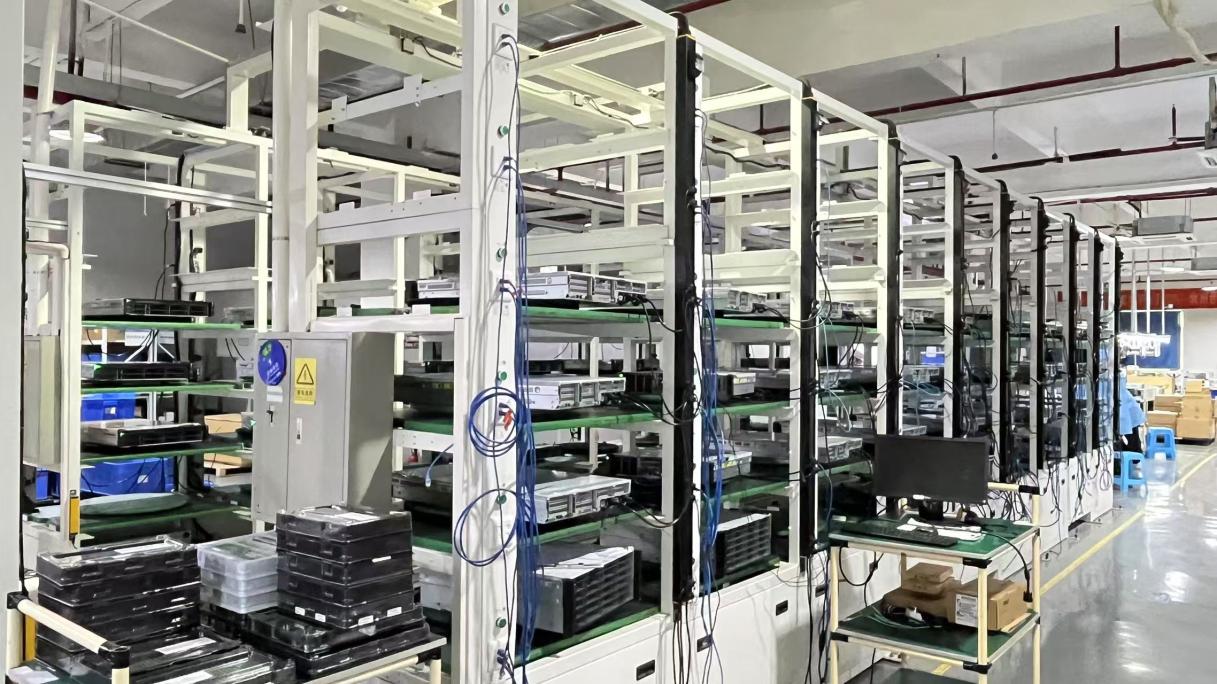
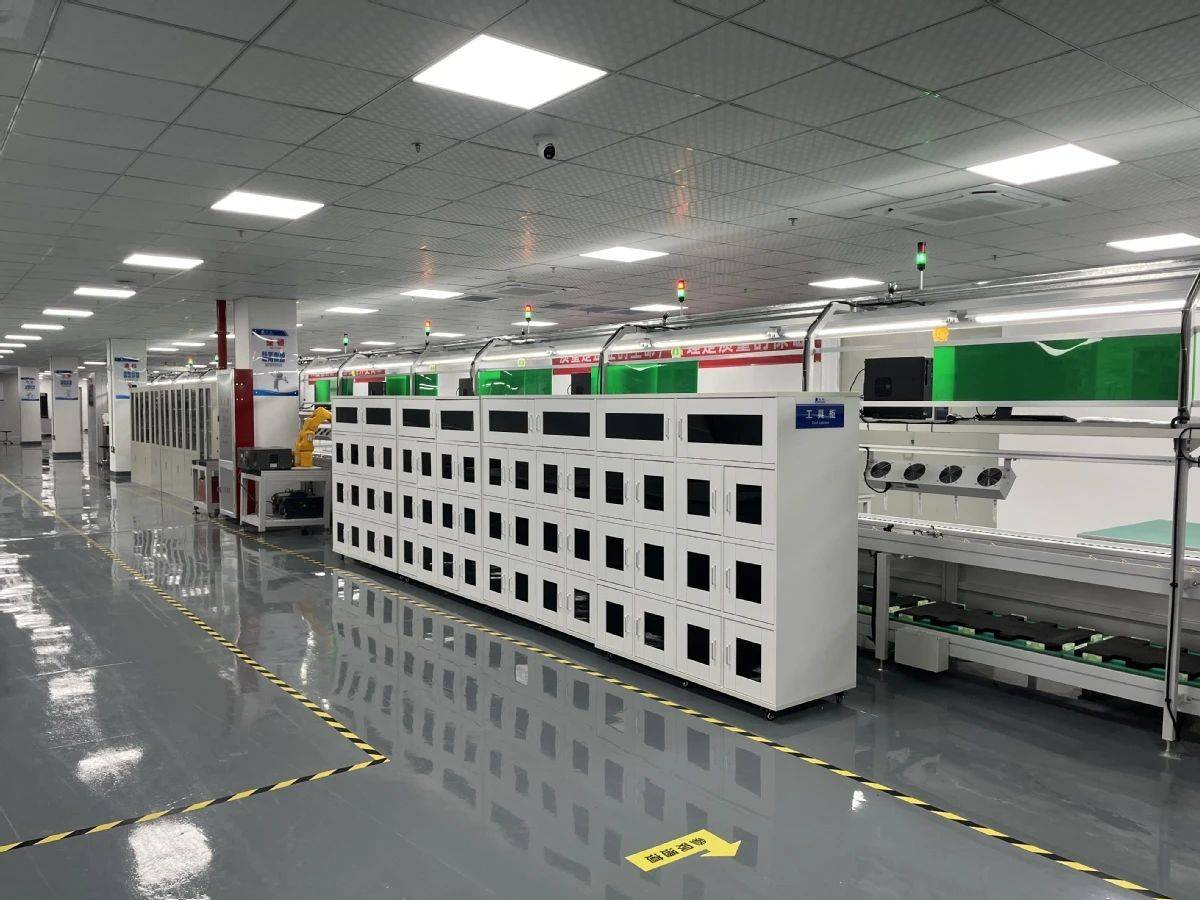
Operating a specialized manufacturing facility, Elvantis Mesh Systems Ltd. combines modern production techniques with high-level design capabilities. Founded in 2016, our production space is designed for small-to-mid scale precision validation and hardware prototyping. This layout allows our teams to iterate rapidly, launching over 120 new products in the past year alone to keep pace with changing AI compute requirements.
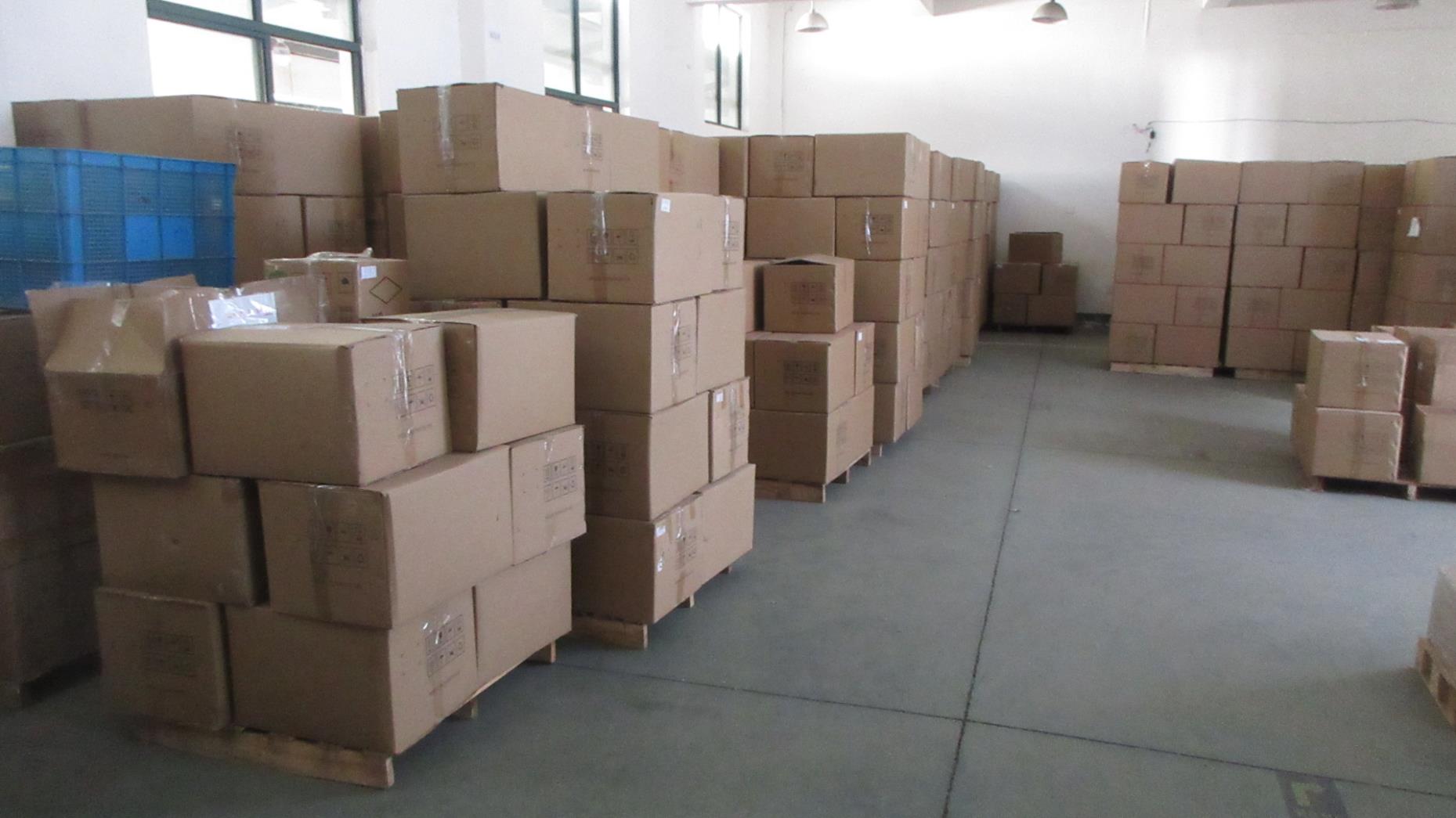
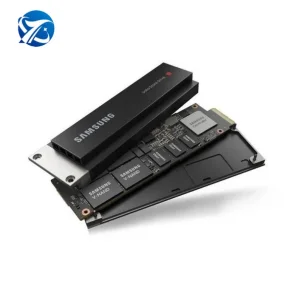
Our supply chain model features a network of 850 cooperative partners. This broad base ensures access to critical components, including Intel Xeon CPUs, Broadcom RAID controllers, and Samsung Enterprise SSDs, shielding our buyers from supply constraints. By utilizing a multi-layered component sourcing strategy, we maintain lead times that consistently outperform industry averages.
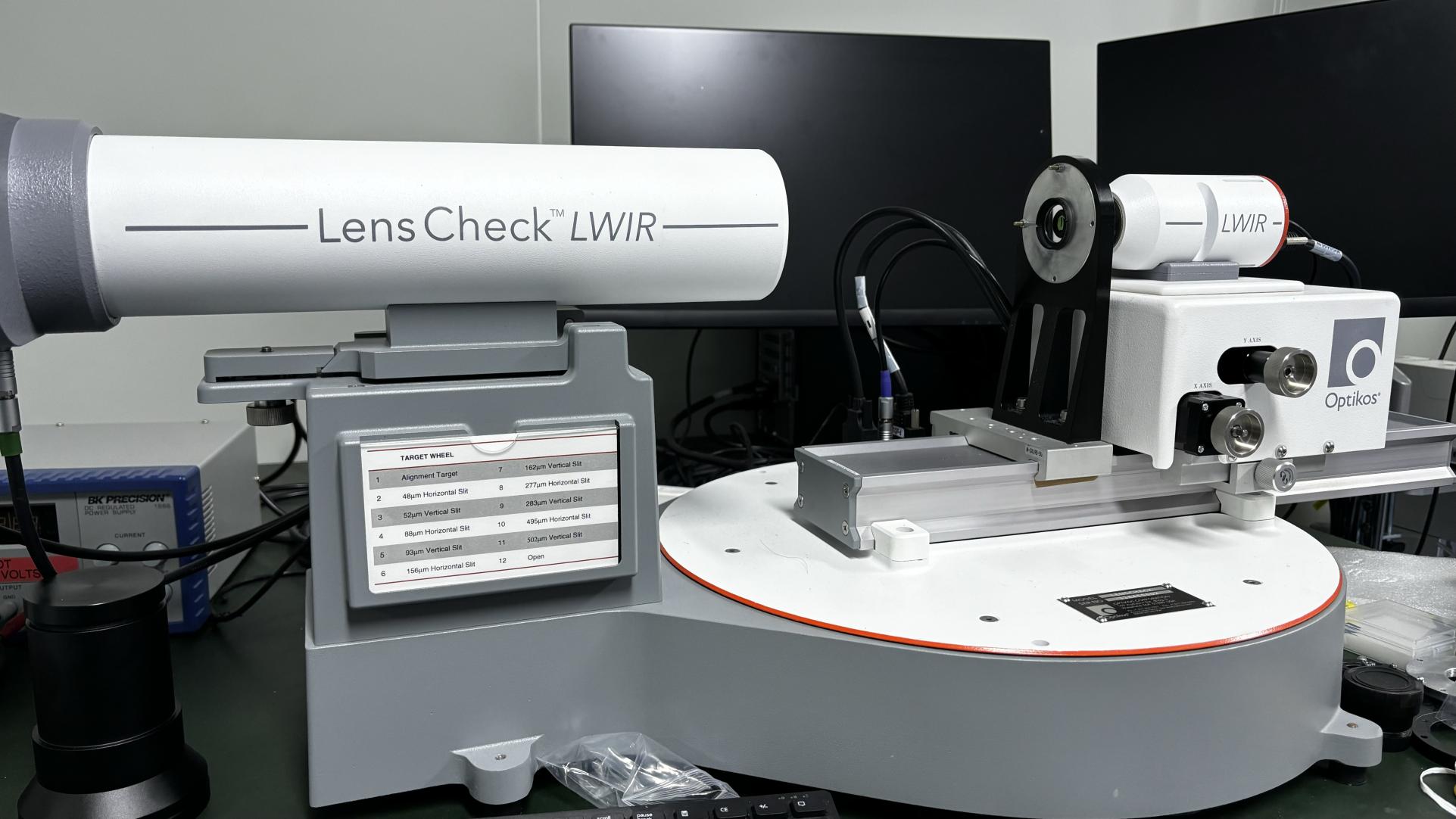
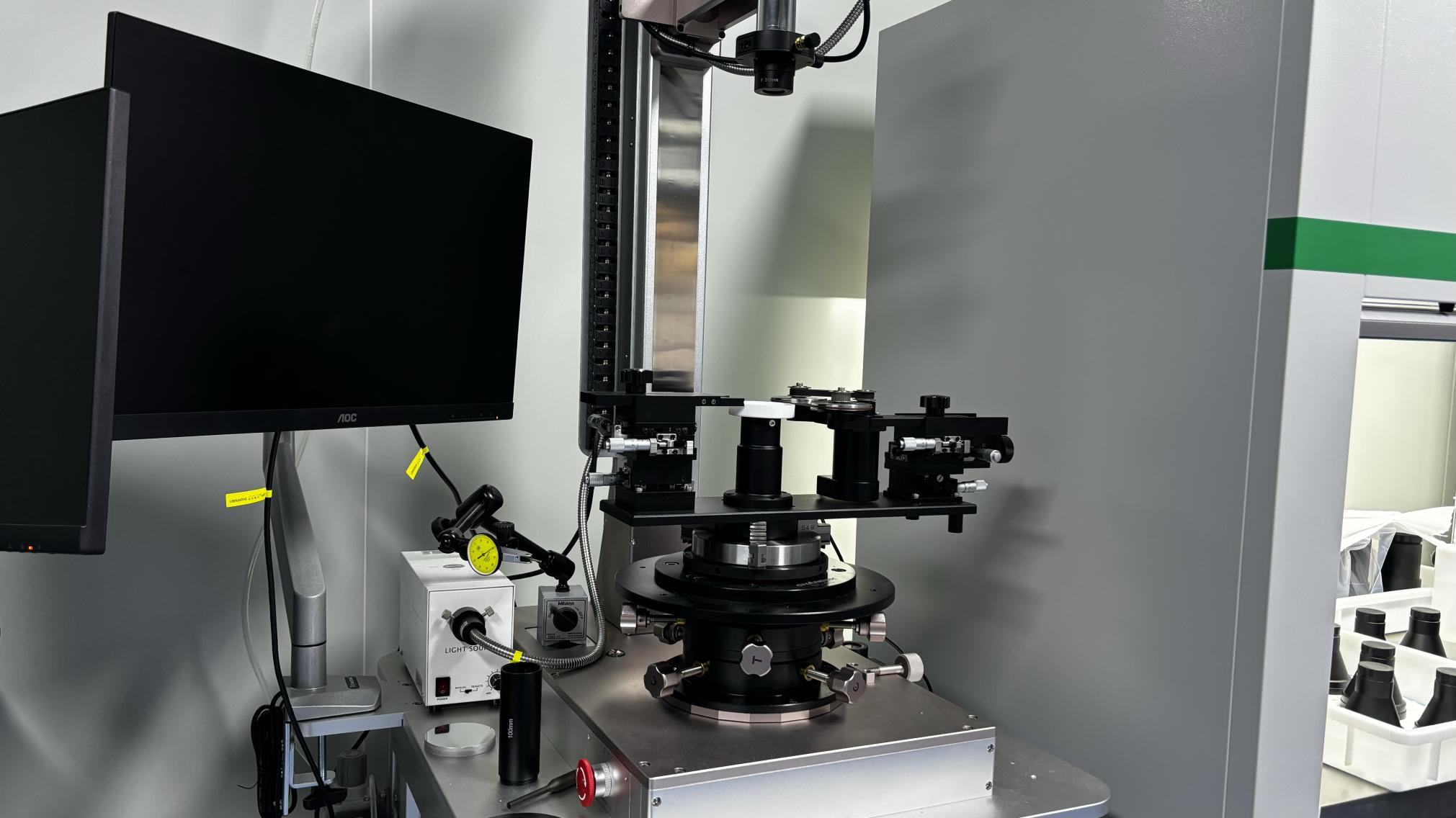
To ensure high quality, we employ a 35-member quality control team. Each server node, RAID card, and HBA interface undergoes testing, including:
Custom hardware configurations designed to meet the technical requirements of key business sectors.
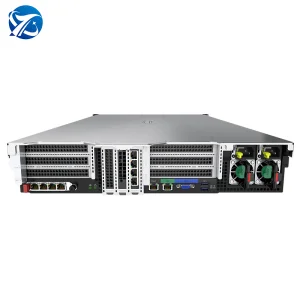
We build high-density GPU servers, such as the FusionServer G5500 V6, configured with PCIe Gen 4.0 NVMe storage. These units provide the computational density and backend bandwidth needed for running large-scale LLMs and deep learning tasks.
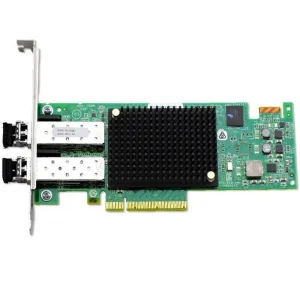
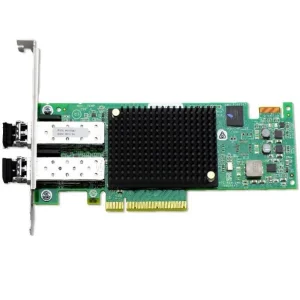
Leveraging high-frequency Xeon processing nodes and dual-port 32GB FC HBA adapters (such as the Emulex LPe35002-M2), we design transaction engines and databases that require sub-millisecond execution times and robust throughput.
Our short-depth 1U and 2U rack mount units support SDN-WAN controllers, Network Function Virtualization (NFV) appliances, and software-defined firewalls deployed at the network edge.
Software-defined network architectures are increasingly utilizing hardware acceleration to improve performance. Standard CPU routing cannot keep pace with 400GbE and 800GbE line speeds without dropping packets. The next generation of SDN relies heavily on SmartNICs, Data Processing Units (DPUs), and specialized PCIe Gen 5.0 switching fabrics.
Our product development focuses on integrating physical server platforms with open-source controllers like OpenDaylight, ONOS, and SONiC. By validating network cards alongside SAS 12Gb/s storage platforms and Intel Xeon-based server systems, we help ensure our clients avoid compatibility bottlenecks at setup.
Key technologies we are actively integrating into our manufacturing lineup include:
Procuring server and storage hardware requires attention to compliance, certification, and localization support. As an exporter serving clients in North America, Europe, the Middle East, and Southeast Asia, Elvantis Mesh Systems Ltd. ensures all shipped products meet required regulatory frameworks.
We provide full hardware traceability and verification reports with every order. Our processes adhere to international standards, including CE, FCC, RoHS, and UL approvals, allowing for straightforward integration into enterprise data centers worldwide.
Additionally, we offer localized support options to assist your IT teams. From pre-sales hardware configuration to post-delivery setup assistance, our engineers help ensure your infrastructure runs reliably from day one.
Detailed technical answers addressing common enterprise queries regarding SDN integration, hardware configurations, and ordering protocols.
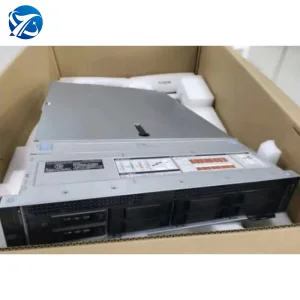
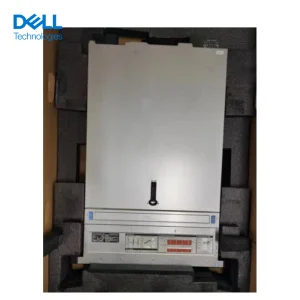
Our systems, including the FusionServer and Dell PowerEdge platforms, are configured with PCIe Gen 4/5 expansion slots and LSI/Broadcom tri-mode controllers (e.g., 9560-8i). This hardware framework allows for separation of compute, networking, and storage, matching the requirements of SDS and SDN platforms such as Ceph, VMware vSAN, and Microsoft Azure Stack HCI.
All Host Bus Adapters (HBAs) undergo complete diagnostic testing. We check optic Tx/Rx signal strength, port compatibility at 32Gb/s link speed, PCIe connection stability, and verify operation under peak load to ensure compatibility with systems from suppliers like xFusion and Dell.
Yes. Our R&D team can configure custom BIOS profiles, modify default UEFI settings, pre-configure hardware RAID arrays, and pre-install network-boot configurations (PXE) to match your data center deployment requirements.
We maintain long-term supply agreements with component suppliers and keep a safety stock of critical chips (CPUs, controller chipsets, memory). This procurement strategy helps ensure stable lead times for our clients, even when standard market supply is constrained.
Standard systems usually ship within 2 to 3 weeks from order confirmation. Custom orders requiring unique configurations or intensive testing validation typically ship within 4 to 6 weeks, depending on component availability.
High-end components and computing modules designed to scale modern network deployments.
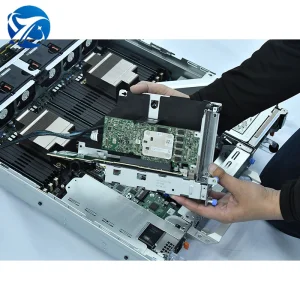
A look inside our testing labs, assembly spaces, and quality control departments.