Elvantis
Elvantis
Elvantis
Explore our elite selection of data center architectures, server memory components, and modular power delivery setups engineered to support high-density AI and hybrid storage systems.
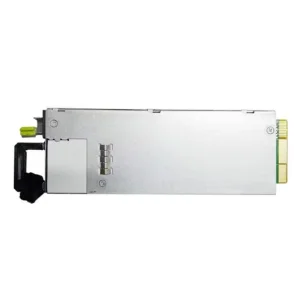
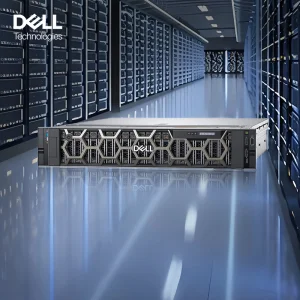
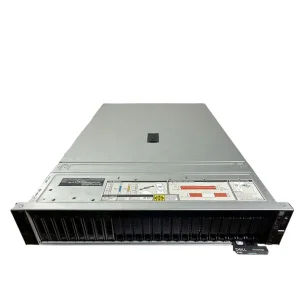
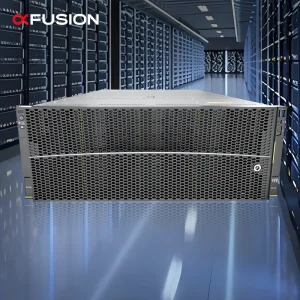
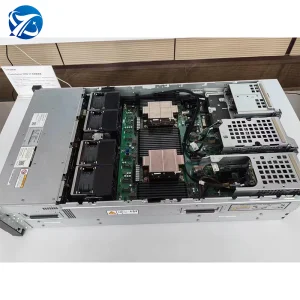
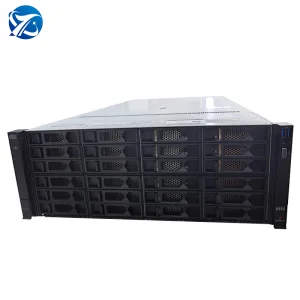
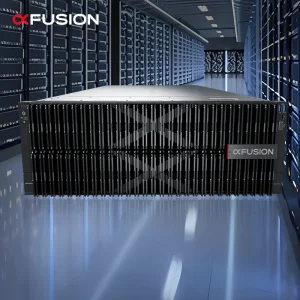
Elvantis Mesh Systems Ltd. (elvantismesh.com) is a high-performance AI GPU server and enterprise-grade storage solution manufacturer. We specialize in designing and engineering scalable compute infrastructures optimized for artificial intelligence workloads, high-performance computing (HPC), and next-generation green data centers. Recognizing the crucial bottleneck of read/write latencies in massive datasets, Elvantis integrates flash storage technology within complex server nodes, delivering exceptional IOPS and storage bandwidth.
Established in 2016, Elvantis maintains a modern production facility in Shenzhen, China, built specifically to carry out critical R&D, precision assembly, complex system integration, thermal validation, and multi-layered quality assurance. With over 10 years of solid industry experience and approximately 7 years of specialized export experience, Elvantis serves cloud operators, enterprise storage networks, and research centers in North America, Europe, the Middle East, and Southeast Asia.
Core Growth & Capacity metrics (2024-2025):
With an annual export revenue reaching approximately USD 12 million, Elvantis has built a highly resilient supply ecosystem containing over 850 cooperative partners. This ensures uninterrupted component sourcing, shielding our client pipeline from fluctuating global silicon markets.
Annual Export Revenue (USD)
Cooperative Supply Partners
Dedicated R&D Engineers
New Products Launched Annually
The structural shift of storage arrays from simple mechanical disk interfaces to silicon-level PCIe Gen 5 and Gen 6 interfaces is driving enterprise data centers forward.
Moving from PCIe 4.0 to 5.0 doubles data throughput to 32 GT/s per lane. Incorporating Compute Express Link (CXL) allows memory expansion and storage pooling, reducing CPU overhead and system latency.
With stacking technologies exceeding 232 and 300+ layers, 3D TLC (Triple-Level Cell) and QLC (Quad-Level Cell) flash architectures provide higher capacity per square millimeter. This maximizes density in 1U and 2U server formats.
Enterprise and Datacenter Standard Form Factors (such as E1.S, E1.L, and E3.S) replace traditional 2.5-inch U.2/U.3 form factors, improving thermal airflow and enabling denser drive configurations.
| Storage Interface | Max Bandwidth (x4 Lanes) | Target IOPS Range (Read) | Primary Market Application |
|---|---|---|---|
| SATA III SSD | 600 MB/s | Up to 98K IOPS | Legacy Systems & Low-tier Cold Archiving |
| PCIe Gen 4.0 NVMe | 8.0 GB/s | 800K - 1.2M IOPS | Mainstream Enterprise, NAS, & Compute Nodes |
| PCIe Gen 5.0 NVMe | 16.0 GB/s | 1.5M - 2.5M IOPS | AI Supercomputing, High-Frequency Trading, & Cloud Databases |
| CXL Over Fabric | Dynamic Fabric Bus | Low-latency microsecond level | Disaggregated Memory Pooling, LLM Real-time Inference |
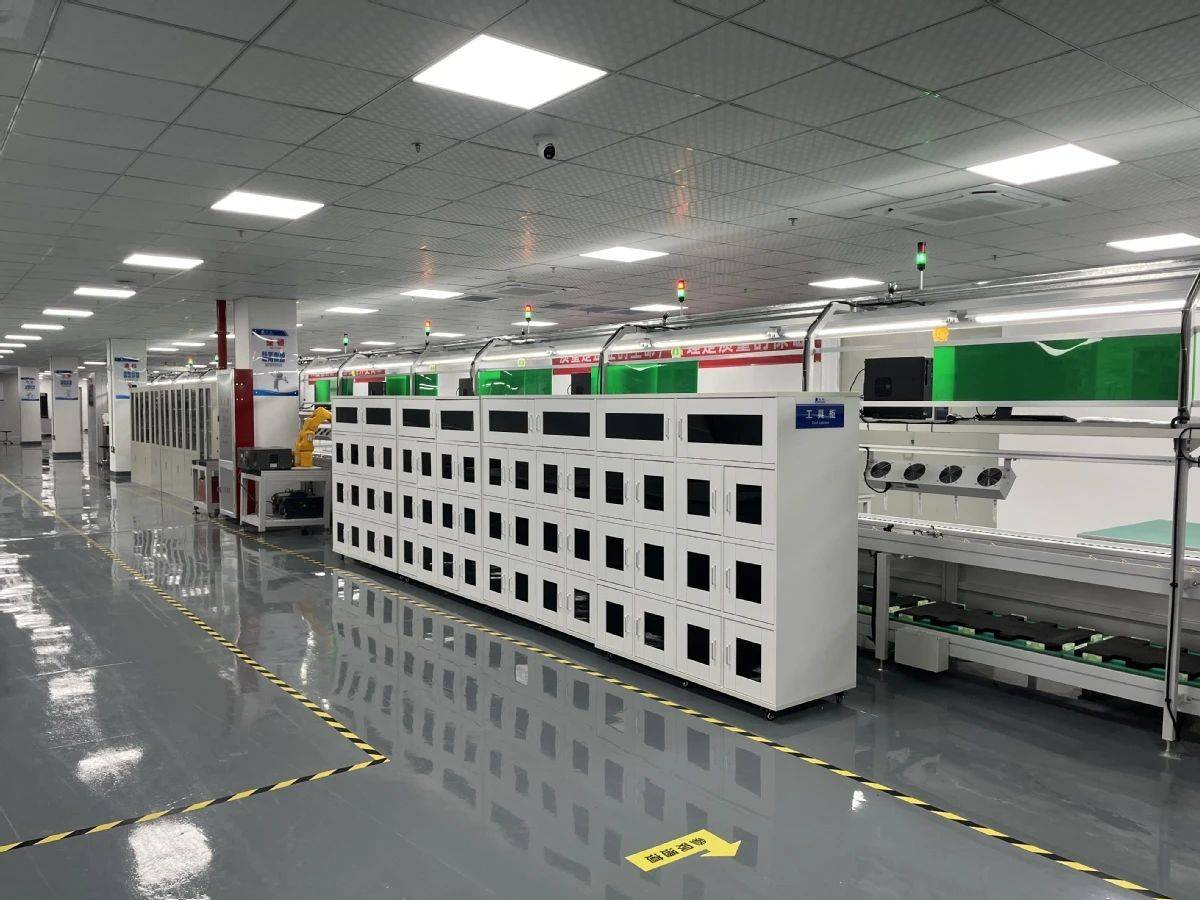
The Pearl River Delta, particularly Shenzhen, is a key global manufacturing cluster for solid-state storage. By housing flash memory packaging plants, controller design firms, high-precision surface mount technology (SMT) assembly operations, and structural casing producers in the same geographic hub, transport times are drastically reduced. This concentration enables manufacturers like Elvantis to optimize engineering cycles, perform structural modifications, and prototype products far faster than isolated facilities.
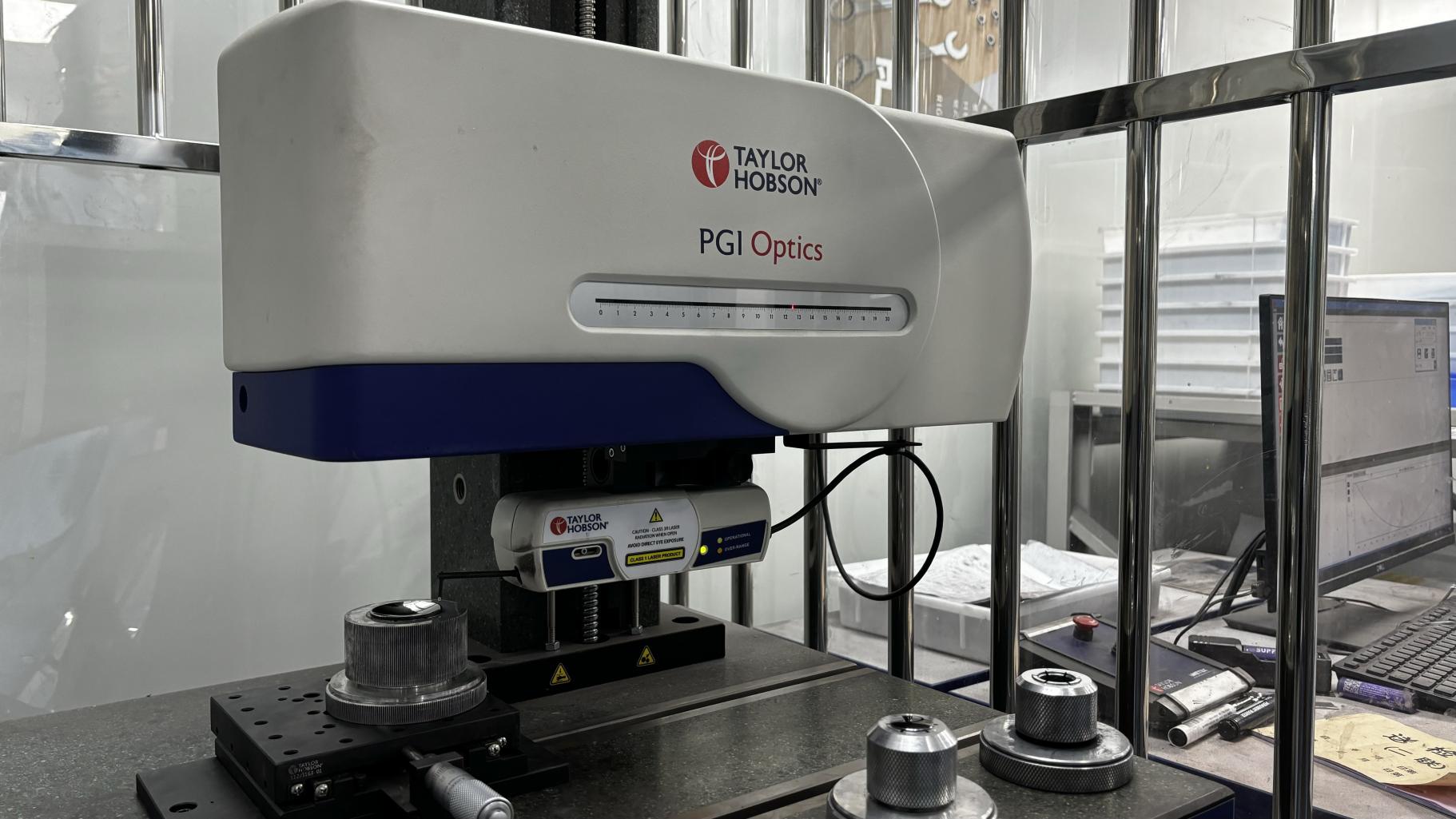
This proximity allows for deep optimization of the bill of materials (BOM). From the initial wafer dicing stage to the final firmware loading on high-performance controller chips, every phase is managed by local technical staff. Integrating this system with automation lines and optical inspection systems ensures consistent quality and production scale.
Modern data pipelines are demanding and diverse, requiring storage infrastructures tailored to specific workload profiles:
Deploying storage density in multi-tenant environments requires robust virtualization support. NVMe SR-IOV (Single Root I/O Virtualization) allows virtual machines to access physical SSD storage directly, improving I/O performance.
During deep learning training runs, GPUs must be constantly supplied with raw data. Standard NVMe SSDs can bottleneck training clusters, but GPUDirect Storage (GDS) bypasses CPU buffers to move data directly from storage to GPU memory.
High-frequency trading and transaction systems demand predictable write latencies. SSDs configured with high over-provisioning and advanced garbage collection minimize latency spikes during peak transaction periods.
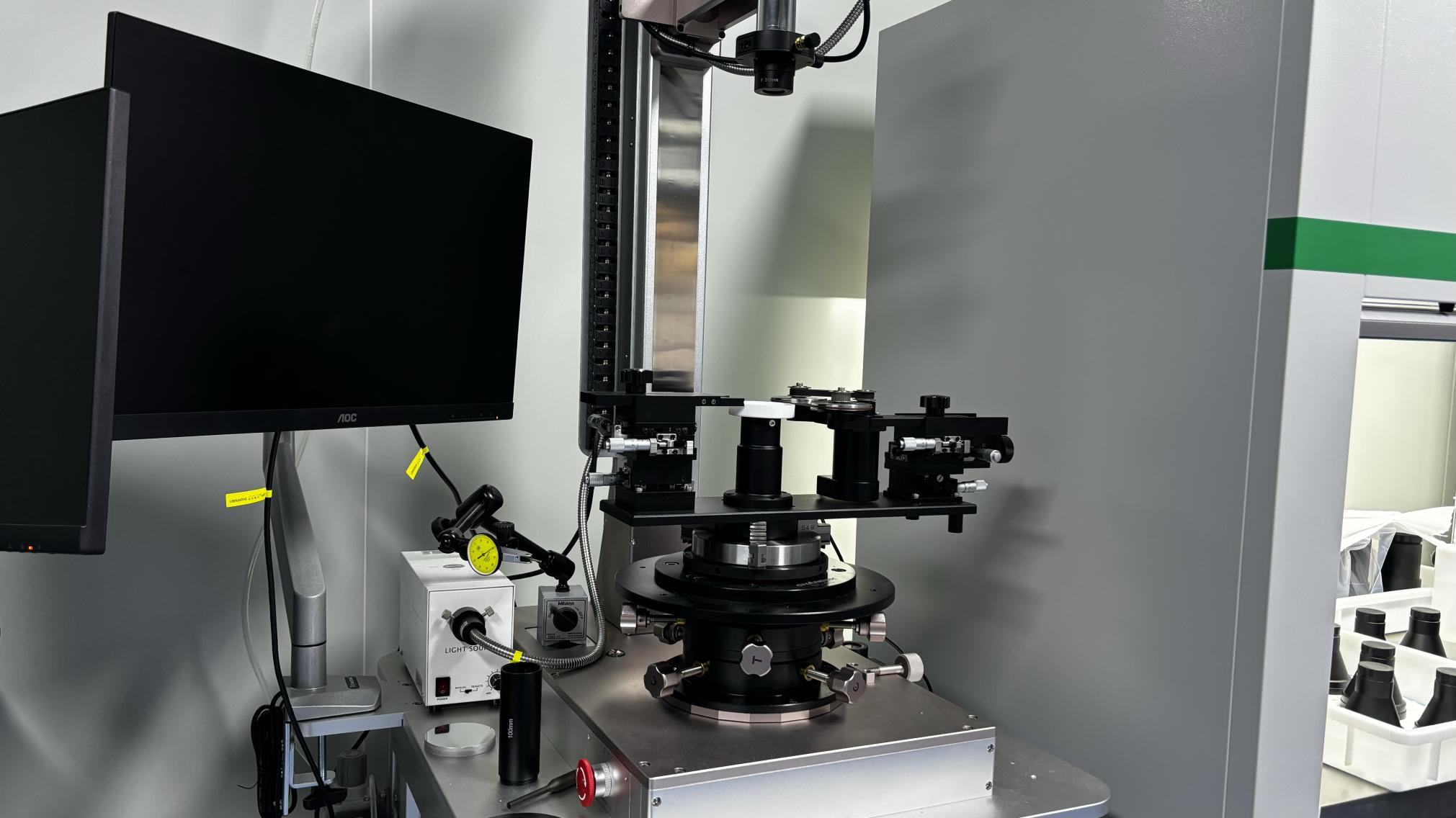
Enterprise storage requires rigorous reliability standards, as data loss can cause significant operational disruption. Elvantis Mesh Systems employs a strict 35-person Quality Control (QC) team that manages a multi-phase testing pipeline:
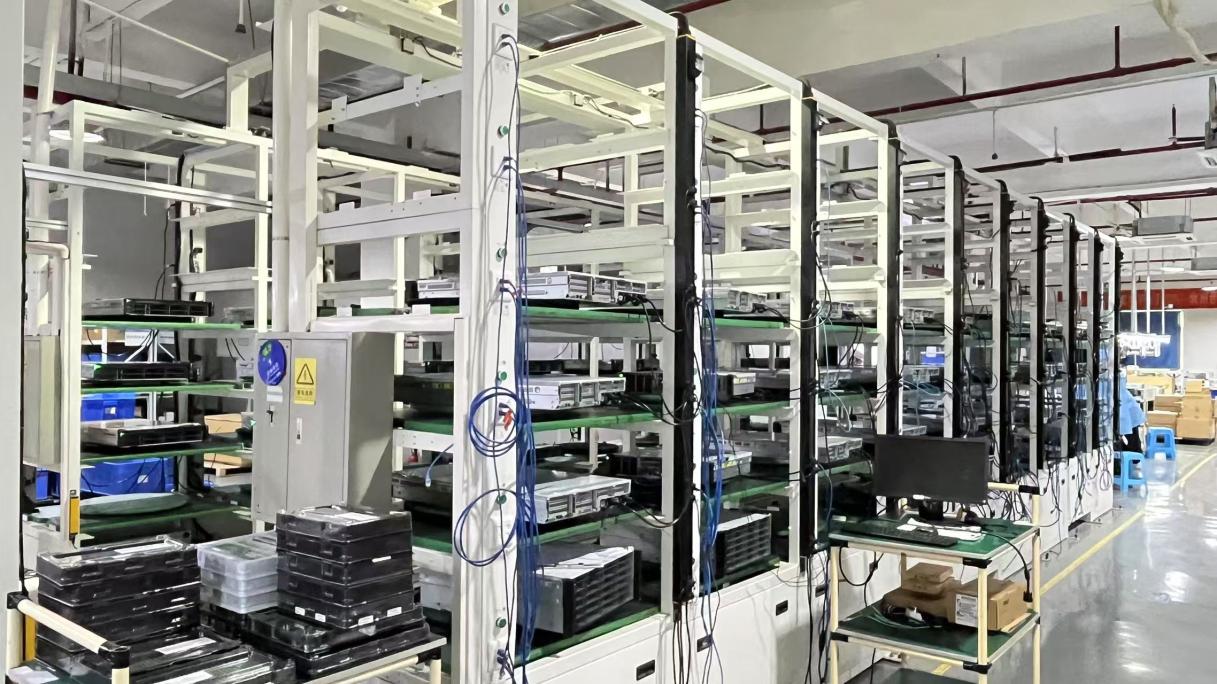
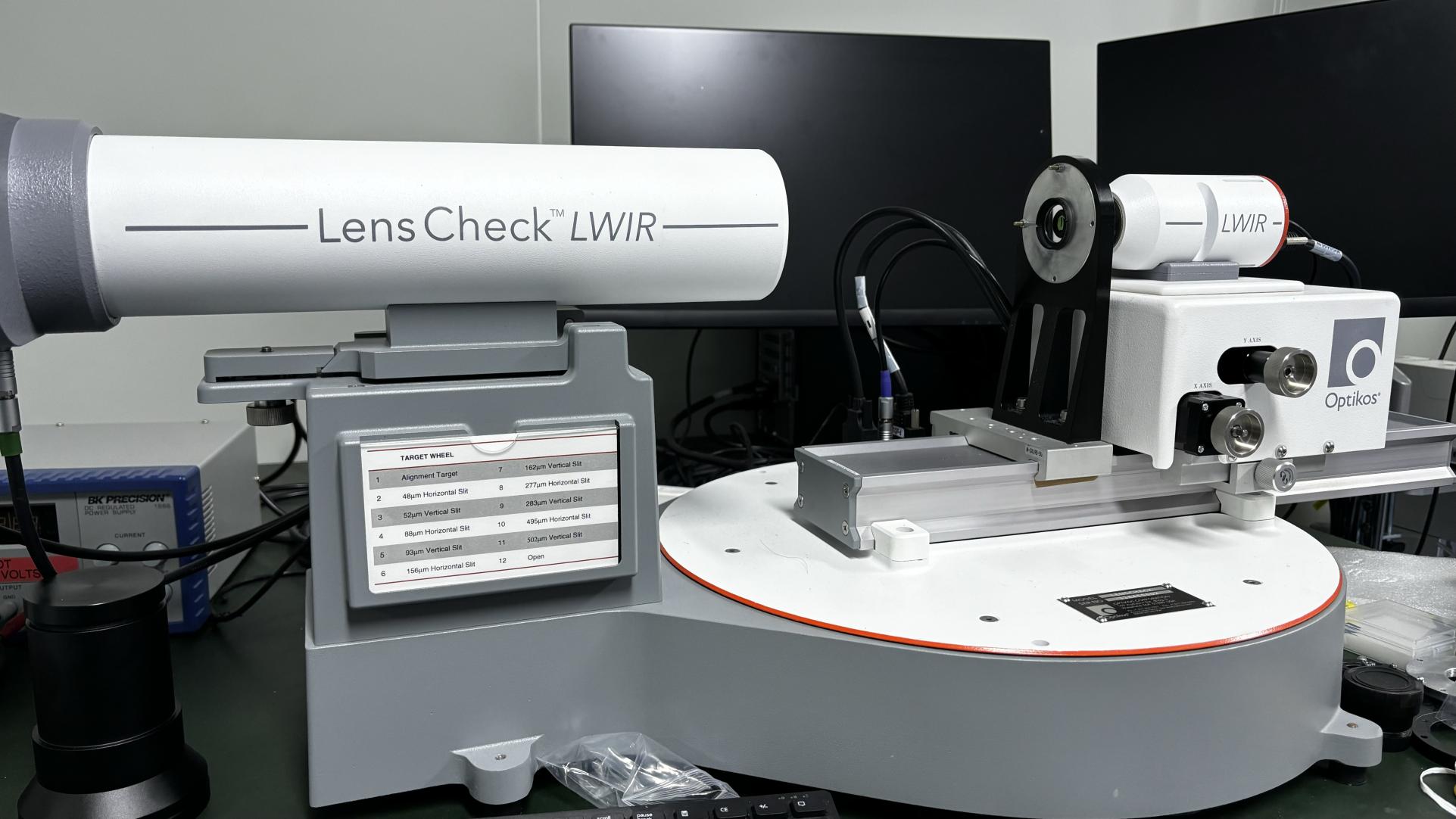
When procuring enterprise storage equipment at scale, it is critical to balance upfront hardware costs with long-term reliability and compatibility.
Read-intensive workloads (like web serving) and write-intensive workloads (like database logging) require different drive endurance specifications. Aligning drive choice with write patterns avoids paying for unnecessary endurance capacity.
Standard SSD firmware can cause latency issues in hyperscale systems. Working with manufacturers who can tune controller parameters and custom write behaviors improves performance stability.
Ensure your supplier provides verified CE, FCC, RoHS, and REACH documentation, protecting imported hardware from customs delays or regulatory issues.
Answers to common technical and operational questions regarding enterprise SSD integration and global logistics.
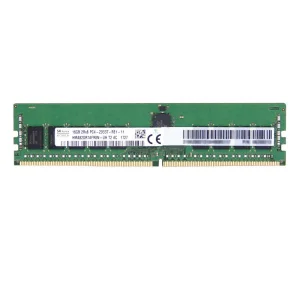
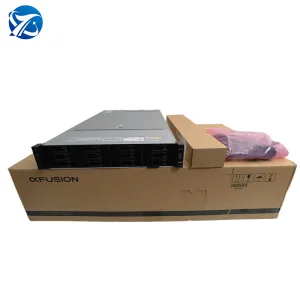
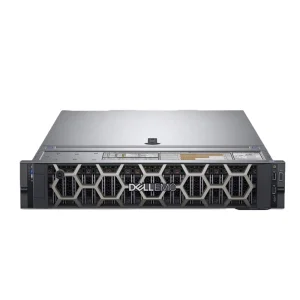
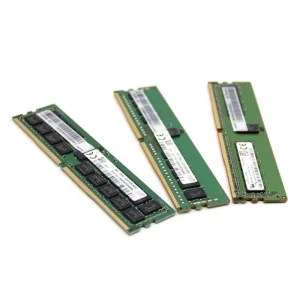
Discover high-capacity DDR4 ECC memory kits, scalable server racks, and AI-ready hardware nodes designed to scale with your compute and storage needs.