Elvantis
Elvantis
Elvantis
An in-depth whitepaper examining advanced electrical infrastructure, engineering capabilities, and custom factory manufacturing parameters for next-generation AI clusters.
As artificial intelligence, LLM fine-tuning, and massive DeepSeek-based computer clusters scale globally, server rack densities have surged from a historical average of 5kW–10kW per rack to upwards of 30kW to 100kW per cabinet. This unprecedented power demand directly transforms how power distribution is conceptualized. A standard off-the-shelf Power Distribution Unit (PDU) can no longer withstand or safely manage the transient thermal peaks and multi-phase balancing requirements demanded by clusters of high-performance GPU servers.
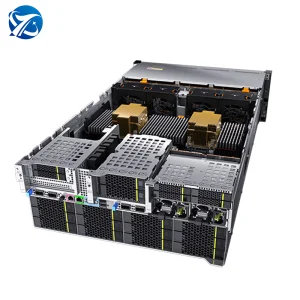
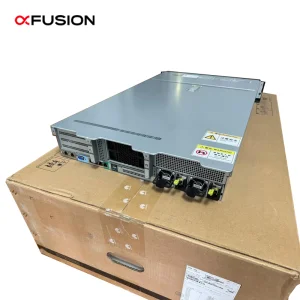
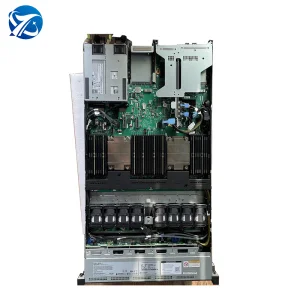
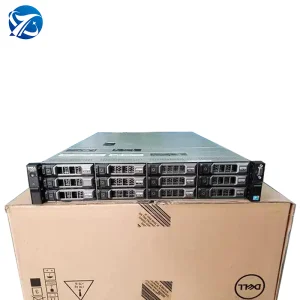
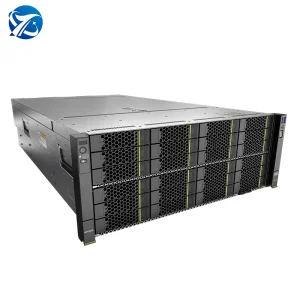
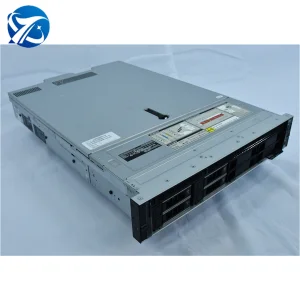
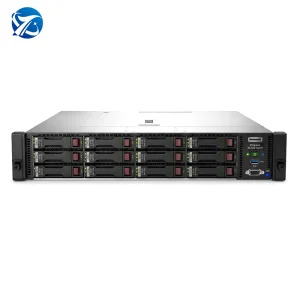
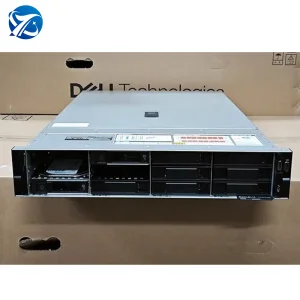
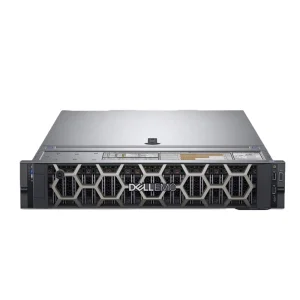
Modern GPU-accelerated computing arrays (utilizing solutions like the FusionServer 5288 V6, xFusion 2288H V5, and Dell PowerEdge R760) pull enormous currents during training epochs. Standard power strips risk continuous circuit failures, load imbalance, and premature degradation. Custom OEM/ODM PDU manufacturing is not merely an optional integration; it is a critical safety and operational imperative to guarantee maximum uptime, load monitoring accuracy, and local safety compliance.
Dynamic monitoring of 3-Phase power arrays (L1, L2, L3) to avoid neutral line degradation and optimize thermal efficiency across data center floors.
Configurable locking C13, C19, or regional industrial outlets paired with individual branch monitoring and switching relays.
Designed for 16A, 32A, 63A, and customized inputs, matching the electrical codes of North America, Europe, and APAC regions.
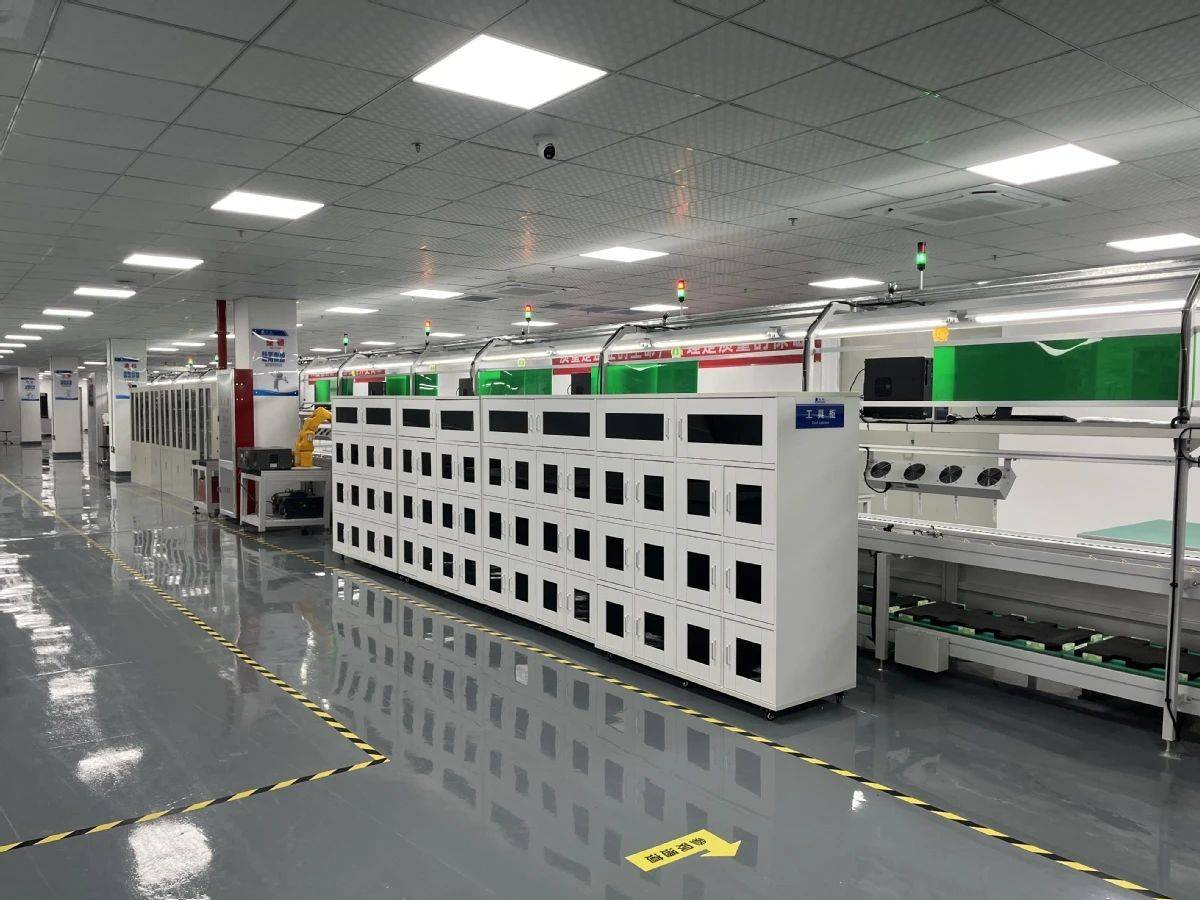
Our manufacturing paradigm focuses on engineering flexibility and mechanical precision. Our parent and partner facilities—spanning specialized assembly setups, advanced sheet-metal stamping, and PCB prototyping plants—enable full-cycle customization:
Leveraging China's world-class precision electronics ecosystem allows us to achieve cost and engineering efficiencies unmatchable by domestic producers. Crucially, Elvantis Mesh Systems Ltd. serves as a direct technical peer, bringing over 10 years of manufacturing experience, a network of 850+ supply chain partners, and a 35-person quality control team to guarantee the mechanical integrity of every integration.
From sourcing high-grade oxygen-free copper busbars to custom-engineered hydraulic-magnetic circuit breakers, our localized supply chain reduces components-level procurement times by up to 60%. This agility permits custom OEM prototyping to move from engineering schematics to fully tested physical samples in as little as 14 business days.
Power infrastructure components bear critical safety liabilities. Therefore, all custom PDU factories operate under rigorous international verification frameworks. PDUs bound for overseas markets undergo absolute verification under load stresses:
Essential for North American deployments (UL 62368-1, UL 60950-1 frameworks) ensuring flame-retardant enclosures and thermal safety.
Compliance with Low Voltage Directive (LVD) and EMC directives for seamless EU integration.
Guaranteed environmental safety utilizing lead-free soldering and non-toxic polymer resins.
Provides mutual recognition globally, simplifying local regulatory imports across 50+ countries.
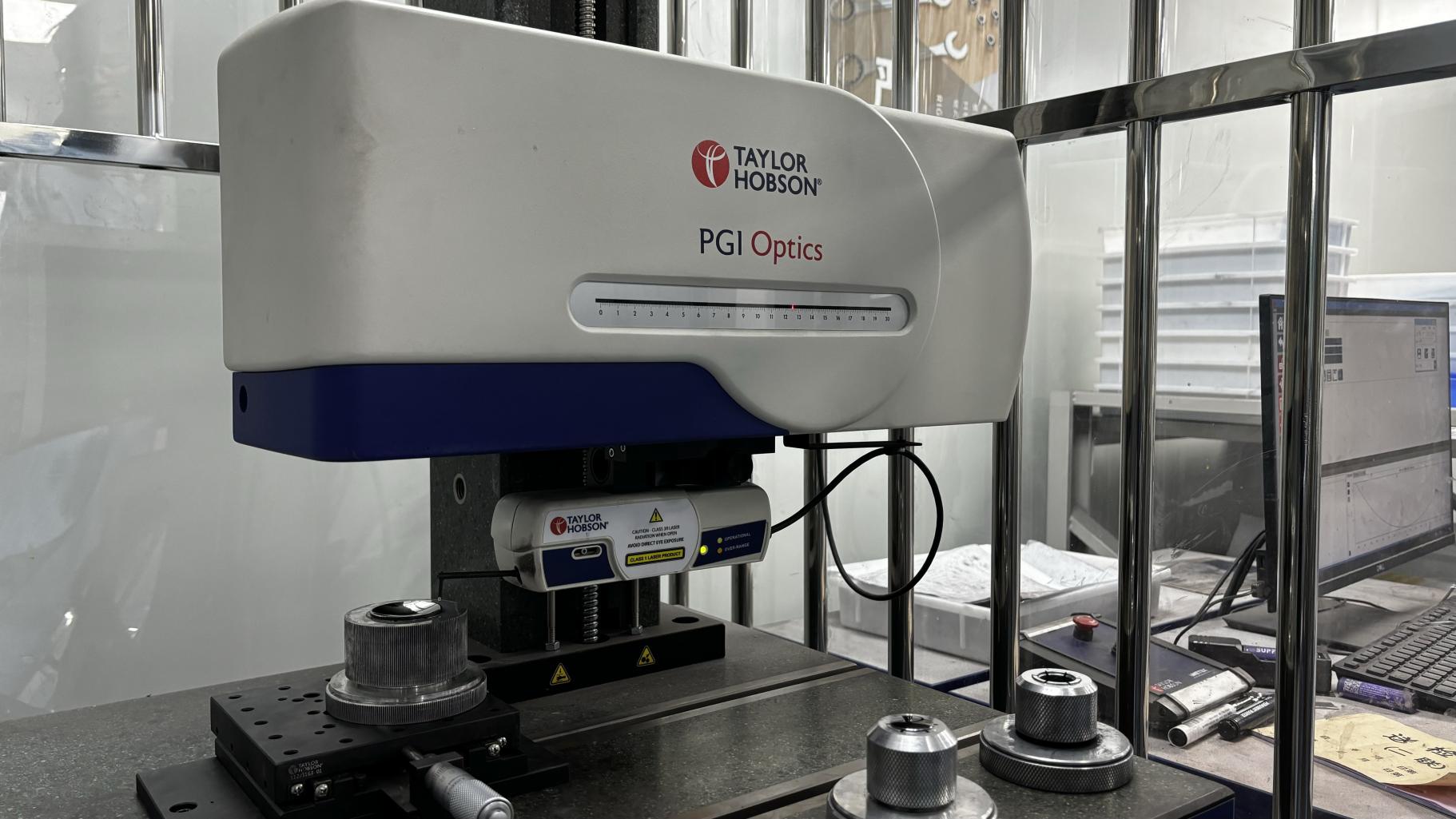
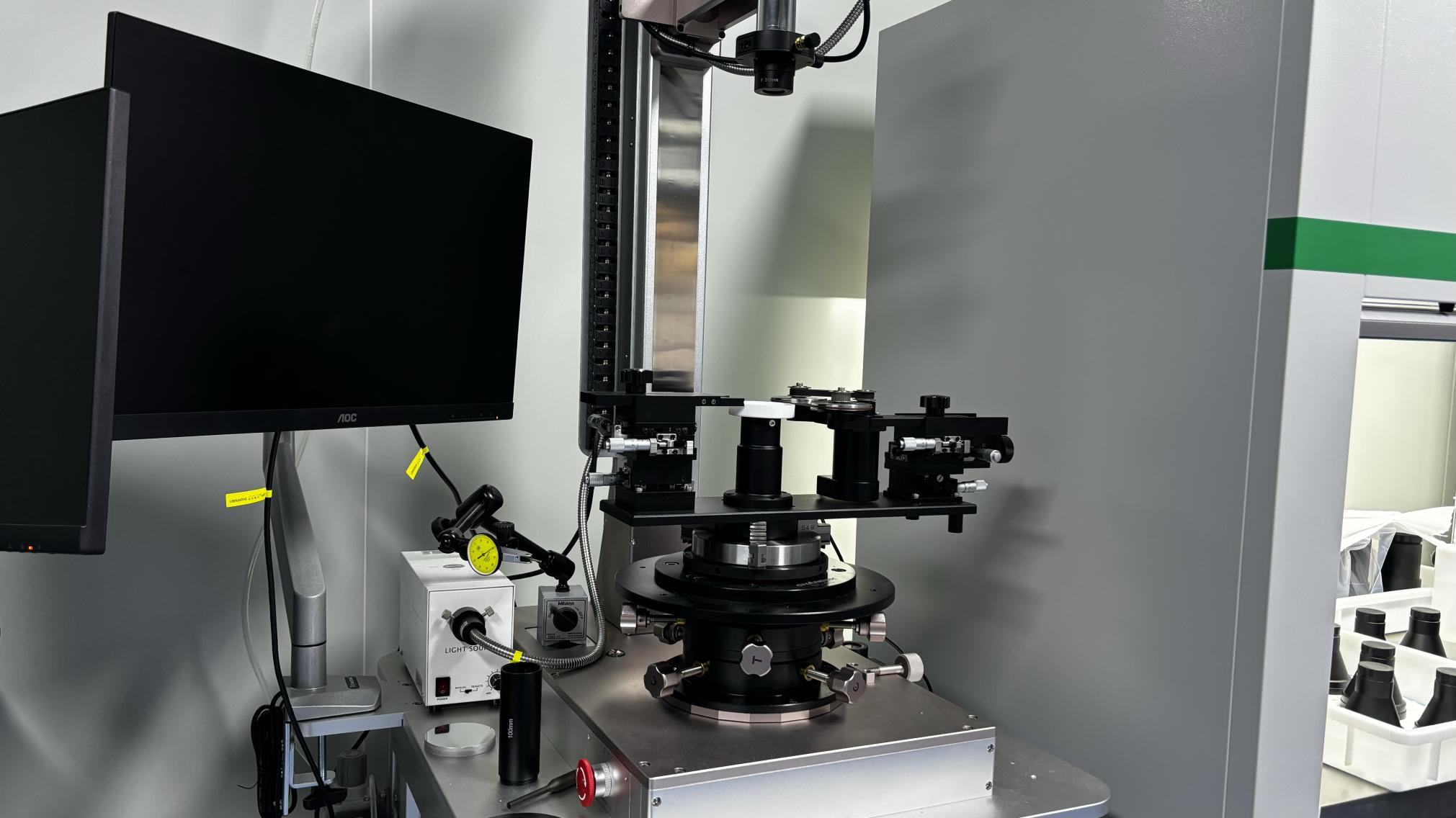
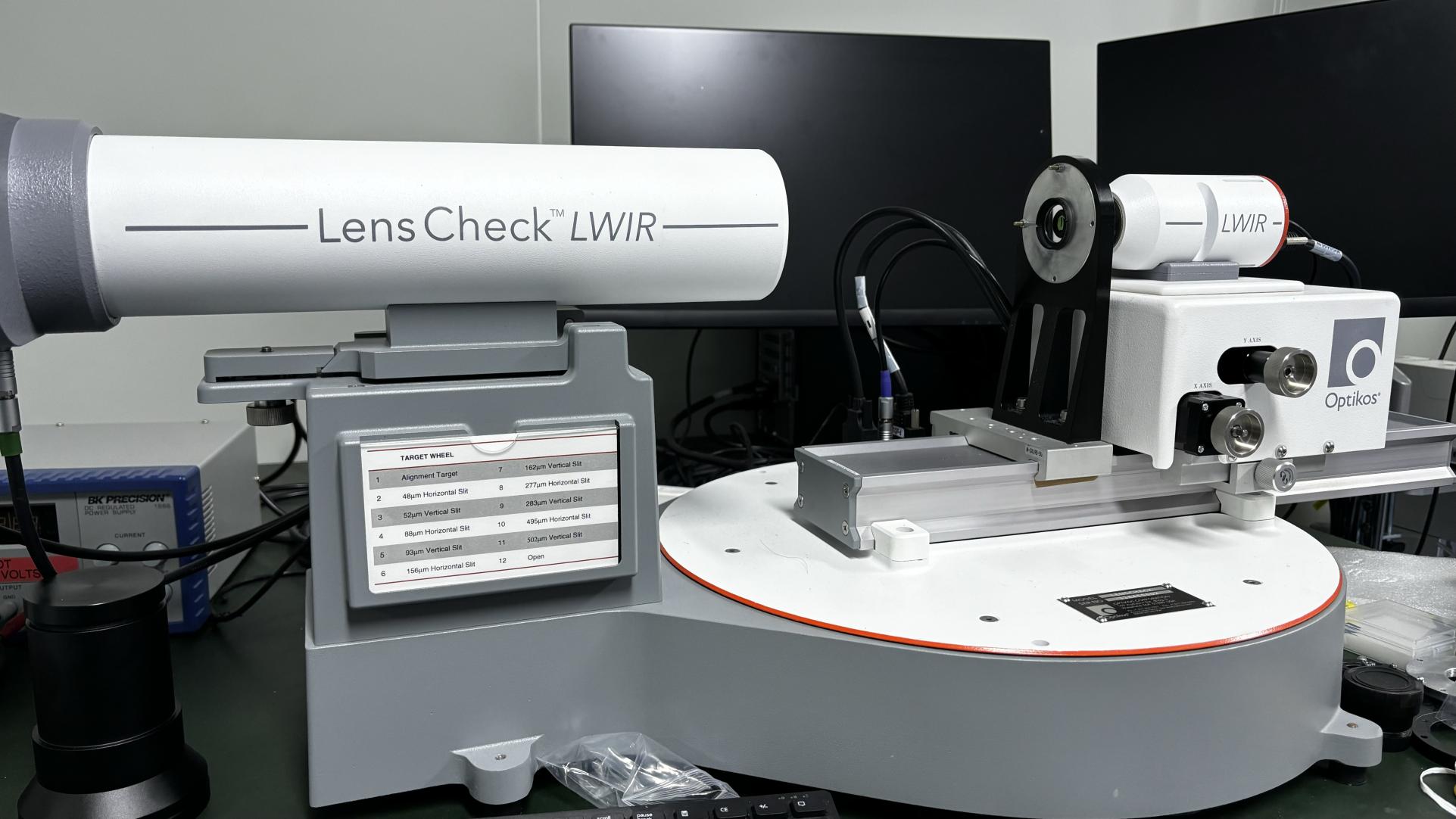
During the quality inspection phase, we deploy high-voltage isolation testers, ground resistance testers, and functional automated test equipment (ATE) setups. Standard QA protocols include continuous 100% full-load burn-in chambers under simulated 45°C ambient data center environments to identify early-stage component drift prior to overseas dispatch.
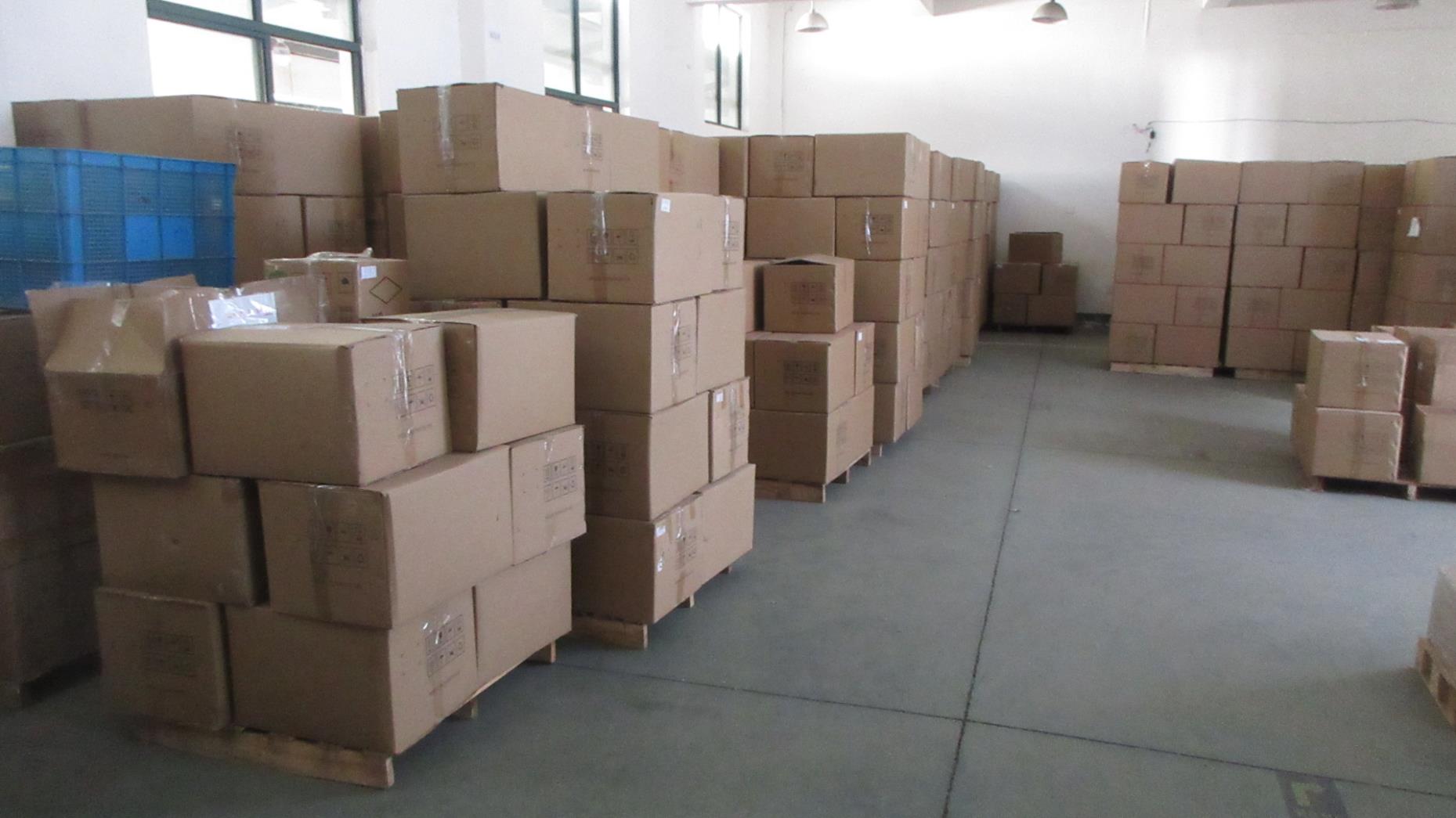
Purchasing custom equipment from an overseas factory requires a solid logistical and local support framework. We solve this by bridging direct-from-factory production with local regional distribution partners, field application engineers (FAEs), and localized warehousing strategies in primary zones (North America, Europe, and the Middle East).
If a regional hyper-scale facility requires on-site testing and physical rack configuration modifications, our FAEs coordinate closely with our R&D center to dispatch modified firmware updates or ship replacement hot-swappable NMC cards locally. This dramatically decreases Mean Time to Repair (MTTR) and mitigates import friction.
Crucial commercial and engineering parameters for custom PDU procurement and rack design.
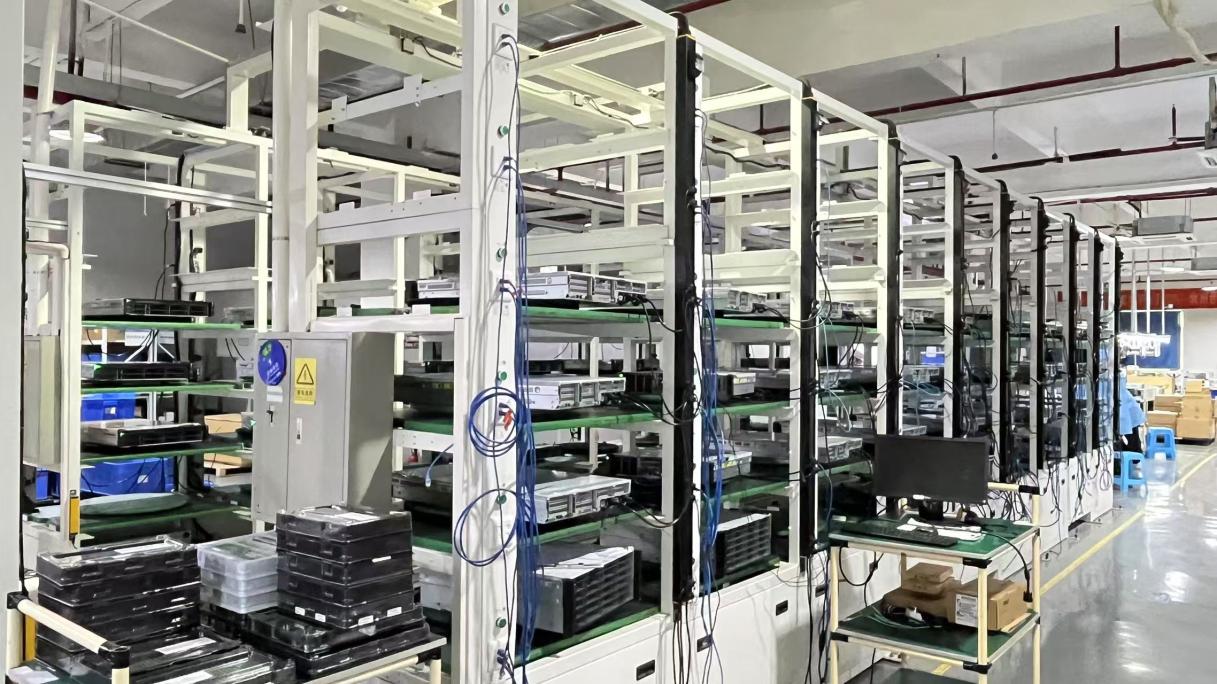
Our production floors run certified quality loops. Our partner manufacturing lines execute complete physical validation testing—incorporating precise SMT line machinery, multi-point calibration, thermal scanning, and performance validation before final export packaging.