Elvantis
Elvantis
Elvantis
Premium OEM configurations engineered to optimize server density, thermal envelope management, and throughput for high-performance computing (HPC) workloads.



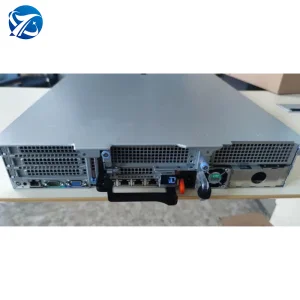
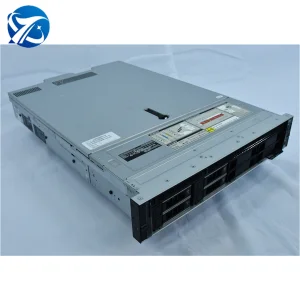
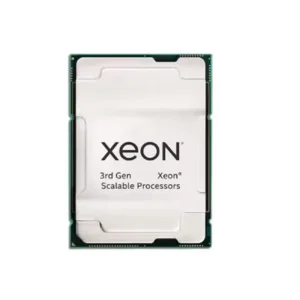
Elvantis Mesh Systems Ltd. (elvantismesh.com) is a high-performance AI GPU server manufacturer specializing in scalable computing infrastructure for artificial intelligence, high-performance computing (HPC), and data center deployments. The company focuses on designing advanced GPU cluster systems with optimized thermal architecture and flexible deployment configurations.
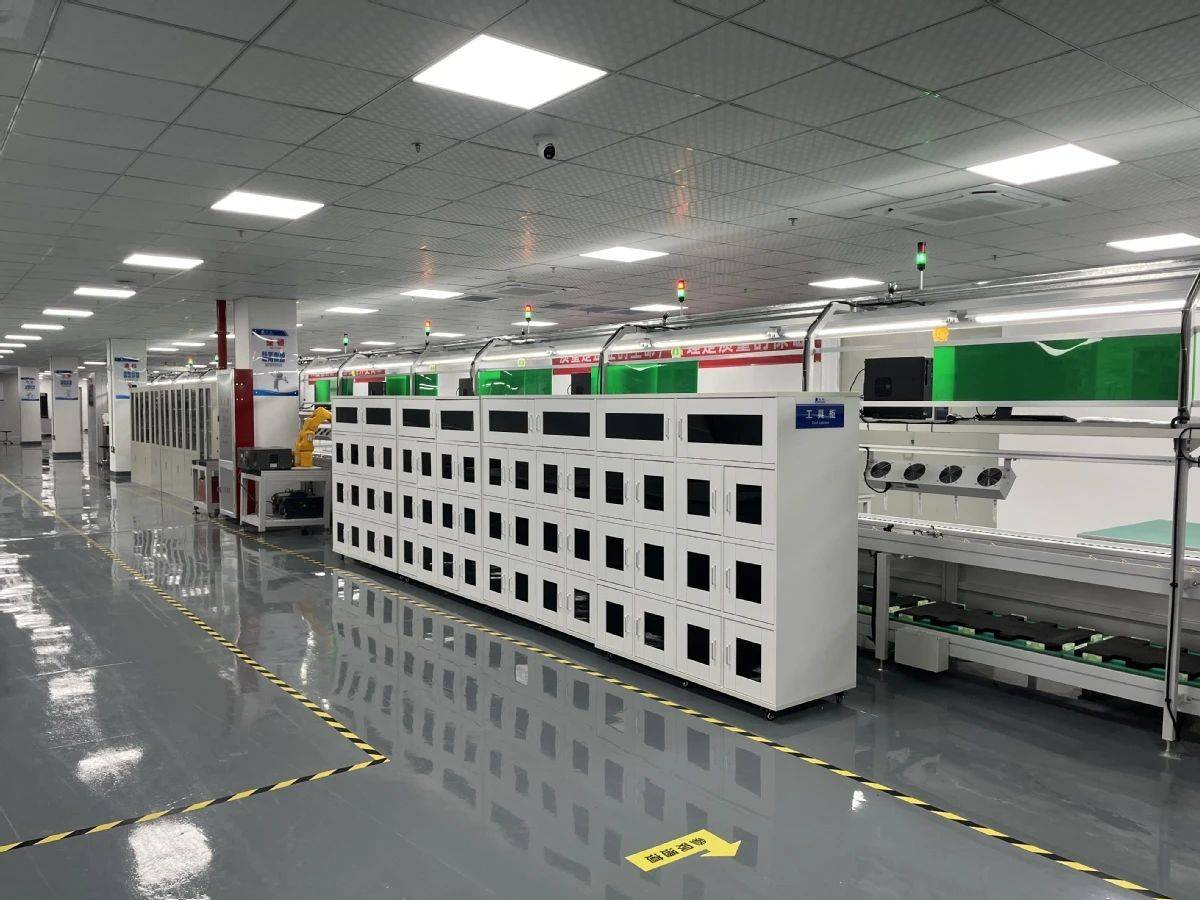
Established in 2016, Elvantis operates a modern production facility with a total building area of approximately 380㎡, supporting integrated R&D, assembly, testing, and quality assurance processes. The company has accumulated over 10 years of industry experience and approximately 7 years of export experience, serving global enterprise clients across multiple high-tech sectors.
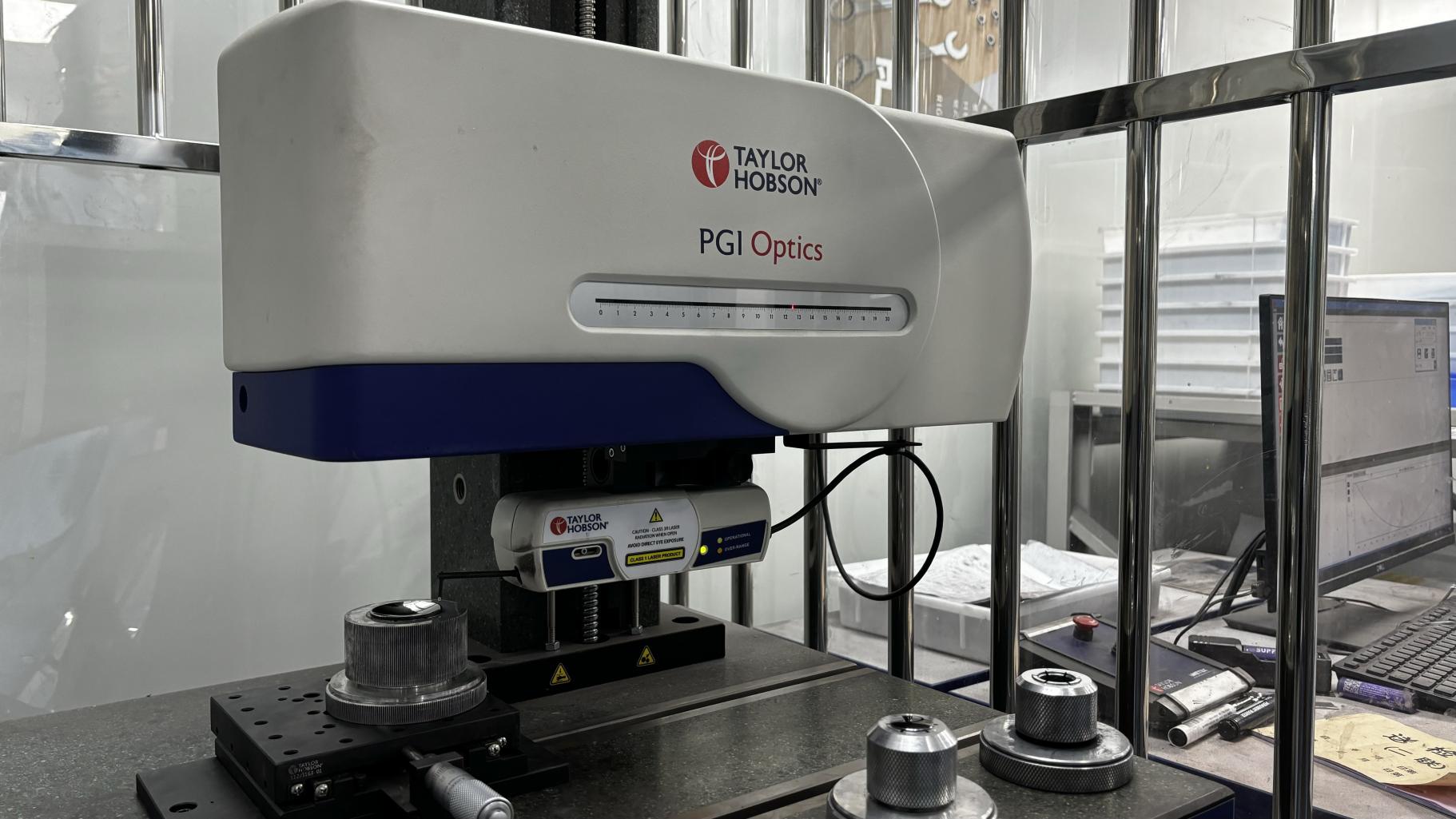
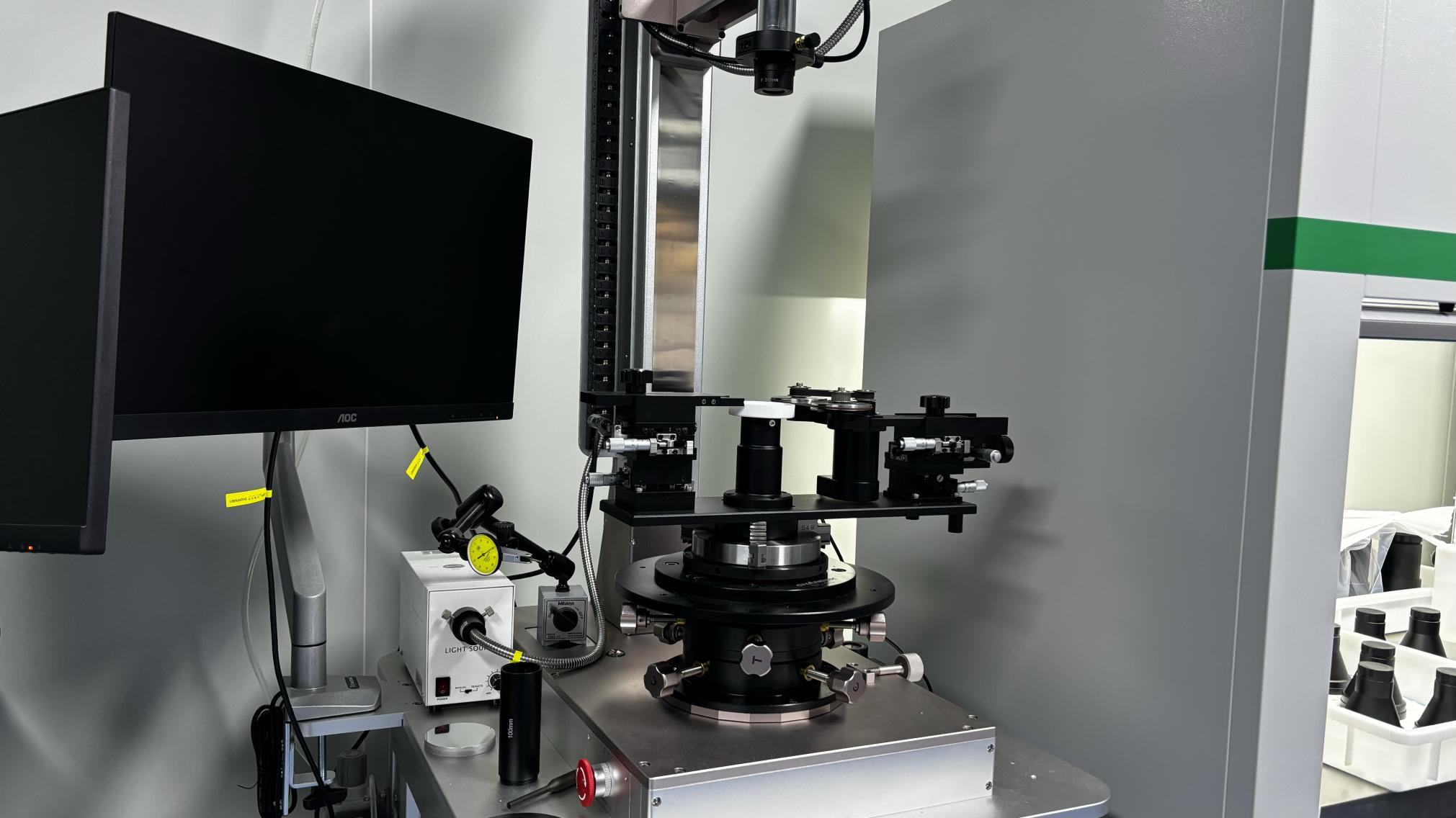
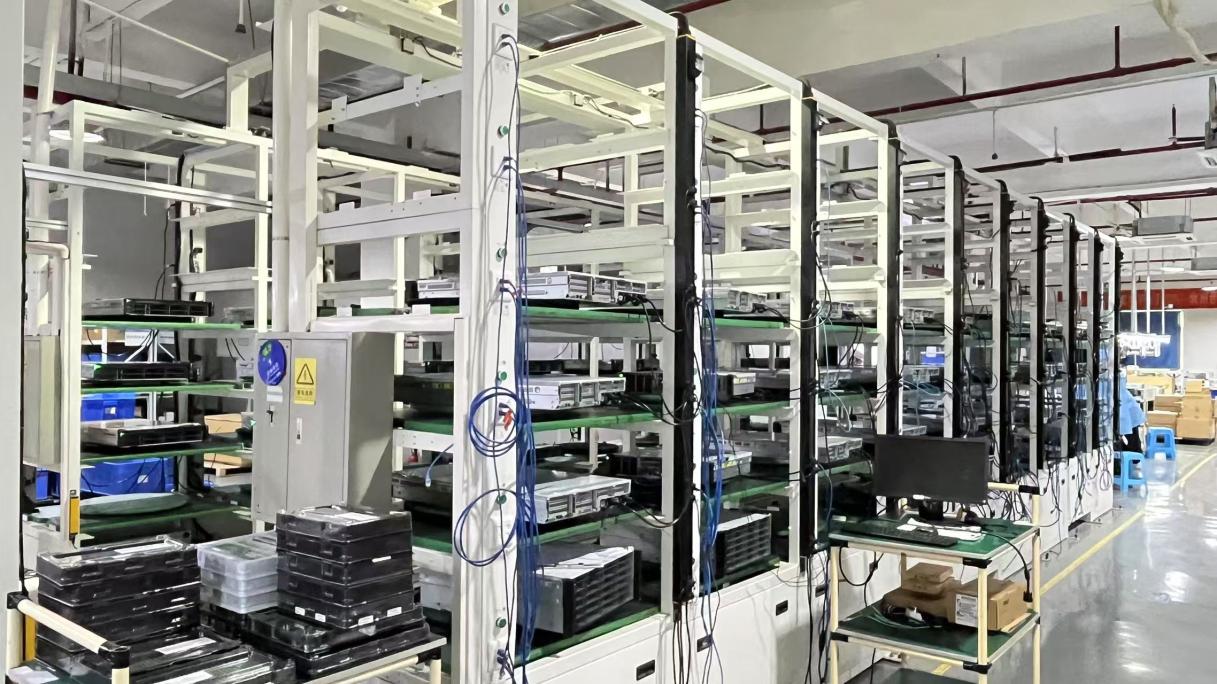
Elvantis employs a multi-layer quality assurance system, including ISO 9001-based management standards, burn-in testing, thermal cycling validation, and full-system stress testing. Product inspection methods include automated optical inspection (AOI), hardware diagnostics, and performance benchmarking under full-load AI workloads. Driven by engineering excellence and global delivery capability, Elvantis Mesh Systems Ltd. continues to position itself as a trusted provider of next-generation GPU computing infrastructure for enterprise AI and HPC workloads.
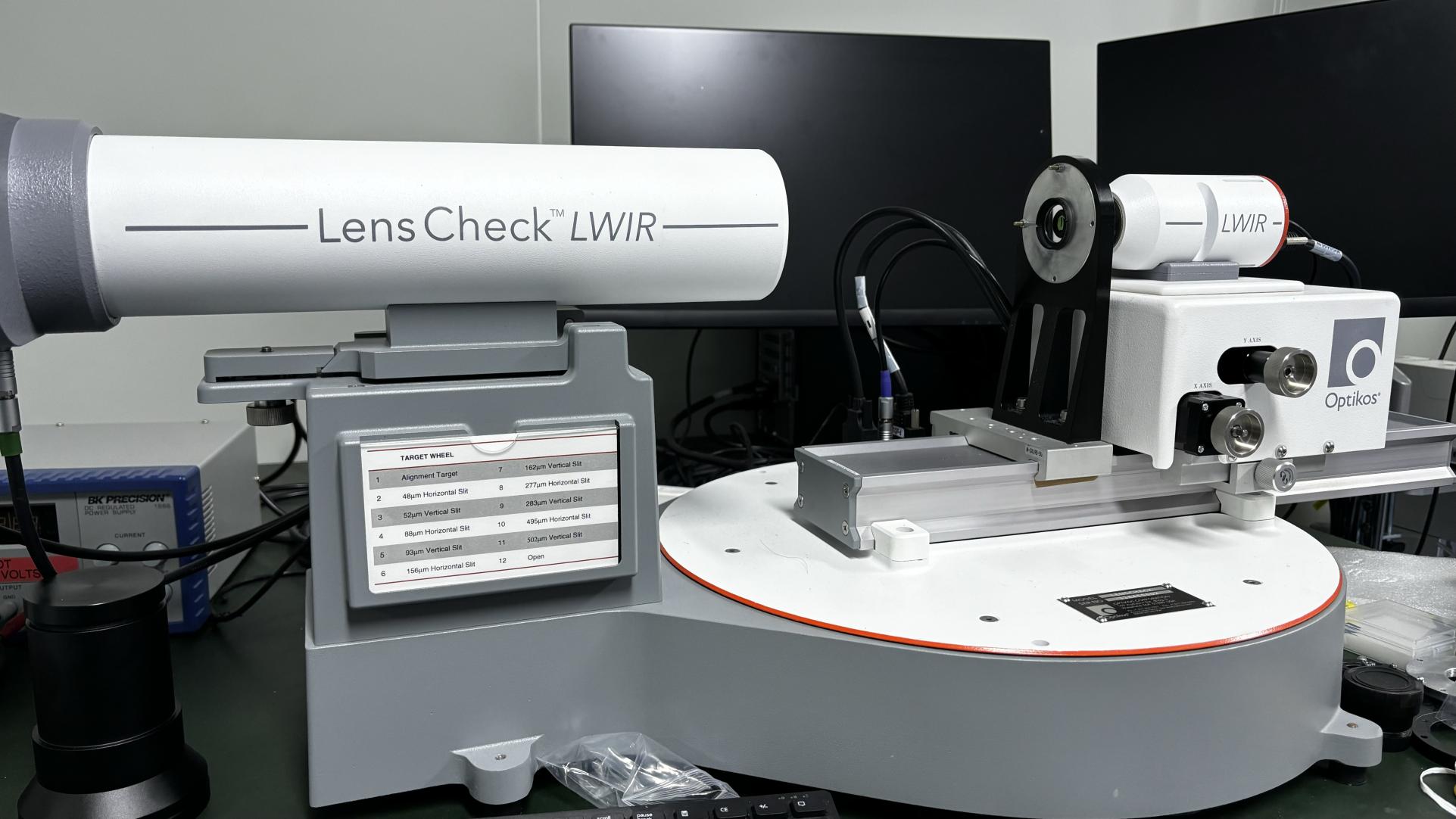
Demonstrating our strict adherence to precision electronic assembly, thermal verification, and stress diagnostics.
Addressing supply chain fluctuations, technical architecture evolution, and thermal dissipation metrics in modular enterprise hardware deployments.
Standard monolithic architectures force high CAPEX up-front, restricting subsequent scaling. Modular configurations allow separate replacement of compute sleds, PCIe expansion slots, power supplies (PSUs), and storage nodes without altering the rack footprint, reducing total cost of ownership (TCO).
With CPU Thermal Design Power (TDP) exceeding 350W and high-capacity GPUs approaching 700W+ per unit, standard rack-cooling structures encounter critical capacity limitations. Designing modern server enclosures requires advanced engineering for customized heat sink fin densities, optimized fan curves, and liquid-to-chip interfaces.
Scaling to PCIe Gen 5 and Next-Gen Gen 6 requires precision PCB layout modeling to prevent attenuation over extended bus distances. Modular design optimizes signal pathways through high-speed mezzanine connectors, minimizing signal degradation and reducing bit error rates (BER).
A strategic technological blueprint detailing architectural advancements in composability, high-speed interfaces, and thermal engineering.
Moving away from fixed motherboard memory allocations. Integrating CXL 2.0/3.0 configurations enables resource pooling, allowing remote compute nodes to access shared DDR5 memory expansion blocks over PCIe fabrics. This reduces hardware idling and enhances memory capacity optimization.
Standardizing hybrid chassis that support both traditional air-cooling baffles and direct-to-chip (D2C) cold plates. By configuring quick-disconnect dripless couplings directly on modular computing sleds, enterprises can easily transition from typical cold-aisle air systems to liquid manifolds without replacing server nodes.
Utilizing API-driven orchestration software to provision modular resources on demand. Compute units, PCIe slots loaded with high-speed SmartNICs, NVMe over Fabrics (NVMe-oF) storage nodes, and accelerators can be dynamically linked together via firmware profiles, mimicking bare-metal deployments without manual hardware rearrangement.
Detailing the engineering and design validation stages involved in delivering bespoke enterprise modular architectures.
We perform exhaustive layout simulation using CAD and high-frequency signal integrity analysis. Thermal modeling via CFD (Computational Fluid Dynamics) tools simulates complex chassis heating scenarios, ensuring fan speeds and cooling structures are fully matched to specified CPU and GPU TDP limits.
Our rapid prototyping facility constructs functional physical chassis models. Boards undergo testing for crosstalk, clock jitter, and impedance matching. Rigorous thermal chamber validation subjects the prototypes to maximum operational parameters to ensure thermal limits are not breached.
Before launching mass production, custom server designs undergo certified laboratory testing. Emitted radiation, electromagnetic immunity, electrical isolation, and acoustic levels are audited to comply with CE, FCC, UL, and RoHS directives, enabling immediate deployment across global markets.
Mitigating logistical risks and guaranteeing operational uptime with redundant components, certified manufacturing processes, and localized field-replacement networks.
Our strict multi-stage testing protocol utilizes high-precision Automated Optical Inspection (AOI) to examine micro-solder connections on motherboards. Completed server configurations undergo 72-hour continuous burn-in testing under peak computational loads, ensuring MTBF (Mean Time Between Failures) meets mission-critical criteria.
Exported modular configurations meet localized target country standards. From FCC Class A certifications for electromagnetic interference protection in industrial environments, to CE and UL certifications for low-voltage safety, we verify all aspects of compliance, facilitating seamless customs clearing.
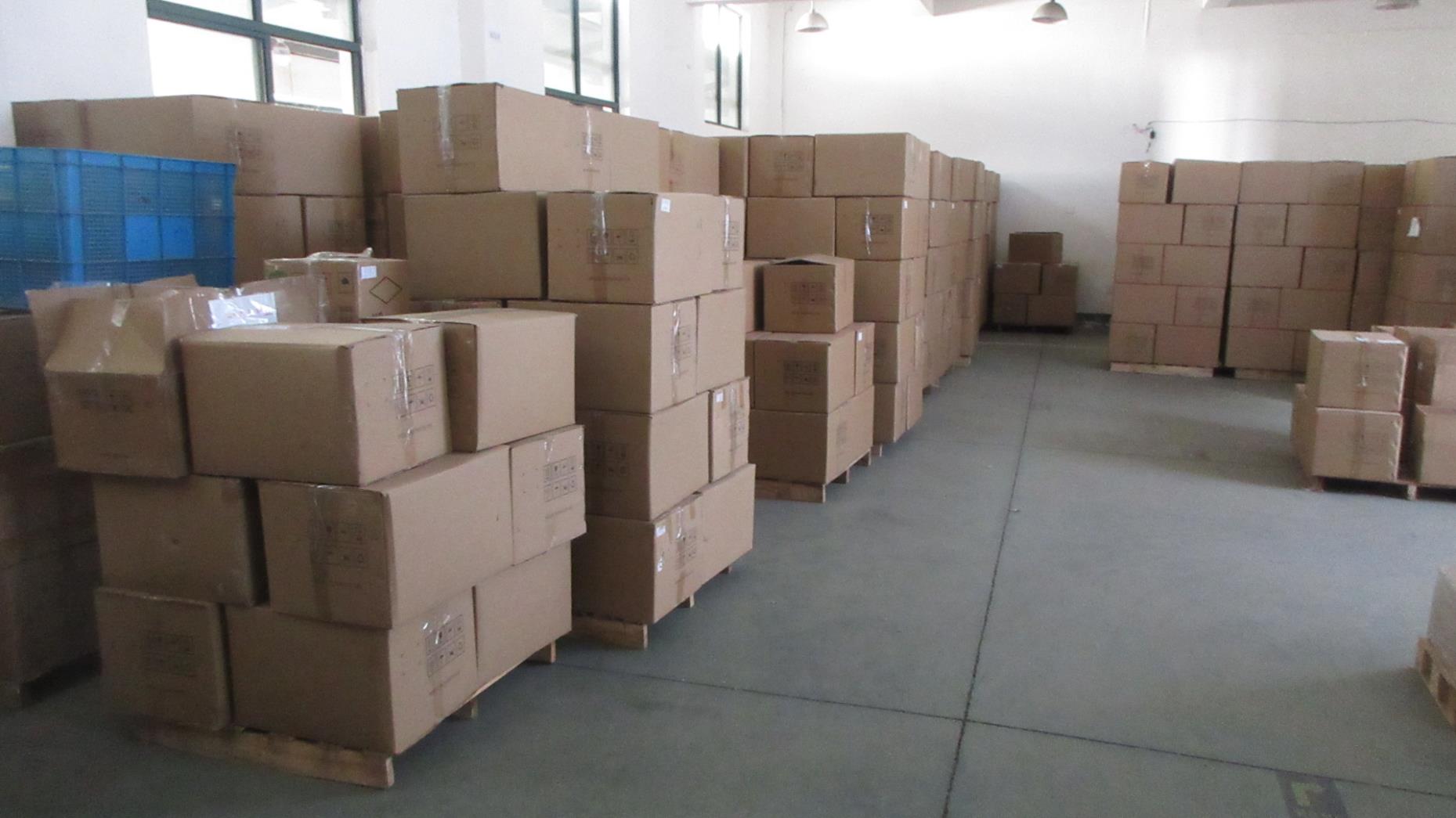
We work with international logistics providers to manage distribution to key regions, including North America, Europe, the Middle East, and Southeast Asia. Using custom-molded anti-vibration packaging designs, server assemblies are protected against transport-induced structural stress, arriving ready for rack mounting.
Addressing the top technical, manufacturing, and configuration inquiries received from enterprise systems architects.
Premium OEM components and network servers configured for high reliability, storage density, and workload efficiency.