Elvantis
Elvantis
Elvantis
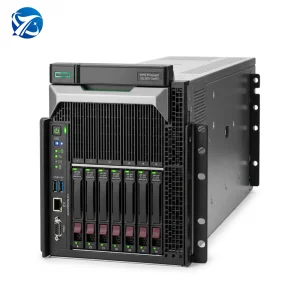
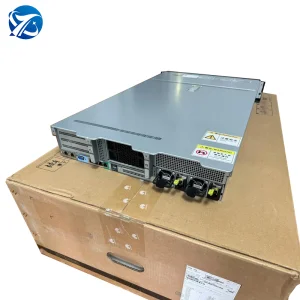
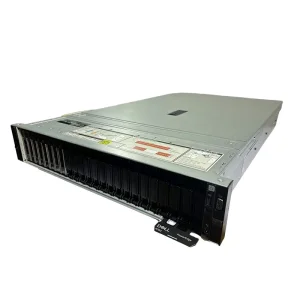
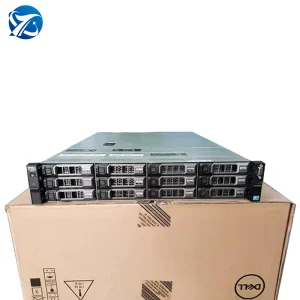
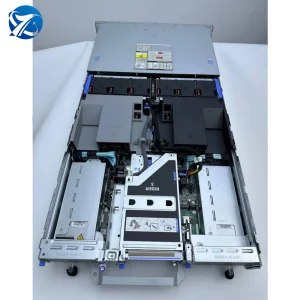
Explore our elite portfolio of scalable rack servers, high-performance GPU nodes, and enterprise-grade storage expansion modules ready for custom firmware deployment.


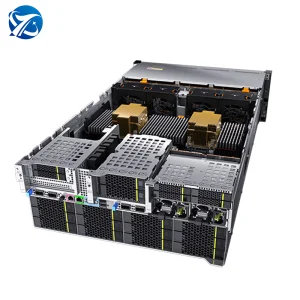

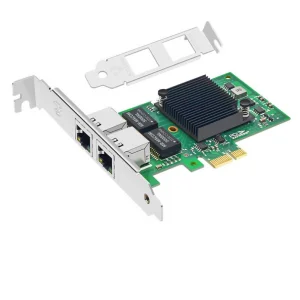

How low-level hardware orchestration unlocks unmatched stability, tailored security protocols, and raw processing efficiency in global IT architecture.
Implement secure boot sequences, cryptographic signatures, and custom BIOS security layers that prevent rootkit injections and unauthorized firmware manipulation at the bare-metal level.
Tailor your Baseboard Management Controller (BMC) firmware (including OpenBMC architectures) to deliver native telemetric monitoring, customized thermal thresholds, and specific power-capping rules.
Optimize PCIe lane allocation, adjust memory timing parameters (DDR4/DDR5), and align UEFI parameters to prioritize ultra-low latency or maximized data throughput for Deep Learning workloads.
“In contemporary hyperscale environments, standard off-the-shelf server firmware introduces structural overhead. True computational efficiency begins at the system initialization phase. OEM customization bypasses vendor lock-in, enabling targeted hardware optimization designed exclusively around your software ecosystem.”
For modern computing structures handling intensive AI computation, complex cloud infrastructure, or large-scale network-attached storage (NAS), general-purpose firmware settings fail to maximize system potential. Hardware interfaces must be engineered in absolute sync with software environments. Custom OEM firmware upgrades address physical operational demands, such as customized ACPI sleep states, customized UEFI tables, or alternative PCI-e device detection processes, ensuring complete compatibility and minimizing hardware errors during heavy computing processes.
By tailoring parameters within the platform initialization code, engineering teams can configure exactly how processor microcode is loaded, refine platform power management policies, and implement precise diagnostics tools. This allows businesses to drastically lower their Total Cost of Ownership (TCO) and maximize the active lifecycle of their server deployments.
Leveraging localized electronic clusters, unmatched prototyping velocity, and deep hardware integration capabilities.
Chinese manufacturing hubs, particularly the Shenzhen and Guangdong high-tech clusters, offer an unparalleled ecosystem for hardware co-design. When customized BIOS or BMC parameters require physical board layout changes or specific PCIe routing designs, the turnaround cycle for a redesigned, functional PCB is reduced from months to days. This localized network of component suppliers, automated assembly facilities, and specialized PCB manufacturers enables quick validation loops that keep global businesses ahead of their deployment timelines.
Furthermore, the integration of hardware fabrication with low-level firmware engineering allows firmware developers and hardware design engineers to work side-by-side. This ensures any custom BIOS implementation is physically optimized for the underlying board traces, thermal characteristics, and power delivery networks.
With direct access to primary component manufacturers, Chinese OEM factories can source specialty microcontrollers, EEPROM chips, TPM modules, and RAID controllers directly from production lines. This access ensures secure supply chains, eliminates counterfeit parts, and simplifies sourcing for unique, long-lifecycle projects. By working directly with factories, global enterprises gain full visibility into the bill-of-materials (BOM) down to individual resistors and firmware libraries, ensuring regulatory compliance and complete software transparency.
Additionally, this tight integration with supply chain networks allows OEM suppliers to offer comprehensive end-of-life (EOL) transition paths. In critical operations, finding alternative drop-in replacements with matching firmware behavior is a standard expectation that experienced Chinese factories are structured to support.
“Elvantis Mesh Systems Ltd. leverages this ecosystem to bridge the gap between high-level application expectations and bare-metal reality. Operating from a highly efficient validation facility, we connect global businesses directly with components, testing loops, and deep-level custom code development.”
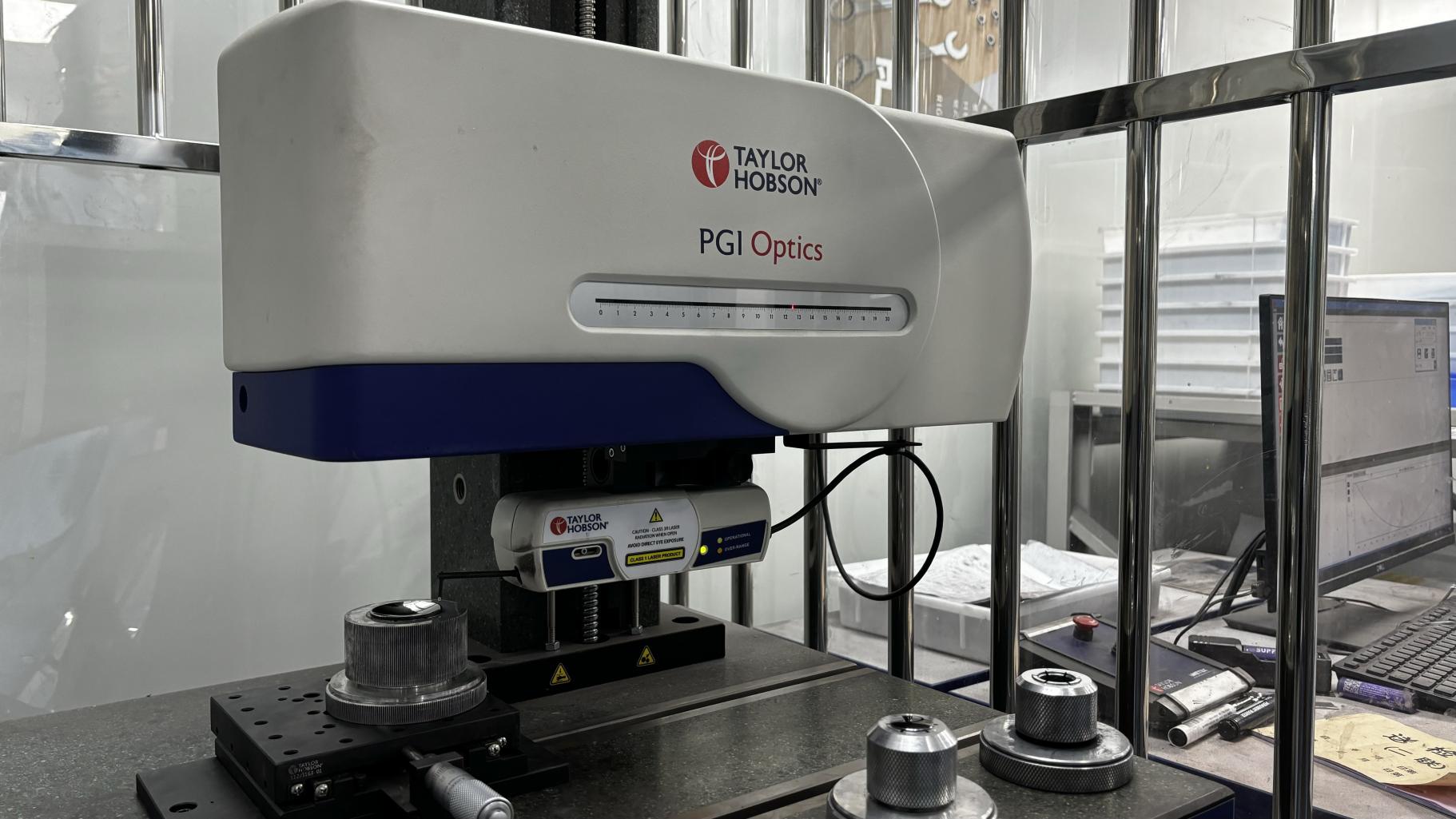
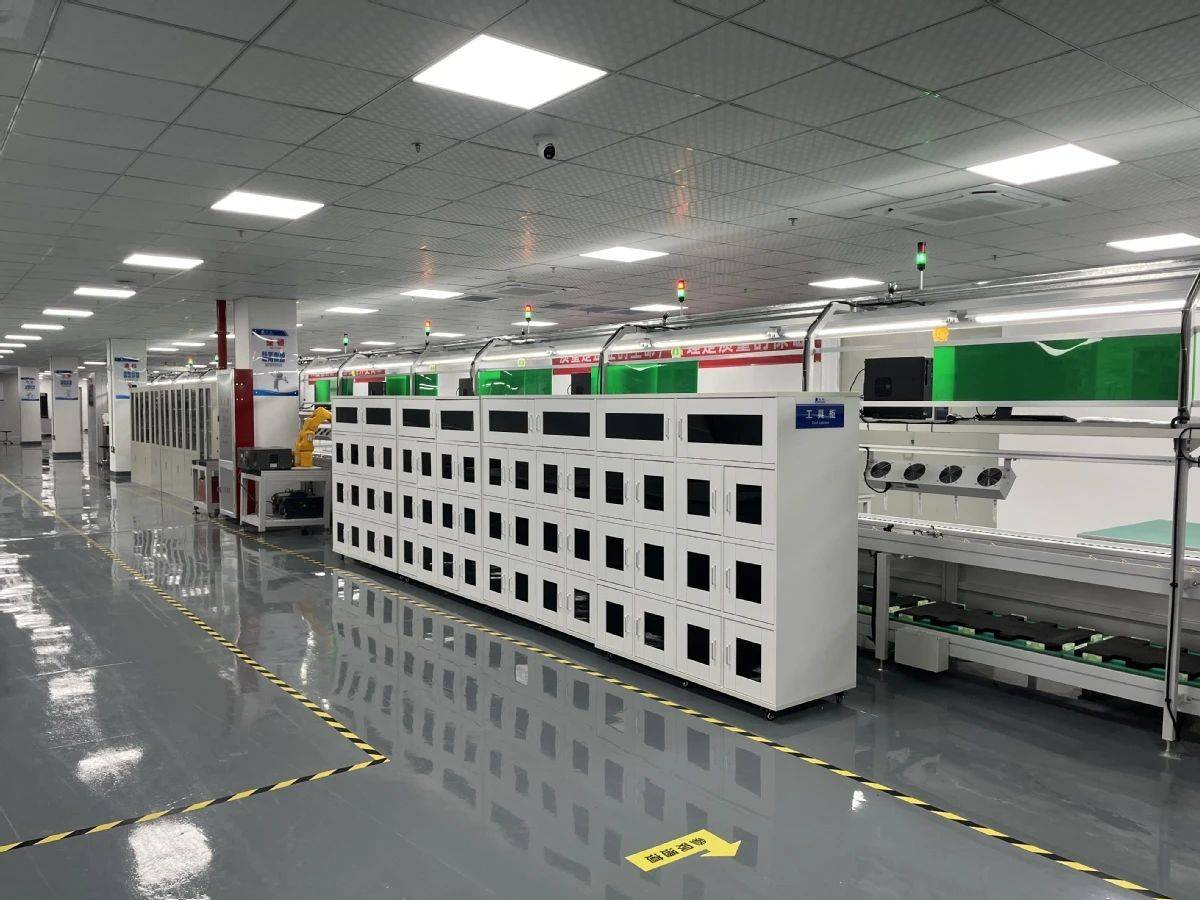
A deep dive into our quality control structures, validation chambers, and modern R&D engineering facilities.
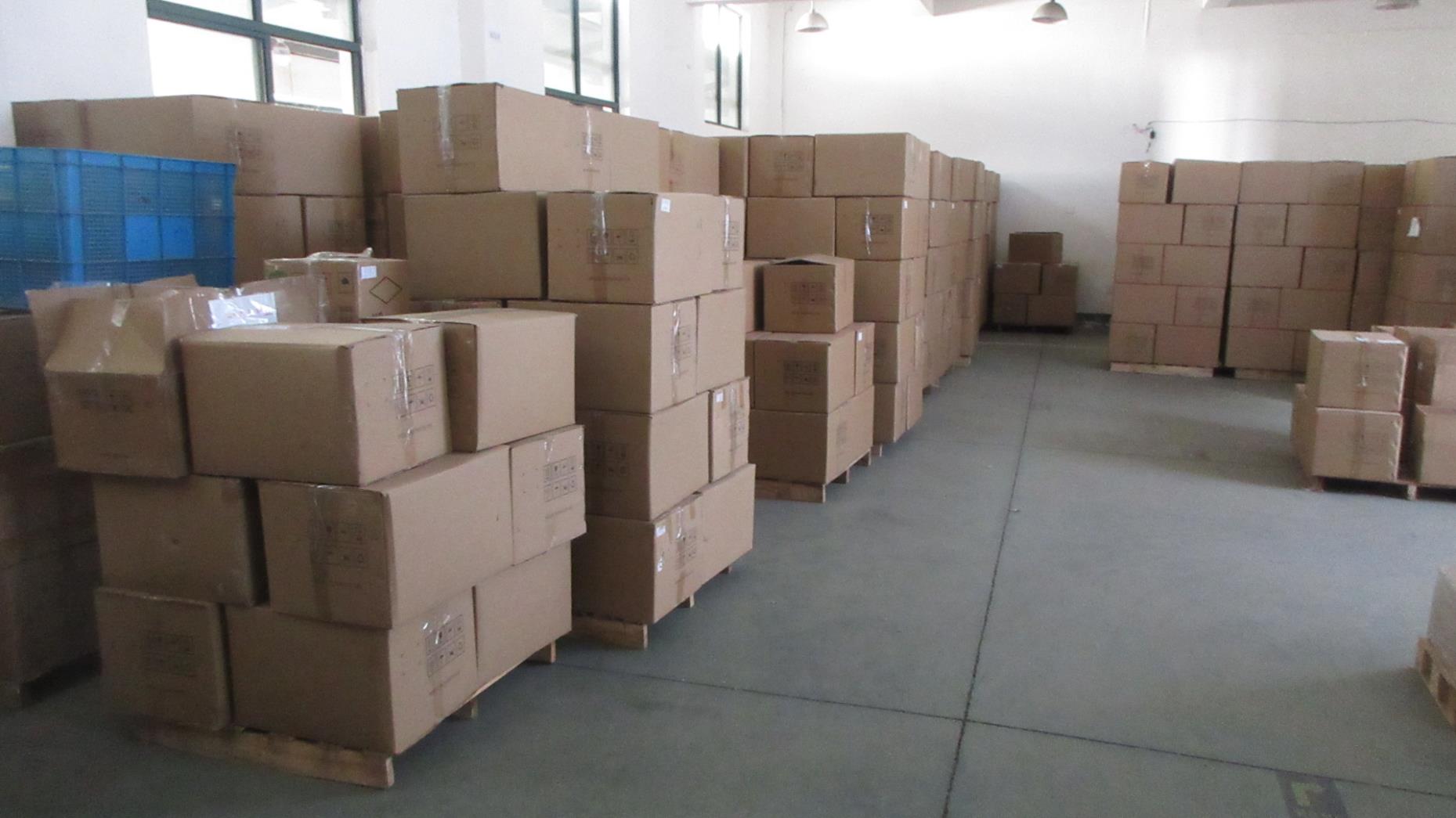
Elvantis Mesh Systems Ltd. is a high-performance AI GPU server manufacturer specializing in scalable computing infrastructure for artificial intelligence, high-performance computing (HPC), and data center deployments. Since our establishment in 2016, we have built a modern production and validation facility covering a total building area of approximately 380㎡, supporting integrated R&D, physical assembly, firmware loading, and extensive quality assurance processes. With over 10 years of industry experience and 7 years of specialized export operations, we proudly support data centers, research institutions, and enterprises across North America, Europe, the Middle East, and Southeast Asia.
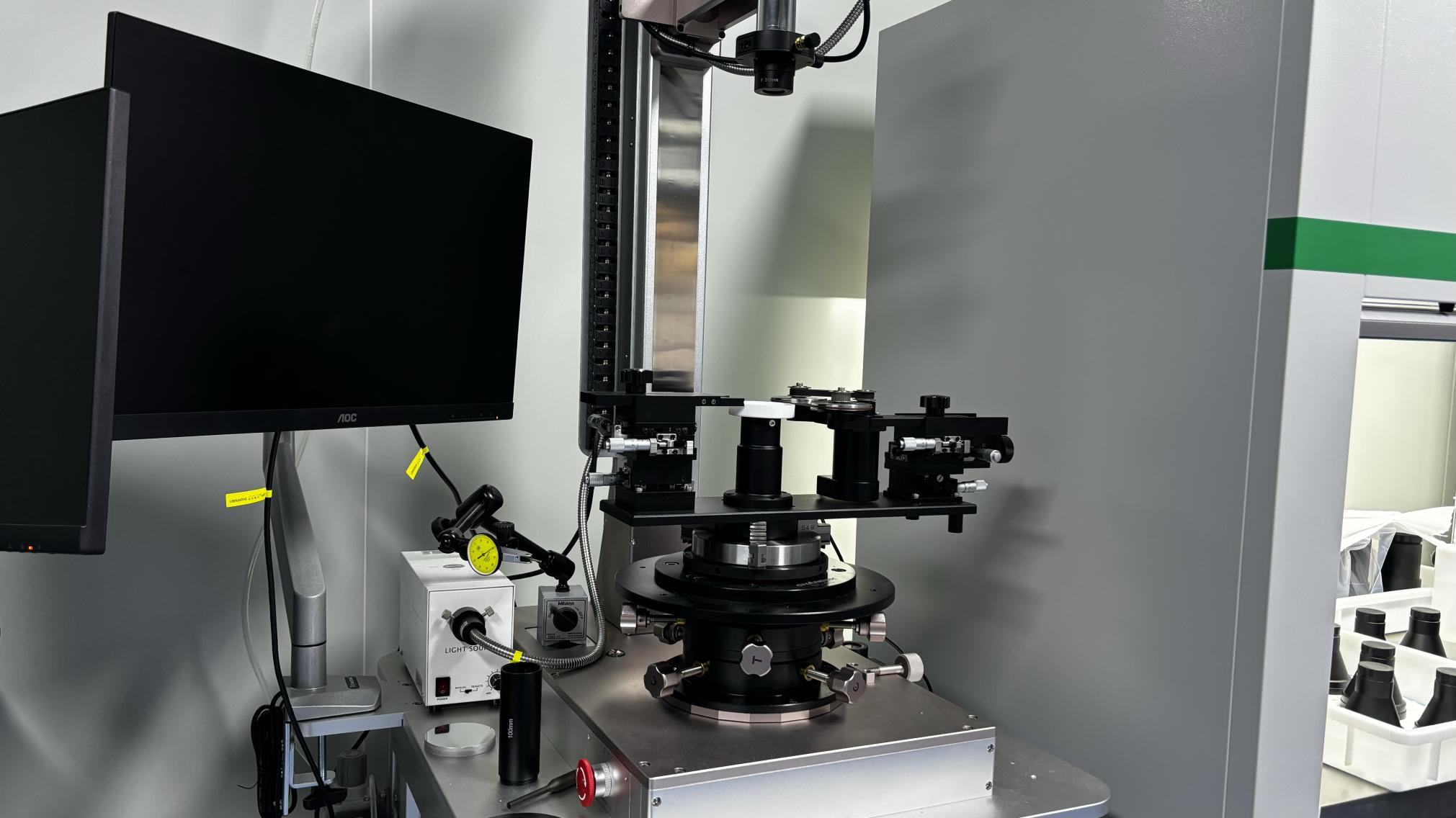
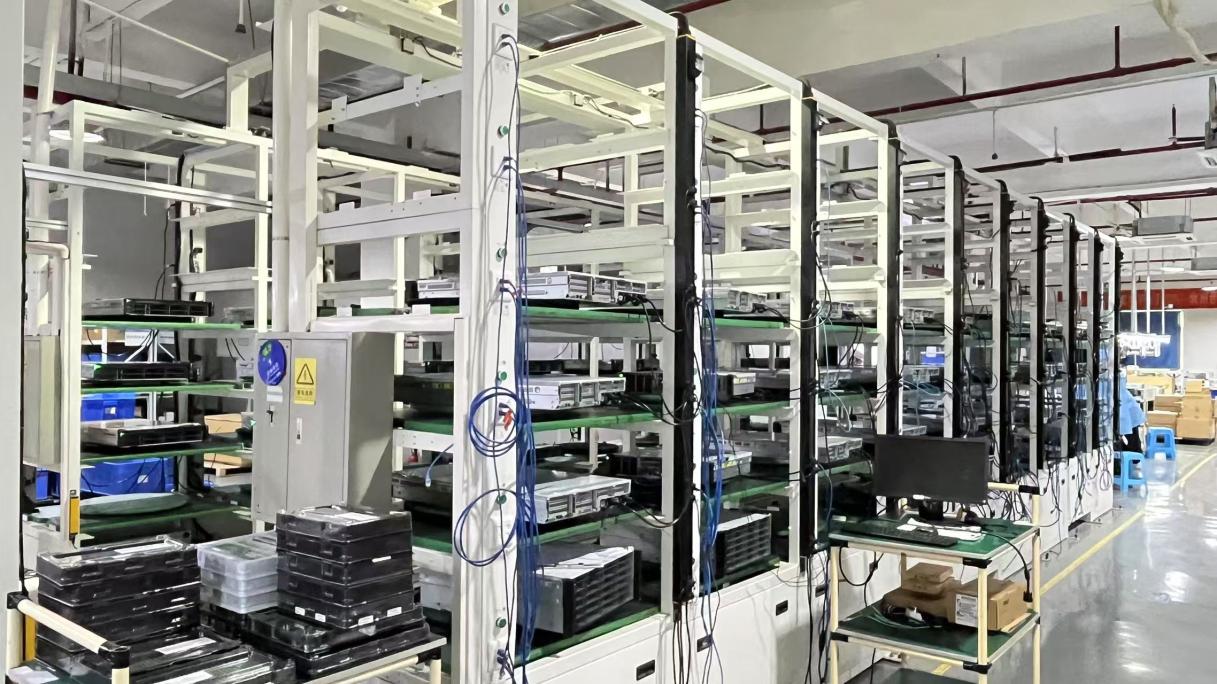
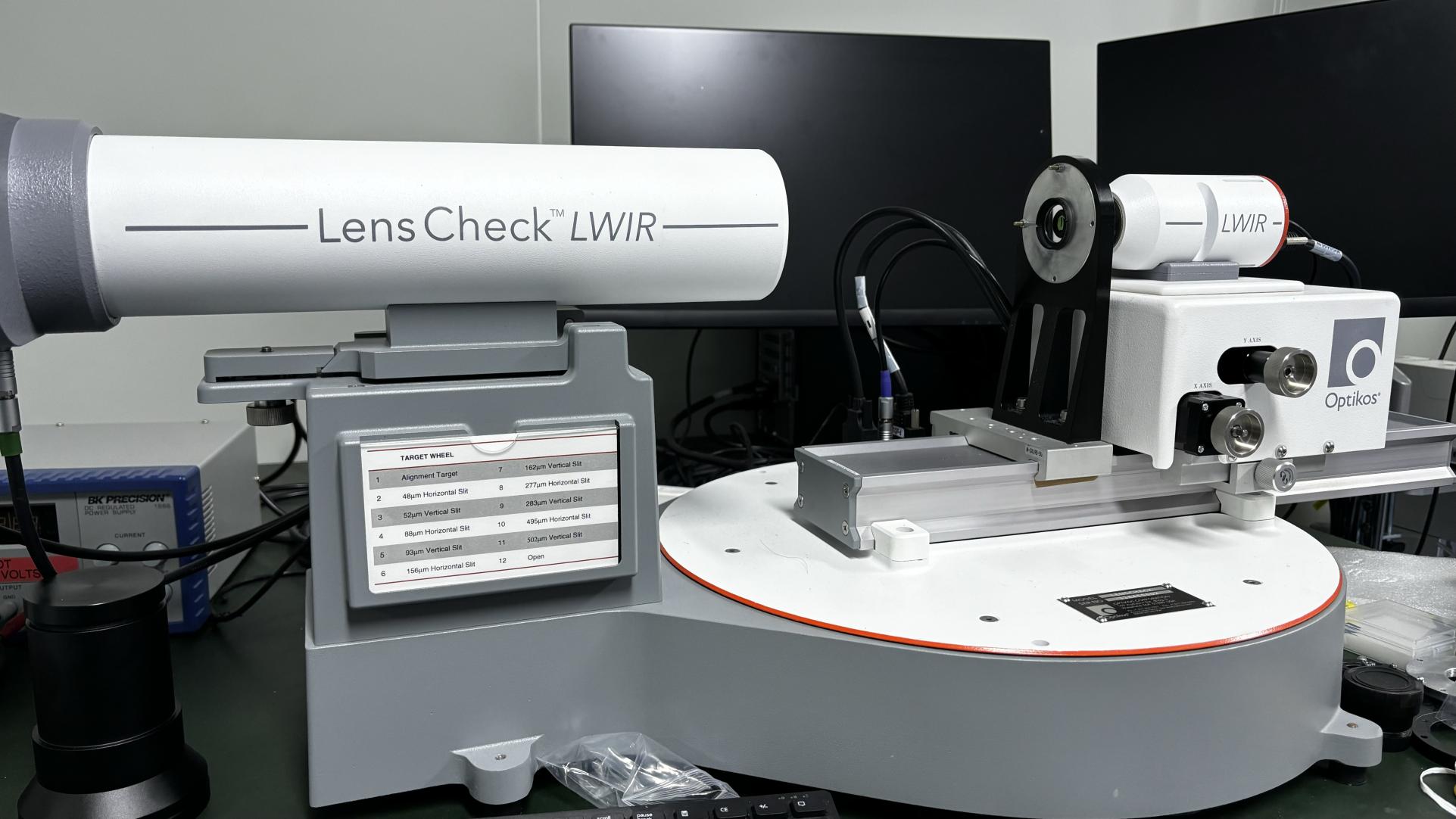
Our quality assurance framework utilizes a multi-layer testing system to ensure 100% operational reliability. Our dedicated team of 35 QC professionals utilizes Automated Optical Inspection (AOI), hardware-level diagnostics, dynamic thermal cycling validation, and full-system burn-in testing under real-world AI workloads. Supported by an extensive supply chain of around 850 partner suppliers, we deliver the precision hardware and custom firmware solutions modern businesses demand. Over the past year alone, Elvantis has designed and launched 120 new products, keeping pace with evolving hardware architectures and changing enterprise needs.
How global enterprise demand, virtualization trends, and specialized AI processing are shaping the next generation of server firmware.
Proprietary closed-source BMC implementations are slowly being phased out by hyperscalers. The industry is standardizing on OpenBMC to eliminate vendor lock-in, enable cloud-native APIs (like Redfish), and allow direct control over system monitoring tools, security credentials, and system management parameters.
As AI processing units and NVMe storage devices shift to PCIe Gen 5 configurations, signal integrity and link routing parameters must be precisely controlled. Dynamic link speed adjustment and custom firmware profiles prevent signal degradation, ensuring reliable performance under high workloads without unnecessary system resets.
Modern data security structures now require verified validation of the system environment before boot. Custom OEM firmware allows companies to lock encryption keys within dedicated TPM 2.0 modules, verify the OS loader with cryptographic signatures, and enforce physical anti-tamper protections at the system level.
Whether optimizing data flows inside AI workloads or deploying large-scale virtualized infrastructure, standard, general-purpose firmware structures often run unnecessary services that degrade efficiency and create security vulnerabilities. By utilizing custom-tailored firmware configurations, organizations can disable unused system services, prioritize critical cache configurations, and optimize execution queues for virtual machine environments. This leads to higher virtual machine densities, stable system performance under full loads, and reduced latency for high-speed network communication.
In data-heavy industries like financial transaction systems, real-time database management, and media production networks, these microsecond performance improvements yield clear, measurable operational advantages. Enterprise buyers can confidently configure systems to match their precise performance requirements, avoiding unnecessary resource waste and getting the most out of their IT investment.
Answering technical questions regarding security validations, OpenBMC integration, performance tuning, and factory delivery processes.
Standard factory firmware is designed to support the widest possible range of general-purpose hardware and components, which often means running unused background processes, maintaining basic security configurations, and using average thermal/fan profiles. Custom OEM firmware is optimized for your specific hardware configuration. It strips away unnecessary modules, integrates custom cryptographic keys for Secure Boot, tunes fan profiles for your exact datacenter setup, and optimizes PCIe/memory parameters to maximize computing efficiency for your targeted applications.
We implement a strict secure development lifecycle. This includes using private, hardware-protected key infrastructure (PKI) to sign firmware builds, keeping custom BIOS source code in air-gapped repositories, and performing regular security audits. On the hardware level, we configure Intel Boot Guard, AMD Platform Secure Boot, and physical TPM 2.0 modules to verify the system integrity before the operating system is allowed to initialize.
Yes, absolutely. We support OpenBMC integration across our server architectures. OpenBMC gives your IT teams full control over the management layer source code, enabling custom automation scripts, advanced telemetry logging, and standard Redfish APIs for easy management alongside your existing cloud infrastructure, without proprietary software restrictions.
We map custom fan speed curves within the BMC configuration to match the airflow design of your data center. By adjusting duty cycle steps based on real-time temperature data from the CPU, GPU, and memory VRMs, we can prevent thermal throttling, lower noise levels, and reduce overall cooling energy consumption.
Every custom build undergoes a multi-step testing process. This includes long-term burn-in testing under full computing loads, power cycling under extreme thermal conditions, and simulated error injection on PCIe lanes. We also verify IPMI commands and run standard operating system validation testing to ensure stable, reliable performance before the hardware leaves the factory.
Yes, we can optimize BIOS configurations specifically for virtualization. This includes pre-configuring virtualization options (such as Intel VT-d / AMD-V, SR-IOV), disabling CPU power-saving sleep states that introduce processing latency, and adjusting memory layouts to maximize throughput for high VM densities.
We provide multiple update options, including remote out-of-band updates using the BMC web interface, standard command-line tools for automated update scripts, or standard Redfish API commands. Every update payload is cryptographically signed to prevent unauthorized modifications during deployment.
Our hardware and firmware structures are designed to meet major international standards, including CE, FCC, RoHS, and ISO 9001. We work closely with global buyers to obtain additional country-specific compliance and safety certifications based on the requirements of the deployment location.
Because custom firmware development requires engineering hours for design and validation, MOQ requirements vary based on the level of customization. Minor configurations (like custom logo screens and pre-set BIOS values) have very low MOQs. Complex changes (like customized board layouts or custom BMC features) are negotiated as part of our OEM/ODM design process.
We notify clients in advance of any upcoming component lifecycle changes. When components go End-of-Life (EOL), our engineering team identifies and tests pin-compatible replacements, updating the firmware profiles as needed to ensure complete hardware compatibility and uninterrupted operations.
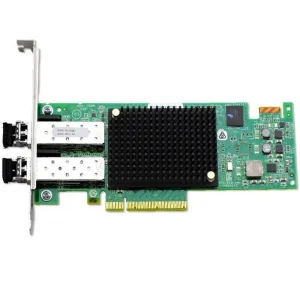
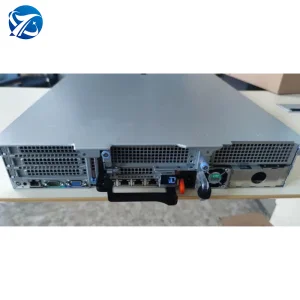
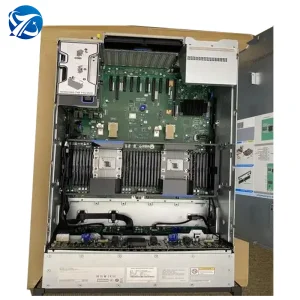
Complete your datacenter build with our selection of network adapters, high-density computing platforms, and high-performance server options.