Elvantis
Elvantis
Elvantis
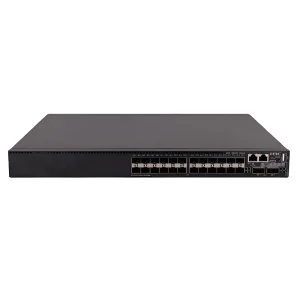
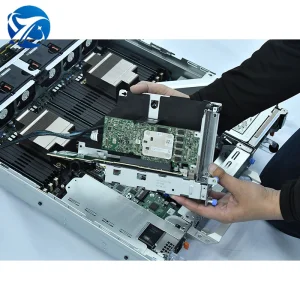
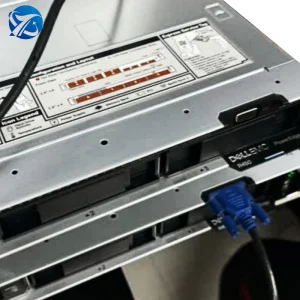
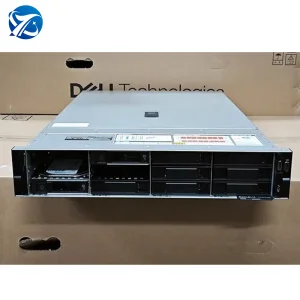

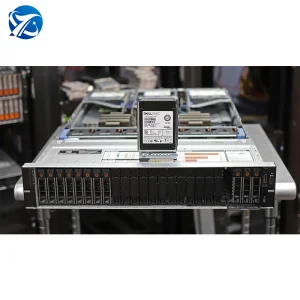
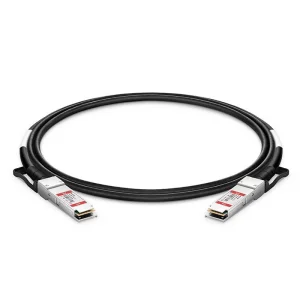
In today's hyper-connected industrial and enterprise landscape, the definition of a Network Security Appliance has fundamentally shifted. Gone are the days when a simple hardware firewall at the network perimeter was sufficient to guard corporate assets. The explosion of high-density edge deployments, massive AI-driven data centers, cloud infrastructure networks, and complex IoT endpoints has created a multi-dimensional attack surface. Consequently, enterprises require sophisticated, hardware-accelerated security appliances capable of Deep Packet Inspection (DPI), stateful firewalling, virtual private networking (VPN), and real-time cryptography without bottlenecking system throughput.
As corporate IT ecosystems transition towards Zero-Trust Architectures (ZTA) and Secure Access Service Edge (SASE) frameworks, the underlying physical infrastructure must adapt. Hardware is the foundation of digital trust. High-throughput switches, multi-socket rack servers, and dedicated security appliances act as the first line of defense. By implementing specialized cryptographic hardware accelerators (such as Intel QuickAssist Technology) and low-latency network interconnects, modern security appliances process high-volume, encrypted web traffic at wire speed. This mitigates risks associated with malware distribution, credential theft, and DDoS campaigns while maintaining seamless business operations.
At the center of this structural change is the necessity for highly customizable hardware platforms. Globally, enterprise procurers are bypassing standard off-the-shelf retail components in favor of specialized OEM/ODM hardware manufacturers. Partnering directly with high-performance Chinese production facilities allows enterprises to architect custom server layouts, tailor thermal management configurations, specify processor capabilities, and build application-specific network interface cards. This level of customization is crucial for deploying robust security configurations across hyperscale environments, financial systems, telecommunications grids, and automated manufacturing floors.
Our dedicated engineering and technical R&D group of over 180 specialists designs custom motherboard architectures, customized chassis, and specialized thermals matching specific network security protocols.
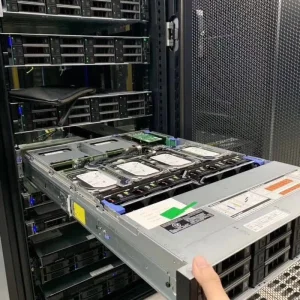
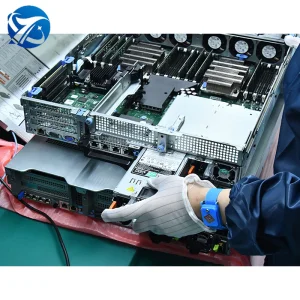
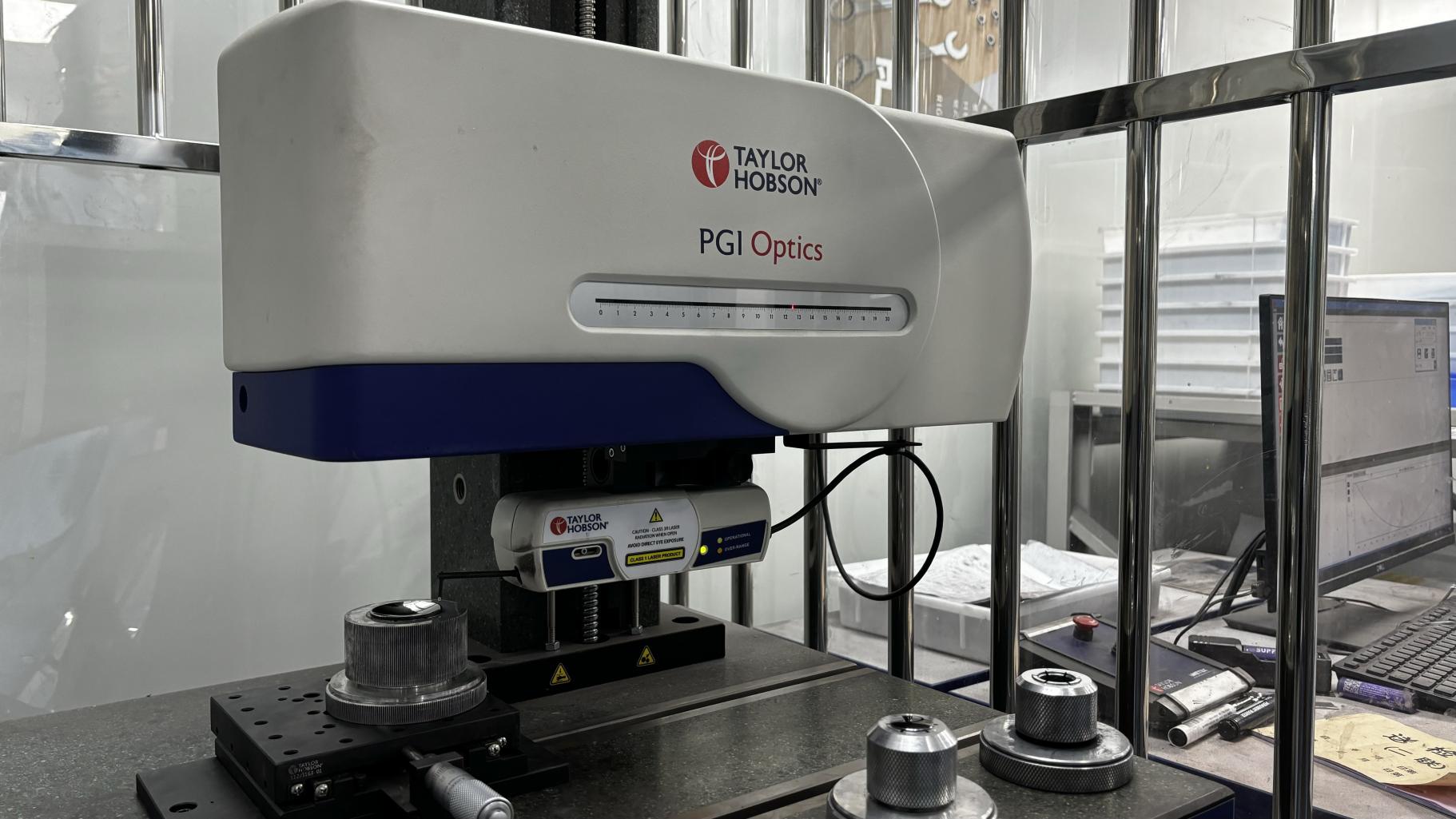
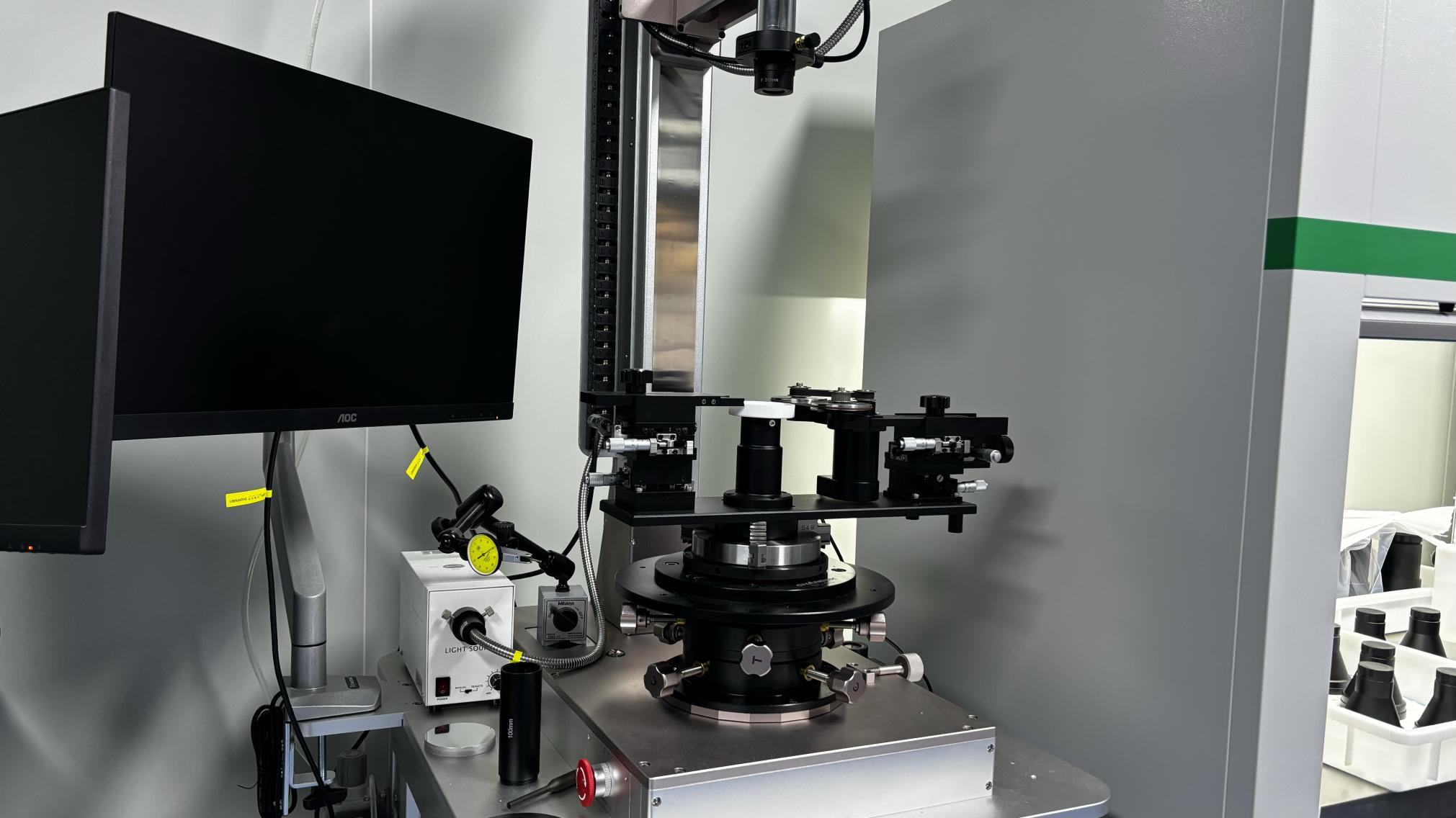
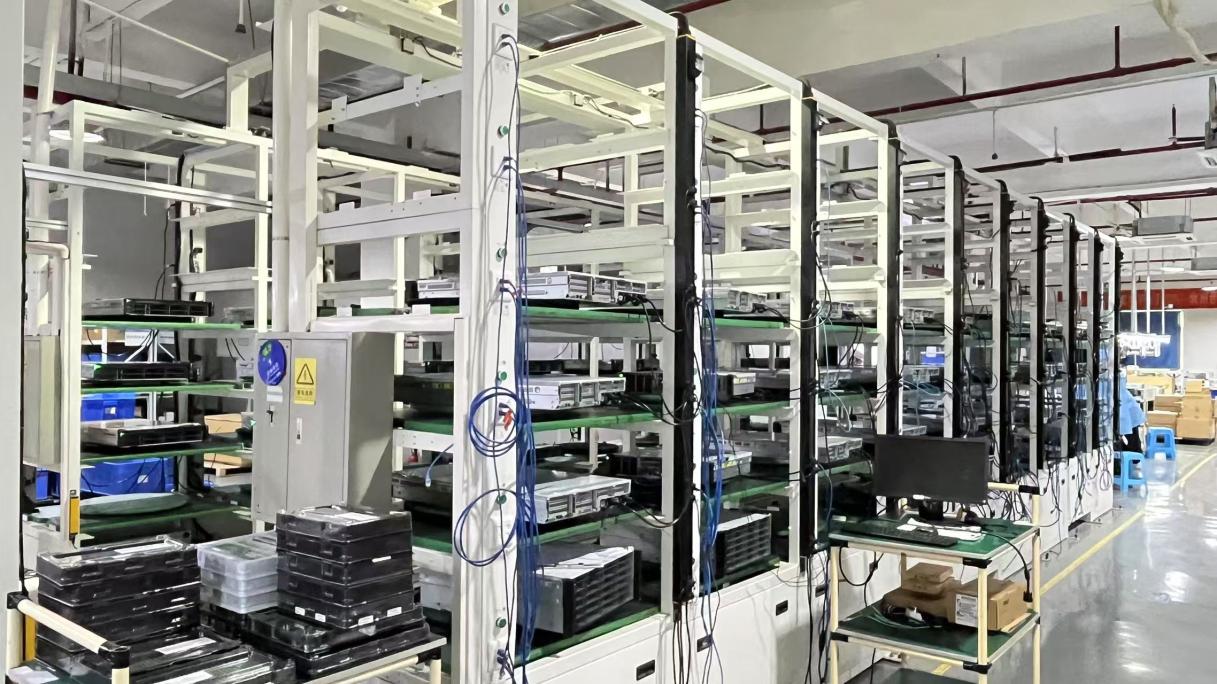
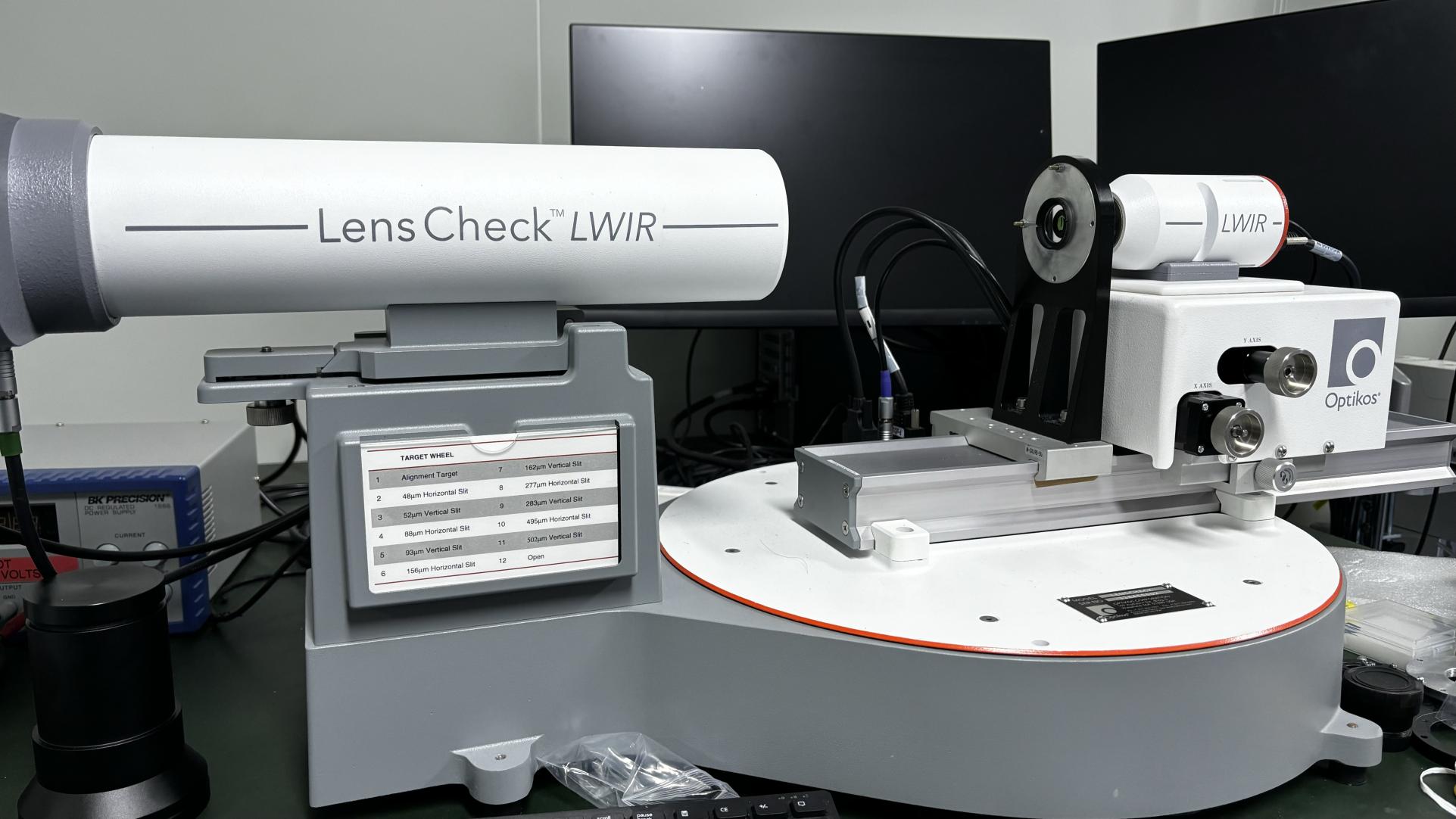
Managed by a specialized QC squad of 35+ professionals, we implement ISO 9001 certified validation systems including Automated Optical Inspection (AOI), full-system burn-in testing, and simulated high-heat cycles.
Optimized for multi-layer 10G/40G core switching arrays, enabling seamless throughput, minimal packet drop, and hardware-enforced isolation of critical data storage segments.
The global dominance of Chinese manufacturing in the field of Network Security Hardware and Servers is not merely a matter of lower production costs. Rather, it is a reflection of a fully integrated industrial ecosystem. In manufacturing centers such as Shenzhen and Guangzhou, the physical proximity of component suppliers, PCB fabricators, assembly plants, and testing laboratories creates an unparalleled level of supply-chain responsiveness. For example, **Elvantis Mesh Systems Ltd.** leverages a vast network of 850 cooperative partners to secure premium microprocessors, DRAM modules, and networking ICs, ensuring that production pipelines remain uninterrupted even amid global material constraints.
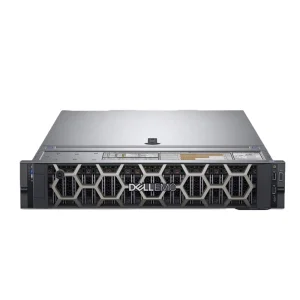
Moreover, the R&D and engineering capabilities of China-based ODM/OEM factories have matured significantly over the past decade. Factories no longer simply follow client designs; they actively innovate. The launch of approximately 120 new products in a single year by Elvantis demonstrates a rapid engineering lifecycle that aligns with evolving industry standards. Whether it is integrating support for Deepseek AI computing platforms, adapting to high-density 2U dual-socket Intel Xeon architectures, or upgrading to QSFP+ 10G/40G direct-attach optical networking, Chinese manufacturers are consistently at the forefront of technical iteration. This agility enables global enterprises to deploy cutting-edge security systems ahead of their competition.
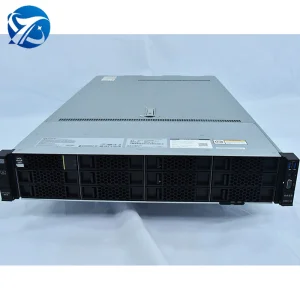
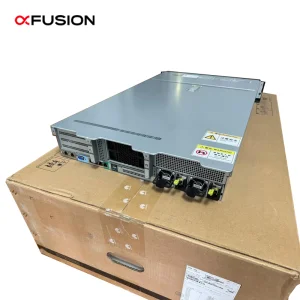
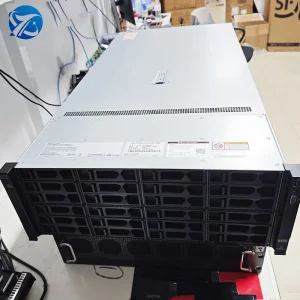
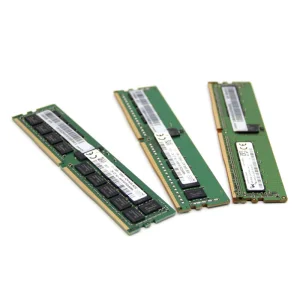
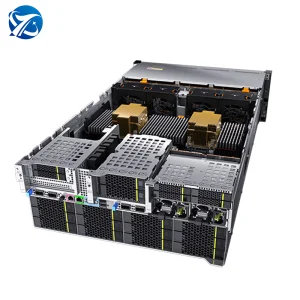
Operational efficiency is also maximized through rigorous factory-level testing protocols. At Elvantis, every piece of hardware—from basic memory modules (RDIMM DDR4 RAM) to complex 8U GPU servers (such as the FusionServer G8600 V7)—undergoes a multi-layered quality control workflow. This includes AOI checks, hardware-level diagnostic routines, thermal cycling, and full-load validation. By eliminating physical defects and software incompatibilities before shipment, global buyers experience minimized failure rates upon deployment, saving hundreds of thousands of dollars in maintenance and downtime costs.
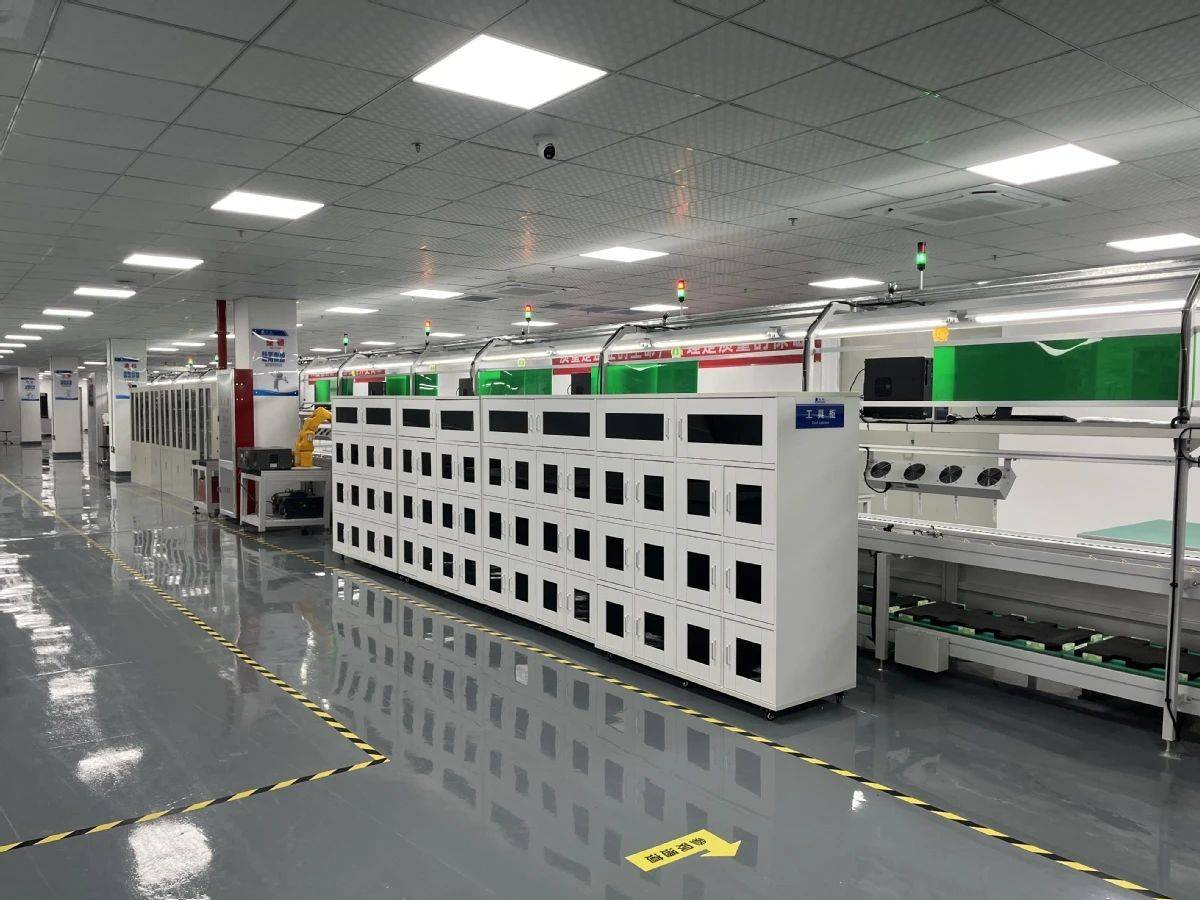

Enterprise hardware must be engineered with specific applications in mind. A security appliance deployed at a remote edge industrial site requires completely different specifications compared to an appliance located in a centralized cloud data center. Localized applications include:
Looking to the future, several critical trends will dominate the development of network security appliances. The first is the incorporation of SmartNICs and Data Processing Units (DPUs) to offload network packet processing from the main CPU, maximizing performance. The second trend is Hardware-Enforced Cryptographic Isolation, ensuring that even if virtual layers are compromised, the cryptographic keys remain inaccessible. Finally, with rising power demands in high-compute centers, liquid-cooled network security architectures are transitioning from a luxury option to a critical operational requirement. Sourcing from manufacturers with active R&D pipelines in liquid-cooling interfaces is a strategic step for future-proofing IT investments.