Elvantis
Elvantis
Elvantis
Explore our high-performance server clusters, optimized for deep learning models, hyperconverged architecture, and scalable storage arrays.
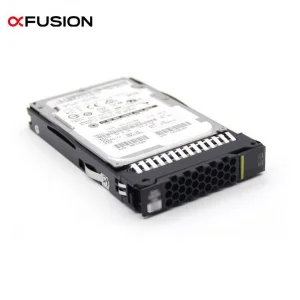
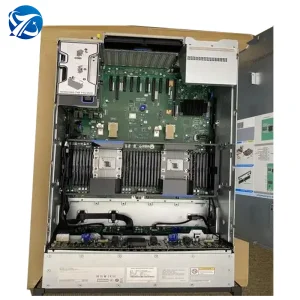
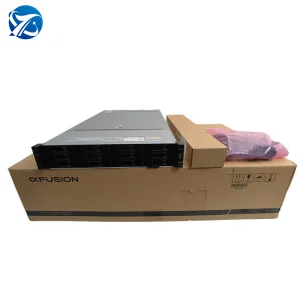
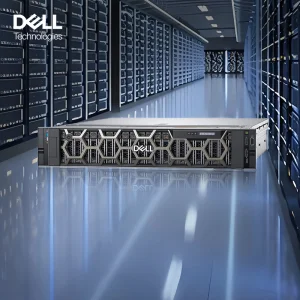
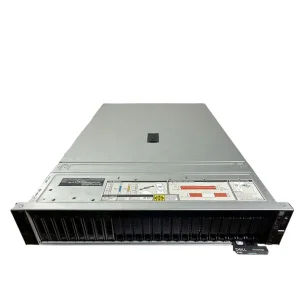
The global enterprise technology landscape is undergoing an unprecedented architectural shift. As Large Language Models (LLMs) such as DeepSeek, GPT-based structures, and diffusion pipelines reach multi-trillion parameter scales, traditional CPU-only cluster architectures have become obsolete. High-performance GPU accelerators, hyperconverged servers, and low-latency storage fabrics are now the primary engines of business value and computational research.
As a leading specialized provider based in China's technology hubs, Elvantis Mesh Systems Ltd. addresses the critical hardware bottlenecks of this era. By providing direct access to specialized OEM/ODM hardware design, rigorous burn-in thermal profiling, and global regulatory compliance, we bridge the gap between high-performance hardware architecture and end-user enterprise applications.
This technical document details the design paradigms, hardware topologies, quality assurance procedures, and structural logistics that position China-sourced GPU server clusters as the key element for scalable global AI deployment.
How Elvantis Mesh Systems mitigates supply chain risk, coordinates global logistics, and optimizes systems architecture for next-generation data centers.
The computational market is constrained by wafer supply limits, high-bandwidth memory (HBM3/HBM3e) shortages, and complex international trade compliance policies. In this environment, raw compute availability is only one part of the challenge; system integration, high-density server configurations, and efficient power distribution are equally critical. Elvantis Mesh Systems Ltd. coordinates with a global network of over 850 cooperative partners to manage component lead times and maintain predictable export operations.
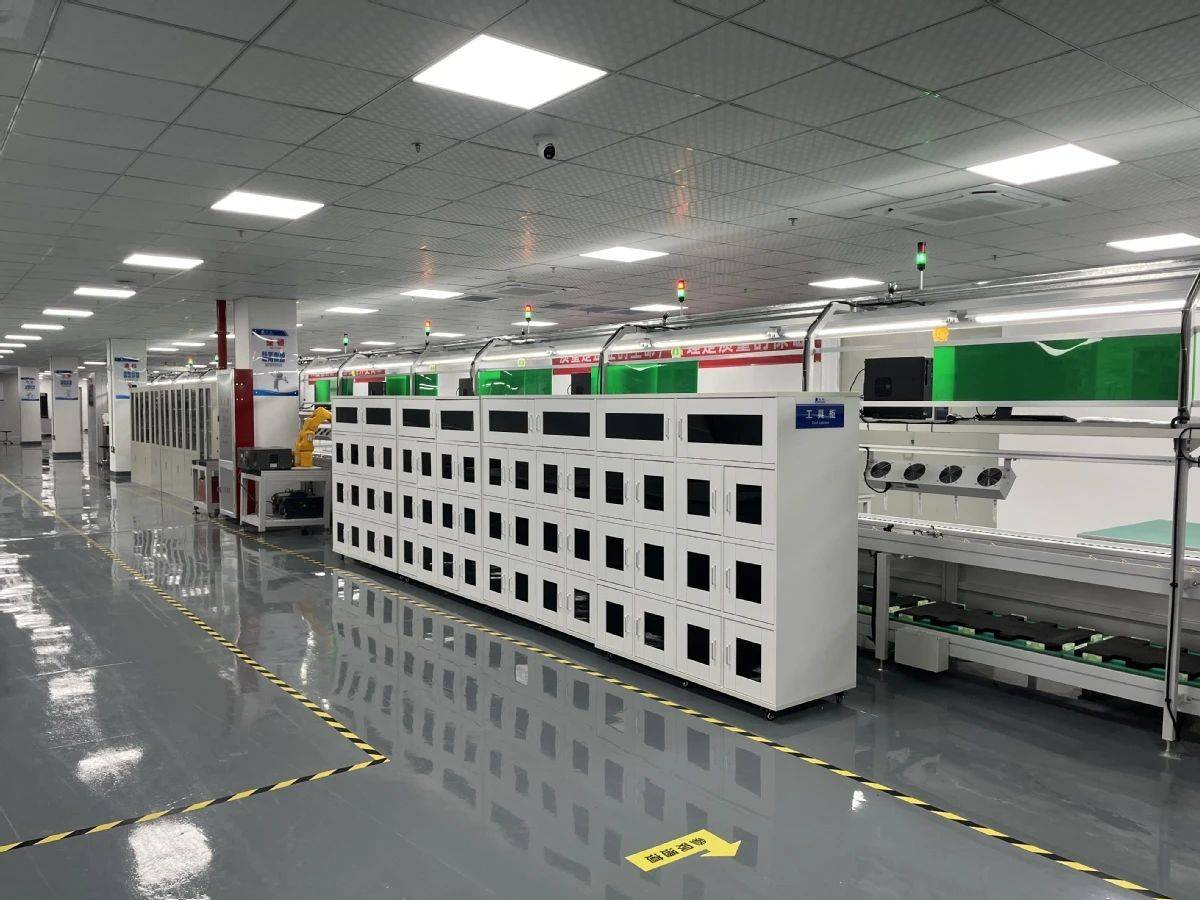
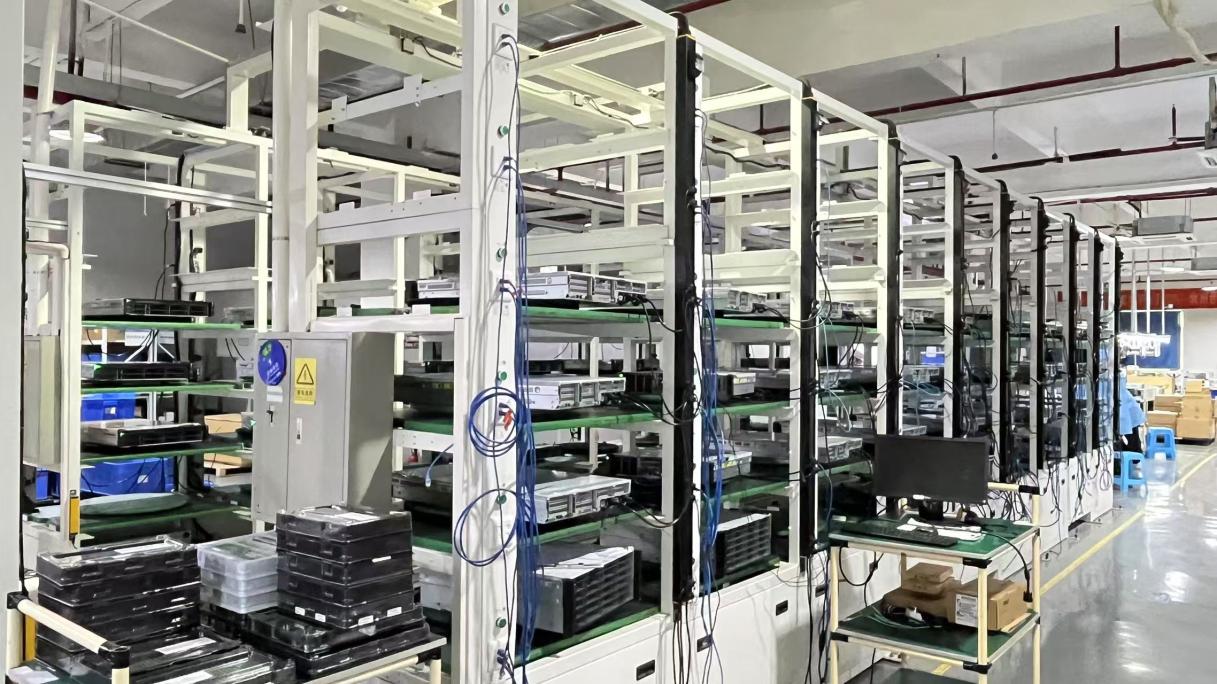
By maintaining a specialized configuration facility spanning 380㎡ alongside integrated R&D pipelines, we focus on custom configurations, BIOS tuning, thermal cycling, and functional testing. Rather than operating as a simple distributor, Elvantis functions as a systems integration partner, configuring components to prevent thermal throttling and PCI-Express bus bottlenecks.
Designing systems with PCIe Gen 5 switch fabrics, ensuring maximum bandwidth and minimum inter-node latency across multi-accelerator nodes.
Custom bios, chassis depth optimizations, variable rail-kit modifications, and tailored power supply configurations (1500W to 3200W titanium power delivery).
Over 7 years of direct export experience navigating customs protocols in North America, Europe, the Middle East, and Southeast Asia.
Examining internal topologies, high-speed storage buses, and thermal solutions built for demanding workloads.
Modern accelerated platforms like the xFusion 5885H V7 and FusionServer G5500 V7 can draw over 10kW per rack. Achieving stable performance requires balancing raw power delivery with thermal dissipation. Our systems utilize 80-Plus Titanium redundant power supplies, which dynamically distribute load across phases to reduce transmission losses.
From a thermal standpoint, our R&D team designs customized airflow baffles and uses high-speed, PWM-controlled counter-rotating fans. This configuration maintains critical components below their thermal limits even under continuous FP16/INT8 tensor core workloads.
Without adequate data input pipelines, high-performance accelerators remain idle. Our systems integrate NVMe PCIe Gen 4/5 enterprise solid-state drives alongside high-capacity enterprise SATA HDDs (ranging from 4TB to 20TB) to balance throughput and cost.
By implementing tiered storage architectures, workloads cache active datasets on local NVMe arrays, while using the high-capacity SATA drives for cold data storage, checkpoints, and model weights.
Multi-node GPU scaling relies on host-to-host communication speeds. Integrating dual or quad 100GE/200GE network interfaces directly onto the PCIe backplane bypasses standard system bottlenecks via RDMA over Converged Ethernet (RoCE).
This setup enables direct system memory access without CPU intervention, reducing training latencies and accelerating gradient synchronization across nodes.
Every GPU server exported by Elvantis undergoes custom BIOS adjustments. This includes disabling power-saving states (C-states) that introduce latency spikes, enabling PCIe Access Control Services (ACS), and configuring custom memory profiles to optimize NUMA node access patterns for deep learning runtimes.
Rigorous verification protocols and localized logistics support designed to ensure reliable deployment worldwide.
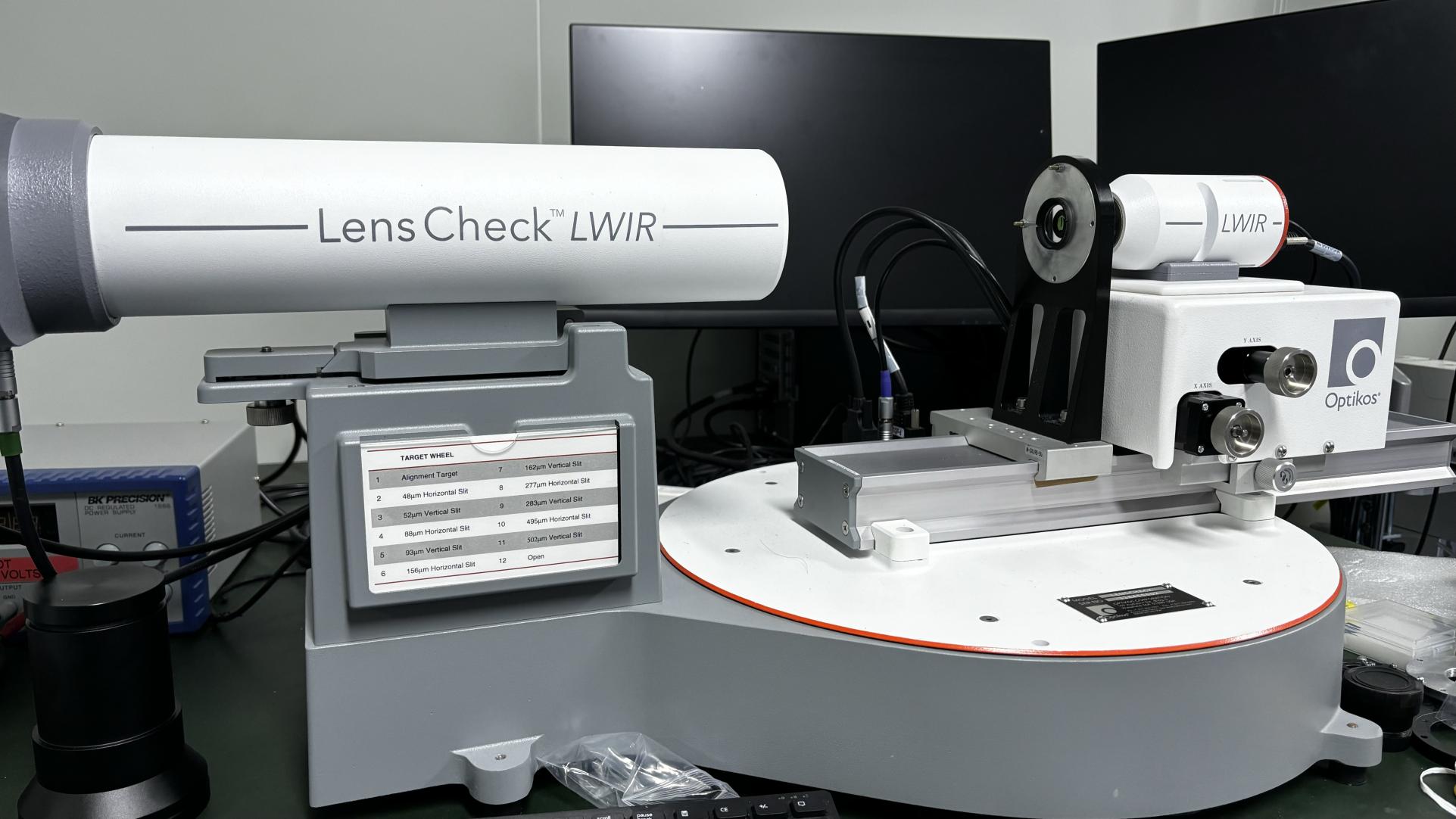
Exporting advanced computing equipment requires meeting strict regulatory standards. Elvantis Mesh Systems Ltd. operates a multi-layer quality assurance system managed by 35 dedicated quality control professionals. Our testing procedures include:
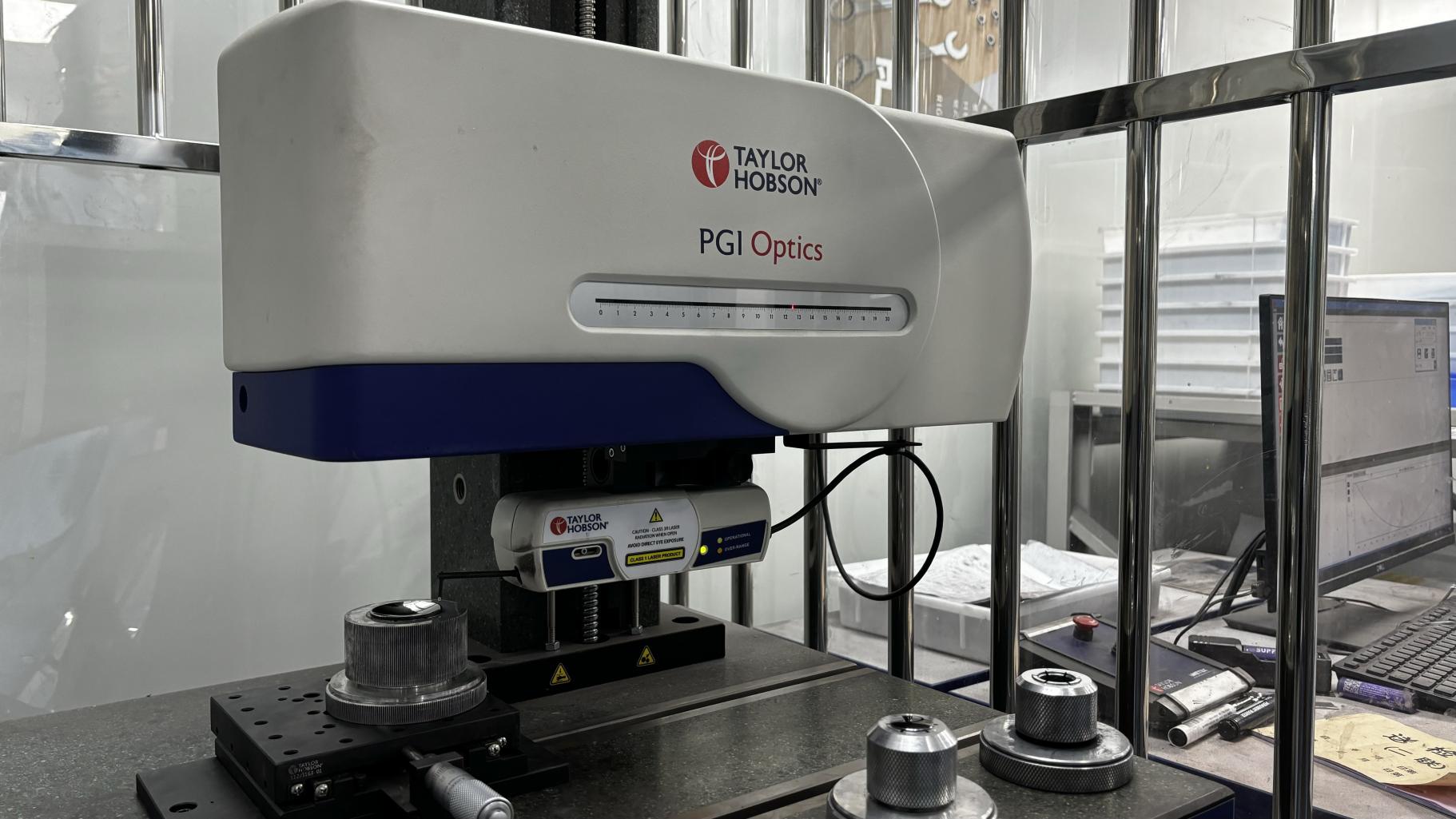
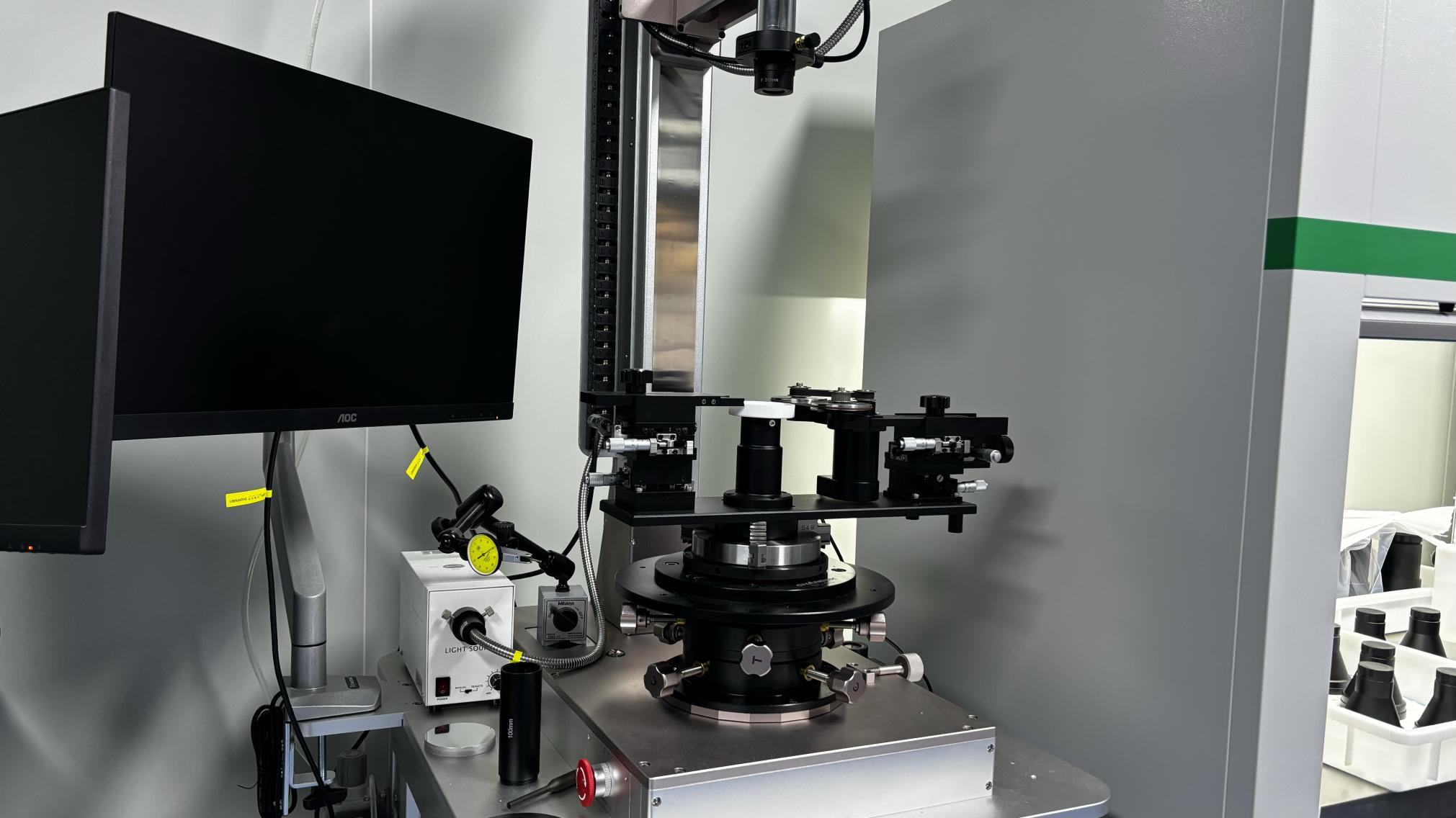
Every motherboard, PCIe riser assembly, and electrical traces are scanned pre-assembly to eliminate manufacturing faults before system integration.
Assembled systems are placed in thermal chambers and run at 100% compute load for 72 continuous hours, exposing early component failures.
We perform protocol analysis on the PCIe buses to verify link stability, ensuring zero dropouts under high bandwidth stress.
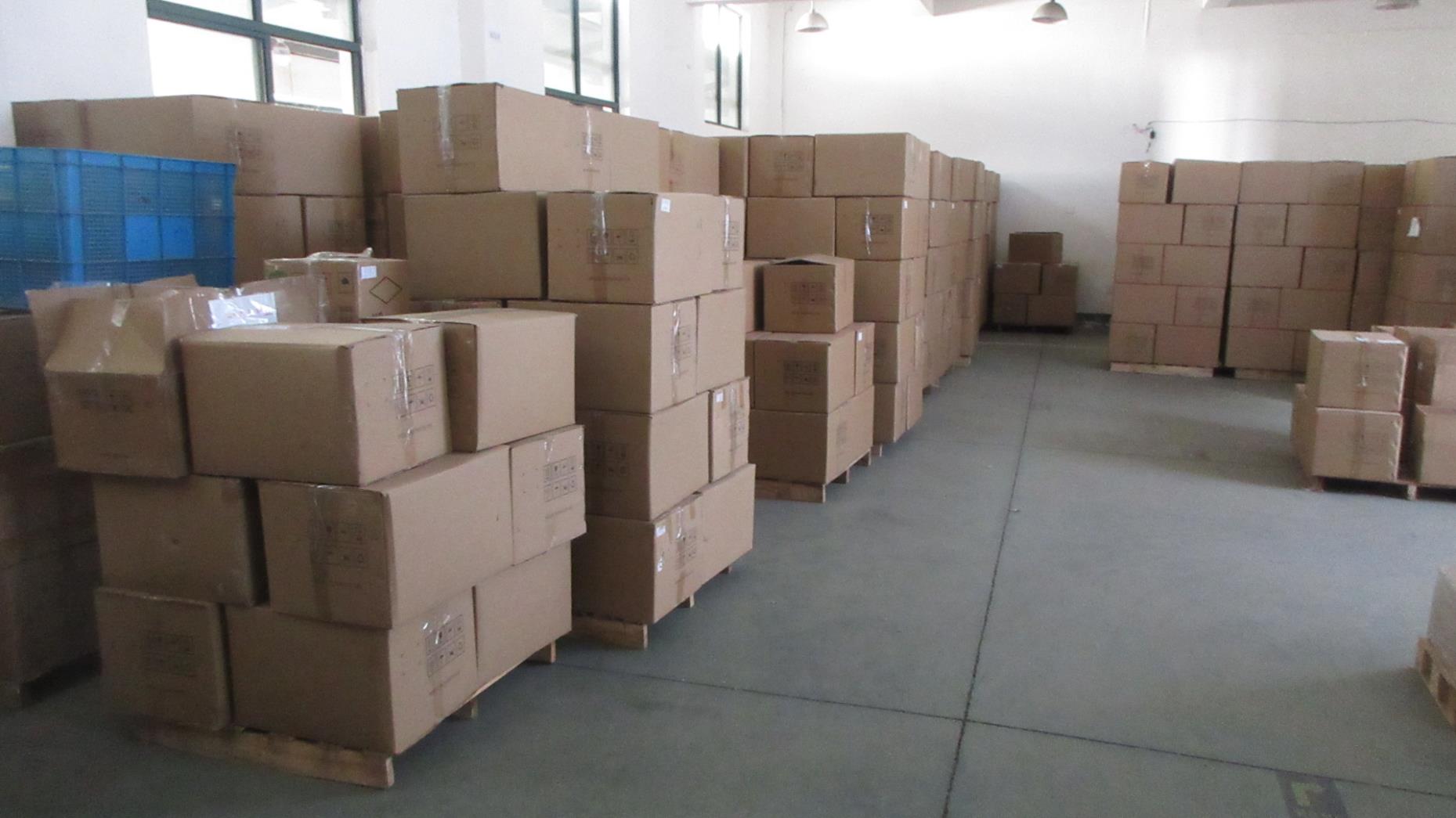
We provide comprehensive customs documentation, product classification under international Harmonized System (HS) codes, and export compliance validation. Whether shipping to North America, Europe, the Middle East, or Southeast Asia, our logistics teams ensure shipments comply with regional import frameworks. This hands-on management minimizes clearance delays and ensures delivery of fully certified equipment directly to customer facilities.
How Elvantis adapts to evolving standards, liquid cooling requirements, and the transition to PCIe Gen 6.
The computing sector is transitioning from air-cooled systems toward liquid-assisted cooling architectures. As accelerator power dissipation rises beyond 700W per module, traditional air cooling approaches the limits of physical feasibility.
Elvantis' engineering roadmap focuses on integrating direct-to-chip (D2C) liquid cooling plates and closed-loop liquid-to-air heat exchangers. This technology maintains low operating temperatures, allowing data centers to reduce Power Usage Effectiveness (PUE) ratios and meet environmental targets.
Furthermore, the introduction of Compute Express Link (CXL) protocols enables shared memory pools across CPUs and accelerators, reducing memory duplication bottlenecks in large cluster setups.
Technical questions answered by our engineering and logistics specialists.
Standard OEM configuration orders are processed, assembled, tested, and cleared for export within 4 to 6 weeks. Customized chassis modifications or rare component integrations may extend the lead time.
Every system undergoes our QA validation protocol. This includes visual checks, automated optical inspections, dynamic thermal burn-in under heavy computing loads, and network latency profiling over extended run periods.
Yes. We offer customization options covering the depth of the server chassis, customized mounting rails for shallow server racks, and custom power cabling designed to meet target data center specifications.
We work with international logistics providers to verify each shipment complies with export control codes, customs classifications, and regional standards.
Additional high-performance configurations and scalable network storage systems available for international deployment.
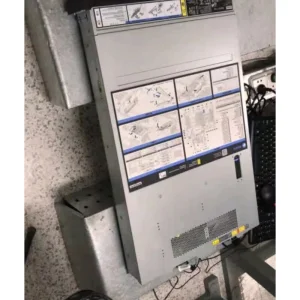
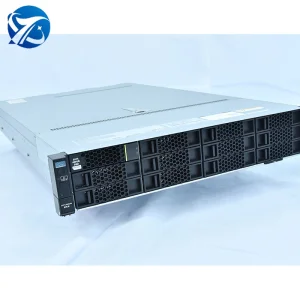
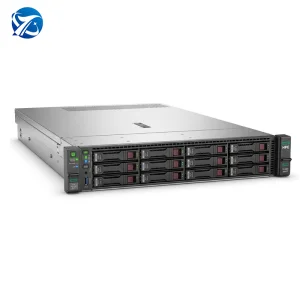
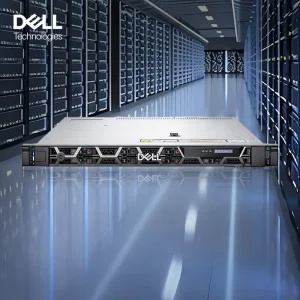
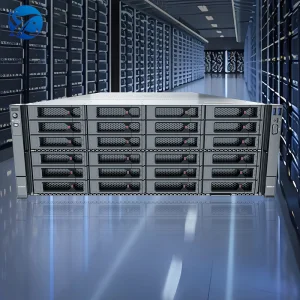
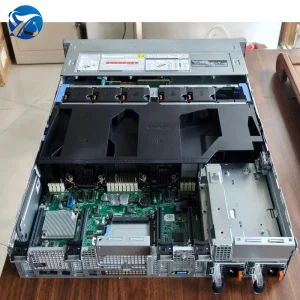
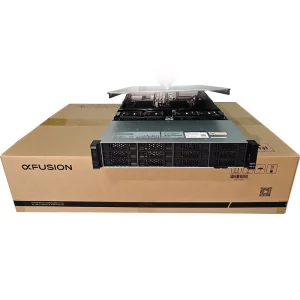
Insight into Elvantis Mesh Systems' structural logistics, partner ecosystems, and design assembly plants.