Elvantis
Elvantis
Elvantis
Explore our premium rackmount nodes engineered for virtualization, high-density computing, and bare-metal Virtual Private Server setups.
In the modern cloud computing paradigm, the term Virtual Private Server (VPS) has undergone a semantic shift. It is no longer just a simple slice of a shared web server partition. Today, global enterprise infrastructure demands robust virtualization platforms capable of running containerized clusters, high-intensity artificial intelligence workloads, and complex database applications.
The transition from legacy hypervisors to modern hardware-level partitioning (such as Kernel-based Virtual Machines and bare-metal container runtimes) relies heavily on the physical layer. As a leading specialized manufacturer, we design and deliver high-density computing infrastructure that enables global VPS host providers, cloud services providers, and enterprise datacenters to spin up instances that behave with the latency, reliability, and security profiles of dedicated physical servers.
Modern VPS nodes now regularly host deep learning inferences and specialized Large Language Model (LLM) environments like DeepSeek. This necessitates hardware configurations equipped with PCIe Gen 4/5 SAS expansion, hardware-level RAID arrays, and robust GPU storage engines.
To maintain the integrity, data isolation, and SLAs (Service Level Agreements) expected of top-tier Virtual Private Servers, hardware suppliers must design units prioritizing:
By addressing these hardware requirements at the system design phase, Elvantis ensures that virtual environments maintain steady computing metrics under peak loads.
Global corporations require hosting platforms distributed closely to regional hubs. Physical servers must execute commands seamlessly under intense parallel access. Redundant storage networks are critical to prevent VPS downtime.
Regulatory standards like GDPR and HIPAA command strict hardware partition rules. Our custom virtualization-ready chassis support advanced TPM 2.0 security chips and physical drive isolation configurations.
Procurement teams favor hardware that grows with workload requirements. Scalable designs allow servers to be upgraded from standard web hosting arrays to GPU-intensive AI cluster compute units without chassis overhaul.
Elvantis Mesh Systems Ltd. (elvantismesh.com) is a high-performance AI GPU server manufacturer specializing in scalable computing infrastructure for artificial intelligence, high-performance computing (HPC), and data center deployments. The company focuses on designing advanced GPU cluster systems with optimized thermal architecture and flexible deployment configurations.
Established in 2016, Elvantis operates a modern production facility with a total building area of approximately 380㎡, supporting integrated R&D, assembly, testing, and quality assurance processes. The company has accumulated over 10 years of industry experience and approximately 7 years of export experience, serving global enterprise clients across multiple high-tech sectors.
Driven by engineering excellence and global delivery capability, Elvantis Mesh Systems Ltd. continues to position itself as a trusted provider of next-generation GPU computing infrastructure for enterprise AI and HPC workloads.
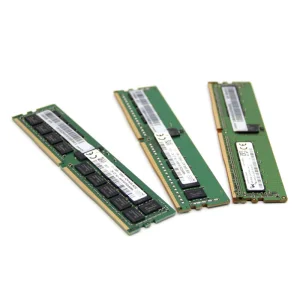
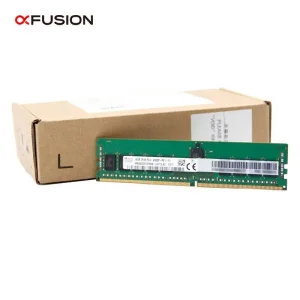
Operating out of Shenzhen, the hub of global hardware manufacturing, Elvantis leverages China's unmatched components supply chain. By cooperating closely with over 850 cooperative partners, we eliminate bottlenecks in obtaining premium microchips, enterprise-level RAID controller cards, and DDR4/DDR5 high-capacity memory banks.
Our manufacturing processes feature rapid prototyping, optimized thermal cycling setups, and robust hardware diagnostics. This agile integration allows us to output roughly 120 new products per year, aligning directly with emerging demands for hypervisor hardware and AI node environments.
Elvantis employs a multi-layer quality assurance system based on rigorous ISO 9001-based management standards. Every unit destined to power global cloud services under goes burn-in testing, thermal cycling validation, and full-system stress testing. Product inspection methods include automated optical inspection (AOI), hardware diagnostics, and performance benchmarking under full-load AI workloads.
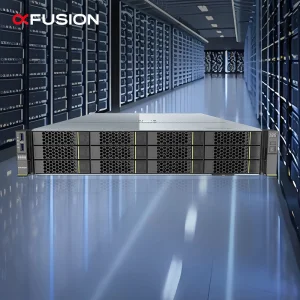
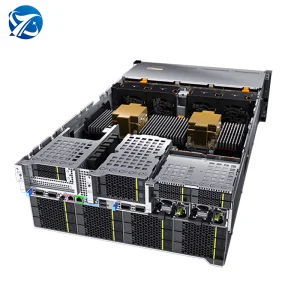
Adjust computing configurations from single GPU setups up to dense 8-GPU layouts (such as our FusionServer G8600 V7) to drive massive neural network training tasks under VPS virtual instances.
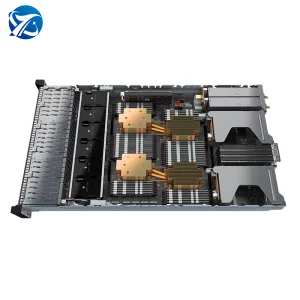
Custom configurations using multi-U heat pipe architectures and liquid-cooling modules to sustain optimal CPU temperatures inside space-constrained server cabinets.
Integrate high-speed enterprise SSD bays coupled with dedicated RAID interfaces (e.g. LSI Logic PCIe controllers) to offer robust disk protection and database caching capabilities.
An inside look at our modern facility, custom R&D divisions, assembly lines, and high-performance server testing environments.
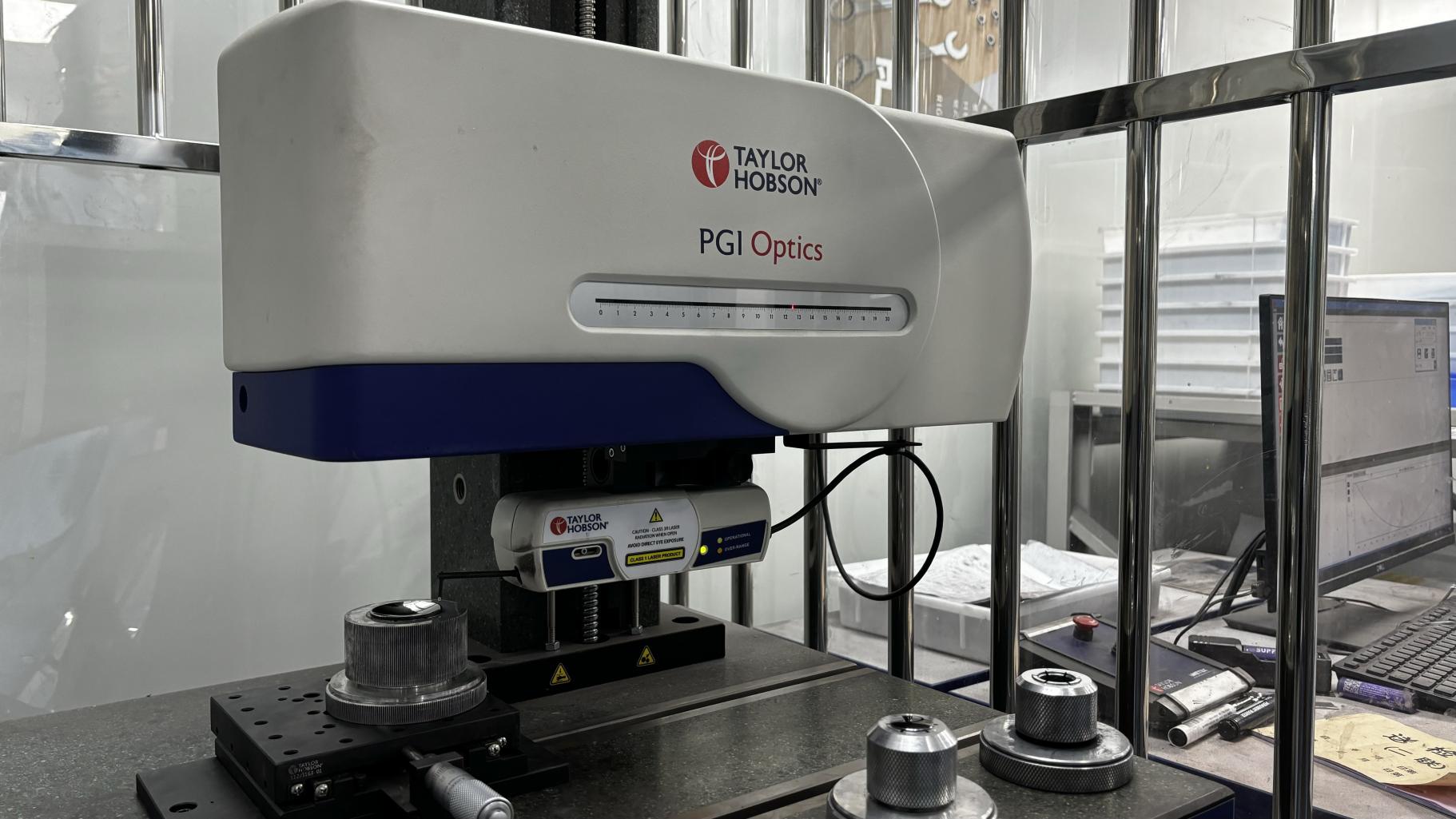
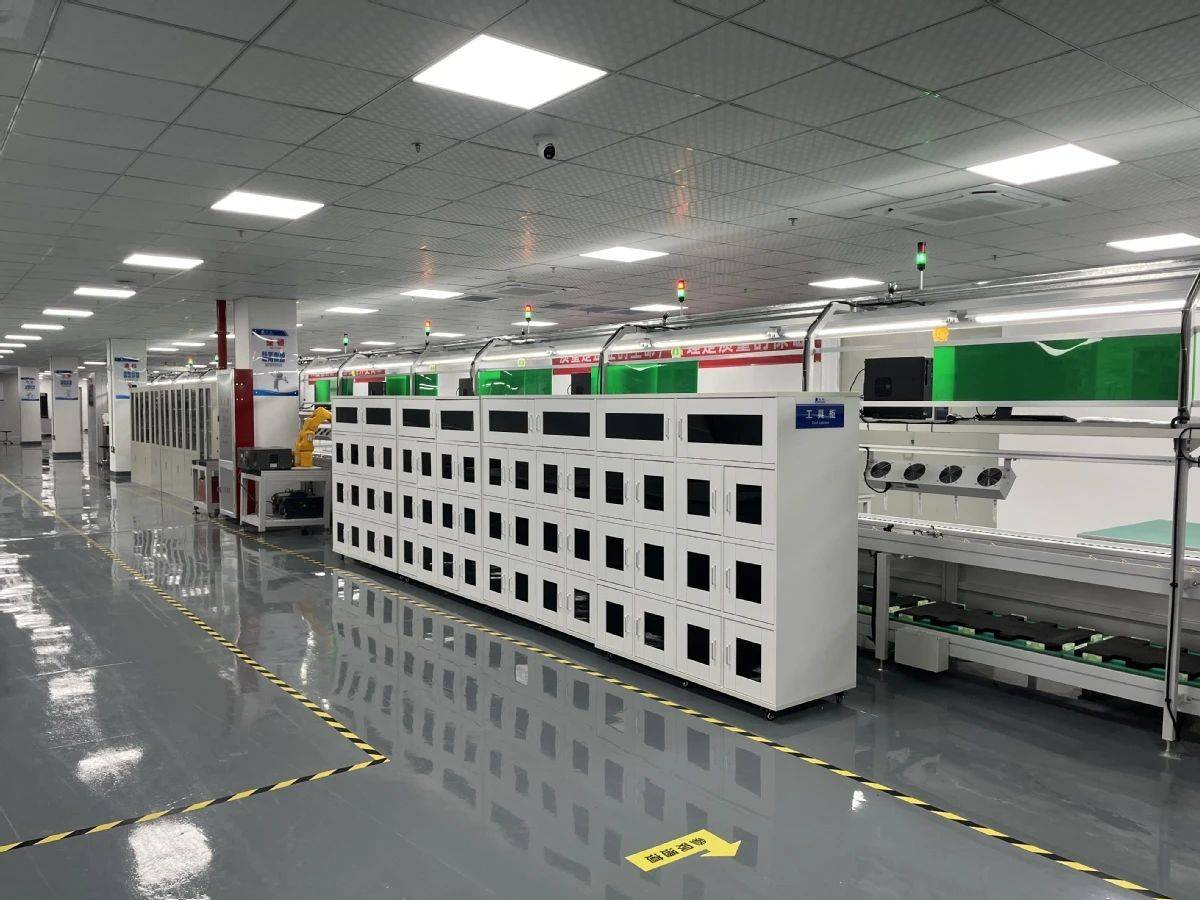
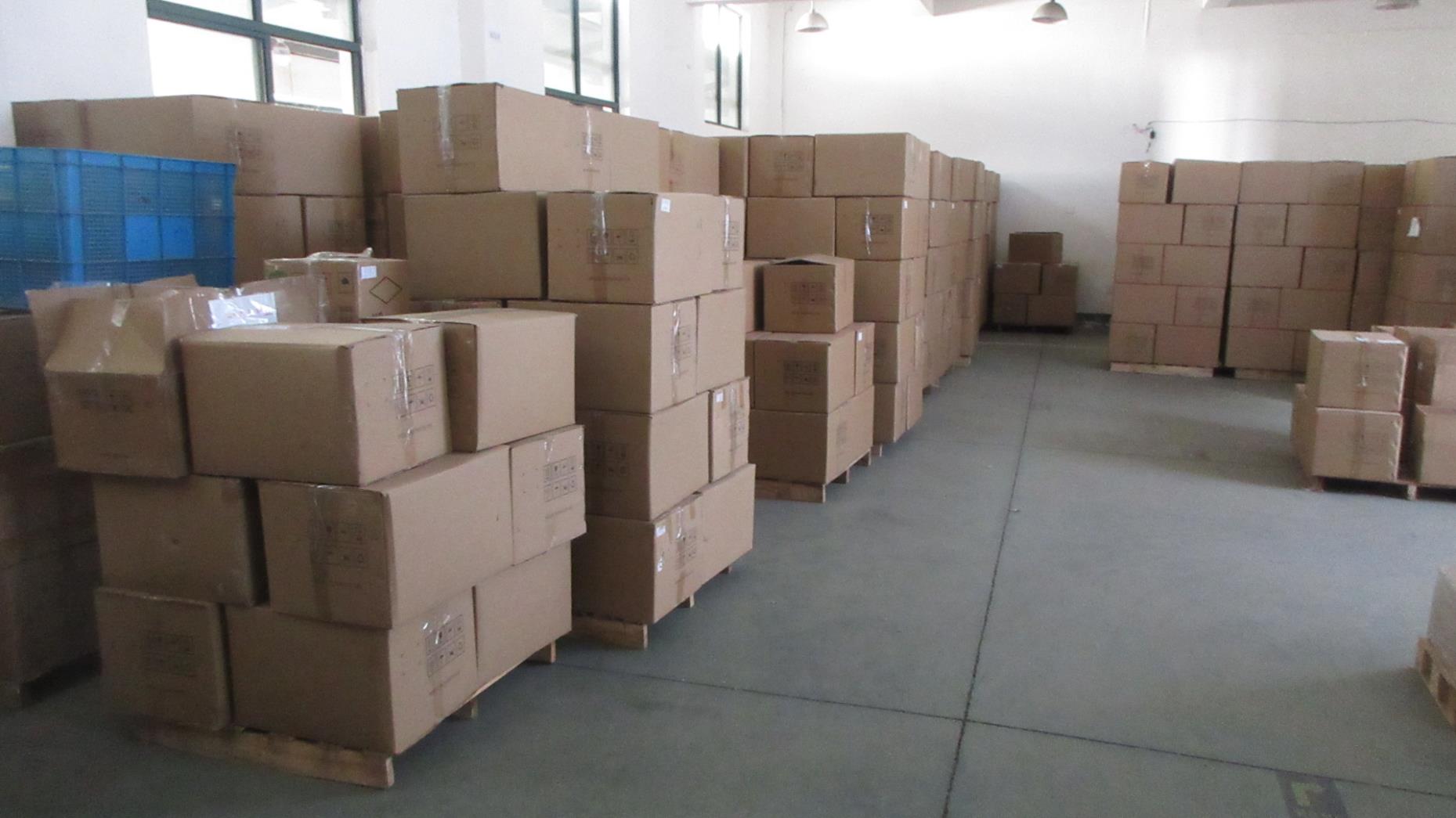
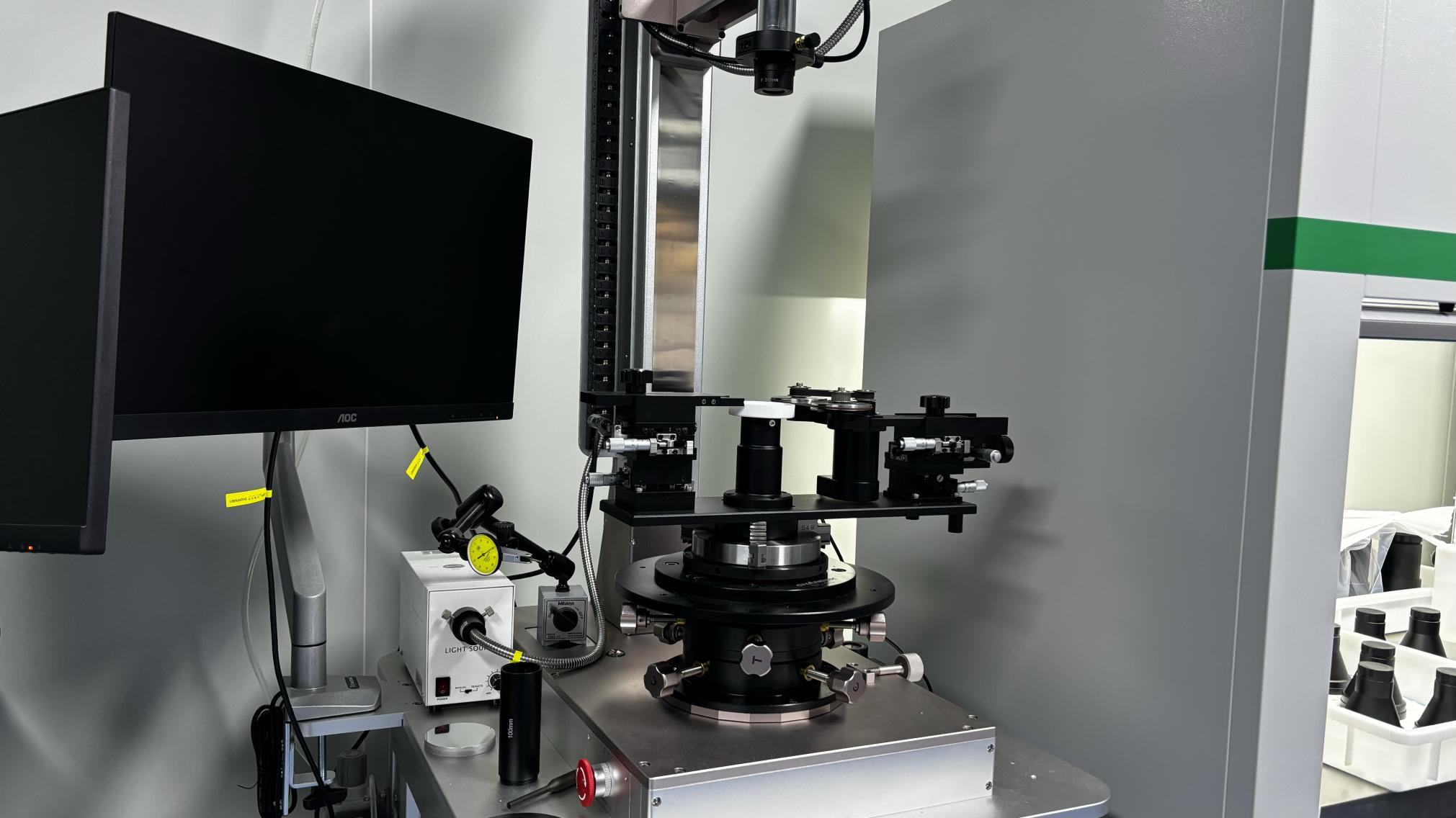
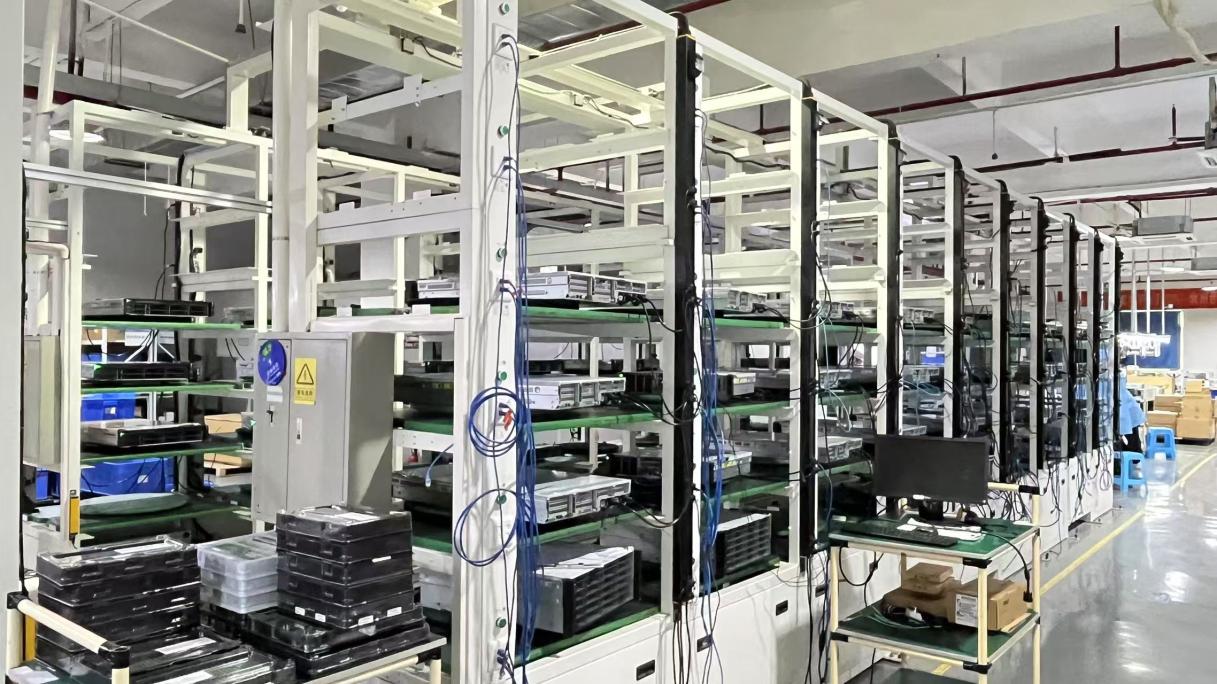
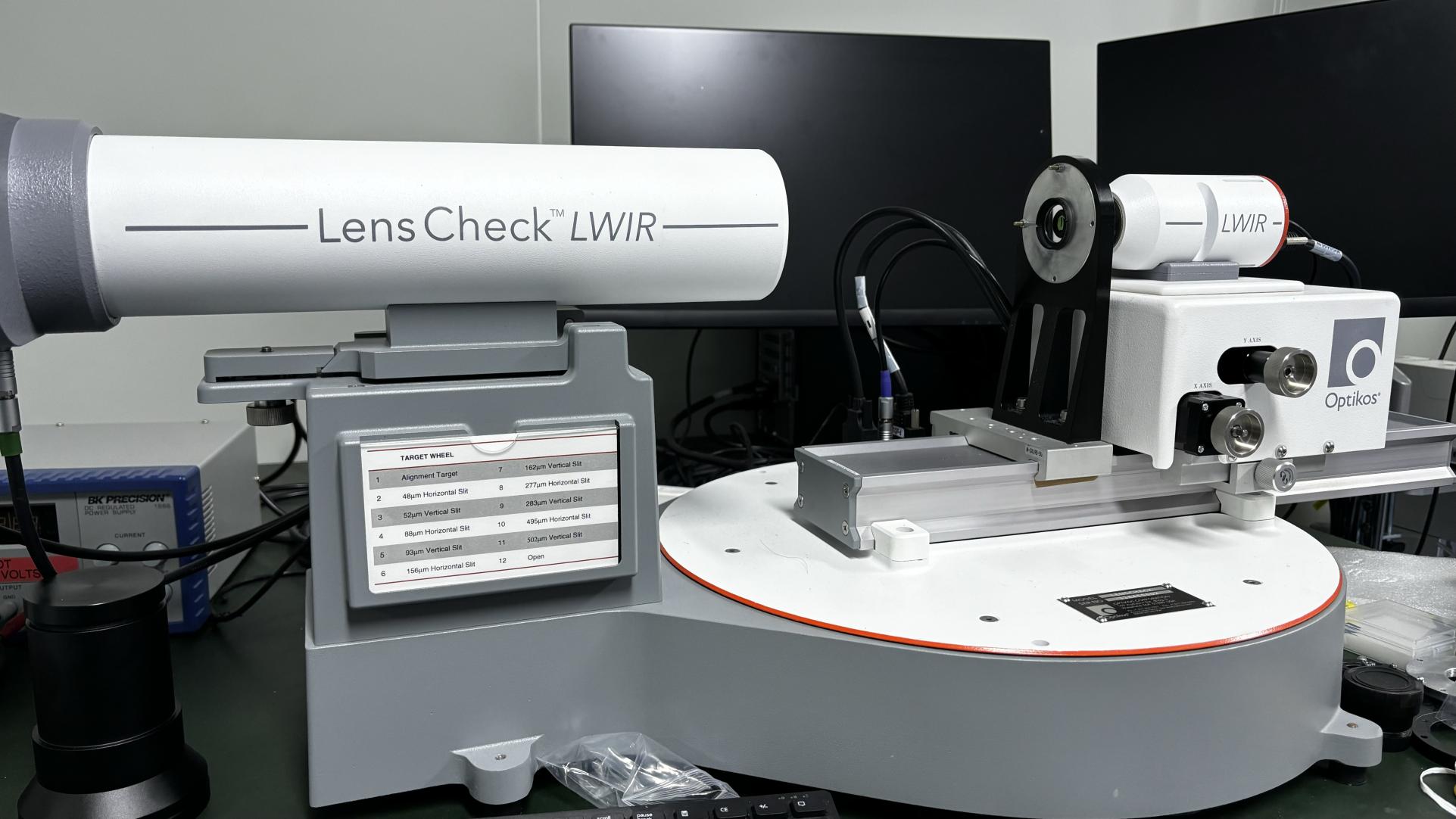
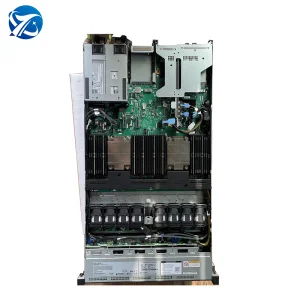
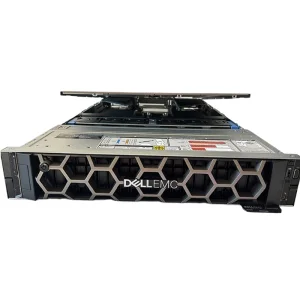
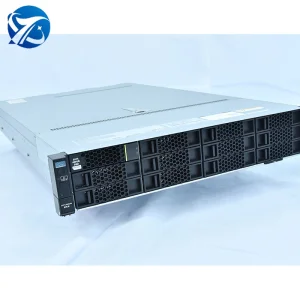
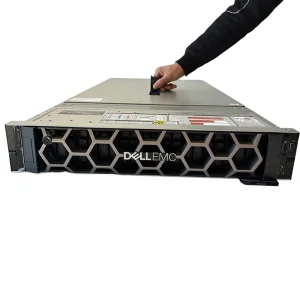
Standard cloud service providers rely heavily on our 1U/2U multi-socket servers (such as the FusionServer 1288H V7 or Dell PowerEdge R760) to segment virtual cores equipped with dedicated GPU access. This allows users to host, train, and test models like DeepSeek, utilizing local caching layers for rapid inference execution.
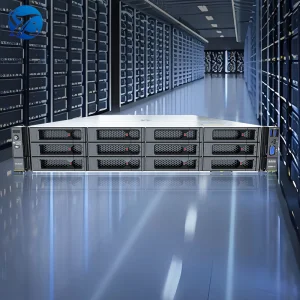
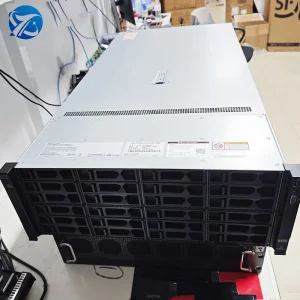
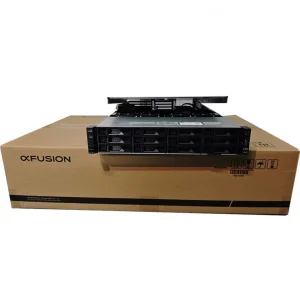
Using platforms like the FusionServer 5288 V6 4U NAS systems, organizations set up high-throughput file storage clouds. These units provide low latency backups, remote filesystems, and reliable container orchestration platforms for secure multi-tenant hosting.
Deploying short depth rackmount systems allows telecom operators and IoT networks to run lightweight virtualization nodes at the network edge. This cuts down data transmission pathways, decreasing physical network latency.
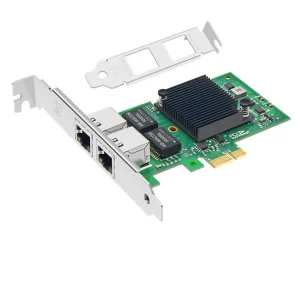
Dynamic transaction portals requiring zero disk latency rely on high-capacity memory kits and PCIe RAID adapters to protect customer databases from transactional losses during unexpected node shutdowns.
Enhance and expand your cloud deployment density with our tested enterprise components, controllers, and multi-socket servers.
Find expert answers on virtualization hardware specs, procurement solutions, and high-performance server architectures.