Elvantis
Elvantis
Elvantis
Explore our leading deployment-ready AI compute engines selected for industrial simulation, large language model inference, and robust datacenter execution.
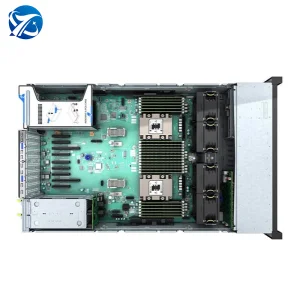
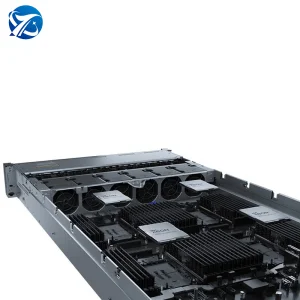
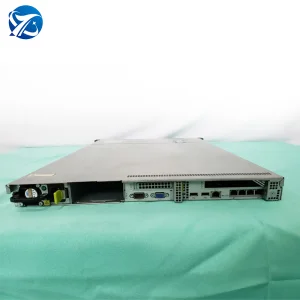
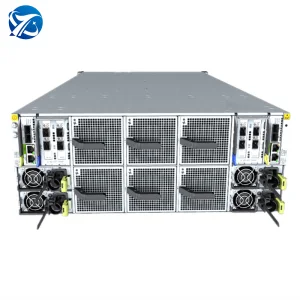
As the integration of large-scale models and deep learning pipelines becomes the backbone of modern corporate operations, procurement teams face highly complex technical demands. Selecting a qualified AI Workstation & Server manufacturer in China requires analyzing multi-layered system parameters rather than simply comparing raw benchmark scores.
Enterprise procurement managers today prioritize systems featuring extreme processing density, optimal thermal efficiency, and dynamic power distribution. These factors are critical to mitigating the severe thermal throttling commonly associated with dense multi-GPU compute workloads. Key priorities include:
By partnering with established factories like Elvantis, global organizations secure hardware optimized for demanding modern architectures (such as deep learning networks and DeepSeek-derived open-source local implementations) while maintaining low operational overhead.
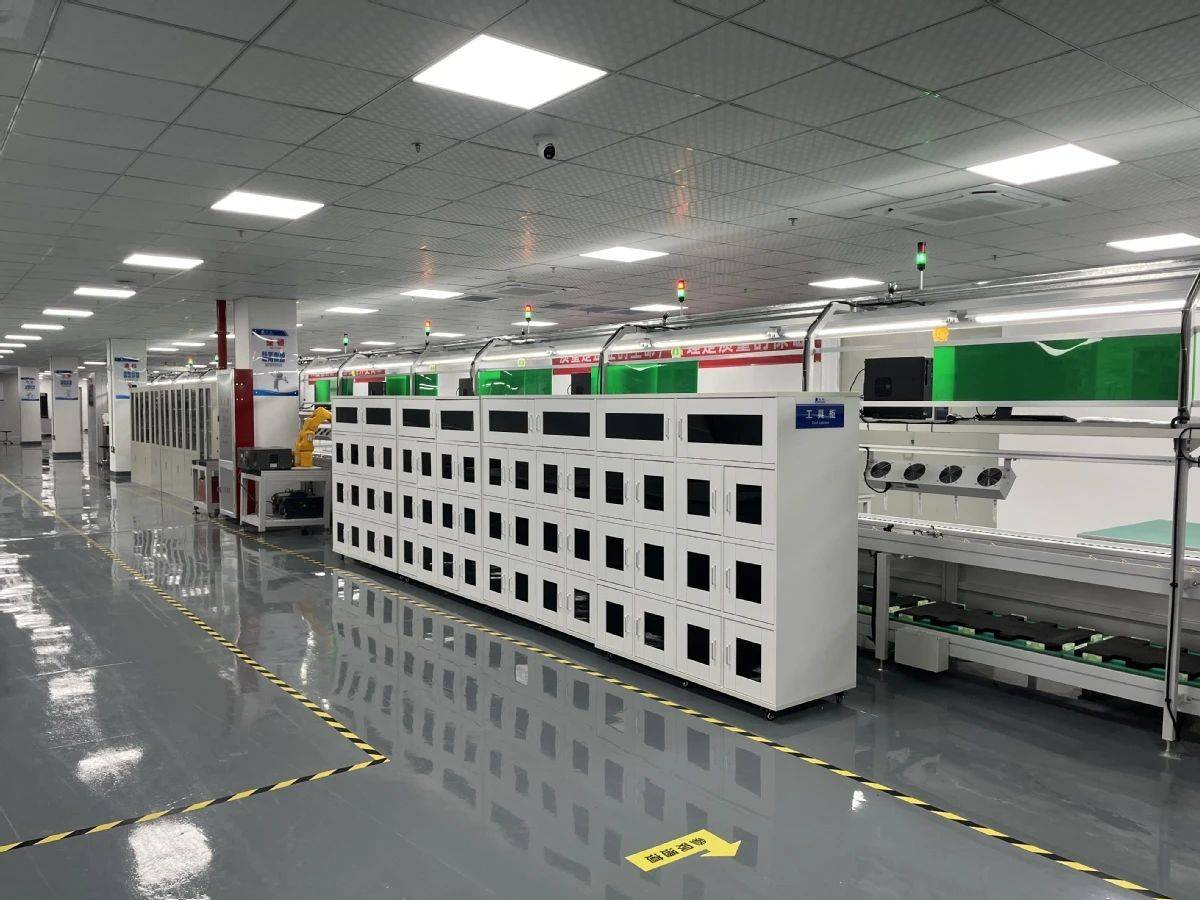
A premier global developer and specialized high-performance AI GPU server manufacturer providing enterprise computing infrastructure.
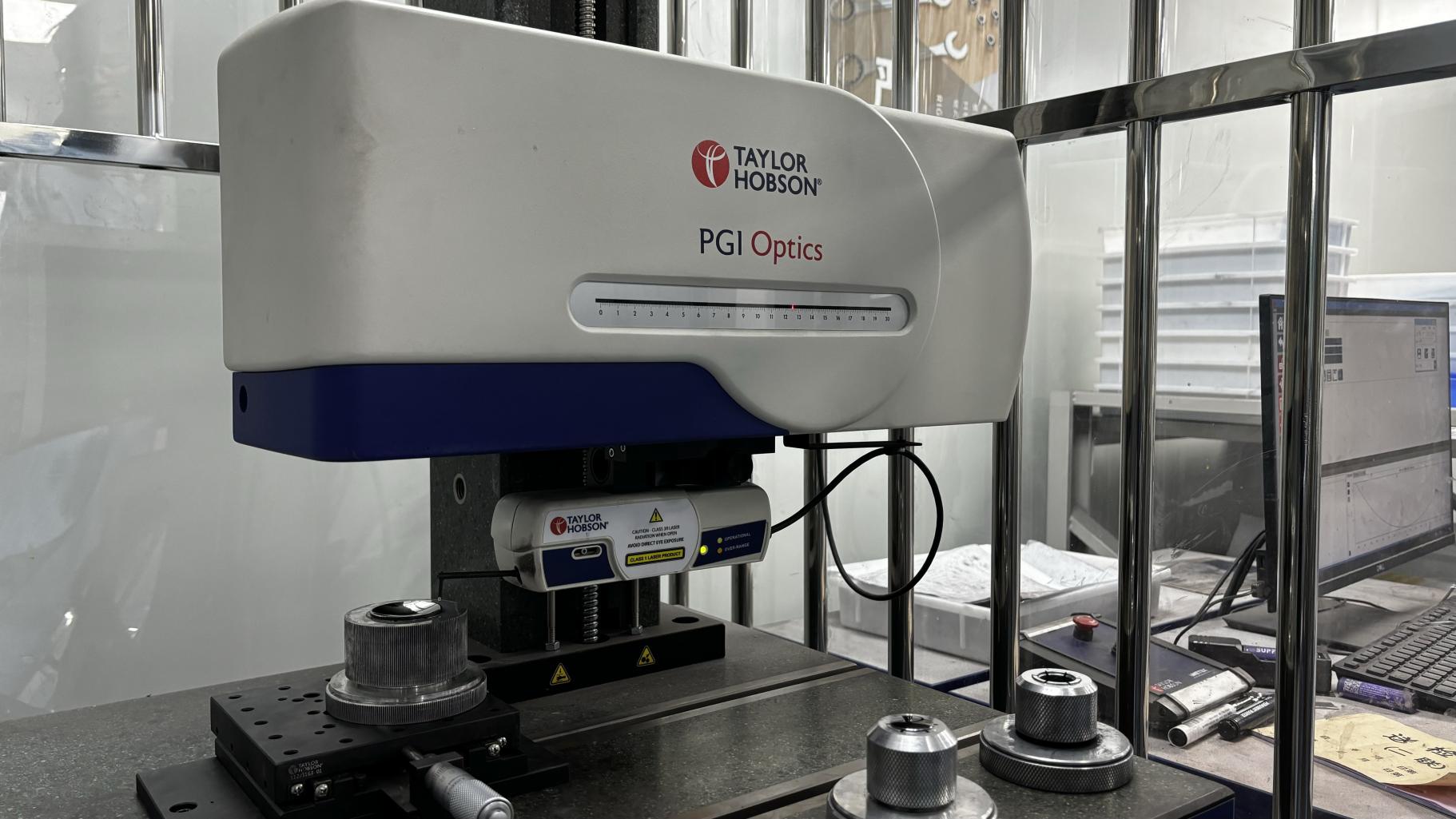
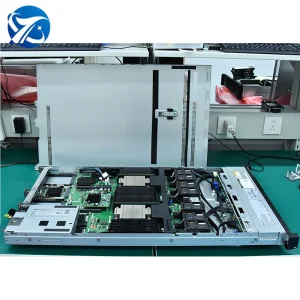
Founded in 2016, Elvantis Mesh Systems Ltd. (elvantismesh.com) has evolved into a global leader in designing, assembling, and benchmarking state-of-the-art GPU servers and hardware platforms. Operating a modern facility configured for prototyping and thermal calibration, the enterprise integrates complex hardware layout planning with modern testing capabilities.
Supported by more than 10 years of intensive industry experience and 7 years of direct export operations, Elvantis serves cloud service providers, machine learning labs, and industrial corporations across North America, Europe, the Middle East, and Asia. Our product pipeline is backed by a collaborative supply ecosystem of 850 cooperative partners, ensuring raw material stability even during global chip supply fluctuations.
Our engineering team focuses on mechanical structural analysis, signal integrity validation, and firmware adjustments (including custom UEFI/BIOS configurations for specific GPU drivers). In the past year alone, Elvantis introduced approximately 120 new products, demonstrating our speed in meeting the requirements of evolving software environments.
Custom industrial configurations engineered to handle critical domain workloads and high-performance computing requirements.
Ultra-low latency inference platforms designed for high-frequency trading models. We optimize hardware pipelines to accelerate portfolio simulation, risk modeling, and predictive pattern analysis.
Massive memory mapping capability built for high-throughput sequencing arrays and genomic assembly tools. Optimized drive bays run NVMe configurations to eliminate data load bottlenecks.
Robust workstation structures designed to handle data loops from neural networks training on lidar and optical maps. Engineered to handle continuous raw sensor readouts with zero packet drop.
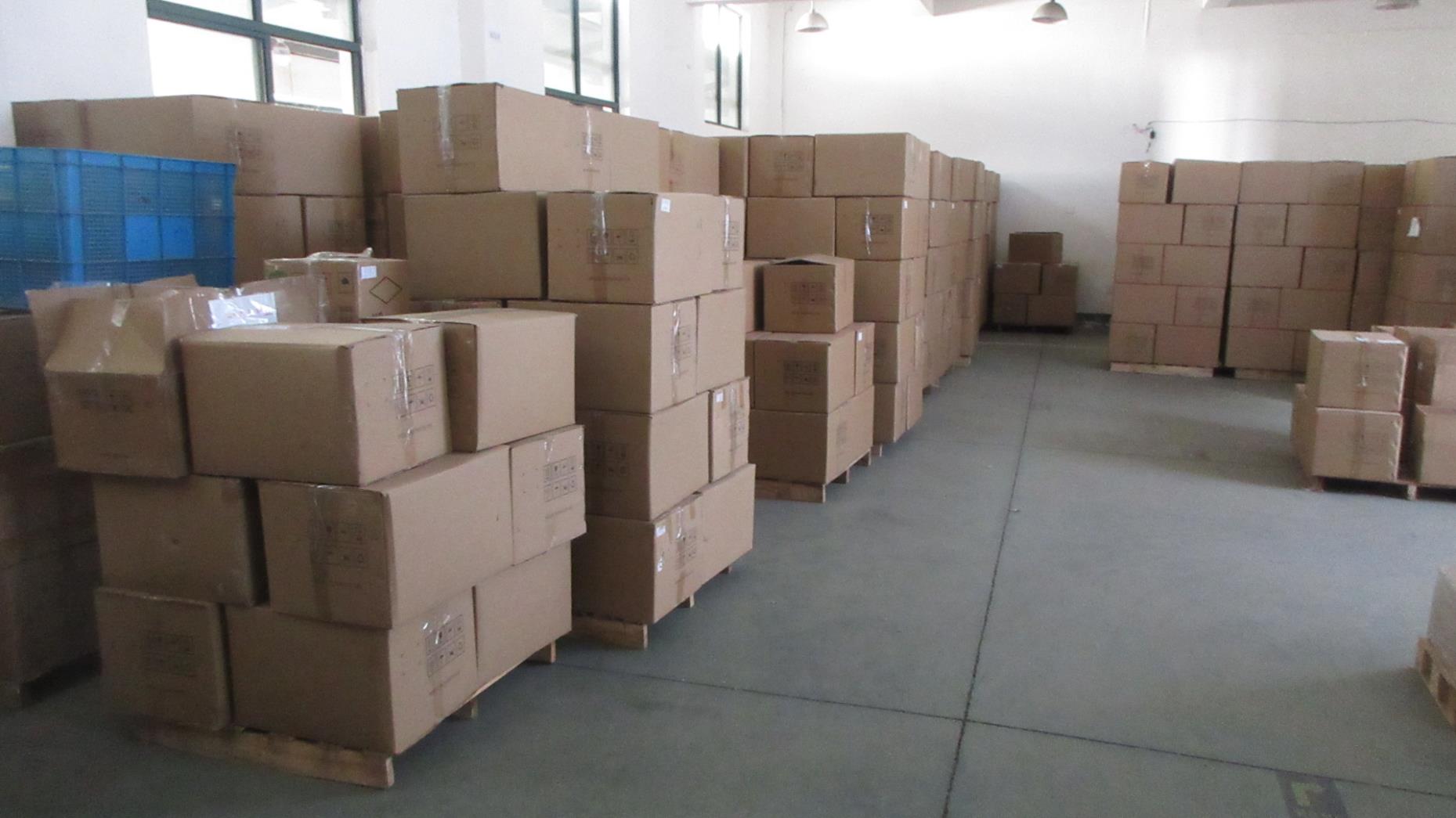
The convergence of generative AI applications and large-scale model architectures requires continuous evolution in hardware systems. Over the next three years, our R&D roadmap focuses on three technological shifts:
These innovations ensure that systems built by Elvantis can accommodate next-generation accelerator architectures while keeping hardware footprints compact and power efficient.
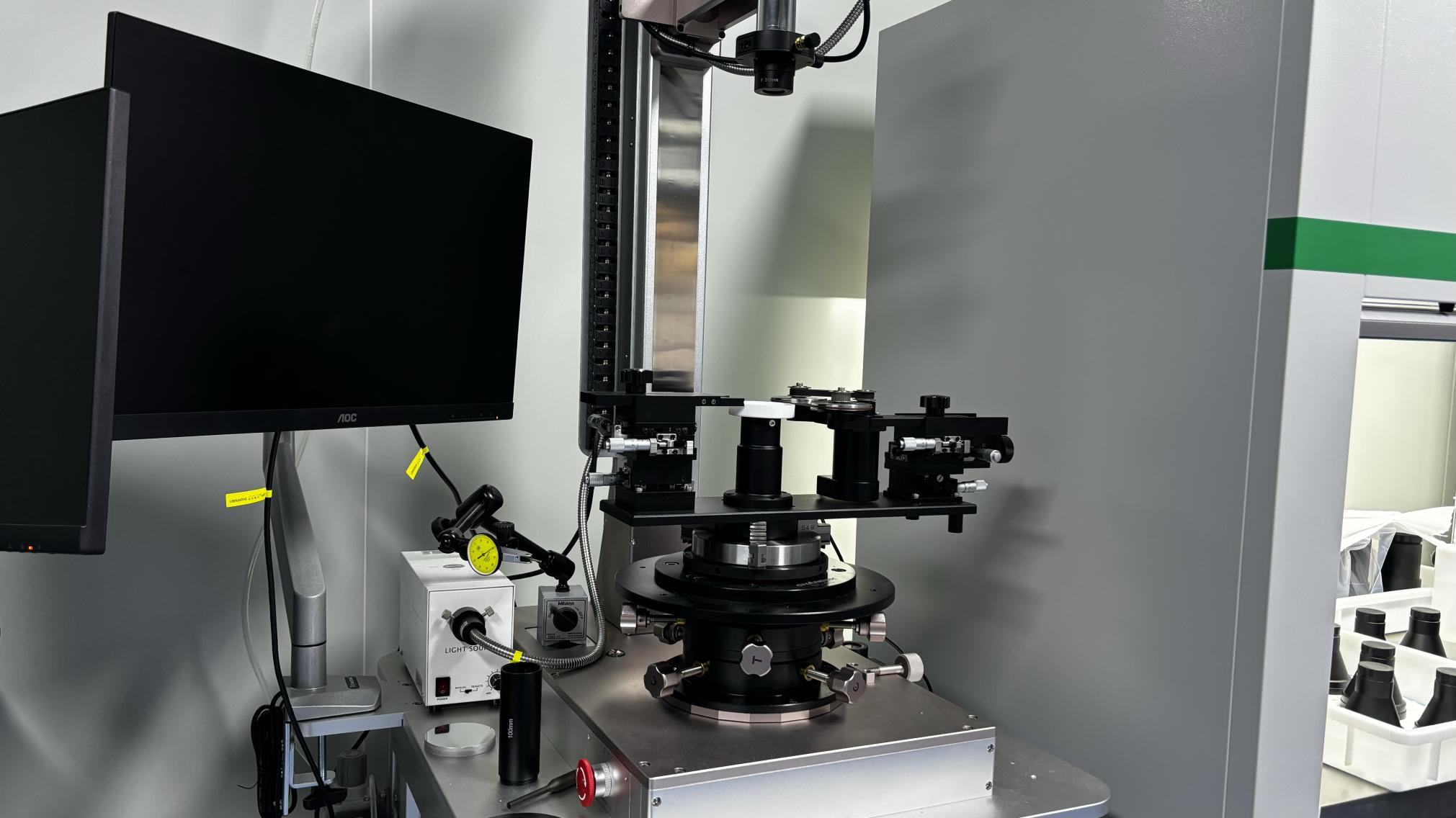
How we guarantee quality, system reliability, and standard industry certifications across borders.
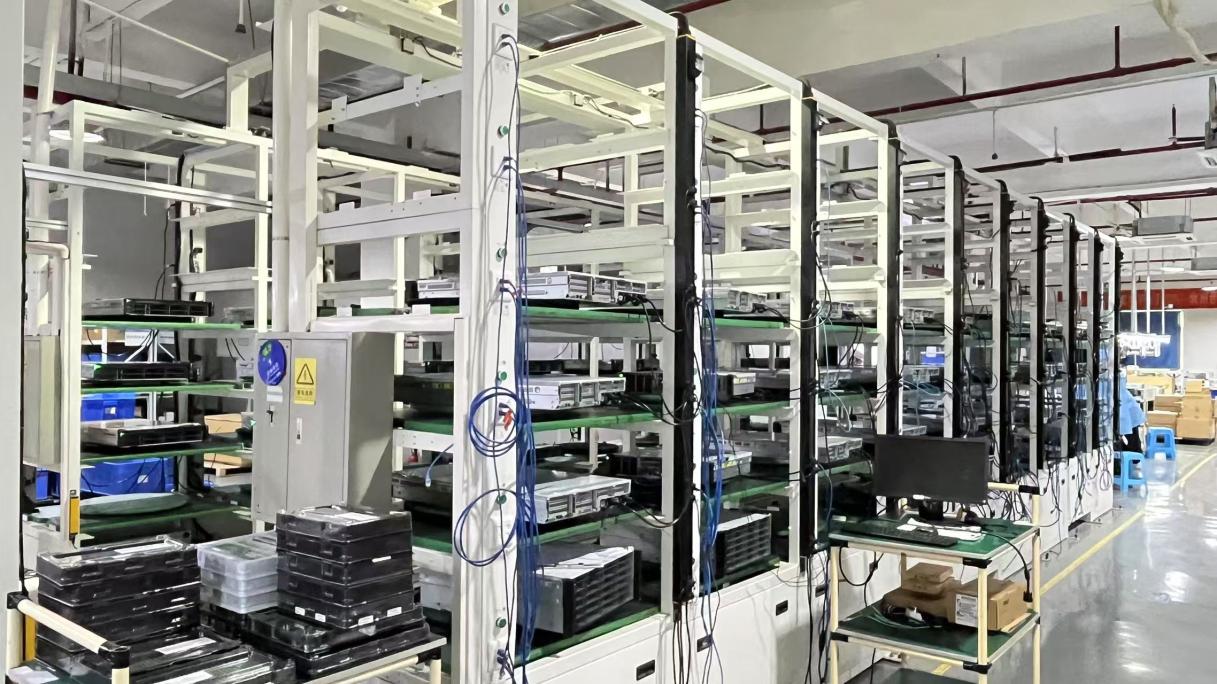
Every server built by Elvantis undergoes a multi-layer quality assurance protocol managed by 35 dedicated QC professionals. The production cycle integrates automated optical inspection (AOI), hardware diagnostic sweeps, and rigorous thermal cycling validation inside environmental chambers.
To simulate real-world data center workloads, fully populated systems undergo high-load stress testing for 48 to 72 hours. This process helps identify potential issues with components such as memory modules, PCIe lanes, or power supplies before the system is packaged and shipped.
Our global operations are backed by key industry certifications: CE, FCC, RoHS, and UL, ensuring compliance with international electrical safety and environmental standards. We also offer localized support packages, including replacement part distribution and remote technical assistance, to help minimize operational downtime for clients worldwide.
Critical engineering considerations, customization choices, and ordering logistics answered by our experts.
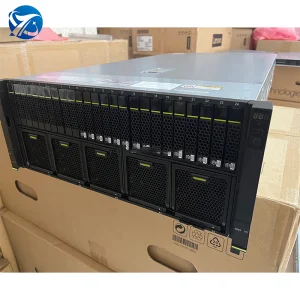
AI workstations are generally designed for development, testing, and localized data prep. They focus on lower noise levels, fitting in typical office environments, and standard power connections. GPU servers, such as the xFusion G5500 V6 or FusionServer G8600 V7, are built for high-density rack deployment. They require dedicated 220V power inputs, data center cooling systems, and are designed for continuous high-performance compute workloads.
Our R&D team provides comprehensive design services, including custom chassis configurations, branding options, and optimized PCB layout routing. We work closely with clients to specify motherboard dimensions, PCIe slot placement, power distribution models, and custom bios setups to suit their target operational environments.
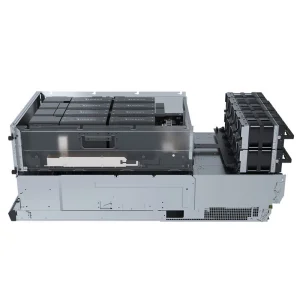
We design dual-path air cooling systems featuring high-static-pressure fans and custom ducting templates. For higher-density setups, we offer direct-to-chip liquid cooling systems using water blocks, quick-disconnect fittings, and external liquid-to-air heat exchangers (CDUs) to maintain stable operating temperatures under heavy compute loads.
We build our systems with high-bandwidth interfaces, using PCIe switches to optimize communication between the system host, memory, and multiple GPUs. We also configure custom memory options to match the tensor parallelism settings of open-source large language models, helping to maximize inference speeds and minimize processing bottlenecks.
Standard configurations are typically ready for export within 10 to 15 business days. For custom OEM/ODM designs, lead times range from 4 to 6 weeks depending on the complexity of the design, custom tooling requirements, and component availability through our network of over 850 partners.
Our standard warranty covers key components for 3 years. We maintain spare parts inventory in regional hubs to facilitate quick replacements. We also offer remote diagnostic support to help isolate hardware issues and guide local teams through system maintenance tasks.
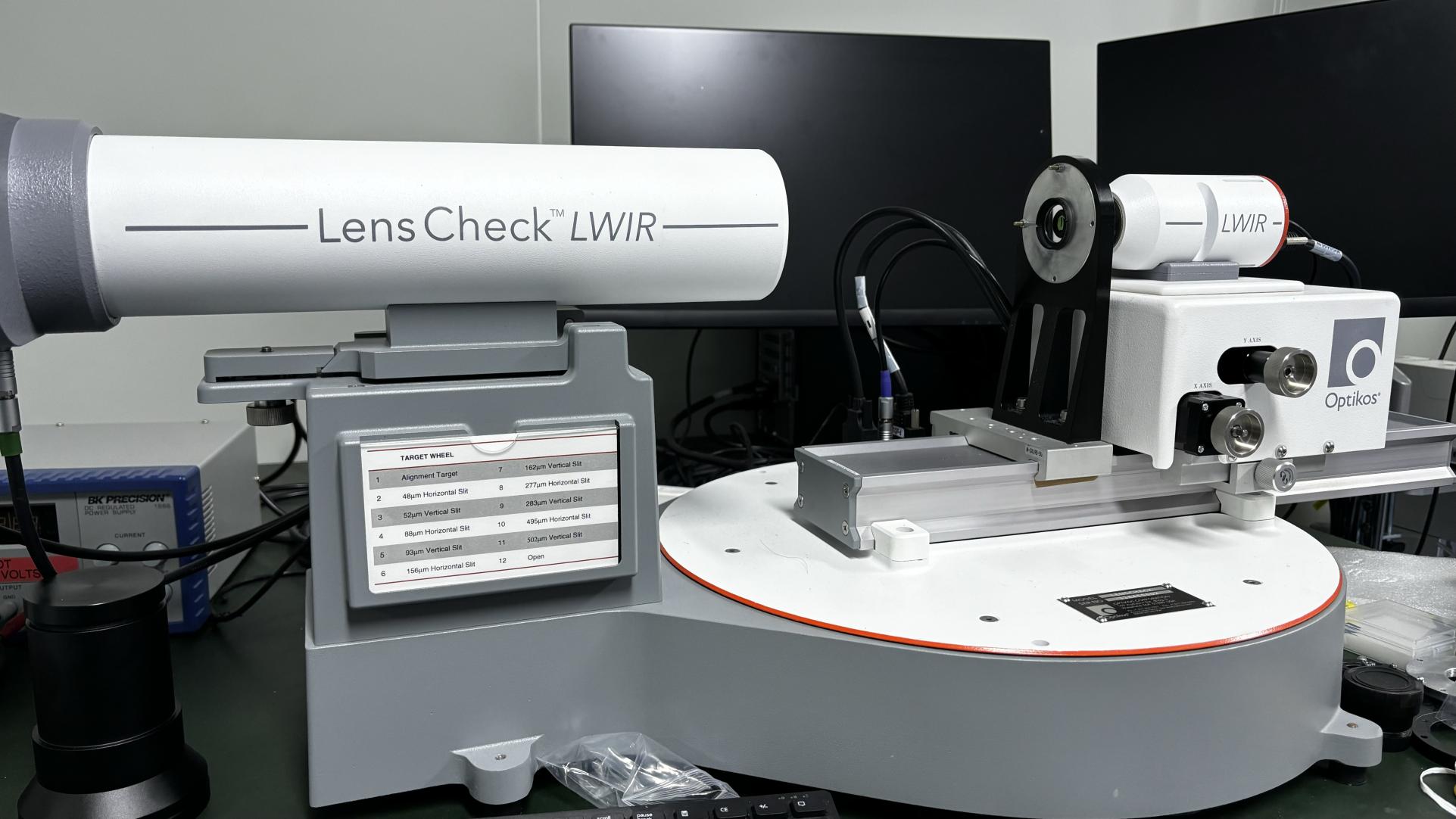
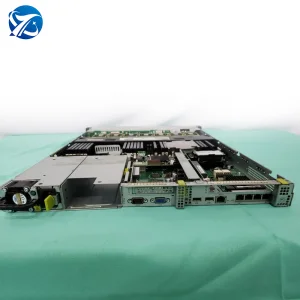
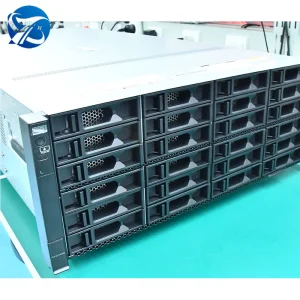
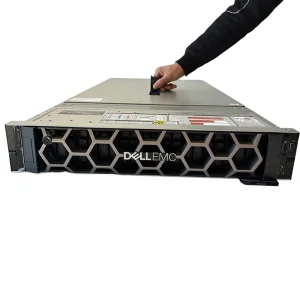
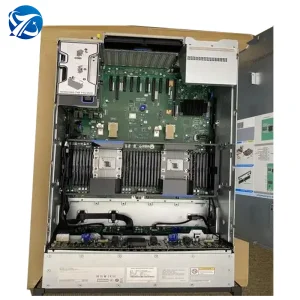
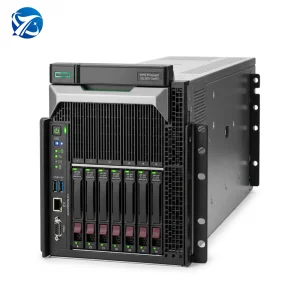
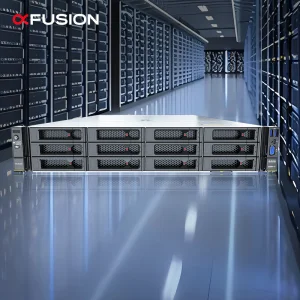
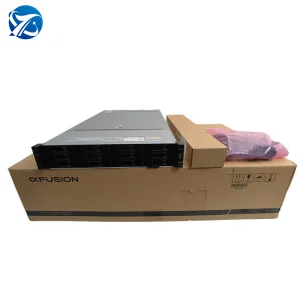
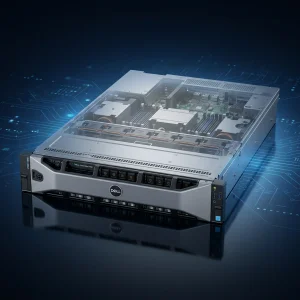
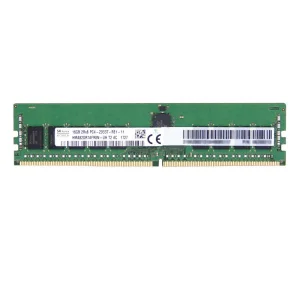
Explore our selection of high-performance rack servers and matching memory modules designed to support intensive enterprise and cloud computing workloads.