Elvantis
Elvantis
Elvantis
Explore our CE-certified line of high-density rackmount servers, GPU hardware accelerators, and storage controllers built to power scalable cloud, database, and enterprise networks.
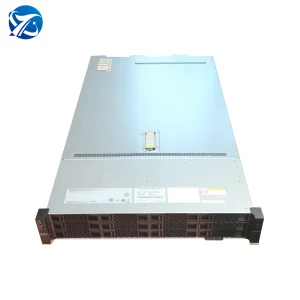
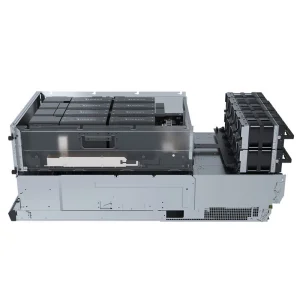
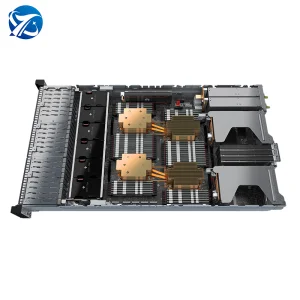
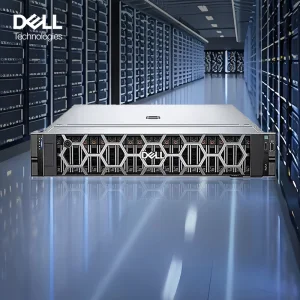
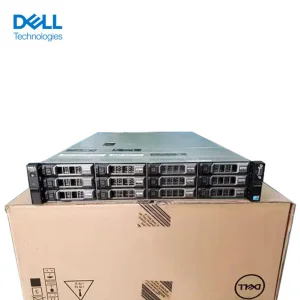
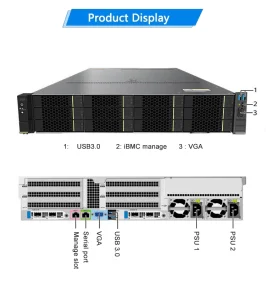
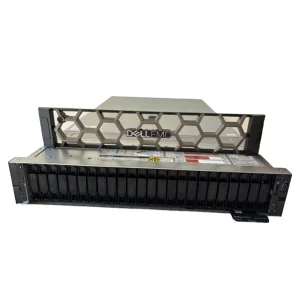
The global digital economy relies on robust, secure, and compliant hardware configurations. For enterprise operations scaling computational infrastructure, sourcing from verified CE certified networking equipment manufacturers is no longer just a legal checkbox—it is a critical requirement for resilience, security, and investment protection. CE certification verifies that hardware conforms to strict European economic area health, safety, and environmental protection standards. This extends far beyond borders, serving as a global baseline for reliability.
Deploying server configurations globally requires strict adherence to electromagnetic compatibility (EMC) and low-voltage safety directives. CE-marked hardware guarantees protection under three primary legislative framework branches:
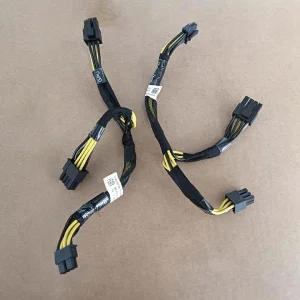
As deep learning algorithms, artificial intelligence workloads, and complex database analytics expand, computing systems demand greater power and efficient heat dissipation. Advanced architectures, like those engineered by Elvantis Mesh Systems Ltd., use sophisticated thermal layouts, airflow channel optimization, and liquid cooling options. Because modern GPU compute blocks can pull up to 800W per card, maintaining steady operations under full processing loads requires verified power delivery networks (PDNs). Selecting units with CE compliance ensures the systems use high-grade copper rails, reliable high-power cables (like the specialized TR5TP GPU power connections), and certified capacitors that handle variable loads without failing.
Guarantees hardware conforms to EU regulations on fire safety, electrical shielding, and low toxic output.
Certified signal pathways minimize packet loss, data distortion, and transient processing drops under high network loads.
Engineered for high availability, utilizing robust capacitors, fans, and backplanes tested for 24/7 runtime.
Established Year
Annual Export Value
R&D & Engineering Experts
Global Cooperative Partners
Leveraging vertically integrated ecosystems, raw material proximity, and highly skilled engineering to deliver cost-effective and agile infrastructure solutions.
China's industrial manufacturing hubs, particularly in Shenzhen and the Pearl River Delta, provide unmatched advantages for building advanced computing hardware. This goes beyond simply sourcing raw metal and assembly labor; it is built on a highly integrated supply chain ecosystem.
Components like multi-layer PCBs, high-speed controller chips, custom copper interconnects, and cooling fans are sourced within minutes of assembly hubs. This geographic proximity speeds up development cycles, allowing manufacturers to create, test, and ship custom configurations much faster than Western competitors.
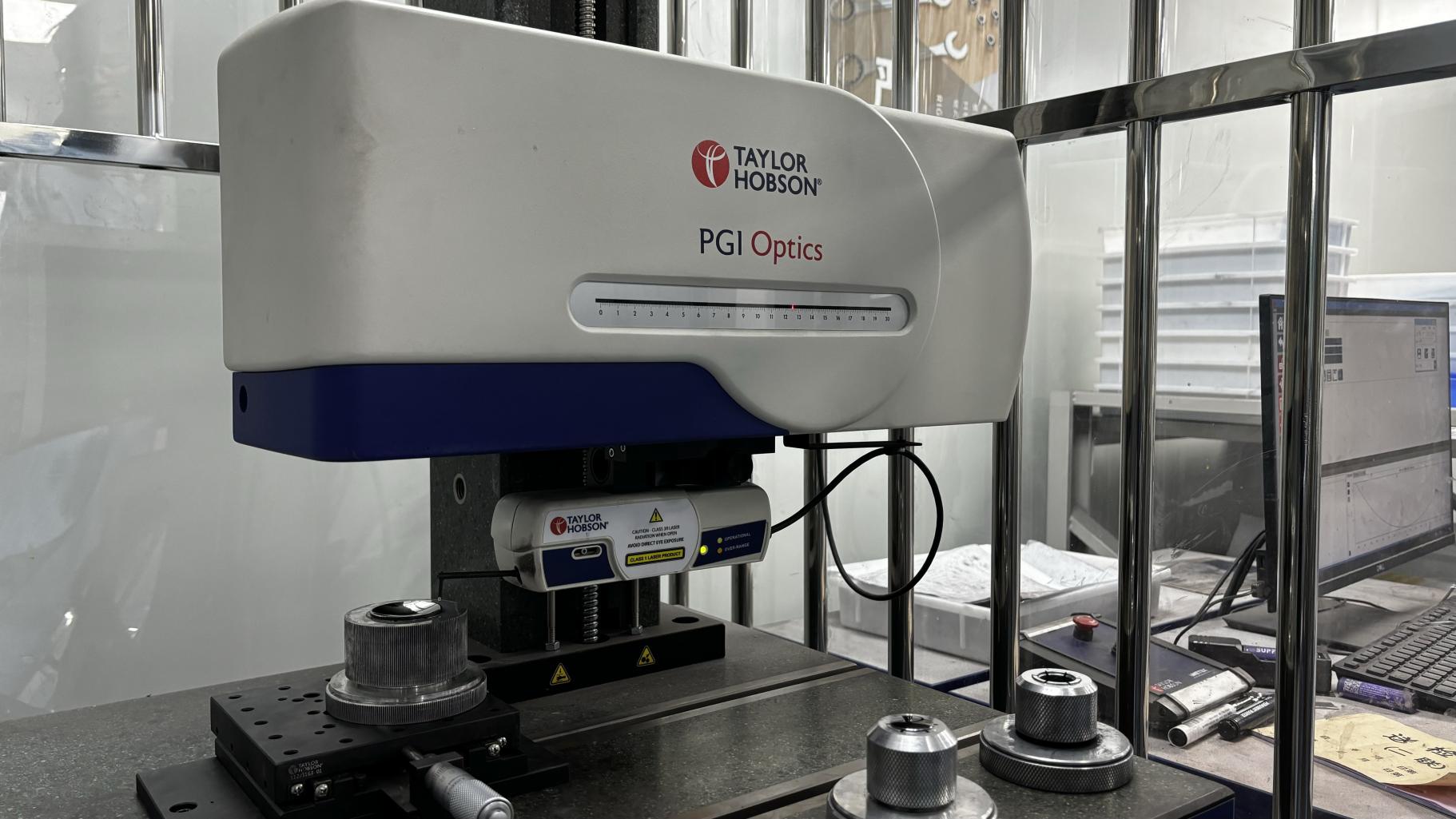
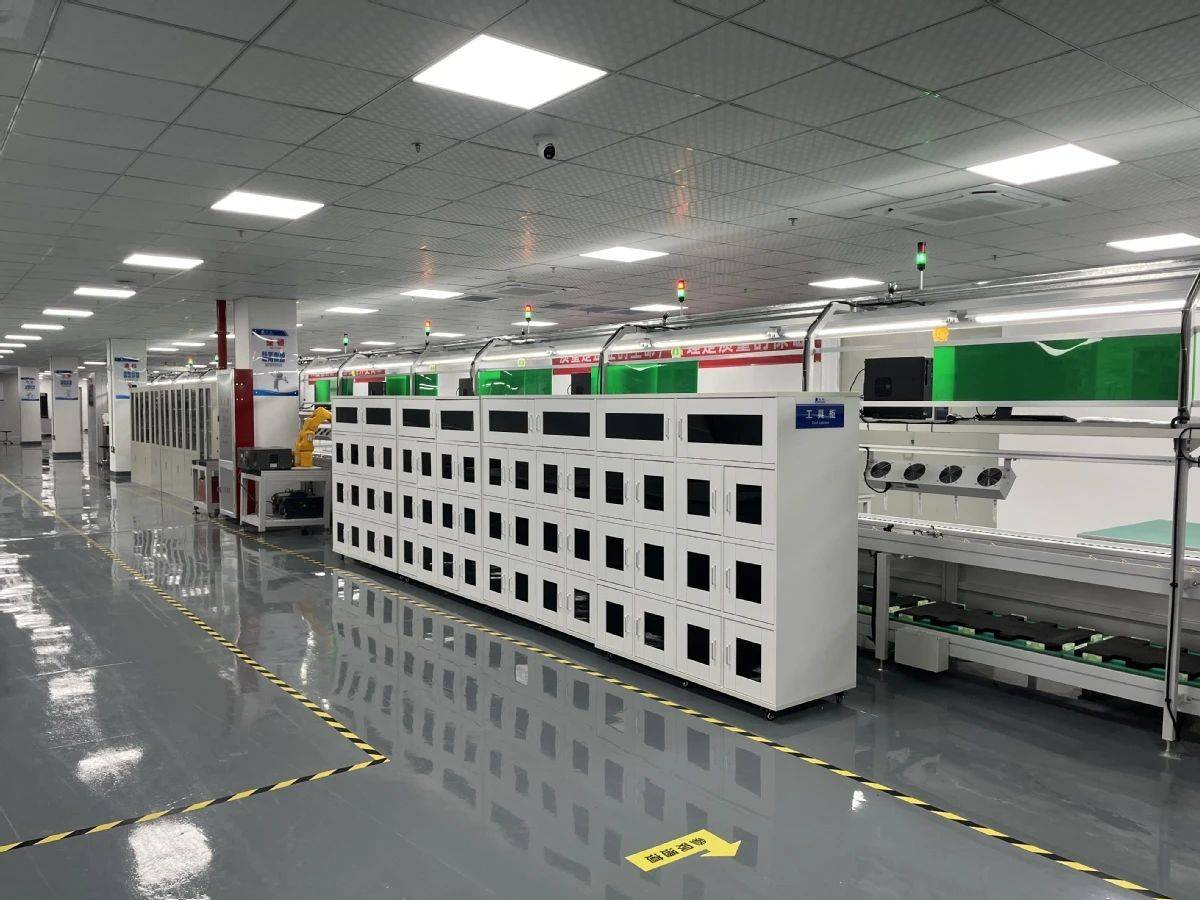
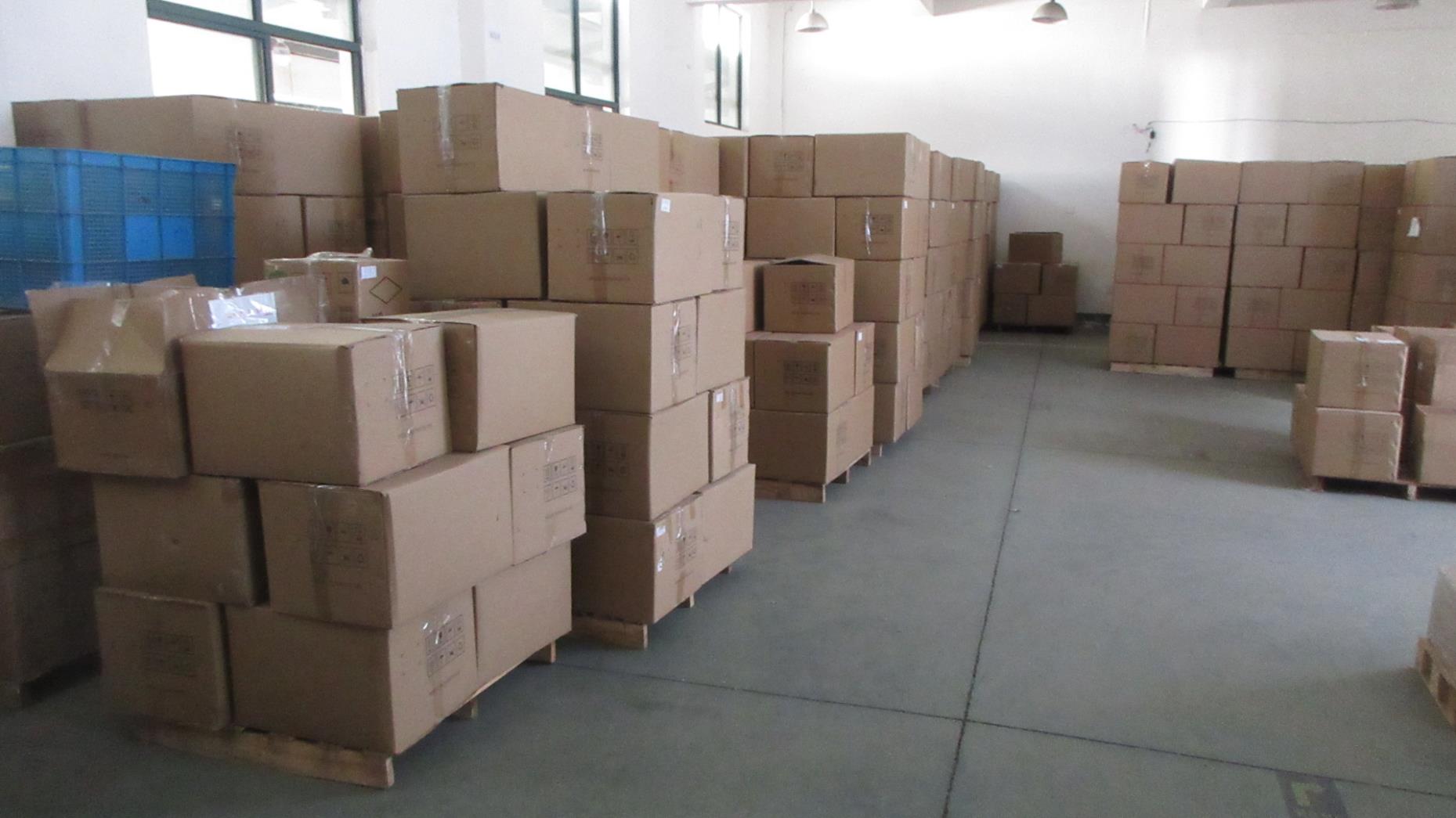
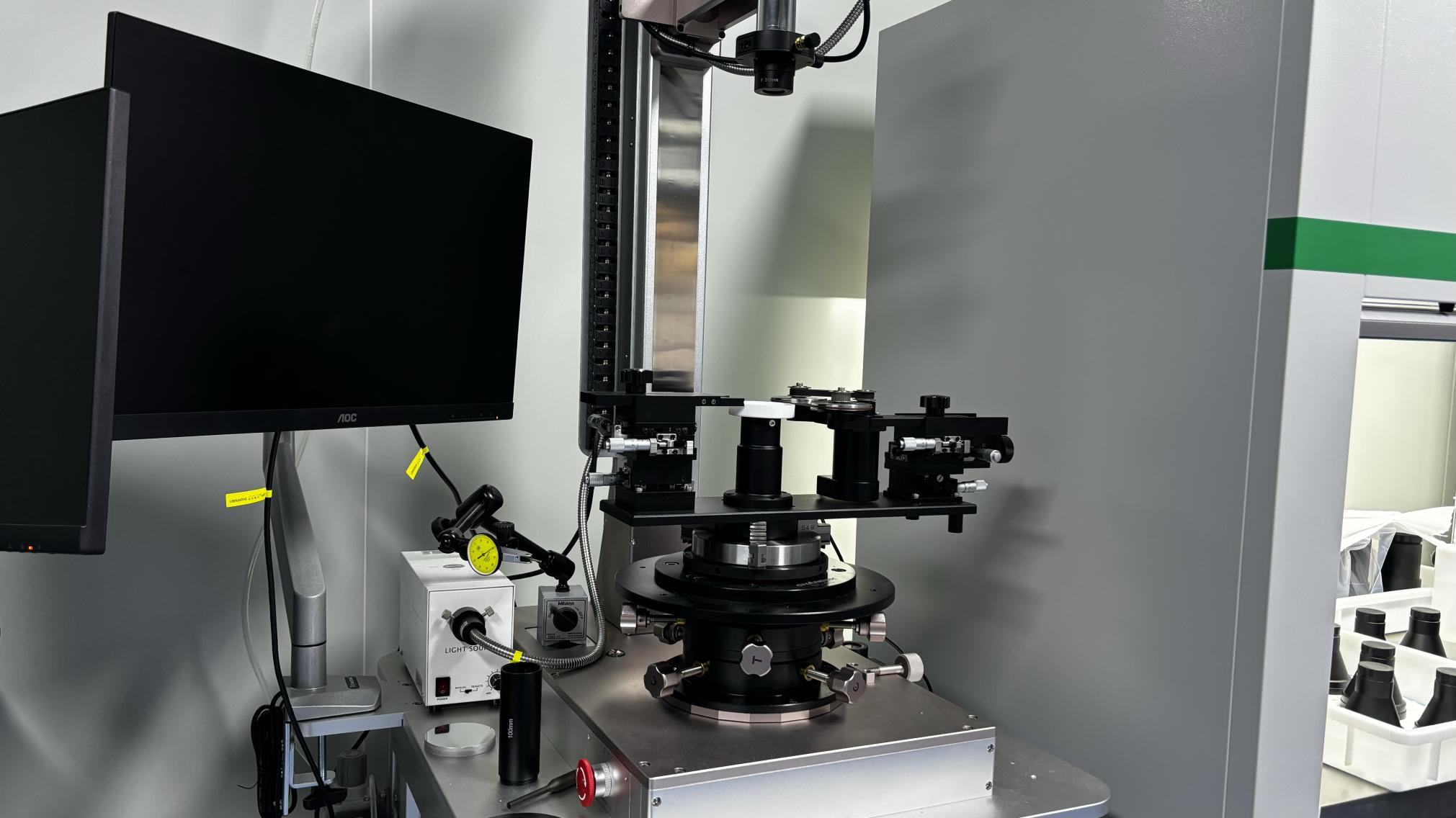
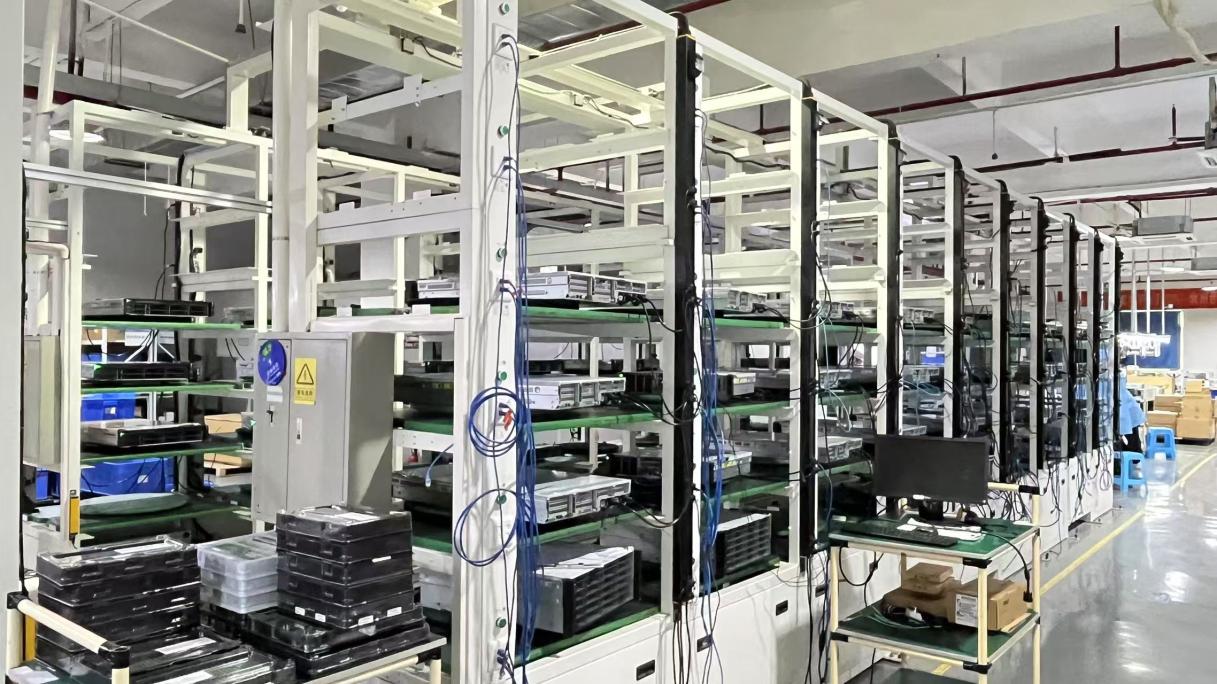
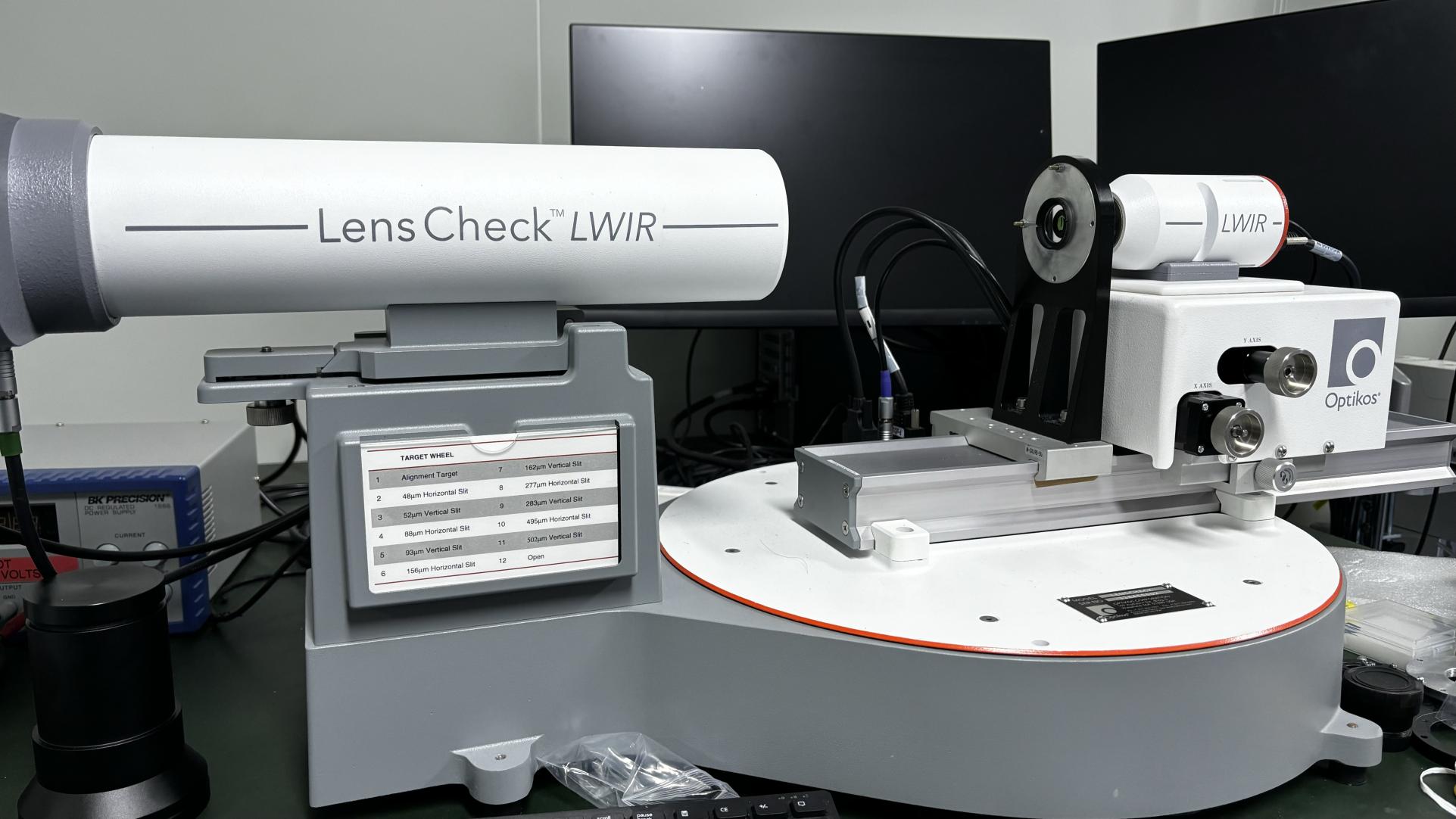
Operating as a leader in enterprise infrastructure, Elvantis Mesh Systems Ltd. illustrates how Chinese manufacturers combine technical expertise with global export capabilities. Founded in 2016, Elvantis has spent years developing deep experience in engineering hardware for artificial intelligence, cloud servers, and dense database infrastructure.
By using localized components and advanced manufacturing processes, Chinese factories deliver high-performance hardware at a competitive total cost of ownership (TCO).
An analysis of key technology shifts, energy-saving mandates, and architectural demands shaping global infrastructure investments.
Modern applications require higher computational density. Companies are moving from traditional 1U CPU-only nodes to multi-socket, GPU-accelerated server configurations. This migration requires power supplies capable of handling transient spikes without risking voltage sag or system resets.
With rising energy costs and stricter environmental rules, data centers target Power Usage Effectiveness (PUE) ratios below 1.2. Achieving this requires highly efficient power systems (80 Plus Titanium standards), variable-speed cooling fans, and design support for direct-to-chip liquid cooling.
Off-the-shelf options rarely meet every infrastructure requirement. Enterprise buyers frequently need customized motherboard layouts, specific PCIe slot positioning for accelerators, modified network card configs, or proprietary firmware to align with their management software.
Understanding how certified systems function in localized scenarios highlights the practical value of these designs:
Complete your hardware setup with certified power components, high-density edge units, and memory expansions designed for critical processing environments.
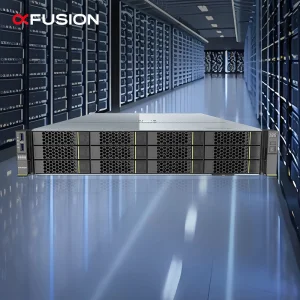
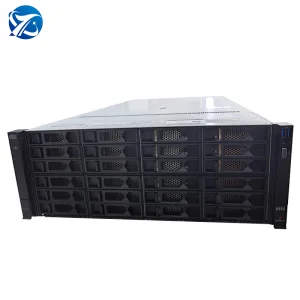
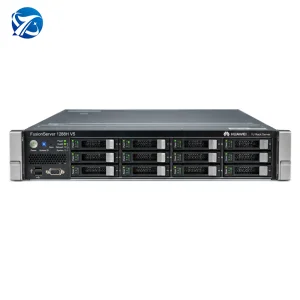
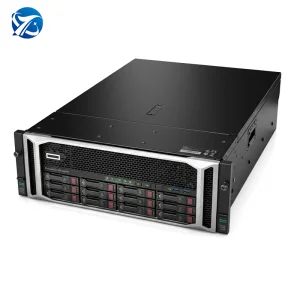
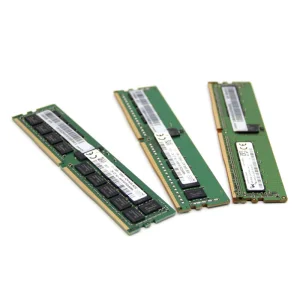
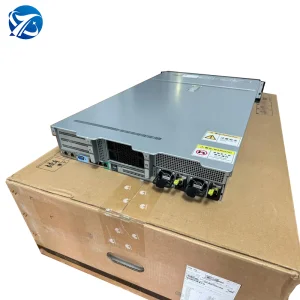
Technical and regulatory guidance for global buyers procuring CE certified servers and networking equipment.
CE certification proves that networking equipment complies with European standards for safety, health, and environmental safety. It ensures the hardware uses appropriate electrical shielding, limits harmful electromagnetic interference, and meets fire safety standards. This is required for imports into Europe and serves as a global benchmark for quality.
GPU hardware generates substantial heat and requires reliable power delivery. Certified designs use high-capacity power lines, like the TR5TP copper connections, along with optimized airflow pathways and optional liquid cooling. System stability is verified through full-load burn-in testing, simulated thermal stress testing, and component monitoring.
Manufacturers offer extensive customization options, including modified motherboard layouts, specific PCIe card slot arrangements, custom cooling configurations (fan or liquid cooling), power supply variations, and customized BIOS/firmware integrations to match client management tools.
Shenzhen's integrated tech supply chain keeps component manufacturers, board assembly, and test facilities in close proximity. This geographic density speeds up prototyping, simplifies component sourcing, and shortens production and delivery timelines for large infrastructure orders.
Quality control teams utilize several automated and physical testing procedures. These include Automated Optical Inspection (AOI) to check motherboard solder joints, physical x-ray imaging for multi-layer PCBs, thermal cycling chambers, and full load diagnostic stress tests run for 24 to 72 hours before packaging.