Elvantis
Elvantis
Elvantis
Deploy enterprise-grade architectures configured for high performance, dynamic heat distribution, and advanced deep learning payloads.
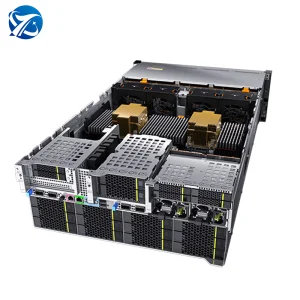
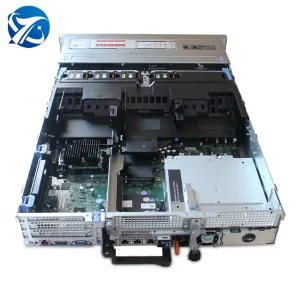
Under the visionary roadmap of Saudi Vision 2030, the Kingdom of Saudi Arabia (KSA) is undergoing a structural digital transformation. The government’s focus on localization, smart cities (including NEOM, The Line, and Red Sea Projects), and the digital economy has created an unprecedented demand for enterprise-class compute engines. As local entities, government bodies, and commercial enterprises look to build high-performance computing (HPC) environments, the requirement for dedicated server factories and local assembly plants has escalated.
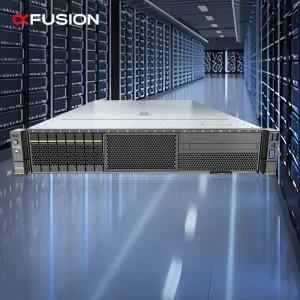
xFusion Server technologies represent a cornerstone in this transformation. Purpose-built to handle massive compute pipelines, cloud databases, virtualized hyperconverged systems, and intensive deep-learning workloads (such as DeepSeek AI training and containerized microservices), xFusion servers provide the precise mixture of density, processing power, and hardware security that modern Saudi enterprises require. Achieving this performance in the challenging climate of the Gulf necessitates strict localization, customized manufacturing protocols, and compliance with native regulatory frameworks.
Deploying server infrastructure in Saudi Arabia is not merely a logistical challenge; it is a regulatory one. Organizations operating within the Kingdom must conform to the security and hardware guidelines set forth by the National Cybersecurity Authority (NCA) and the Communications, Space and Technology Commission (CITC). Data sovereignty mandates that citizen data must be kept, stored, and processed inside geographic boundaries, boosting the necessity for local Tier-3 and Tier-4 data centers. Our supply and manufacturing partners design and configuration-build servers that facilitate strict partition controls, cryptographically isolated boot records, and physical intrusion protection, ensuring effortless validation under NCA frameworks.
Full support for localized security policies, secure BIOS signatures, and trusted platform modules (TPM 2.0) matching NCA cybersecurity protocols.
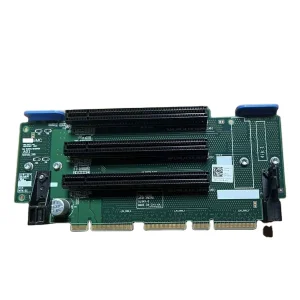
Adaptable hardware configurations allowing tailoring of PCIe configurations, riser alignments, localized power configurations, and customized branding.
Engineered to operate in high ambient temperatures, incorporating highly efficient heat pipes, dynamic fan controller units, and liquid-cooling adaptors.
Backed by Elvantis Mesh Systems Ltd., offering world-class manufacturing, rapid prototyping, and international logistical networks.
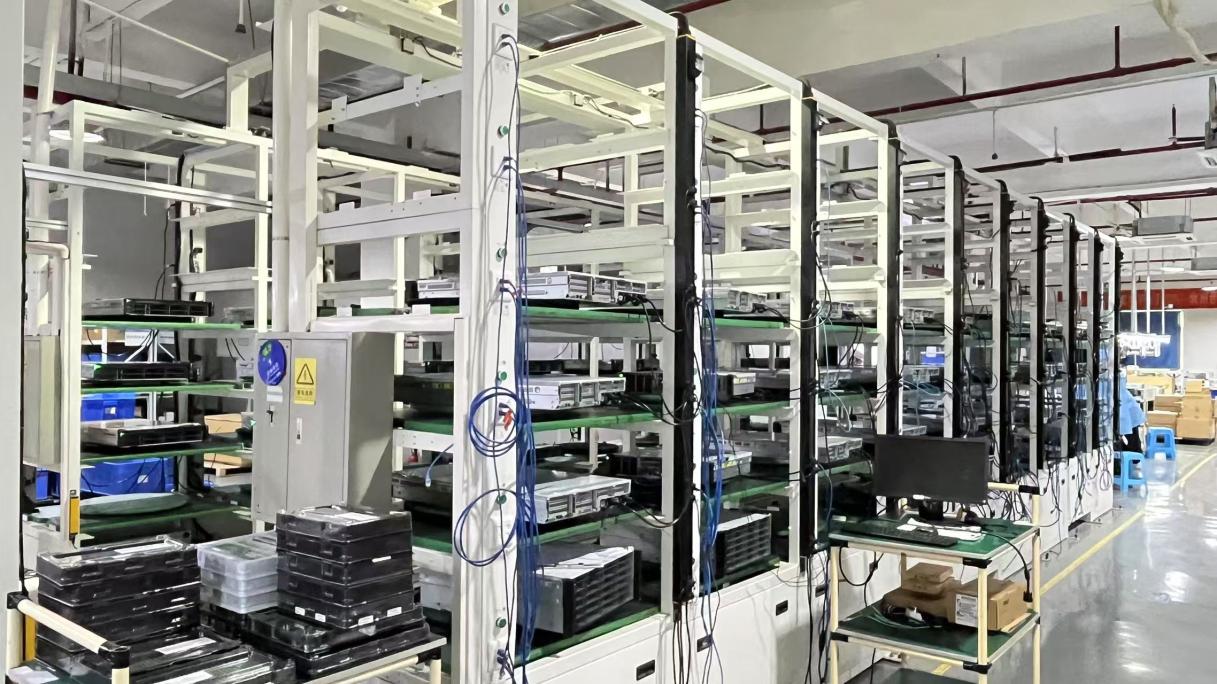
Our collaborative production model links advanced Chinese supply chains with localization pipelines in the Gulf region. Established in 2016, our production backbone includes an optimized R&D and quality assurance setup with 10+ years of technical experience, yielding an annual export volume of USD 12 Million. Supported by a core team of over 180 engineering and research specialists and 35 dedicated QC professionals, every unit undergoes exhaustive thermal cycling, burn-in validation, and raw throughput performance benchmarking.
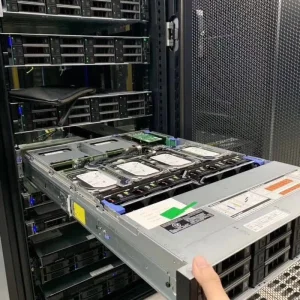
Prevent system latency and memory bottlenecks with high-throughput switches and custom array controllers for xFusion server chassis.
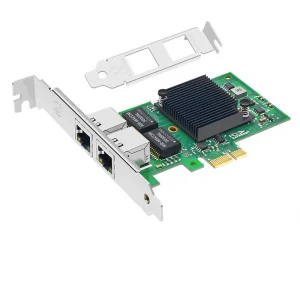
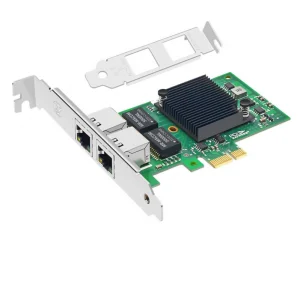
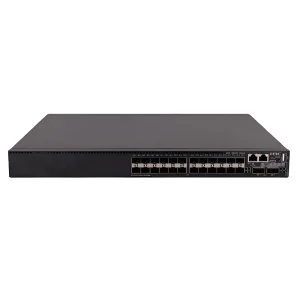
Procuring raw silicon, server motherboards, chassis, and custom network components requires a seamless logistics architecture. The integration between our Chinese fabrication networks and our local delivery points in Saudi Arabia ensures rapid turnaround for high-density servers. Relying on optimized air cargo routes directly into Riyadh's King Khalid International Airport, and sea lanes via Jeddah Islamic Port, we bypass common transport delays to achieve predictable lead times for critical project pipelines.
One of the most persistent engineering challenges when operating enterprise server rooms in the Gulf is managing extreme ambient temperatures. In summer, temperatures in Saudi cities frequently climb past 45°C. Standard server architectures configured for colder zones are prone to thermal throttling or sudden disk array failures under these conditions. The xFusion platform combats this with smart sensor arrays and multi-zone fan cooling tunnels. Further enhancements built into the FusionServer 5288 and 2288H models include high-gradient cooling fins and support for direct-to-chip liquid cooling setups, allowing operations within high-ambient datacenter baselines without performance decay.
Enterprise entities (such as municipal utilities and Saudi Aramco subcontractors) are increasingly shifting from isolated physical servers to Hyperconverged Infrastructure (HCI). This migration reduces complex cabling and simplifies management. For instance, the xFusion 2288H V6 Hyperconverged Infrastructure System converges compute, storage, virtualization, and network capabilities into a single standard 2U footprint. By decoupling systems from proprietary legacy architectures, Saudi logistics hubs and finance facilities can rapidly allocate and scale virtual machines to keep pace with changing operational targets.
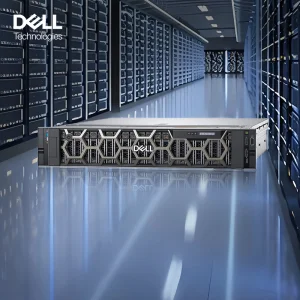
Browse our extensive selection of rackmount platforms and custom-built network clusters ready for global distribution and localized deployment.
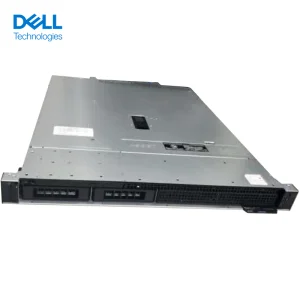
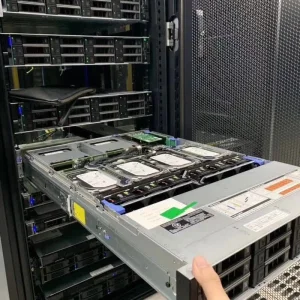
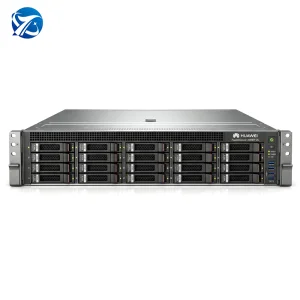
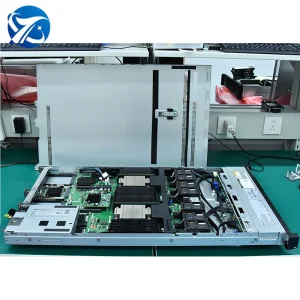
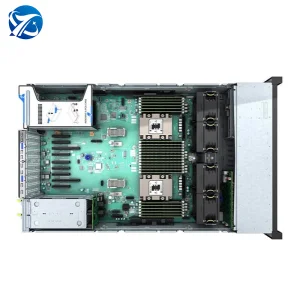
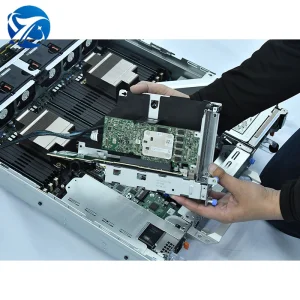
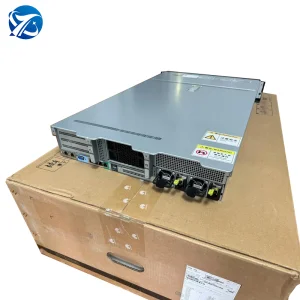
The global server market is experiencing a profound architectural shift. Standard workload models are rapidly transitioning toward AI-centric acceleration. Systems designed specifically for heavy matrix multiplications and deep neural networking (like the DeepSeek R1 open-source foundation models) require sustained computational throughput, optimized memory access pathways, and rapid inter-GPU communication over PCIe Gen 5 links.
Concurrently, "Green Datacenter" initiatives are gaining momentum throughout the GCC. Modern facilities are aiming to drive power usage effectiveness (PUE) below 1.25. Doing so in warm regional climates requires tight integration between active fan cooling algorithms, variable heat load throttling, and liquid-to-air dissipation units. The xFusion ecosystem is at the forefront of this shift, offering customized Power Distribution Units (PDUs) and titanium-grade power efficiency blocks to minimize thermal waste.
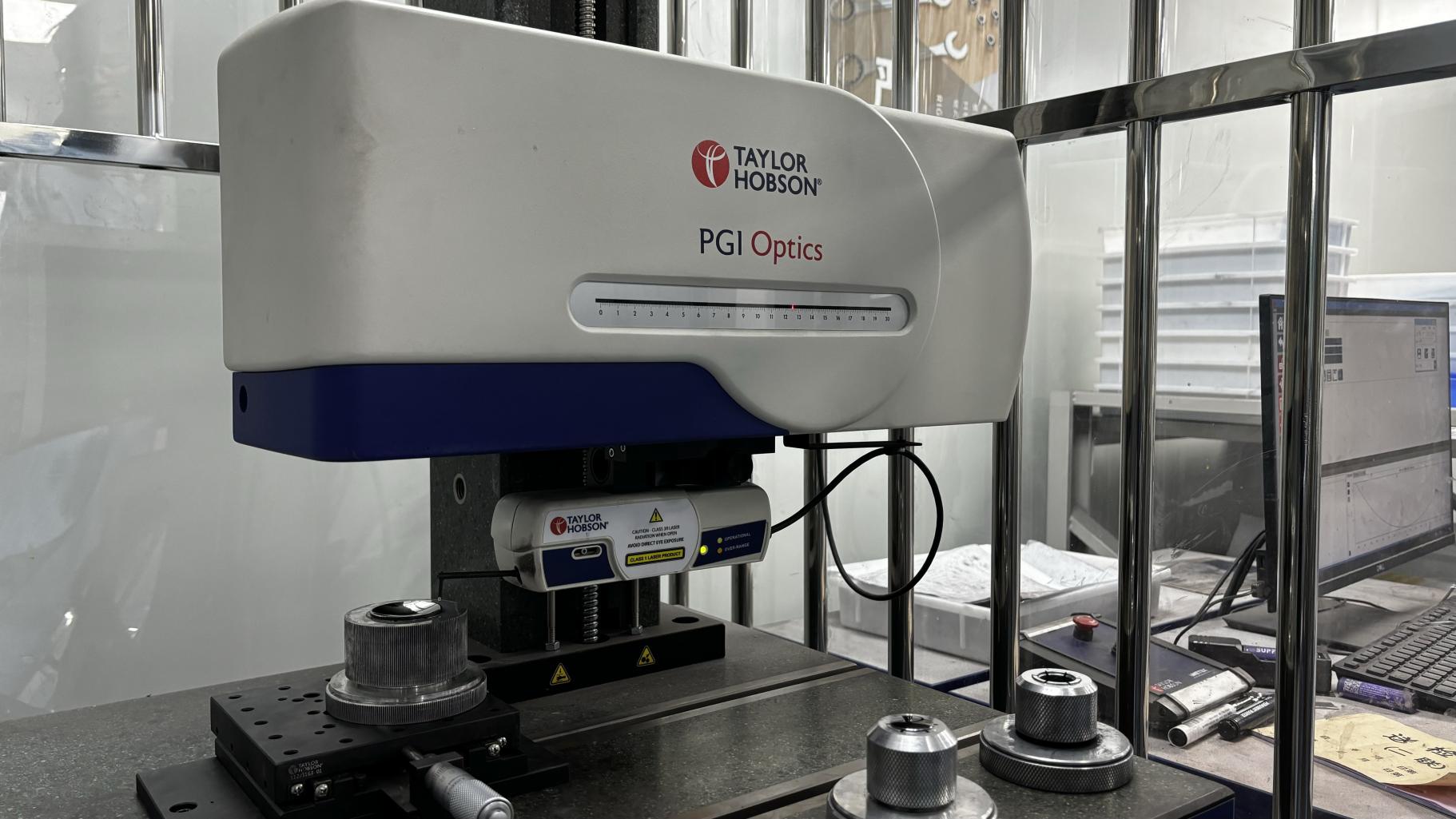
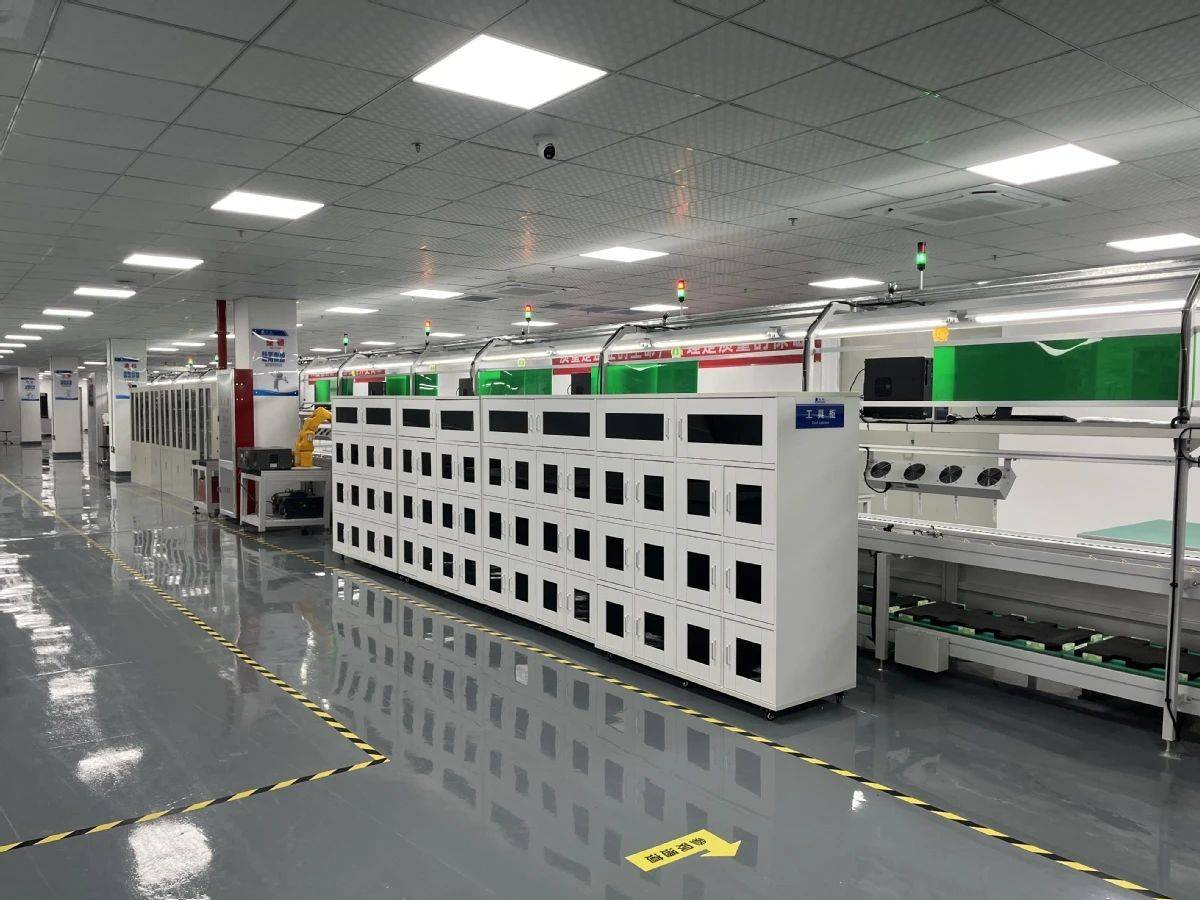
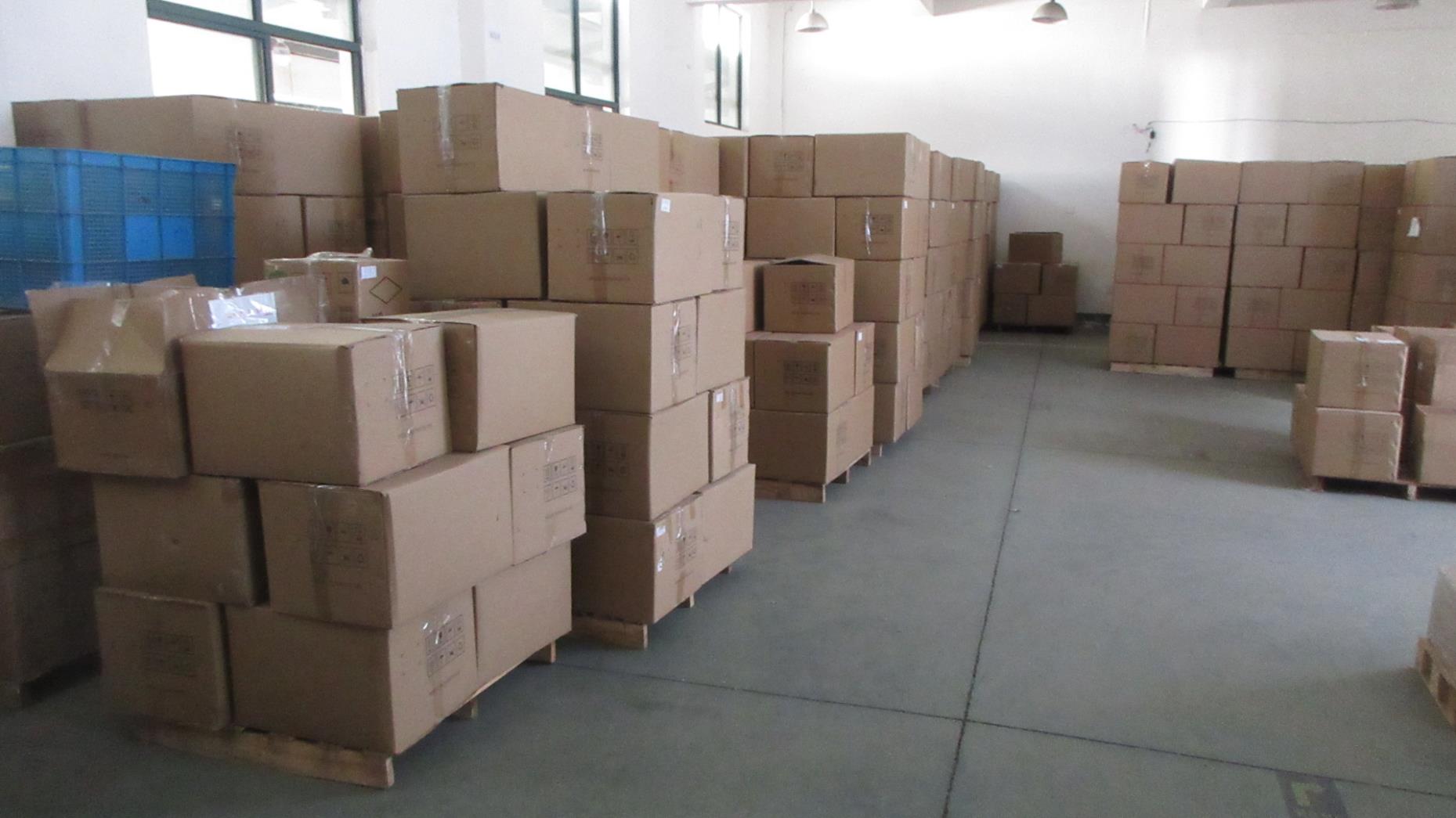
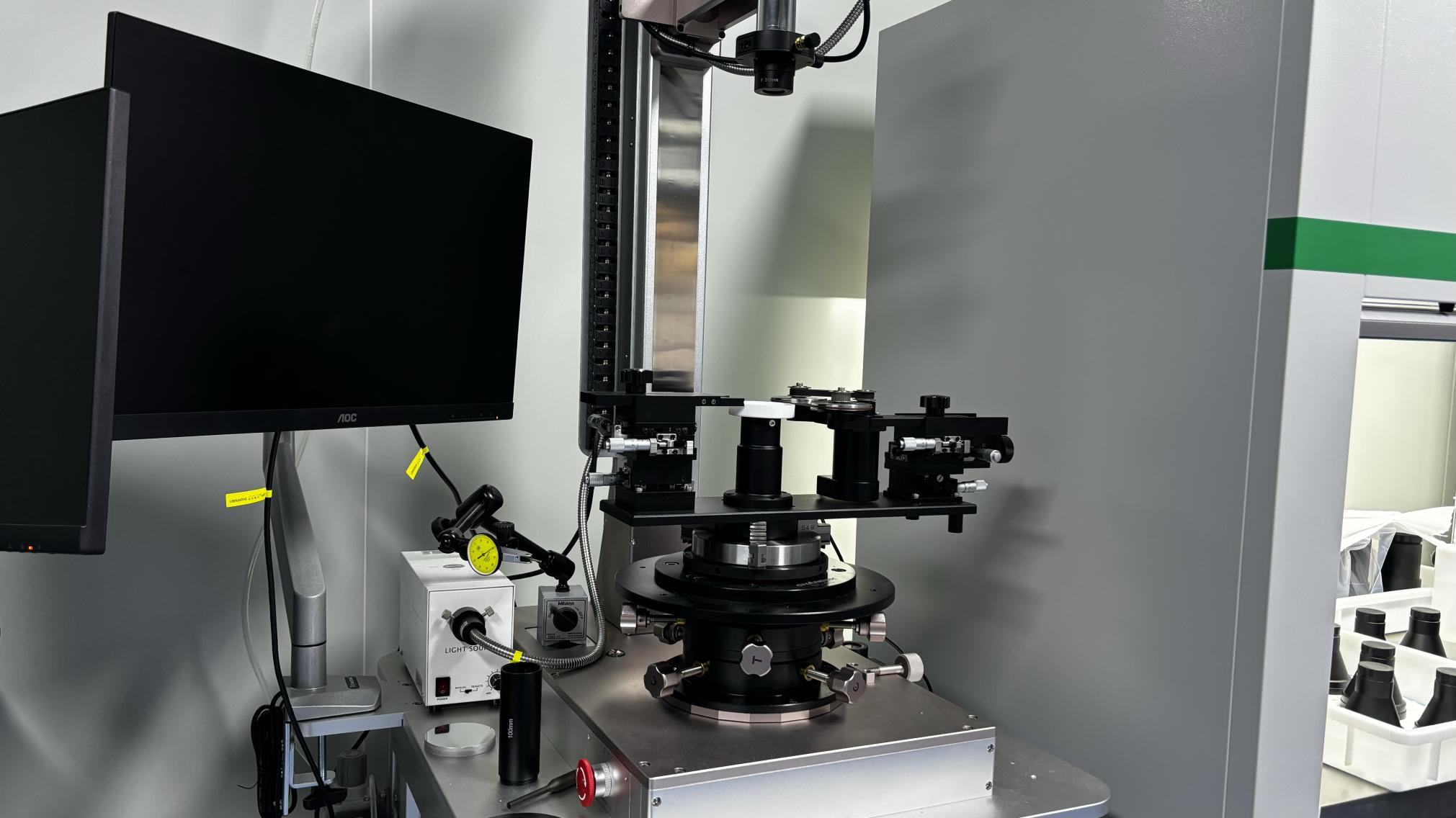
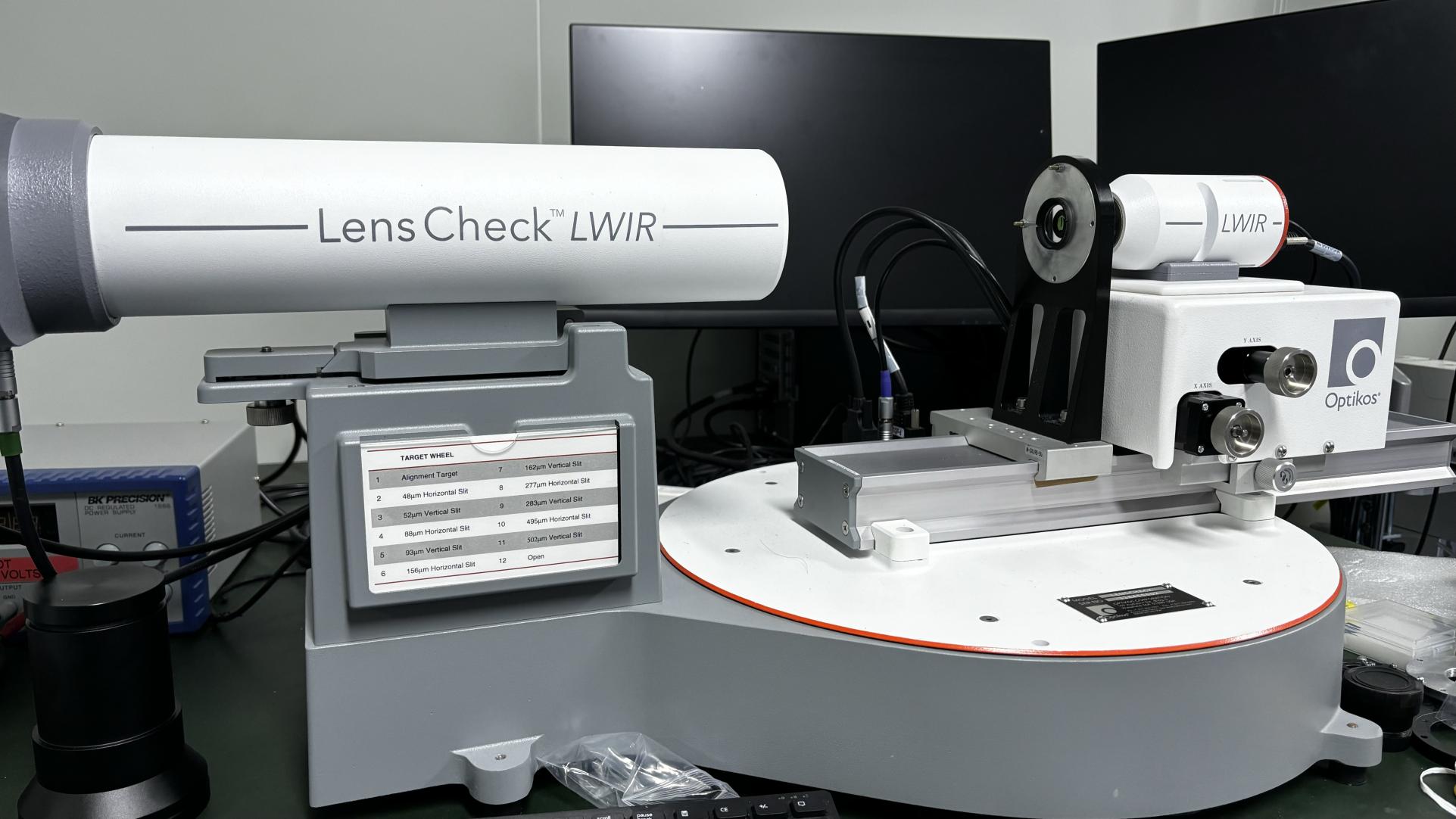
Peek inside our high-performance manufacturing lines, testing labs, and assembly units supporting global exports.
Essential guidance on importing, installing, and managing enterprise computing hardware within Saudi Arabia.
Yes. All of our shipped server systems are manufactured in compliance with international export standards, and can be customized to receive SASO (Saudi Standards, Metrology and Quality Organization) approval, as well as CITC radio and telecommunication certifications required for Gulf customs entry.
Our server setups (such as the xFusion 2288H V6 and 2488H V5) feature automated thermal fan scaling, high-throughput structural chassis, and optional direct-contact liquid cooling loops. They are fully certified to work in ambient operational baselines up to 40°C-45°C in modern server halls without risk of speed throttling.
Yes. We offer deep OEM/ODM service tiers. We can modify system firmware, BIOS boot strings, chassis faceplate designs, and localized power configurations (including customized 240V configurations typical in Saudi datacenter facilities) to match your organizational blueprint.
Depending on order size and customization level, fabrication ranges from 2 to 4 weeks. Air freight directly into Riyadh (RUH) or Dammam (DMM) takes approximately 5-7 working days, while sea freight via Jeddah Islamic Port takes 18-25 days.
Yes. These array and boot controllers are fully compatible with mainstream hypervisors and operating systems, including VMware ESXi, Red Hat Enterprise Linux, Proxmox VE, and Windows Server, enabling reliable hyperconverged clustering.
We provide full hardware warranty options, including component replacements (such as hot-swap fans, power supply units, and memory modules) shipped directly to your location. We also provide online support options through our engineering and QA division.