 Elvantis
Elvantis
Elvantis
High-reliability server configurations ready for integration with domestic Russian operating systems and enterprise environments
The Russian enterprise hardware ecosystem is undergoing a profound structural evolution. Driven by strict regulatory transformations, including the Federal Law on Personal Data (No. 152-FZ) which dictates data localization inside the borders, enterprises and local cloud service providers are seeking robust, scalable, and independent compute units. With many Western vendors departing the territory, Russian telecommunications providers, industrial giants, and financial institutions (such as those operating in the Moscow Exchange ecosystem and nation-wide commercial banks) face a significant deficit of reliable hardware.
The demand is no longer just for basic compute power; it is heavily focused on architecture that seamlessly integrates with local domestic operating systems. Software distributions like Astra Linux, RED OS, and ALT Linux are now the standard operating environments for critical infrastructure. Hardware platforms must support these environments at the kernel level without performance degradation. Consequently, V6 Rack Servers, equipped with Intel Xeon Scalable Gen 3 processors, have emerged as the standard infrastructure backbone. Their modularity allows for the intensive calculations required by localized deep learning applications, distributed database nodes, and private corporate cloud systems.
Fully compliant with the regulatory architecture of the Russian Federation. Hardware options natively support internal data encryption standards and local virtualization software architectures.
Engineered to operate reliably under extreme climate conditions, from high-humidity European-Russian regions to dry, cold Siberian locations, using smart thermal sensor arrays.
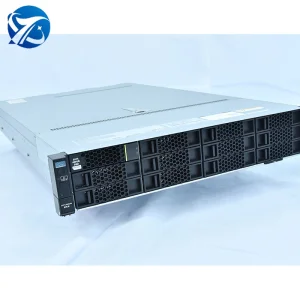
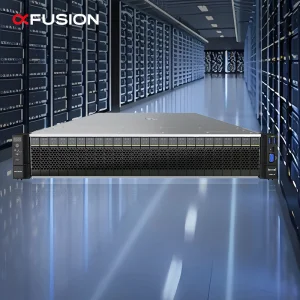
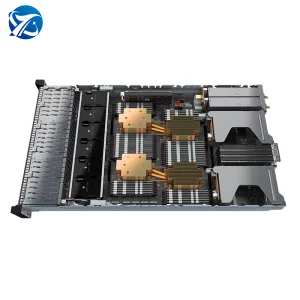
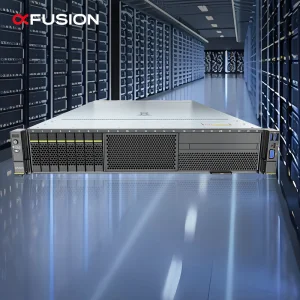
The xFusion FusionServer V6 product portfolio leverages the 3rd Gen Intel Xeon Scalable architecture (Ice Lake), offering significant performance enhancements over previous generations. By supporting up to 40 cores per processor, it handles high-density workloads, enterprise databases, virtualization, and high-performance computing (HPC) environments. Crucially, the integration of PCIe Gen4 lanes doubles the data transfer bandwidth compared to the older V5 standard, optimizing SSD and GPU storage communication.
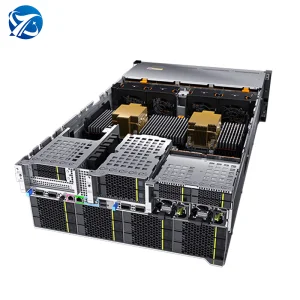
In recent months, the computing market has experienced a surge in AI model integration, including deep learning inference networks and LLM deployments like DeepSeek. The V6 architecture natively integrates Intel Deep Learning Boost (DL Boost) with Vector Neural Network Instructions (VNNI), accelerating AI performance. This configuration allows data centers to run dense inference tasks directly on the CPU, reducing the need for costly external accelerator cards. Additionally, for dedicated high-tier training workloads, the 2U and 4U chassis profiles support multiple double-wide GPU accelerators with reliable cooling efficiency.
Memory configuration is another key design priority. With up to 32 DDR4 DIMM slots in the 2-socket systems, a single 2U node can scale up to several terabytes of high-speed RAM. This design is highly beneficial for in-memory databases like PostgreSQL (which is widely deployed by Russian public and private enterprises). The inclusion of smart power management, including redundant 900W to 2000W 80 Plus Platinum and Titanium PSUs, ensures that sudden voltage drops or power grid fluctuations in industrial zones do not cause server downtime.
Compact 1U and high-capacity storage server systems optimized for local deployment
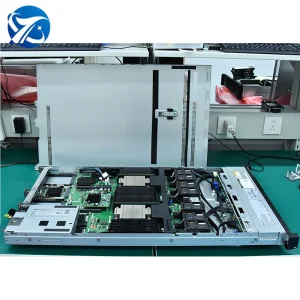
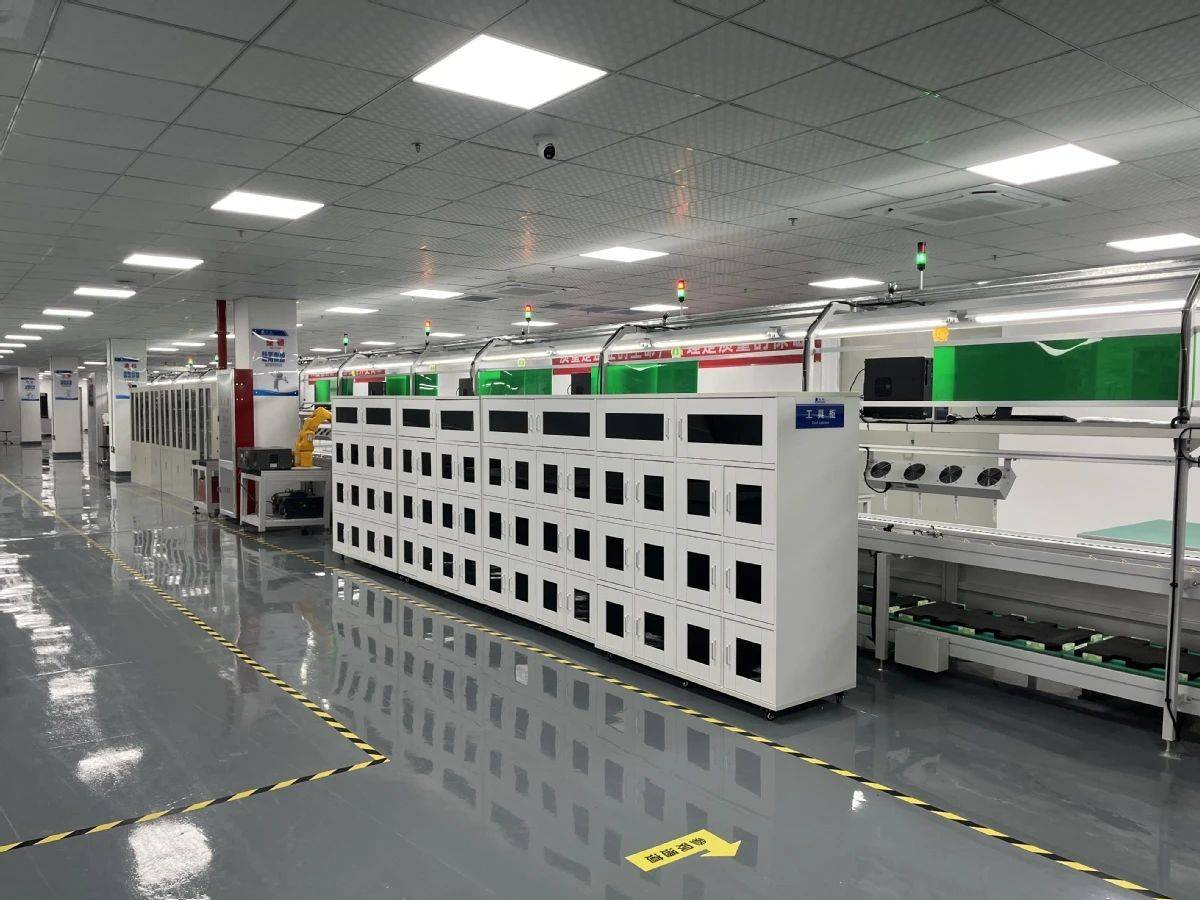
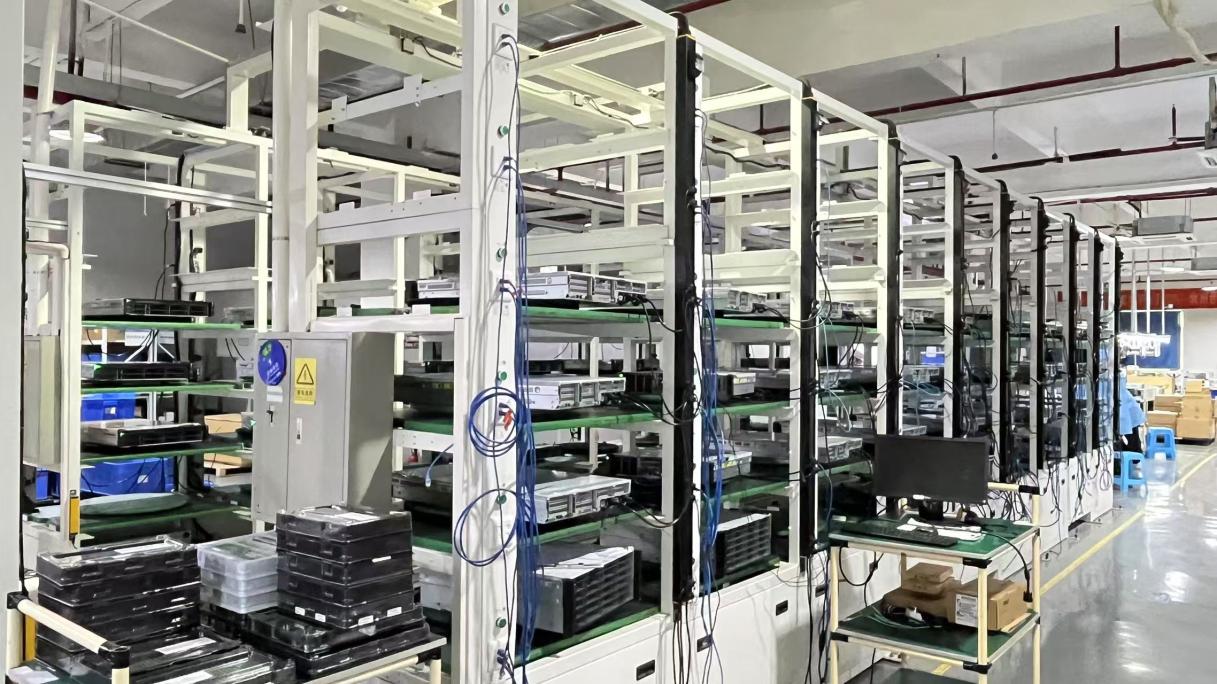
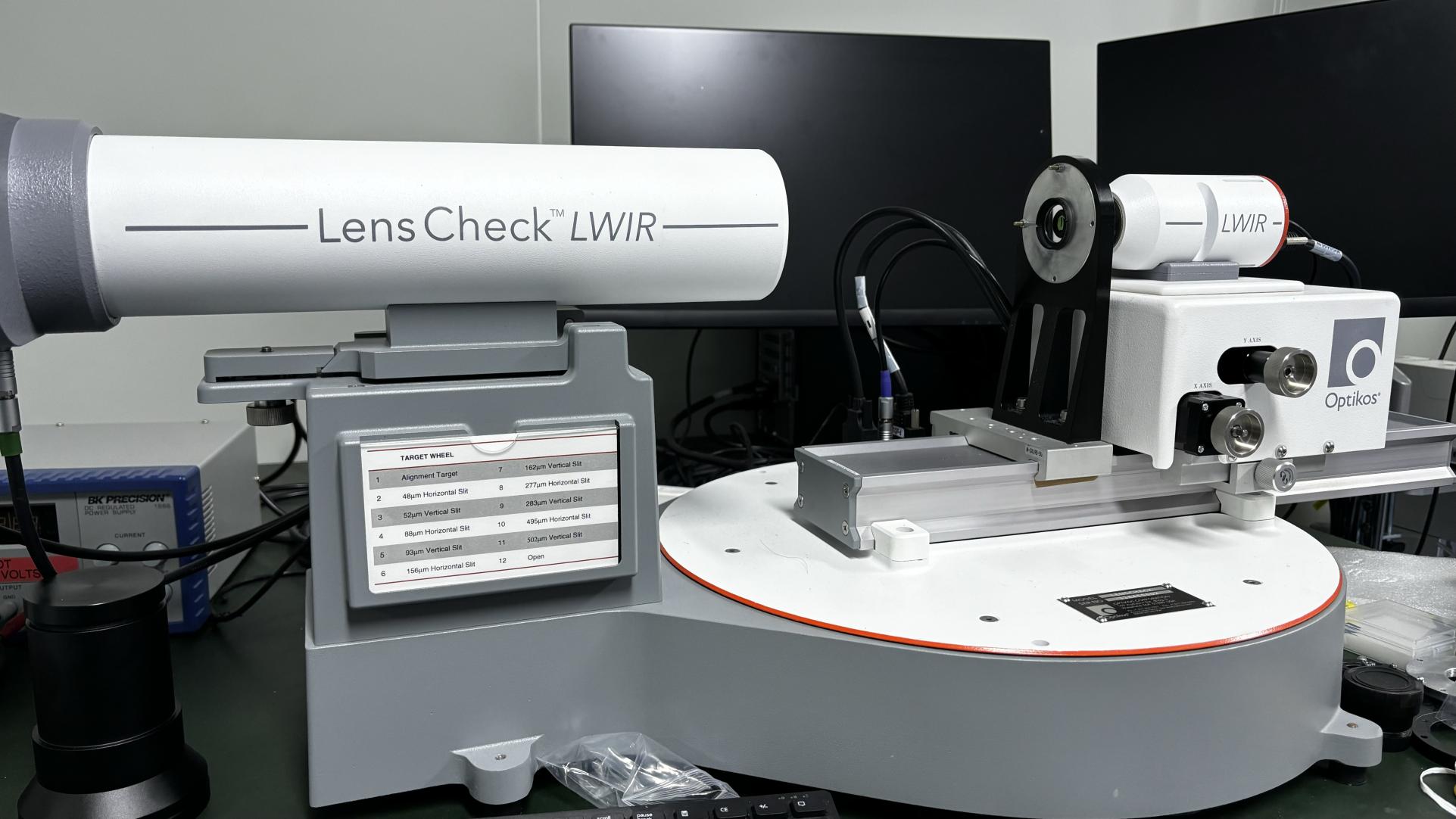
Elvantis Mesh Systems Ltd. (elvantismesh.com) is a high-performance AI GPU and CPU enterprise server manufacturer. Operating a modernized assembly and R&D center, the company handles integrated design, engineering, and thermal verification workflows. With over 10 years of industry experience and 7 years of export history, we have established ourselves as a reliable manufacturer of enterprise systems for demanding global markets.
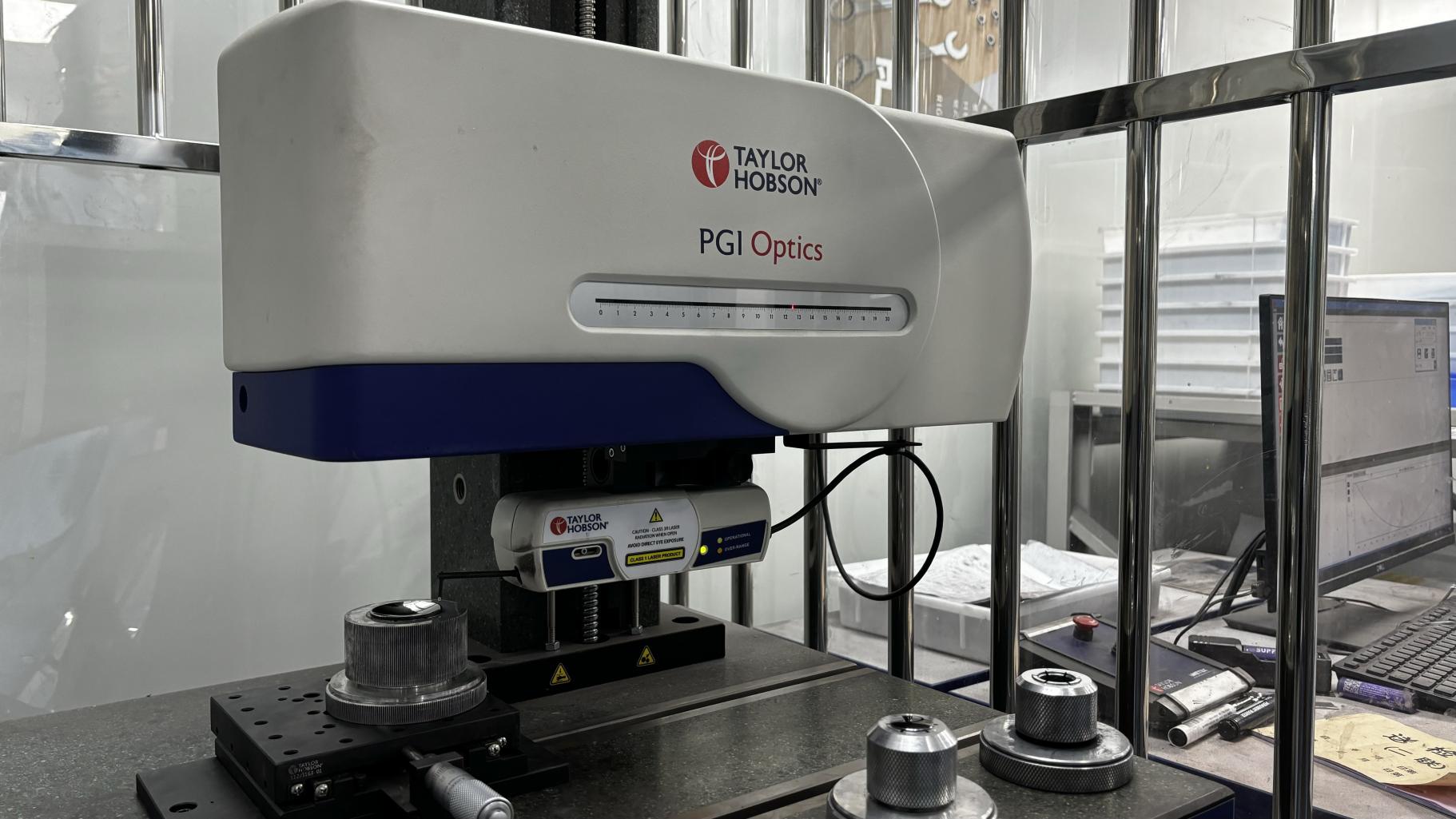
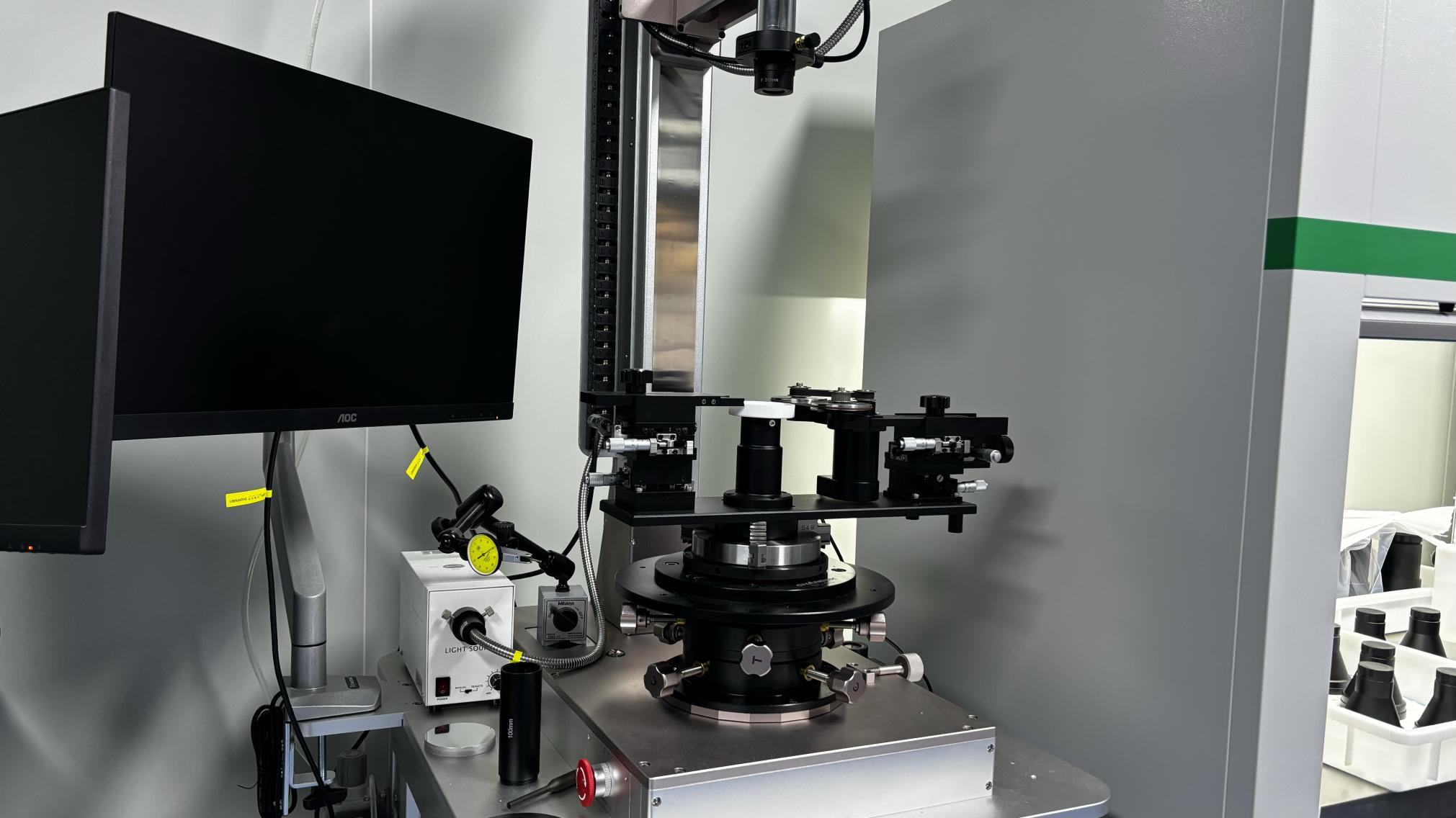
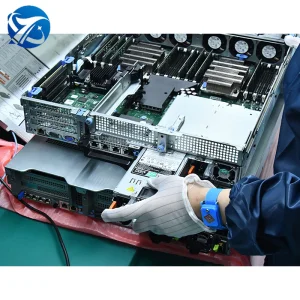
Our global supply chain spans approximately 850 cooperative partners, ensuring that even under tight supply conditions, critical components like PMICs, capacitors, and storage controllers remain fully stocked. Quality control is managed by a dedicated team of 35 QC professionals who oversee our multi-layer quality assurance system. Each server node undergoes automated optical inspection (AOI), high-density hardware diagnostics, and a continuous 24-to-48-hour high-temperature burn-in stress test under simulated full load before packing.
In the past year alone, our R&D team of 180 engineers developed and launched 120 new products, keeping pace with changing artificial intelligence architectures and datacenter layouts. Whether providing bespoke OEM/ODM manufacturing or delivering large-scale standard rack server batches, our focus is on technical excellence, structural reliability, and compliance.
The deployment of V6 Rack Servers within the Russian territory targets several key industrial and commercial segments, each requiring unique optimizations:
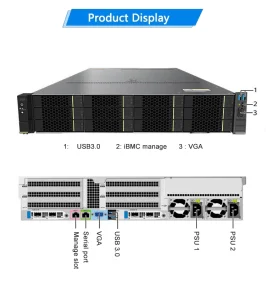
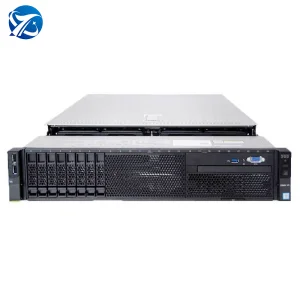
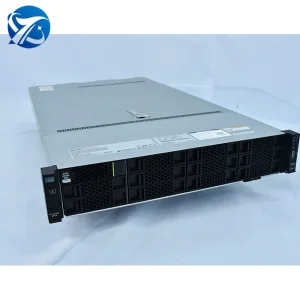
Russian commercial banking systems handle massive database transaction loads daily, requiring high IOPS and minimal latency. The 2U 2-socket FusionServer 2288H V6, configured with NVMe SSD arrays and hardware RAID controllers, provides a reliable database platform. It offers hot-swappable drive configurations, dynamic memory correction, and dual-power inputs to maintain high availability.
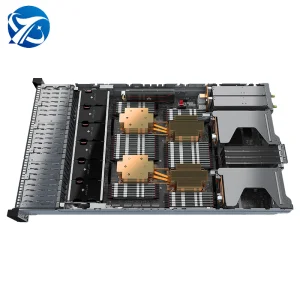
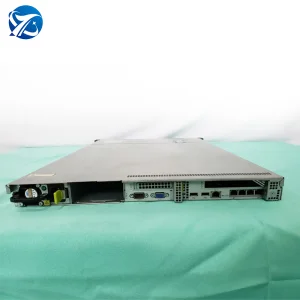
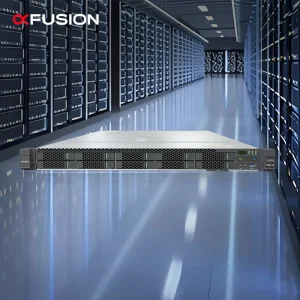
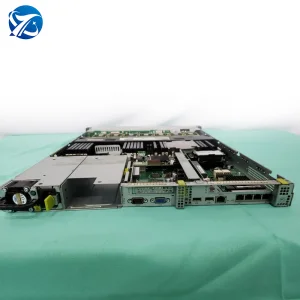
In industrial zones throughout the Urals and Siberia, edge compute servers process manufacturing telemetry, heavy machinery monitoring datasets, and localized video feeds. The 1U 1288H V6 serves as a compact, low-footprint compute engine. It operates reliably in challenging dust and temperature conditions, providing local preprocessing before transmitting summarized operational data to centralized Moscow data centers.
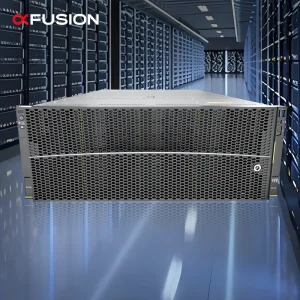
Russian cloud providers building alternatives to Western hyperscalers require density-optimized platforms. The 4U 5288 V6 server provides high-density storage capacity, supporting up to 36 x 3.5-inch hard drives. This setup is suitable for massive distributed storage frameworks like Ceph, high-performance web hosting farms, and GPU-enabled deep learning networks running localized translation, classification, and natural language modeling services.
Select the platform configuration that matches your application architecture requirements
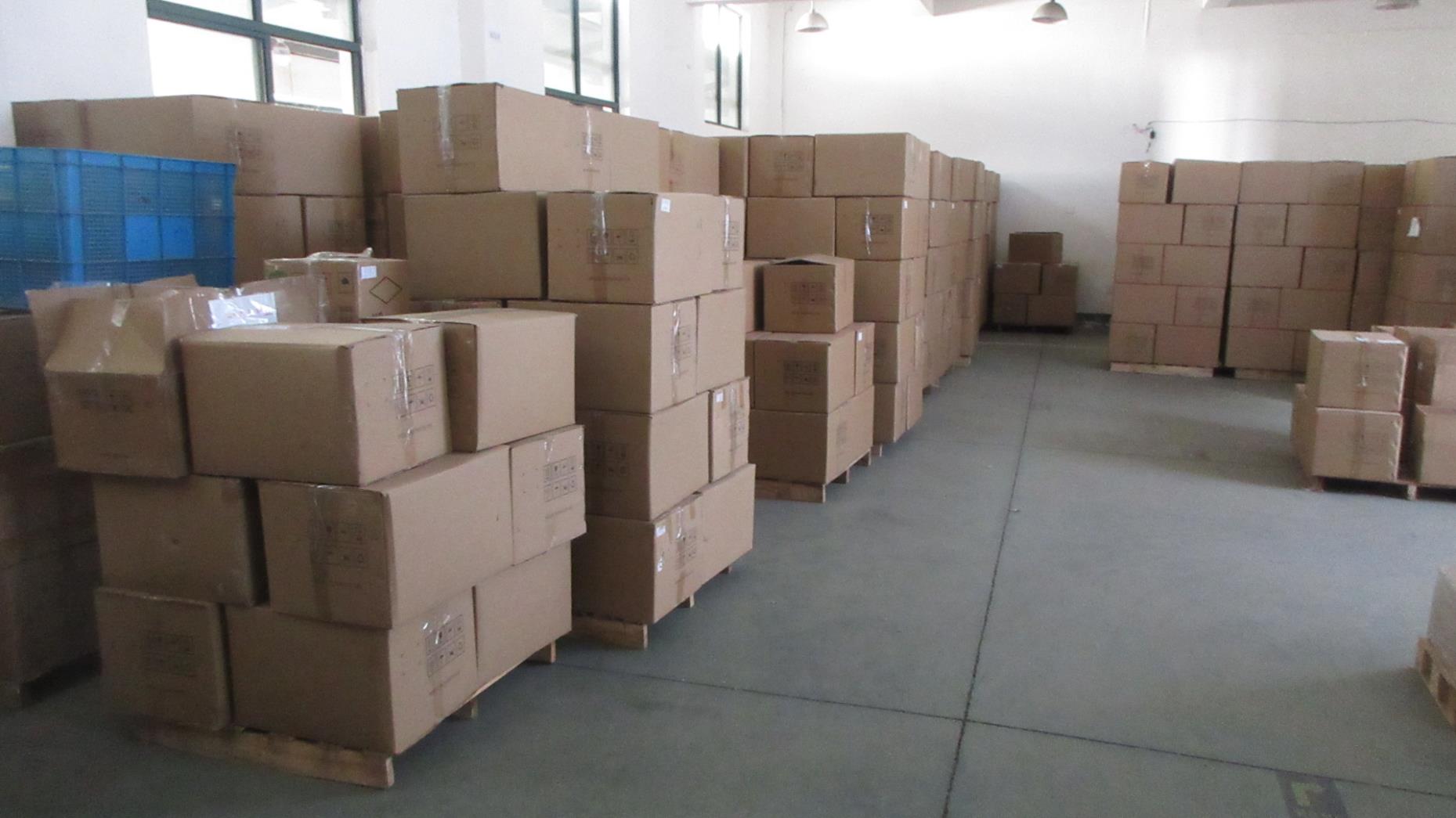
Exporting hardware systems to Russia requires navigating a complex environment of customs clearances, transport logistics, and technical certifications. As a structured global partner, Elvantis ensures all shipments align with local import regulations, facilitating transit through established shipping lanes and secure hubs.
All V6 server shipments are provided with complete documentation, including Eurasian Conformity (EAC) certification declarations, customs declarations, and detailed itemized lists. We collaborate with shipping partners to offer comprehensive customs clearance services, minimizing the risk of administrative delays.
Recognizing the need for ongoing system reliability, we partner with regional Russian technical integrators to support post-delivery operations. This network provides local replacement parts (such as fan assemblies, memory DIMMs, and PSUs) and handles warranty requests. The firmware on our systems can also be pre-configured with localized BIOS/UEFI settings, facilitating installation within air-gapped Russian enterprise clouds and private intranets.
As enterprise workloads transition from standard CPU virtualization to complex AI model inference (e.g., DeepSeek architecture, predictive analytics, and natural language translation), hardware infrastructure must adapt. The V6 generation serves as a reliable bridge, offering cost-effective compute capacity to run these memory-heavy architectures.
Our future engineering plans focus on expanding storage tier configurations, incorporating high-capacity NVMe drive designs, and optimizing heat management for power-dense systems. By improving cooling channel efficiency within our 1U and 2U enclosures, we allow processors to maintain peak turbo-boost speeds for longer periods under sustained compute loads. For organizations looking ahead, deploying V6 hardware provides the PCIe bandwidth and power headroom required to scale next-generation hardware when needed.
Key details for system administrators and procurement officers sourcing hardware for the Russian market