Elvantis
Elvantis
Elvantis
Industry Experience
Annual Export Value
Supply Chain Partners
Dedicated QC Engineers
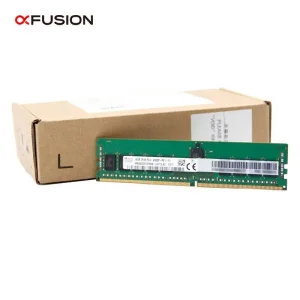
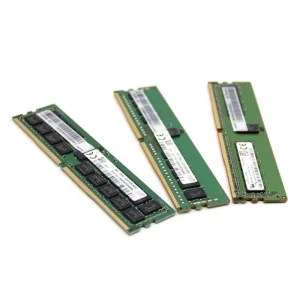
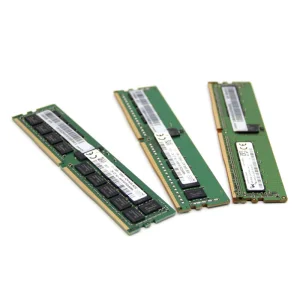
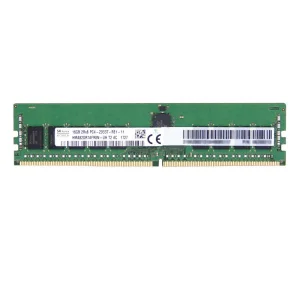
Featured high-speed DDR4 ECC Registered RDIMM modules engineered for high density virtualization and mission-critical enterprise workloads in Ho Chi Minh City.
Ho Chi Minh City (HCMC) has emerged as one of the fastest-growing digital economies in Southeast Asia. Guided by the Vietnamese Government's Digital Transformation Plan, the municipality has actively accelerated cloud infrastructure deployments. Key tech parks, such as the Saigon High-Tech Park (SHTP) and various industrial processing zones in District 7, host local hyperscalers and international telecom giants including Viettel IDC, FPT Telecom, VNPT, and CMC Telecom.
Additionally, Vietnam’s Decree 53/2022/ND-CP mandates local data storage and data residency for enterprise operations. This policy shift has catalyzed massive infrastructure expansions, creating a strong demand for high-reliability server memory. Upgrading processing nodes in HCMC requires high-density DDR4 and DDR5 ECC Registered RDIMM configurations to maintain continuous server availability while optimizing virtualization density.
Our solutions target these regional changes, bringing Tier-1 quality assurance and high-density, low-latency ECC modules to help domestic enterprises pass stringent data-sovereignty audits.
Adapting HCMC's data centers to high-bandwidth processing demands with DDR5 RDIMMs featuring on-die ECC.
Preparing data centers for Compute Express Link (CXL) structures to optimize memory resources across nodes.
Deploying advanced reliability, availability, and serviceability (RAS) features to prevent unscheduled outages.
Modern data structures demand massive performance leaps. While DDR4 RDIMM 3200MHz 1.2V memory remains the workhorse for millions of legacy and current-generation servers deployed across Saigon High-Tech Park, cloud infrastructure is migrating toward DDR5 configurations. DDR5 delivers double the bandwidth of DDR4, moving the base data rate to 4800MHz and scaling up to 6400MHz and beyond.
Crucially, DDR5 relocates power management from the motherboard to the module itself using a Power Management Integrated Circuit (PMIC), which reduces power use to 1.1V. It also integrates on-die ECC to correct errors within the memory cells before sending data to the CPU. For applications like AI inferencing, high-frequency trading, and database clusters, this architectural shift dramatically reduces latency bottlenecks.
Additionally, Compute Express Link (CXL) protocols are reshaping memory architecture. By allowing servers to share memory pools dynamically, CXL minimizes idle DRAM overhead and improves cost efficiency for large data center operators.
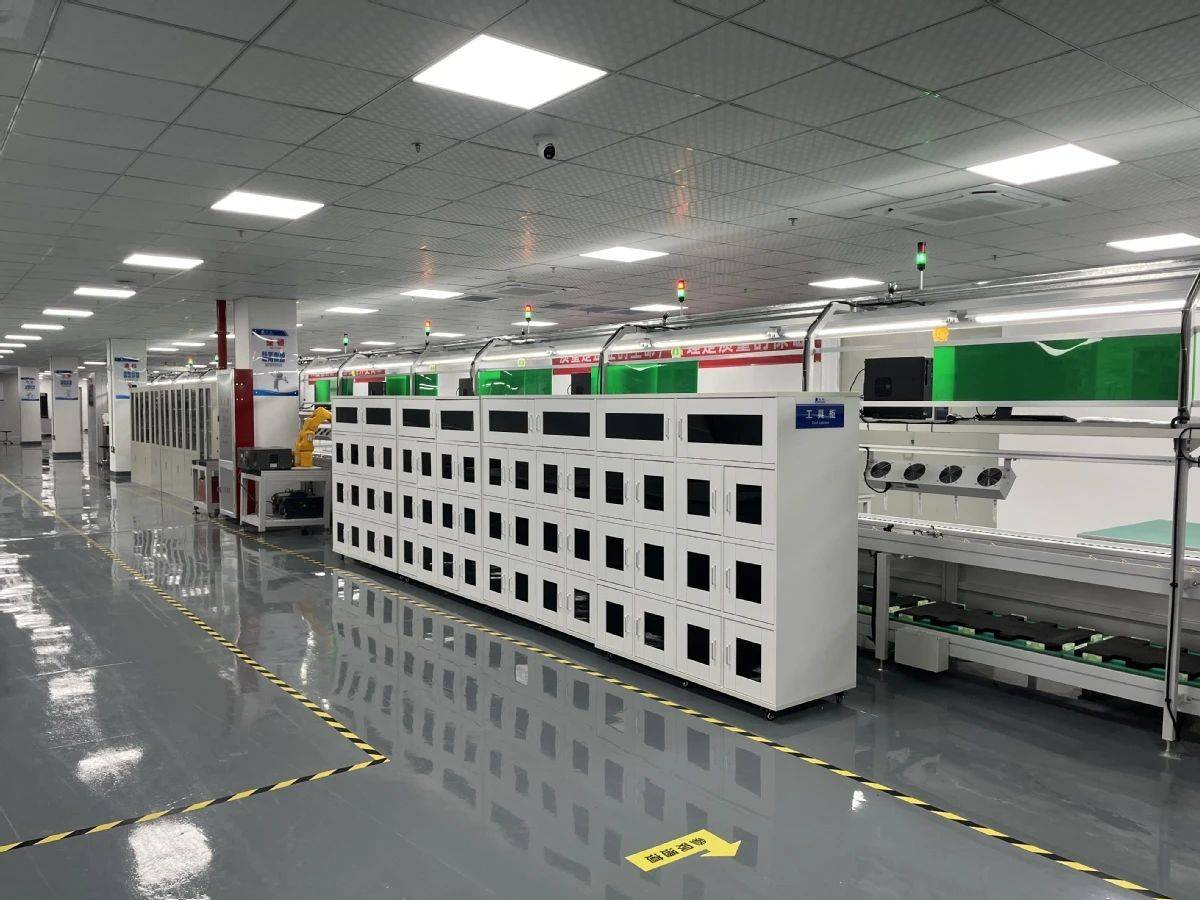
Elvantis Mesh Systems Ltd. operates an advanced facility optimized for enterprise-grade components. Under a Factory 4.0 framework, we integrate automated processes, deep hardware customization, and multi-tier quality control systems to supply memory modules and high-density GPU server rigs worldwide.
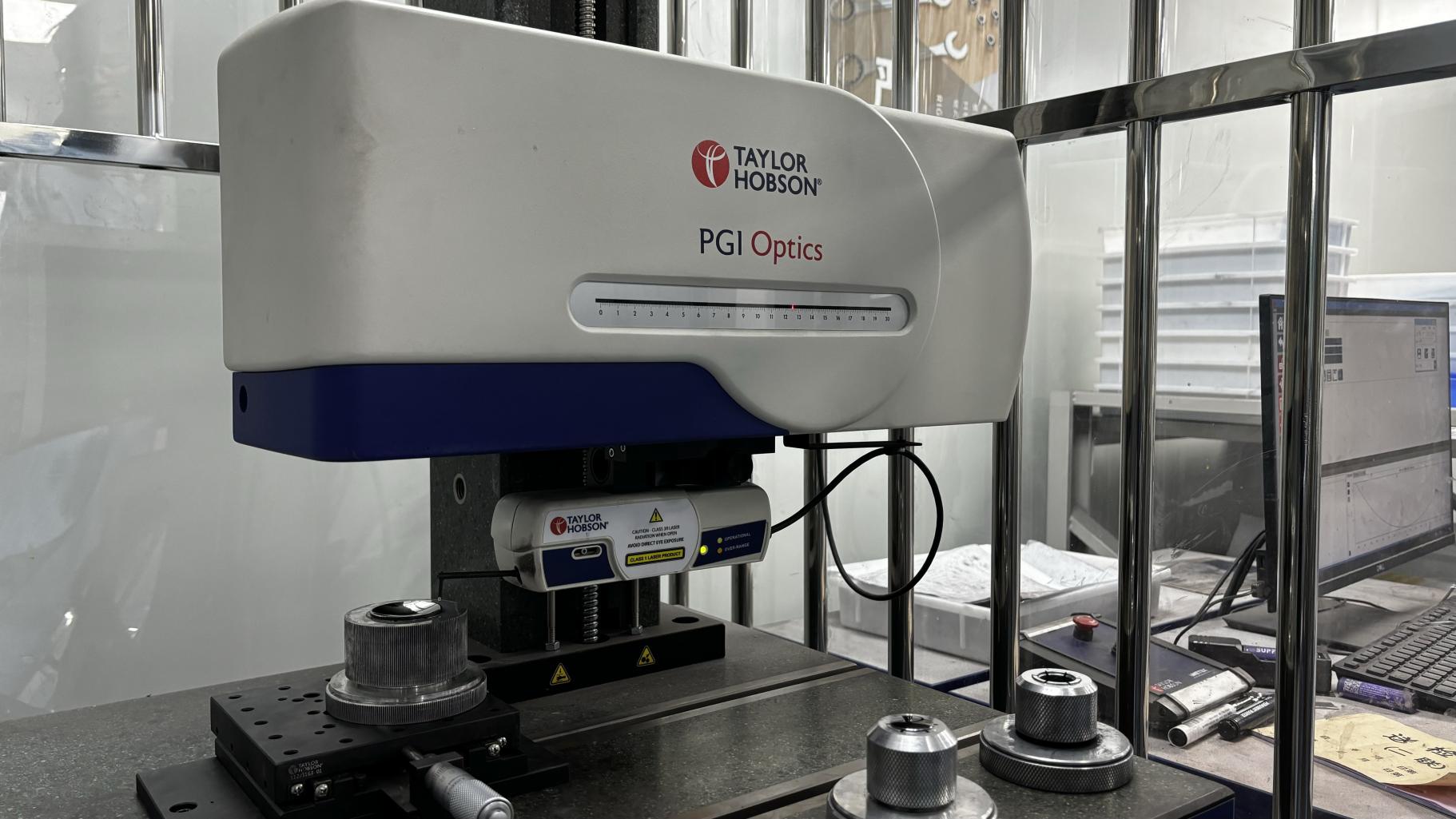
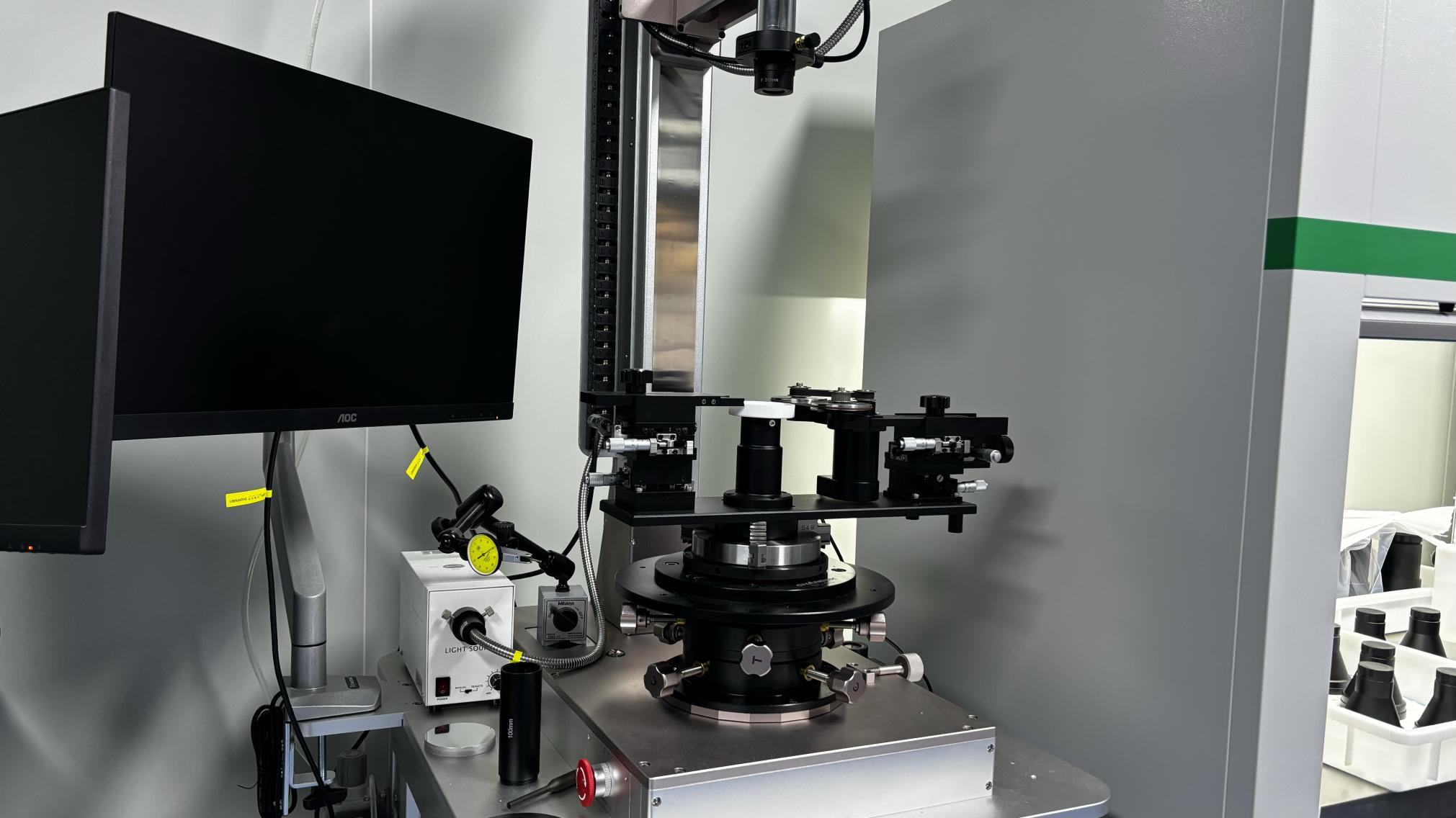
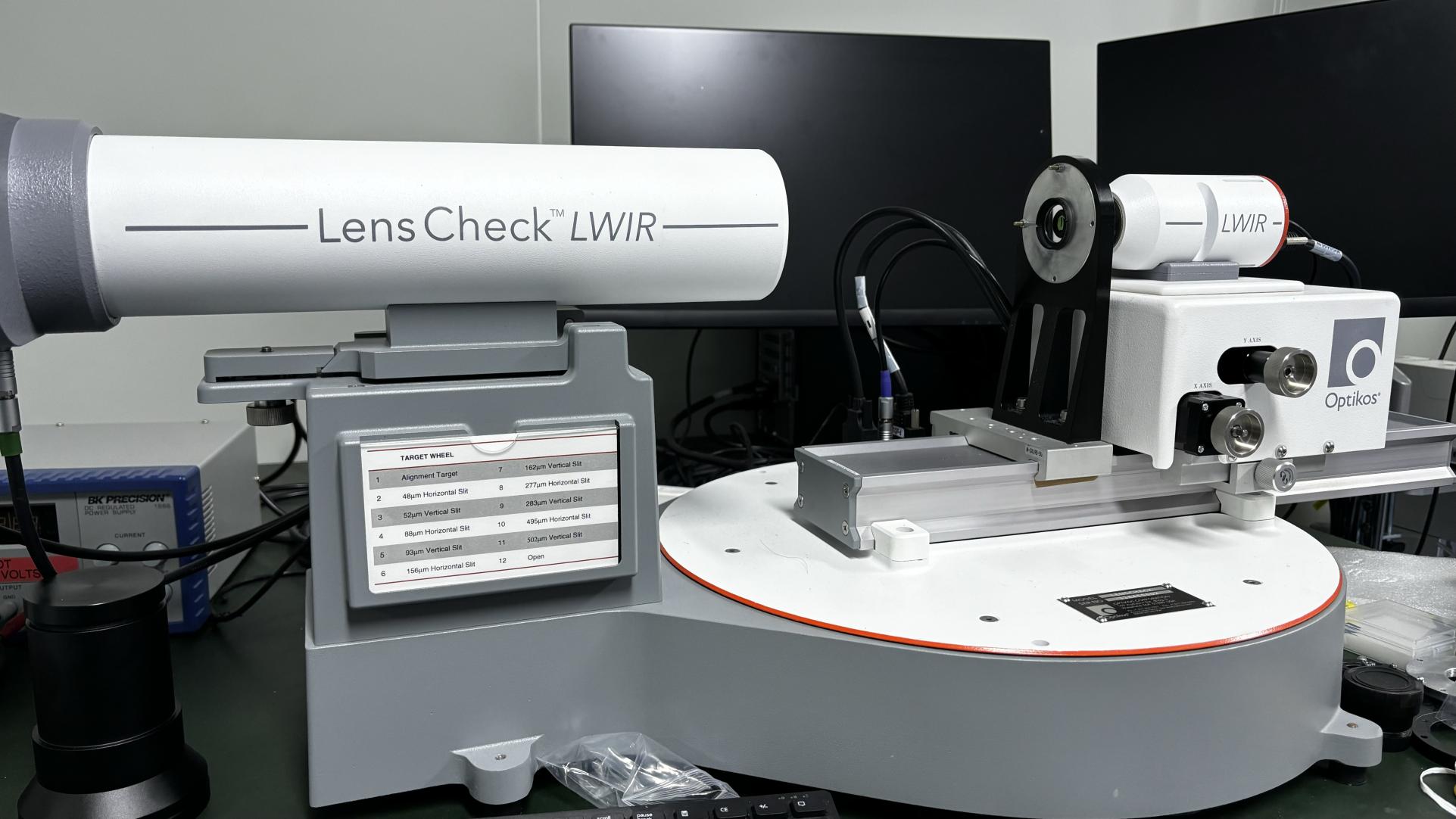
Our quality assurance workflow begins with a strict vendor validation program for DRAM die selection, sourcing only A-grade wafers from primary semiconductor fabricators. Automated Optical Inspection (AOI) detects component placement anomalies down to micro-millimeter tolerances, while high-temperature stress tests verify reliability under heavy, continuous workloads.
We apply rigorous quality testing to ensure every module shipped to HCMC matches international specifications.
Optimized business models for systems integrators, digital enterprises, and hyperscale hosting providers operating within the Ho Chi Minh City metropolitan hub.
Our trade office manages logistics from our manufacturing hubs to Tan Son Nhat Airport or Cat Lai Port. By providing standard CO Form E certificates, we help importers reduce import tariffs under the ACFTA framework, optimizing overall acquisition costs.
HCMC’s tropical climate poses high humidity challenges for data centers. Our server RAM modules and storage options are treated with anti-sulfurization and conformal coatings to prevent oxidation, ensuring long-term hardware reliability in humid conditions.
With a team of over 180 R&D engineers, we design and produce custom server RAM and computing nodes tailored to your requirements, including tailored BIOS profiles, specialized heat-spreaders, and customized capacity options.
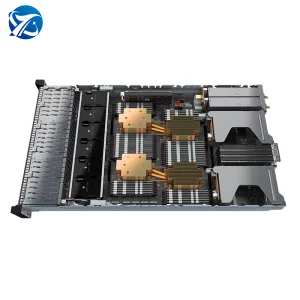
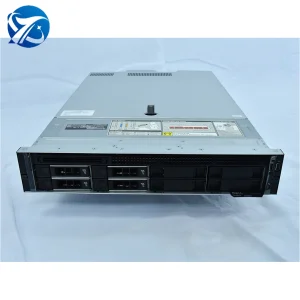
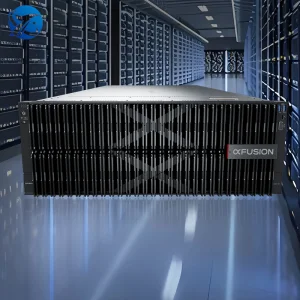
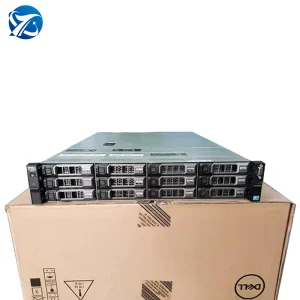
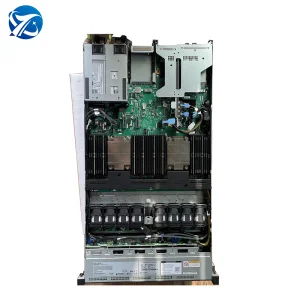
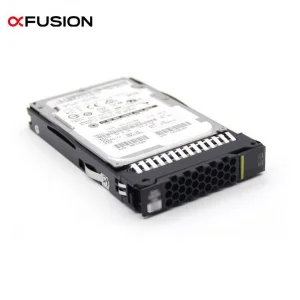
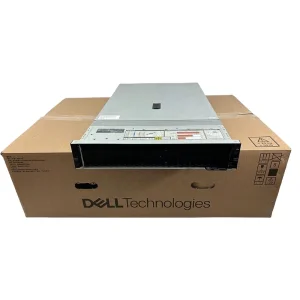
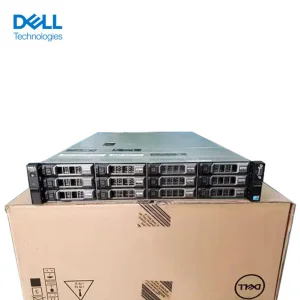
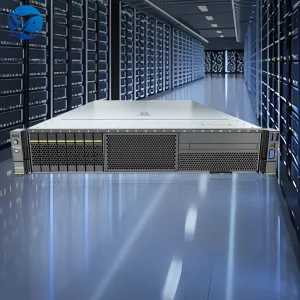
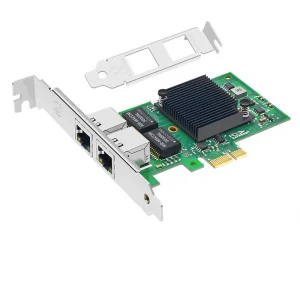
Upgrade your backend processing capability. Find compatible rack servers, high-capacity SATA HDDs, and RAID cards optimized for the Ho Chi Minh City enterprise market.
Complete your deployment configurations with certified platform components, high-density chassis, and optimized array controllers.
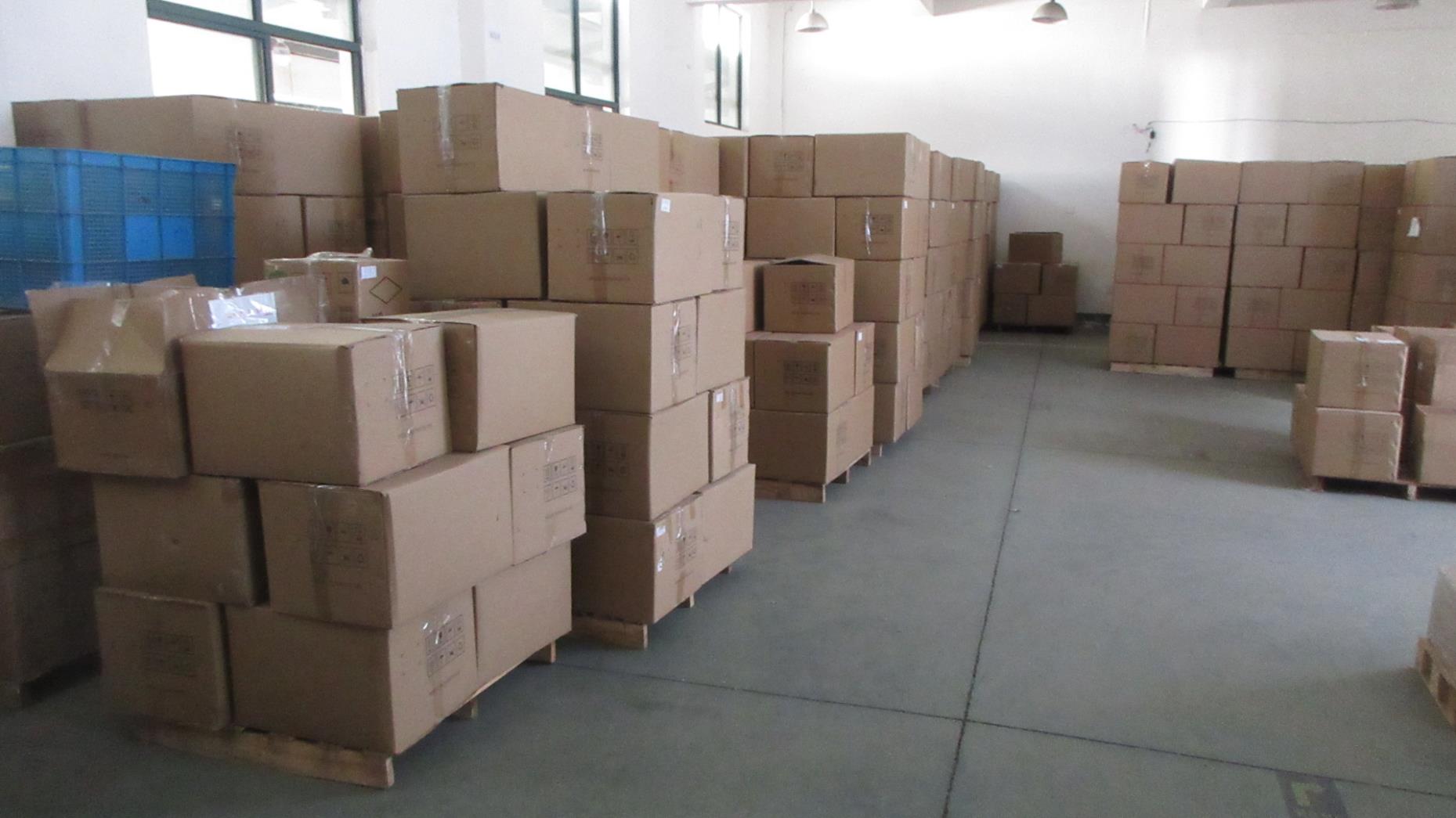
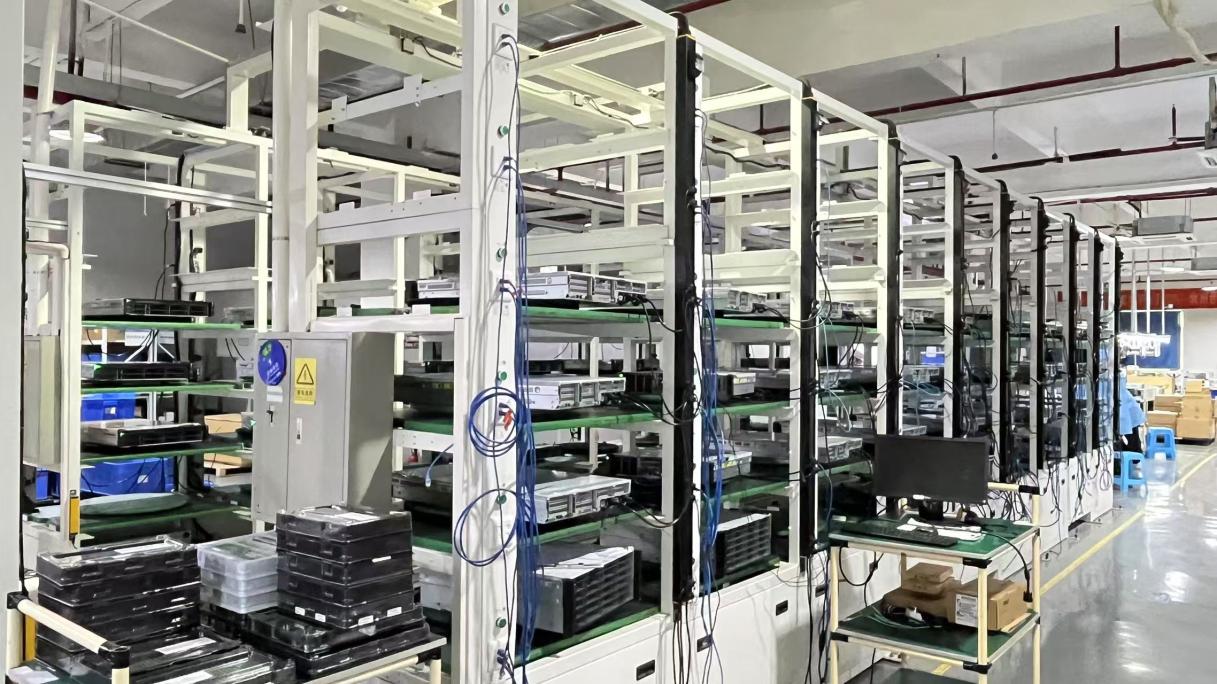
Take a look at Elvantis Mesh Systems' manufacturing process, system validation lines, and shipping bays configured for international deliveries.
Answers to technical, logistics, and compatibility questions regarding deploying enterprise server memory and hardware in the Ho Chi Minh City market.
Connect with our technical support and sales team to discuss memory validation, custom OEM options, and volume pricing tailored for the Ho Chi Minh City market.
Send Inquiry Now