Elvantis
Elvantis
Elvantis
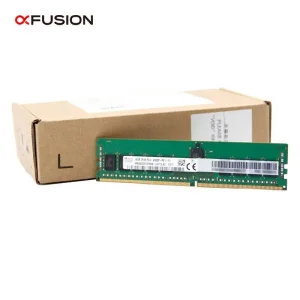
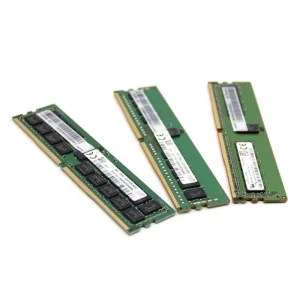
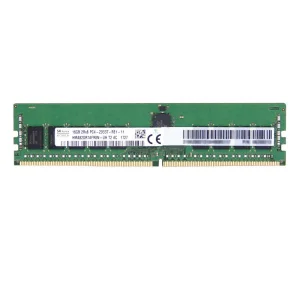
Premium ECC Registered DRAM options optimized for low latency, low power consumption, and maximum channel throughput.
The Netherlands has established itself as one of the most critical digital gatekeepers of Europe. Anchored by the Amsterdam Internet Exchange (AMS-IX), one of the world's largest exchange points, the country represents a tier-1 market within the FLAP-D (Frankfurt, London, Amsterdam, Paris, Dublin) data center cohort. The concentration of hyperscale facilities, colocation hubs, and edge clouds in regions like Amsterdam, Eemshaven, and Rotterdam demands an uncompromising focus on hardware reliability, power efficiency, and hardware supply chain integrity.
As Dutch enterprises transition toward high-density computing platforms to host AI pipelines, intensive SaaS applications, and green cloud platforms, Server Memory (RAM) has emerged as the critical system bottleneck. The EU Green Deal and local Dutch environmental covenants mandate strict limits on data center Power Usage Effectiveness (PUE). Memory sub-systems account for up to 30% of total server power draw. Consequently, selecting memory modules that operate at optimal voltages (e.g., 1.2V for DDR4 and 1.1V for DDR5) while preserving high clock speeds (up to 3200MHz/4800MHz+) is a key regulatory and financial imperative for Dutch operators.
Modern virtualization layers require deep memory configurations per CPU socket. Advanced multi-core platforms like AMD EPYC™ and Intel® Xeon® Scalable processors are engineered with up to 12 memory channels per socket, calling for symmetrical configurations of high-capacity RDIMMs (Registered DIMMs) and LRDIMMs (Load-Reduced DIMMs).
| Feature Spec | DDR4 RDIMM / LRDIMM | DDR5 RDIMM | Impact on Dutch Operations |
|---|---|---|---|
| Operating Voltages | 1.2V / 1.2V | 1.1V | Lower thermal footprint, aligned with Dutch PUE compliance. |
| Clock Frequency | 2666 MHz to 3200 MHz | 4800 MHz to 6400+ MHz | Drastically accelerates memory-bound AI and database workflows. |
| Power Management | System Motherboard Control | On-DIMM PMIC | Granular power tuning at module level, reducing system overhead. |
| Error Correction | Standard Sideband ECC | On-Die + Sideband ECC | Extremely low system crash rate for continuous SLA requirements. |
By upgrading to high-density 32GB, 64GB, and 128GB modules, data centers can maximize memory capacity per rack unit. This decreases the overall physical server count while maintaining the same virtualization density—significantly lowering leasing costs in tier-1 Amsterdam colocation sites.
High-performance computing systems, interconnect cables, and servers tailored for European hybrid cloud architectures.
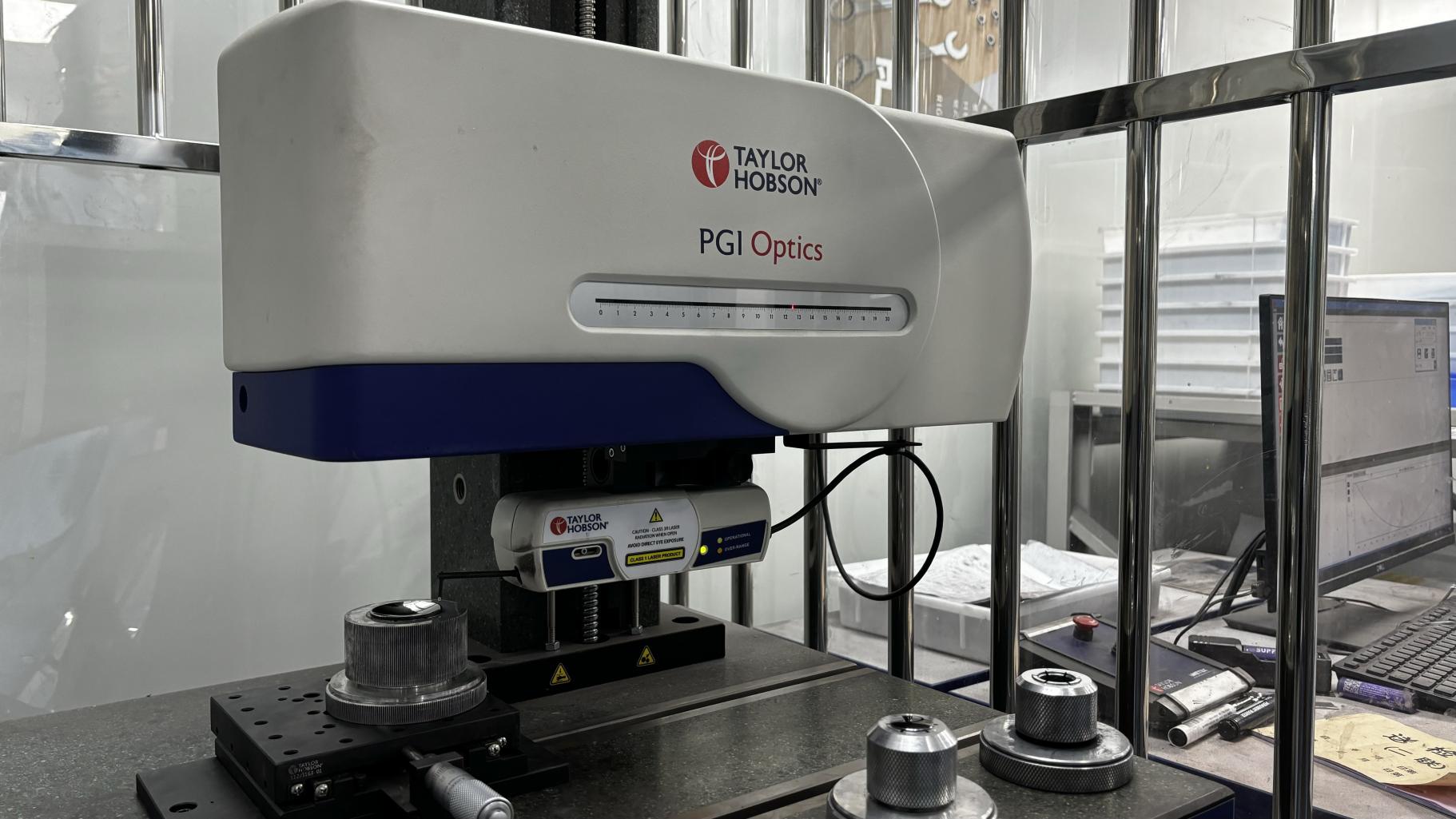
Operating at the frontier of high-performance computing hardware, Elvantis Mesh Systems Ltd. (elvantismesh.com) specializes in scalable computing infrastructure, high-density server configurations, and enterprise-grade component ecosystems. Established in 2016, our integrated engineering operations and state-of-the-art testing systems represent over 10 years of intensive industry innovation.
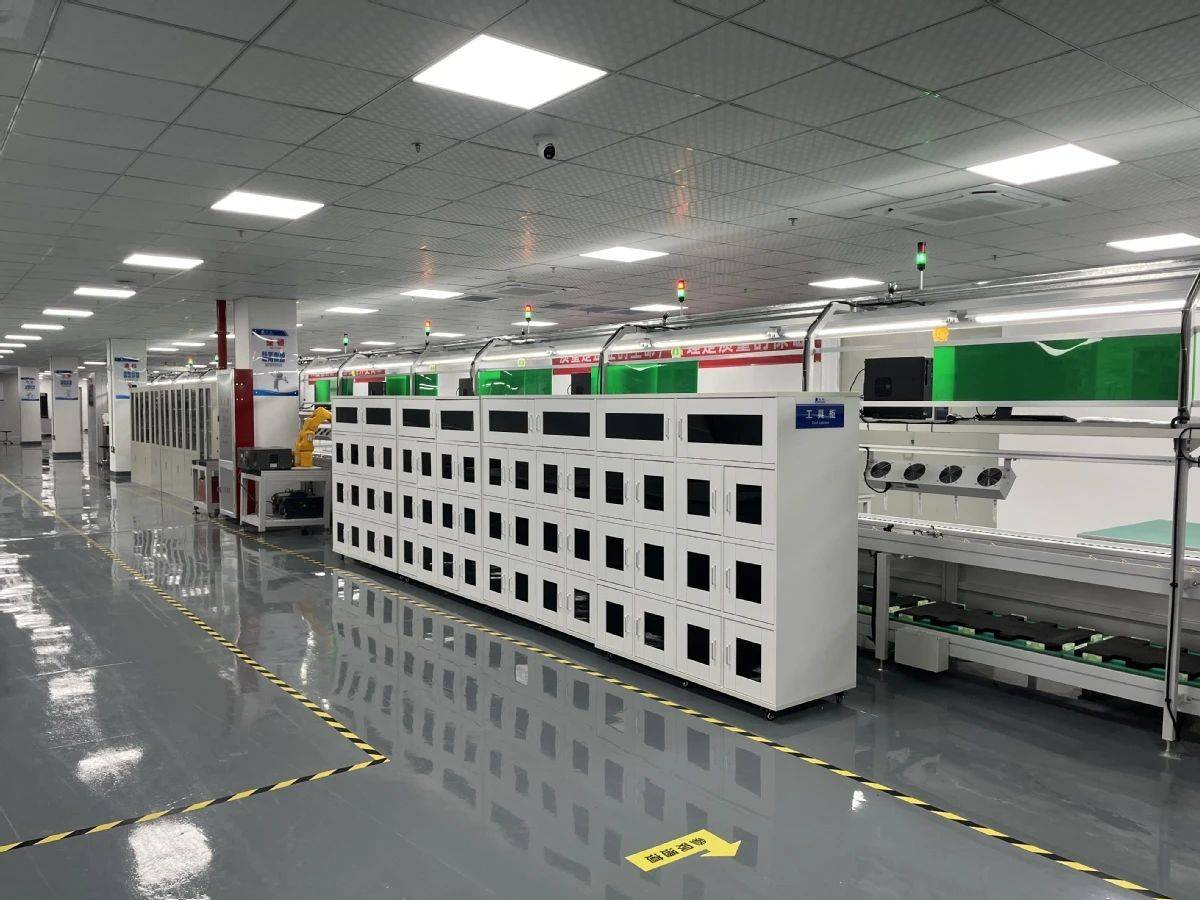
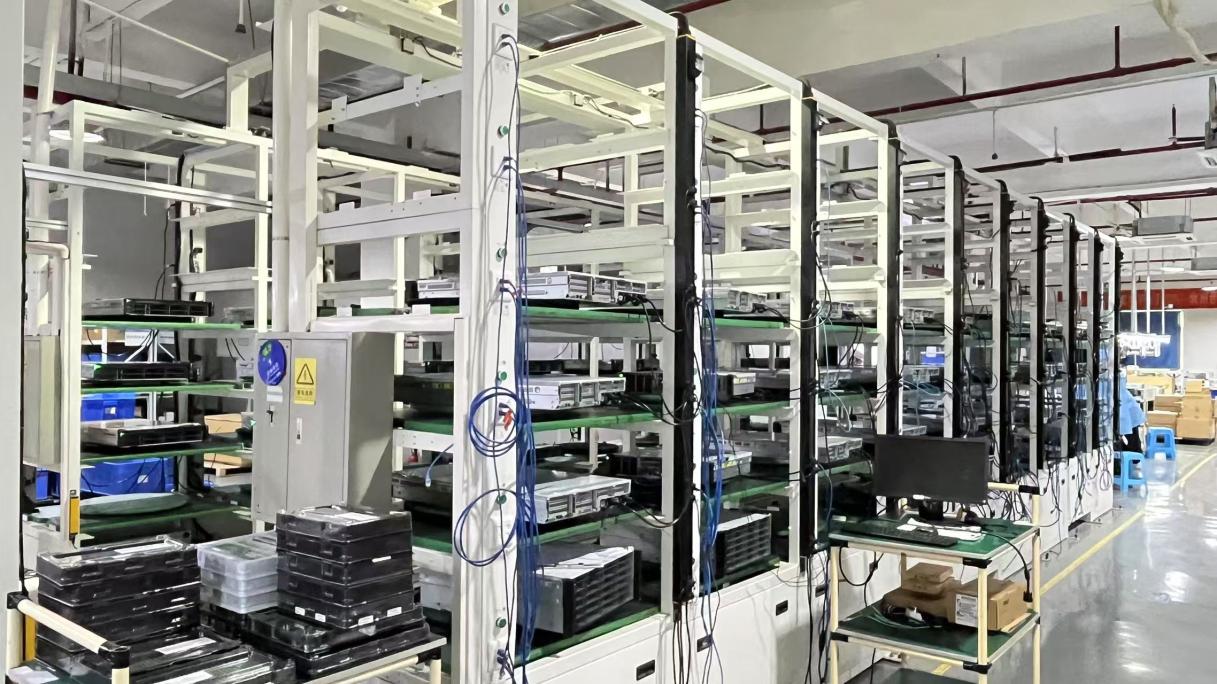
From our custom-designed cleanroom assembly blocks and testing centers spanning 380㎡, Elvantis monitors every single stage of the manufacturing timeline. For more than 7 years, we have exported memory products and enterprise servers worldwide, accumulating an annual export revenue of over USD 12 million. Through a deep supply chain system built alongside 850 strategic cooperative partners, Elvantis ensures rapid component sourcing, high manufacturing capacity, and pricing structures that withstand market fluctuations.
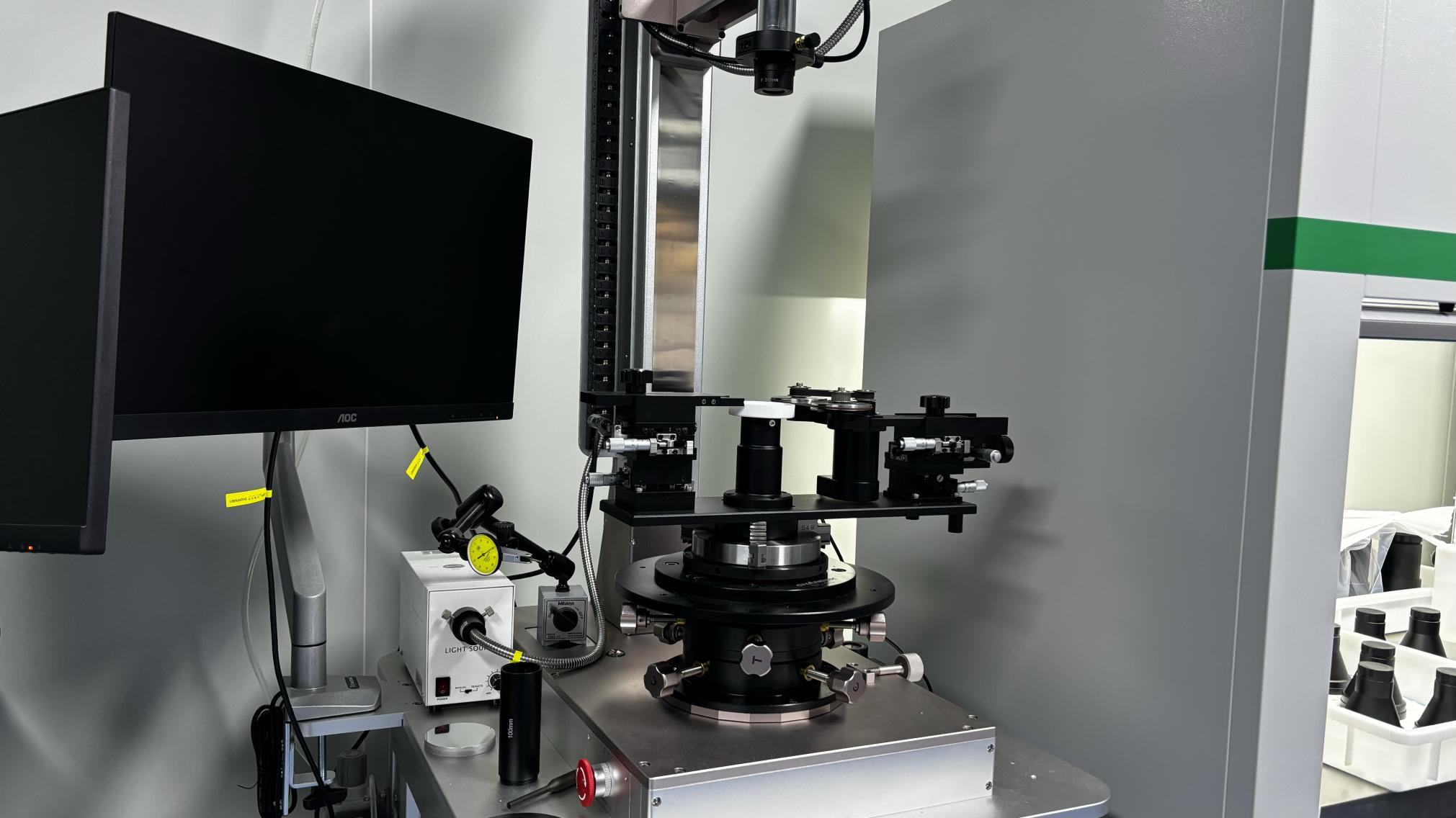
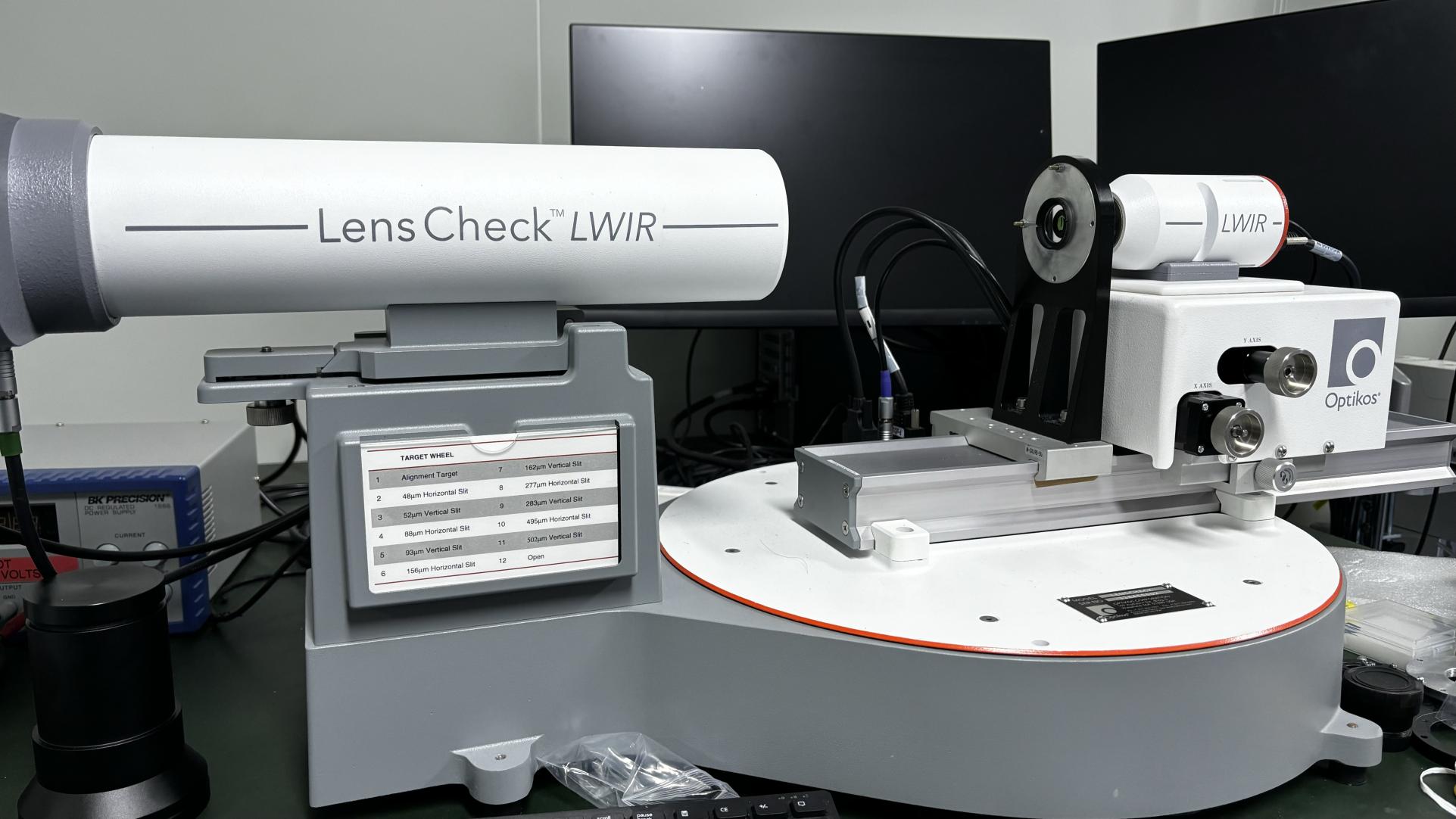
For critical applications in high-frequency trading (HFT) platforms in Amsterdam, cloud computing clusters, and complex medical systems, there is zero tolerance for hardware failures. Our quality assurance framework, managed by 35 certified Quality Control professionals, is built on a rigorous multi-stage check system:
With a dedicated R&D team of 180 engineers and technical staff, Elvantis has designed, built, and launched more than 120 new hardware products within the last 12 months, keeping pace with current requirements for AI workloads, GPU systems, and next-generation storage configurations.
Scalable rackmount systems and high-density components selected specifically for European data centers and colocation facilities.
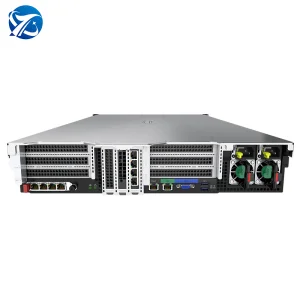
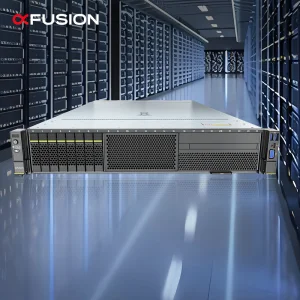
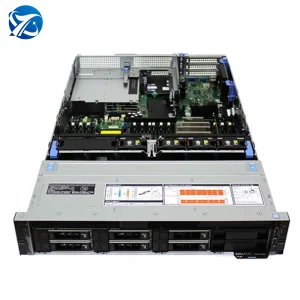
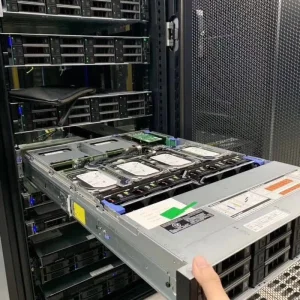 Hot Selling Dell Poweredge Deepseek Ai R750 R740 Gpu R760 R740xd 671B R250 R730 R630 R650 R640 Server
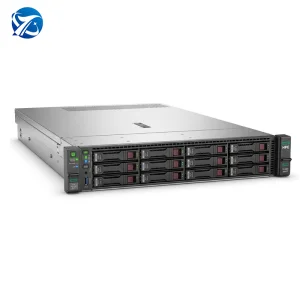
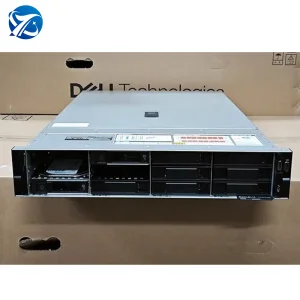 Original DEll PowerEdge R750XS Network Servers R750XS 2U 2-socket Computer Rack Server R750XS
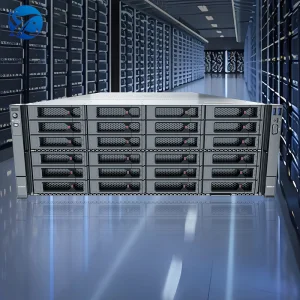
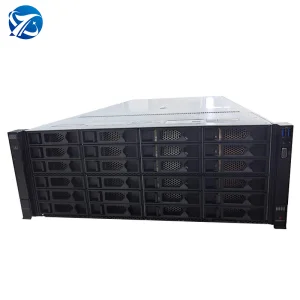
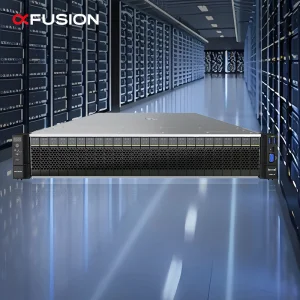
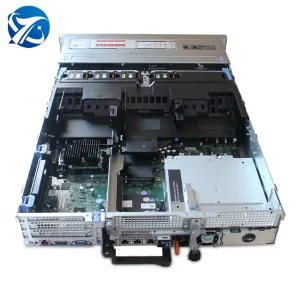 DEll PowerEdge R960 Computer Server Intel Xeon 64GB H755 800W PSU R960 4U Network Rack Server R960
Managing international server component deployment requires clear insights into European import systems, localized custom procedures, and efficient transport operations. Elvantis guarantees fast, reliable shipping through major European trade entry ports: the Port of Rotterdam and Amsterdam Airport Schiphol.
We coordinate transit logistics under DAP (Delivered at Place) or DDP (Delivered Duty Paid) frameworks. This allows us to handle clearance, import duties, and local taxes directly. Dutch cloud platforms and hosting companies can buy without administrative complications, managing their project timelines effectively.
Compliance is a core requirement for European IT procurements. All memory systems, server configurations, and interconnect devices from Elvantis comply with local laws:
Technical guidance and architecture insights for datacenter procurement managers in the Netherlands.
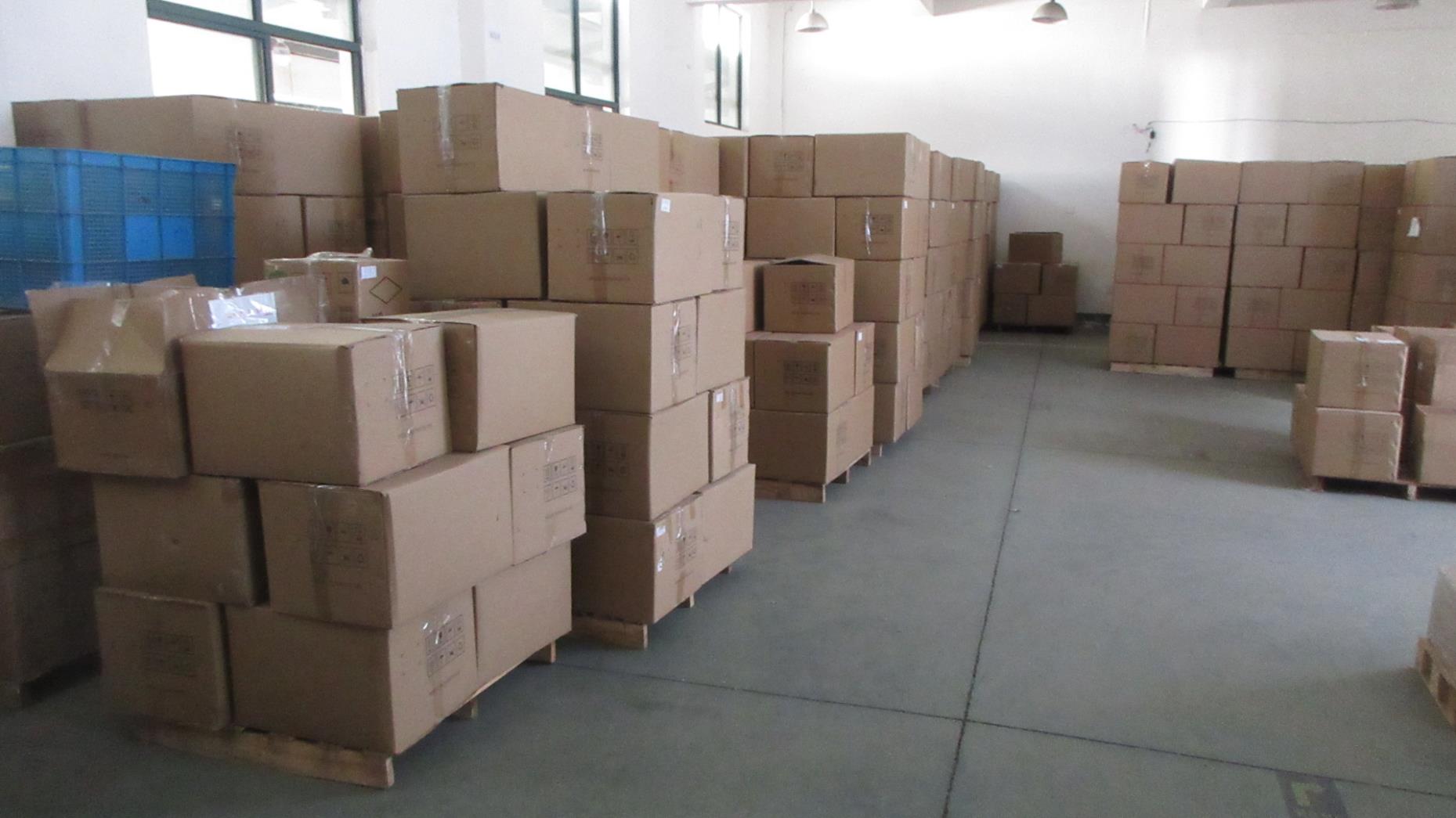
A look at our testing labs, modern cleanroom operations, and quality inspection facilities.
Consult with our enterprise architects to identify the optimal memory speeds, configurations, and pricing structures for your next server deployment cycle in the Netherlands.
Send Inquiry Now