Elvantis Elvantis

Network Switch Manufacturer & Exporter for the Pakistan Market

High-Capacity L2/L3 Core Switches, PoE++ Edge Infrastructure, and Dedicated AI Server Clustered Hardware Engineered for Pakistan’s Digital Transformation

Send Inquiry Now

Industrial Report: Networking Infrastructure & AI Compute Ecosystem in Pakistan (2025–2030)

Pakistan's Telecom & Enterprise Landscape

Under the frameworks of the China-Pakistan Economic Corridor (CPEC) Phase II and national digital transformation initiatives, Pakistan is undergoing a massive migration from legacy network architectures to Software-Defined Networking (SDN) and cloud-native topologies. Industrial zones, fintech agencies, and carrier backbones are driving the demand for 10G, 40G, and 100G switching fabrics.

High-Density Compute & Localization

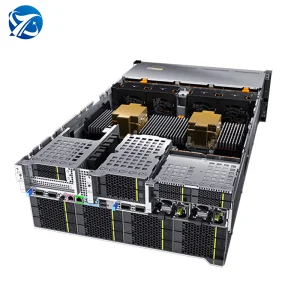
With localized data centers expanding in Karachi, Lahore, and Islamabad, there is an immediate need to integrate L2/L3 core switches with high-density server configurations (like Intel Xeon scalable architectures and GPU clusters for AI workloads). Our hardware is designed to perform in high-temperature environments, complying with NEBS standards and localized energy efficiencies.

1. The Industrial and Commercial Networking Landscape in Pakistan

As Pakistan transitions towards a digital economy, the infrastructure requirements of key economic zones (like Rashakai, Dhabeji, and Allama Iqbal SEZs) demand robust, industrial-grade connectivity solutions. The modernization of legacy network switches is crucial for supporting high-speed optical fiber rollouts led by organizations like PTCL, SCO, and private telecom giants. The national digital mandate requires data security, localized storage capacity, and redundant networking protocols.

Historically, the Pakistani market has faced challenges concerning technical support, PTA compliance barriers, and hardware degradation caused by unstable electrical power grids and high dust indexes. As an established manufacturer and exporter, Elvantis Mesh Systems Ltd. integrates advanced physical chassis filters, hot-swappable dual-redundant power supplies (compatible with fluctuating inputs), and advanced L3 management software to prevent unexpected system shutdowns and hardware packet-drops.
Information Gain: Optical Transceiver & Ambient Thermal Resilience
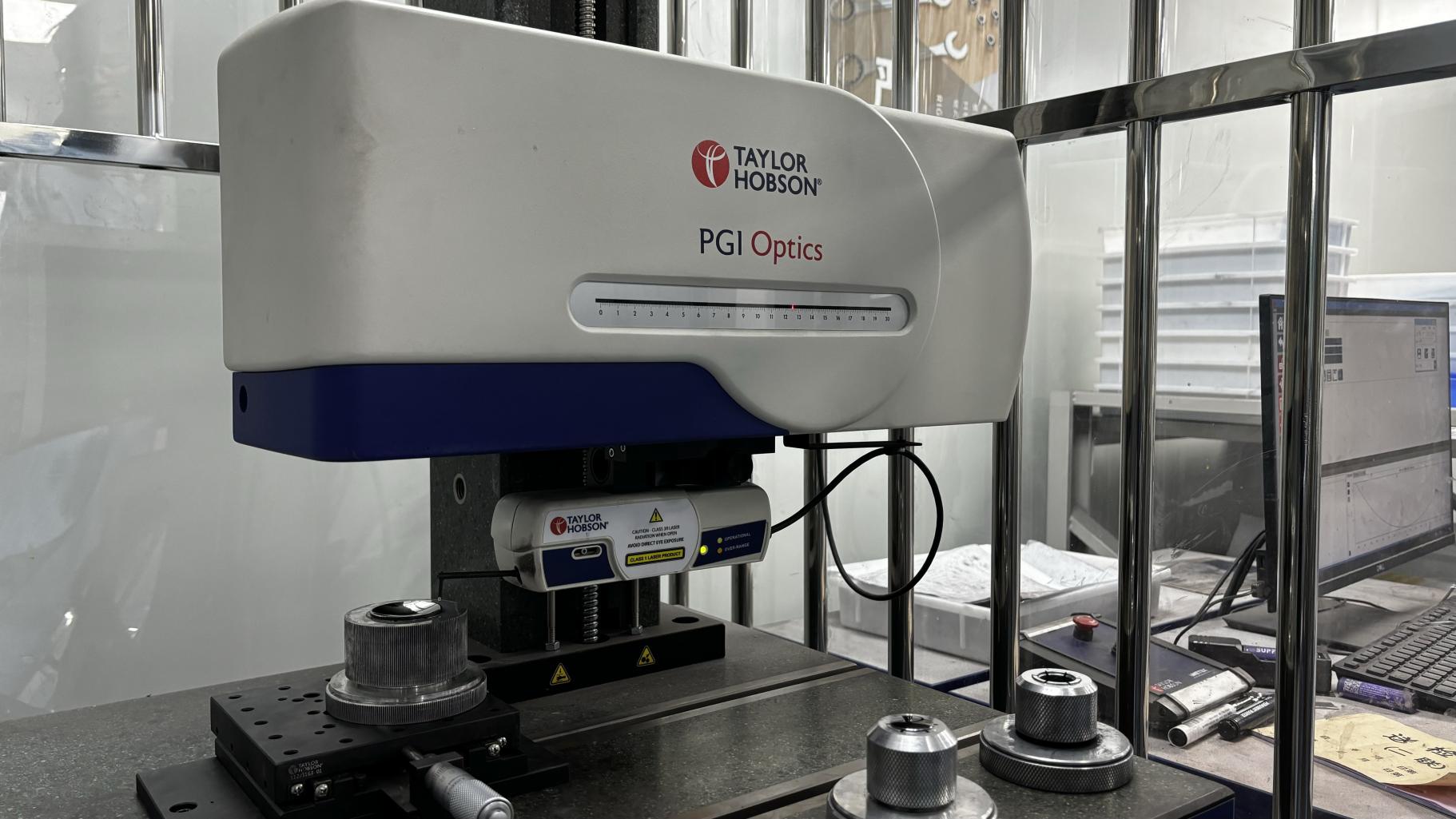
In South Asian environments where seasonal ambient temperatures frequently exceed 45°C, standard active network switches experience high thermal stress. Our core switches utilize automated variable-speed cooling fans and anodized aluminum heat sinks, extending the operational lifespan of SFP+ 10G and QSFP+ 40G optical interfaces by maintaining internal transceiver junction temperatures below 70°C.

2. Localized Application Scenarios

  • Karachi Financial Centers & Banking Hubs: Modern banking requires low-latency, non-blocking L3 switching to process high-frequency transactions. Dual-core redundancy and sub-50ms ring recovery protocols (ERPS) are implemented to protect financial data backbones.
  • Faisalabad & Lahore Textile Automation: Manufacturing plants utilize Power over Ethernet (PoE/PoE++) switches to run high-definition IP surveillance cameras, VoIP phones, and automated sensor systems across expansive factory floors without routing separate power cables.
  • Islamabad Government & Safe City Initiatives: Secure, multi-layer managed network switches enable localized network partitioning, Virtual Local Area Networks (VLANs), and hardware-level encryption to satisfy national cybersecurity mandates.
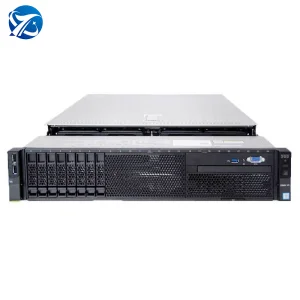
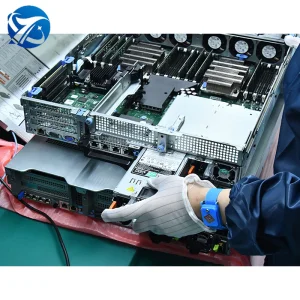
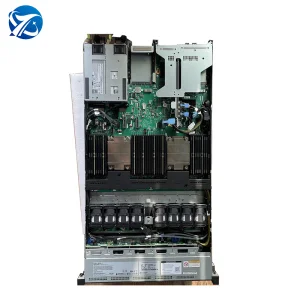
  • University Research & AI Modeling: Local institutions require scalable computing arrays. By pairing high-performance switches with 2U GPU-powered rack servers, universities can run localized LLMs, deep learning models, and complex simulations.

3. Technical Roadmap: The Evolution of Core & Edge Hardware

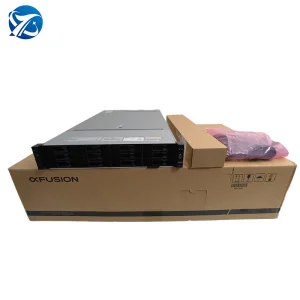
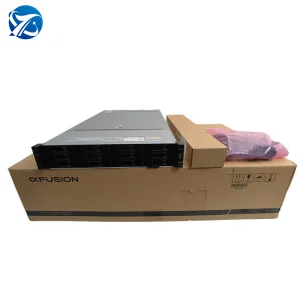
The networking world is transitioning from traditional Gigabit architectures to 10G-to-core, 40G/100G uplinks, and Software-Defined Access (SDA). Our technical roadmap focuses on integrating Artificial Intelligence at the network boundary. Through deep integration with compute hardware (such as xFusion and FusionServer lines), we provide unified provisioning, allowing network administrators in Pakistan to deploy virtualization instances directly from a single control panel.

Additionally, high-density storage switches utilizing NVMe-over-Fabrics (RoCE v2) are replacing older iSCSI systems, permitting data transfer rates up to 100Gbps with minimal CPU utilization. This roadmap ensures that hardware deployed in Pakistan today remains fully compatible with upcoming 5G standalone networks and fiber-to-the-node (FTTN) expansions.

10+
Years Industry Exp
$12M+
Annual Export Revenue
850+
Global Partners
180+
R&D Engineers

4. China Manufacturing Supply Chain Resilience & Export Efficiency

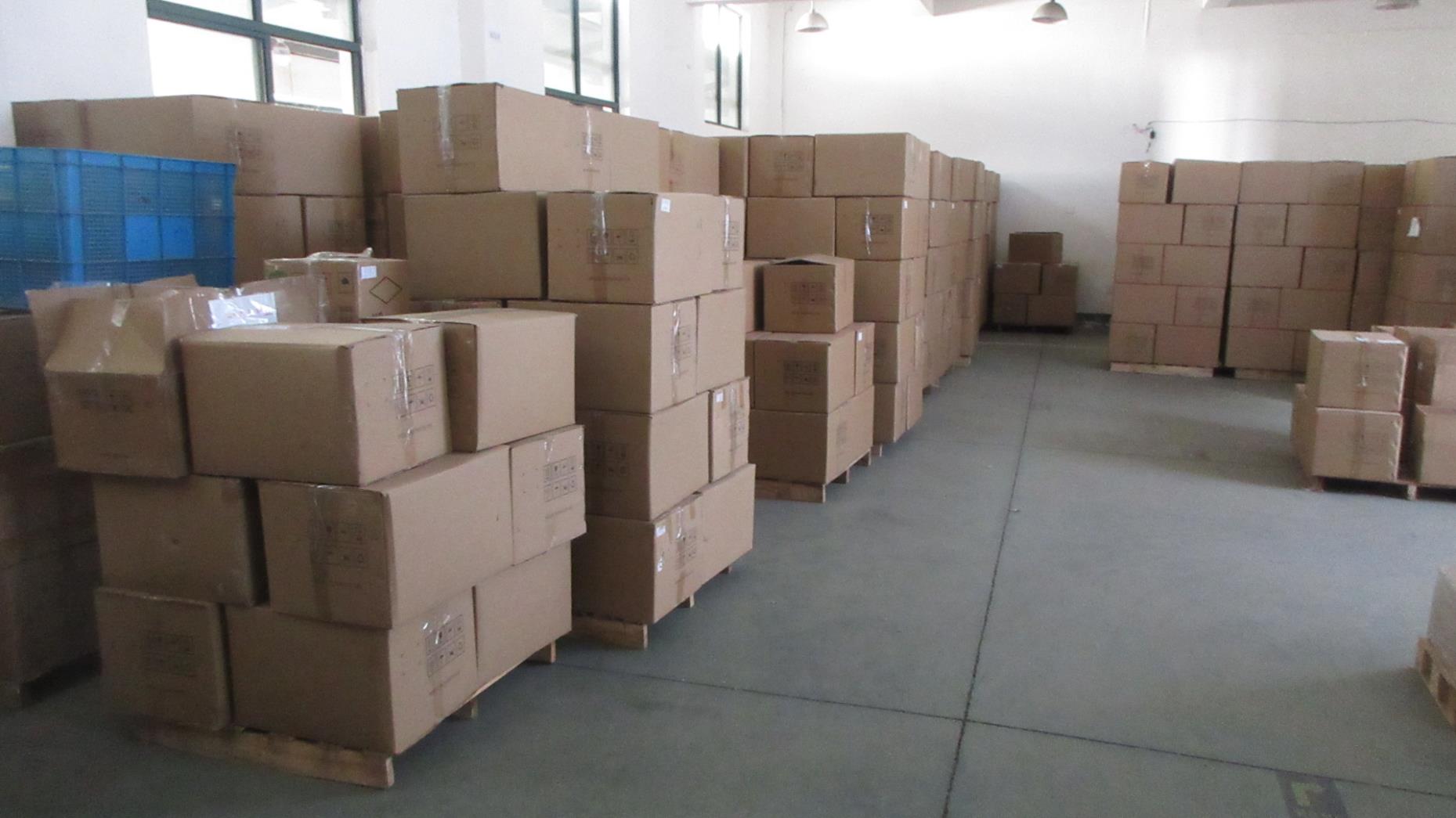
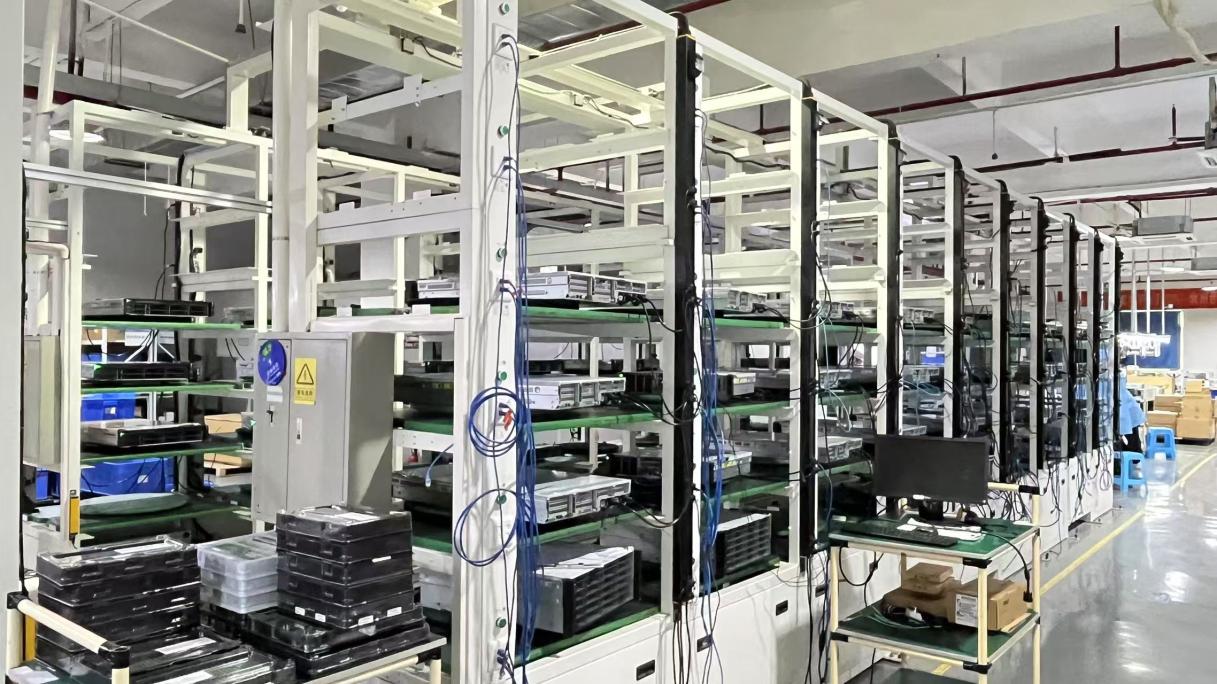
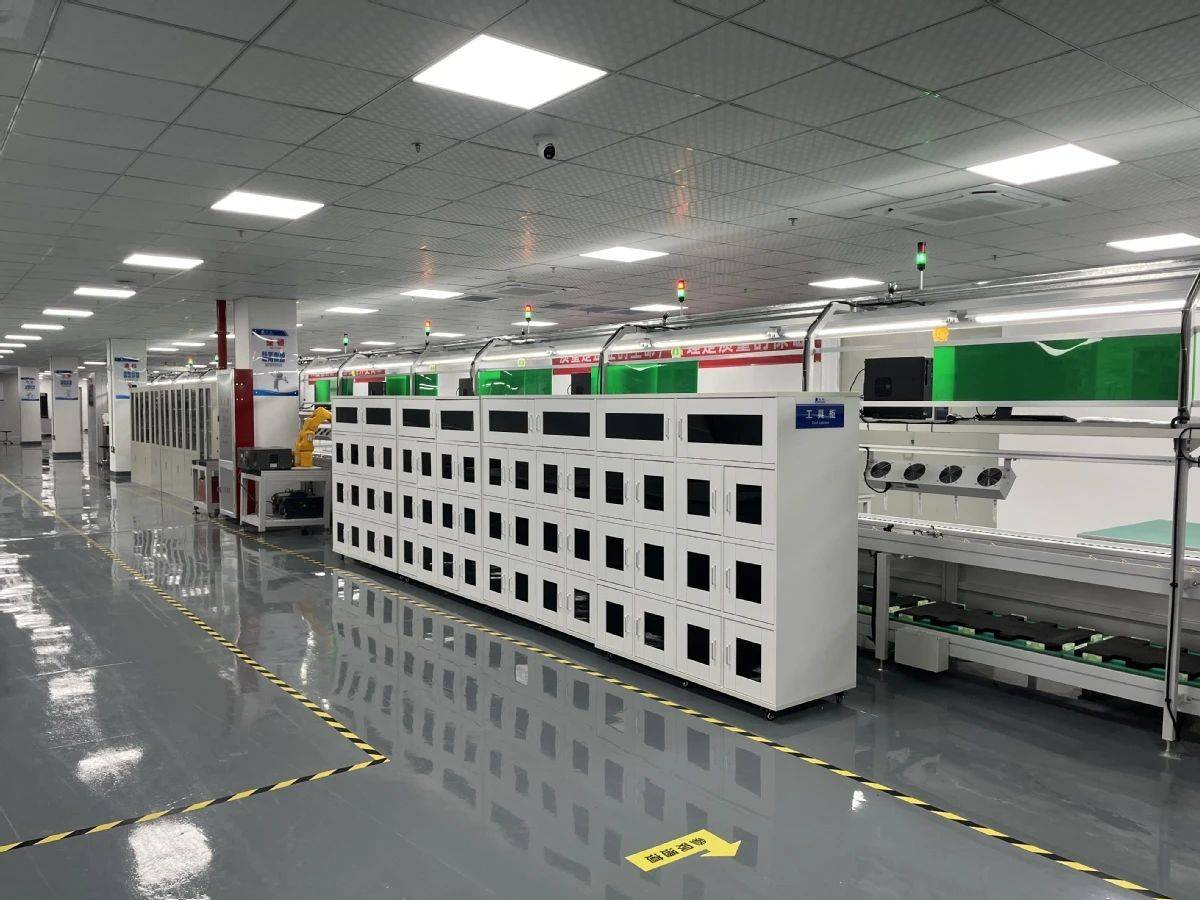
Elvantis Mesh Systems Ltd. is strategically situated in China’s premier electronics and communications manufacturing cluster. This location enables us to leverage direct access to critical components, high-speed SMT assembly systems, and advanced testing resources. With a production area of over 380㎡ dedicated to advanced prototyping, high-density server design, and precision switch assembly, we guarantee strict lead times for customized configurations.

Our supply chain model offers distinct advantages for the Pakistani market:
  1. Direct Maritime and Overland Routes: Shipments are dispatched from Shenzhen or Guangzhou ports directly to Karachi Port (Keamari / Port Qasim), or transported overland via the Khunjerab Pass (Karakoram Highway) for northern regions like Gilgit-Baltistan and Islamabad, reducing delivery transit times by up to 40%.
  2. OEM/ODM Flexibility: We configure hardware specifications—such as custom ASIC chips, localized firmware interfaces, unique port configurations, and localized power supply cords—to suit precise client requirements.
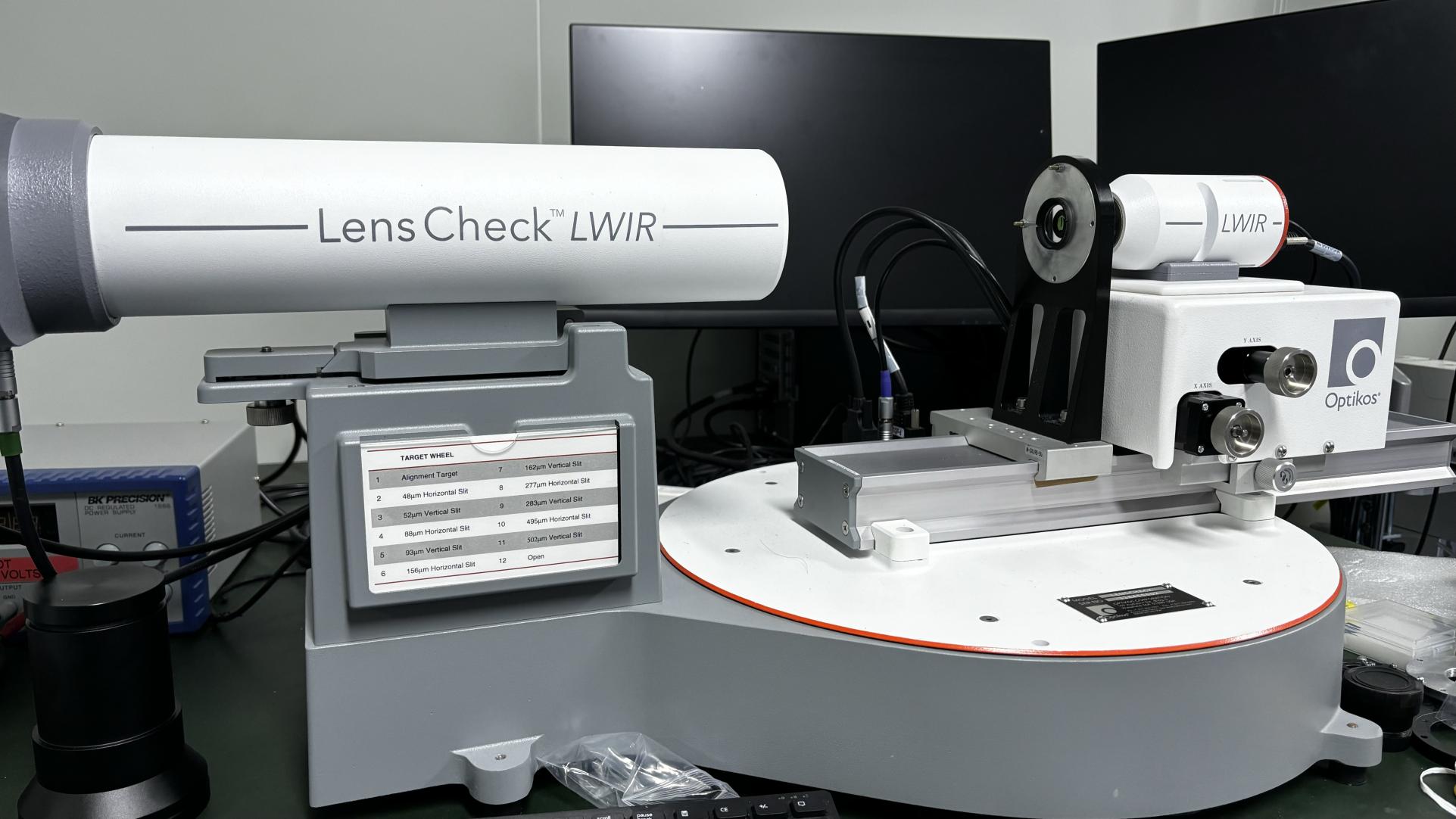
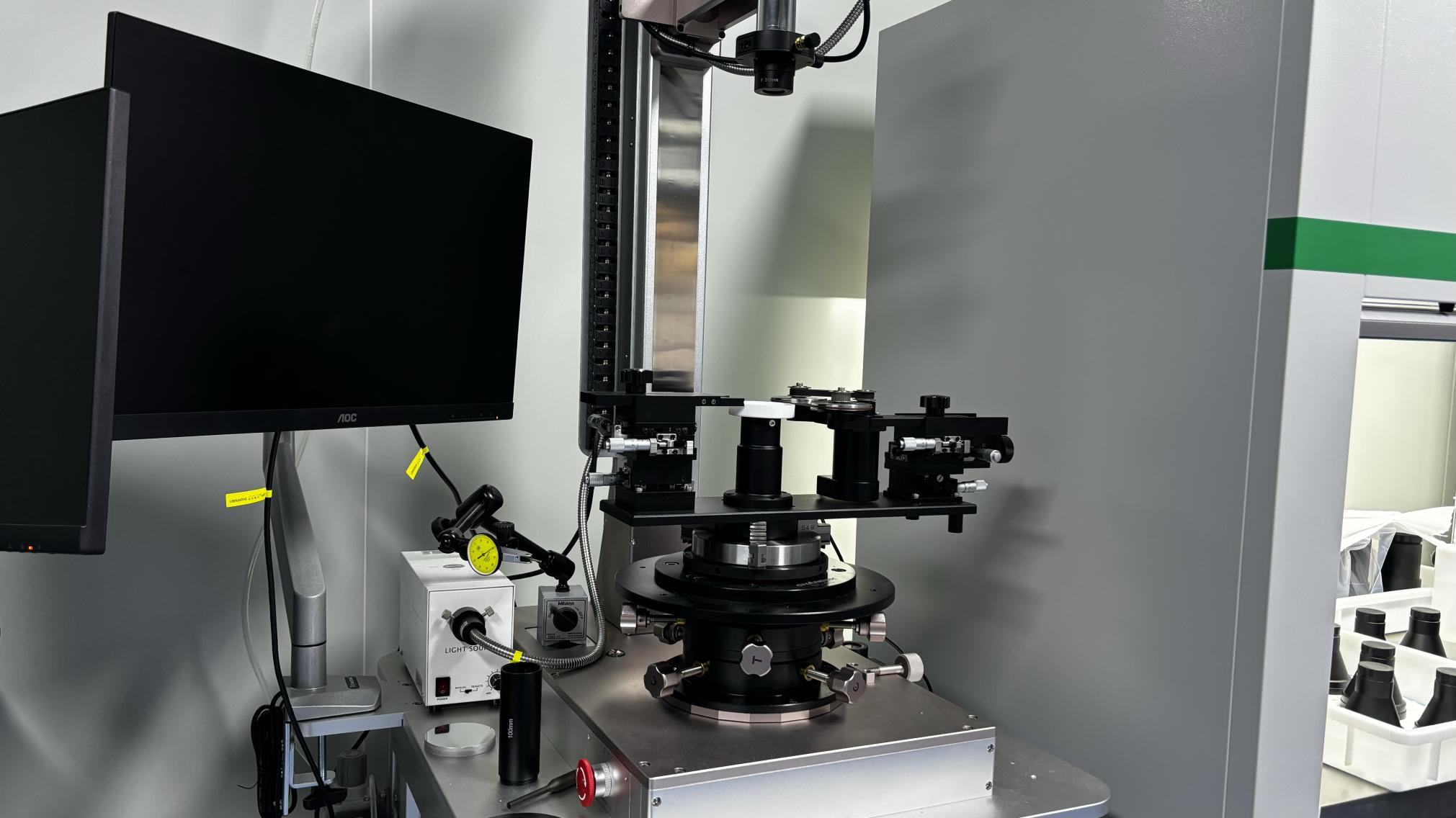
  3. Comprehensive Quality Control: Supported by a dedicated team of approximately 35 QC professionals, every switch and server undergoes automated optical inspection (AOI), thermal cycling validation, and full stress testing under sustained data load conditions prior to packaging.

5. Compliance, PTA Approvals & Local Support

Importing telecom and computing equipment into Pakistan requires strict adherence to localized regulatory frameworks. We provide complete documentation support, including CE, FCC, RoHS, and PTA (Pakistan Telecommunication Authority) type approvals. Additionally, our documentation team assists Pakistani buyers with the issuance of Letters of Credit (L/C) and Form I-9, ensuring streamlined customs clearance through the Federal Board of Revenue (FBR) systems.

For large-scale enterprise deployments, we provide remote installation guidance and SLA-backed warranty options. Hardware replacement components can be positioned at regional logistical nodes (Karachi and Lahore) to ensure minimal downtime for vital operations.

6. Technical Frequently Asked Questions (FAQ)

Q: Are these network switches compatible with PTA type-approval requirements?
A: Yes. All our core and access switches, along with enterprise server systems, are shipped with full technical test reports, RoHS certificates, and compliance documentation. This streamlines the Pakistan Telecommunication Authority (PTA) approval process for telecom and enterprise networks.
Q: How do your products handle ambient heat and power fluctuations in Pakistan?
A: Our switches utilize industrial-grade capacitors, dual-redundant hot-swappable power supplies designed to handle voltage fluctuations, and a multi-fan thermal design with automatic RPM adjustment. This keeps the internal temperatures optimal even in ambient environments up to 50°C.
Q: Can you support custom OEM configurations and CLI commands?
A: Absolutely. We provide robust OEM/ODM services, including customizing the firmware, loading custom operating systems, labeling chassis, and establishing CLI commands compatible with existing Cisco/H3C command environments.
Q: What are the shipping lead times to Karachi Port?
A: Standard production times range from 7 to 15 days, depending on order size. Shipping from Shenzhen or Guangzhou port to Karachi Port (Keamari or Qasim) typically takes 18 to 22 days. Overland transport options are also available via Gilgit-Baltistan for specific regions.
Comprehensive Hardware Portfolio

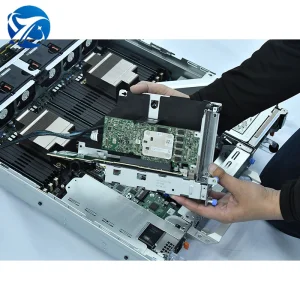
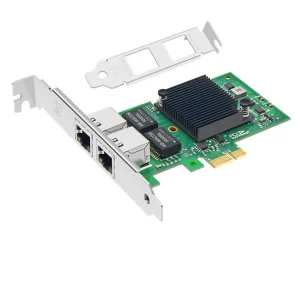
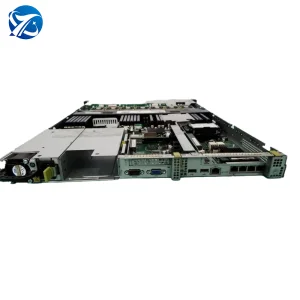
Explore our full line of enterprise network switches, rack servers, and expansion cards ready for export to Pakistan.

Initiate Your Network Modernization Today

Connect with our expert design engineers for free system architecture consultations, specialized pricing, and PTA compliance guidance for the Pakistani market.

Send Inquiry Now