 Elvantis
Elvantis
Elvantis
High-throughput, low-latency architectures engineered to support smart manufacturing clusters in the Kansai region.
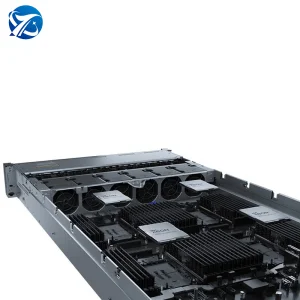
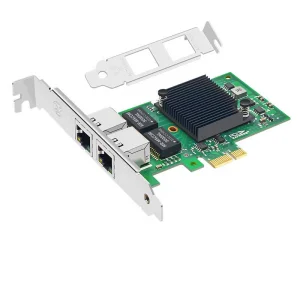
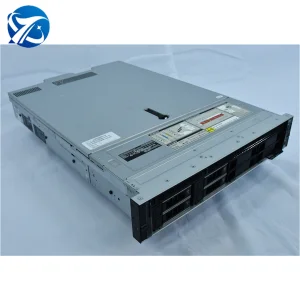
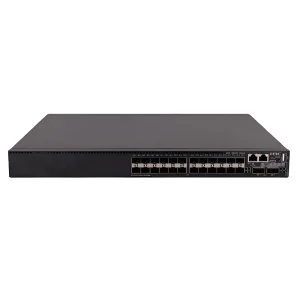
As Japan's second-largest metropolitan economy, the Kansai region—with Osaka at its epicentre—is undergoing an unprecedented digital shift. From the precision manufacturing factories of Higashiosaka to the sprawling port facilities of Yumeshima, the modernization of industrial control systems (ICS) demands highly reliable network switches. Legacy communications are no longer sufficient to handle the vast bandwidth requirements of Industrial IoT (IIoT), AI-powered quality inspection, and machine-to-machine (M2M) communications.
High-capacity Layer 3 switches, equipped with 10G and 40G optical core uplinks, serve as the backbone for these smart factories. In modern manufacturing environments, a millisecond of network latency can halt entire production lines. Our high-performance networks offer low-latency switching fabrics, ensuring deterministic communication pathways, rugged thermal structures designed for shop floors, and seamless integration with existing industrial ethernet protocols.
Osaka Smart Industry Initiative: The Osaka Prefectural Government has prioritized digital integration, pushing local manufacturers to leverage cloud compute nodes and high-speed local area fabrics. Our products bridge the gap between traditional field devices and modern cloud systems.
Industrial applications in Osaka require robust equipment designed for continuous duty cycles. Standard consumer-grade or low-tier business hubs cannot handle the high-vibration, electromagnetic interference (EMI), and thermal swings common in heavy manufacturing hubs. This is why our switches support advanced L2/L3 routing protocols, Ring Coupling resilience, and sub-50ms self-healing recovery times.
Elvantis Mesh Systems Ltd. is a high-performance server and enterprise networking manufacturer. We specialize in building scalable hardware solutions for artificial intelligence, high-performance computing (HPC), and modern data center deployments. Since our inception, we have integrated R&D with advanced assembly, testing, and strict quality assurance pipelines.
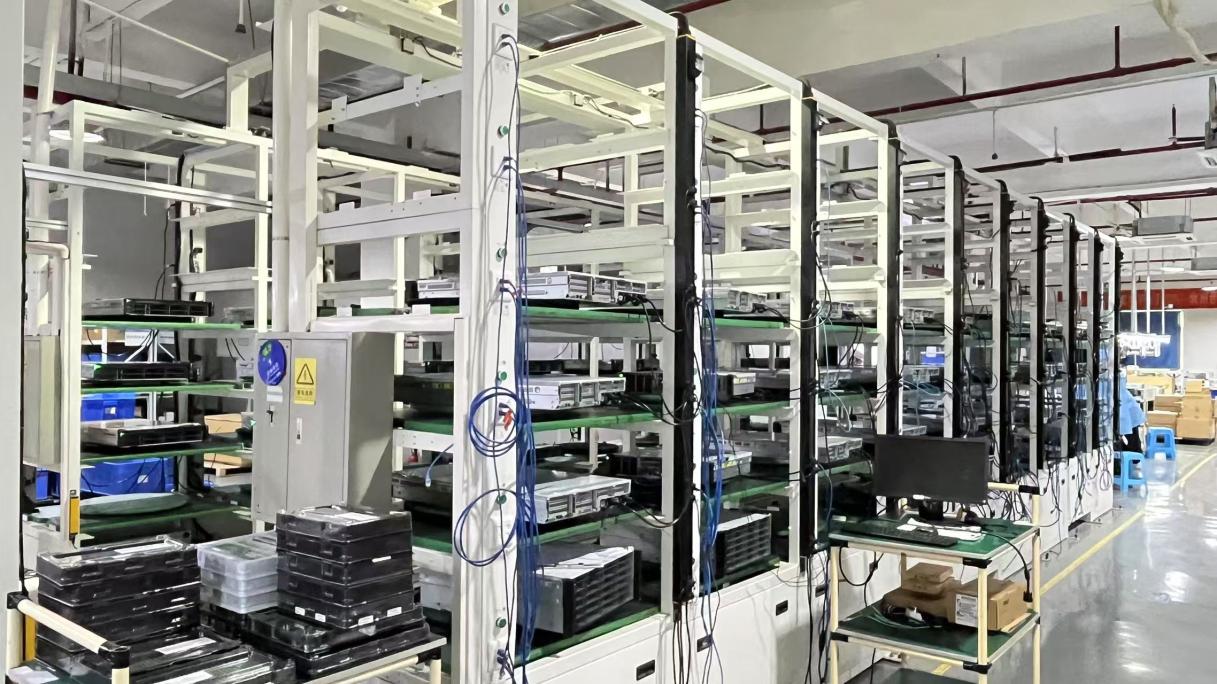
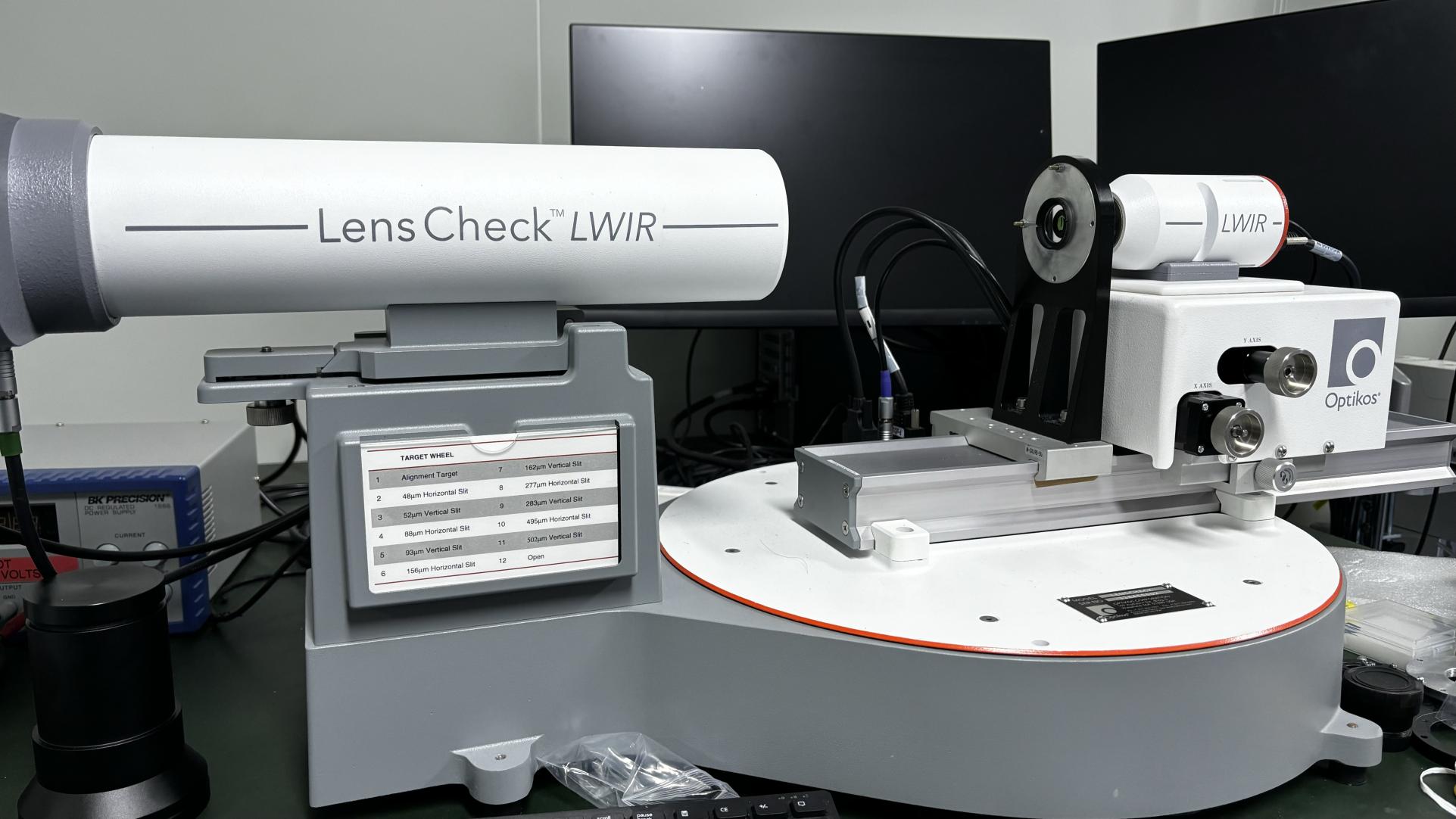
Operating a modern production facility, Elvantis supports complex custom system configurations, high-density CPU designs, and liquid-cooled datacenter architectures. Our rigorous multi-layer quality assurance framework follows ISO 9001 management standards, utilizing Automated Optical Inspection (AOI), environmental thermal testing, and heavy workload burn-in procedures under full hardware diagnostic loads. Over 35 dedicated QC professionals oversee our quality processes.
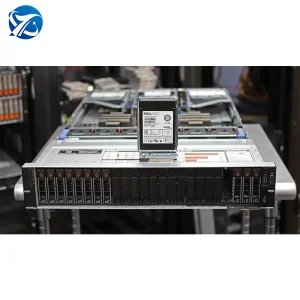
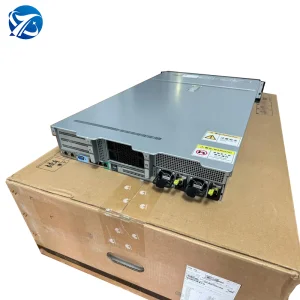
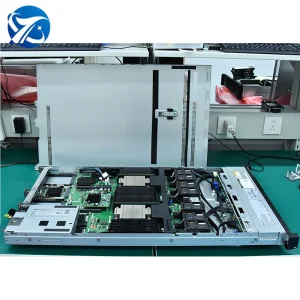
Below are actual views from our production facilities, testing bays, and logistics operations. We keep large inventory stocks ready for immediate configuration and dispatch to Osaka ports and Kansai International Airport (KIX).
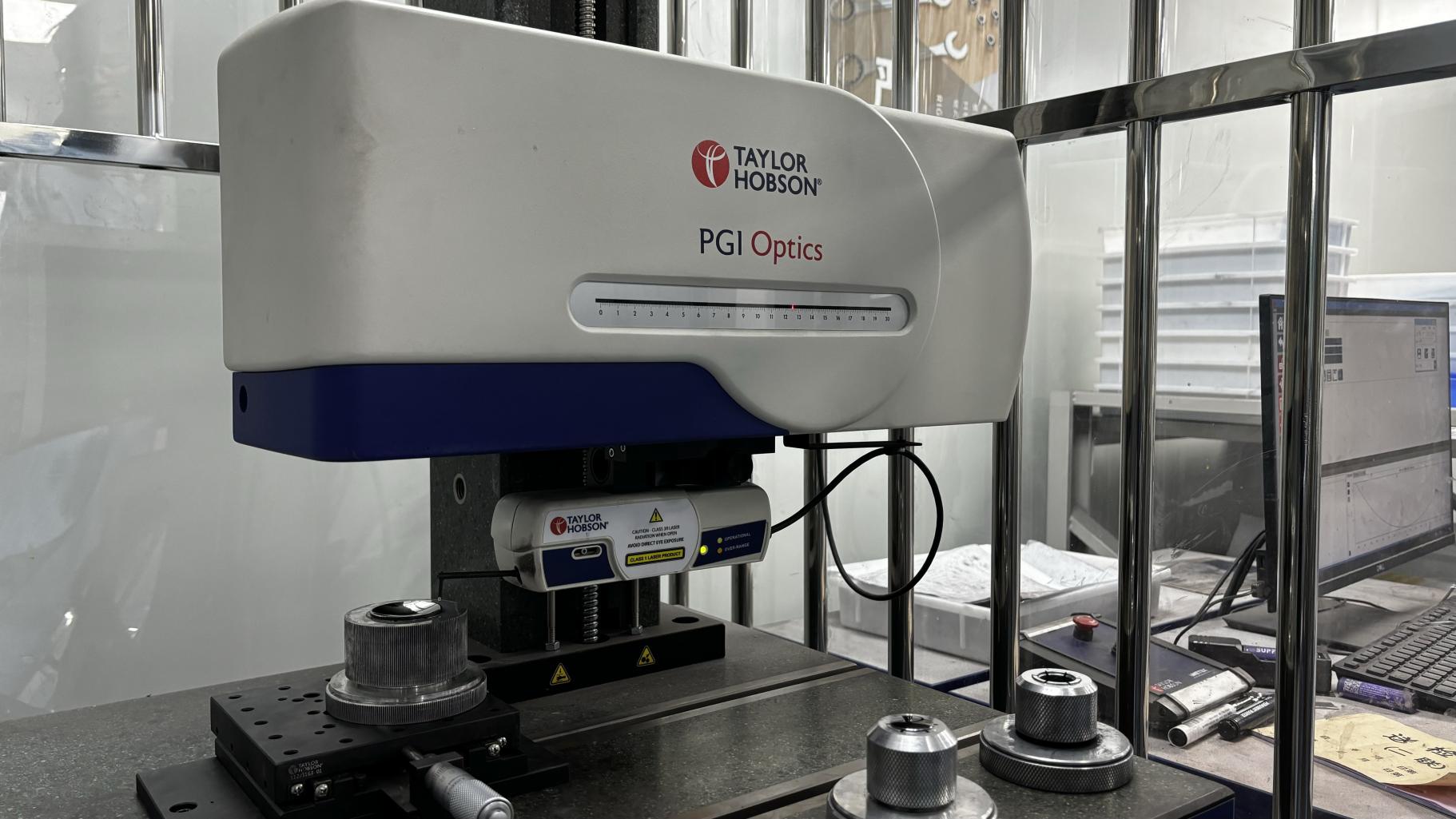
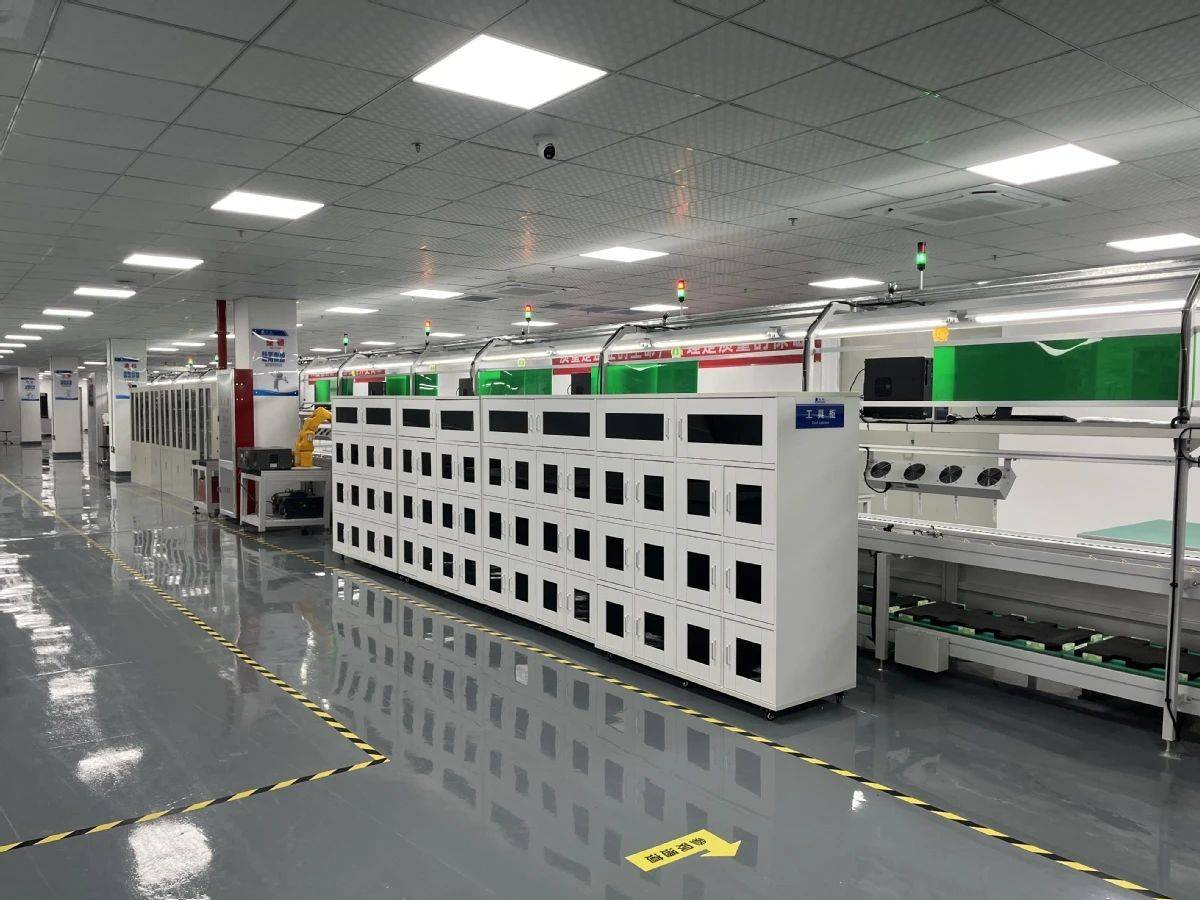
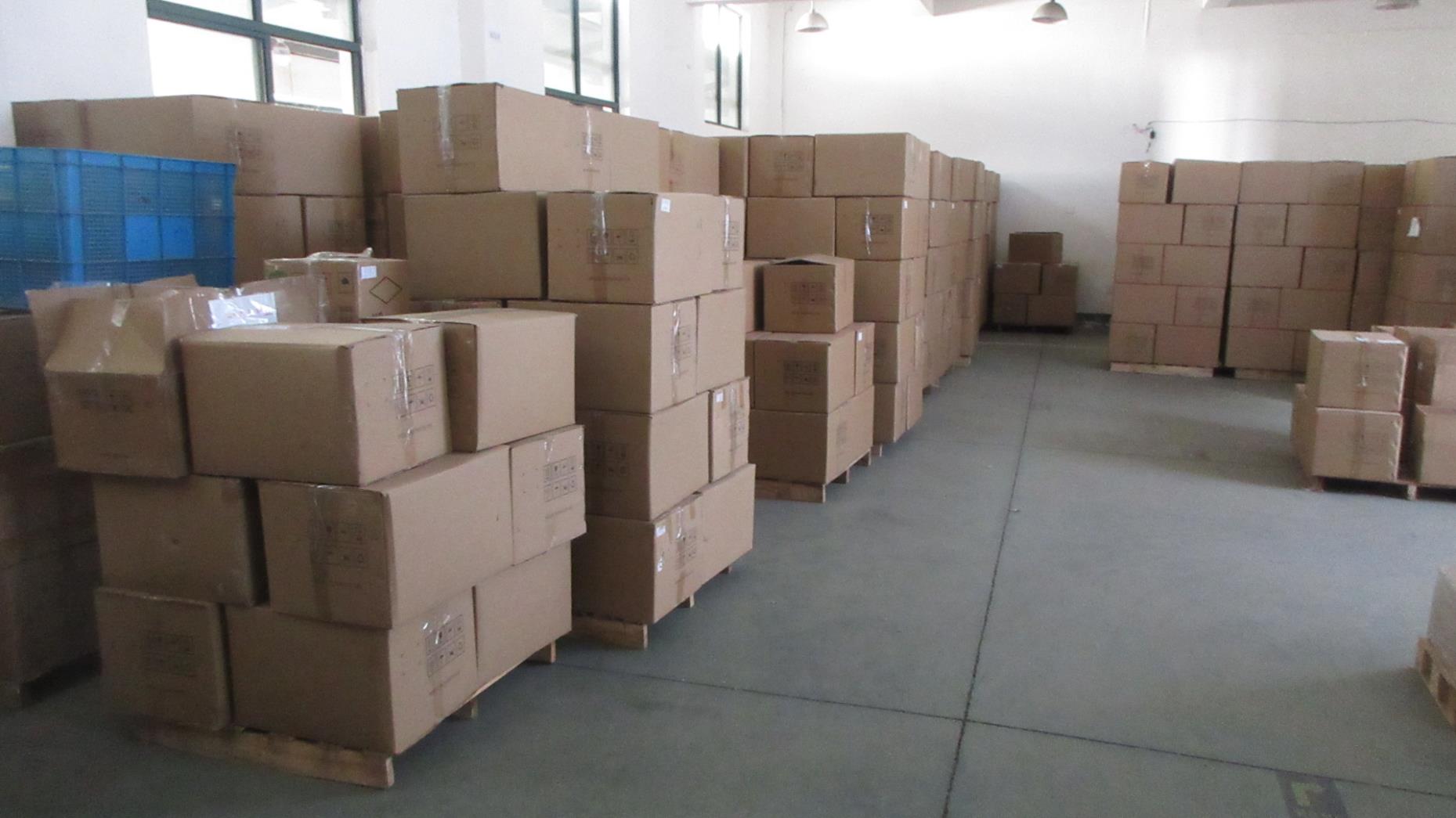
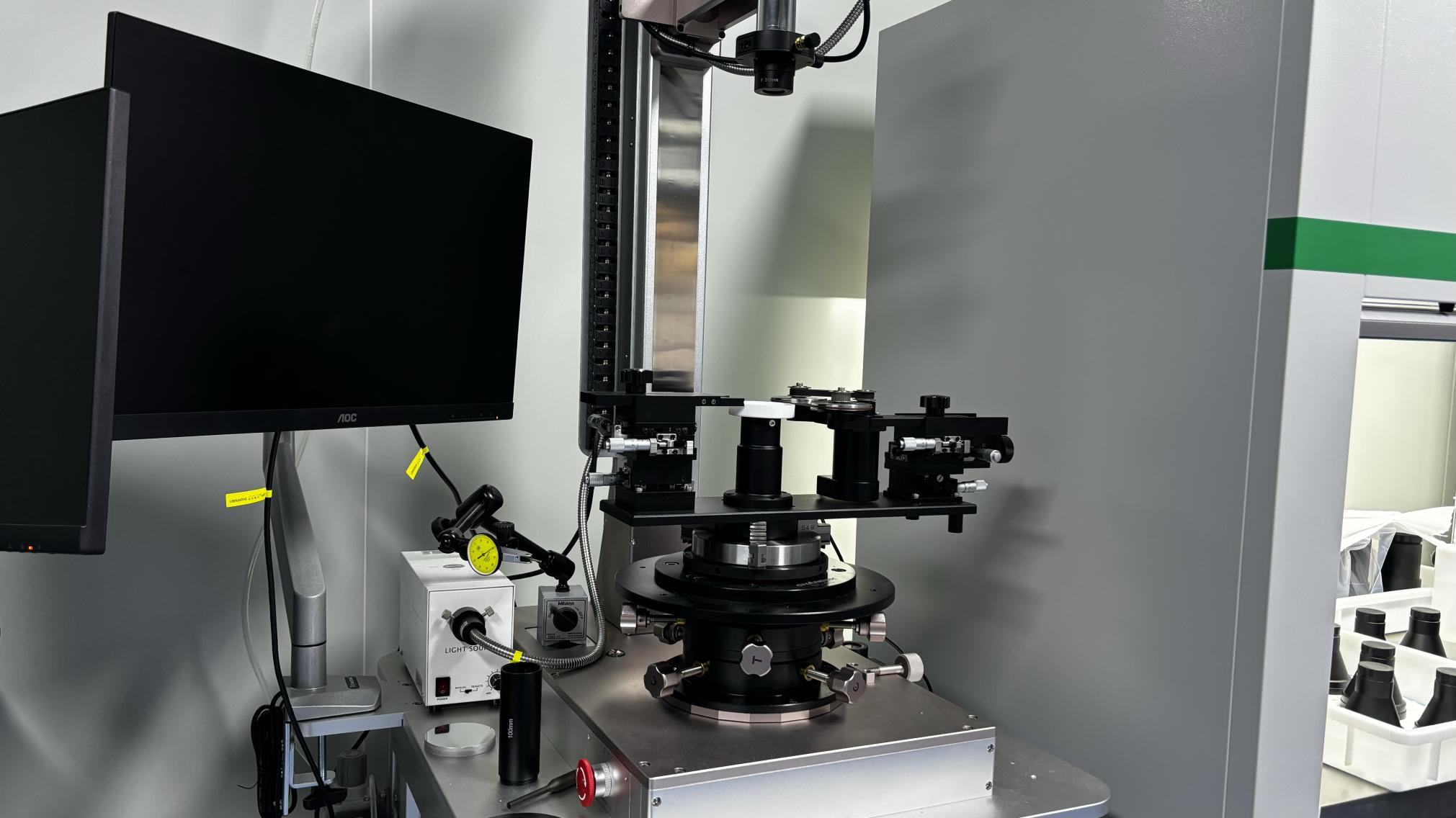
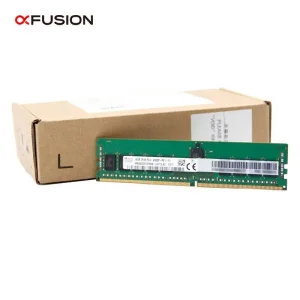
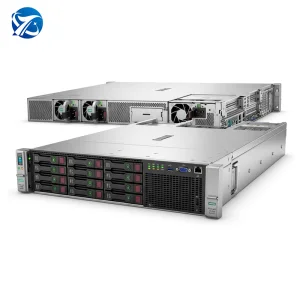
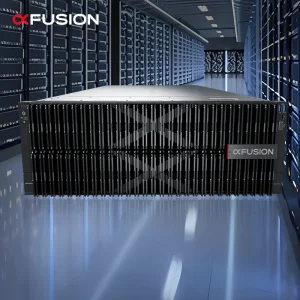
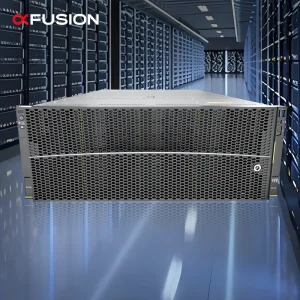
High-capacity memory and enterprise systems optimized for Osaka's cloud infrastructure.
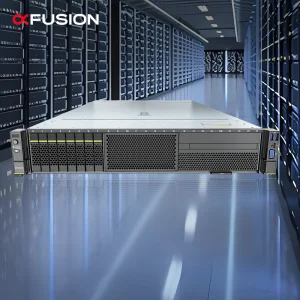
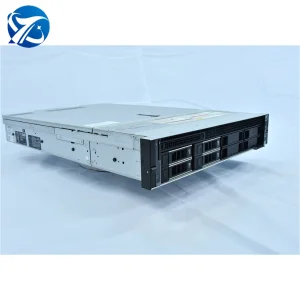
The global datascape is shifting rapidly due to the growth of Large Language Models (LLMs) and advanced neural systems (such as Deepseek architectures). This transition requires a complete overhaul of traditional datacenters. Modern workloads rely heavily on massive parallel computations distributed across GPU server nodes, which places extreme pressure on local network fabrics. High-speed networking switches have evolved from simple packet-forwarding nodes into complex, active processors that manage high-throughput congestion control, priority traffic queues, and packet losses.
To support this, modern network switches utilize non-blocking switching architectures. This ensures that every port can process maximum traffic simultaneously without data collisions or drops. Coupled with advanced features like Link Aggregation (LACP), Virtual Router Redundancy Protocol (VRRP), and Quality of Service (QoS) configurations, these systems form the foundation of high-performance computing (HPC) networks. For businesses in Osaka, this means seamless integration with core switches, AI storage servers, and expansion chassis, ensuring minimal bottlenecking across local networks.
When designing or upgrading enterprise communication fabrics, local IT architects generally choose between three primary topologies. Below is a comparative breakdown showing how to select the right approach for your needs.
| Architecture Type | Ideal Application | Bandwidth Scaling | Latency Profile | Redundancy Level |
|---|---|---|---|---|
| Spine-Leaf Fabric | AI Compute Clusters & Data Centers | 100G to 400G Uplinks | Ultra-Low (< 1μs) | High (N+1 Paths) |
| Three-Tier Core-Dist-Access | Traditional Enterprise Headquarters | 10G Core to 1G Access | Medium (~5ms) | High (LACP/VRRP) |
| Rugged Industrial Rings | Smart Factory Floors (Higashiosaka) | 10G Ring Backbones | Deterministic (< 10ms) | Ultra-High (Self-Healing) |
Importing enterprise-grade networking and computing systems into Japan requires strict compliance with local regulations. Our export operations are fully optimized to handle these requirements, ensuring smooth delivery to Osaka without customs delays:
The networking industry is on the verge of its next major leap. Over the next five years, local network architectures will transition from 10G/40G backbones to ultra-high-speed 100G, 400G, and 800G optical lines. This evolution is driven by several key technological trends:
1. Silicon Photonics Integration: Standard transceivers are being replaced by silicon photonics, which integrates optical routing directly onto silicon chips. This design significantly reduces power consumption and heat generation in core switches.
2. Artificial Intelligence Telemetry: Modern L3 switches now feature built-in telemetry engines. These systems run light machine-learning algorithms to detect anomalies, predict traffic congestion, and automatically reroute packets before network degradation occurs.
3. Smart City Infrastructure (Yumeshima & Beyond): As Osaka prepares for the upcoming World Expo and expands its municipal smart services, edge nodes will require high-speed switching grids to handle massive amounts of real-time sensor data.
Frequently asked questions regarding industrial integration, local support, and technical compliance in Osaka.
For standard in-stock enterprise switches and configurations, the shipping timeframe via ocean freight to the Port of Osaka is approximately 7 to 10 working days. For urgent projects, air freight via Kansai International Airport (KIX) reduces delivery times to 3 to 5 business days, including customs processing and VCCI validation checkups.
Our switches use standard IEEE protocols (like 802.1Q VLAN trunking, 802.3ad Link Aggregation, OSPF, and BGP). This ensures full compatibility with legacy networking equipment from other major brands. We also provide configuration guides and support to assist with the integration process.
Yes. Backed by our R&D team of 180+ engineers, we provide custom OEM/ODM solutions. This includes modifying port configurations (RJ45, SFP+, QSFP28), adding specialized power inputs (DC 24V/48V for factory floors), and tailoring firmware features to match your exact network requirements.
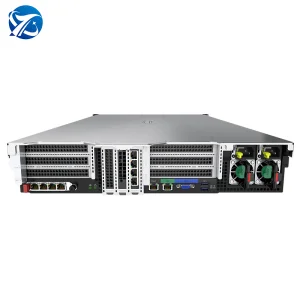
High-performance processing power and switching capacity for advanced Kansai enterprise networks.
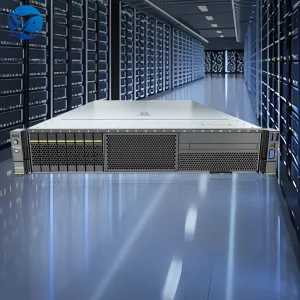
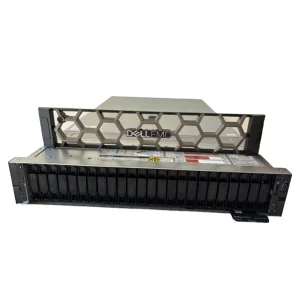
Contact our network engineering team today for technical details, localized cost estimates, and hardware optimization services.