Elvantis
Elvantis
Elvantis
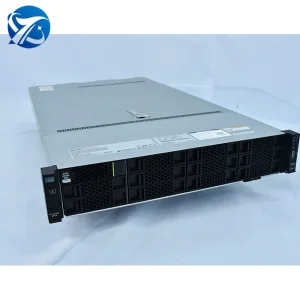
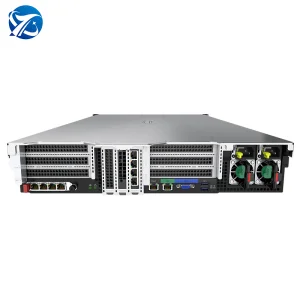
Pre-configured, high-performance computing racks ready for swift deployment in corporate data hubs, telecommunications centers, and government institutions in Uzbekistan.
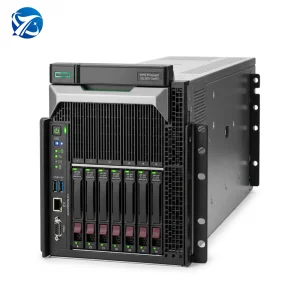
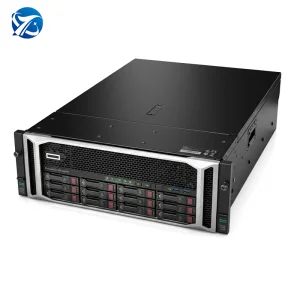
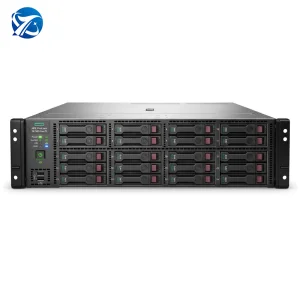
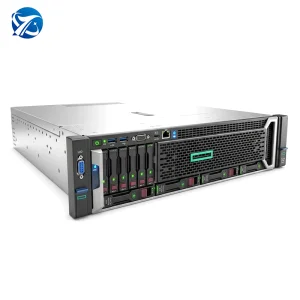
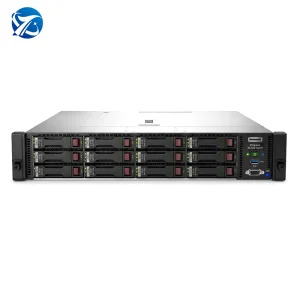
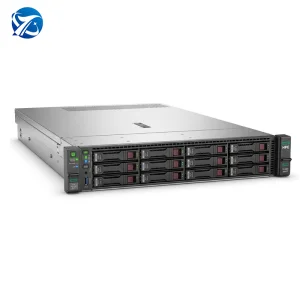
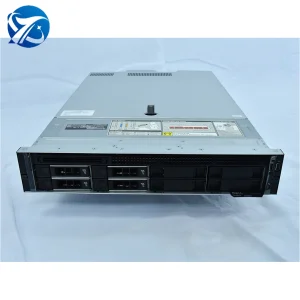
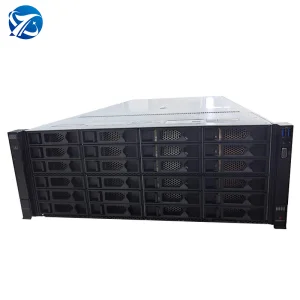
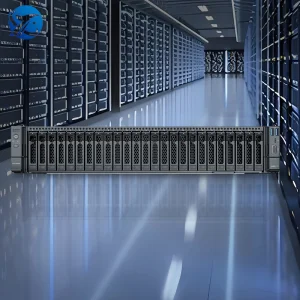
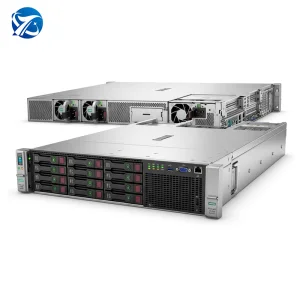 Original HPE ProLiant DL380 Gen11 2U Enterprise Server High Performance Storage Rack Server in Stock
As the largest market by population in Central Asia, Uzbekistan is undergoing an unprecedented digital renaissance. Under the nationwide "Digital Uzbekistan 2030" strategic framework, governmental agencies, financial institutes (such as SQB and Ipoteka Bank), and regional telecommunications operators are migrating traditional on-premises setups to robust hybrid clouds and micro-datacenter environments.
This scale-up relies heavily on computing platforms that possess high resilience, low failure rates, and long lifespan. The HPE ProLiant series, particularly the DL380 and DL360 variants in Gen11 and Gen12 eras, forms the baseline of the region's localized server nodes. Enterprise storage demands are growing rapidly, driven by the personal data storage regulations enacted under Law No. ZRU-547, which mandates that all citizen personal details must reside physically within the borders of Uzbekistan.
Consequently, local firms, cloud hosting service providers, and global system integrators are actively sourcing high-tier servers with resilient processors, high NVMe PCIe storage arrays, and high-performance system configurations directly from China's efficient export channels to secure fast delivery and low pricing structures.
Uzbekistan's computational requirements have surged by more than 40% year-on-year, especially in Tashkent, Samarkand, and the special IT zone of the IT Park Tashkent.
Maximum compute capacity per rack unit. High-density, high-performance thermal options optimized for Tashkent's hot summer climate zones.
Understanding the actual field conditions of data center integration across primary commercial sectors in Uzbekistan.
Banks in Tashkent transitioning to digital operations require databases with ultra-low transactional latency. The integration of HPE ProLiant DL380 Gen12, with high-frequency DDR5 RAM and NVMe configurations, enables banks to host core banking platforms securely, avoiding structural data blocks while maintaining regulatory compliance with the Central Bank of Uzbekistan (CBU).
Regional telecom giants scaling up 5G and fiber-to-the-home services require virtual machine nodes for software-defined networking (SDN). HPE DL360 Gen11 and Gen12 1U architectures offer optimized compute densities. Dual Intel Xeon Scalable processors allow virtualization environments to manage massive container pods while minimizing energy consumption in co-location setups.
From Navoi's chemical and mining plants to automated cotton logistics clusters in the Fergana Valley, local heavy industries rely on edge AI servers to run telemetry algorithms. Having high-reliability hardware platforms prevents production stoppages and operational disruptions, protecting operational continuity in harsh environments.
Choosing the right generation of HPE ProLiant platforms directly impacts operational lifecycle value. Gen11 platforms represent a highly stable and mature hardware architecture utilizing PCIe Gen5 interfaces, Intel Xeon Scalable Gen 4 processors, and DDR5 RAM. This configuration addresses current virtualization, database management, and network appliance demands with high cost-efficiency.
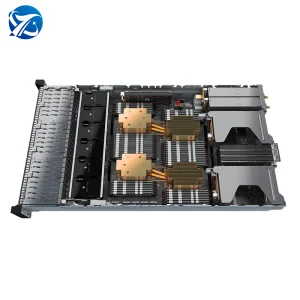
For enterprises planning ahead for the next decade, HPE Gen12 servers introduce improvements designed for dense artificial intelligence, high-frequency analytical computing, and intense parallel processing. Integrating advanced thermal designs, including specialized liquid-cooling blocks for 1U layouts, allows processors to run at high boost clocks constantly without triggering thermal throttling.
Additionally, with integrated silicon root of trust security architecture and real-time firmware verification, HPE servers ensure that hardware components remain secure against boot-level exploits. This makes them ideal for financial networks and sensitive state systems across Central Asian economic zones.
Doubling data transfer rates over PCIe 4.0, facilitating high-speed communication between NVMe drives, network controllers, and accelerator GPUs.
Delivers memory frequencies up to 5600 MT/s, eliminating CPU waiting cycles and enhancing virtual machine density per server chassis.
Combining world-class manufacturing, rapid component sourcing, and testing protocols to deliver customized, ready-to-deploy hardware to Central Asia.
Operating from our modern assembly facility in China, Elvantis Mesh Systems Ltd. acts as a reliable supplier and exporter of HPE-compatible architectures and high-density compute systems. With over 180 engineering and technical specialists, we provide custom design and integration, spanning specialized GPU setups, rack configurations, and optimized firmware packages.
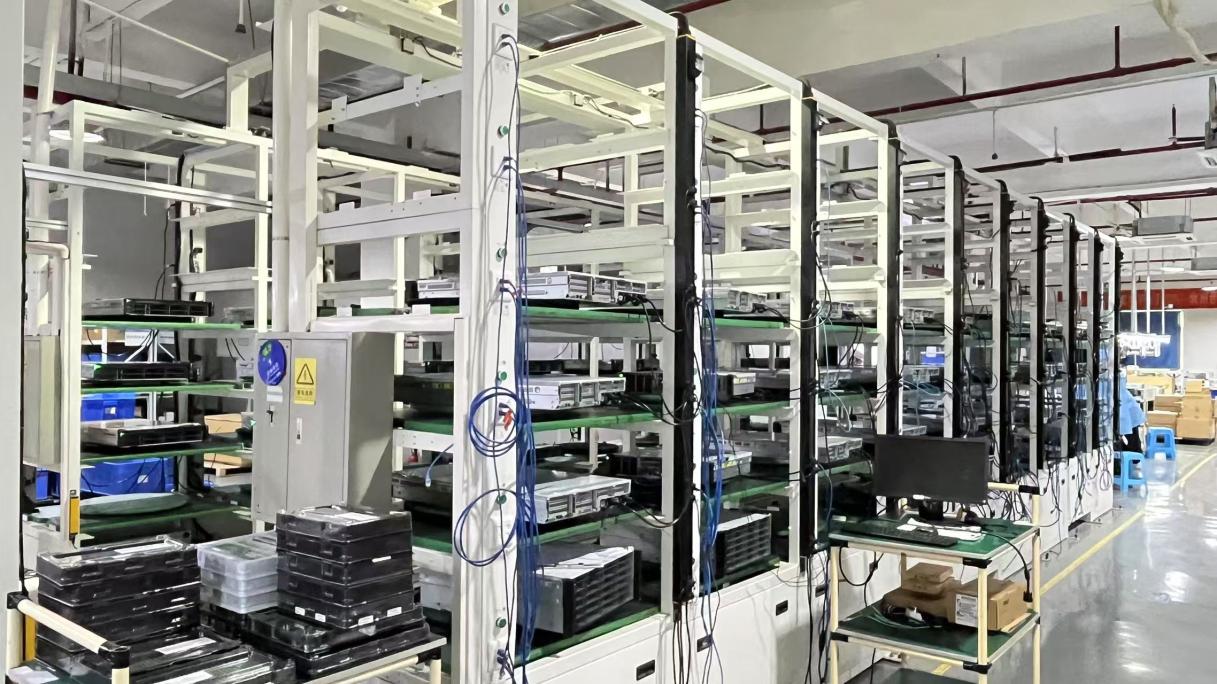
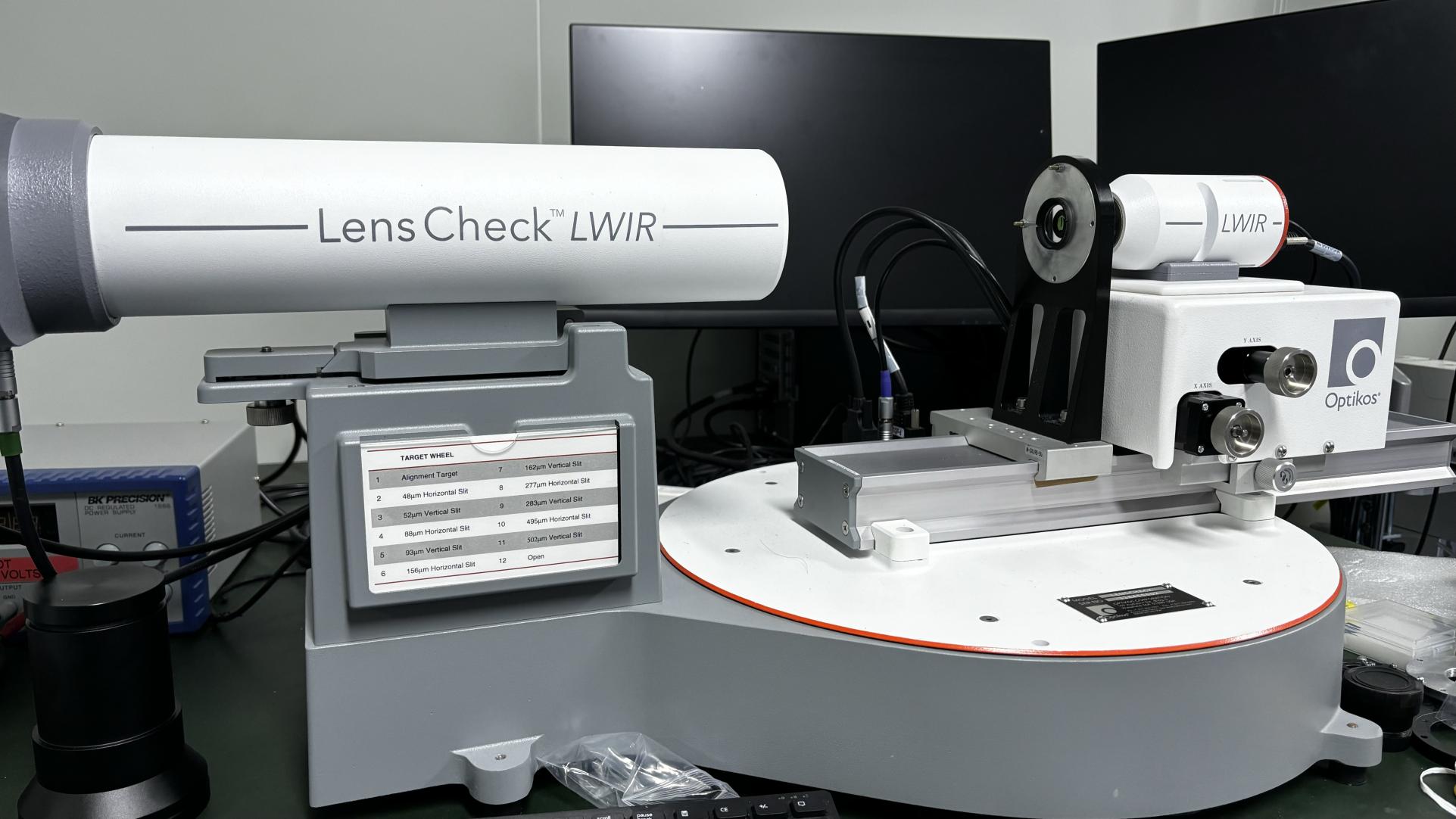
Every server undergoes a strict quality assurance process directed by our 35 QC professionals. This process includes automated optical inspection (AOI), high-temperature stress tests, hardware diagnostics, and full stress testing simulating heavy compute workloads. This testing regimen ensures that when hardware arrives in Tashkent, it is ready for deployment right out of the box.
Thanks to our extensive supply network of over 850 partners, we can source system components quickly, maintaining short lead times and competitive pricing even during global component shortages.
Strict inspection of CPUs, memory sticks, SSDs, and motherboard components before assembly.
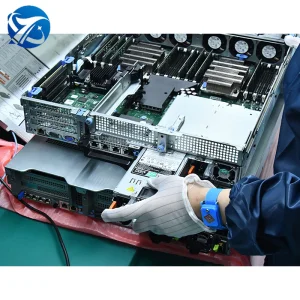
Precision assembly in anti-static rooms following OEM/ODM instructions.
72-hour continuous stress testing under high workloads to confirm system stability.
Shockproof container packing, designed for overland and air transit to Central Asia.
Navigating import regulations and logistics routes is critical for successful server deployments in Central Asia. Shipping directly from China factories utilizes overland routes like the Chongqing-Xinjiang-Europe rail line, or road freight through the Khorgos border crossing, arriving directly at Tashkent customs terminals. This route bypasses maritime delays, securing shipping times of 10 to 18 days.
All exported units are configured with power supplies compatible with Uzbekistan’s standard electrical grid (220V/50Hz), and can be shipped with optional high-efficiency dual hot-plug power supplies for redundant configurations. We provide necessary technical documentation, including custom declaration papers, manufacturer certificates of origin, and compliance files, to streamline local customs clearance processes.
Additionally, we work with local systems integrators across Uzbekistan to offer warranty support, replacement parts, and technical assistance. This combination of reliable hardware and local collaboration ensures peace of mind for ongoing enterprise operations.
Explore our complete catalog of rack systems, GPU platforms, and storage solutions available for custom configuration and export to Uzbekistan.
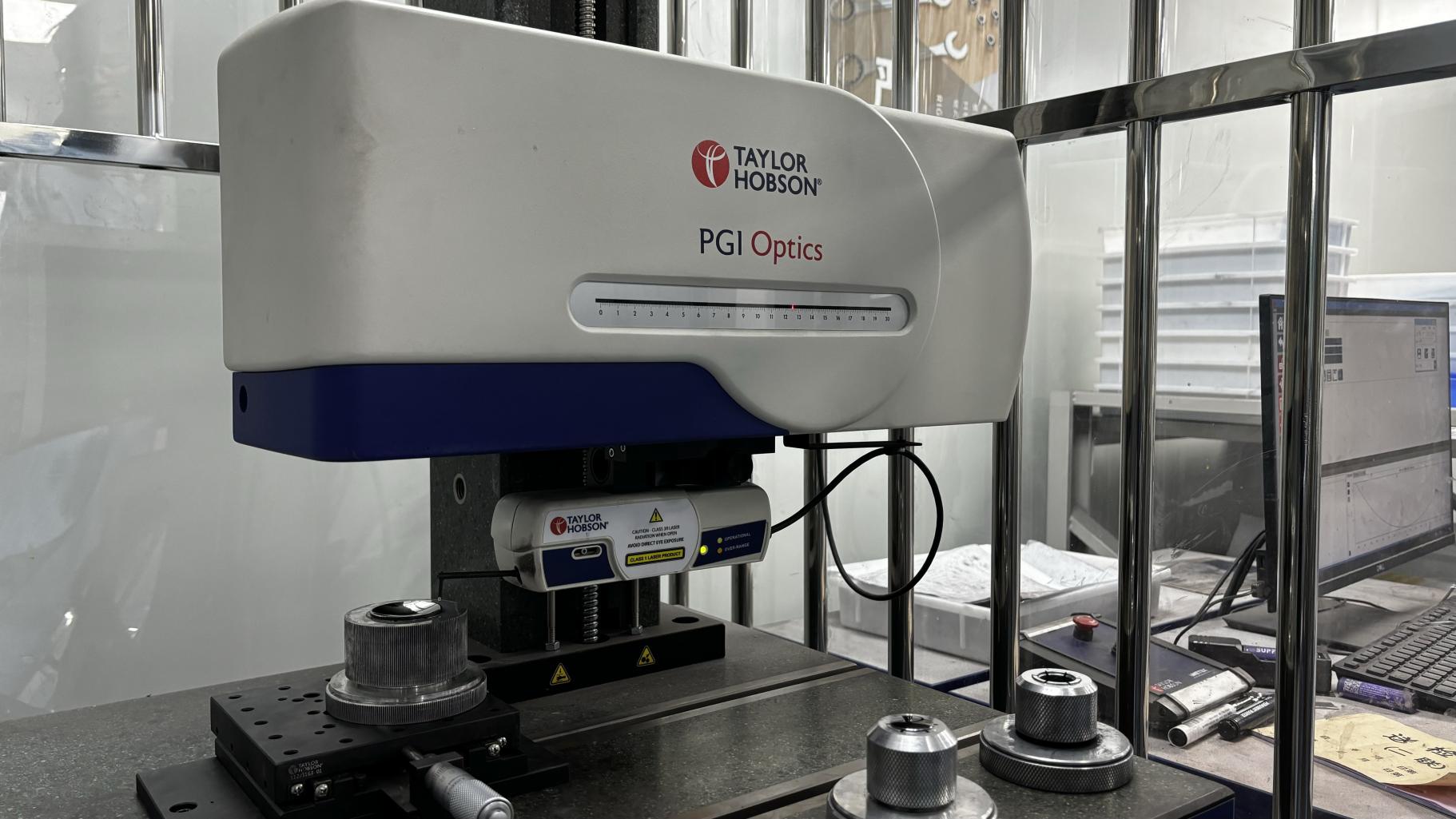
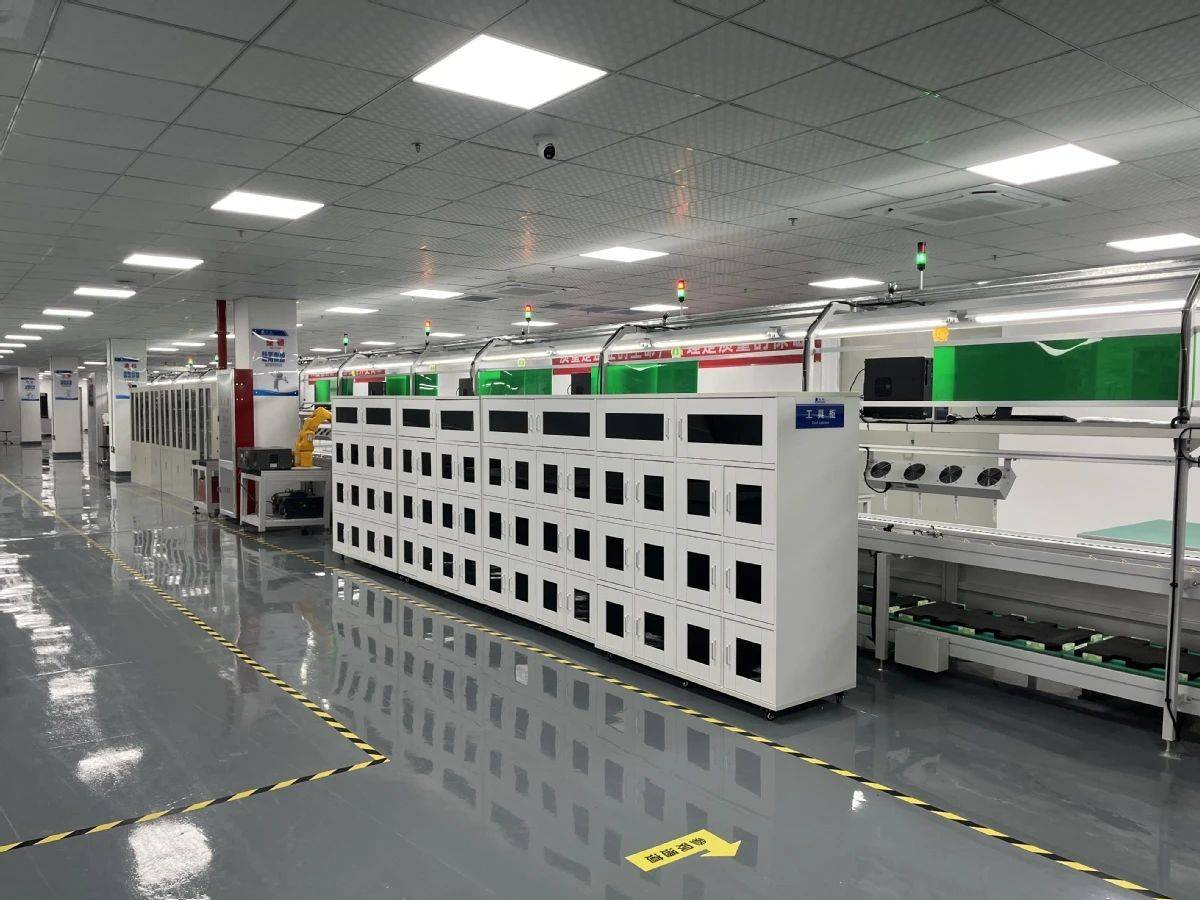
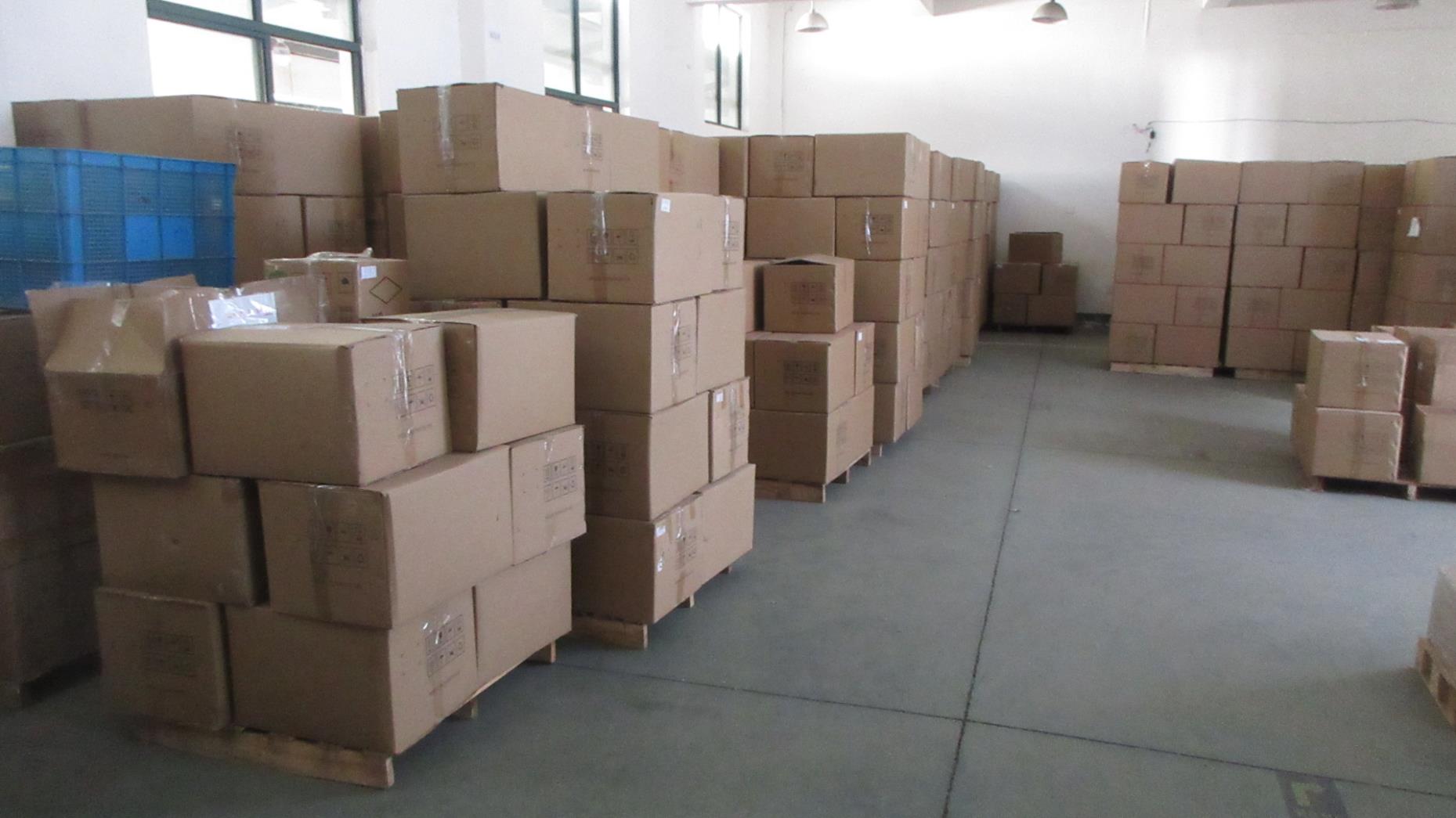
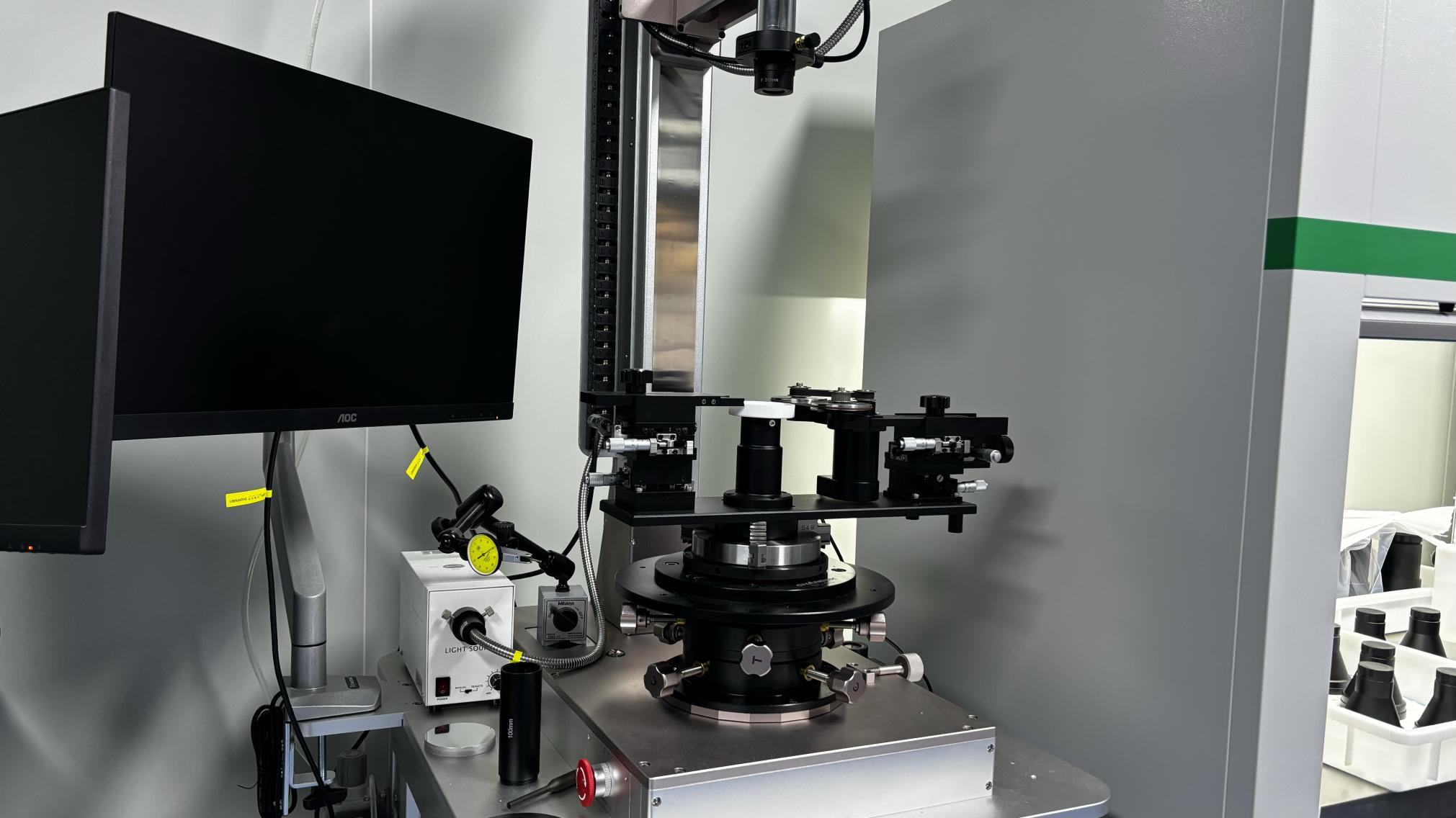
A look at the assembly lines, validation areas, and shipping centers that supply hardware to enterprises worldwide.
Answers to common questions about logistics, custom configuration options, and importing servers into Uzbekistan.
Consult with our technical engineers to plan, configure, and ship your next deployment. Get custom hardware configurations and tailored pricing for your Uzbekistan IT projects.
Send Inquiry Now