Elvantis
Elvantis
Elvantis
Explore our high-performance rack servers, specialized storage nodes, and mission-critical server hardware optimized for high-density enterprise application.
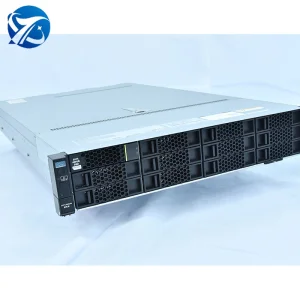

Understanding the critical role of ultra-reliable, high-capacity server memory in modern GPU clusters and hyperconverged environments.
In the modern era of high-performance computing (HPC) and artificial intelligence deployment—exemplified by advanced LLM training like DeepSeek, LLaMA, and GPT architectures—the computational bottleneck has shifted from raw processor frequency to the memory subsystem. Server memory is no longer just a temporary workspace; it is the critical highway through which multi-billion parameter neural networks pass instruction sets.
As a leading server integrator and global memory exporter, Elvantis Mesh Systems Ltd. addresses these hardware bottlenecks by delivering memory modules with exceptional signal integrity, low CAS latency, and robust thermal thresholds. Our enterprise modules ensure that data channels remain open and stable under continuous multi-day compute cycles, preventing the costly cluster synchronization errors that plague standard deployments.
Tailored interface design to match multi-socket architectures, reducing propagation delay and maintaining synchronous speeds with high-bus CPU configurations.
Hardware-level Error Correcting Code (ECC) prevents single-bit errors from causing systemic crashes in database and virtualization environments.
Integrated low-profile heatsinks and specialized thermal interface materials prevent thermal throttling under intensive load configurations.
A comprehensive overview of architectural memory structures used in state-of-the-art enterprise deployments.
| Memory Technology | Typical Speeds (MT/s) | Max Capacity (per Dimm) | Latencies (CL-ns) | Ideal Application Scenario |
|---|---|---|---|---|
| DDR4 ECC RDIMM | 2666 / 2933 / 3200 | 64 GB | ~13.75 ns | Legacy cluster maintenance, cost-effective database nodes, standard web servers. |
| DDR5 ECC RDIMM | 4800 / 5600 / 6400 | 256 GB | ~12.5 ns | Modern multi-socket EPYC/Xeon AI servers, virtualization centers, and real-time analytics. |
| LRDIMM (Load-Reduced) | 3200 (DDR4) / 4800 (DDR5) | 512 GB | ~14.5 ns (buffered delay) | Maximum capacity deployments where total RAM footprint is prioritized over raw access speed. |
| CXL 2.0/3.0 Memory Pools | Over PCIe Gen 5 / 6 bus | Terabyte Pools | Variable (PCIe overhead) | Composed disaggregated infrastructure, massive scale-out cloud computing, in-memory AI training. |
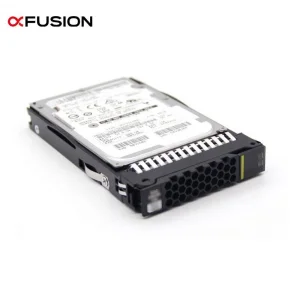
Elvantis Mesh Systems ensures that all components, including our high-speed server SSDs (such as the PM893 read-intensive SATA arrays) and dedicated enterprise SAS controllers, align perfectly with these memory speeds to avoid I/O bottlenecks.
Established in 2016, Elvantis Mesh Systems Ltd. has evolved into a premier high-performance AI GPU server manufacturer and specialized storage component exporter. Operating out of our optimized, state-of-the-art clean-room prototyping facility, we support full-cycle design, precision integration, hardware validation, and complete enterprise server stress testing.
With over 10 years of collective industry experience and 7 years of direct export history, we have built a highly responsive global supply system. By collaborating with approximately 850 cooperative partners, we ensure component availability even during global semiconductor shortages, maintaining a stable annual export revenue of approximately USD 12 million.
Our workforce is our core competitive advantage: we host 180 dedicated R&D engineers focused on server board layout, thermal thermodynamics, firmware customization, and liquid-cooling integration. Backed by 35 quality control specialists, every unit undergoes rigorous testing prior to packaging, ensuring absolute reliability.
Initiated corporate structure, focusing on custom server designs and specialized memory interface engineering for local datacenters.
Acquired international certifications (ISO 9001, CE, FCC), expanded partner network to 850+ nodes, and pushed exports to North America and Europe.
Launched over 120 new products in a single fiscal year. Specialized in DeepSeek-compatible high-density server configurations and PCIe Gen 5 memory architectures.
Analyzing industry developments in semiconductor fabrications and the next phase of enterprise computing.
With standard DDR5 speeds approaching their physical limits, the industry is paving the way for DDR6 architecture. This transition will feature dual-channel-per-DIMM structures reaching up to 12,800 MT/s, using advanced PAM4 signal encoding. Elvantis is actively prototype-testing motherboard compliance interfaces to align with upcoming enterprise CPU sockets.
CXL 3.0 represents a paradigm shift from direct-attached memory to dynamic memory pooling. By utilizing sub-nanosecond hardware routing, datacenters can allocate a centralized pool of memory dynamically across hundreds of CPU and GPU nodes, dramatically reducing memory waste and operational expenditures.
As DDR5 DIMMs consume more power (partially due to localized PMIC architecture directly on the PCB), thermal management becomes critical. Elvantis Mesh Systems is integrating direct-to-chip liquid cooling plates to maintain stable sub-65°C operational parameters for memory banks under 24/7 AI compute workloads.
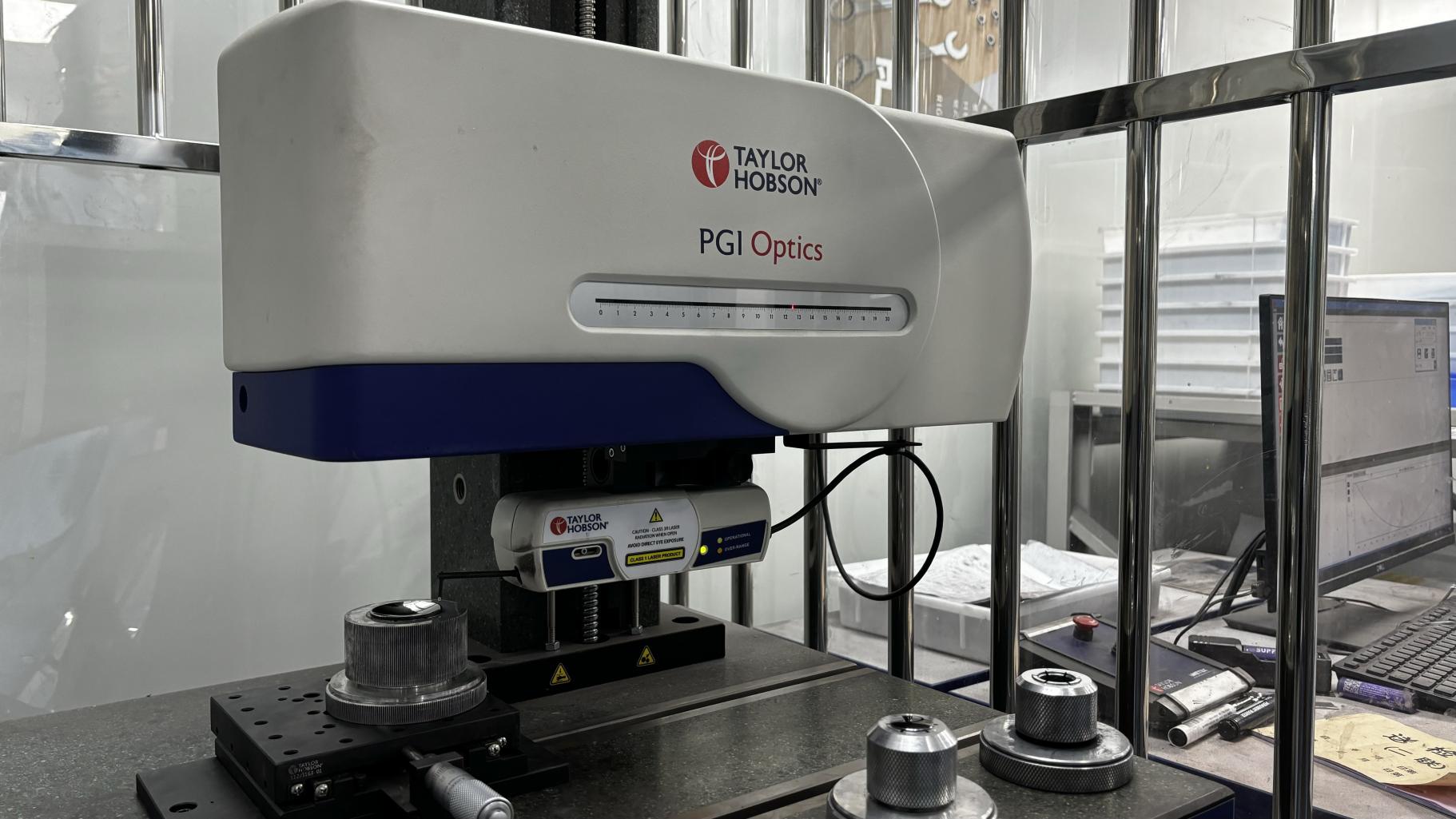
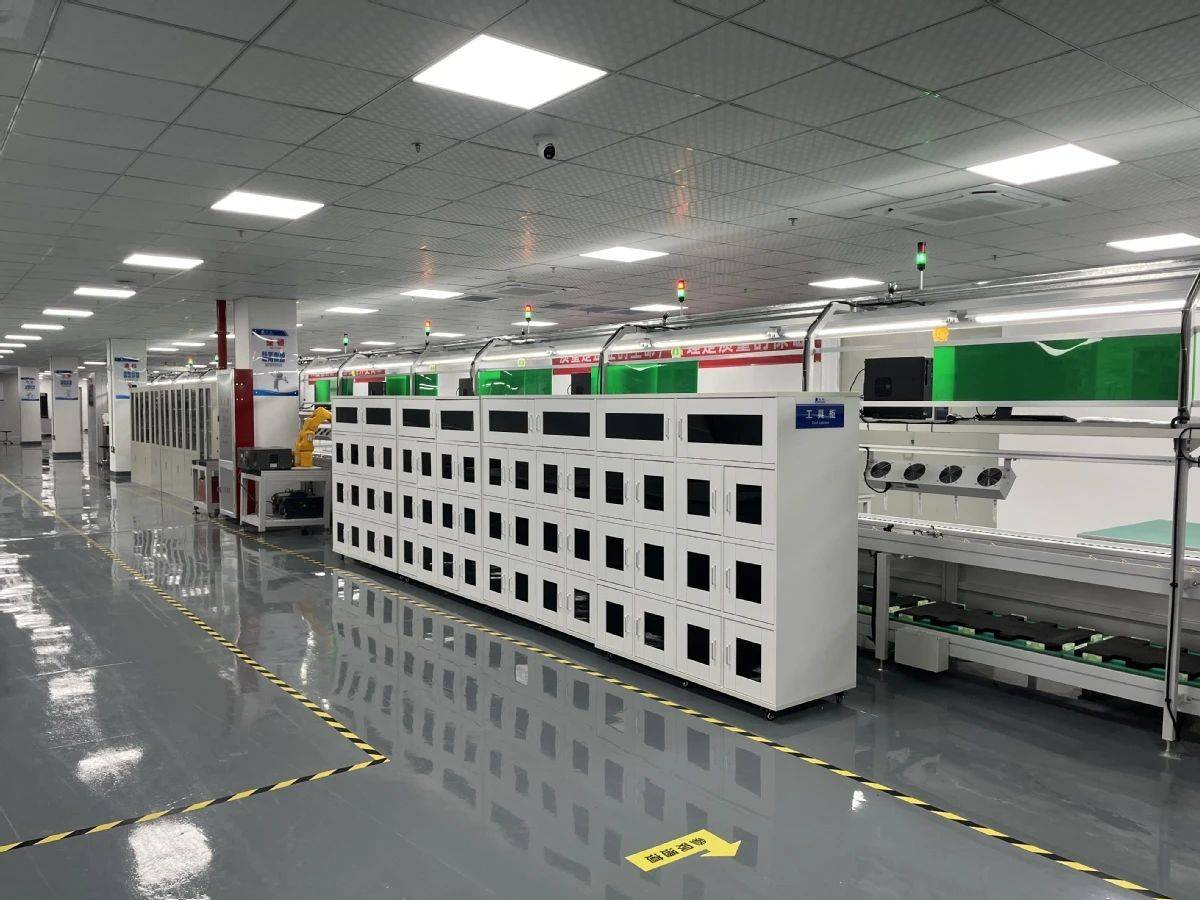
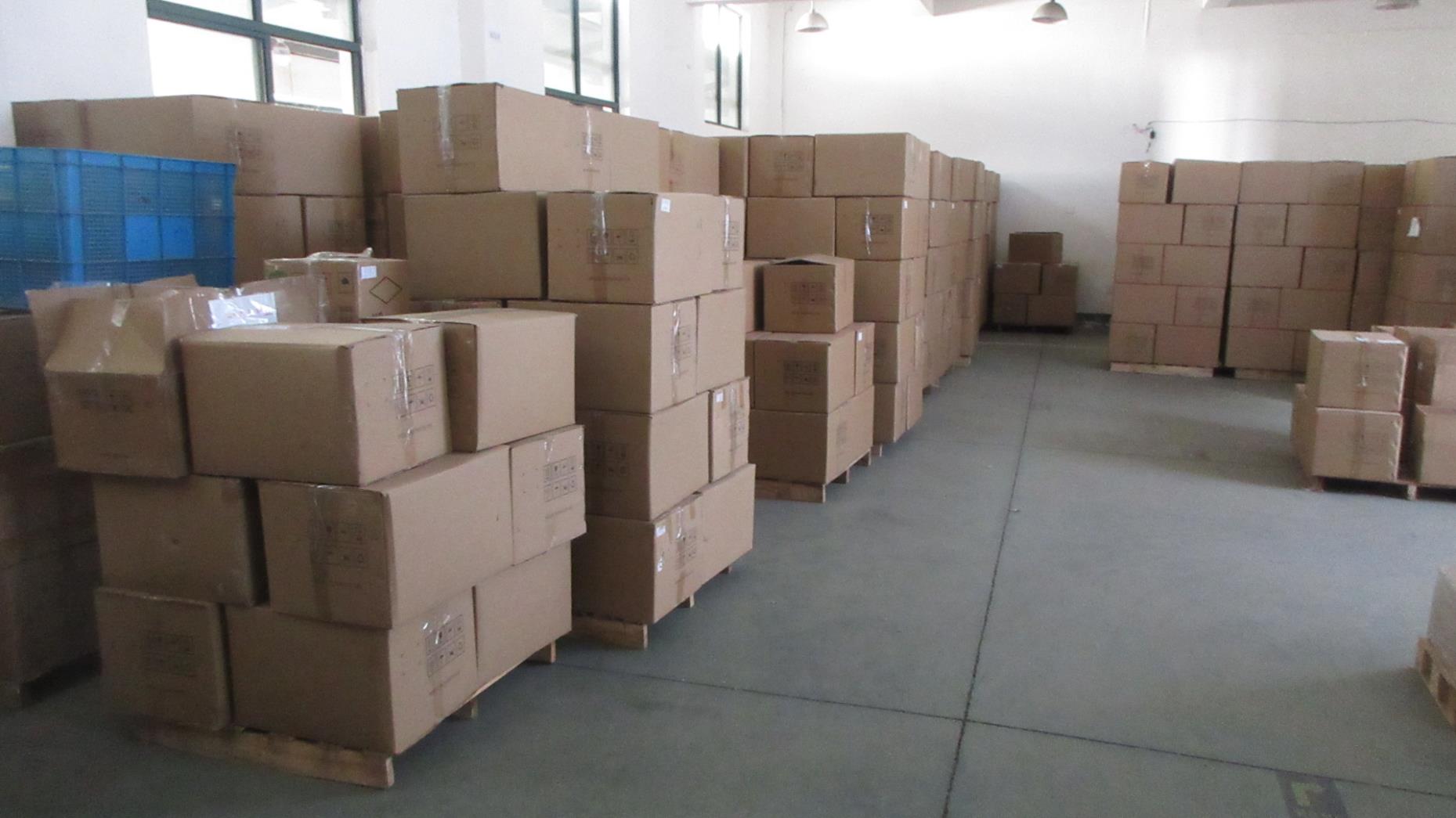
A look into Elvantis Mesh Systems' high-precision production environment, validation hardware, and global inventory storage.
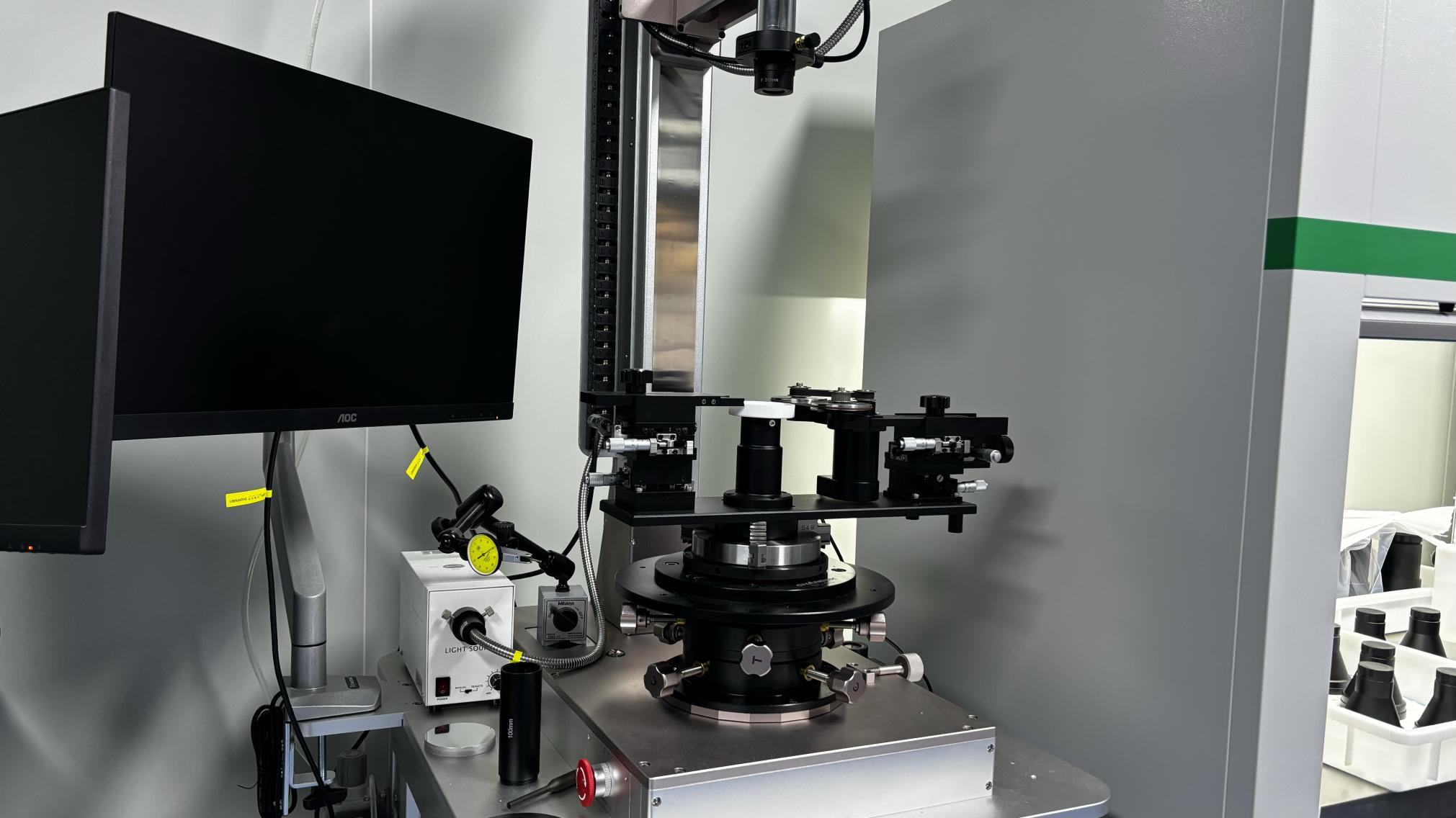
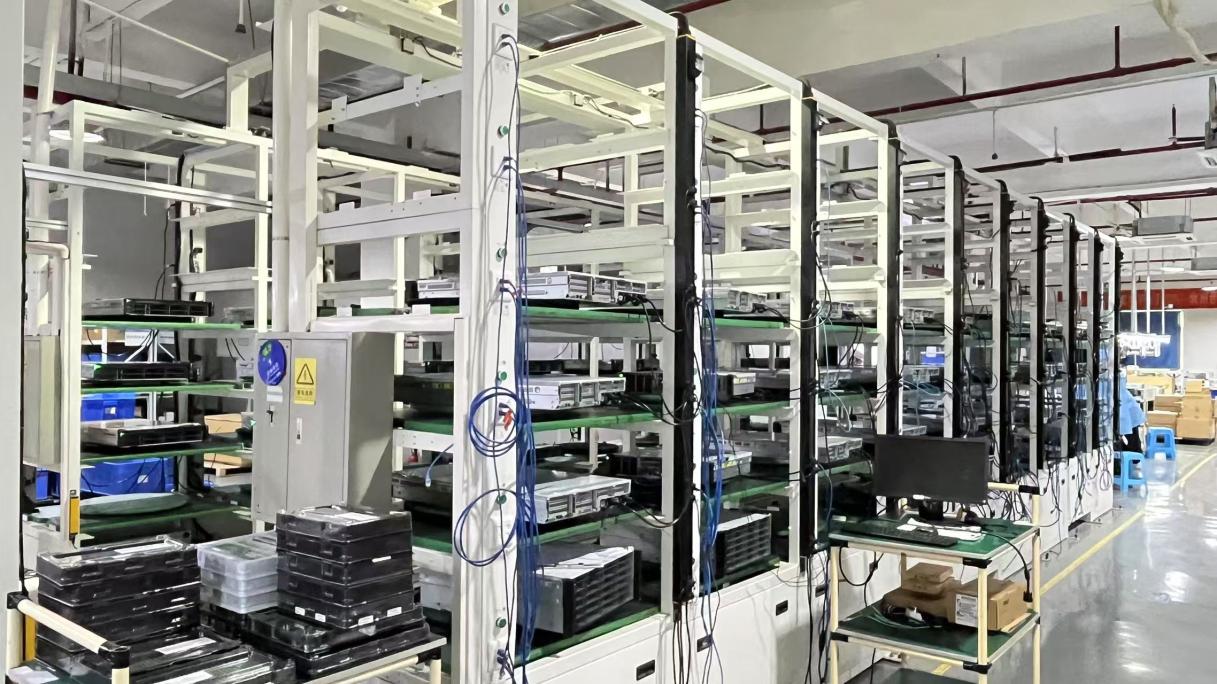
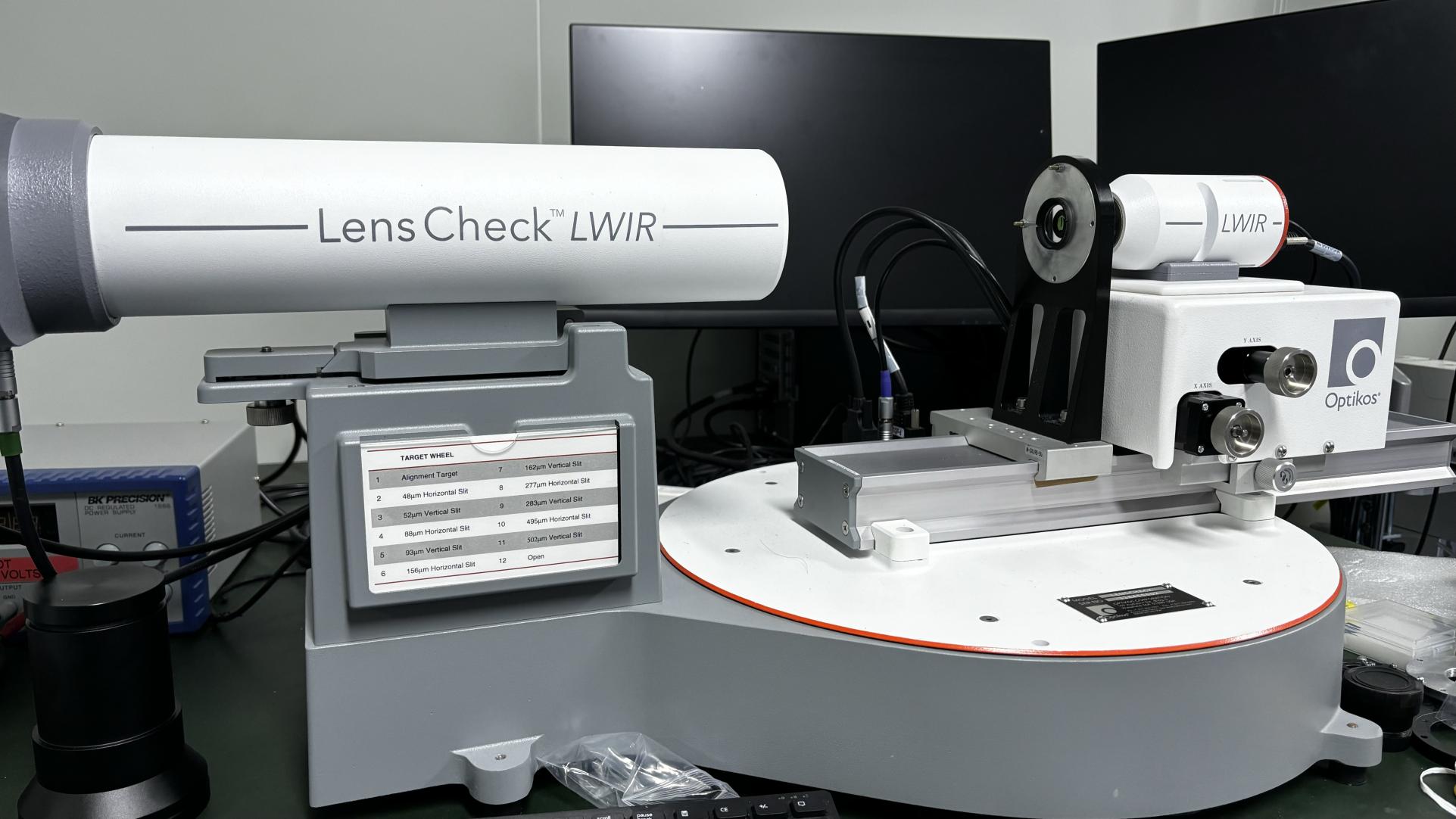
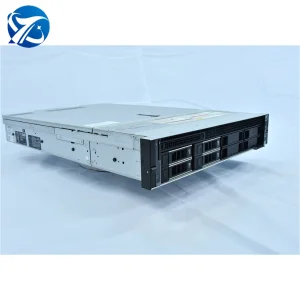
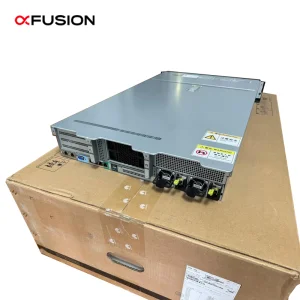
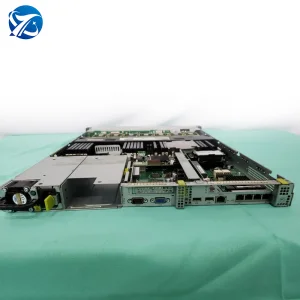
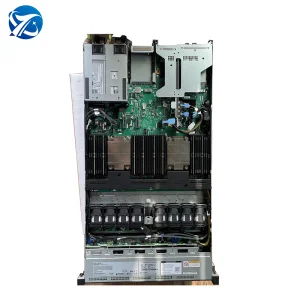
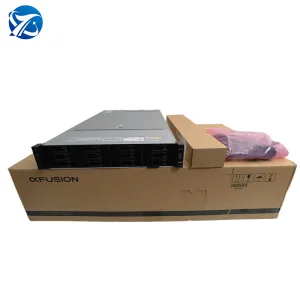
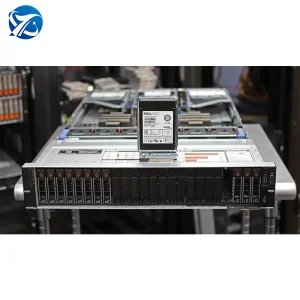
Exporting complex computing systems like the xFusion 2288H V7 or Dell PowerEdge servers with customized high-density memory modules requires strict adherence to international laws. Elvantis guarantees full compliance with standard regulatory frameworks across all shipping destinations:
With warehouses positioned in key logistics centers, we manage freight forwarding with priority custom clearance codes. This setup ensures replacement memory modules and critical servers reach North America, Europe, the Middle East, and Southeast Asia within minimal windows, keeping datacenter downtime close to zero.
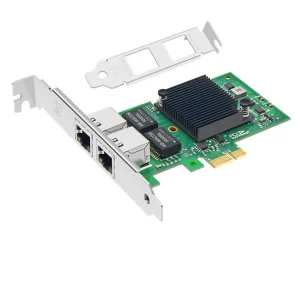
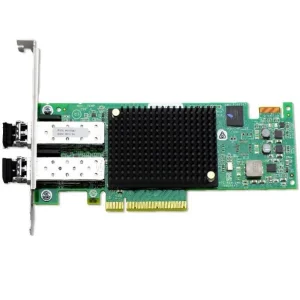
Contact Compliance OfficerAdvanced system setups, SAS RAID controller array components, high-density host bus adapters, and multi-socket 4U servers.

Expert insights regarding procurement, technical compliance, and integration of enterprise memory components.
Our enterprise memory modules utilize selected A-grade DRAM dies, sourced directly from leading semiconductor foundries. Unlike generic memory, our modules feature fully enabled Error-Correcting Code (ECC) registers and undergo thorough thermodynamic cycle validation inside simulated server chassis. This testing process effectively prevents long-term electromigration issues and signal errors under heavy, continuous workloads.
Large AI models (such as DeepSeek or other highly parameterized structures) must store computational matrices within active memory blocks to prevent continuous storage lookups, which slow down performance. If memory density is too low, the GPUs remain idle while waiting for data from local disks, causing a bottleneck. High-density DDR5 memory configurations maximize CPU-to-GPU bandwidth, ensuring high inference throughput.
We highly recommend using identical memory kits (matching capacity, speed, and rank structure) within the same channel to ensure stable operations. While mixed rank configurations (such as Single Rank mixed with Dual Rank) are technically supported by modern Xeon and EPYC memory controllers, they automatically throttle back to the lowest speed, reducing overall memory bandwidth.
Elvantis operates a multi-layer quality assurance protocol under ISO 9001-based management systems. Every product goes through automated optical inspection (AOI), hardware diagnostic testing, and system stress runs under full simulated client workloads. Our dedicated team of 35 QC professionals supervises each step, guaranteeing that the hardware is ready for deployment right out of the box.
We offer custom BIOS/UEFI firmware configuration, specific memory rank binning, heat-spreader branding, and dynamic storage mapping. Our 180 R&D engineers can adapt cooling profiles and PCIe controller topologies to meet specific client specifications, ensuring optimal hardware performance.