Elvantis
Elvantis
Elvantis
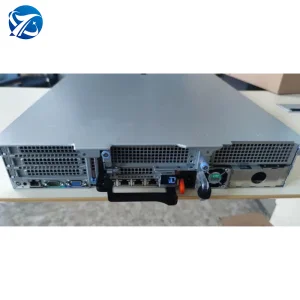
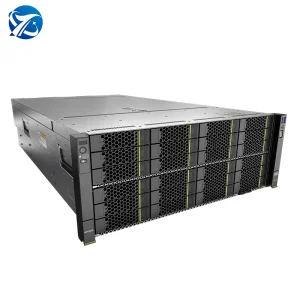
In the modern data center landscape, where machine learning, artificial intelligence (AI), and high-performance computing (HPC) drive data throughput demands to unprecedented levels, physical layer network design is critical. The structural integrity of server connectivity relies on advanced rack-level management solutions, including top-tier patch panels and custom enterprise rack configurations. High-performance physical layer routing minimizes insertion loss, mitigates alien crosstalk, and ensures rapid scalability. From the structural deployment of network backbones to hosting computational workhorses like xFusion AI GPU clusters and Dell PowerEdge servers, selecting certified patch panels factories and system integration partners is key to avoiding structural network bottlenecks.
Direct supply line components engineered to integrate seamlessly into state-of-the-art enterprise structured network frameworks.
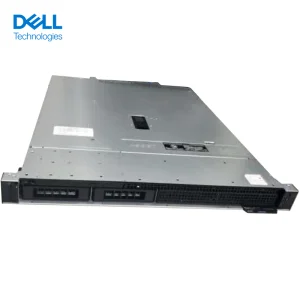
In high-density compute environments, signal integrity, attenuation, and physical layout structure determine overall network availability. Patch panels are more than simple wire termination points; they act as the gatekeepers of raw physical transmissions. Traditional copper configurations (Cat5e/Cat6) are rapidly transitioning to Cat6A and Cat8 standards, while fiber optic panels (utilizing MTP/MPO cassettes) dominate standard high-speed routes. This transformation is driven by high computational platforms such as the xFusion FusionServer and Dell PowerEdge ranges, which generate dense aggregations of localized Ethernet and InfiniBand networking lines.
With massive GPU workloads running parallel systems, structural cabling configurations must prevent physical cable clutter. An organized patch panel system speeds up diagnostics, reduces technician configuration errors, and prevents air blockage in rack-mounted server units. Proper cable routing also maintains the ambient cooling efficiency required by high-density server configurations.
Selecting structured cabling components involves balancing initial installation costs against operational longevity. Industrial facilities, smart factories, and enterprise data centers deploy distinct patch panel systems to meet varying environmental conditions:
Employs ultra-high-density optical distribution frames (ODF) and modular keystone patch panels. Focuses on maximizing port density per rack unit (RU), utilizing push-pull MPO patch modules to handle up to 144 ports per 1RU.
Utilizes IP67-rated industrial patch panels featuring ruggedized shielding to block electromagnetic interference (EMI) generated by heavy plant machinery and high-voltage systems.
Focuses on cost-effective Cat6/Cat6A UTP (Unshielded Twisted Pair) patch panels featuring color-coded ports. Helps IT staff simplify internal diagnostics, modifications, and office additions.
Elvantis Mesh Systems Ltd. (elvantismesh.com) is a high-performance AI GPU server manufacturer specializing in scalable computing infrastructure for artificial intelligence, high-performance computing (HPC), and data center deployments. While focusing on designing advanced GPU cluster systems with optimized thermal architectures, our engineering scope extends to the rack-level physical layouts and structured cabling backplanes that support high-speed networks.
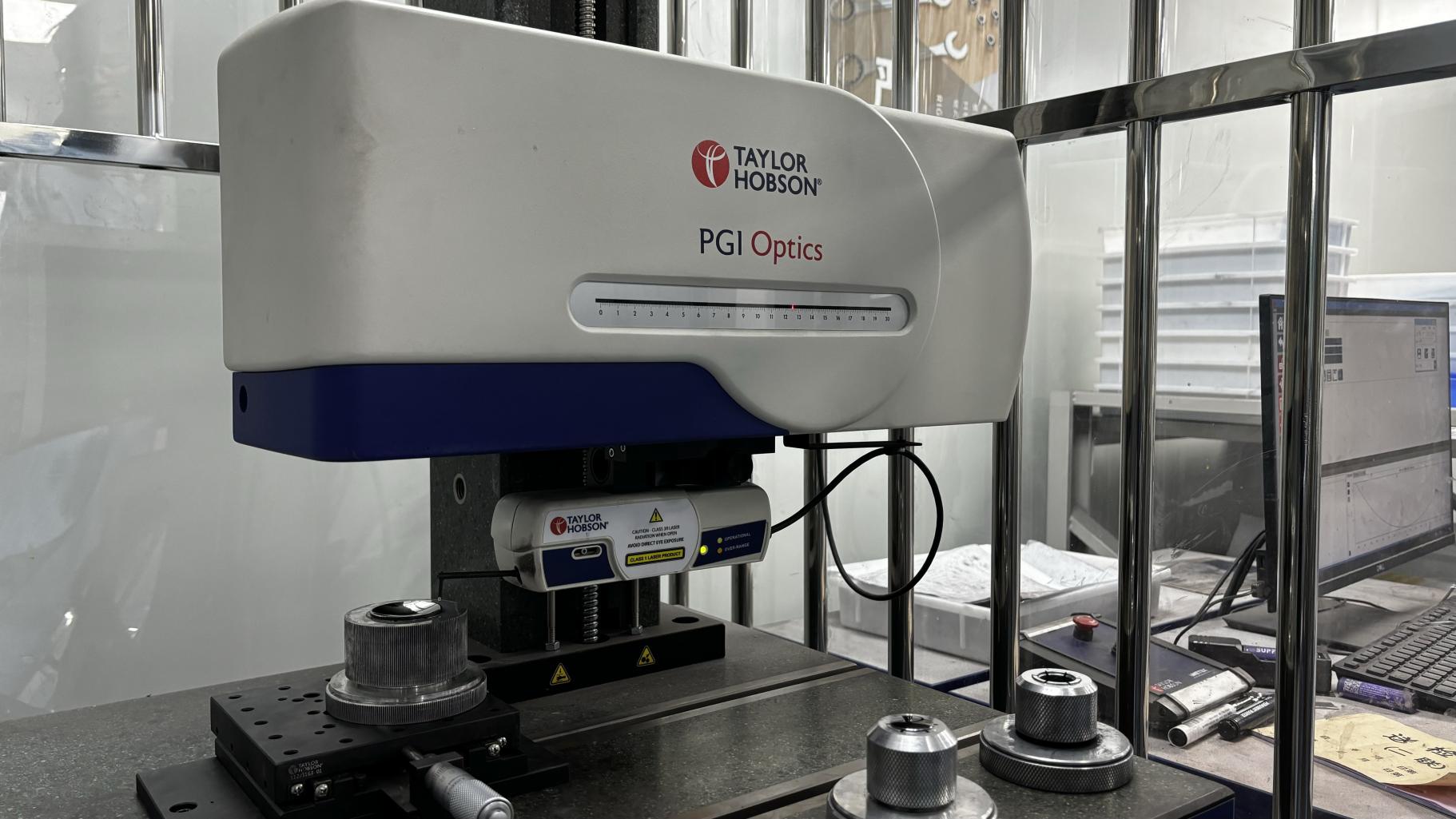
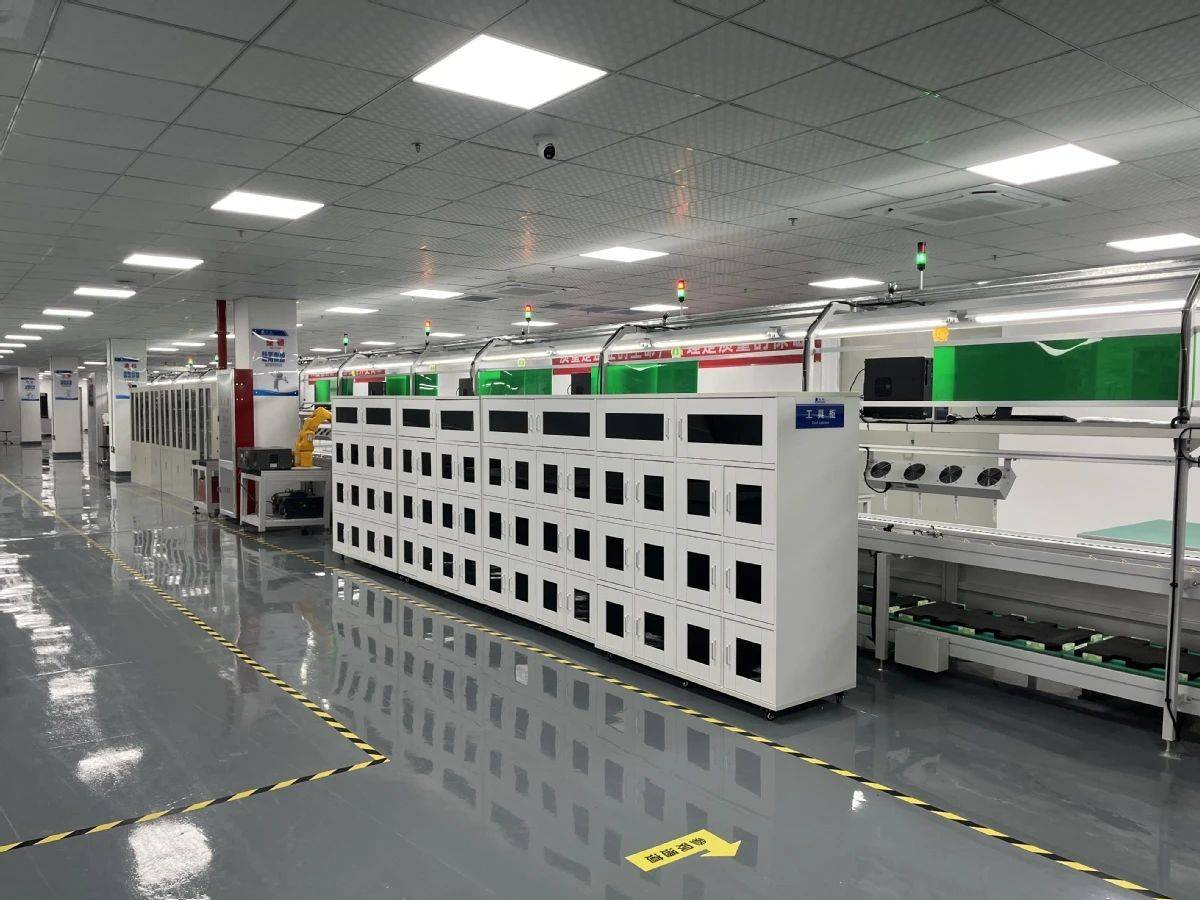
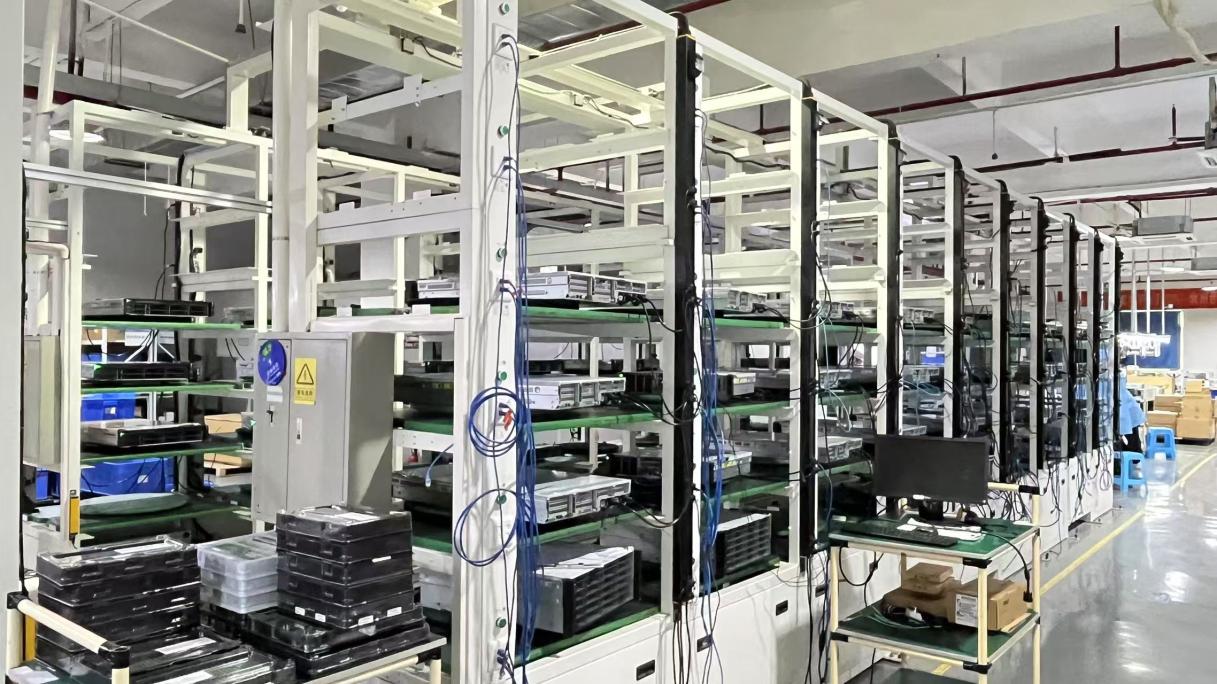
Established in 2016, Elvantis operates a modern production facility with a building area of approximately 380㎡, which houses integrated R&D, precision assembly, testing, and quality assurance processes. The company possesses over 10 years of industry experience alongside 7 years of direct export experience, serving enterprise clients across key global technology markets.
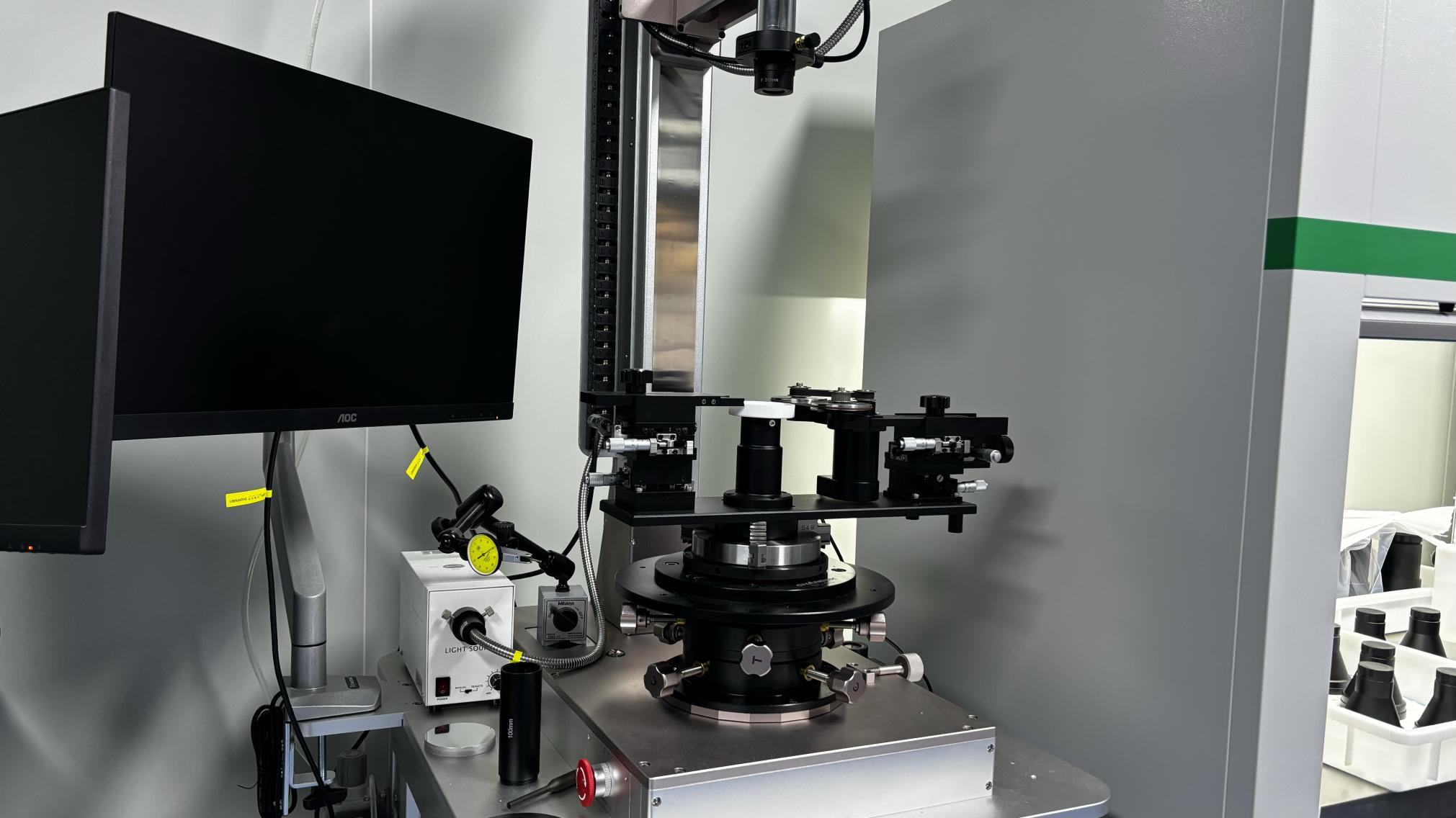
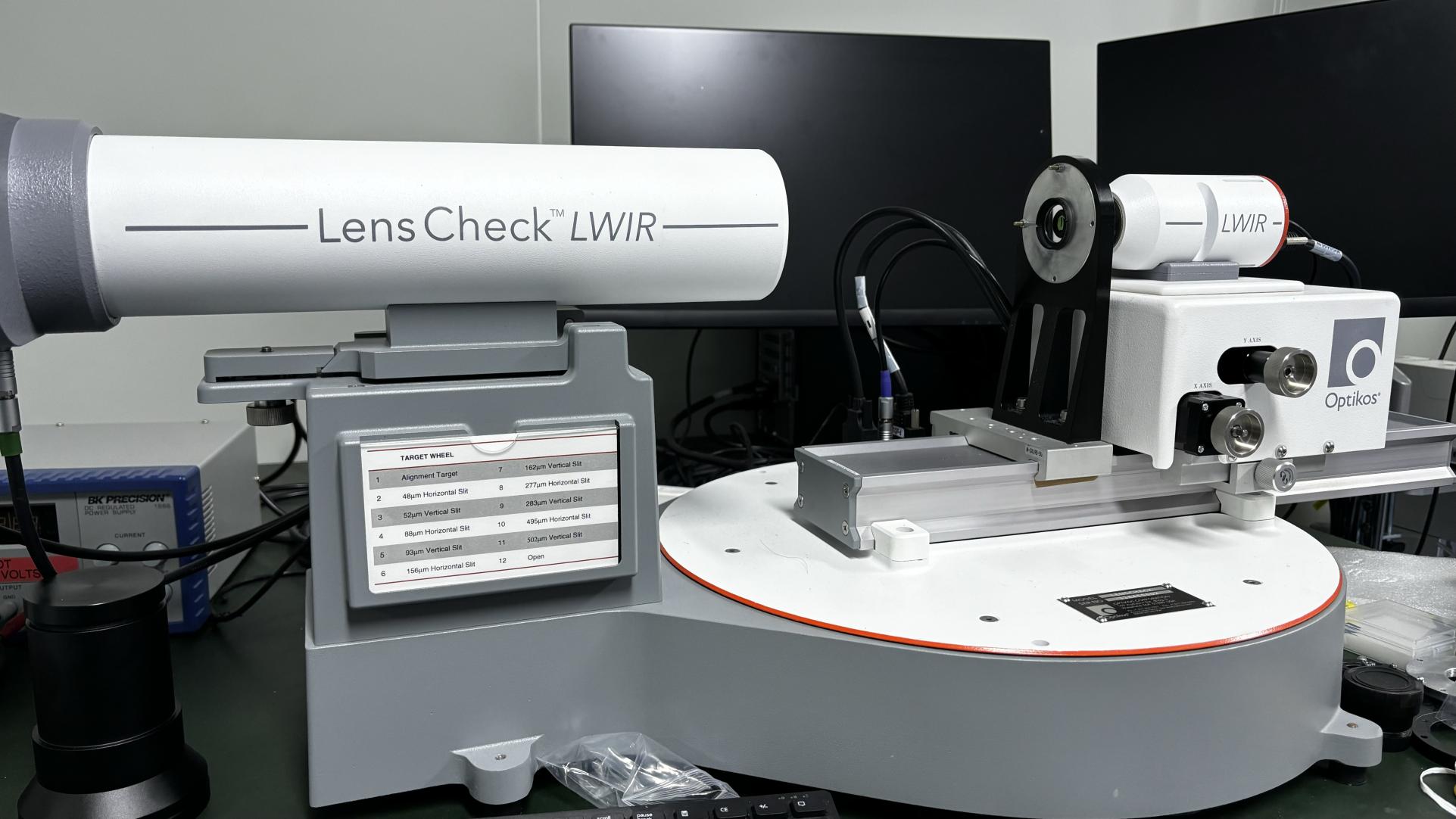
A multi-layered quality assurance system forms the foundation of our manufacturing processes, including ISO 9001-based management standards, burn-in testing, thermal cycling validation, and full-system stress testing under heavy compute simulation workloads. Product inspection methods include automated optical inspection (AOI), hardware diagnostics, and performance benchmarking under full-load AI workloads. Elvantis maintains a well-established supply chain network with around 850 cooperative partners, ensuring stable sourcing of high-quality components.
Operating primarily across North America, Europe, the Middle East, and Southeast Asia, Elvantis serves data centers, cloud service providers, and research institutions. The company's focus on engineering excellence and innovation resulted in the launch of approximately 120 new products last year alone, aligned with evolving AI and network hardware demands.
Global operations require strict compliance with region-specific cabling and safety standards. Enterprise patch panel deployments must meet international specifications to ensure fire safety, environmental safety, and signaling performance.
| Compliance Standard | Target Market / Region | Core Infrastructure Requirements Focus |
|---|---|---|
| ANSI/TIA-568.2-D | North America | Standardizes electrical transmission requirements for balanced twisted-pair cabling systems (Cat6, Cat6A, Cat8). |
| ISO/IEC 11801 | Europe & International | Governs general cabling systems for customer premises, categorizing structured links from Class D up to Class I/II. |
| RoHS & REACH | European Union / Global | Restricts hazardous substances in plastic components, solder coatings, and metal panel chassis elements. |
| UL 94V-0 | North America / Global | Ensures plastic keystone jack housing components self-extinguish within 10 seconds of fire exposure. |
Beyond electrical standards, seismic certification is increasingly required for patch panels deployed in sensitive locations like Japan or California. Physical cable management units must withstand regional structural vibrations. When installing network hardware, using RoHS-compliant patch panels and certified grounding kits prevents common grounding loops and static build-up in high-performance computer clusters.
To understand the practical integration of network patching, consider the following real-world topologies:
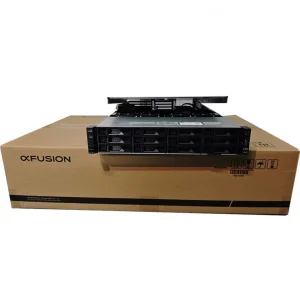
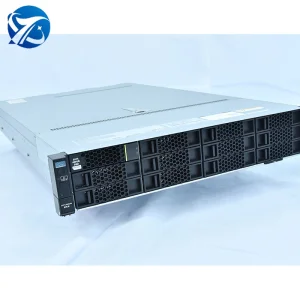
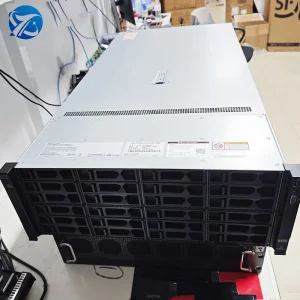
In an AI training cluster utilizing xFusion 2288H V7 and FusionServer G8600 V7 8U GPU servers, the networking architecture relies on ultra-low-latency InfiniBand networks. The physical layer utilizes 1RU 48-Port MTP/MPO fiber patch panels linked to high-speed spine-leaf switches. These configurations ensure that high-throughput AI storage nodes can access NVMe resources with minimal physical signal delay.
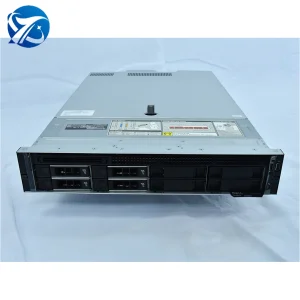
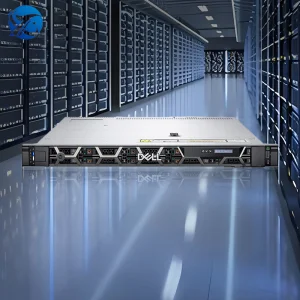
A regional hospital required a network migration supporting both legacy clinical applications and high-bandwidth telemetry servers (such as the Dell PowerEdge R760XS series). The engineers deployed shielded Cat6A keystone patch panels for copper runs, coupled with fiber pass-through panels in the server room. The modular keystone design allowed for quick adjustments without complete panel re-wiring.
The networking industry continues to evolve, prompting patch panel designs to adapt to emerging infrastructure technologies:
Technical guidance from network architects and data center engineers.
Shielded patch panels feature a metal frame and metal housings for keystone jacks. This design provides continuous grounding to block electromagnetic interference (EMI) and alien crosstalk. They are typically used in high-speed, high-density environments like industrial sites or data centers. Unshielded panels are more common in standard office environments where EMI risks are minimal.
While standard Cat6 hardware can run Cat6A cables, the internal circuitry of a Cat6 panel will limit performance. This can cause signaling issues and increase crosstalk, preventing the network from achieving true 10Gbps speeds over maximum distances. For Cat6A networks, it is recommended to use Cat6A-rated patch panels.
Modular panels use individual keystone jacks, allowing installers to terminate lines separately and snap them into the frame. This makes maintenance and future upgrades easier. All-in-one punch-down panels terminate cables directly on a shared internal PCB, which is more cost-effective but requires replacing the entire unit if a single port fails.
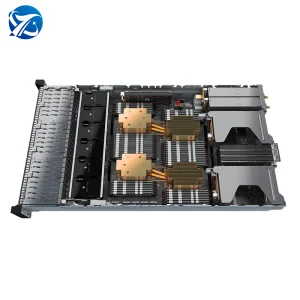
High-density servers like the Dell PowerEdge and xFusion clusters generate significant heat and require clear airflow. Dedicated horizontal and vertical cable managers prevent cables from blocking exhaust vents, maintain proper bend radiuses, and keep cords organized for easier maintenance.
In PoE deployments (especially PoE+ and PoE++), current running through cables generates heat. High-quality patch panels feature design properties that dissipate this thermal buildup, preventing insulation degradation and signaling issues.
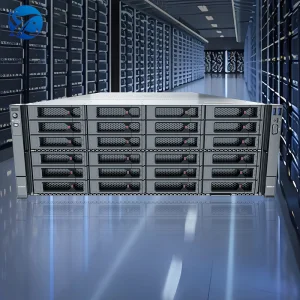
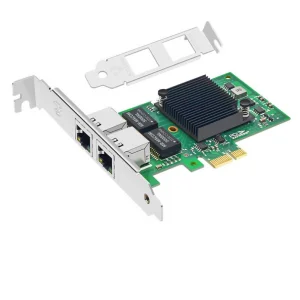
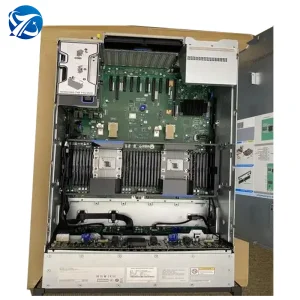
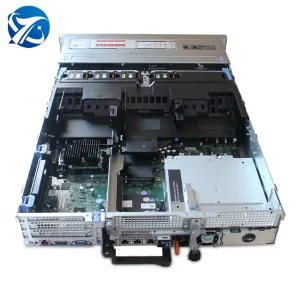
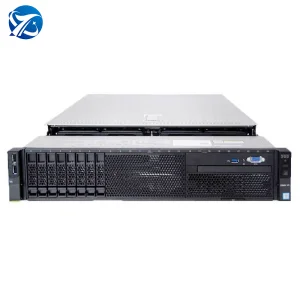
Enterprise platforms and storage solutions designed to integrate with structured network configurations.
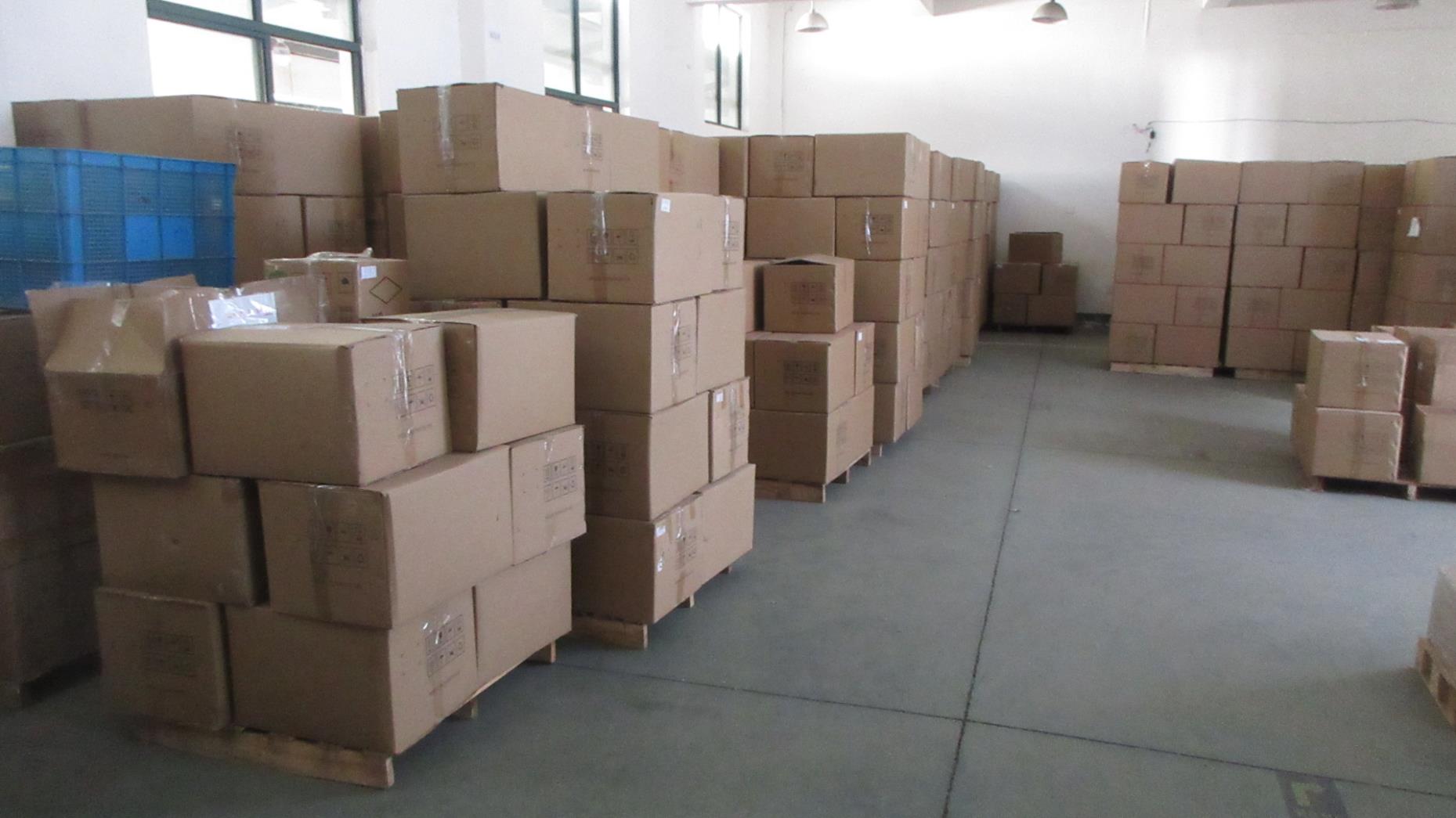
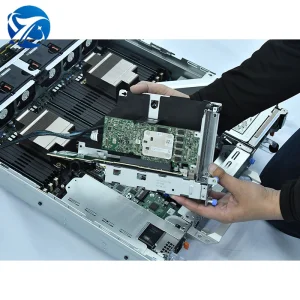
An inside look at our specialized production environments and system assembly processes.