 Elvantis
Elvantis
Elvantis
High-efficiency data center systems optimized for deep learning, virtualization, cloud database workloads, and high-density deployments.
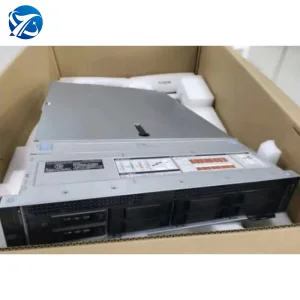
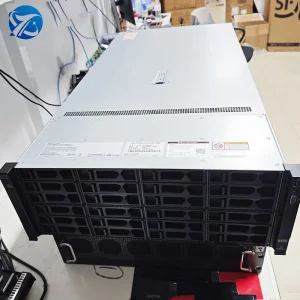
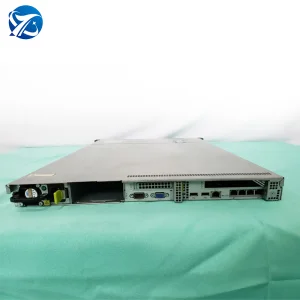
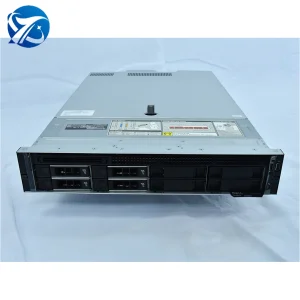
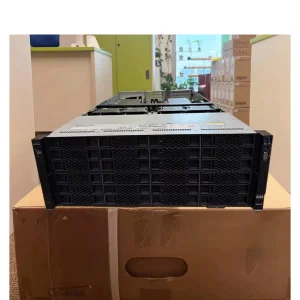
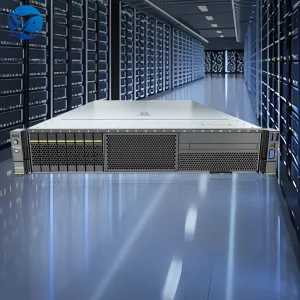
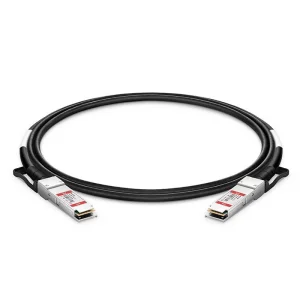
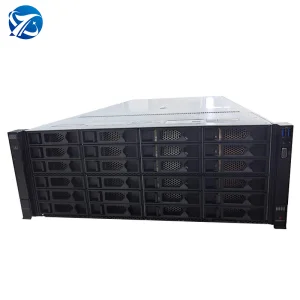
Elvantis Mesh Systems Ltd. (elvantismesh.com) is a world-class high-performance AI GPU server manufacturer and data center hardware supplier. Established in 2016, the company specializes in scalable computing infrastructure designed for heavy workloads, artificial intelligence inference/training, and Enterprise High-Performance Computing (HPC).
Over the past 10 years of industry experience and 7 years of direct export history, we have cultivated a robust international footprint. Our operations rely on a modern facility with a dedicated 380㎡ specialized staging, R&D testing, and system validation lab. This highly optimized workspace is designed for burn-in testing, liquid-cooling staging, and complex configurations before worldwide logistics deployment.
Elvantis runs a highly resilient global supply chain supported by approximately 850 cooperative manufacturing partners, achieving an annual export revenue of approximately USD 12 million. By maintaining tight integration with Tier-1 component fabricators, we deliver next-gen AI processing units and bespoke enterprise chassis with short lead times and exceptional quality control.
An analysis of procurement behavior, power challenges, and structural bottlenecks in modern compute cluster design.
In response to the computational demands of large-scale LLMs (such as DeepSeek R1, LLaMA, and proprietary enterprise models), data center architects are transitioning from general-purpose CPUs to dense, high-throughput GPU clusters.
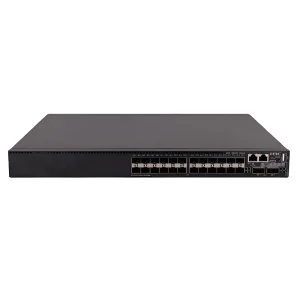
Enterprise procurement departments are no longer evaluating servers solely on raw core count. The total cost of ownership (TCO) is now driven by bandwidth parameters: PCIe Gen 5 expansion capacity, DDR5 memory throughput, and low-latency network interconnects (QSFP-40G, 100G, and 400G technologies). As AI model sizes grow exponentially, bottlenecks frequently occur during multi-node GPU communications. Deploying high-speed DAC cabling and optical switches like the H3C S6520X series is essential for mitigating network-induced latency spikes.
Additionally, modern server architectures require highly specialized physical footprints. We design server systems that balance depth restrictions, thermal limits, and power distribution units (PDUs) to fit seamlessly into standardized OCP (Open Compute Project) racks.
Modern dense GPU servers, such as the 8U GPU Rack units or multi-socket Intel Xeon systems, push individual cabinet power envelopes from standard 5kW ratings to upwards of 40kW to 100kW per rack. Managing this heat dissipation requires advanced airflow designs, shortened chassis depths, and fluid dynamics testing.
Through our staging process, we analyze server configurations under peak workloads to guarantee high-efficiency airflow and mitigate thermal throttling. Our configurations feature redundant hot-swappable platinum power supplies (up to 1400W and higher) that protect mission-critical environments from hardware failures.
Integrating energy-efficient components and optimized thermal layouts reduces cooling overhead. This leads to a lower Power Usage Effectiveness (PUE) ratio, directly translating to significant operational cost savings.
Modular blueprints engineered to help enterprises, cloud service providers, and governmental nodes deploy scalable computational power.
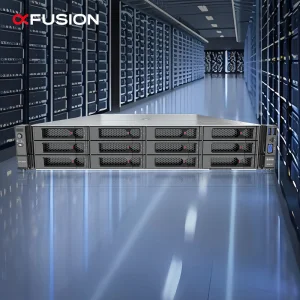
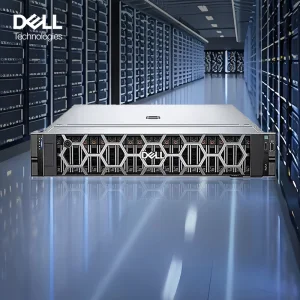
For cloud operators requiring rapid provisioning of thousands of server nodes. We deliver custom OEM/ODM solutions using verified xFusion and Dell PowerEdge platforms. Systems are pre-configured with unified management modules (IPMI 2.0, Redfish API) for automated remote orchestration.
Optimized bare-metal clusters featuring 8U GPU architectures, certified compatible with DeepSeek R1, LLaMA, and custom neural networks. We handle the complex integrations of DDR5 RAM, high-density PCIe risers, and high-wattage power supplies to maximize parallel processing efficiency.
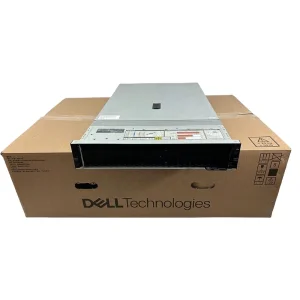
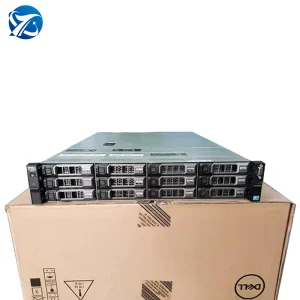
Hybrid storage arrays and short-depth 1U/2U server models designed for branch offices, localized IoT nodes, and high-capacity secure localized storage. These configurations support flexible hot-swappable SAS/SATA/NVMe drive bays for balanced capacity and throughput.
How Elvantis Mesh Systems is preparing for the next wave of high-density computation demands.
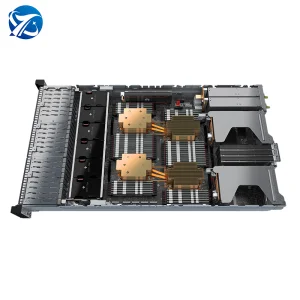
As CPU thermal design power (TDP) surpasses 350W and accelerators reach 700W+ per module, traditional air cooling is approaching its physical limits. Elvantis is developing liquid-to-air and liquid-to-liquid cooling solutions that integrate directly into our 1U, 2U, and 4U chassis configurations. Our roadmap includes close-loop cold plate integrations that channel liquid coolant directly over processors, reducing server fan power consumption by up to 80% and mitigating PUE degradation in warm-climate installations.
Data movement within server systems remains a primary bottleneck for large-scale models. By designing motherboards and riser cards to support PCIe Gen 6 standards, we double the throughput of previous generations. Additionally, our implementation of CXL (Compute Express Link) protocols enables dynamic memory sharing between CPUs and accelerator cards. This minimizes memory duplication, increases overall pools of memory, and drives down costs for heavy enterprise cloud operations.
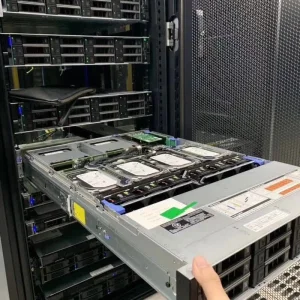
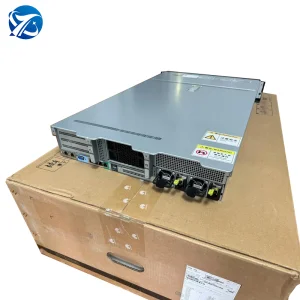
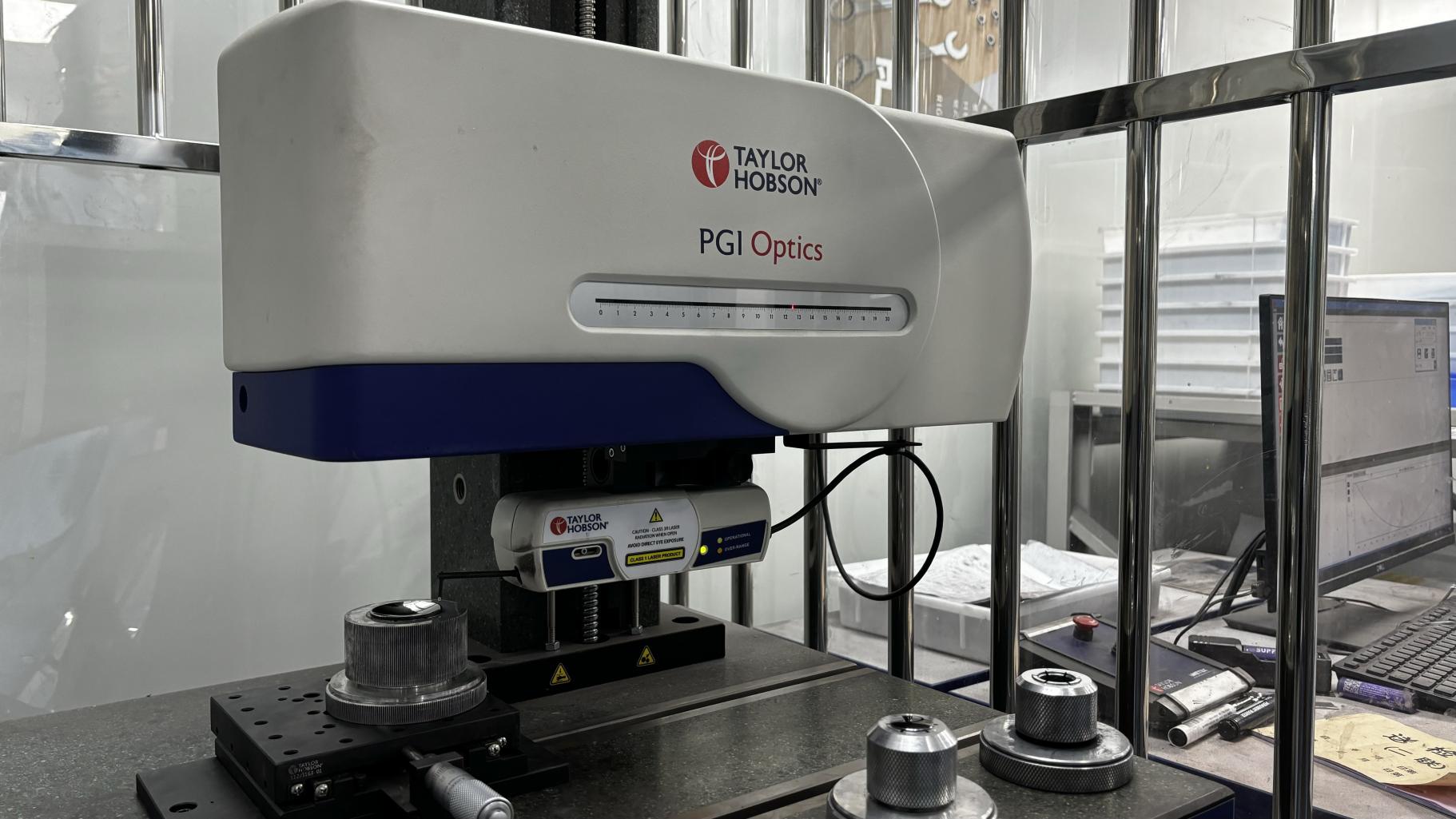
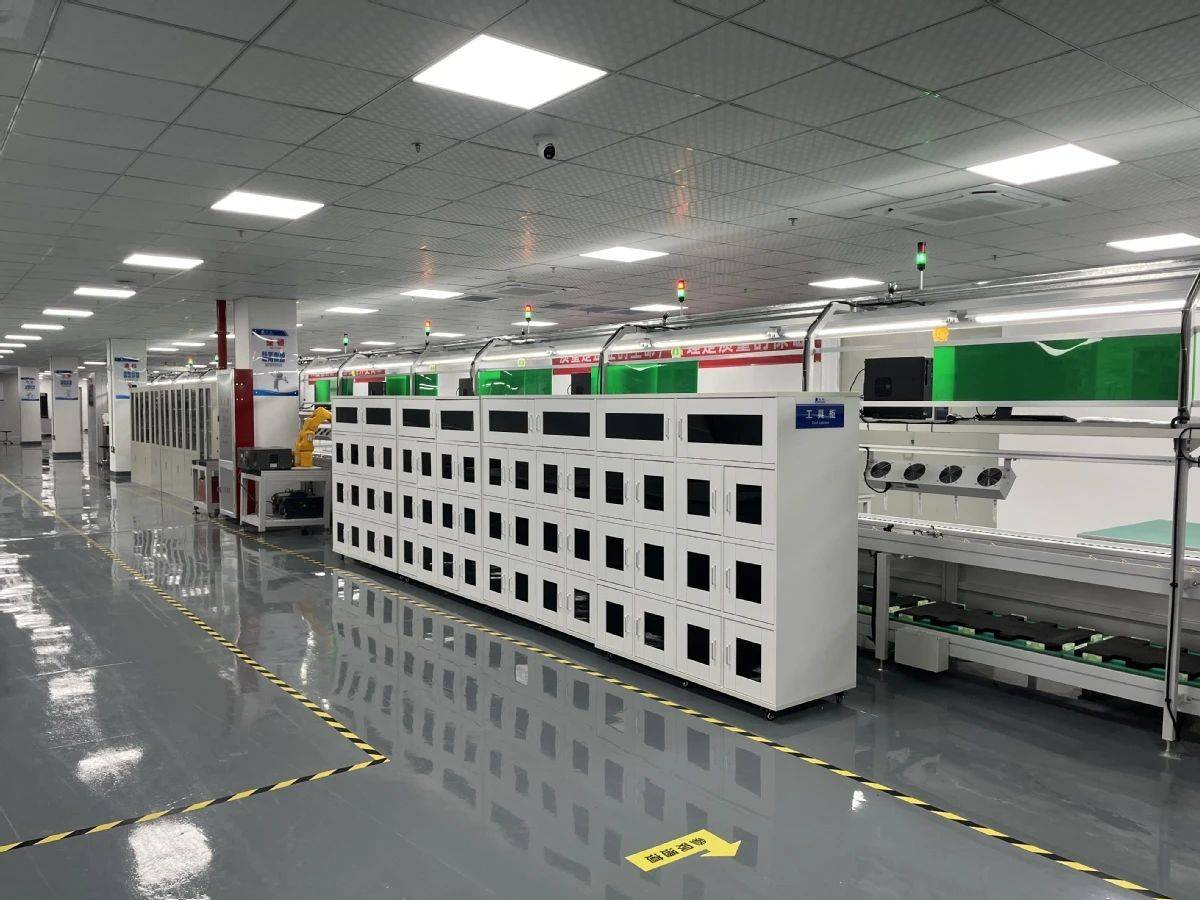
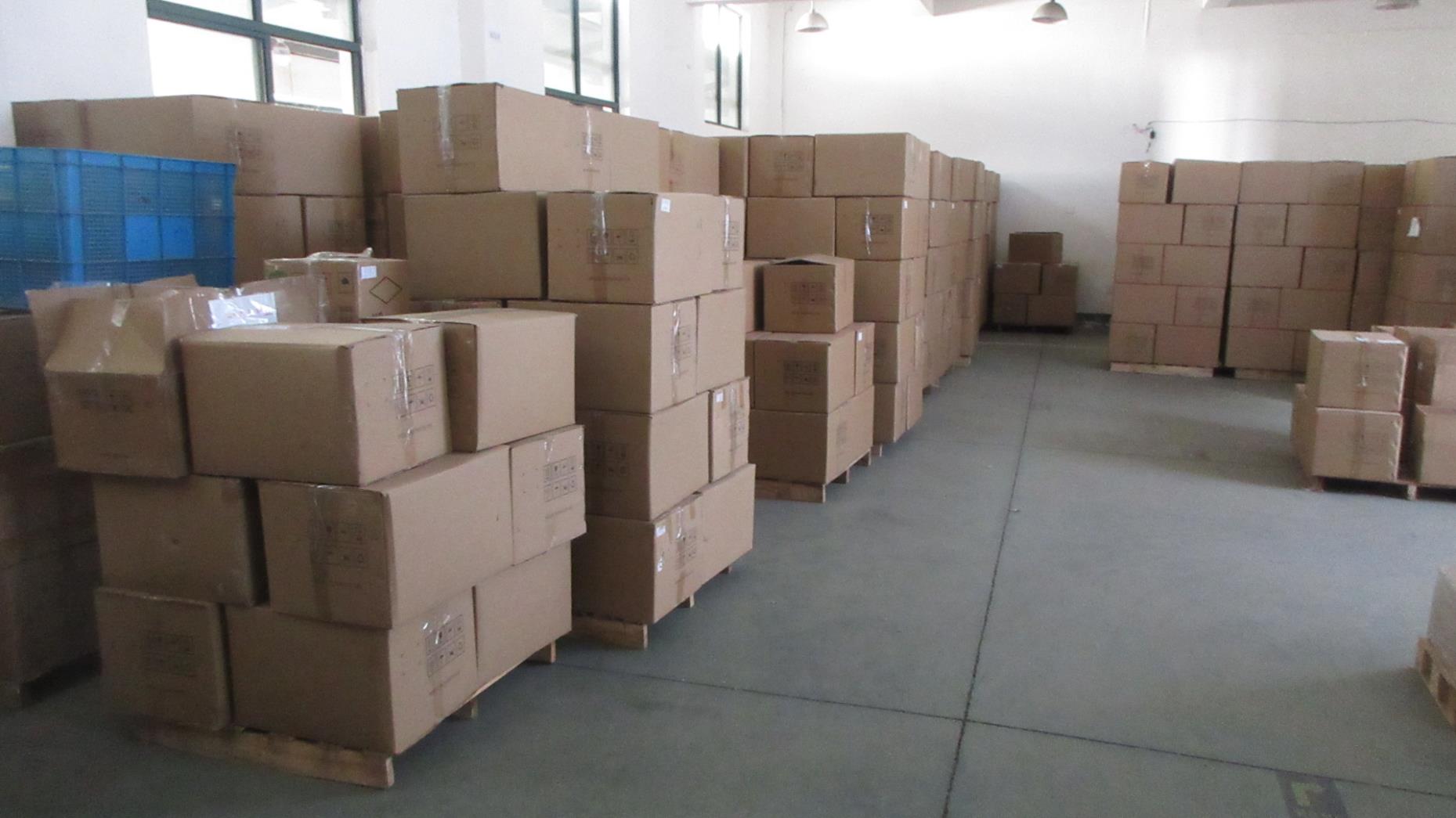
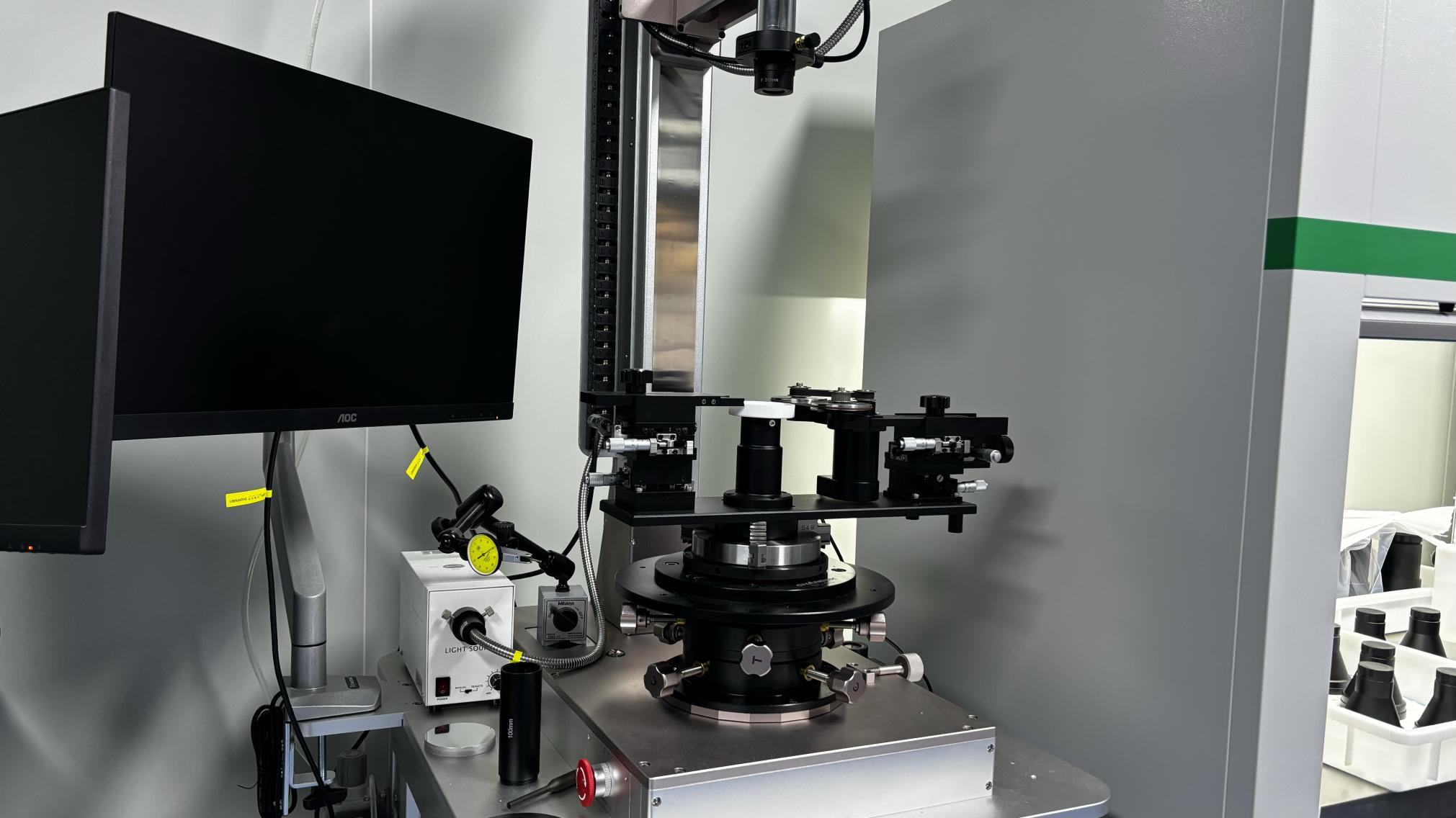
Actual hardware inventory, server motherboards, chassis validation, and shipping preparation arrays.
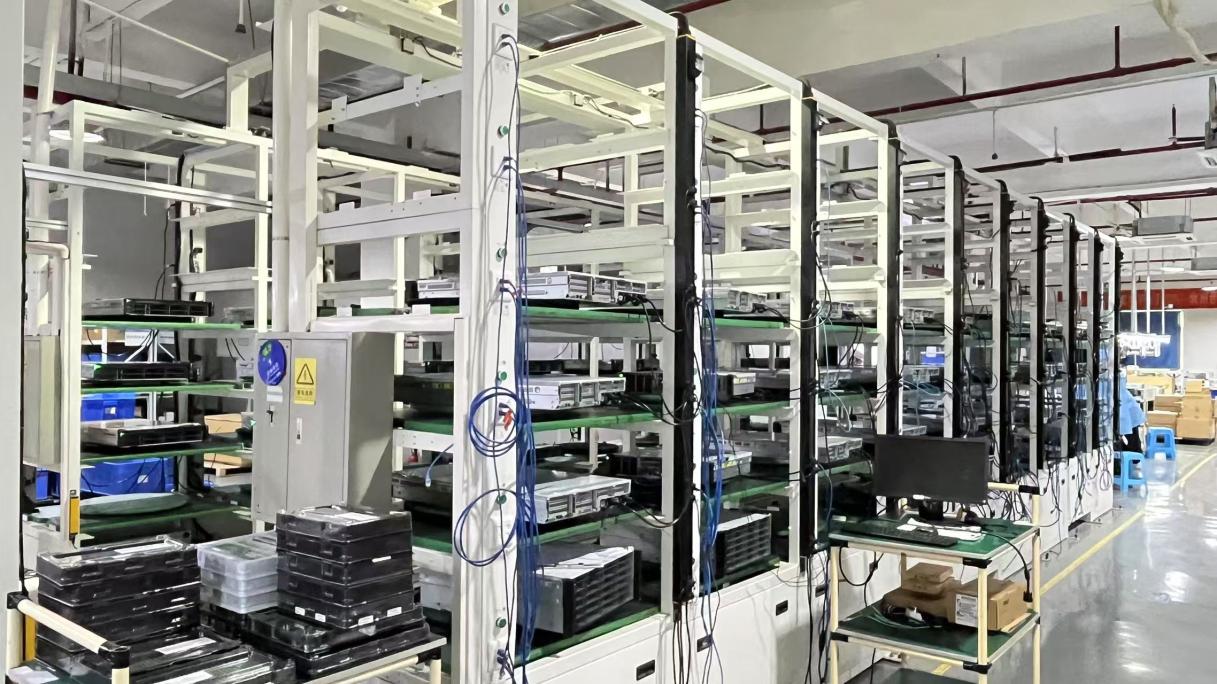
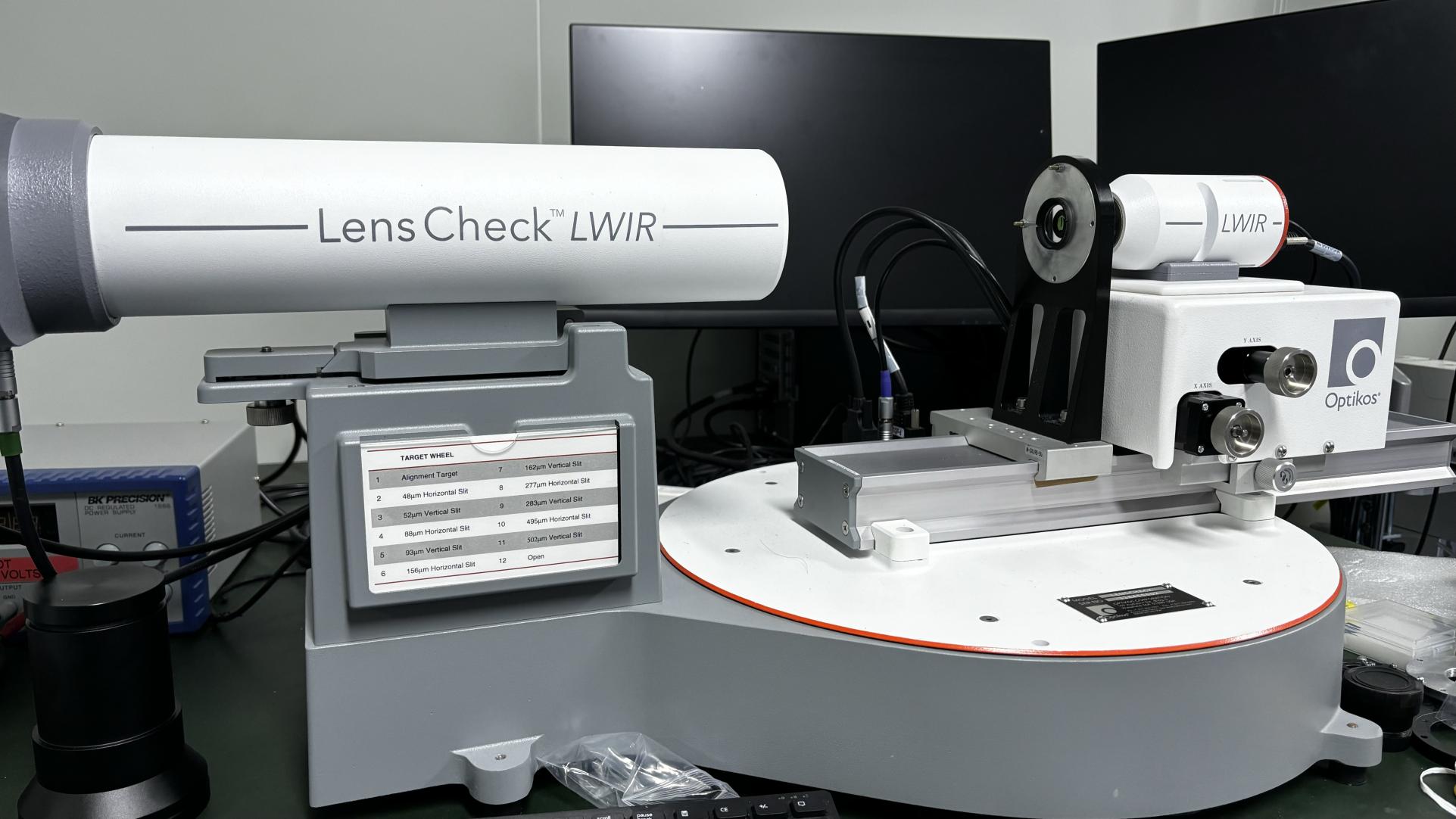
Overcoming cross-border logistics and regulatory hurdles with secure, verified supply chain practices.
Exporting high-performance server hardware requires strict adherence to international regulations. Elvantis Mesh Systems ensures that all components, including CPUs, GPUs, motherboards, and active networking switches, are sourced from authorized, legitimate supply chains. We perform automated optical inspection (AOI) alongside rigorous system validation checks on every server cluster before dispatch, significantly reducing dead-on-arrival (DOA) risks at customer data centers.
Furthermore, our logistics network provides comprehensive customs clearance support. Whether shipping dense rack-mount chassis to North America, optical components to the European Union, or custom enterprise solutions to Southeast Asian hubs, we handle regulatory documentation to ensure seamless delivery and deployment.
Answers to common engineering, ordering, and staging questions from enterprise data center architects.
Scale your processing, networking, and data storage capacity with verified, high-performance hardware solutions.