Elvantis
Elvantis
Elvantis
High-throughput compute platforms and rack systems optimized for virtualized application controllers.
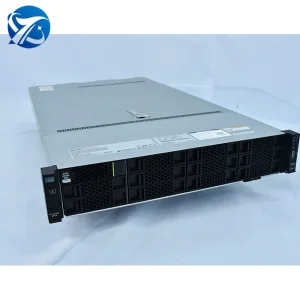

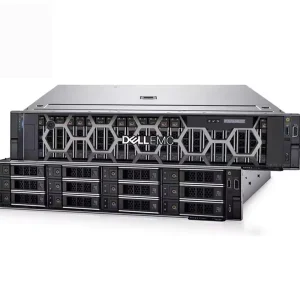
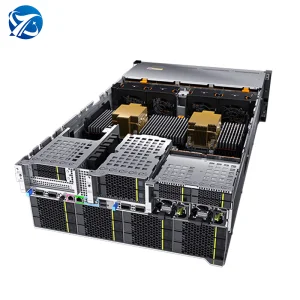
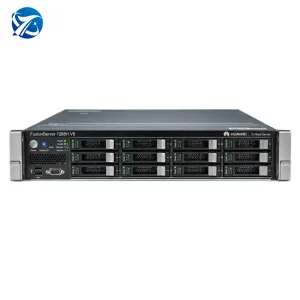
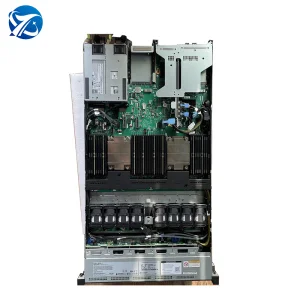

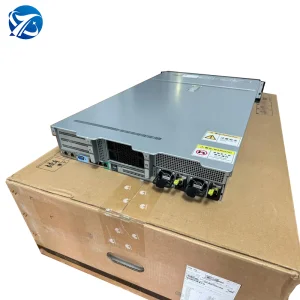
Load balancing has transitioned from a basic network routing tool into the core architecture of the modern high-performance internet. Historically, load balancers were dedicated proprietary hardware appliances (Layer 4 switches) managing incoming TCP/UDP requests. Today, the rise of cloud-native infrastructure, hybrid environments, and microservices has decoupled the software intelligence—the Application Delivery Controller (ADC)—from the physical hardware layer.
Modern Load Balancing now operates across three critical layers:
Because software-defined ADC solutions (such as Envoy, HAProxy, and NGINX) require massive processing capabilities to decrypt TLS traffic and inspect application layers, the underlying compute hardware has become more critical than ever. The modern Load Balancer market is driven by high-density x86 and ARM server deployments, operating as physical network appliances or virtualized hypervisors within corporate datacenters.
Enterprise IT procurement managers and datacenter architects are no longer purchasing single-purpose proprietary appliances. Instead, they look for standard, high-density server nodes designed for heavy packet processing and virtualization. The core hardware requirements for deploying scalable load balancers include:
When routing millions of concurrent users, the memory speed and CPU capability determine the concurrent connection capacity (CPS - Connections Per Second). Servers equipped with dual Intel Xeon Scalable processors or AMD EPYC chips, combined with 256GB of high-speed DDR5 RAM, act as optimal virtual hosts. The inclusion of hardware security modules (HSMs) and cryptographic accelerators allows these compute nodes to handle the computationally intensive task of SSL handshake offloading, protecting the downstream application servers from being overwhelmed.
The production and export of enterprise-grade compute platforms for load balancers are heavily concentrated in high-tech clusters operating under China's Industry 4.0 standards. Advanced manufacturing facilities have shifted from basic assembly lines to fully automated, digitally integrated production ecosystems.
China's supply chain resilience is rooted in its highly localized ecosystem of component suppliers, printed circuit board (PCB) fabricators, precision metal chassis manufacturers, and advanced thermal management system designers. This integrated cluster allows OEM/ODM factories to accelerate prototyping cycles from months to weeks.
Moreover, Quality Assurance (QA) protocols are integrated into the automated manufacturing execution systems (MES). Every motherboard undergoes Automated Optical Inspection (AOI), followed by extensive full-load burn-in testing under controlled thermal environments. This ensures that the hardware destined for mission-critical network roles, like load balancing, possesses the required Mean Time Between Failures (MTBF) and hardware longevity.

Figure 1: Fully automated SMT line and server motherboard testing station inside our production partner facility.
A premier example of China's modern manufacturing efficiency is Elvantis Mesh Systems Ltd. (elvantismesh.com). Established in 2016, Elvantis has emerged as a key exporter of high-performance enterprise server compute hardware and GPU cluster architectures, which serve as the physical baseline for AI-driven load balancers, cloud clusters, and high-performance computing (HPC) nodes.
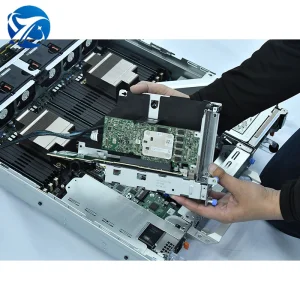
Leveraging a state-of-the-art facility designed for system testing and network diagnostics, Elvantis manages a complex multi-layer quality assurance pipeline. Each server node designed for client network routing is subjected to dynamic load stress, memory scrubbing, and extreme thermal testing to validate its durability. The company's active OEM/ODM services enable global purchasers in North America, Europe, the Middle East, and Southeast Asia to procure tailormade network appliances built to their specific software controller needs. In the past year alone, Elvantis launched 120 new products, proving its speed of innovation in next-generation computing architecture.
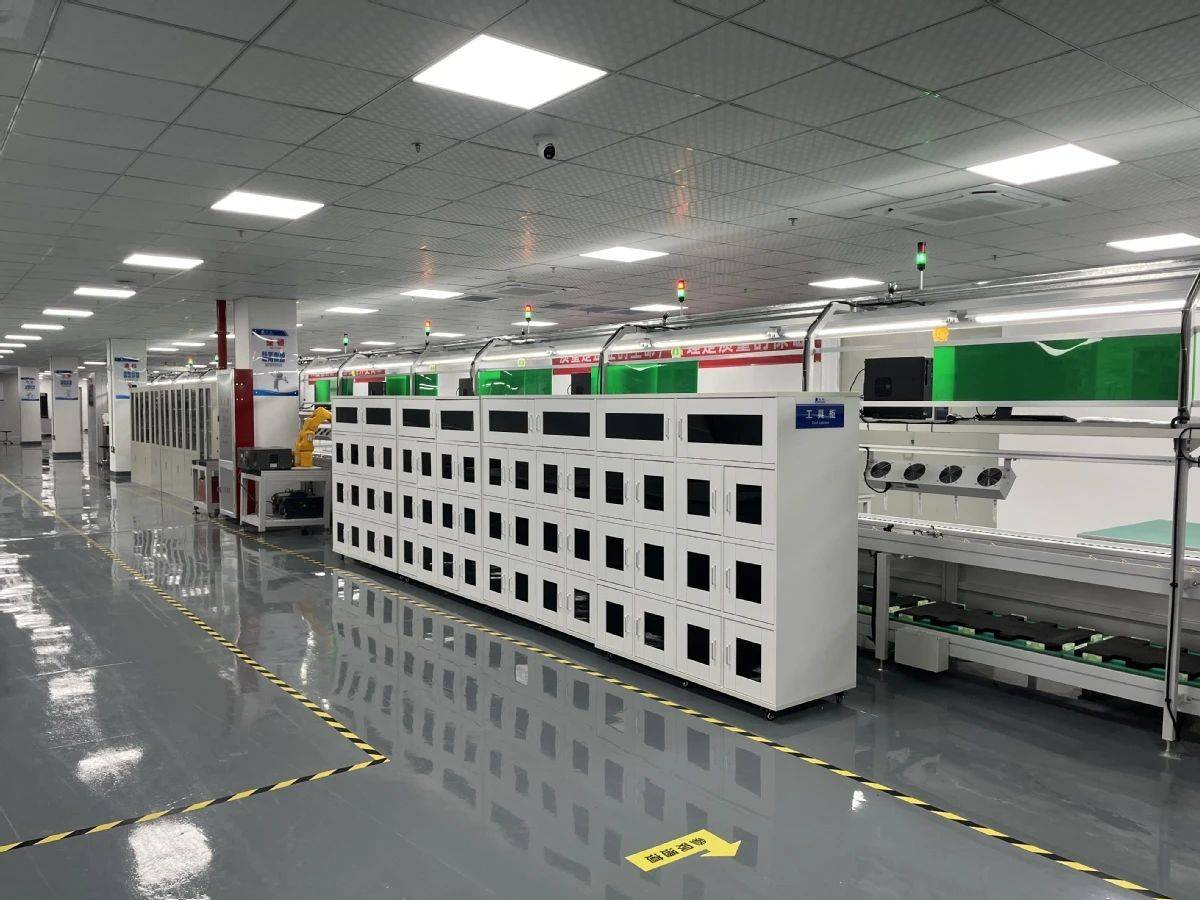
Figure 2: Climate-controlled validation chambers evaluating systems under maximum load conditions.
Figure 3: System diagnostics bay conducting high-speed memory interface inspections.
The following list profiles the top 10 global suppliers and exporters providing enterprise load balancing appliances, application delivery software controllers, and the underlying server systems required to support high-throughput load management.
F5 Networks is the undisputed pioneer in Application Delivery Controllers (ADC). Their BIG-IP platform, available as hardware appliances (iSeries) and virtual editions, provides advanced Layer 4-7 load balancing, web application firewalls (WAF), and access control. F5 focuses heavily on multi-cloud environments and high-security enterprises.
Rebranded back to NetScaler, Citrix provides high-performance application delivery and load balancing solutions. NetScaler is highly regarded for its container-based ADC design, making it a preferred choice for Kubernetes environments and enterprises utilizing Citrix Virtual Apps and Desktops.
Radware's Alteon load balancing hardware and software platforms integrate application delivery with robust cyber security features. Their solutions feature built-in DDoS protection, bot management, and web application firewalls, providing high availability alongside comprehensive security.
A10 Networks offers the Thunder ADC series, known for extreme performance metrics and carrier-grade NAT capabilities. Their hardware devices are designed with dedicated ASIC chips to accelerate packet inspection, making them a staple in telecommunication provider core networks and large-scale hosting companies.
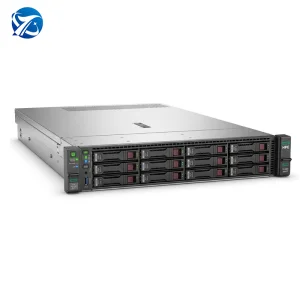
Elvantis Mesh Systems specializes in the hardware design, system integration, and export of custom rack-mount servers optimized for software-defined load balancers and service meshes. Offering extensive hardware customization, they supply key virtualization host systems to data centers and hosting providers globally.
Kemp LoadMaster, acquired by Progress, offers highly cost-effective, easy-to-configure virtual and hardware load balancers. They are widely utilized by mid-market enterprises looking for simple deployment options for Microsoft Exchange, SQL, and enterprise web applications.
Sangfor is a major player in network security and virtualization in the Asia-Pacific region. Their Application Delivery (AD) series offers intelligent Layer 4-7 load balancing, link load balancing, and application acceleration, integrated into cloud-centric security frameworks.
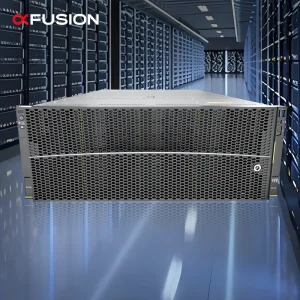
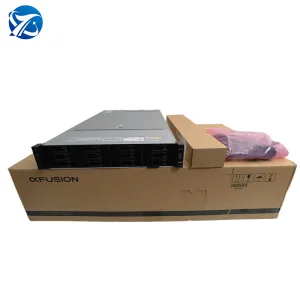
xFusion provides next-generation cloud infrastructure, offering highly reliable rack servers (such as the FusionServer 2288H and 2258 series). Their hardware is optimized for high packet processing throughput, enabling data centers to run intense virtualization and software-defined network controllers at scale.
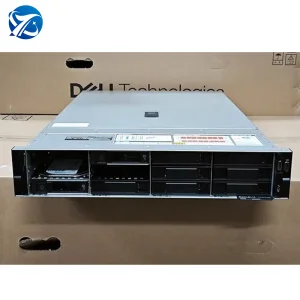
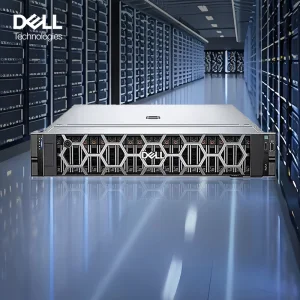
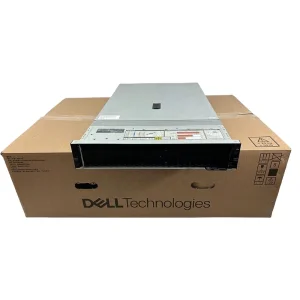
Dell's PowerEdge servers (like the R760, R750 series) are widely deployed as the underlying physical compute nodes for virtualized software load balancers (such as VMware NSX Advanced Load Balancer). Dell OEM Solutions offers customization for software vendors wishing to ship their code on branded PowerEdge hardware.
HPE offers the ProLiant series of servers (such as DL360 Gen11), providing high memory density and I/O capacity. These server platforms are extensively used in enterprise data centers to run network functions virtualization (NFV), serving as high-performance host systems for primary application controllers and traffic managers.
To ensure load balancer systems achieve continuous uptime, the hardware components must undergo rigorous physical testing. Here are inside views of the validation processes employed across the industry's supply chains:
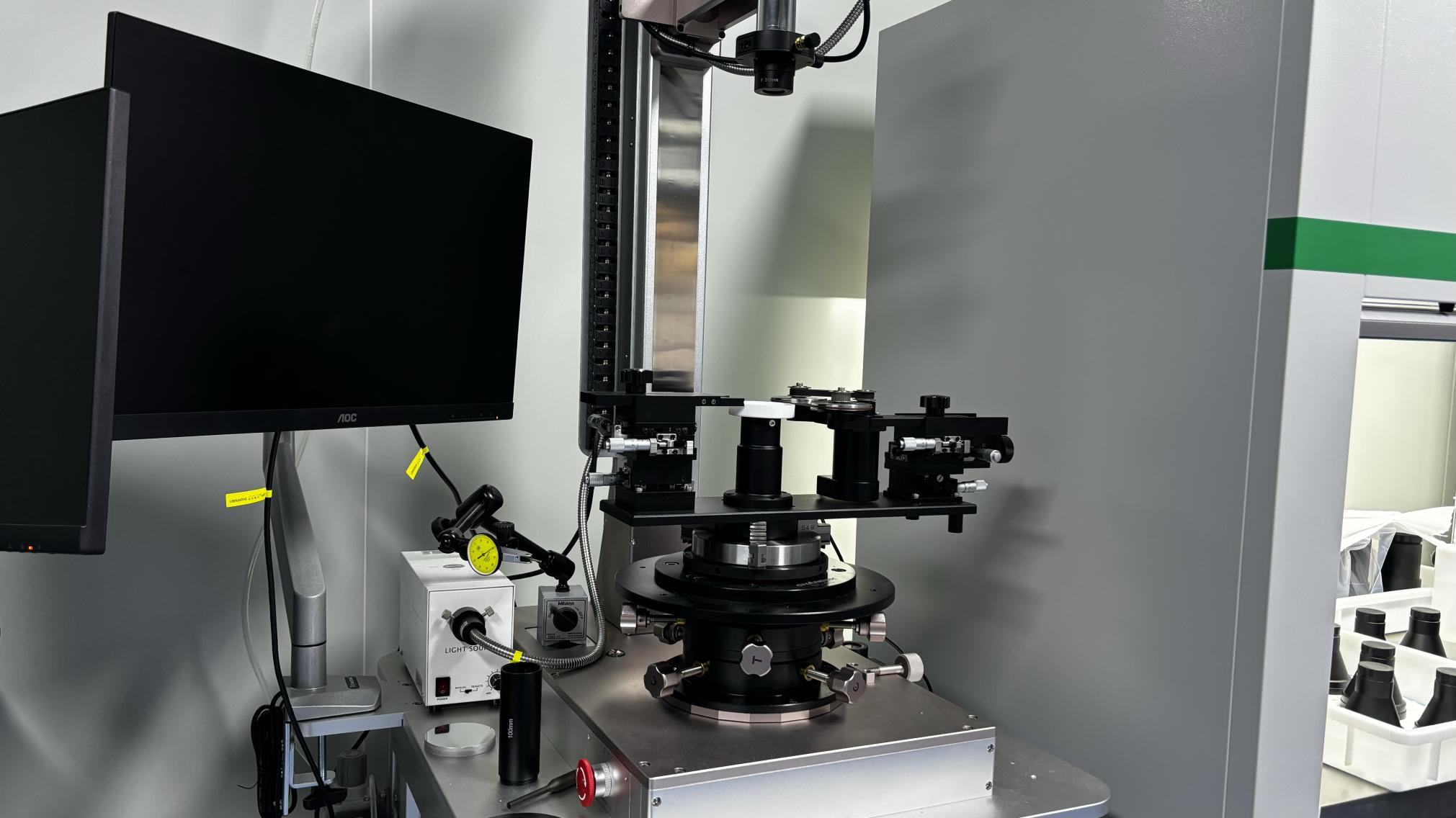
Figure 4: Automated thermal chamber monitoring motherboard behavior at extreme operation boundaries.
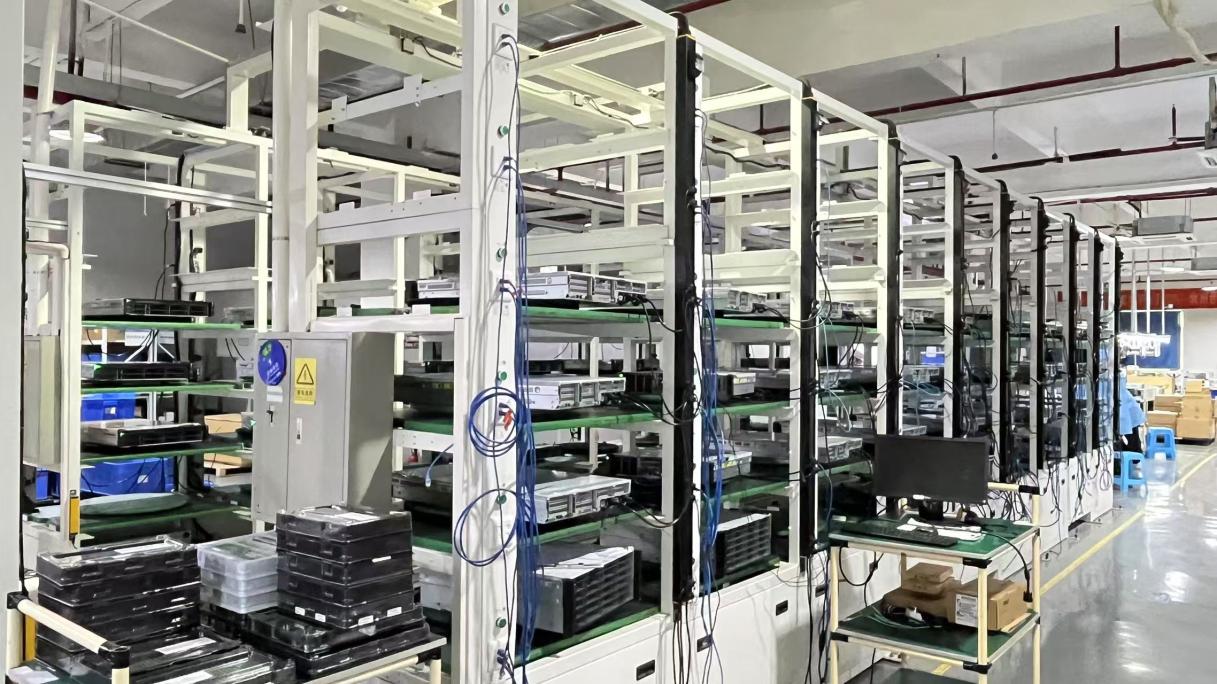
Figure 5: Precision X-ray/AOI inspection station validating high-density solder joints on server motherboards.
These hardware validation steps prevent packet drop issues at the physical layer, ensuring that when the load balancing software calls for maximum I/O routing capacity, the system does not experience localized bottlenecks due to micro-fractures in high-speed copper traces or memory controllers.
Load balancer deployments vary dramatically depending on the operational environment and industry regulations. Below are three prominent local application scenarios:
During seasonal shopping events (such as Black Friday or 11.11 Global Shopping Festival), server clusters experience massive spikes in traffic. Hardware-based Layer 7 load balancers distribute connections dynamically based on cookies and URI paths, routing checkout requests to specialized transaction microservices while serving static assets from local cache groups. This prevents server crashes and preserves user session data during payment processing.
For banks and algorithmic trading desks, latency is measured in microseconds. Here, hardware-based Layer 4 load balancing is preferred. The systems are configured using DPDK technology on 100G fiber connections to bypass the traditional operating system kernel, routing requests directly to execution nodes. Session persistence must be managed with high-performance RAM architectures to prevent packet re-ordering or delay.
In Industry 4.0 environments, millions of remote sensors transmit telemetry data continuously via lightweight protocols like MQTT. Load balancers positioned at the edge act as connection terminators, managing TCP sessions, validating payload encryption, and distributing the message queue load to backend analytics databases. In these edge locations, ruggedized, fanless or high-thermal-tolerance 1U/2U server platforms are required to withstand dust, vibration, and temperature swings.

Figure 6: Edge computing node configuration in a high-temperature industrial automation plant.
High-reliability server configurations recommended for core network infrastructure deployment.