Elvantis
Elvantis
Elvantis
Explore elite-grade hardware solutions designed to scale raw performance, density limits, and thermal efficiency within minimal rack footprints.
An Industry-Leading High-Performance AI GPU Server Manufacturer and System Integrator.
Elvantis Mesh Systems Ltd. (elvantismesh.com) is a high-performance AI GPU server manufacturer specializing in scalable computing infrastructure for artificial intelligence, high-performance computing (HPC), and enterprise data center deployments. Since our inception in 2016, we have committed to designing advanced GPU cluster systems with optimized thermal architecture, redundant power structures, and highly flexible deployment configurations.
Operating a modern production and R&D facility with a dedicated building area of approximately 380㎡, Elvantis supports integrated R&D, precision assembly, stress testing, and strict quality assurance processes. With over 10 years of industry experience and approximately 7 years of direct export history, we have established ourselves as a reliable strategic supplier serving global enterprise clients across North America, Europe, the Middle East, and Southeast Asia.
Understanding the critical trends driving high-density server acquisition in the AI era.
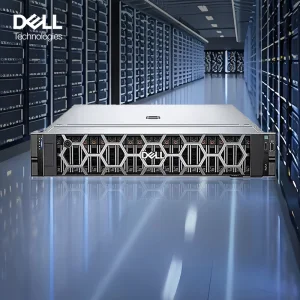
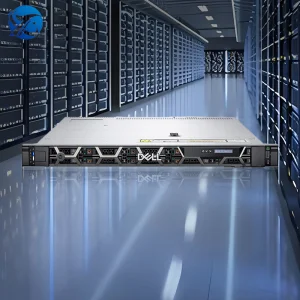
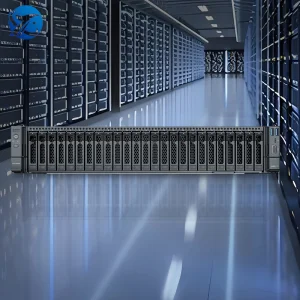
Data center real estate is increasingly expensive. Enterprises demand 1U and 2U ultra-dense chassis platforms capable of housing dual scalable processors and multi-channel memory to maximize compute-per-square-foot ratios.
Power usage effectiveness (PUE) dominates procurement specifications. High-density server platforms integrating 80 PLUS Titanium power supplies minimize AC-to-DC conversion losses, directly decreasing utility overheads.
The sudden rise in AI model training (e.g., DeepSeek models, transformer architectures) requires dense server racks featuring PCIe Gen 5 configurations, enabling direct GPU-to-GPU interconnectivity without processing latency.
Tailored computational blueprints across vital industrial domains.
Hyperscalers rely on high-density 1U rack deployments to optimize storage systems and compute workloads. Our multi-socket setups allow rapid provisioning of virtualized instances while using redundant hot-swappable cooling configurations to target a 99.999% system uptime SLA.
With multi-GPU servers handling deep model parameters, physical footprint bottlenecks become apparent. The introduction of 4-socket configurations with robust DDR5 channels and short-depth chassis formats allows institutions to build powerful mini-clusters without reconstructing their existing facility layout.
Latency represents risk. For financial infrastructure, we supply custom-configured systems engineered for raw throughput speeds. By leveraging PCIe Gen5 network cards, local NVMe storage, and optimized BIOS parameters, transaction processing times are reduced to microseconds.
How high-density designs are adapting to power, thermal, and bandwidth requirements.
Standard air cooling runs into physical limits as TDP (Thermal Design Power) for dual processors surpasses 350W per socket, and GPU units scale up to 700W each. Elvantis' technical roadmap prioritizes Direct-to-Chip (DLC) liquid cooling integration, ensuring consistent operating temperatures even under continuous maximum computing loads.
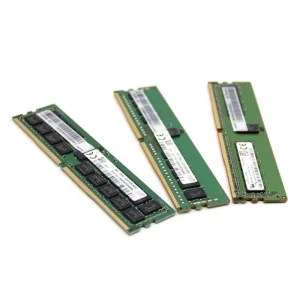
Memory capacity expansion is critical for large datasets. Over the next two years, high-density server architectures will increasingly utilize CXL technology. This enables dynamic pooling of system memory, allowing CPUs and accelerator chips to share cache resources with sub-nanosecond speeds.
Green initiatives demand higher energy conversion rates. Future configurations will transition towards 48V DC bus architectures, reducing the number of conversion stages inside the server chassis and improving system efficiency by up to 4% compared to legacy 12V configurations.
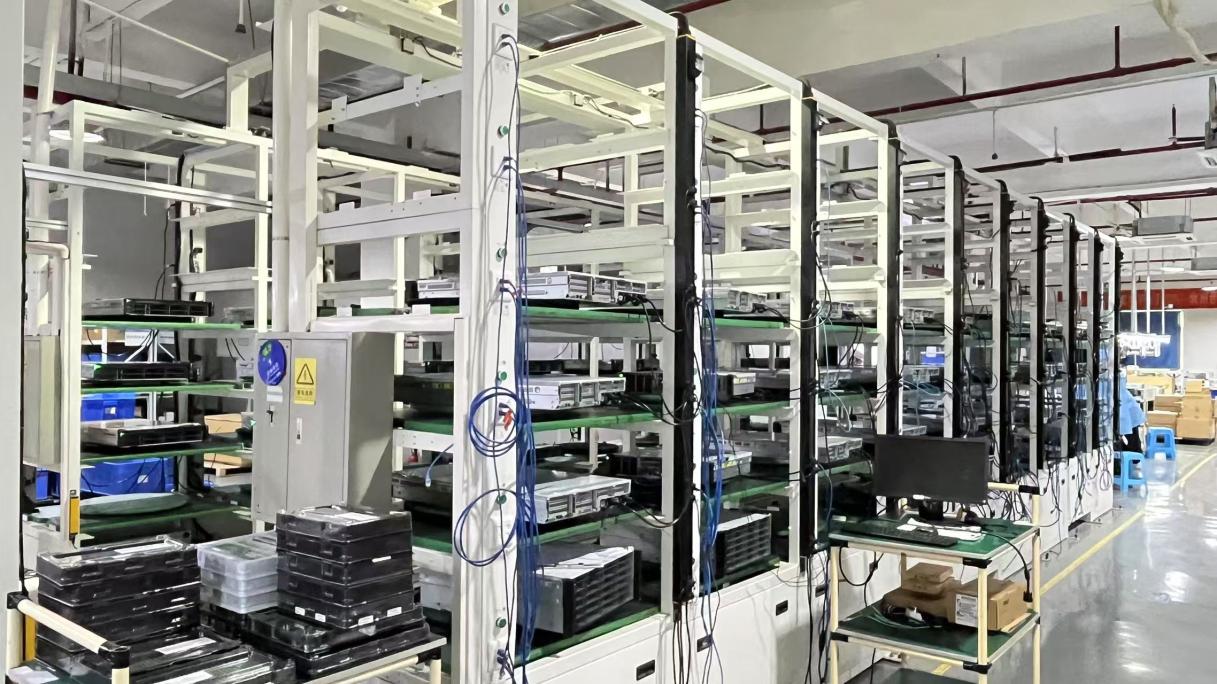
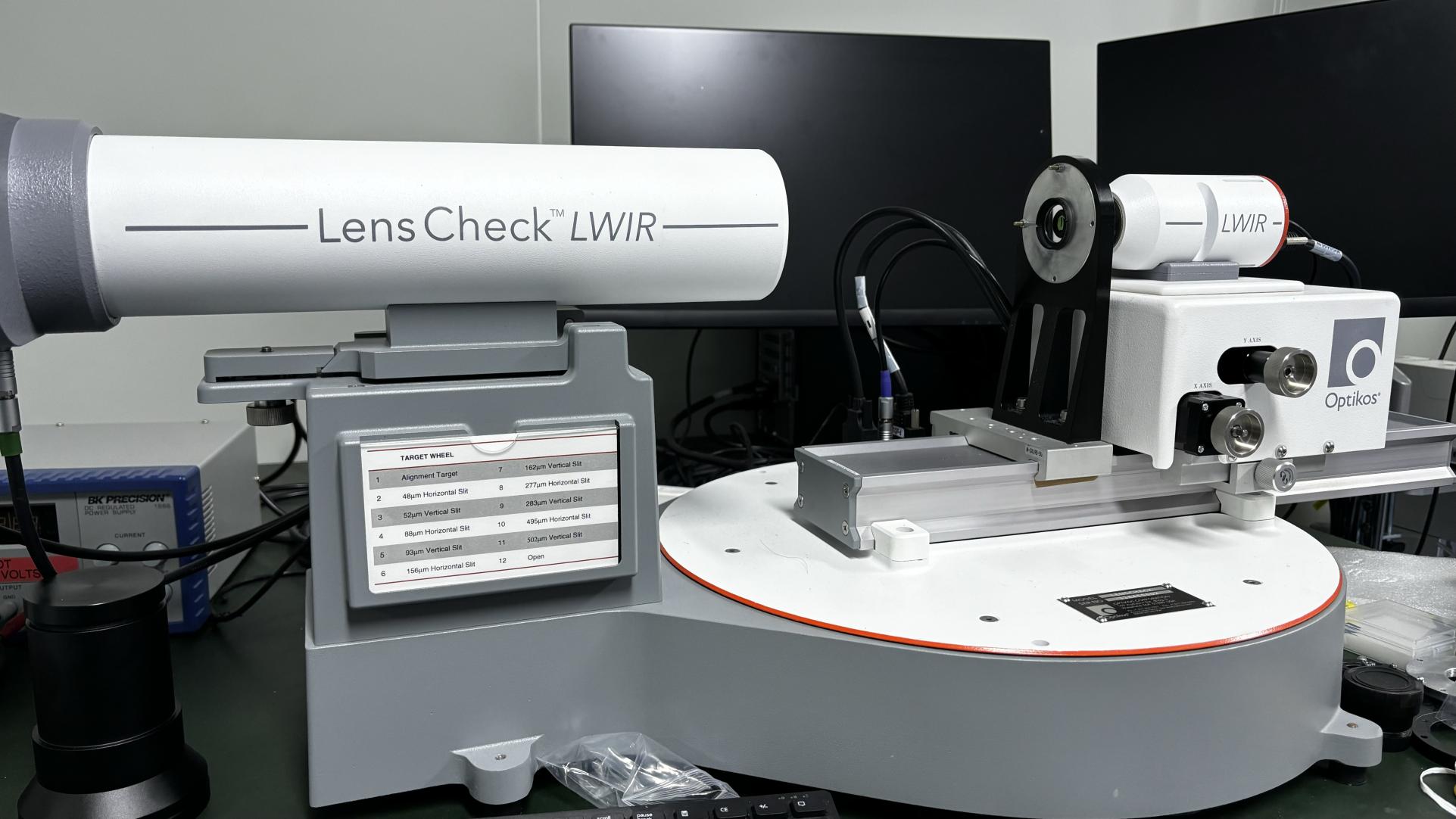
Inside our advanced manufacturing, diagnostic testing, and validation centers.
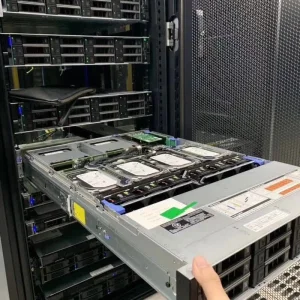
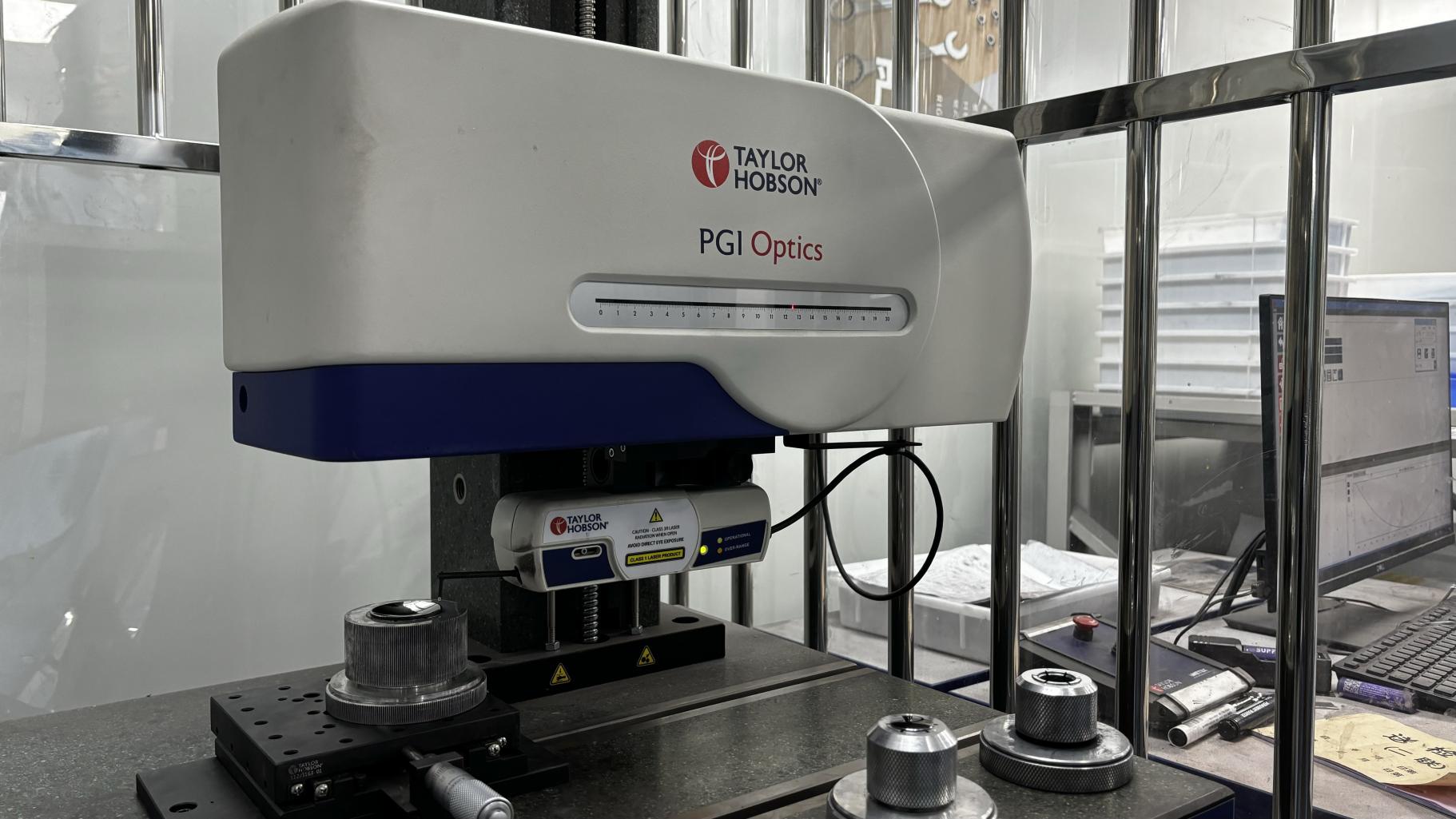
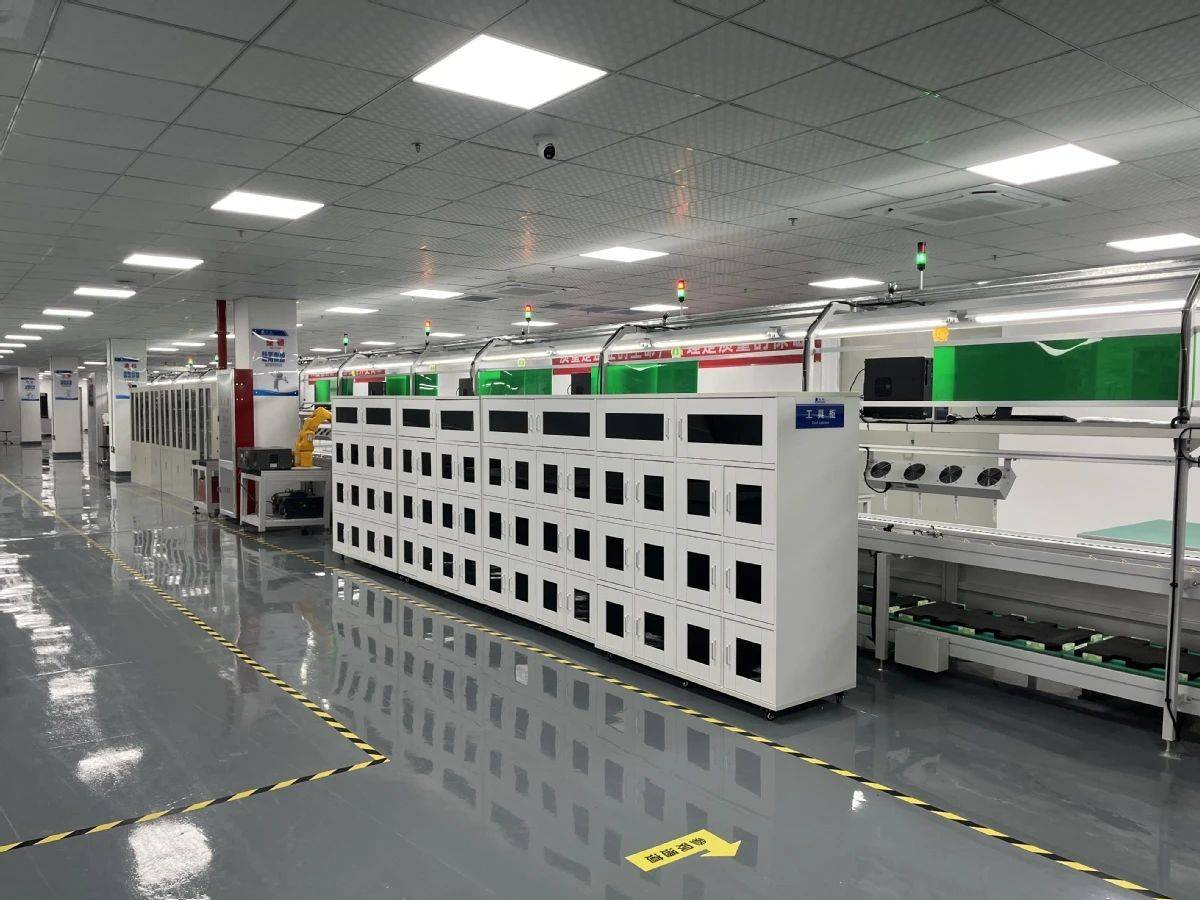
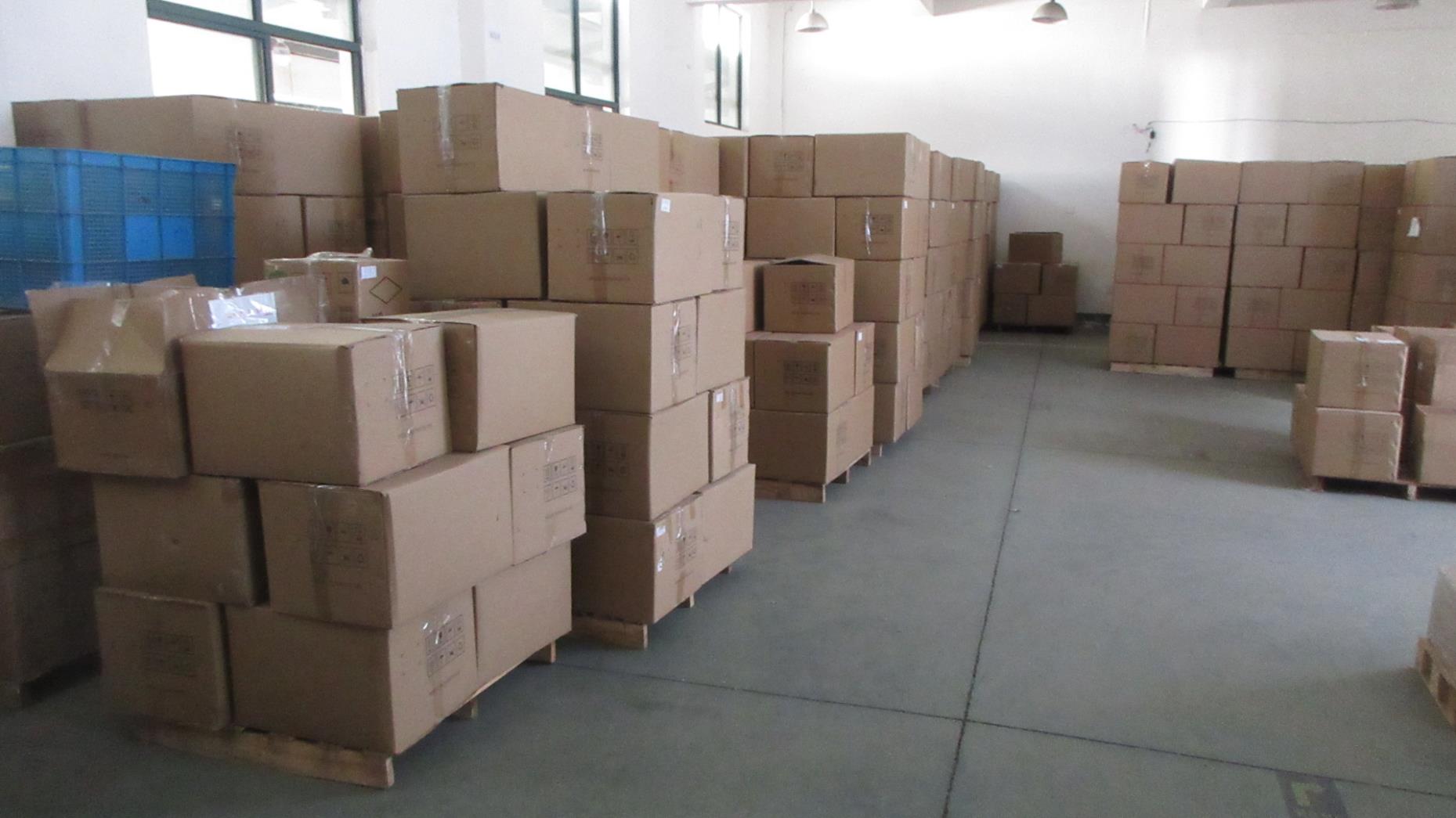
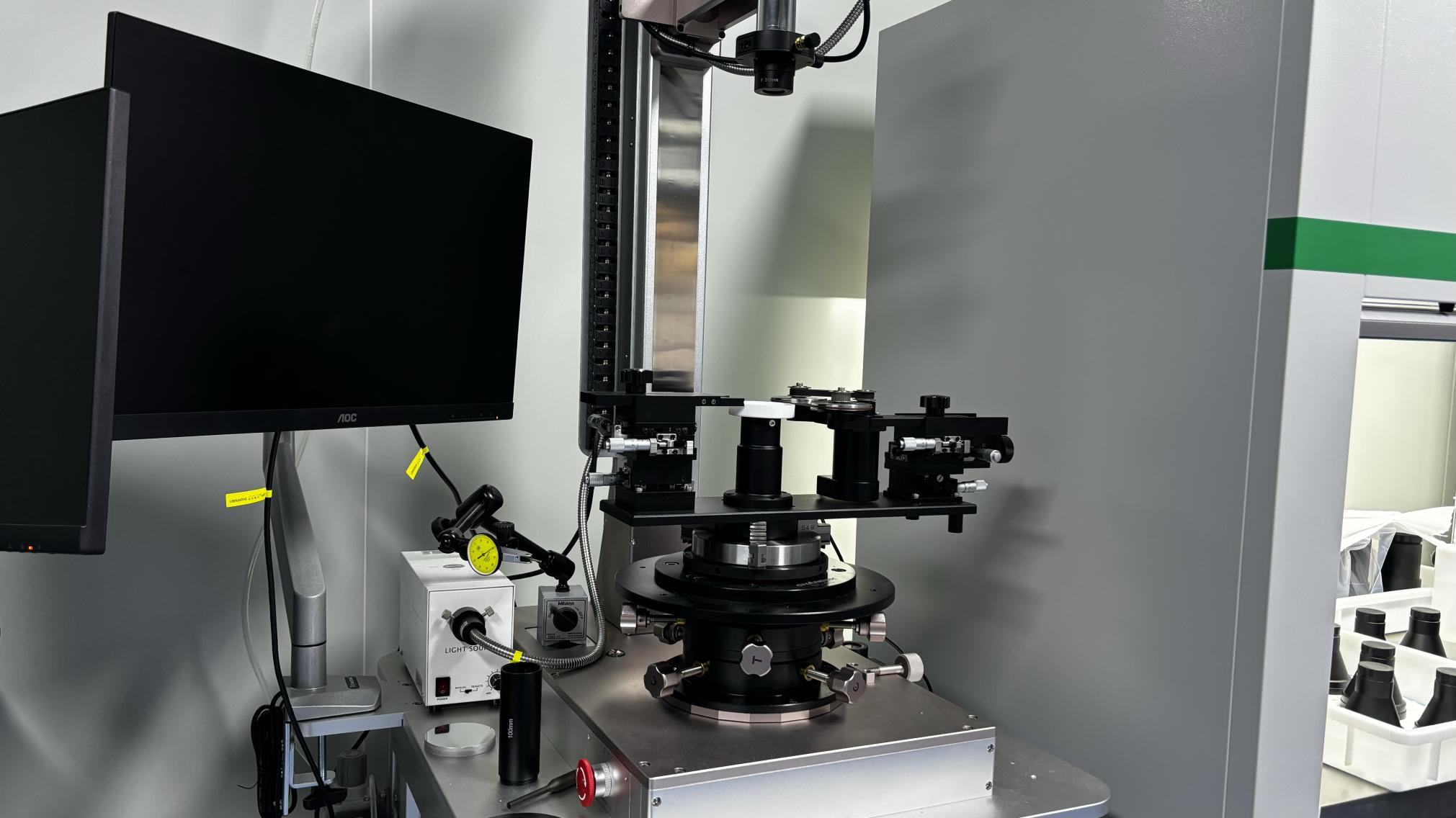
Quality assurance is built into every step of our process. Our facility employs a multi-layer quality assurance system guided by ISO 9001 management standards. Hardware diagnostic processes include Automated Optical Inspection (AOI), thermal cycling validation, burn-in testing, and system stress testing under actual high-performance computing (HPC) environments. Our dedicated quality control team of approximately 35 QC professionals closely monitors every production step, ensuring that all shipped systems meet the required quality metrics before leaving our facility.
Ensuring compliance, reliable shipping, and comprehensive support services across global regions.
Our server hardware products comply with key international standards including FCC Class A, CE, RoHS, and UL certification, helping buyers streamline local custom clearance and facility safety reviews.
We offer customized technical support SLAs for enterprise deployments. This includes replacement parts delivery, access to remote diagnostics via IPMI out-of-band management protocols, and firmware updates.
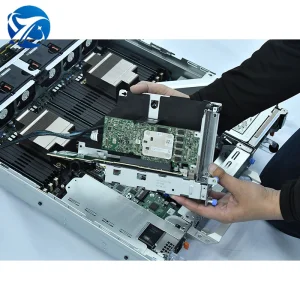
With our in-house engineering and R&D teams, we provide tailored integration services. We configure processors, optimize memory distribution, design backplanes, and customize cooling systems to align with your facility parameters.
Detailed technical answers addressing common deployment and procurement questions.
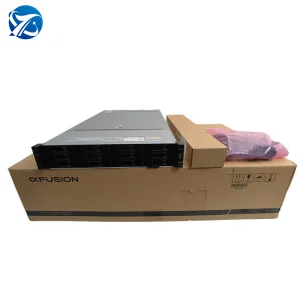
Select from our range of 2U, 4U, high-capacity storage nodes, and server accessories to complete your computing setup.