Elvantis
Elvantis
Elvantis
Explore our premium performance components, AI servers, and data storage products integrated for mission-critical operations.
In the modern digital economy, data processing has evolved from traditional tabular processing to high-dimensional semantic search and deep learning optimization. Technologies like DeepSeek, large language models (LLMs), and hyperconverged architectures require hardware that minimizes latency, maximizes memory bandwidth, and optimizes power density. As enterprise-grade data architecture demands surge, procurement departments must look beyond standard off-the-shelf options and secure relationships with dynamic engineering factories and global suppliers that can bridge physical fabrication with complex computational requirements.
This whitepaper analyzes the current status of high-performance computing (HPC) hardware manufacturing, focuses on architectural optimizations in memory and rack units, details the advantages of China's Industry 4.0 supply chain integration, and defines procurement guidelines for global enterprises looking to deploy AI and NAS systems at scale.
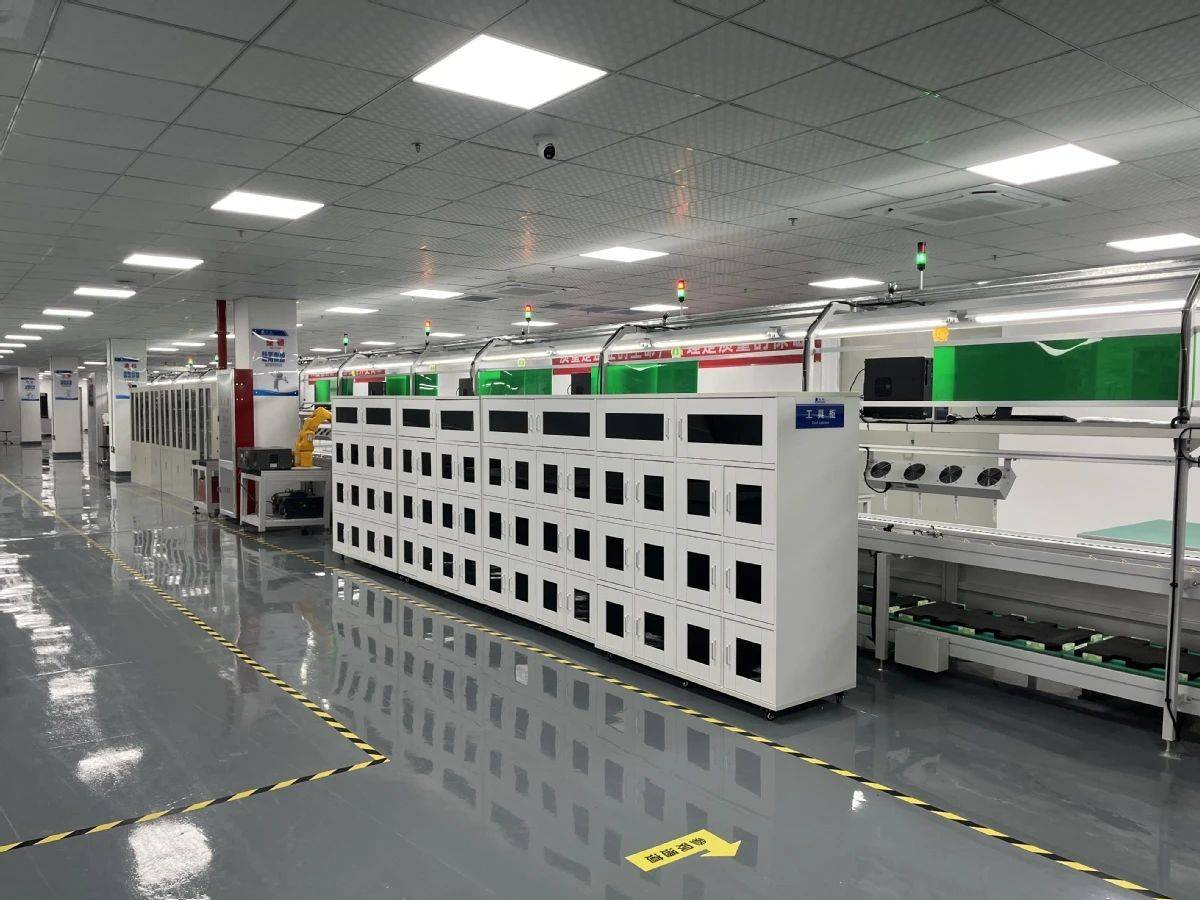
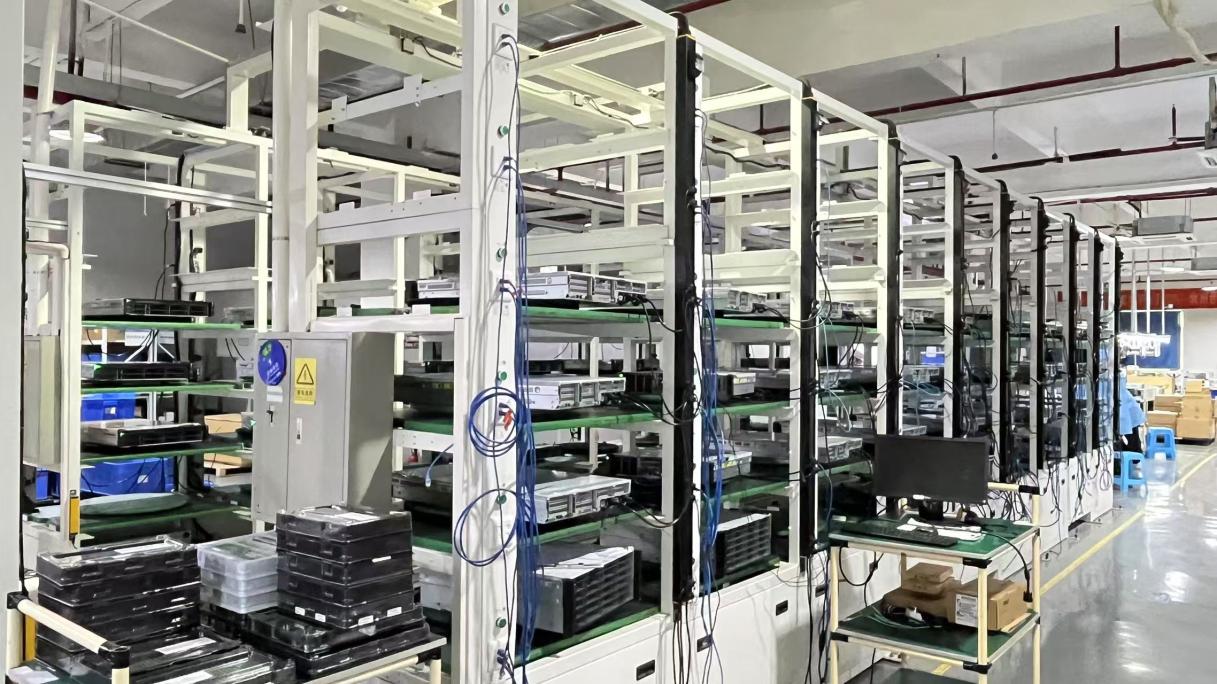
Established in 2016, Elvantis Mesh Systems Ltd. (elvantismesh.com) has positioned itself at the center of high-performance AI GPU server manufacturing. Focusing on scalable computing infrastructure, the company operates a specialized modern production facility supporting integrated R&D, assembly, quality control, and stress validation testing. Backed by 10 years of industry experience and 7 years of export history, Elvantis serves cloud service providers, data centers, and research institutions across North America, Europe, the Middle East, and Southeast Asia.
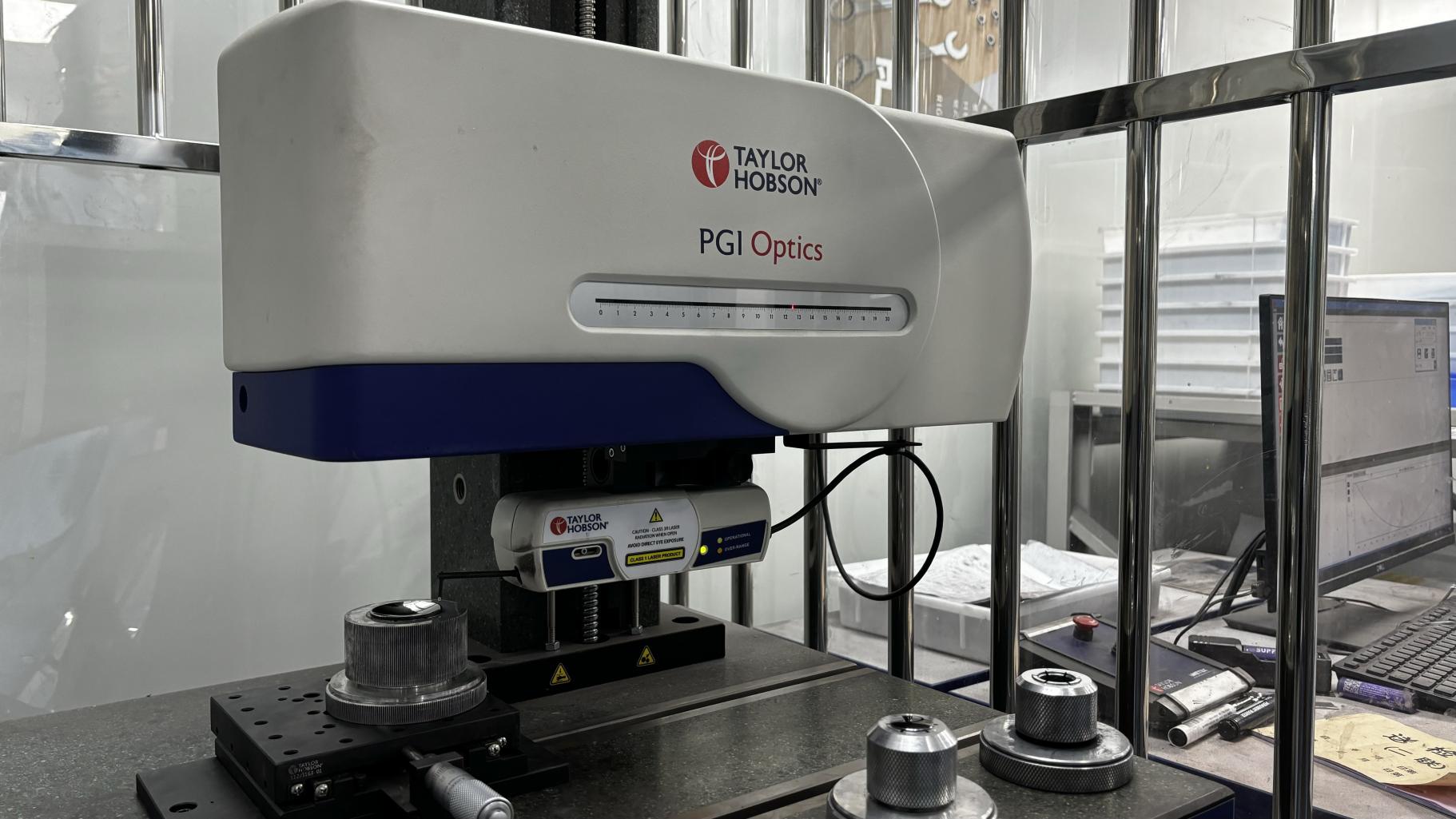
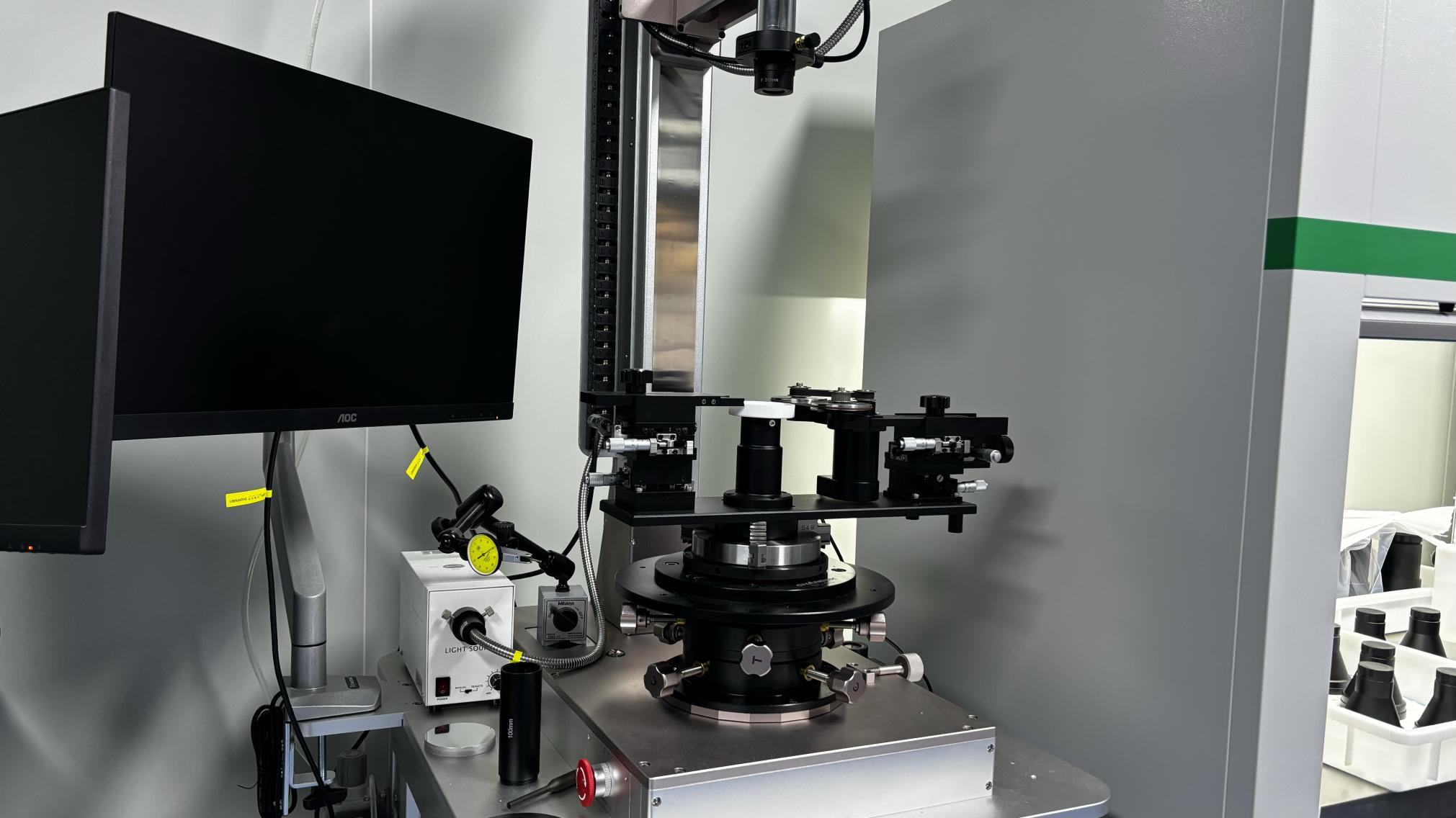
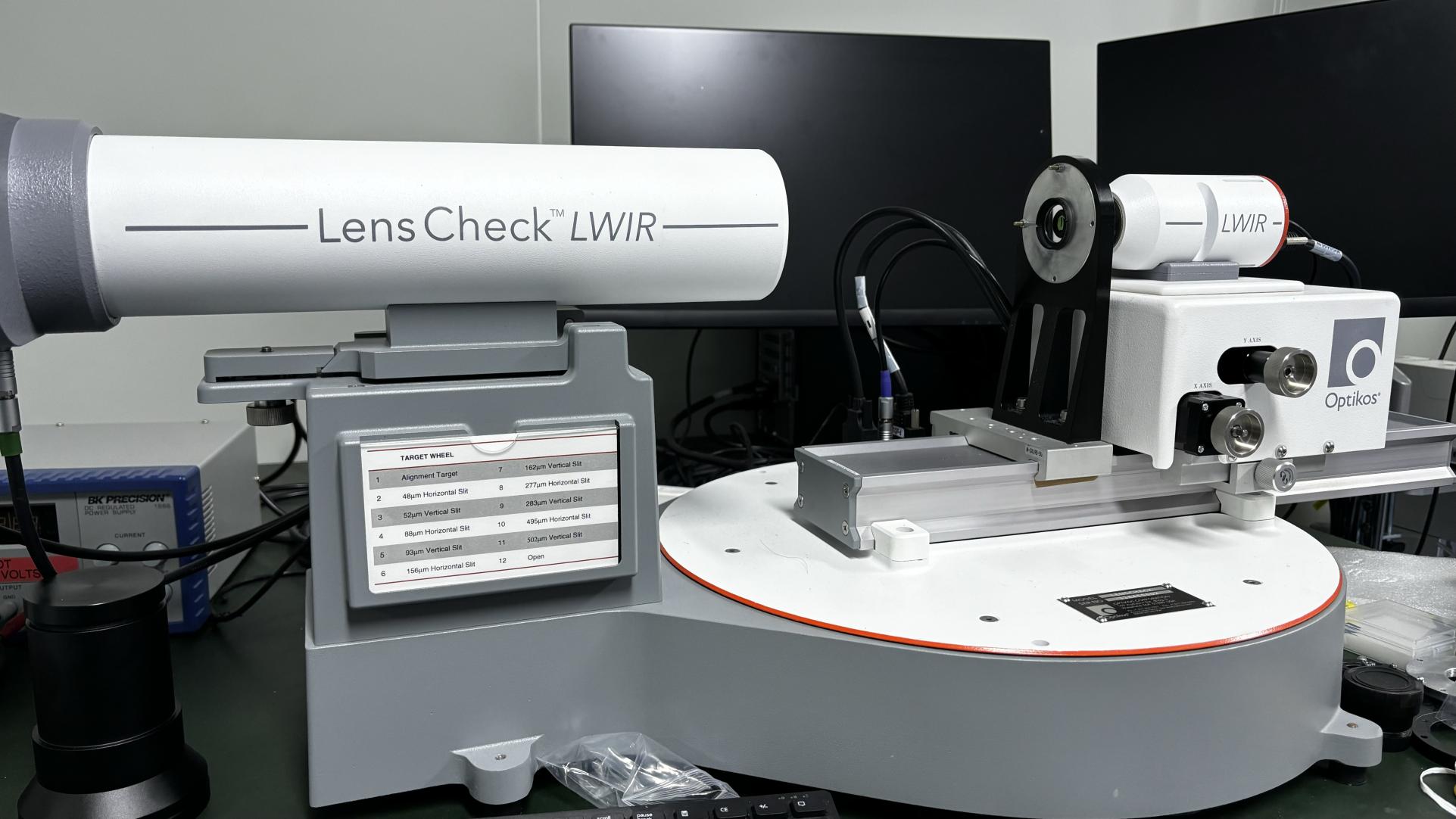
The company utilizes an ISO 9001-based quality assurance platform. This includes thermal cycling validation, high-load hardware diagnostics, and automated optical inspection (AOI) managed by a team of 35 dedicated QC professionals. This rigorous setup ensures every server, whether configured for complex AI workloads or storage consolidation, delivers maximum runtime reliability.
The intersection of silicon technology limits and growing dataset complexities has reshaped the design of data processing hardware. The market is shifting from general-purpose CPUs to specialized computing fabrics. Enterprise buyers must plan their data center procurement with a clear view of where technology is heading over the next five years:
Compute Express Link (CXL) is redefining memory access by allowing CPUs, GPUs, and accelerators to share a common memory pool, reducing latency and cutting down data duplication across system components.
As server rack densities exceed 50 kW, air cooling is reaching its limits. Suppliers are shifting to direct-to-chip liquid cooling and immersion setups to maintain stable runtimes and lower energy use.
Modern data security has moved directly into the silicon layer. Trusted Execution Environments (TEEs) and hardware-level encryption protect private data while it is actively being processed in memory.
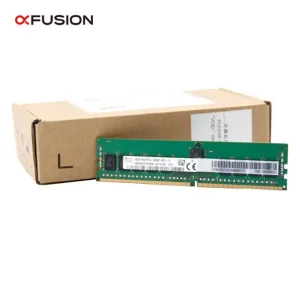
Transitioning from DDR4 to DDR5 RDIMM memory (such as our XFusion DDR5 6400MHz ECC module running at 1.1V) delivers more than just higher clock speeds. It introduces on-die ECC (Error Correction Code), dual 32-bit subchannels, and improved power management integrated directly onto the DIMM. This provides the memory bandwidth and stability needed for training LLMs and running high-concurrency database queries.
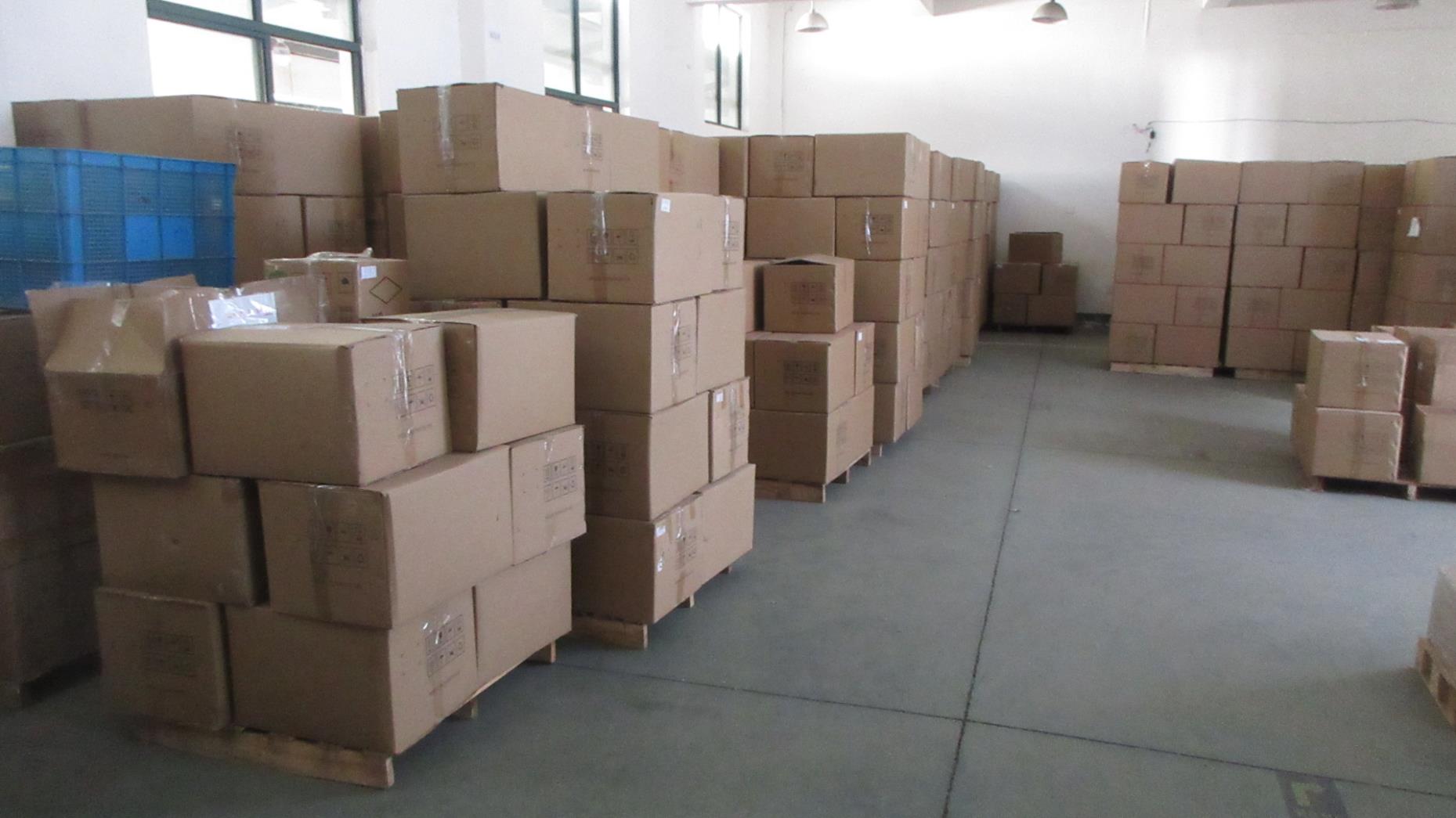
The hardware that powers global artificial intelligence and cloud storage relies on strong, adaptable manufacturing networks. China's Industry 4.0 factories have evolved beyond basic assembly line production. They now integrate modern components like automated optical inspection, dynamic thermal stress chambers, and automated warehousing systems to deliver high-precision hardware on scale.
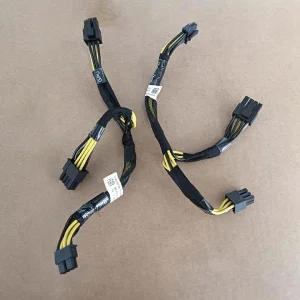
By locating manufacturing hubs close to key component ecosystems—including chip substrates, PCB fabricators, copper power cabling (like the TR5TP GPU power cable for R740/R740XD), and precise chassis stamping—these factories significantly shorten production cycles. Elvantis leverages this integrated footprint to speed up prototyping and customization. This allows us to rapidly introduce new server configurations that adapt to changing data center requirements.
Every industry has its own unique data processing challenges. Understanding these workload needs is crucial when configuring enterprise servers:
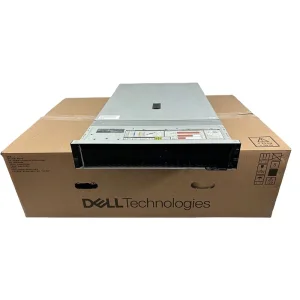
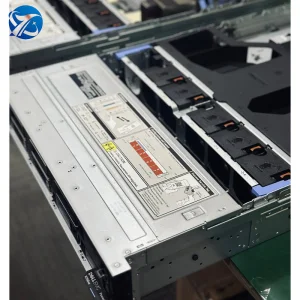
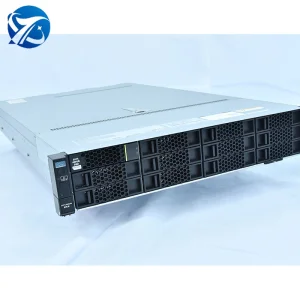
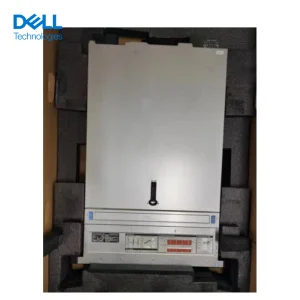
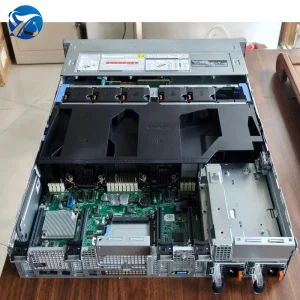
For cloud providers, maximizing compute density and efficiency within 1U and 2U rack designs is vital. High-core servers like the Dell PowerEdge R7625—which supports dual AMD EPYC processors and fast NVMe storage—let providers host more virtual machines and run parallel application workloads while keeping power use in check.
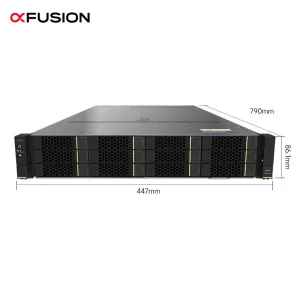
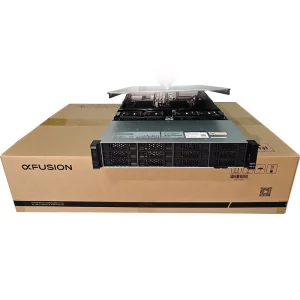
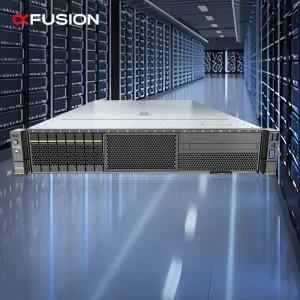
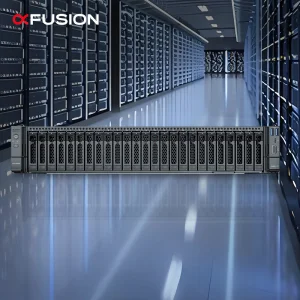
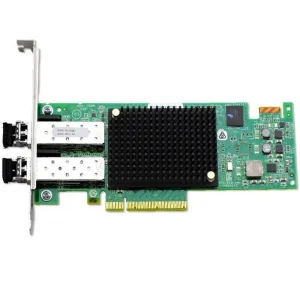
Training large AI models like DeepSeek requires massive compute clusters with minimal storage bottlenecks. Combining high-density GPU servers (such as the xFusion 2288H V7) with high-speed fiber-channel host adapters (like the Emulex LPE35000 HBA) prevents latency lags during training cycles.
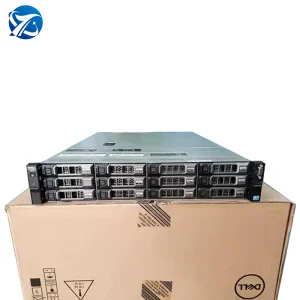
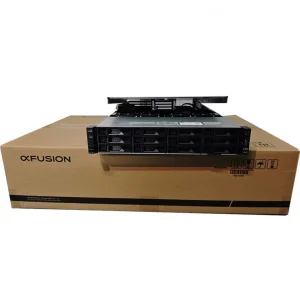
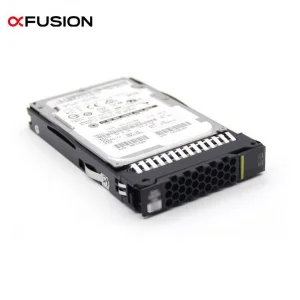
Financial firms and telecom operators need high-speed, secure, and low-latency storage. Setting up multi-drive rack servers with reliable SAS or SATA storage drives (ranging up to 20TB) provides the capacity and speed required to process transactions and parse log files in real time.
Procuring international hardware requires careful attention to regional regulations and supply logistics. Enterprise buyers must make sure their chosen manufacturer complies with local standards to avoid import delays and ensure long-term operational safety:
Browse our selection of specialized HBA cards, high-capacity hard drives, and dense GPU storage servers optimized for heavy enterprise workloads.
Get answers to common technical, manufacturing, and configuration questions about our high-performance data processing solutions.
DDR5 memory increases bandwidth by operating at higher transfer rates (such as 6400MHz compared to DDR4's typical 3200MHz limits). DDR5 also runs at a lower native voltage (1.1V vs 1.2V) and features on-die ECC (Error Correction Code). This design resolves single-bit errors at the chip level, improving overall stability under heavy computing loads.
Our quality control team uses a multi-layered testing workflow. This includes automated optical inspection (AOI), full-system stress tests, thermal cycling, and continuous burn-in testing. These tests ensure all memory, storage interfaces, and GPU controllers operate reliably under full load before shipment.
We provide a variety of high-performance server options (like the xFusion 2288H V6 and Dell PowerEdge R7625) that can be configured with NVMe SSDs, large SAS/SATA drive arrays (up to 20TB per disk), and high-bandwidth fiber-channel cards (such as the Emulex LPE35000 32Gb/s HBA). These setups allow companies to customize memory, compute cores, and storage configurations to match their target virtualization workloads.
All server hardware and component systems are certified to meet major international standards, including CE, FCC, RoHS, and UL safety criteria. This ensures compliance with regional environmental, safety, and electrical guidelines for smooth importation and deployment.