Elvantis
Elvantis
Elvantis
Premium server infrastructure optimized for heavy AI workflows and next-generation liquid and air-assisted cooling deployments.
The rapid acceleration of high-performance computing (HPC) and complex artificial intelligence models (such as deep learning networks and cloud virtualization clusters) has forced a shift in the modern data center landscape. As silicon densities grow and TDP (Thermal Design Power) thresholds for next-generation GPUs cross 700W to 1000W+ per socket, traditional air cooling mechanisms are hitting physical constraints.
Today's data centers require robust, multi-layered thermal strategies. By moving away from simple perimeter air cooling toward sophisticated Direct-to-Chip (D2C) liquid cooling and immersive multi-phase liquid loops, operators can achieve sustainable Power Usage Effectiveness (PUE) ratios below 1.15. This is no longer merely a metric of operational cost savings; it is a regulatory mandate across major global zones.
Analyzing how Chinese production ecosystems achieve high-precision scale and cost-efficiency for international buyers.
Chinese factories are situated in centralized manufacturing clusters (mainly Shenzhen, Guangdong, and the Yangtze River Delta), placing raw copper block CNC milling, custom fan mold design, and specialized brazing shops within a 50km radius.
Advanced engineering talent and digital simulation facilities allow manufacturers to turn around custom cold plate and CDU designs within 2 to 3 weeks, compared to 2 to 3 months in Western regions, significantly reducing time-to-market.
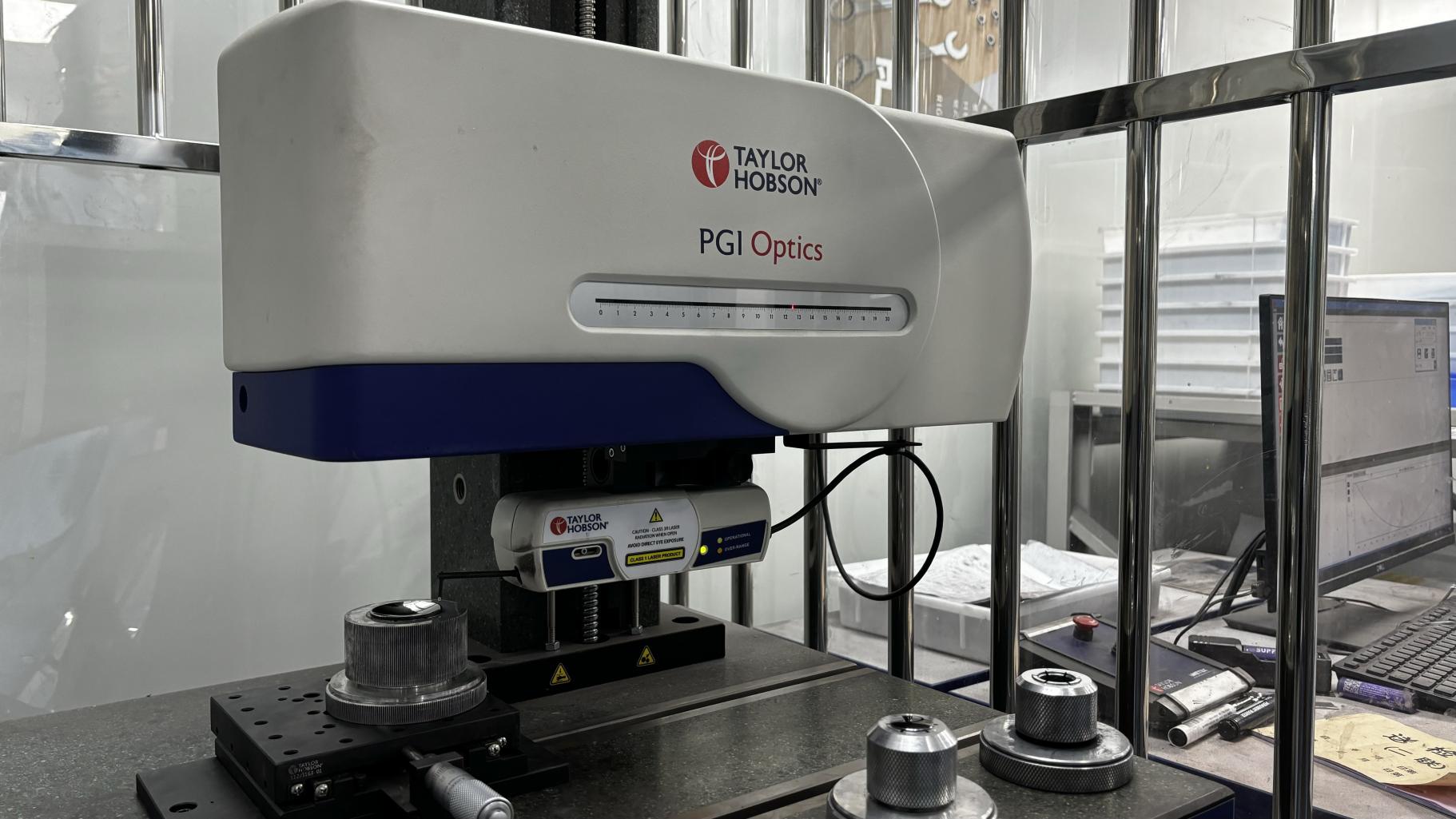
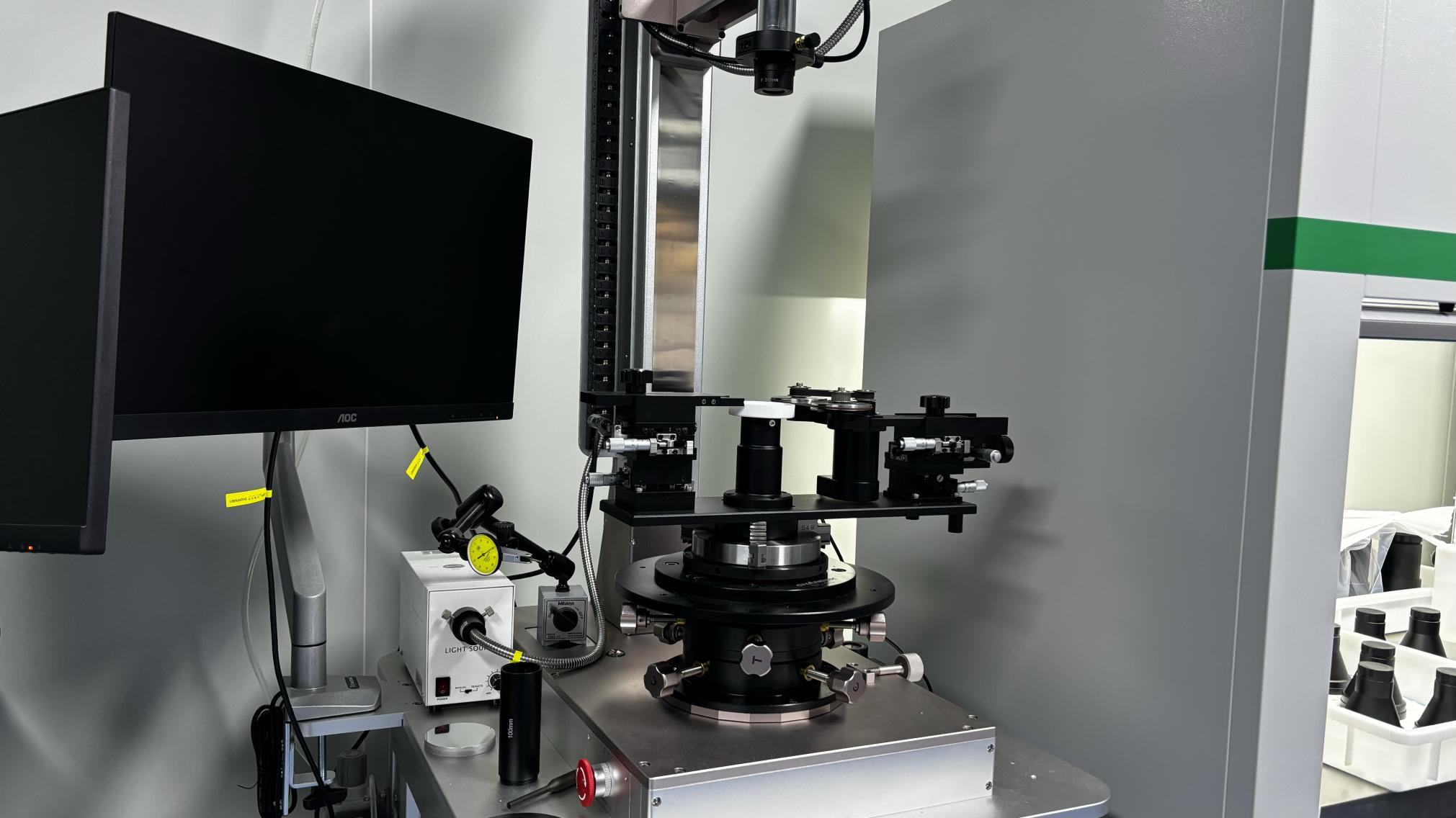
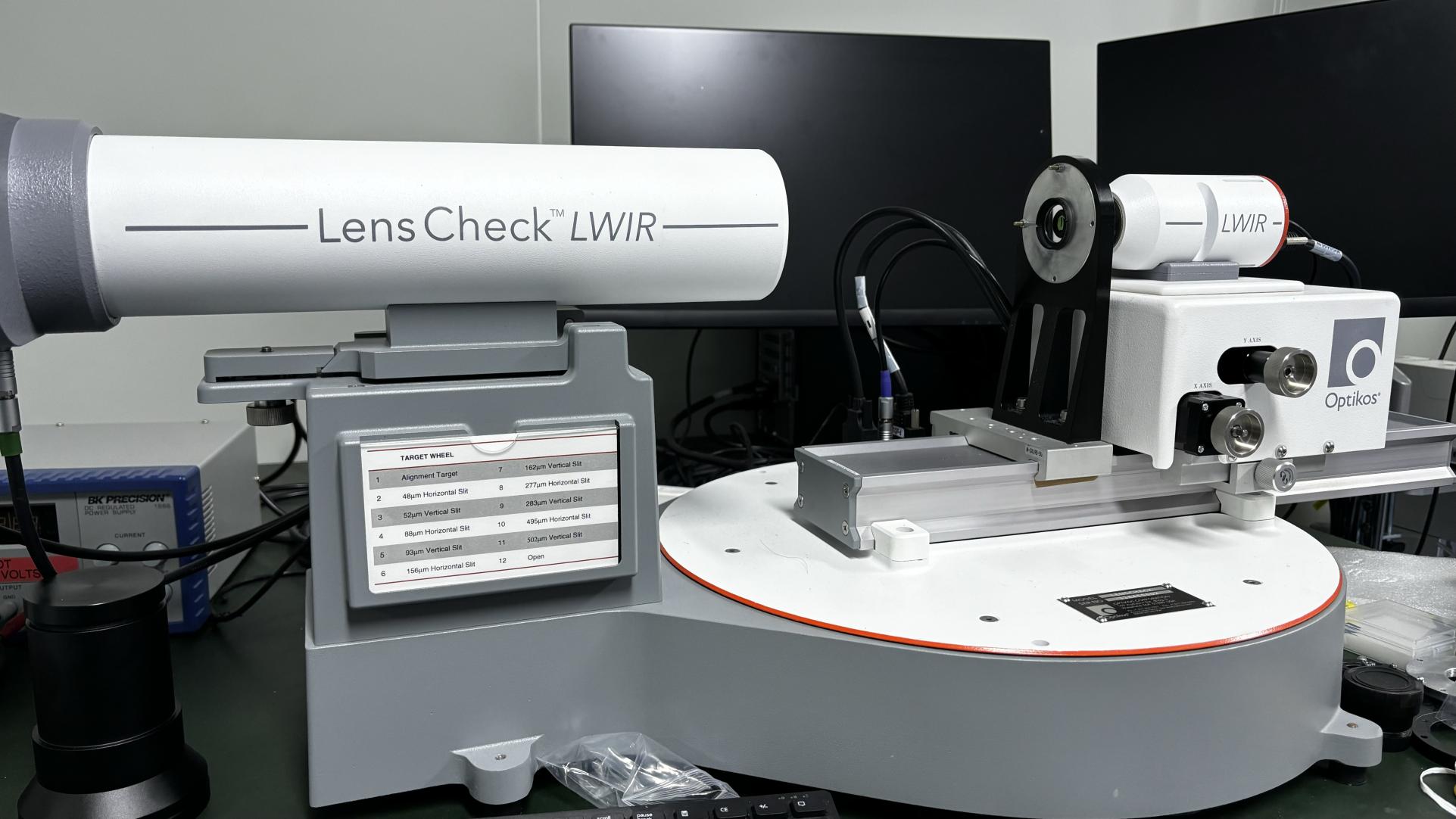
By implementing helium leak detection, high-pressure cycle stress testing, automated optical inspection (AOI), and precise flow-rate characterization, these facilities meet the strict quality benchmarks required by global tier-1 cloud service providers.
Integrating advanced GPU compute platforms with robust, low-impedance thermal architectures.
Established in 2016, Elvantis Mesh Systems Ltd. (elvantismesh.com) operates as a high-performance AI GPU server manufacturer specializing in scalable computing infrastructure for artificial intelligence, high-performance computing (HPC), and modern data center deployments. The company focuses on designing advanced GPU cluster systems with optimized thermal architectures and flexible deployment configurations.
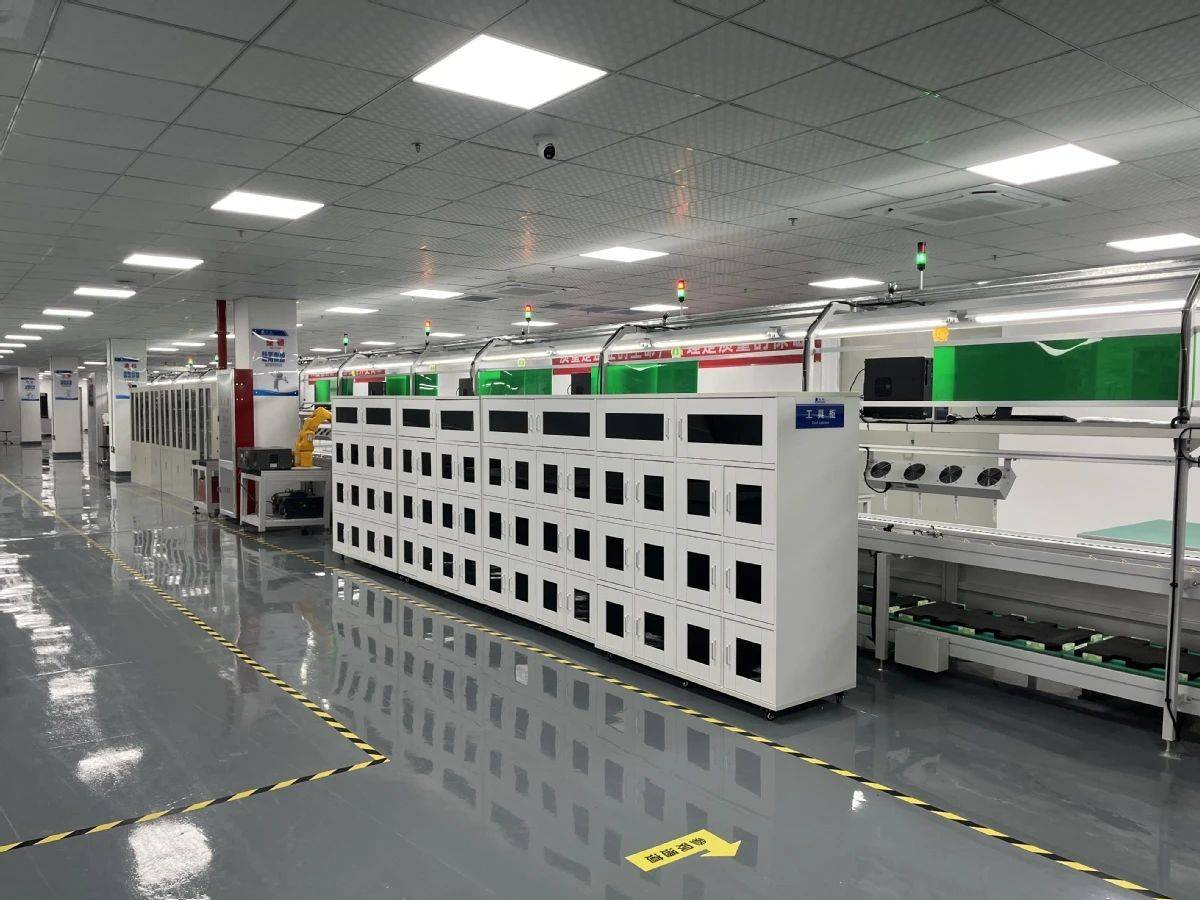
With a modern production facility supporting integrated R&D, assembly, testing, and quality assurance processes, Elvantis has accumulated over 10 years of industry experience and approximately 7 years of export experience, serving global enterprise clients across multiple high-tech sectors.
Financially backed by an annual export revenue of approximately USD 12 million, the company maintains a well-established supply chain network with around 850 cooperative partners, ensuring efficient sourcing of high-quality components and stable production capacity.
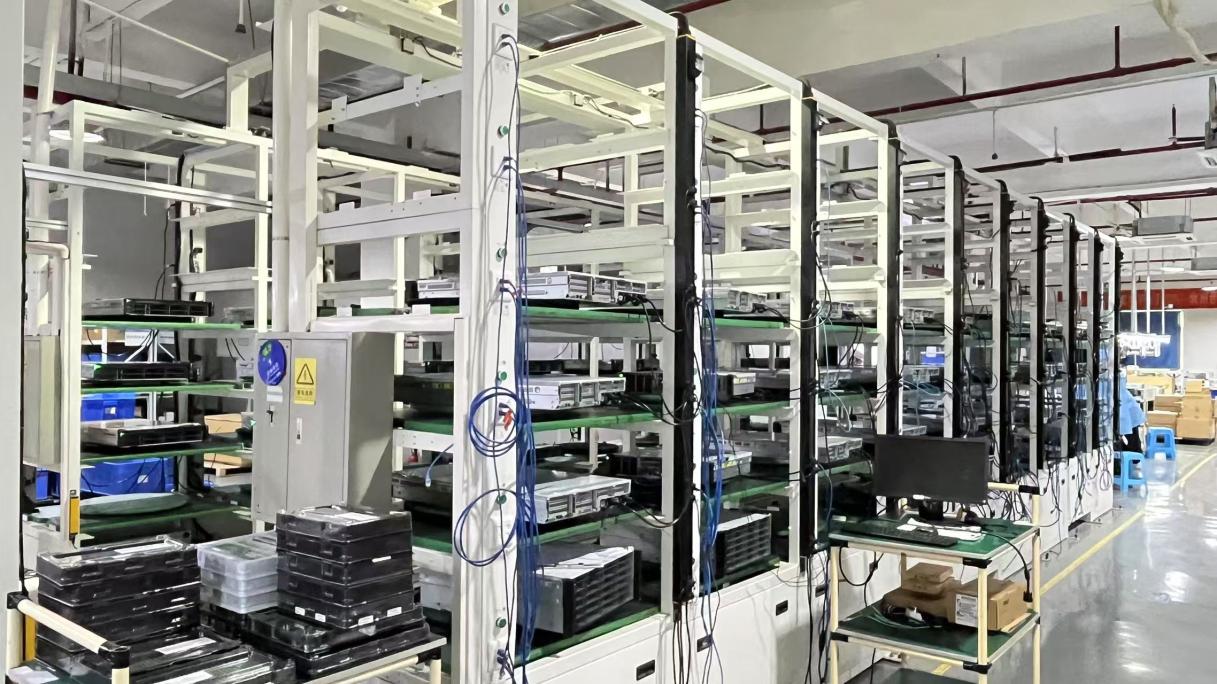
Quality and precision are monitored by a dedicated team of approximately 35 QC professionals. The company's multi-layer quality assurance system includes ISO 9001-based management standards, burn-in testing, thermal cycling validation, and full-system stress testing under heavy compute loads.
The company maintains a strong trade background in OEM/ODM manufacturing and enterprise-grade server exports, with primary markets covering North America, Europe, the Middle East, and Southeast Asia. Its customer base includes data centers, AI startups, cloud service providers, and research institutions.
Driven by an engineering and technical staff of approximately 180 professionals, Elvantis continues to invest heavily in R&D. In the past year alone, Elvantis launched approximately 120 new products, demonstrating robust design iteration capability and rapid product integration aligned with evolving AI infrastructure demands.
An authoritative review of the industry's leading manufacturers based on engineering innovation, manufacturing scale, and market presence.
Headquarters: USA (Global Factories: USA, China, Europe, India)
Core Technologies: Liebert CRAC/CRAH, CDU units, evaporative cooling systems.
Best For: Large enterprise hyperscale and colocation facilities seeking global standardized service level agreements (SLAs).
Headquarters: Germany (Factories: Europe, USA, China)
Core Technologies: LCP (Liquid Cooling Package), modular containment, micro data center solutions.
Best For: High-density modular industrial enclosures and German-engineered edge infrastructure setups.
Headquarters: France (Global Manufacturing Network)
Core Technologies: EcoStruxure management suite, InRow cooling, modular air handlers.
Best For: Complete physical infrastructure integration, combining smart power distribution with row-based thermal containment.
Headquarters: Germany (Factories: Germany, USA, China, India, Brazil)
Core Technologies: CyberAir precision air conditioners, custom direct free-cooling systems.
Best For: Highly customized municipal air-handling units and mission-critical precision humidity control.
Headquarters: China (Dongguan, Shenzhen factories)
Core Technologies: FusionCol indirect evaporative cooling, smart AI temperature adjustment algorithms.
Best For: Green hyper-scale facilities seeking integrated power/cooling setups managed by automated machine learning.
Headquarters: China (Shenzhen production campus)
Core Technologies: Direct-to-chip liquid cold plates, Cool-Smart systems, customized CDUs.
Best For: High-density server deployments requiring fast turnaround OEM/ODM custom cold plate integration.
Headquarters: China (Xiamen and Guangdong manufacturing bases)
Core Technologies: Multi-mode liquid cooling systems, smart air conditioning modules.
Best For: Financial and telecommunication sectors requiring zero-down-time redundancy solutions.
Headquarters: Taiwan, China (Global manufacturing sites)
Core Technologies: Row-based cooling, dynamic cooling loop valves, brushless DC fan integrations.
Best For: High-efficiency DC power integration coupled with local row cooling arrays.
Headquarters: China (Shandong smart production facilities)
Core Technologies: Cold plate liquid-cooled server cabinets, rack-scale direct liquid loops.
Best For: Turnkey liquid-cooled server racks ready for deployment in supercomputing clusters.
Headquarters: China / Global Export (elvantismesh.com)
Core Technologies: AI GPU cluster server optimizations, high-efficiency hybrid thermal pathways.
Best For: Customizable, high-performance GPU configurations that integrate structural hardware stability with high-TDP compute cooling.
How technical buyers specify thermal management solutions depending on local climate conditions and regional regulatory policies.
Traditional direct air cooling struggles to perform efficiently when ambient temperatures consistently exceed 40°C. Data center operators in these regions rely on closed-loop chilled water systems combined with direct-to-chip cooling loops. Keeping dry cooler fluid temperature below the required limits requires high-efficiency chillers and robust cooling towers designed to resist scale accumulation.
Facilities in these locations utilize indirect evaporative cooling and direct free air cooling for up to 95% of the operational year. However, high-density AI clusters still require localized liquid loops to handle localized heat generation within the chassis itself, even when the overall facility runs on outside air.
Enterprise procurement teams look for several core criteria during vendor onboarding:
Direct technical answers addressing system design, maintenance, and fluid dynamics.
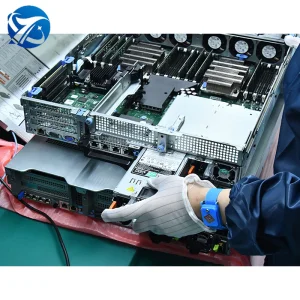
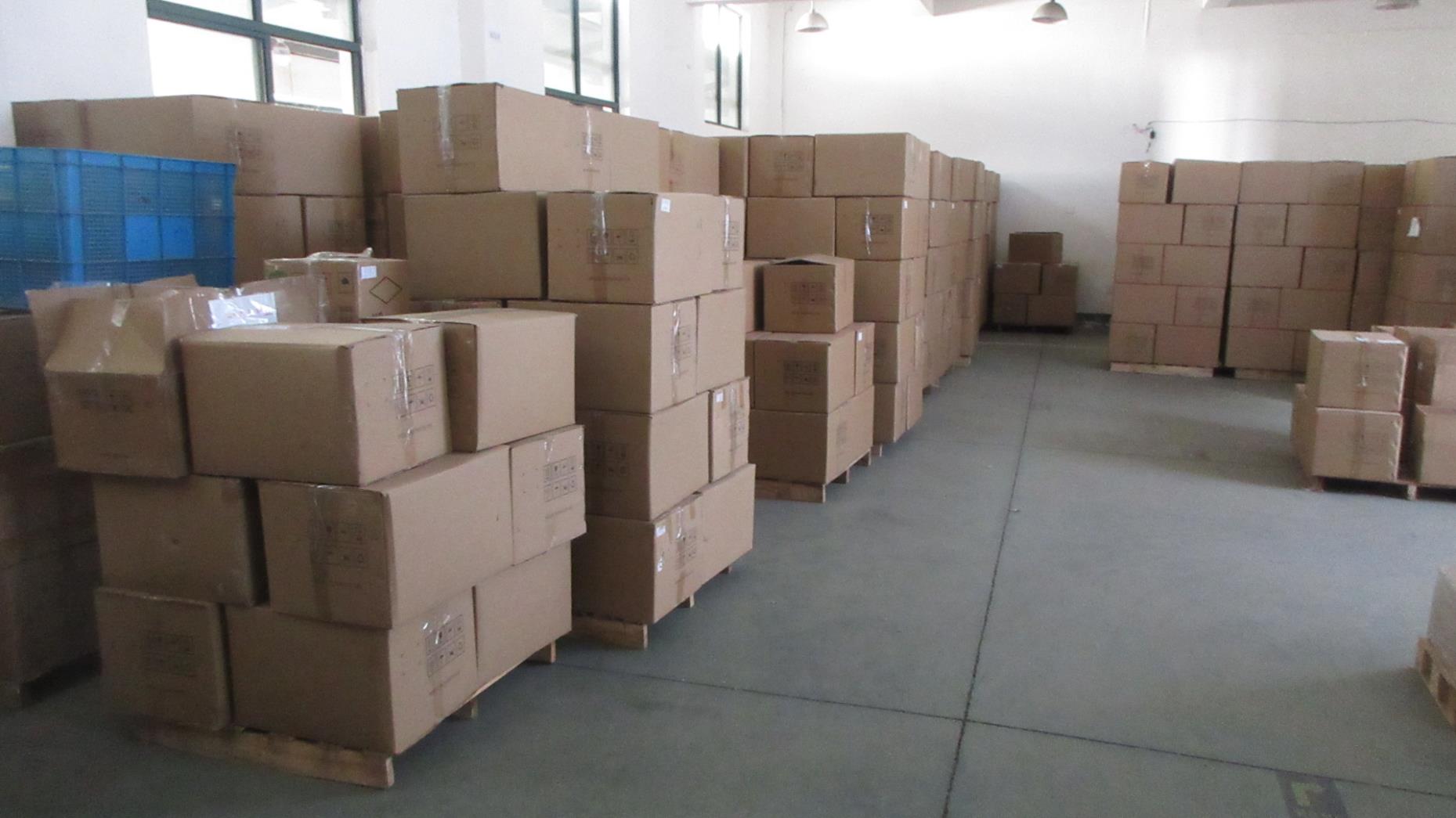
Inside the testing chambers and integrated production lines where global infrastructure hardware is validated.
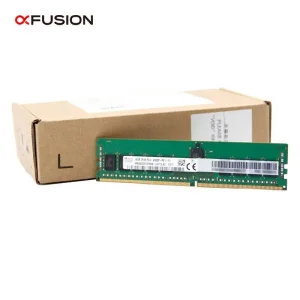
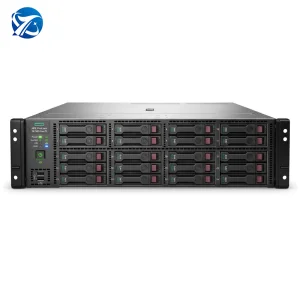
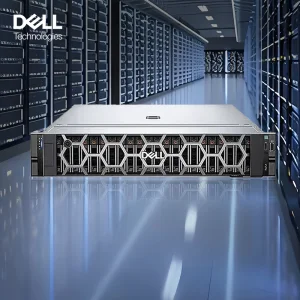
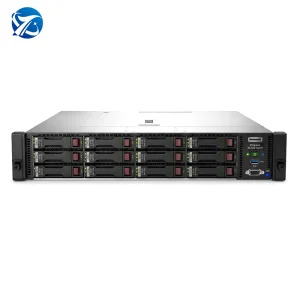
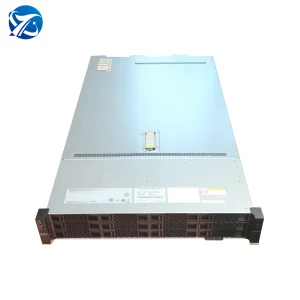
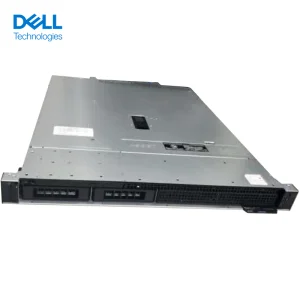
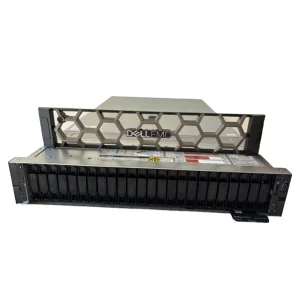
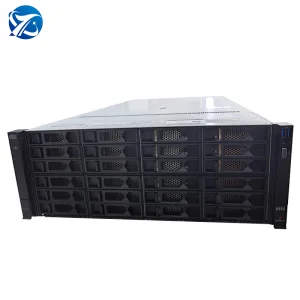
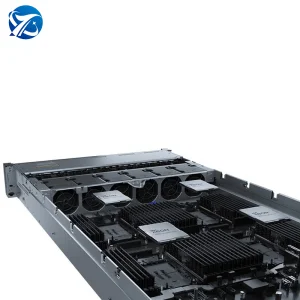
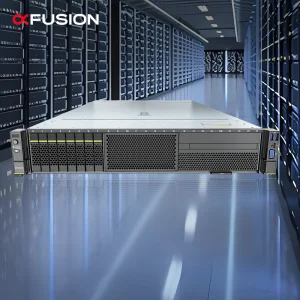
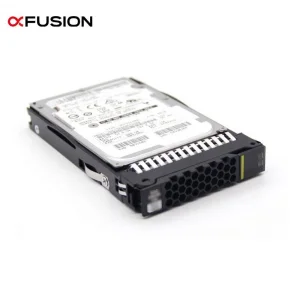
Reliable components, processors, RAM modules, and barebone rack systems optimized for high-demand business databases and analytical workloads.