 Elvantis
Elvantis
Elvantis
In the era of modern business intelligence, the concept of "data analytics tools" extends far beyond software platforms. The efficiency of complex calculation algorithms, deep learning models, and real-time processing networks relies entirely on enterprise computing hardware. Global organizations are rapidly transitioning from legacy servers to high-density GPU nodes and multi-socket CPU systems designed specifically for large-scale data ingestion, complex warehousing (OLAP), and DeepSeek-driven machine learning algorithms.
As a leading player in computational infrastructure, Elvantis Mesh Systems Ltd. addresses the foundational layer of this analytical evolution. By integrating robust R&D, structural design, and globally recognized quality management system standards, Elvantis ensures that data analytics clusters worldwide are supplied with high-reliability power units, expansive DDR4/DDR5 memories, and enterprise-grade disk arrays.
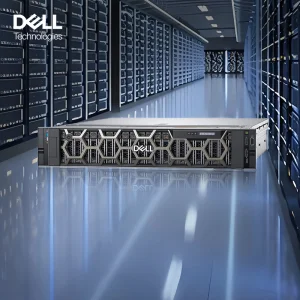
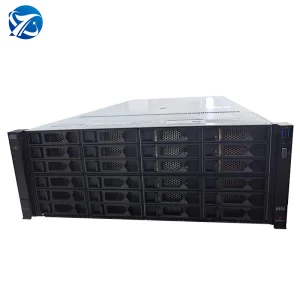
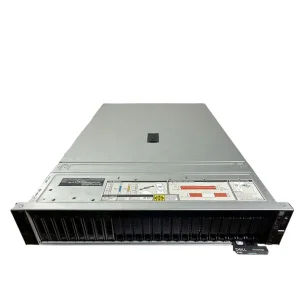
Below are 8 key computing platforms and components recommended for enterprise database acceleration, analytics ingestion, and AI pipelines:
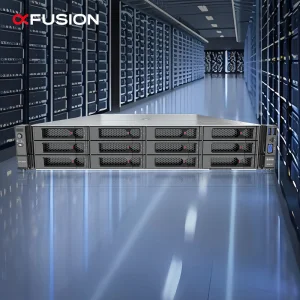
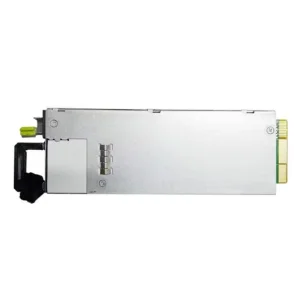
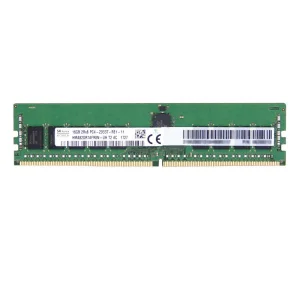
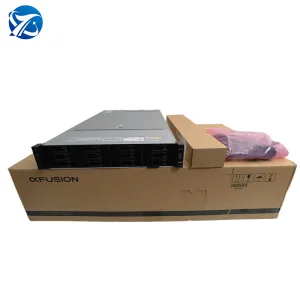
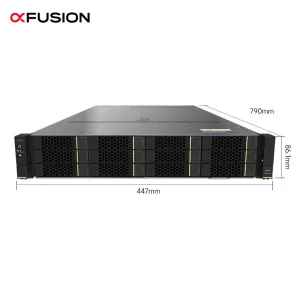
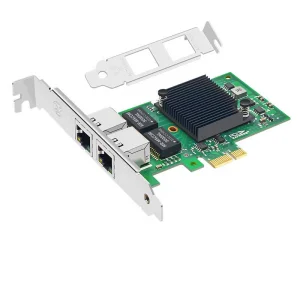
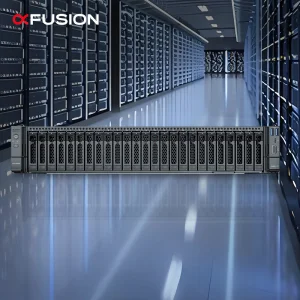
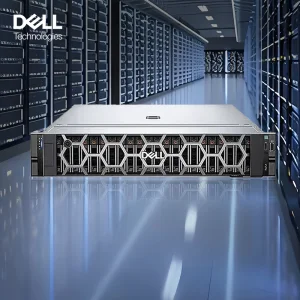
As database query mechanisms advance from legacy relational tables to graph models, vector databases, and real-time streaming, the underlying hardware roadmap requires massive memory channels, high PCIe throughput, and intelligent cache management. The evolution follows three key technical trajectories:
Transitioning to PCIe 4.0 and PCIe 5.0 systems allows data transfers at speeds up to 64 GB/s. High-speed host bus adapters and controller interfaces like the LSI 9560-16I (8GB Cache) remove performance barriers between flash storage and the CPU, making microsecond-latency queries possible.
Modern AI GPU structures release massive amounts of heat. High-efficiency servers utilize modular cooling loops alongside ultra-reliable power systems (like Platinum 900W/1500W/2000W redundant PSUs) to prevent hardware throttling and maintain reliable performance.
Memory capacity defines the limits of in-memory data processing. Designing server nodes with expandable memory lanes (DDR4/DDR5) enables companies to keep massive transactional databases fully in-RAM, improving data retrieval speeds by up to 100 times.
Modern enterprises rely on robust infrastructure to transform raw data streams into valuable business insights. Here is how key industries utilize high-density server configurations to optimize their analytical platforms:
In stock markets and risk assessment departments, decisions are made in fractions of a second. High-frequency trading and fraud detection models process millions of data events per second. Utilizing multi-socket enterprise servers configured with high-performance RAID controllers (such as the 9540-8i or 9560-16i) ensures minimal write latency, allowing financial models to update instantly without data loss.
Genomic sequencing and drug discovery programs process massive data arrays. These biological models require GPU-accelerated computing nodes like the FusionServer G5200 V7 to run deep learning sequences. Higher memory densities, like 32GB or 64GB DDR5 RDIMMs, ensure that these complex data structures remain accessible to processing threads.
Smart factories generate continuously changing log files from thousands of IoT sensors. Edge computing servers process these files locally to predict system maintenance needs. High-efficiency 1U and 2U rack servers provide the space-saving size, stable design, and temperature management needed to operate reliably in factory environments.
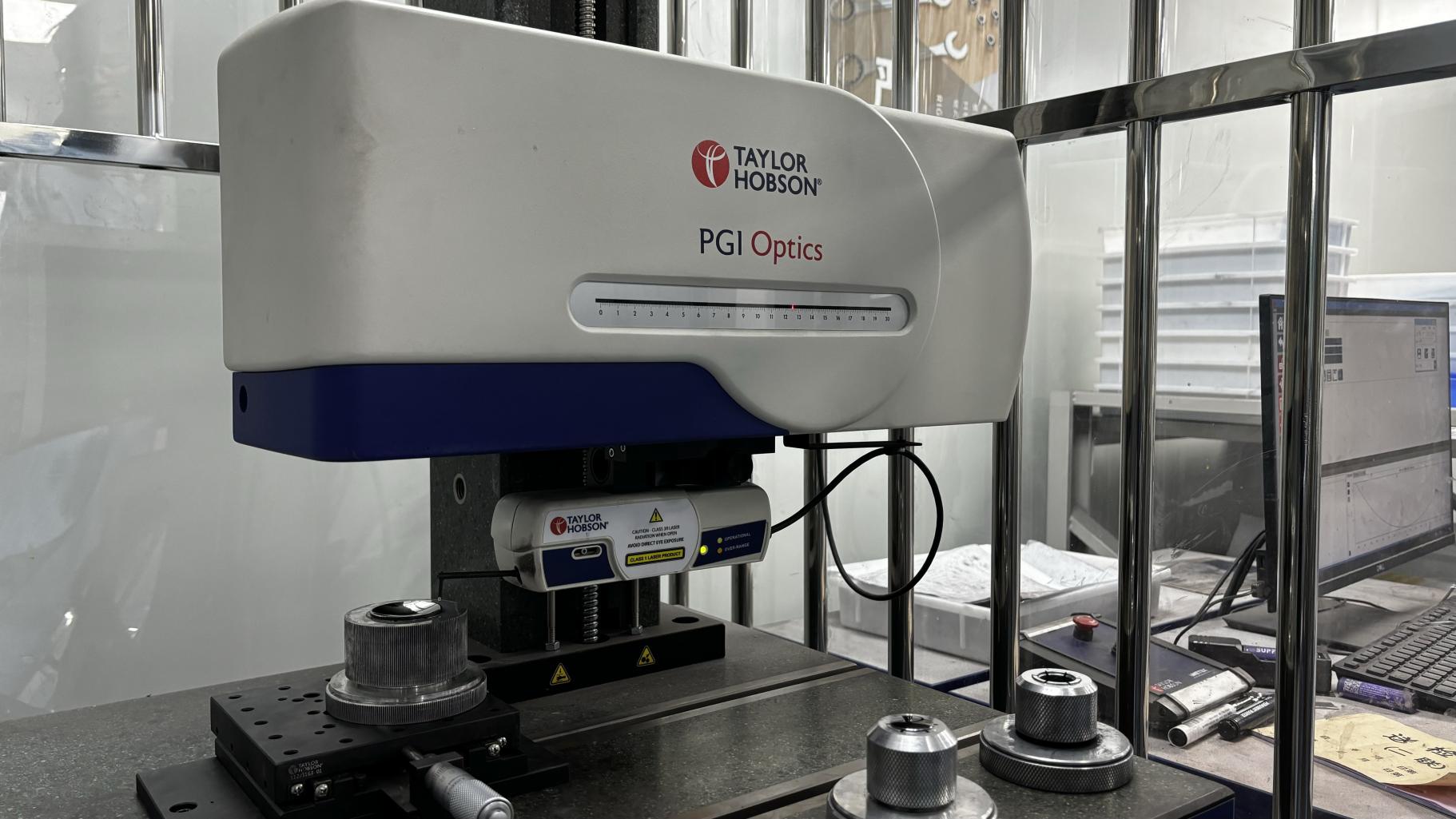
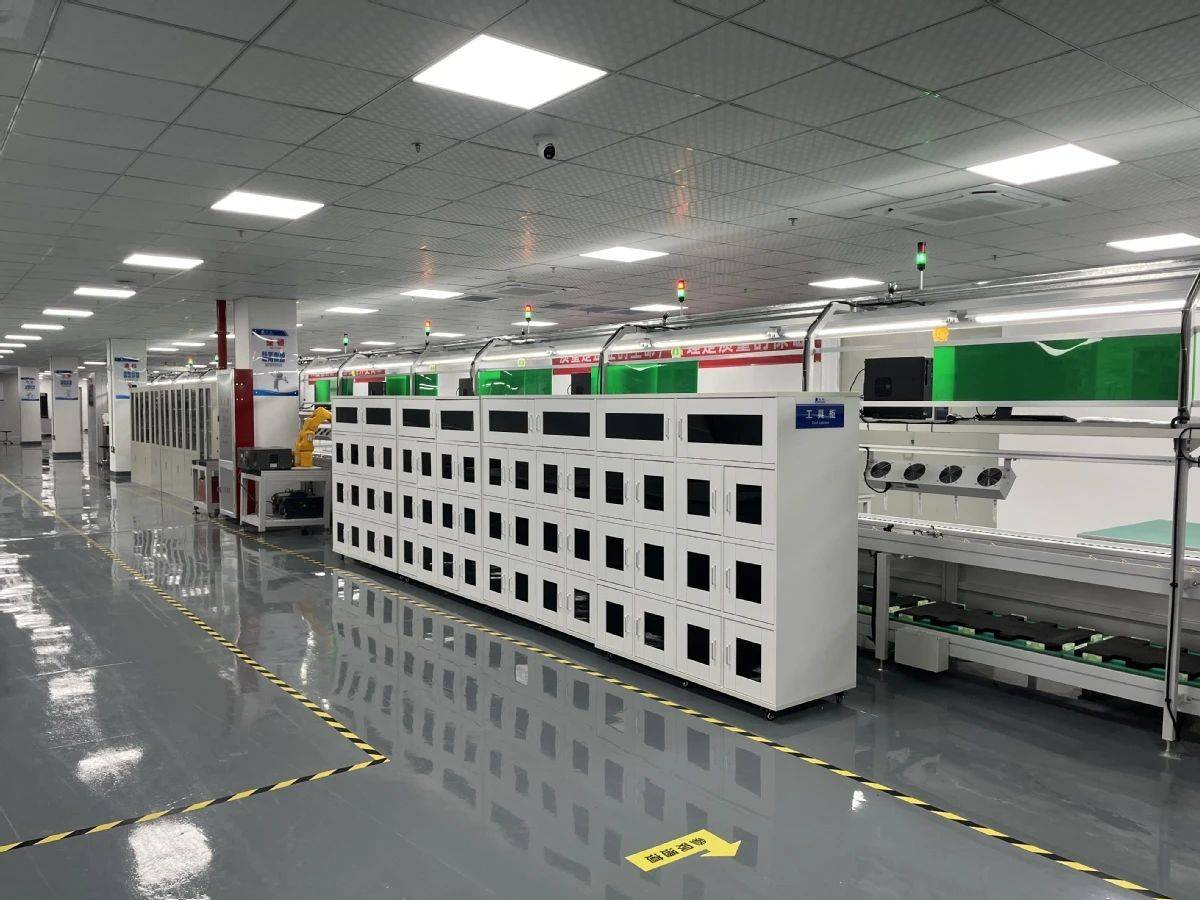
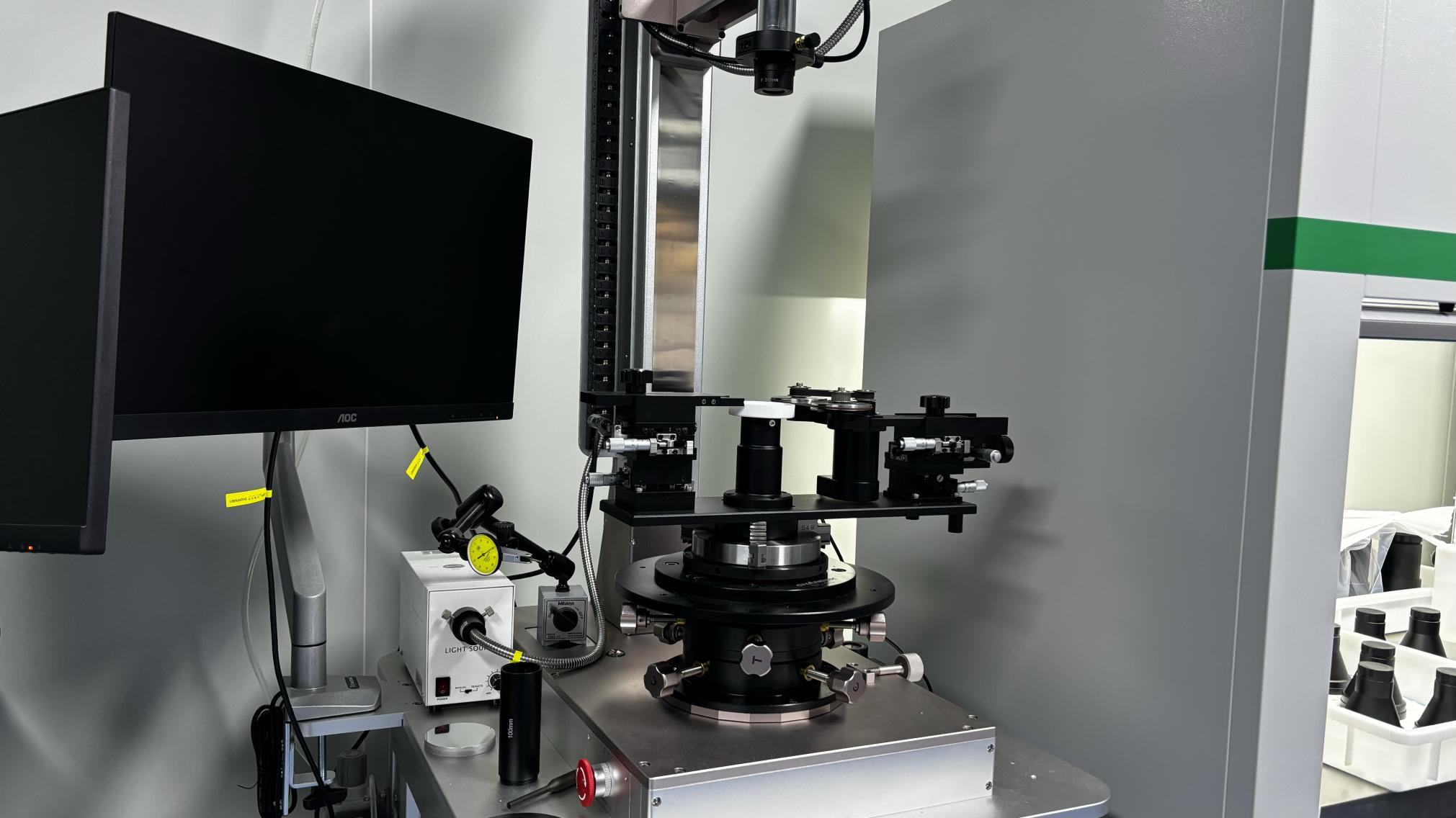
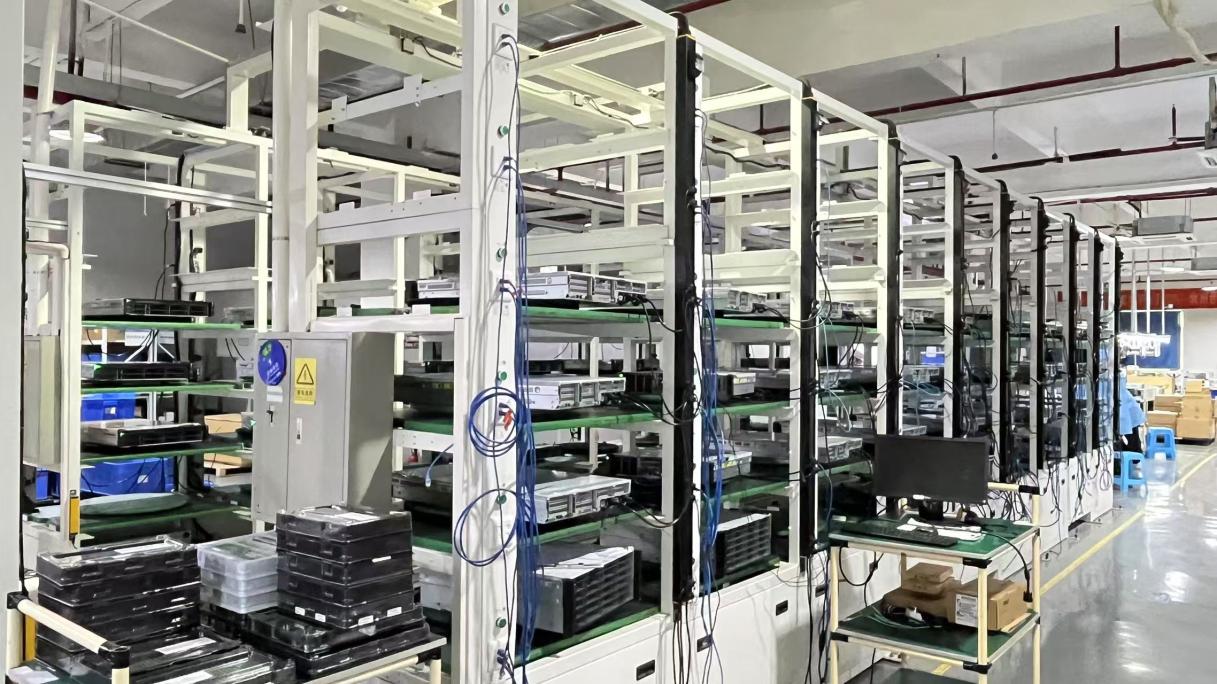
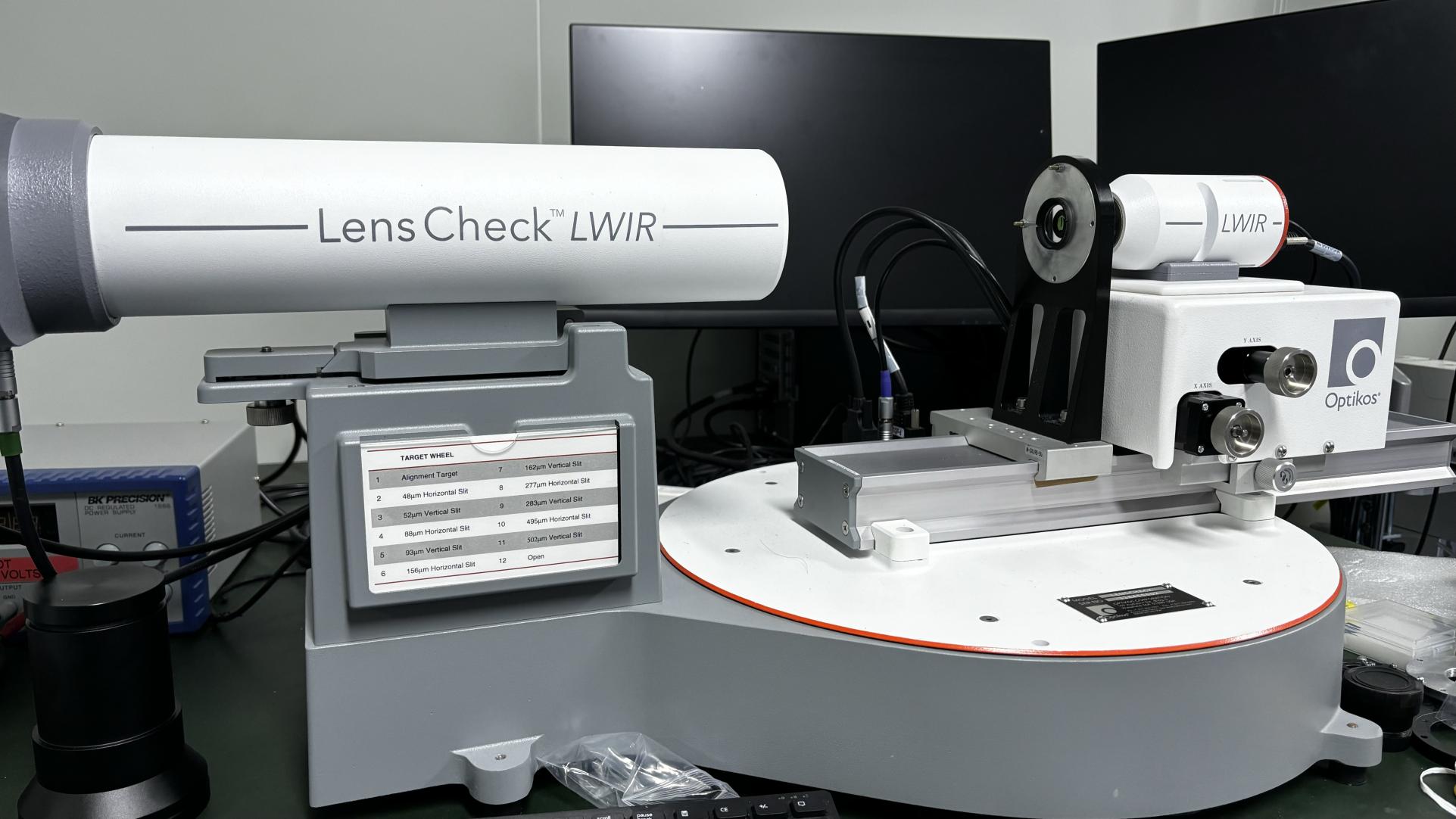
The hardware driving global big data analytics platforms is built on advanced manufacturing processes and strong supply chains. As a specialized GPU server and computing components exporter, Elvantis Mesh Systems Ltd. operates a modern facility featuring professional design, assembly, and testing workflows.
Elvantis manages hardware quality through a multi-step inspection framework. From automated optical inspection (AOI) to full-load temperature testing and system burn-in diagnostics, each server configuration is validated to ensure reliability. Operating with over 180 engineers and R&D staff, Elvantis introduced approximately 120 new products last year, helping clients keep pace with evolving hardware standards.
Procurement directors and Chief Technology Officers evaluate server hardware suppliers on strict technical standards. To ensure long-term performance and system reliability, computing hardware should meet several criteria:
Servers must seamlessly support diverse hardware, including Intel Xeon processors, AMD EPYC architectures, and NVIDIA Tensor Core GPU acceleration cards. Flexible options for custom configurations prevent hardware lock-in and simplify upgrades.
Analytical hardware runs continuously. Quality frameworks must cover every stage of manufacturing, incorporating systematic burn-in validation, mechanical stress testing, and component tracking under ISO-certified processes.
Suppliers must offer structured logistics, import handling, and technical documentation to support deployments in major markets across North America, Europe, the Middle East, and Southeast Asia.
Deploying datacenter computing hardware internationally requires navigating strict regulatory landscapes. Enterprise servers and components must comply with regional safety standards, electromagnetic emissions guidelines, and environmental rules.
High-capacity systems require CE, FCC, UL, and RoHS certifications. Compliance with these frameworks ensures electrical safety, electromagnetic compatibility, and responsible manufacturing practices. In addition, systems handle data under security standards such as GDPR and HIPAA, requiring secure firmware options and physical chassis locks to safeguard sensitive information.
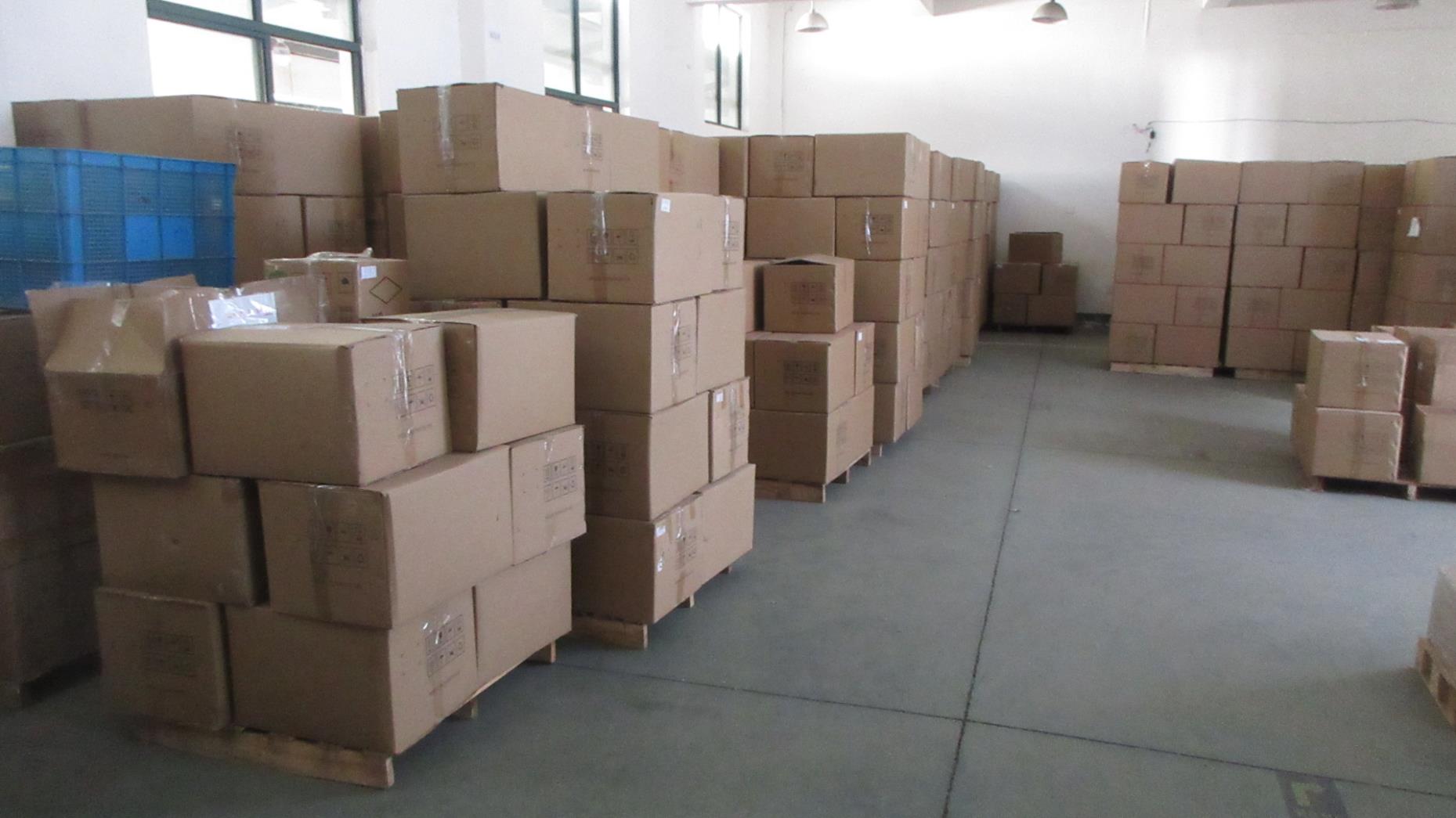
Elvantis offers comprehensive customization options, including specialized server configurations, rack-level integration, custom firmware setup, and custom packaging. Supported by a network of global logistics partners, Elvantis manages customs clearance and transit procedures to ensure reliable delivery to data centers worldwide.
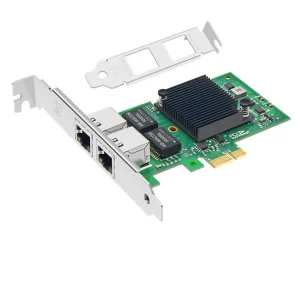
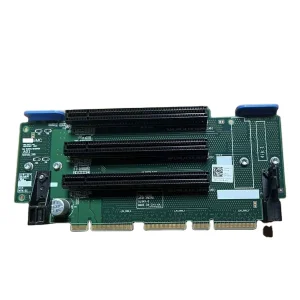
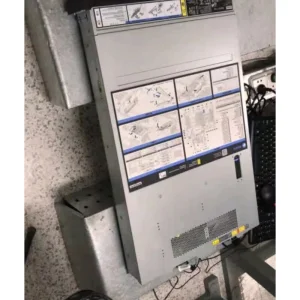
Here are 8 additional configurations, RAID controller cards, and modular accessories designed to support high-performance data warehousing and analytics platforms:
Explore answers to common questions about server configuration, performance bottlenecks, and international hardware logistics: