Elvantis
Elvantis
Elvantis
Select from our globally validated hardware catalog optimized for AI deep learning, GPU scaling, high-performance database workloads, and localized data center clusters.
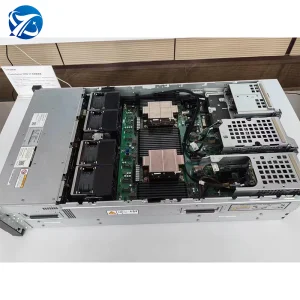
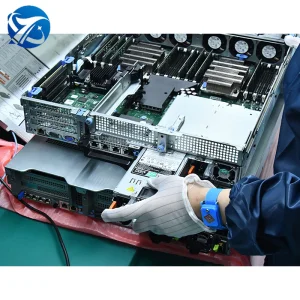
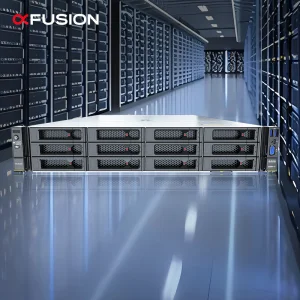
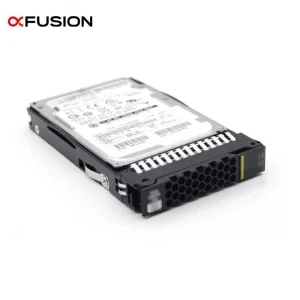
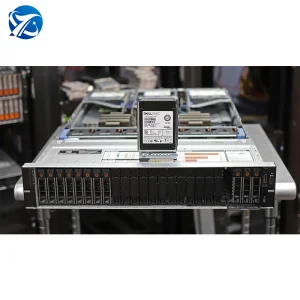
The rapid deployment of complex large language models (LLMs) like DeepSeek, GPT architectures, and multi-modal neural network systems has driven a paradigm shift in data center server engineering. Standard general-purpose compute servers are no longer sufficient to sustain the parallel data processing demands of contemporary deep learning models. Enterprise clients now require highly optimized GPU-integrated bare-metal rack units, designed to minimize inter-GPU latency, maximize PCIe lane utilization, and support modern high-speed storage interfaces.
Modern AI workloads are highly sensitive to inter-node communication speeds. As clusters expand to thousands of interconnected compute modules, the configuration of physical switches and backend networks dictates the overall scalability curve of the AI model's training speed. Innovations in PCIe Gen 5/Gen 6 architectures, coupled with ultra-low latency SmartNICs and high-capacity SAS/NVMe storage planes, ensure that compute cores remain fed with continuous pipelines of raw structured training data. Exporters must possess deep engineering acumen to navigate these complex component structures and ensure system compatibility across varied international electrical and thermal footprints.
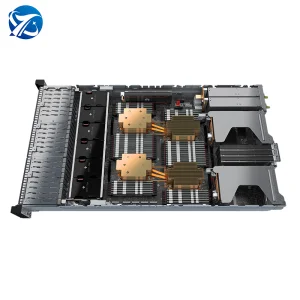
Ensuring structured flow routes, cooling arrays, and optimized chassis design to combat TDP levels exceeding 350W per processor and up to 700W per accelerator chip.
Leveraging DDR5 multi-channel architecture and unified high-speed system memory layout to reduce bottlenecking on dense tensor pipelines.
Implementation of 400G InfiniBand, SmartNIC switches, and high-performance PCIe Gen 5 configurations for unified inter-server routing.
Established in 2016, Elvantis Mesh Systems Ltd. (elvantismesh.com) is a leading innovator in scalable high-performance GPU server manufacturing, custom layout design, and global enterprise system integration. With a specialized focus on thermal optimization, cluster design, and compliance logistics, Elvantis serves high-tier enterprise clients across North America, Europe, the Middle East, and Southeast Asia.
Our state-of-the-art facility occupies approximately 380㎡, fully integrated for rapid prototyping, hardware configuration validation, and rigorous software bench testing. Our operations are supported by a network of over 850 cooperative partners, ensuring steady component allocation during periods of global microchip shortages. To guarantee high operational uptime under continuous workload demands, our 35 dedicated QC professionals subject every system to automated optical inspections (AOI), thermal chamber cycling, and full-load burn-in diagnostics.
Our manufacturing workflow focuses on maximizing computing performance per square foot while maintaining high operational stability under continuous production environments.
Procuring enterprise hardware on a global scale requires managing varying compliance standards, power grid configurations, and hardware requirements. Today's system procurement officers look beyond basic server models to evaluate hardware under real-world, high-density AI processing conditions. This involves analyzing factors like heat load management, high-efficiency power supplies (such as 80 Plus Platinum/Titanium redundant options), and PCIe bus structures that support complex accelerator card installations.
Different regions face unique implementation hurdles. European installations prioritize energy efficiency and strict adherence to CE, RoHS, and WEEE directives. North American buyers seek maximum computational density per rack, driving the transition to direct liquid-to-chip cooling and 4U GPU frameworks. Meanwhile, projects in the Asia-Pacific and Middle East regions often deploy scalable cluster nodes that handle diverse processing loads while operating reliably in high-temperature environments. Successful international suppliers navigate these regional requirements by offering custom hardware designs alongside comprehensive diagnostic support.
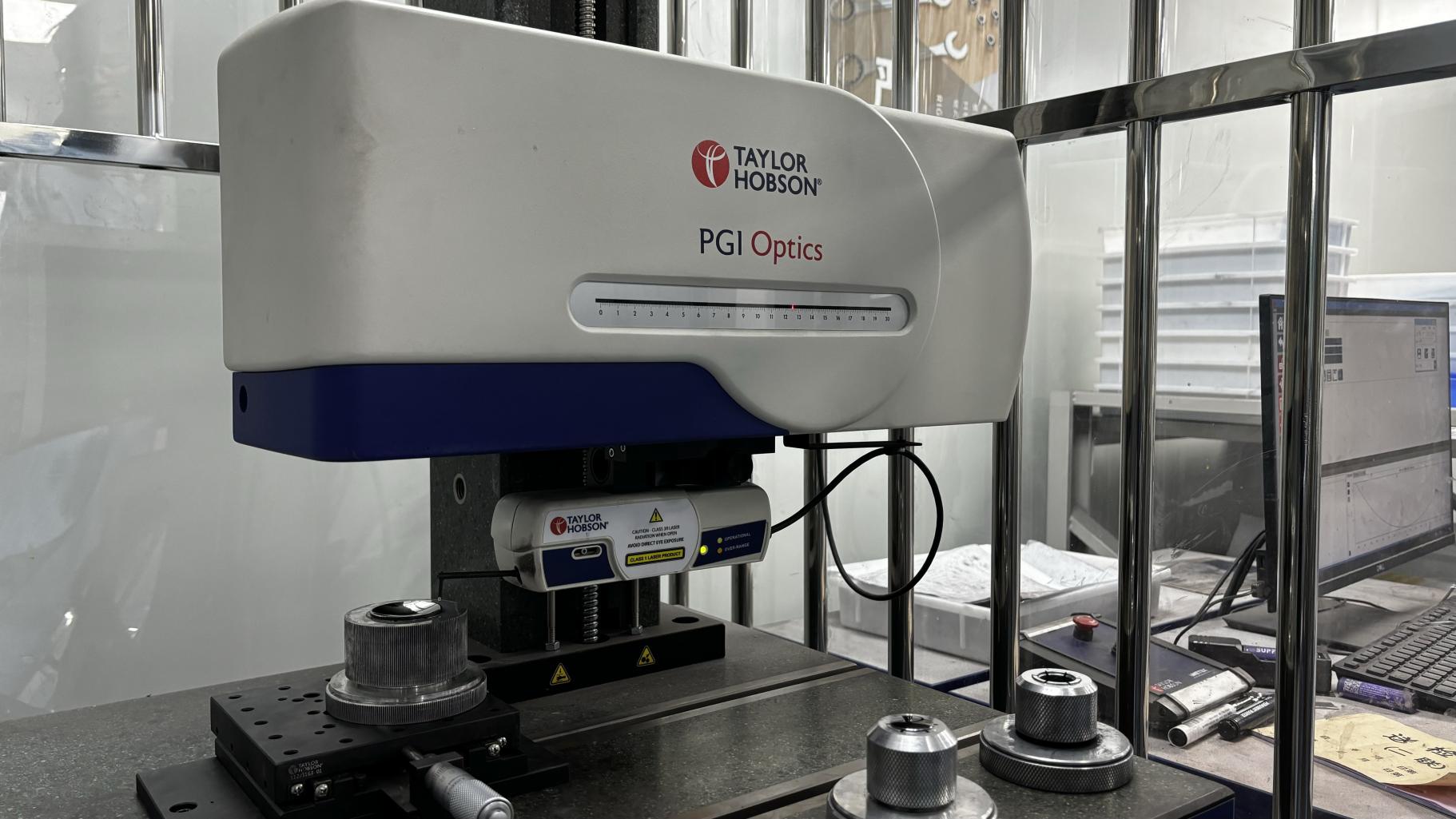
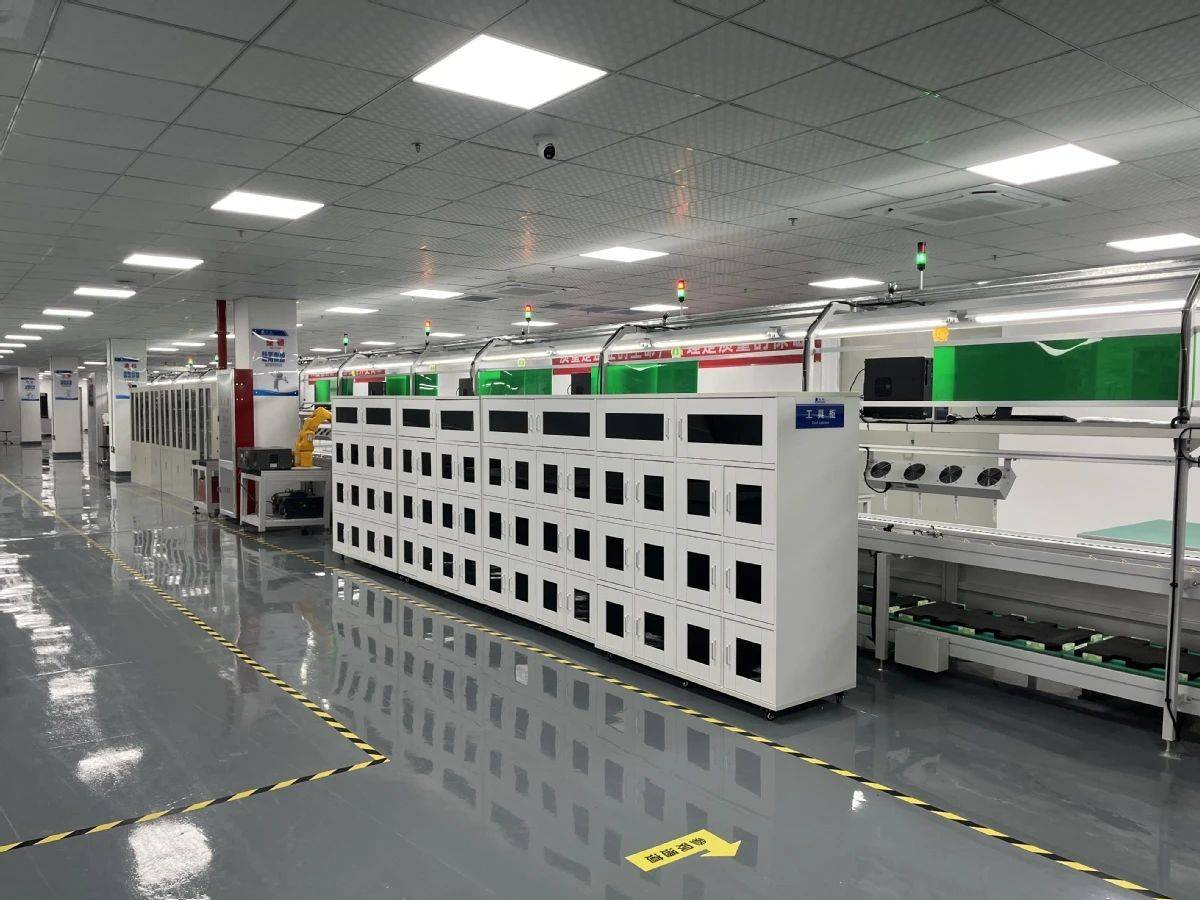
Our specialized assembly and testing lines leverage advanced engineering systems to guarantee absolute structural integrity, flawless electrical routing, and stable thermal dynamics under stress workloads.
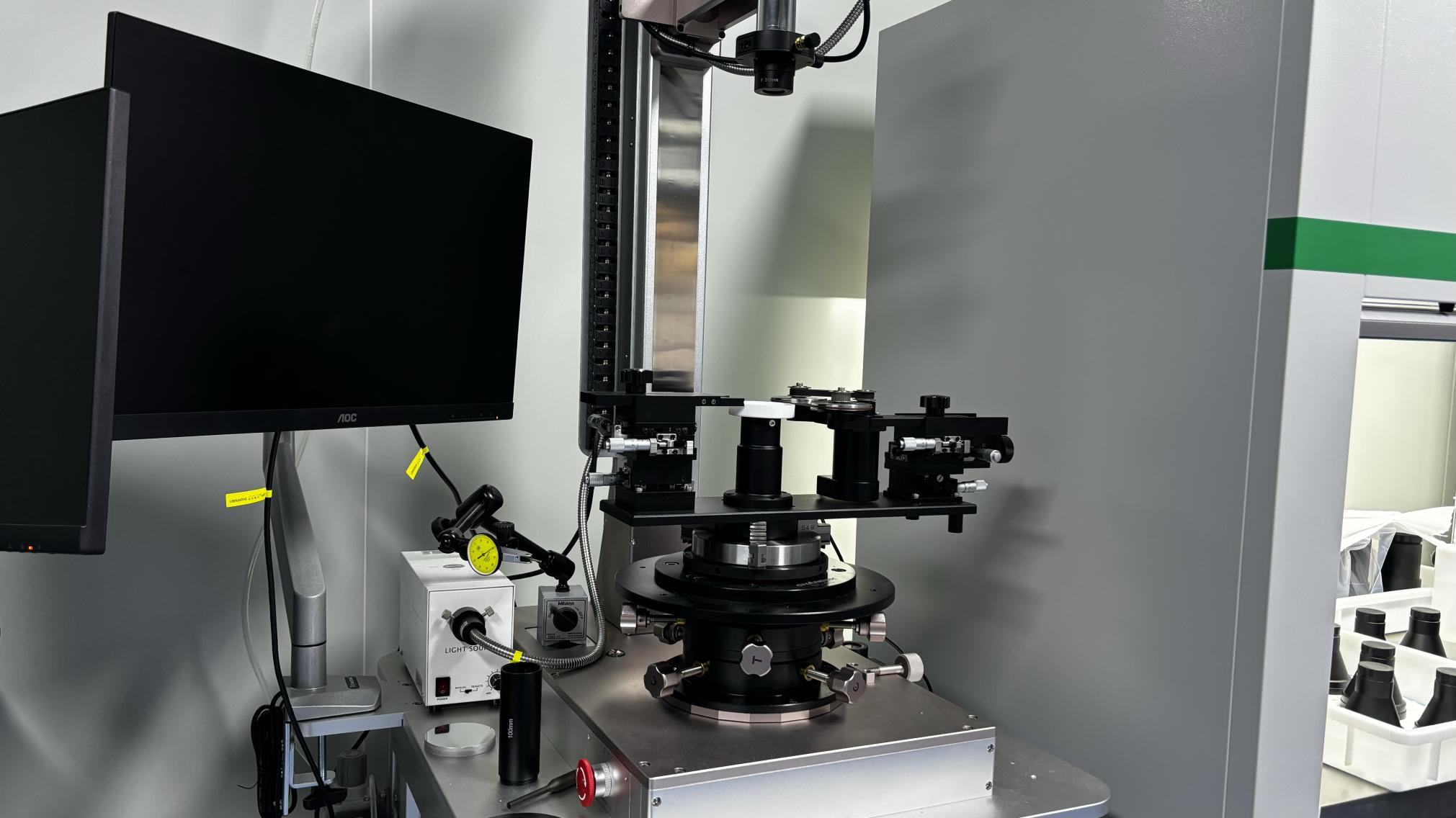
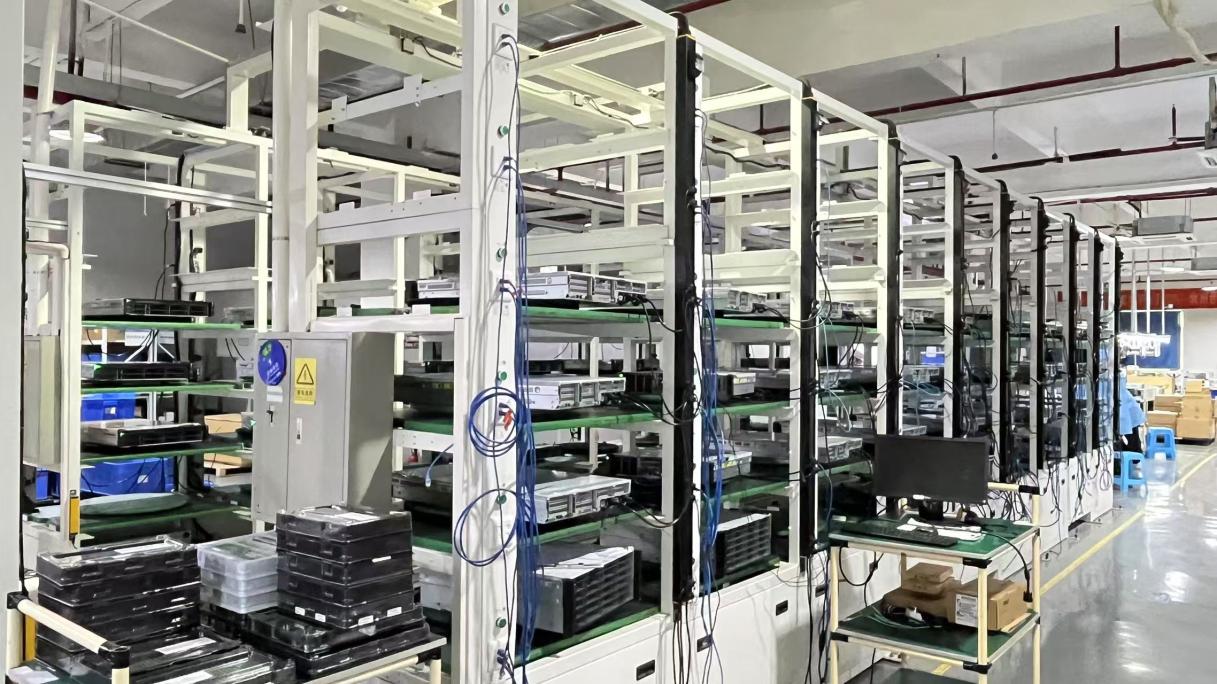
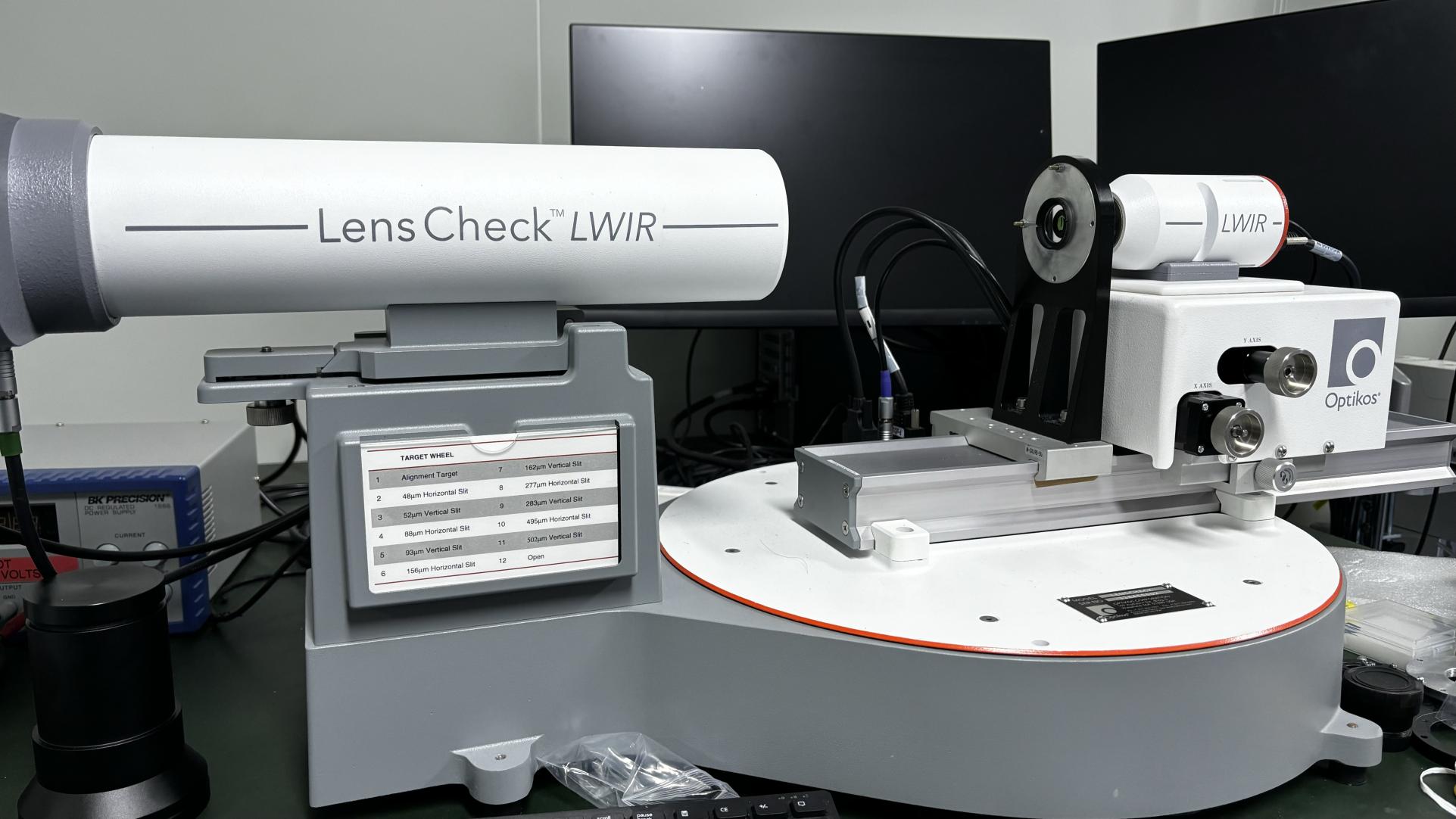
Modern enterprise computing systems run a wide range of intense data processing tasks. From training large language models (LLMs) like DeepSeek to orchestrating vast Kubernetes clusters for microservices, the physical compute plane must adapt to the software workload. For example, deep learning projects require high compute density and fast, low-latency inter-GPU communication channels to prevent processor idle time.
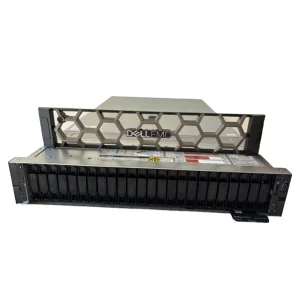
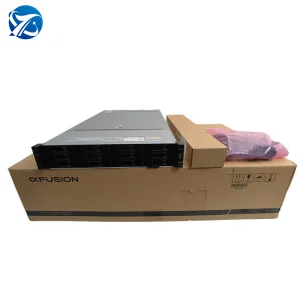
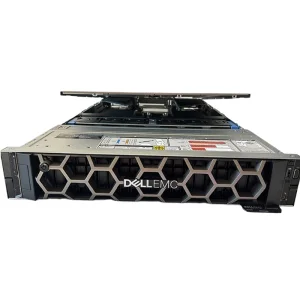
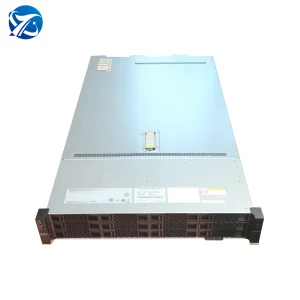
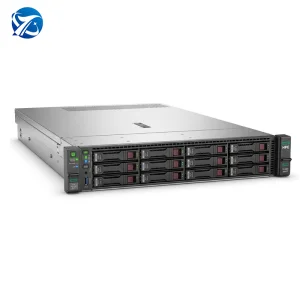
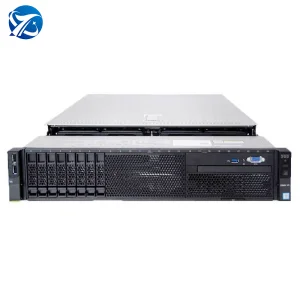
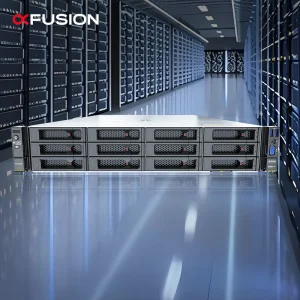
Conversely, workloads like big data analytics, high-frequency database hosting, and virtualization layers demand substantial system memory capacity, flexible PCIe expansion, and robust storage performance. Deploying enterprise server series like the FusionServer V6/V7 or the Dell PowerEdge R760/R750 allows teams to balance compute performance with data storage throughput. Incorporating reliable storage arrays, high-speed SAS hard drives, and redundant optical network switches (such as H3C 10G/40G configurations) ensures systems remain responsive and free of operational bottlenecks.
As the industry looks toward 2030, the design of AI computing hardware will be defined by three major trends: advanced interconnect protocols, hybrid cooling systems, and next-generation silicon layouts. The adoption of CXL (Compute Express Link) 3.0/4.0 will allow shared memory pools across CPUs, GPUs, and custom DPUs, significantly reducing latency and data transfer bottlenecks during large-scale model training.
Additionally, the rise in thermal output from next-generation accelerators will require a transition from air cooling to hybrid, closed-loop, and direct-to-chip liquid cooling setups as the standard for enterprise racks. This shift will help data centers lower their Power Usage Effectiveness (PUE) and meet strict global environmental regulations. By aligning hardware configurations with these emerging standards, technology teams can protect their infrastructure investments and scale easily as processing demands continue to grow.
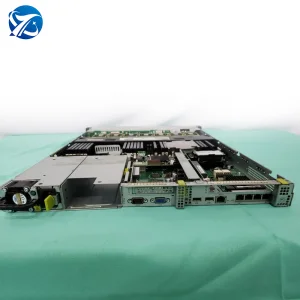
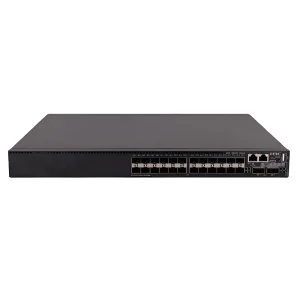
Advanced multi-socket, high-density server configurations and enterprise networking infrastructure for large-scale data center integration.
Find detailed, technical answers regarding system configurations, compatibility, and global export procedures.
Depending on component availability and configuration complexity, standard order integration, system verification, and burn-in testing require between 2 to 4 weeks. Larger bulk shipments of custom cluster rack systems are managed on a structured schedule tailored to the project's milestones.
All configured systems undergo a rigorous 48-hour burn-in process. This includes running specialized stress-test utilities under full compute loads while monitoring thermal profiles and system telemetry. This process ensures hardware components function reliably before delivery.
Yes, our engineering team provides customized BIOS configurations, IPMI settings, and custom firmware revisions. This helps align new hardware with existing data center management tools and specific hypervisor environments.
We provide full OEM/ODM branding services, including custom faceplates, color-matched drive trays, and custom packaging. We can also modify rack ears and structural components to match specialized server cabinet specifications.
We offer comprehensive documentation, including HS code classification, certificates of origin, CE/FCC documentation, and custom clearance paperwork. We work with top-tier international freight forwarders to ensure safe, compliant door-to-door delivery.