Elvantis
Elvantis
Elvantis
The industrial landscape is undergoing a massive paradigm shift. As legacy telemetry gives way to real-time machine learning and decentralized workloads, traditional IoT gateways are no longer sufficient. Enterprise procurement is shifting focus toward high-density computing systems, intelligent storage arrays, and low-latency PCI Express hardware that can handle the raw bandwidth demands of local AI processing, like running DeepSeek container clusters directly on the factory floor.
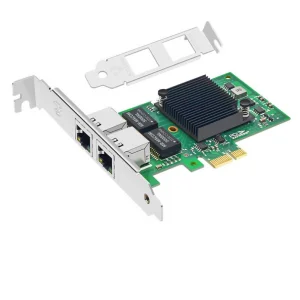
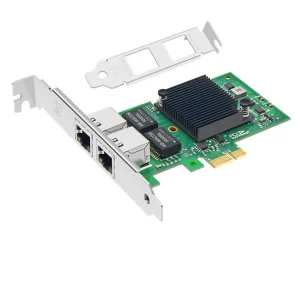
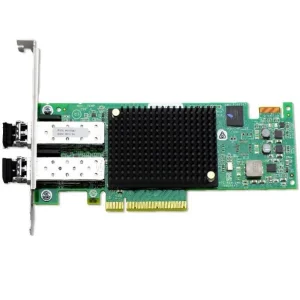
Modern smart operations require instant synchronization of hundreds of sensory arrays. Utilizing modern HBA interfaces and enterprise PCIe Gen 4 storage adapters ensures deterministic communication routes without backplane bottlenecking.
Processing visual inspectors and telemetry locally reduces latency. Deploying GPU-driven AI servers adjacent to manufacturing setups eliminates high cloud storage overheads and wide-area latency gaps.
From multi-channel RAID data preservation to high-density cooling fan configurations, industrial environments require server configurations built specifically to handle structural ambient heat shifts.
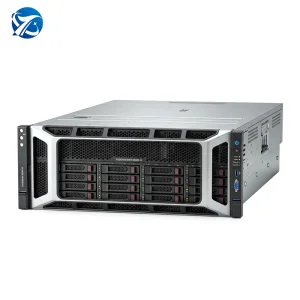
Browse our selection of top-tier industrial computing host systems, high-bandwidth controllers, and low-latency storage buffers designed for complex data centers.

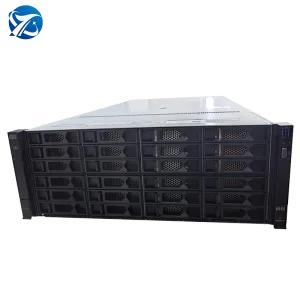
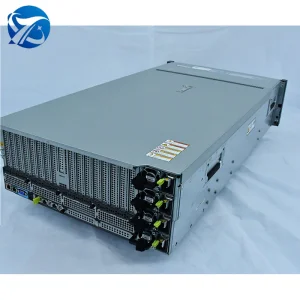
Elvantis Mesh Systems Ltd. (elvantismesh.com) is a high-performance AI GPU server manufacturer specializing in scalable computing infrastructure for artificial intelligence, high-performance computing (HPC), and data center deployments. We focus on designing advanced GPU cluster systems with optimized thermal architecture and flexible deployment configurations.
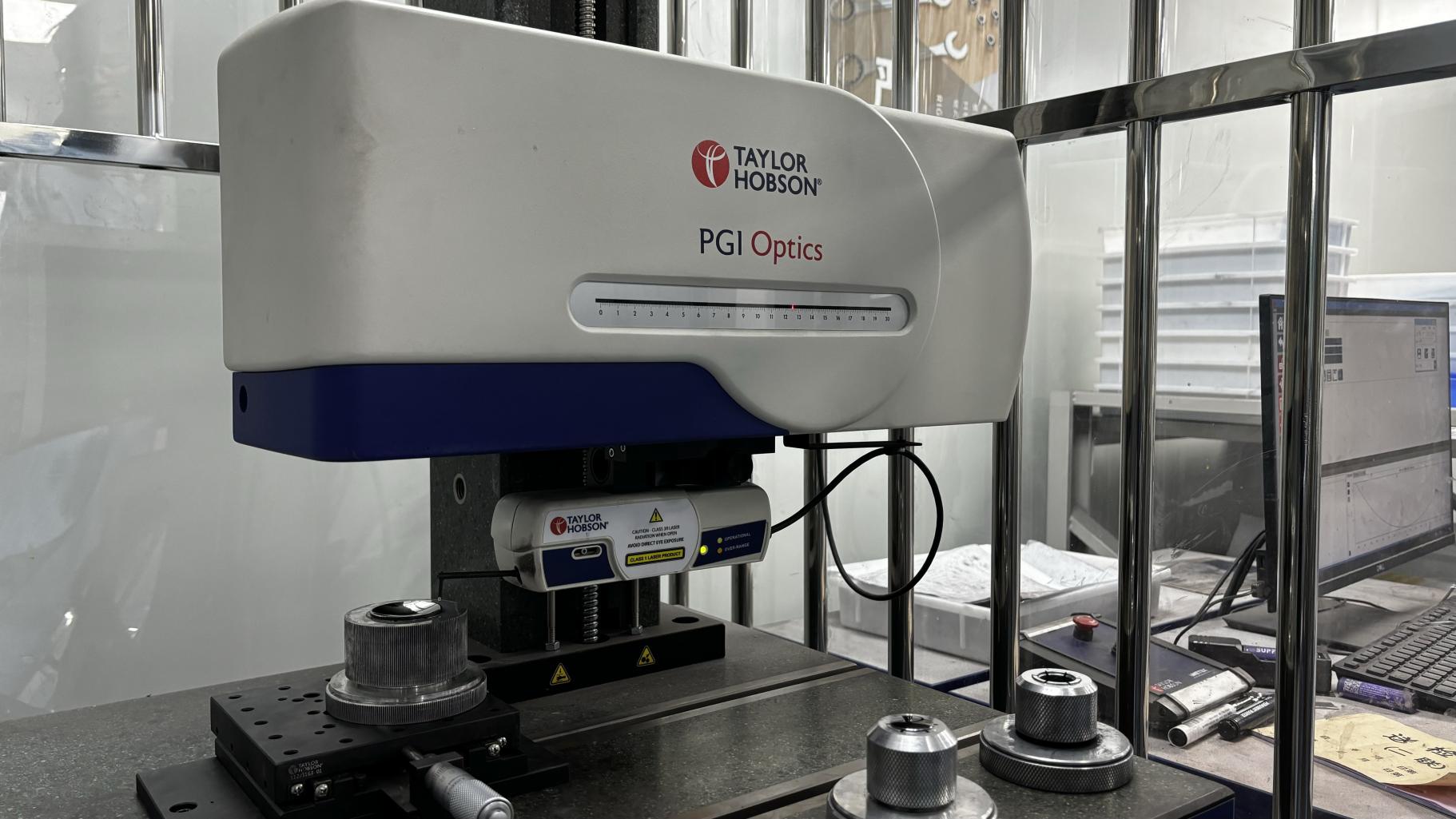
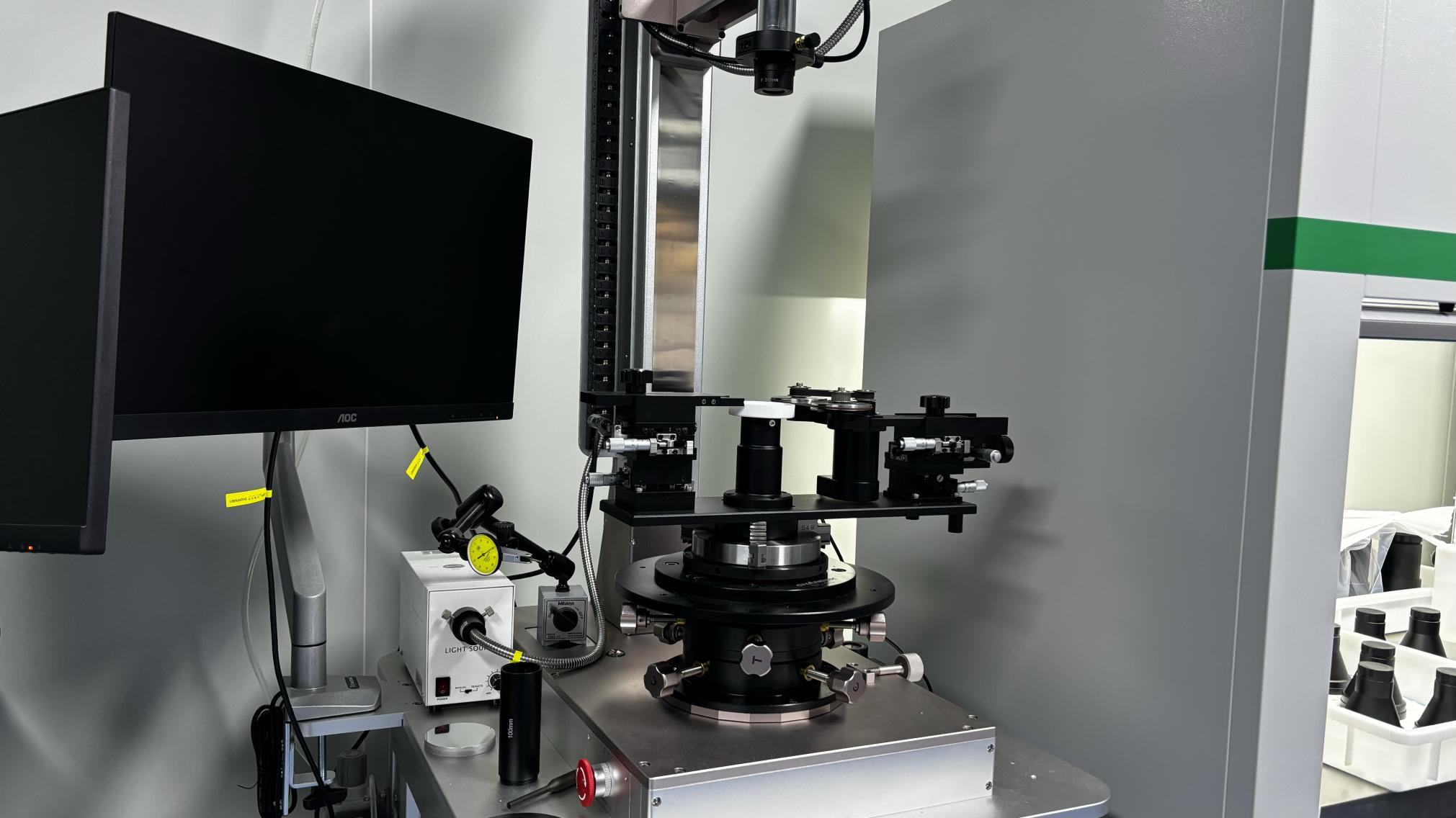
Operating from a modern facility with a core R&D and testing space of 380㎡, we specialize in high-precision integration, thermal testing, and structural prototyping. We employ a multi-layer quality assurance system based on ISO 9001 management standards, burn-in verification, and full-system stress diagnostics to validate system integrity under high computational workloads.
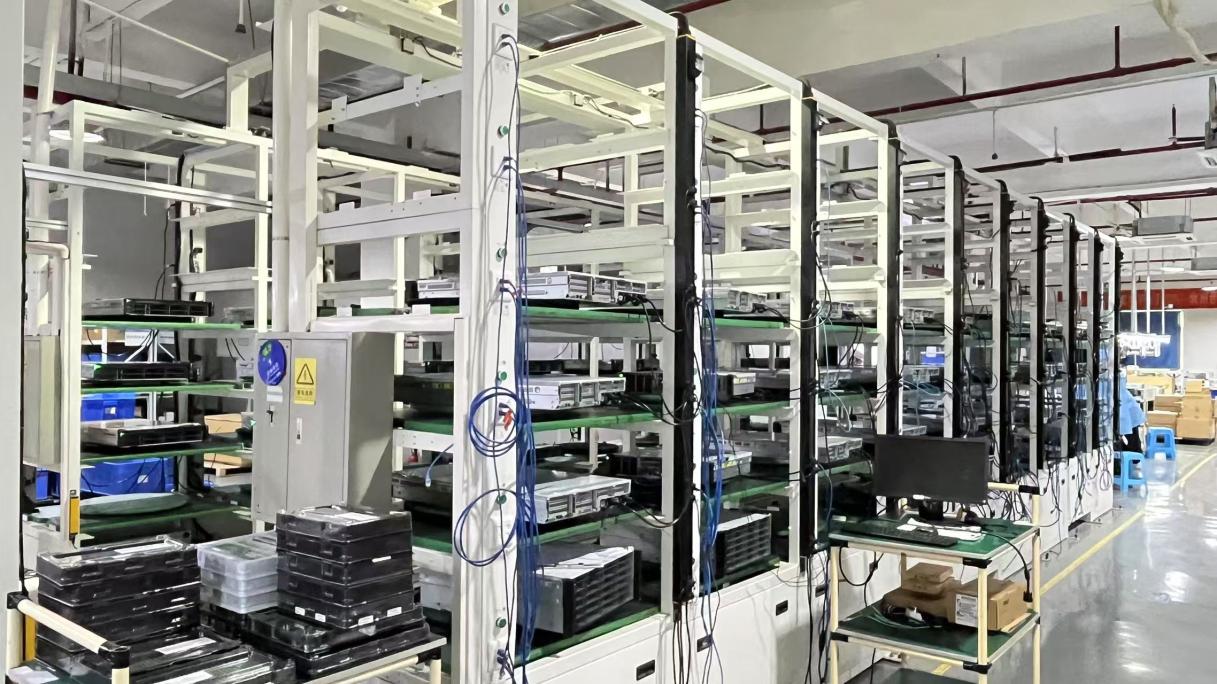
Our quality control process is managed by 35 dedicated QC professionals. We perform Automated Optical Inspection (AOI), hardware stress-testing, and dynamic thermal cycle testing to ensure zero degradation. From the physical structural chassis to the controller firmware, every unit undergoes exhaustive pre-shipment inspections.
With over 180 engineering and technical staff focused on GPU architecture, cooling layouts, and high-density designs, we launched 120 new products in the past year alone. This strong continuous innovation cycle supports customized GPU scaling, specialized firmware tuning, and bespoke rack integration.
Connecting localized hardware directly with multi-tier processing frameworks allows heavy manufacturing, smart infrastructure, and next-generation logistics hubs to scale compute footprints efficiently.
Combine high-bandwidth interfaces and GPU compute nodes to implement optical sorting networks. Detect microscopic defects under ultra-fast throughput without relying on remote clouds, safeguarding proprietary industrial data in the local network.
By using modern HBA cards, specialized memory arrays, and rack infrastructure, telecom operators achieve stable routing matrices. This setup ensures long-term operational resilience under heavy network traffic loads.
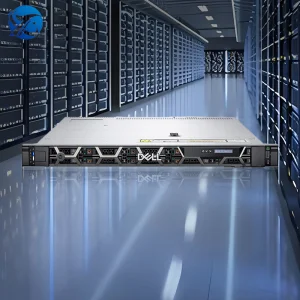
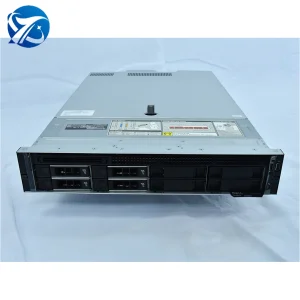
Consolidate processing, high-capacity storage drives, and multi-interface connectivity into structured 1U/2U server nodes. This reduces server cabinet footprint while maintaining fast, redundant data restoration pathways via RAID configurations.
International operations require reliable hardware supplies, strict cost management, and predictable product life cycles. Our customized OEM/ODM processes align closely with corporate supply chain structures.
Every single memory segment and controller chip undergoes strict origin tracking. This prevents counterfeit parts from entering the supply chain and guarantees optimal MTBF ratings for all computing setups.
From initial design drawings and circuit board styling to custom chassis engraving and BIOS modifications, our engineering team adapts hardware systems to match specific operational profiles.
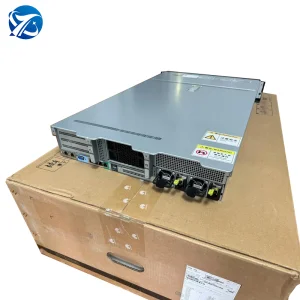
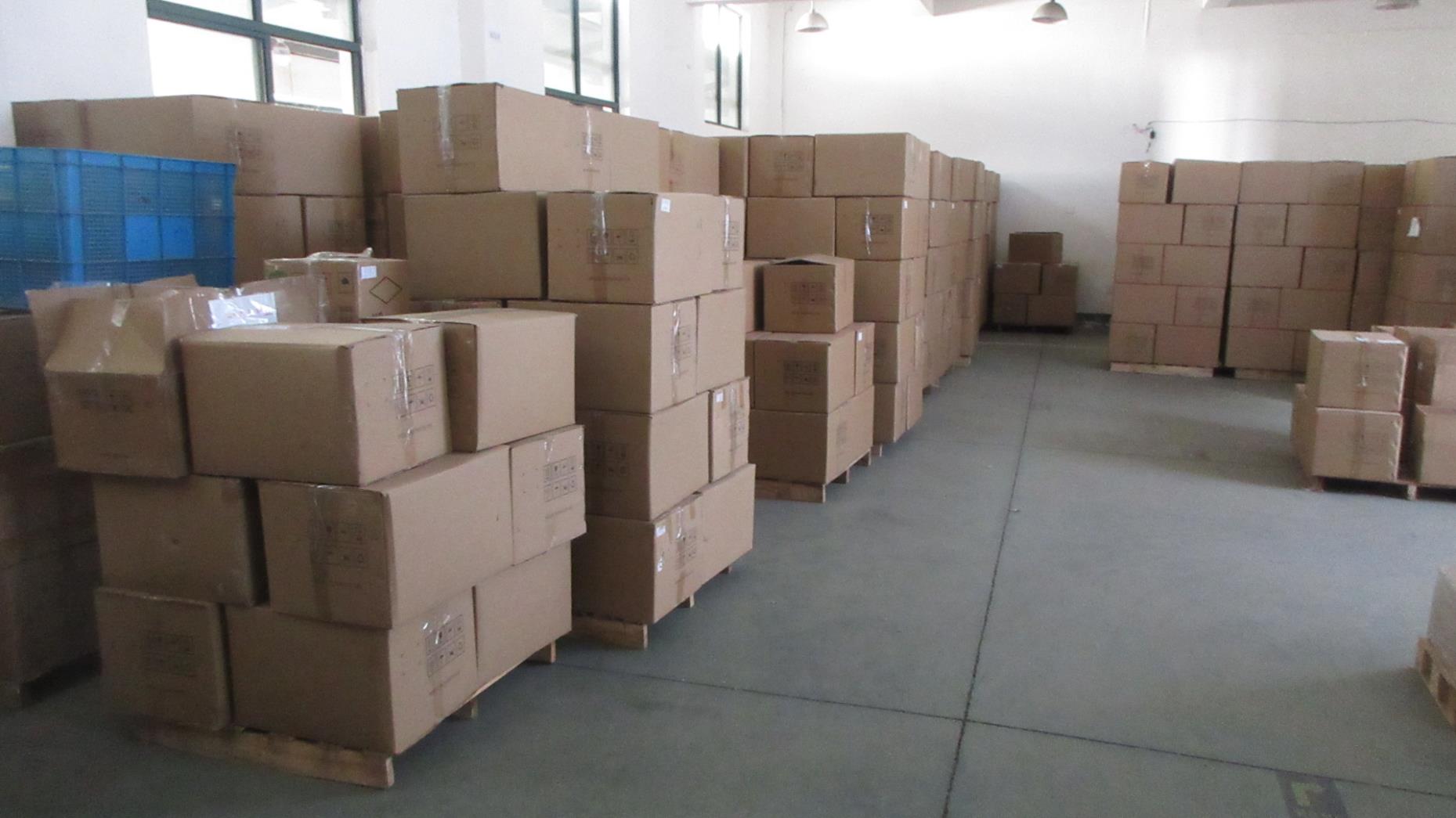
We deliver components in specialized anti-static packaging inside reinforced shipping crates. This ensures hardware arrives in perfect condition, ready for quick deployment in server rooms.
Staying ahead in the industrial IoT landscape requires continuous updates to hardware platforms. Our ongoing development focuses on high-speed interfaces, advanced thermal designs, and flexible deployment configurations.
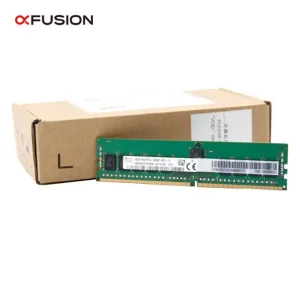
Integrating high-speed DDR5 memory running at 6400MHz with Error-Correcting Code (ECC) capabilities. This design automatically detects and corrects single-bit memory errors, preventing system crashes during critical data processing operations.
Upgrading system motherboards to support high-speed PCIe Gen 5.0 expansion slots. This doubles the data transfer bandwidth for next-generation network cards, high-speed storage interfaces, and heavy GPU processing units.
Deploying flexible storage controllers capable of managing SAS, SATA, and NVMe drives simultaneously. This allows systems to balance high-speed solid-state drives and large-capacity hard drives on the same backplane.
Developing advanced liquid-to-air cooling options for high-power server racks. This keeps internal components operating at optimal temperatures inside enclosed, poorly ventilated factory floor installations.
Select from our specialized hardware portfolio designed to maintain high stability and data throughput across enterprise applications.



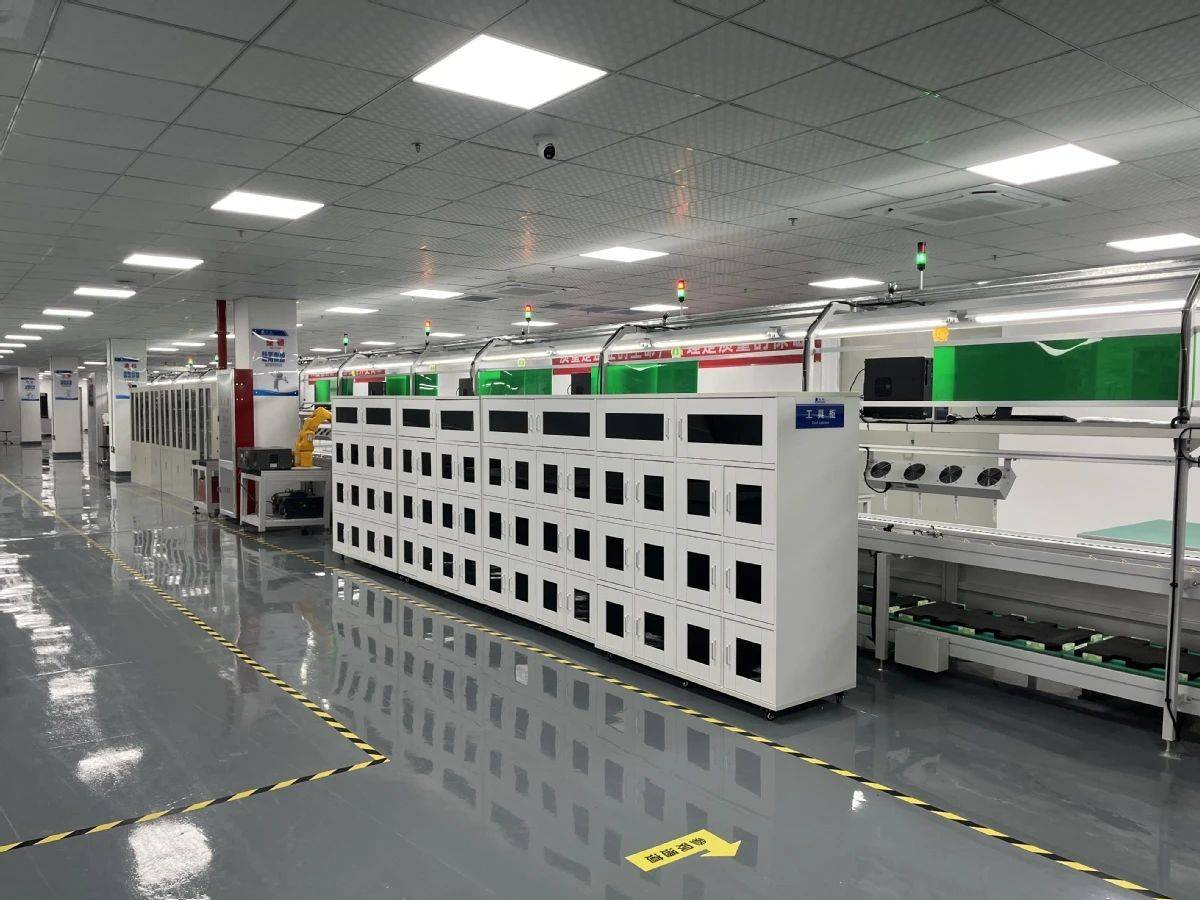
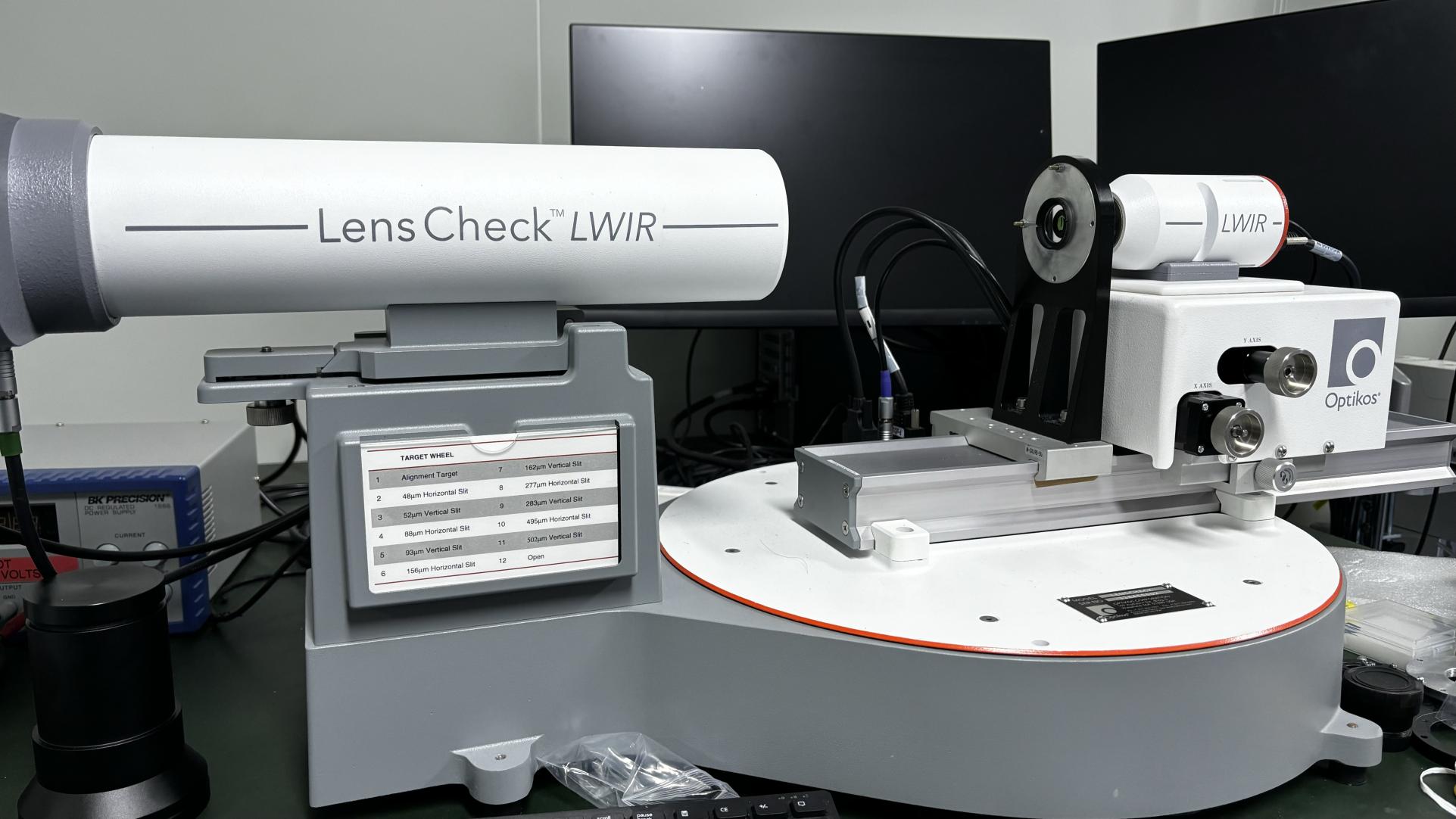
Take an inside look at our specialized production workshops, hardware stress chambers, and global assembly lines.
Explore answers to common questions regarding enterprise hardware optimization, customization options, and global trade terms.