Elvantis
Elvantis
Elvantis
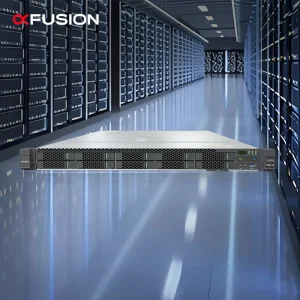
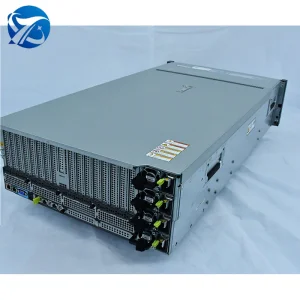
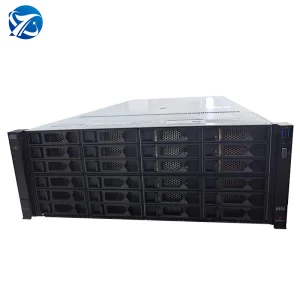
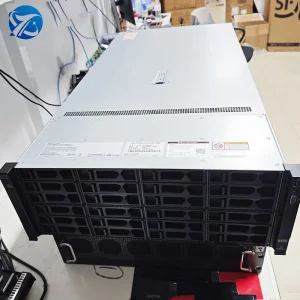
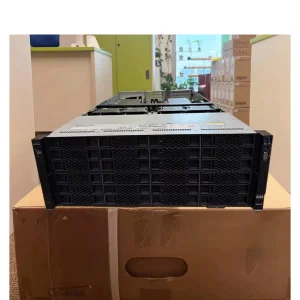
In an era defined by decentralized computation, hybrid clouds, and intensifying threat landscapes, software-only VPN solutions are no longer sufficient to secure multi-gigabit enterprise pipelines. True network privacy and micro-segmentation require co-designed hardware and software architectures. As a leading specialized high-performance hardware systems manufacturer, Elvantis Mesh Systems Ltd. leverages deep engineering expertise to design, optimize, and build carrier-grade custom OEM VPN hardware gateways, storage servers, and cryptographic accelerators.
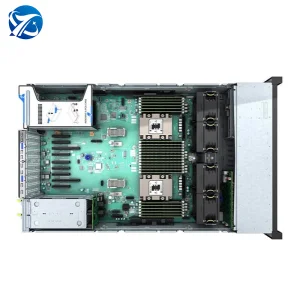
Traditional virtual private networks suffer massive throughput degradation when scaling symmetric encryption protocols (such as AES-256-GCM or ChaCha20-Poly1305) over multi-core CPUs without native acceleration. By integrating specialized cryptographic hardware co-processors (such as Intel® QuickAssist Technology, custom FPGA acceleration, and specialized cryptographic storage arrays), our OEM VPN systems deliver high-throughput, low-latency data encryption directly at the silicon level. This prevents kernel-level scheduling bottlenecks and guarantees full-rate line processing even under high concurrent connections.
The transition from classical public-key cryptography to quantum-resistant standards is the most significant migration in secure communication history. Elvantis is actively addressing this shift. Our hardware platform roadmap includes dedicated hardware support for Post-Quantum algorithms such as Kyber (for key encapsulation) and Dilithium (for digital signatures). Because quantum-resistant algorithms require larger key sizes and more computational resources, traditional VPN gateway appliances will face severe latency spikes. Our next-generation architectures utilize high-throughput FPGA daughtercards and optimized vector instruction sets to offload PQC math operations, ensuring that when the quantum transition becomes mandatory, your network infrastructure will be fully field-ready without requiring complete hardware overhauls.
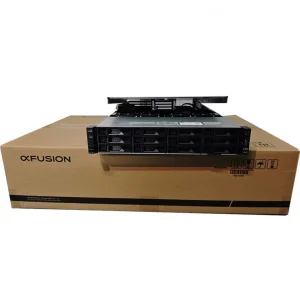
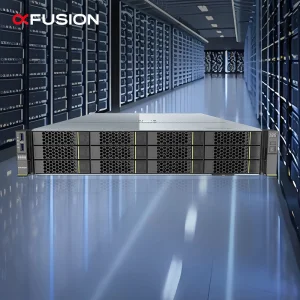
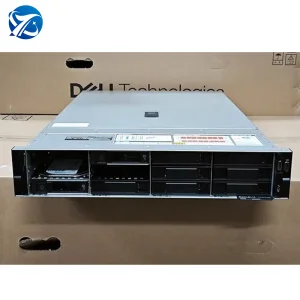
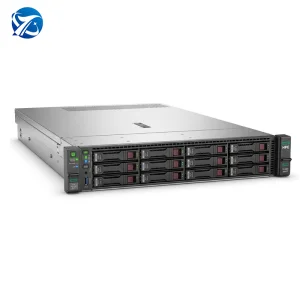
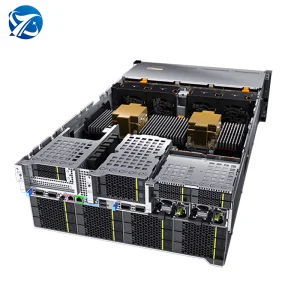
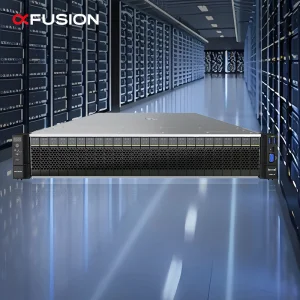
The boundary between traditional site-to-site VPNs and Secure Access Service Edge (SASE) is dissolving. Our roadmap transitions bare-metal OEM gateway servers into comprehensive edge compute nodes capable of hosting containers, dynamic firewalls, and microsegmentation proxies. By integrating technologies like SR-IOV (Single Root I/O Virtualization) and DPDK (Data Plane Development Kit) into our server designs (such as the 1U/2U rack configurations), clients can run high-density software-defined VPN instances alongside security microservices. This guarantees zero-loss routing and enables secure access edge nodes to scale throughput to over 100 Gbps.
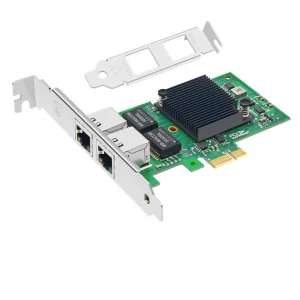
To maximize CPU cycle efficiency for heavy database and application workloads, modern VPN infrastructure must offload network encapsulation to Data Processing Units (DPUs). Elvantis servers support standard SmartNIC profiles, allowing hardware-level encapsulation of WireGuard and IPsec protocols directly on the network interface card. This reduces latency to single-digit microseconds and frees up system resources for local application processing.
Provide secure, large-scale remote access gateways for edge data centers and cell sites. Our 1U and 2U rack servers handle hundreds of gigabits of concurrent traffic, ensuring data integrity across core cellular networks.
Protect transaction systems with custom-routed crypto appliances. Featuring physical tamper detection, secure storage arrays, and real-time cryptographic key generation without system overhead.
Ruggedized, short-depth VPN systems optimized for industrial control rooms. Operates reliably under high operating temperatures, ensuring constant secure communication tunnels for critical infrastructure.
Operating a global VPN infrastructure requires adherence to diverse regional regulatory regimes and encryption policies. Elvantis guarantees that all hardware-level and firmware-level cryptographic modules comply with major international specifications. For entities operating in the United States and Canada, we offer cryptographic builds optimized for FIPS 140-3 Validation, ensuring that all cryptographic operations use approved security parameters.
For European Union deployments, our designs comply with the strict guidelines of GDPR data sovereignty. We facilitate the physical separation of key storage databases from primary compute layers, preventing unauthorized decryption. Additionally, our hardware platforms comply with Common Criteria (CC) Certification protocols up to EAL4+, giving enterprise clients objective assurance that our security claims are thoroughly evaluated.
| North America | FIPS 140-3 Level 2/3, FCC Part 15 |
| European Union | CE, GDPR Compliant Keys, EN 300 386 |
| Global Markets | Common Criteria EAL4+, CB Scheme |
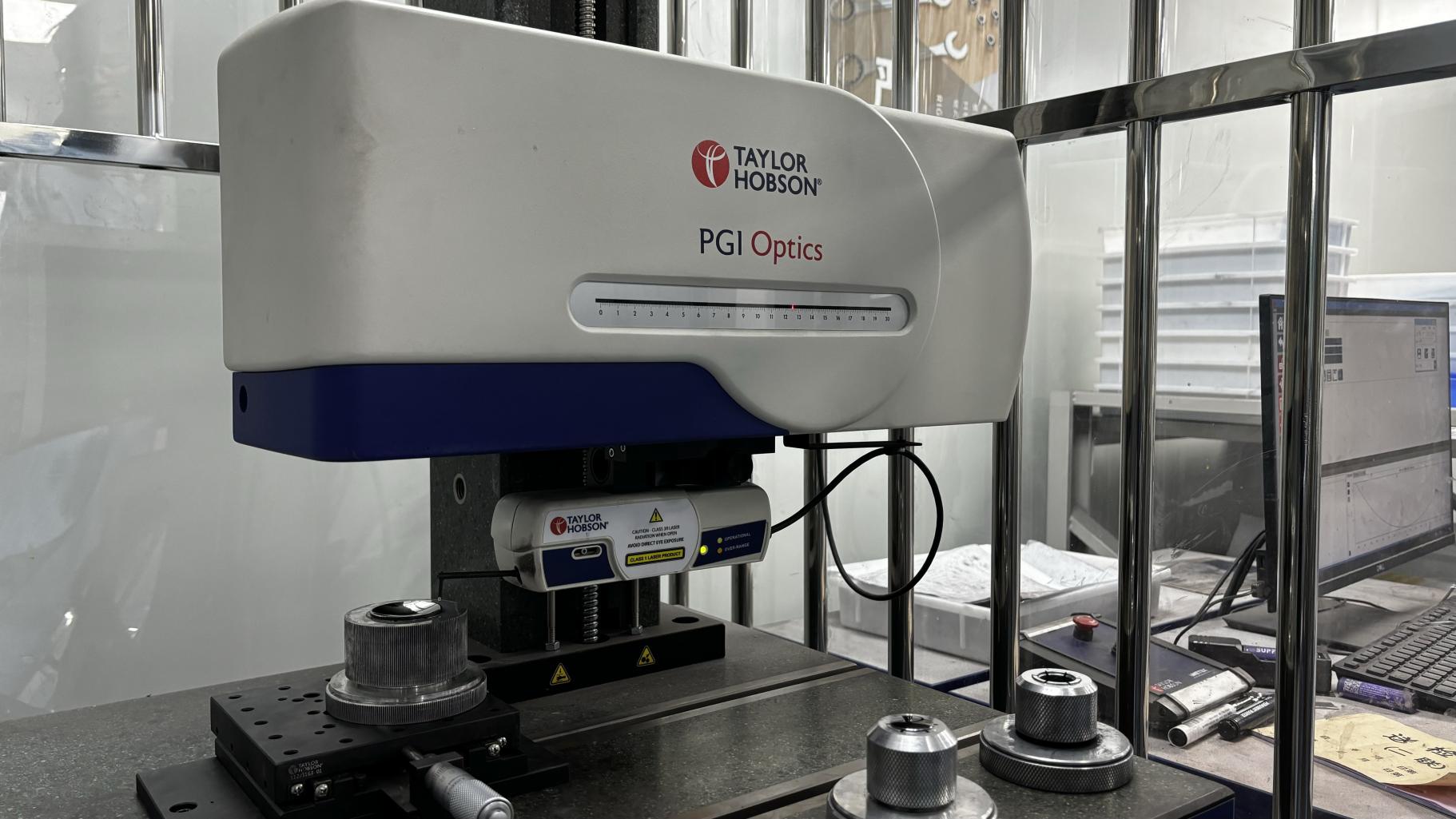
Operating a state-of-the-art facility, Elvantis ensures complete oversight over production cycles, component sourcing, and final verification checks. By deploying intelligent MES tracking systems, automated optical inspection (AOI), and multi-stage thermal burn-in chambers, we verify that every single network chassis or rackmount server passing through our lines maintains 24/7 reliability. Our global supply chain network of over 850 cooperative partners ensures that raw microcomponents and chassis materials remain stable even during complex market changes, reducing lead times and safeguarding cost structures.
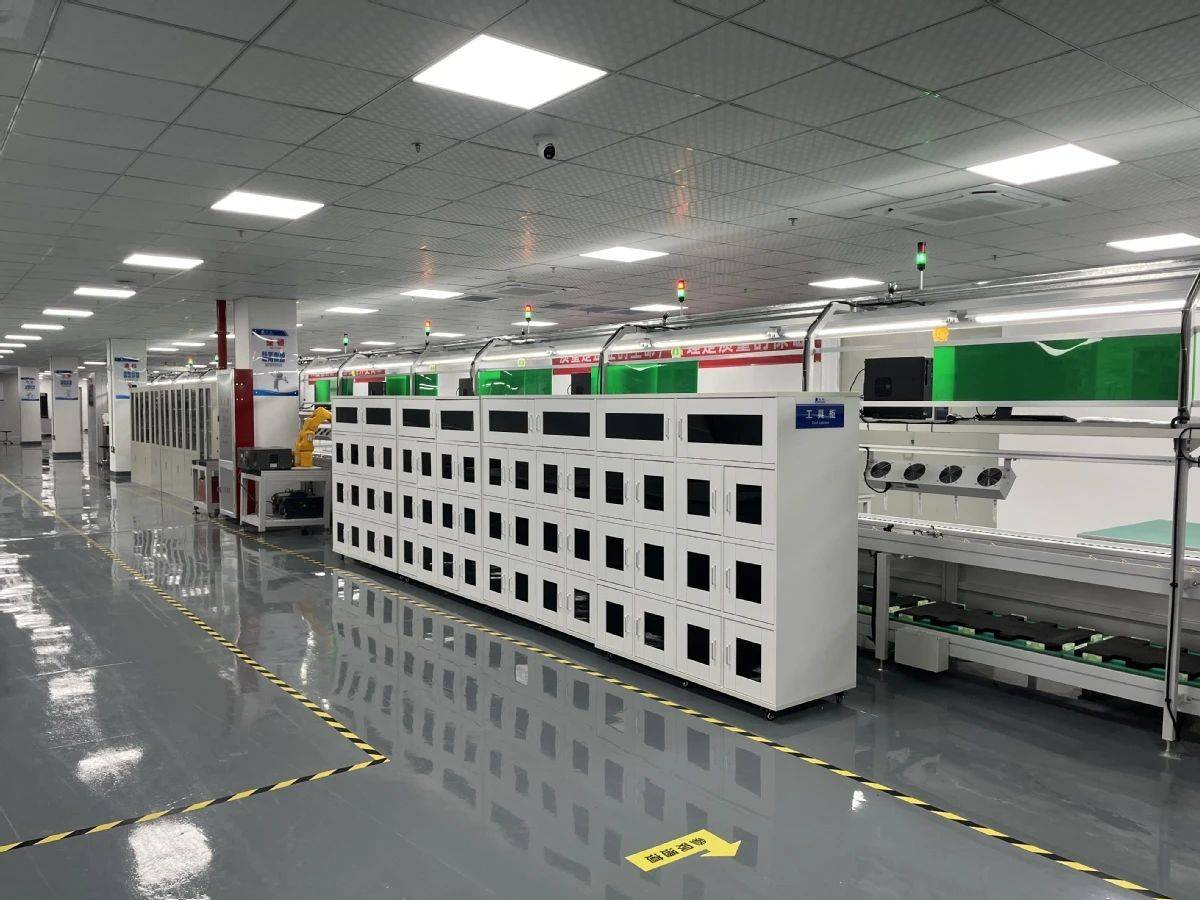
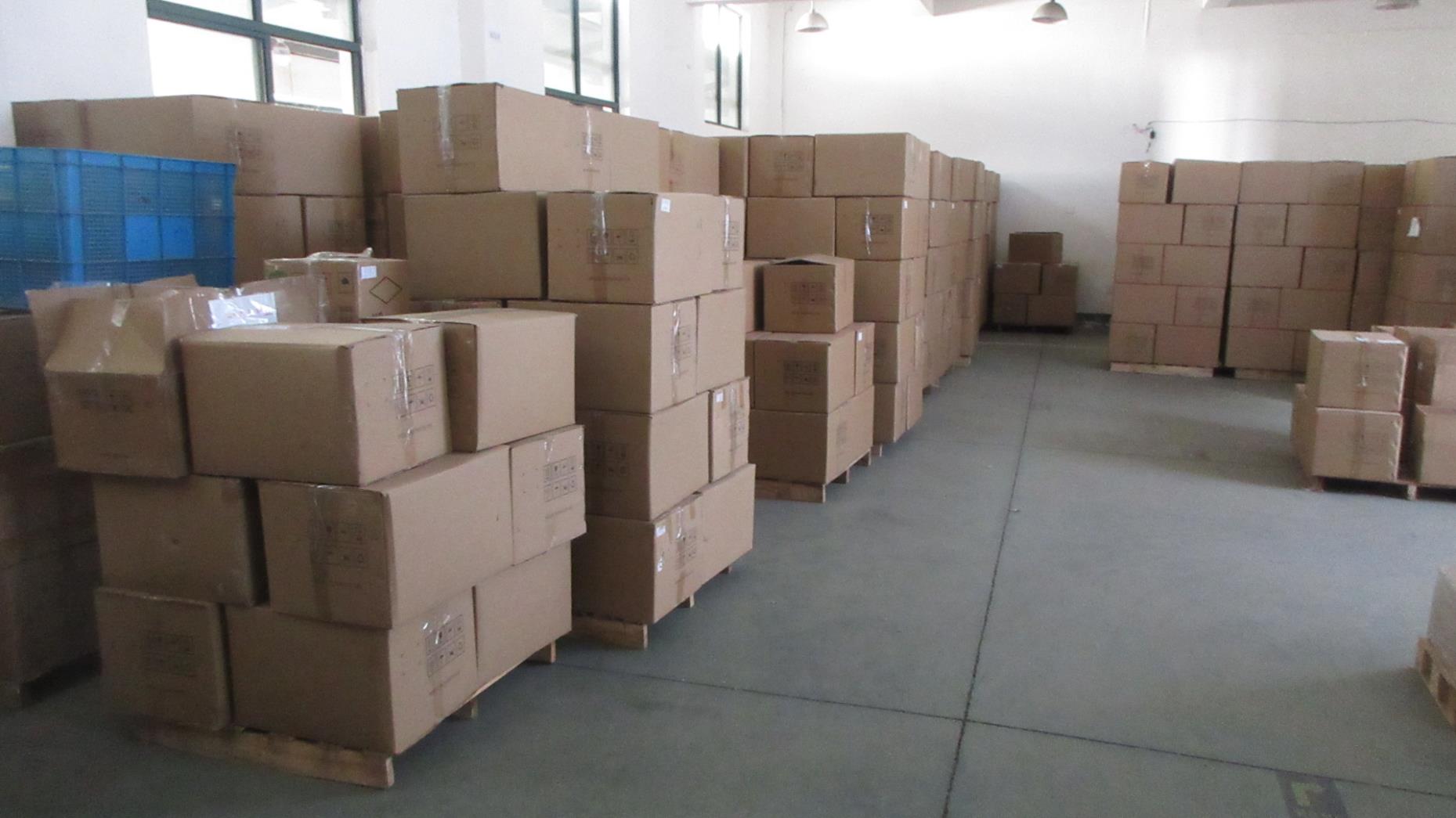
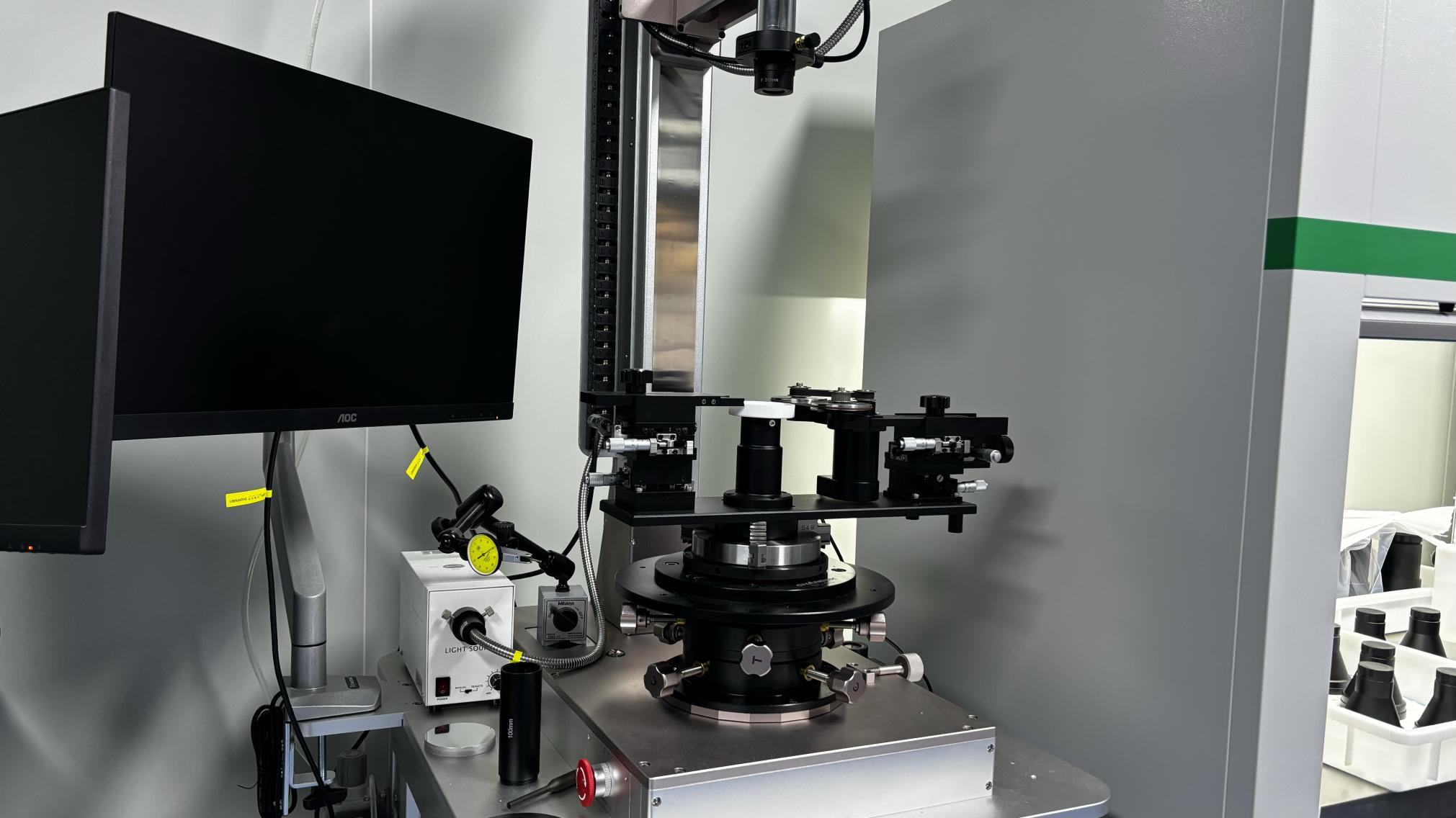
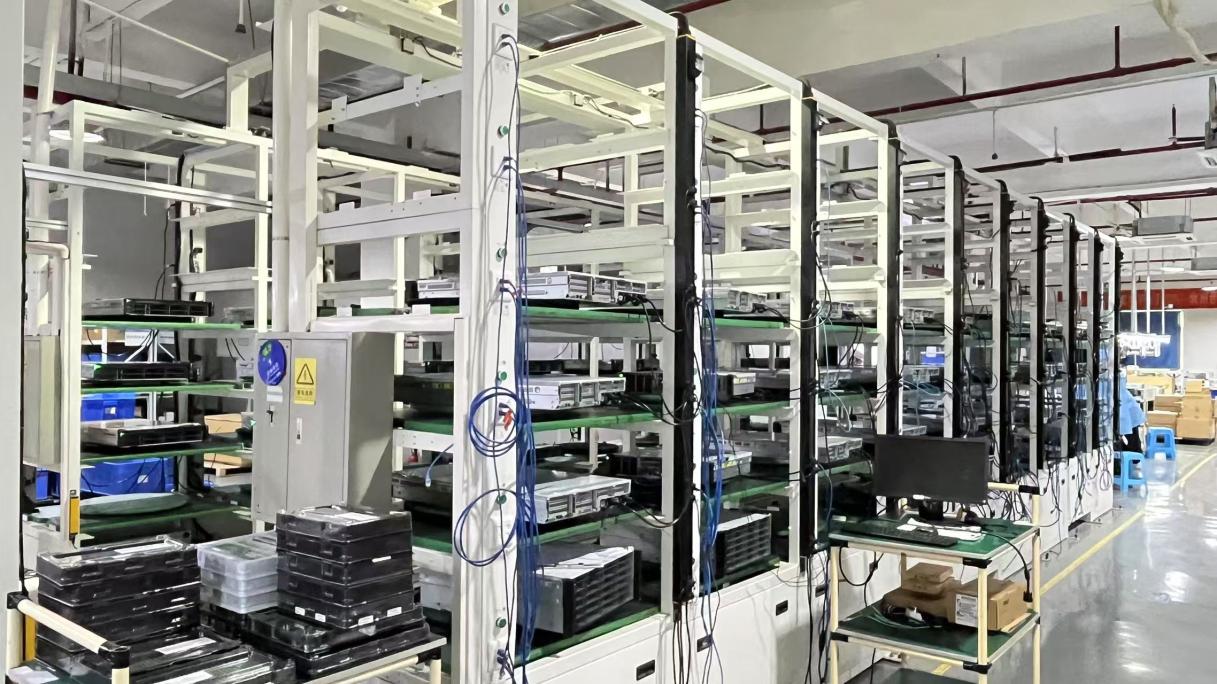
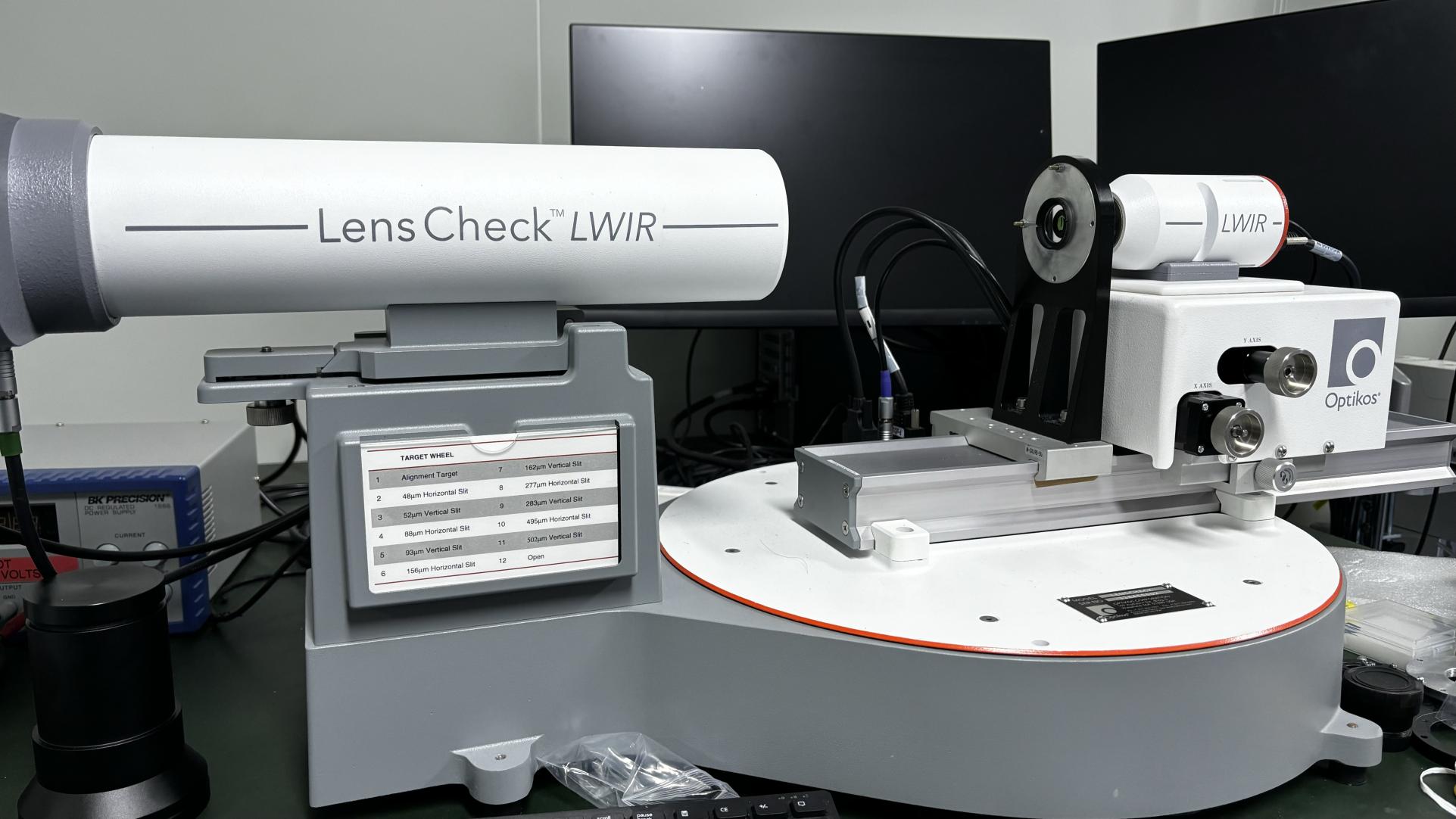
For multinational enterprises, custom hardware design represents a strategic advantage. It eliminates the need for expensive software licenses, standardizes hardware maintenance paths, and ensures that internal IT departments retain complete control over firmware upgrades. Elvantis caters to high-volume procurement contracts with bespoke manufacturing options, including:
Standard software-based VPN systems run on general-purpose servers where cryptoprocessors are shared with virtualization and host operations, creating severe performance bottlenecks. Our custom OEM VPN hardware integrates native cryptographic coprocessors (like Intel QAT) that offload symmetric encryption (such as AES-GCM) directly to dedicated silicon circuits. This guarantees line-rate performance, zero CPU degradation under full load, and eliminates kernel scheduling latency.
Yes. We customize server hardware layers to meet FIPS 140-3 Level 2 and Level 3 physical security standards. This includes active physical tamper detection circuits, tamper-evident outer coatings, and cryptographic key deletion routines triggered by physical enclosure breach attempts.
We exercise complete control over our manufacturing processes, from printed circuit board (PCB) design to secure BIOS injection. Our testing labs employ automated optical inspection (AOI) and comprehensive diagnostic scanning to verify that no undocumented physical chips or hardware components are present on our system mainboards.
Absolutely. We offer complete OEM services, including custom sheet metal design, port position changes, unique cooling system designs, and custom color selections. Our team coordinates directly with your engineering group to match your target branding and mechanical constraints.
Our quality control team (consisting of 35 dedicated QC professionals) subjects every unit to exhaustive multi-day testing. This includes high-temperature chamber tests, full-load processing stress validation, physical port cycle testing, and cryptographic throughput diagnostic verification. This ensures our systems arrive ready for continuous, mission-critical operations.