Elvantis
Elvantis
Elvantis
Optimized hardware building blocks for resilient hybrid cloud environments, designed for heavy virtualization and fast data path routing.
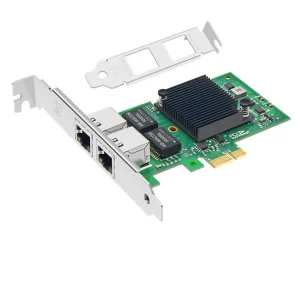
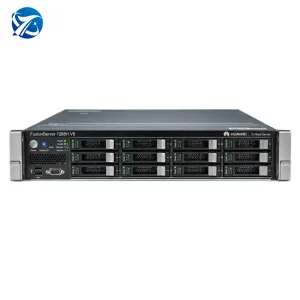
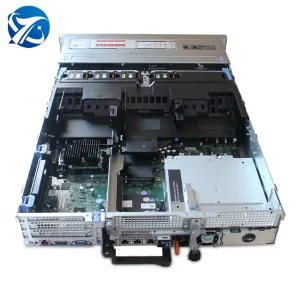
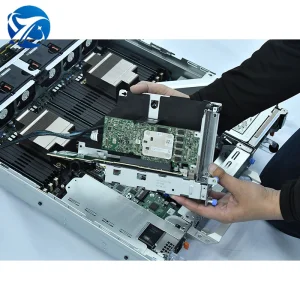
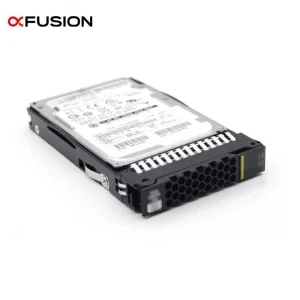
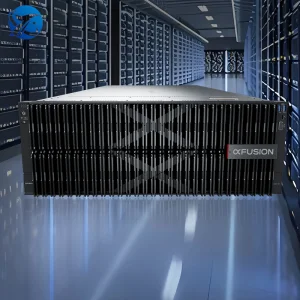
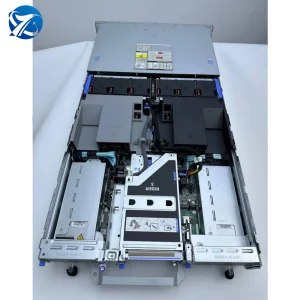
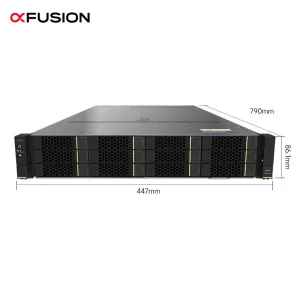
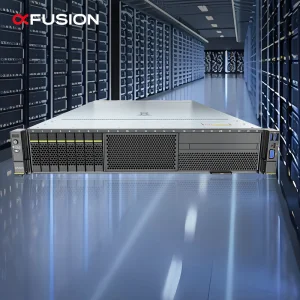
Modern enterprises face the critical challenge of balancing compute power, strict security policies, and capital expenditure limits. Off-the-shelf public cloud configurations often fall short when processing heavy machine learning workloads, low-latency microservices, or highly regulated customer data. This is where OEM/ODM Hybrid Cloud Hardware Customization bridges the gap between static on-premises capability and dynamic multi-cloud deployment.
By engineering specialized physical hardware (from bare-metal hypervisor servers to customized RAID controller nodes), global businesses establish a resilient substrate. Our OEM process optimizes system configurations down to the BIOS settings, PCIe bus allocation, and silicon-level cryptographic accelerators. We ensure your hybrid nodes run efficiently, whether deployed in a local data center or scaled inside virtual private clouds (VPCs).
Navigating complex global data sovereignty landscapes requires secure, localized hardware design.
Our OEM server lines enable edge architectures where sensitive telemetry stays strictly within physical nation-state boundaries, aligning perfectly with GDPR, HIPAA, and local cybersecurity laws.
We implement custom TPM 2.0 modules, secure boot options, and custom crypto-coprocessor pathways integrated directly at the motherboard layout phase, establishing complete secure chains of custody.
Providing global businesses with hardware warranty programs, field replacement units (FRUs), and remote BMC/IPMI configuration support tailored to regional technician languages and protocols.
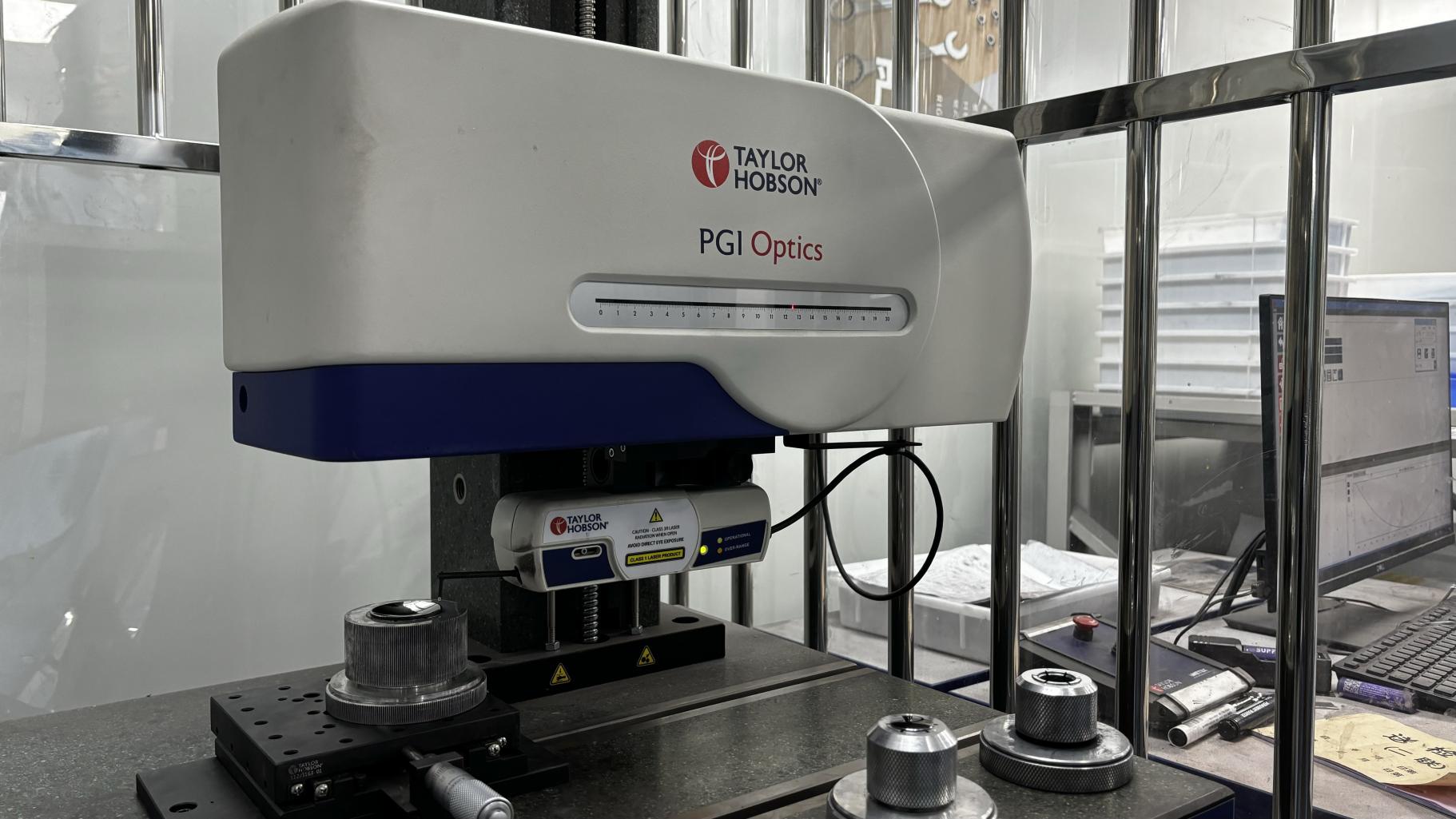
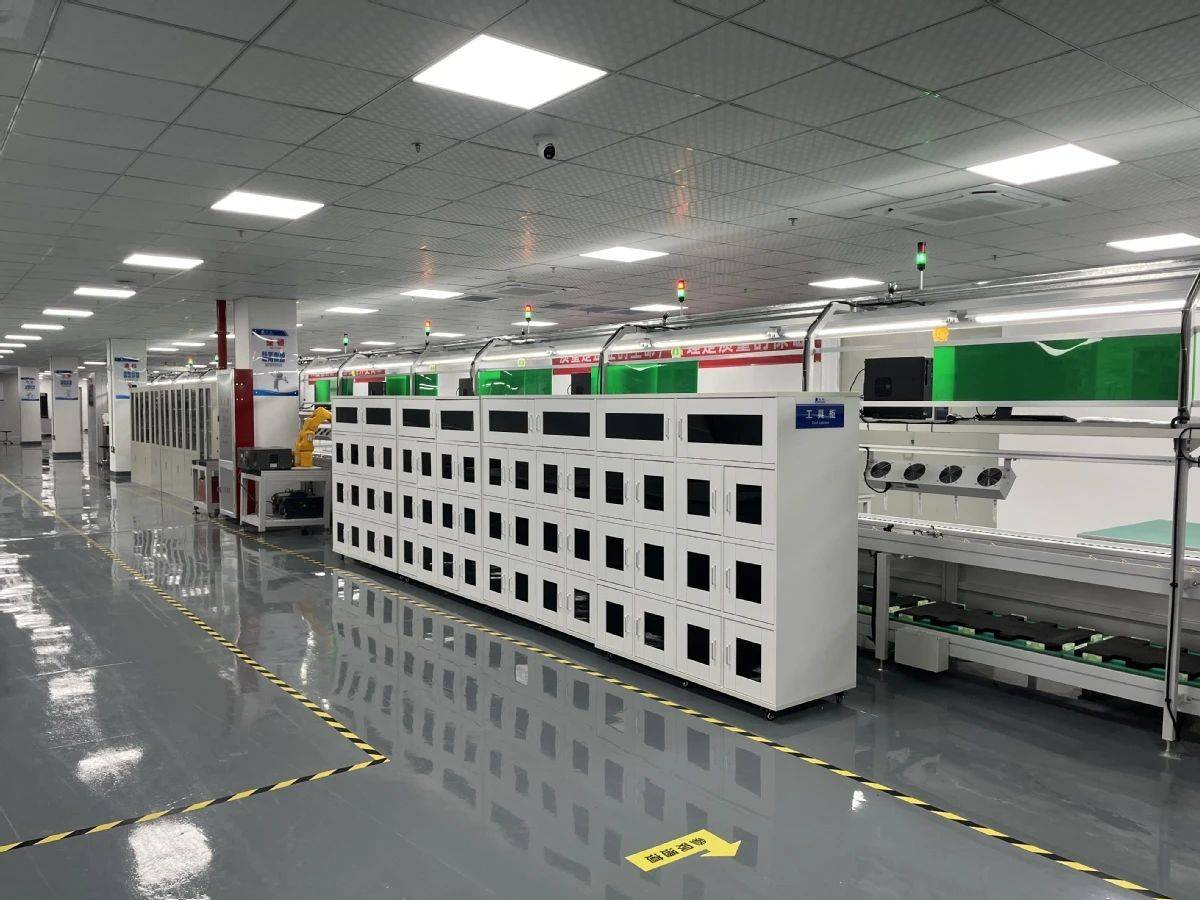
As a leading custom server manufacturer, we capitalize on Shenzhen's dense electronic ecosystem to drastically cut prototyping lead times and raw component costs. By keeping crucial engineering, high-level testing, and supplier networks under one roof, we fast-track concepts to validated product lines.
This localized supply density empowers Elvantis Mesh Systems Ltd. to roll out up to 120 new enterprise-grade hardware configurations annually, adapting instantly to changes in GPU architecture, high-frequency PCIe layouts, and liquid-cooling cooling configurations.
| Manufacturing Indicator | Standard Market Baseline | Our Factory Capability |
|---|---|---|
| New Product Iteration Cycle | 6 - 12 Months | 30 - 45 Days |
| Cooperative Supply Partners | <100 Standard Distributors | 850+ Direct Component Partners |
| Burn-In Stress Protocols | Sample basis (24h) | 100% Units (72h Full Thermals) |
| QC Dedicated Staff Ratio | ~5% of total staff | ~20% of engineering team |
What CTOs, system integrators, and procurement agents must prioritize to future-proof their operations.
Standard data center configurations cannot handle modern chips running above 350W TDP. Factory modifications like specialized air tunnels, high-speed fan controllers, and closed-loop liquid cooling blocks are now mandatory design elements.
High-bandwidth GPU and storage nodes require precise traces on multi-layer PCBs to prevent signal degradation. Custom layout options ensure optimal pathway placement for low-latency computation.
Relying on single chip platforms creates supply risks. Building with modular chassis that support multiple motherboard standards allows procurement teams to switch vendors without redesigning the entire rack layout.
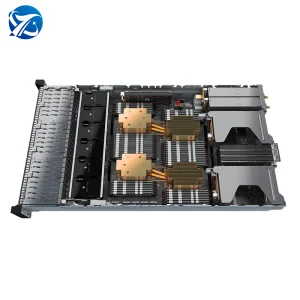
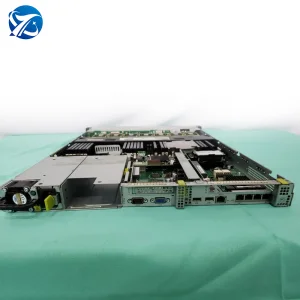
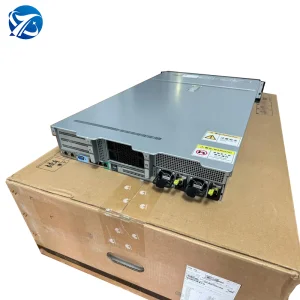
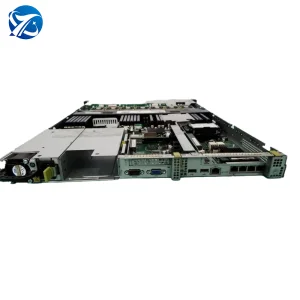
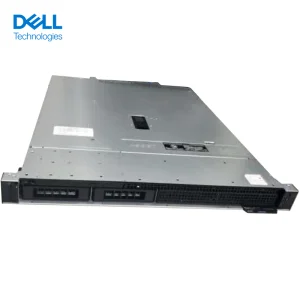
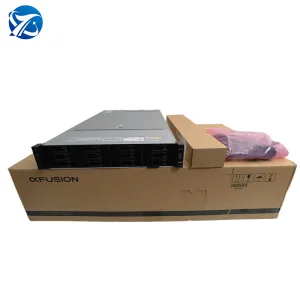
Engineered specifically for deep learning, AI-inferencing workloads, and high-performance network configurations.
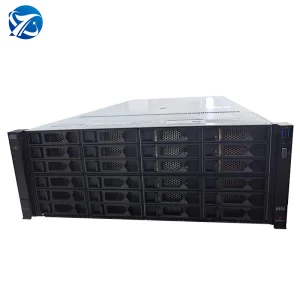
How industry-specific operators exploit our customized bare metal configurations to achieve high-ROI compute performance.
By tailoring server storage sub-systems with high-performance 12G SAS RAID configurations and low-latency storage cards, financial institutions process millions of transactions per second locally while back-testing algorithms in public clouds.
Hospitals deploy customized on-premise compute nodes to analyze heavy 3D MRI scans locally, maintaining HIPAA compliance, while utilizing public cloud resources strictly for non-sensitive data archives.
Deploying compact, dust-resistant 1U/2U server platforms directly to the factory floor allows real-time computer vision processing, triggering line corrections in milliseconds while feeding summary metrics to centralized analytics servers.
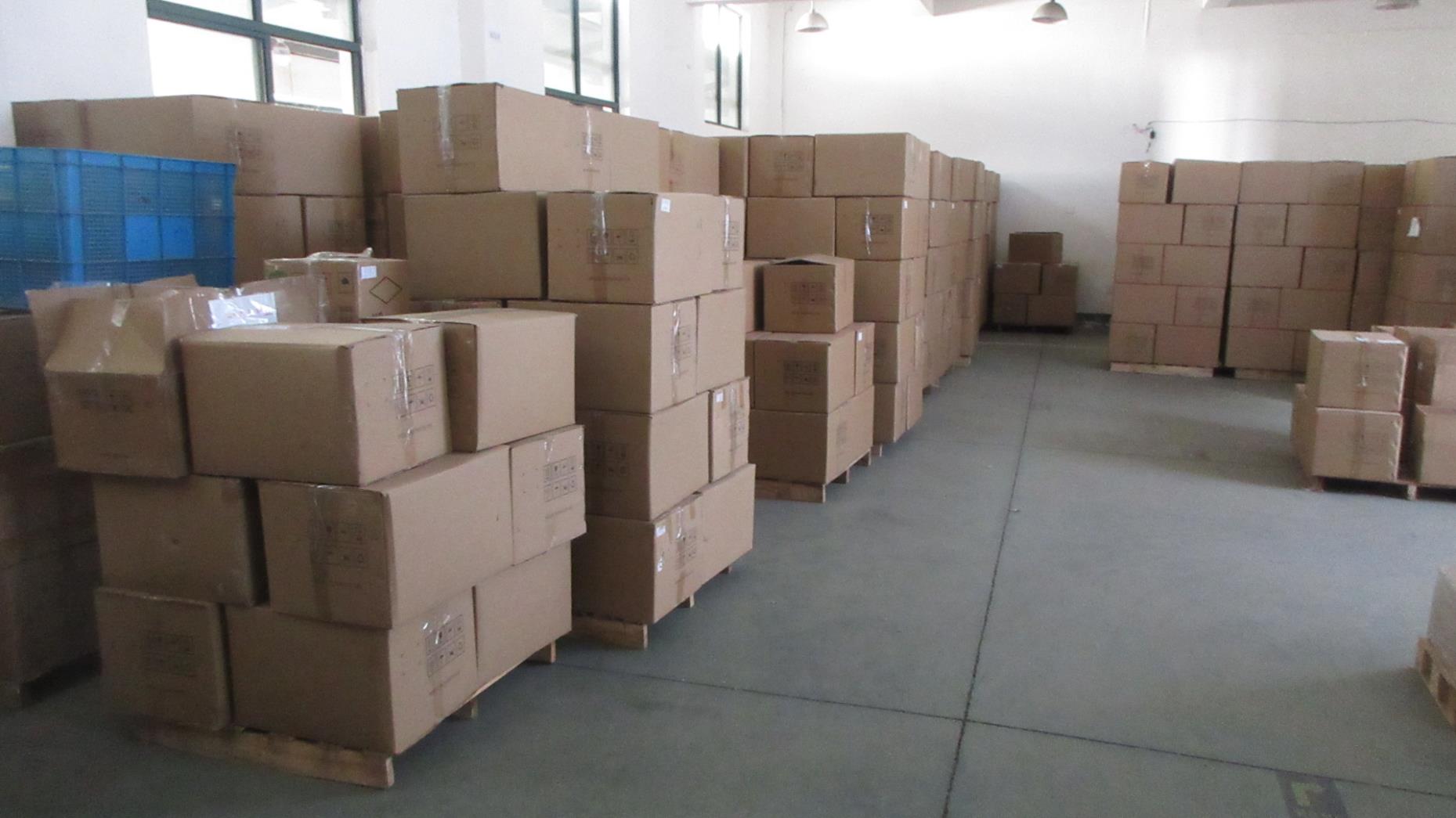
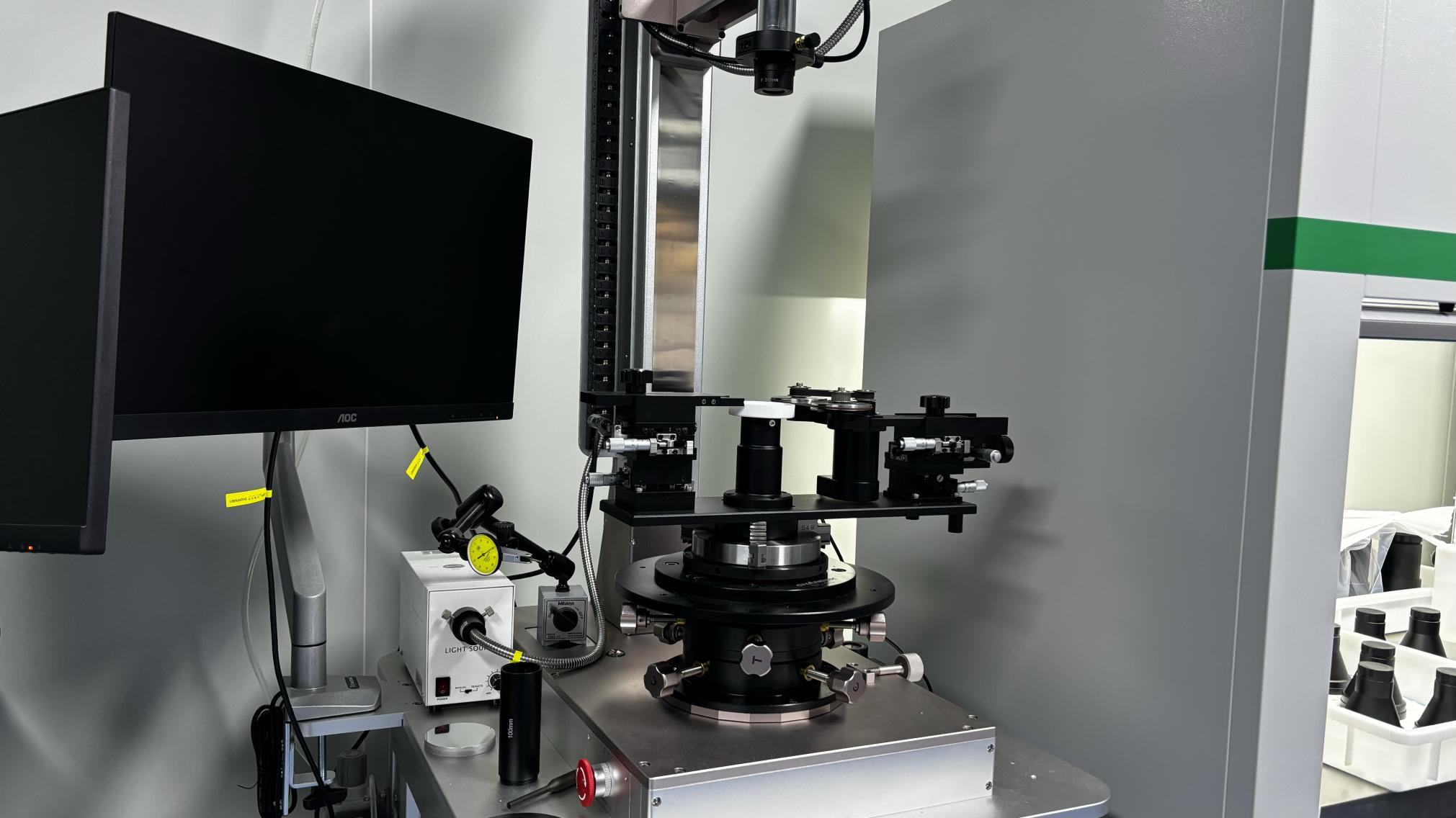
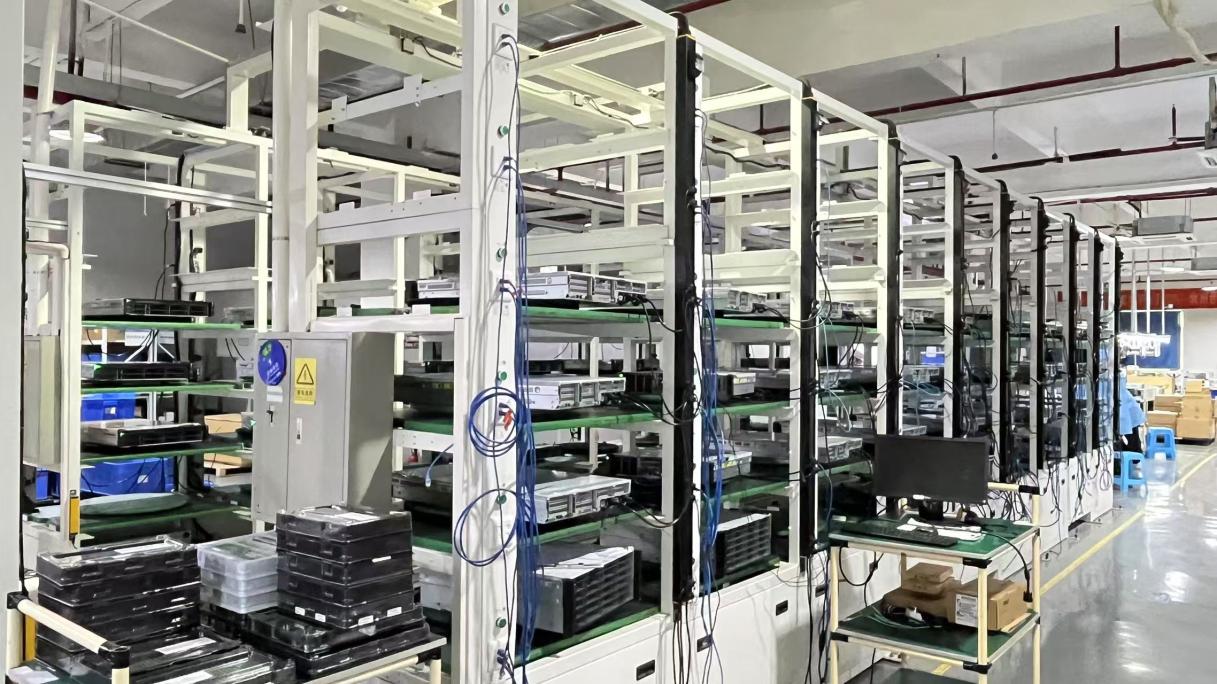
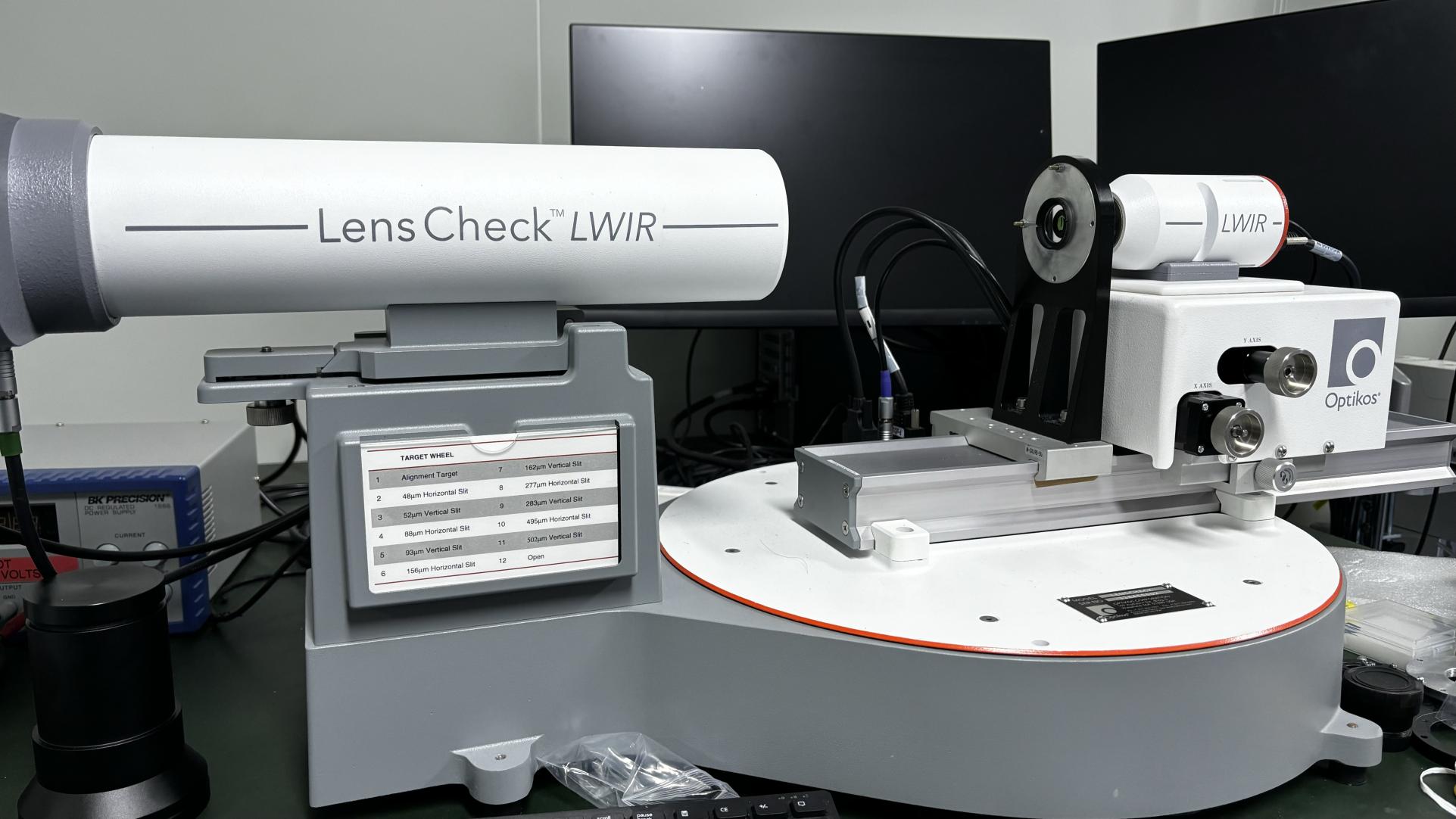
A look into our high-density testing bays, component integration setups, and system stress-testing environments.
Answers to the most common configuration, supply, and integration questions from systems engineers.
Off-the-shelf servers force you to buy generic configurations, often leading to over-provisioned RAM or under-utilized PCIe lanes. Our custom OEM layouts optimize the hardware specifically for your software stack (e.g., hypervisors, database engines, or AI inferencing pipelines). This customization increases thermal efficiency, limits unused hardware cost, and lowers total cost of ownership (TCO) by up to 35%.
All custom configurations are designed to meet major global regulatory standards, including CE, FCC, UL, and RoHS. Additionally, for sensitive hybrid deployments in Europe, North America, and parts of Asia, we support custom TPM 2.0 provisioning, cryptographic secure-boot configurations, and vendor-agnostic hardware architectures. This ensures compliance with local data security regulations like GDPR and HIPAA.
We employ a multi-layered quality assurance process overseen by our dedicated QC team. Every custom-configured server undergoes automated optical inspection (AOI), complete hardware diagnostics, and a rigorous 72-hour burn-in stress test at full computing load. This process eliminates early component failures before shipping, guaranteeing high reliability upon delivery.
Yes. We specialize in ODM/OEM customization, which includes bespoke front bezel branding, customized chassis finishes, unique BIOS splash screens, and customized BMC/IPMI firmware configurations. Our software engineers work directly with your IT teams to compile secure, proprietary firmware trees that match your private deployment requirements.
Thanks to our facility in Shenzhen's hardware corridor, we can design, build, and test a customized prototype in 30 to 45 days. Once a design is approved, mass manufacturing typically takes 4 to 6 weeks, depending on component availability and customization complexity. We maintain a network of over 850 supply partners to keep component pipelines stable.
High-density servers running high-TDP CPUs and GPUs generate significant heat. We design custom internal air baffles, use high-speed counter-rotating fans with intelligent PWM speed curves, and design advanced liquid-cooling manifolds for high-density setups. This keeps system temperatures low and prevents hardware throttling during peak workloads.