Elvantis
Elvantis
Elvantis
Deploy high-density computing platforms configured with baseboard controllers, IPMI, and remote access systems optimized for hardware monitoring, thermal regulation, and deep orchestration workloads.

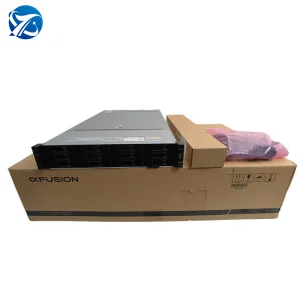
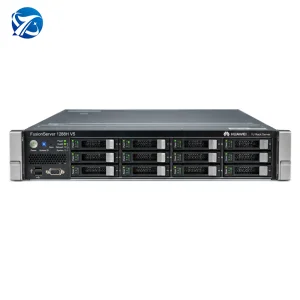
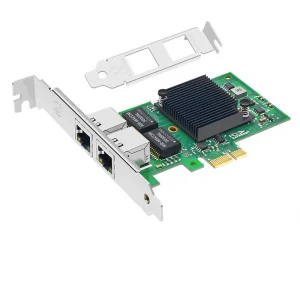
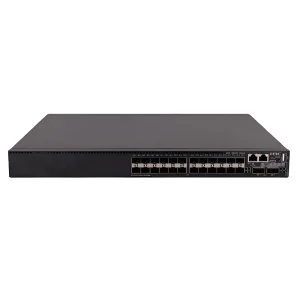
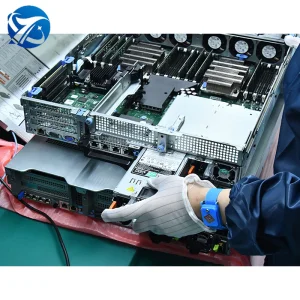
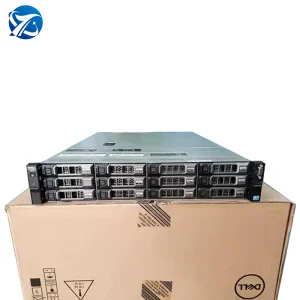
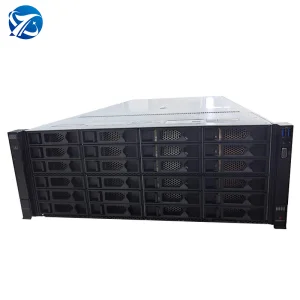
Modern data centers housing distributed AI arrays, containerized applications, and massive multi-tenant virtualization clusters require more than traditional, localized administration tools. As global enterprise infrastructure trends shift toward automated provisioning, hybrid orchestration, and edge-native deployments, the demands on hardware-embedded controllers have scaled exponentially. High-performance computing demands strict compliance with IPMI 2.0 and standard Redfish RESTful APIs, allowing operations teams to manage bare-metal elements programmatically without physical intervention.
Out-of-Band server management bypasses the main host operating system. Utilizing a dedicated processor—typically the Baseboard Management Controller (BMC)—system administrators gain physical-equivalent control over computing assets. This system allows technicians to perform remote power cycling, access hardware console logs, configure BIOS settings, and execute bare-metal provisioning, even when the host operating system is completely frozen or unbootable.
Modern architectures rely heavily on the Redfish standard to replace legacy, complex tools. Designed specifically for RESTful API protocols, Redfish uses JSON schemas to make infrastructure management accessible to Ansible, Terraform, and custom Python daemons. This programmatic scalability enables quick integration into unified monitoring panels and automated container clusters.
Securing physical servers requires hardening at the firmware layer. Modern server management modules implement Hardware Root of Trust (RoT), cryptographically signed firmware, and discrete management interfaces. This prevents malicious firmware exploits from compromising data center hardware, ensuring data isolation and operational integrity.
As a major manufacturing partner in the server infrastructure domain, Elvantis Mesh Systems Ltd. represents the height of China's high-tech manufacturing capacity. Combining advanced component sourcing with rigorous quality verification protocols, we provide specialized OEM/ODM services tailored to international enterprise requirements.
Proximity to key component suppliers in Shenzhen, Dongguan, and Suzhou enables rapid prototyping, raw material sourcing, and assembly optimization. Our network of over 850 cooperative partners ensures that high-quality components—ranging from BMC microcontrollers, power delivery circuits, high-speed SAS/SATA lines to custom RAID controllers—are secured at optimal rates.
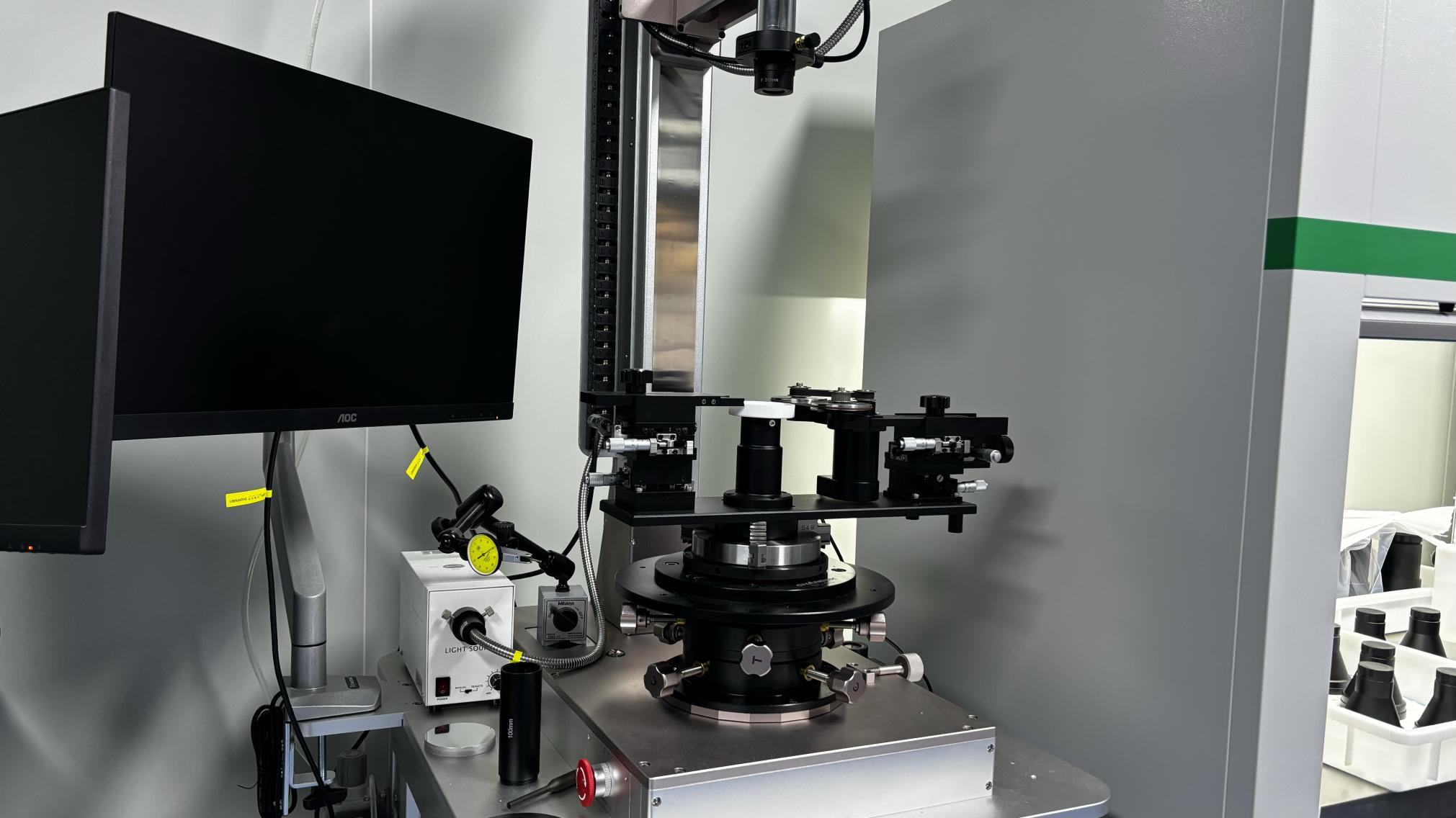
With a specialized R&D engineering pool of over 180 technical professionals, we handle custom hardware layouts, system integration, and firmware configuration. Our dedicated testing facilities support system validation, temperature-controlled stress tests, and high-density GPU diagnostics, enabling the deployment of over 120 new server designs annually.
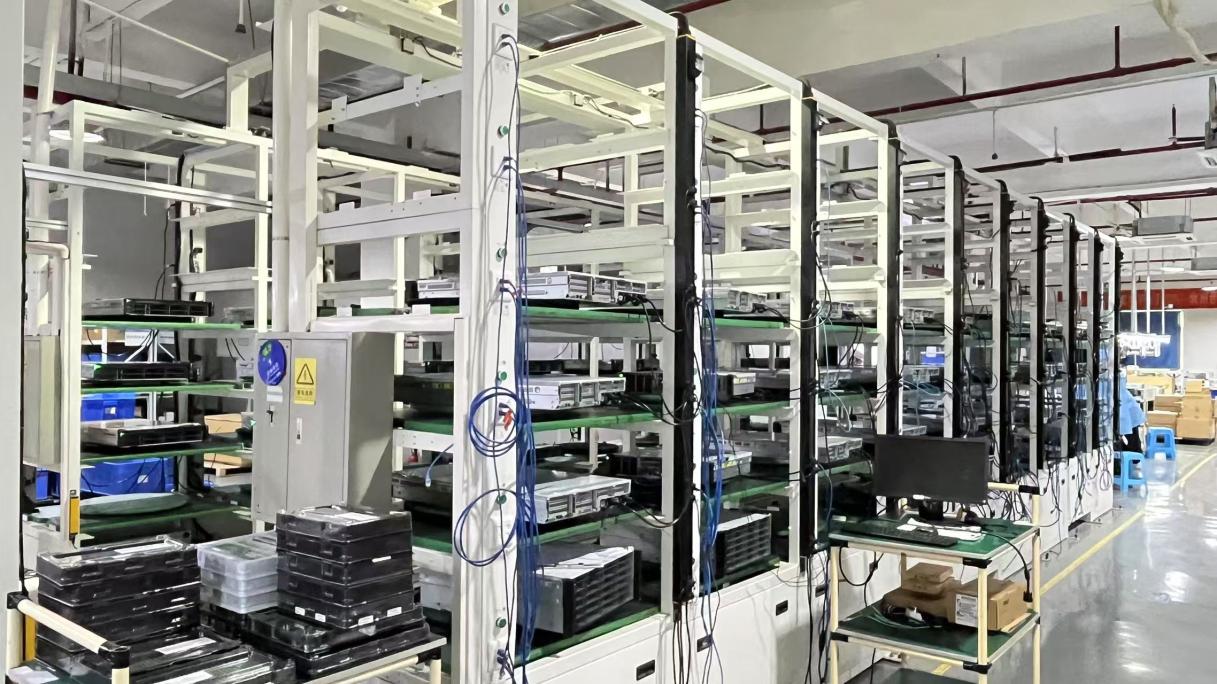
Our quality control department utilizes 35 QA specialists to run automated optical inspection (AOI), complete diagnostics under full system load, and long-run thermal profiling. Hardware is tested to meet international performance and durability standards, ensuring reliable operation under heavy workloads.
| Operation Stage | Technical Verification Method | Standards Compliance | Performance Matrix Targeted |
|---|---|---|---|
| Inbound Component Quality Check | AOI (Automated Optical Inspection) & X-ray Analysis | IPC-A-610 Class 3 | Solder joint integrity, zero trace misalignment |
| Firmware Provisioning | Hardware-based cryptographic key injection | NIST SP 800-193 Platform Resiliency | Secure Boot, authentic firmware signature validation |
| Thermal Cycling & Burn-In | Elevated temperature chambers (45°C) at 100% computational load | ISO 9001:2015 QC Protocols | Voltage stability, heat dissipation performance |
| BMC and OOB Testing | Automatic API stress testing & packet injection security analysis | DMTF Redfish Schema Compliance | Rest API throughput, command execution response under 50ms |
Global enterprise operations demand strict adherence to local laws, regional compliance mandates, and national data sovereignty regulations. Our server management tools are engineered to bridge compliance gaps, providing secure, localized management interfaces suitable for deployment across North America, Europe, the Middle East, and Southeast Asia.
To comply with regulations like GDPR and local data security standards, our server management interfaces support completely isolated management networks (LANs). Inbound and outbound packets from the BMC are restricted to private subnets, preventing unauthorized external access and ensuring local data controls are maintained.
We offer transparent, audit-ready firmware options. By utilizing open-source firmware projects like OpenBMC, enterprises can conduct independent source-code audits. This transparency helps clear regulatory hurdles in sensitive industries like defense, healthcare, and telecommunications.
For secure remote access, our tools incorporate TLS 1.3, SSHv2, and SNMPv3 cryptographic protocols. Management cards support FIPS 140-2 validated encryption algorithms, keeping API payloads secure during transmission over external telemetry lines.
Different compute models require specialized management configurations. Our hardware options support various configurations, including GPU acceleration clusters, high-capacity storage pools, and hyper-converged edge deployments.
Modern AI platforms, including those hosting models like DeepSeek, draw substantial power and require precise thermal management. BMC tools provide real-time telemetry on GPU core temperatures, PCIe bus health, and fan speeds.
Cloud hosting environments require fast bare-metal provisioning. Using Redfish scripting, operators can deploy server profiles across thousands of nodes in minutes.
Storage servers require reliable data paths and disk health monitoring. Our RAID management interfaces provide remote configuration options for array controllers.
As data centers evolve, remote management must adapt to dynamic workloads and clean energy targets. The industry is currently moving toward three primary technological developments:
Modern management processors do more than report current health statistics; they help predict failures. Machine learning algorithms analyze historical telemetry to project power supplies, memory, or fan wear, allowing operators to plan preventative maintenance and minimize downtime.
With AI racks demanding upwards of 100kW, liquid cooling systems are replacing standard air configurations. BMC controllers are expanding to monitor coolant flow rates, valve positions, and ambient humidity, preventing fluid leaks and maintaining performance.
The enterprise sector is moving away from proprietary BMC designs in favor of OpenBMC. This open-source firmware framework enables developers to customize code, patch security vulnerabilities quickly, and maintain consistent management interfaces across multi-vendor fleets.
Detailed answers to common questions about server management tools, integration options, and global sourcing logistics.
IPMI 2.0 uses a binary format over UDP, which can be difficult to manage through firewalls and lacks native support for modern web tooling. Redfish utilizes RESTful APIs, JSON data structures, and HTTPS security. This transition enables developers to integrate server hardware profiles directly into cloud automation frameworks (such as Ansible, Terraform, and Kubernetes) using standard HTTP methods, making monitoring more secure and adaptable.
Yes. Our systems support OEM/ODM customization at the firmware level. Customers can request OpenBMC or proprietary configurations that match their preferred security keys, custom web interfaces, and network configurations. This service is handled in our facility during production to ensure each unit meets system requirements before delivery.
We maintain strict supply chain controls, audit our raw materials, and follow NIST SP 800-193 guidelines for Platform Firmware Resiliency. Every motherboard undergoes automated inspection and hardware-level validation before shipping. Firmware signatures are cryptographically signed, and debug interfaces are disabled before delivery, securing the platform from potential tampering.
Yes. Our hardware is designed to meet international standards including CE, FCC, RoHS, and relevant ISO certifications. Because we use standardized BMC configurations, our systems fit cleanly into regulated environments like healthcare (HIPAA) and finance (PCI-DSS), helping you meet compliance goals easily.
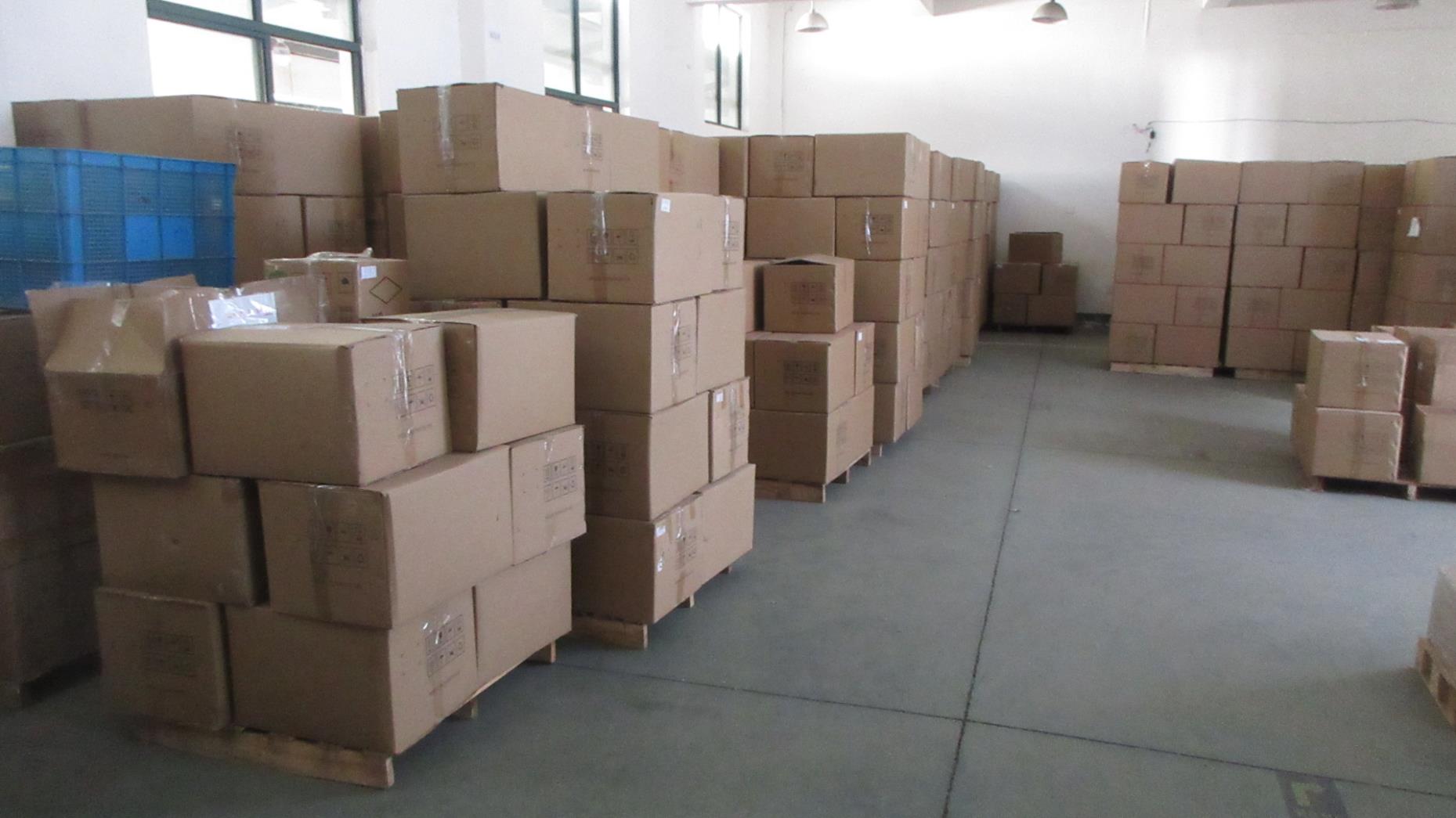
Direct sourcing provides several key advantages: cost savings through direct-from-factory pricing, customized hardware setups via OEM/ODM services, and direct access to our technical support teams. With a global distribution network of over 850 partners, we can manage high-volume international shipments while maintaining quality standards across every production run.
Our systems feature dedicated PCIe monitoring channels that communicate directly with onboard GPU controllers. Through this setup, users can track temperatures, memory usage, and power draw for each GPU card. Diagnostic data is exposed via BMC APIs, allowing tools like Grafana to display real-time performance analytics.
Yes. The management consoles can be customized to support multiple languages, making operations easier for international engineering teams. This feature is pre-loaded into the controller's flash storage, allowing local users to select their preferred language interface immediately.
Updates can be managed either locally or remotely. Critical updates can be pushed securely using Redfish endpoints, command-line interfaces, or our central management panel. Our systems feature dual-flash partitions to back up the original firmware during updates, ensuring the system remains functional even if an update is interrupted.
Select from our enterprise-grade server list, built to deliver reliable performance for storage networks, cloud applications, and high-density GPU computing.
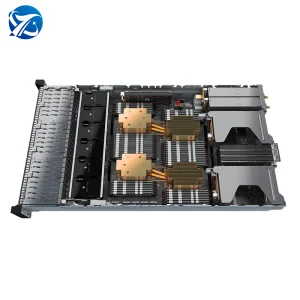
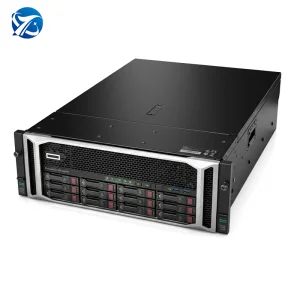
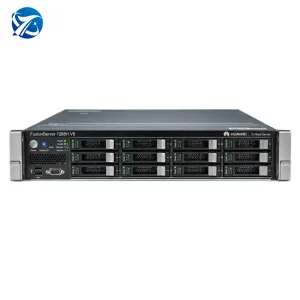
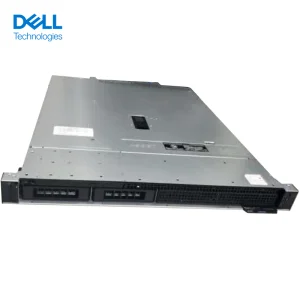

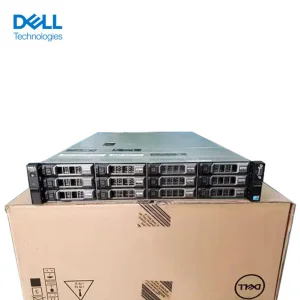
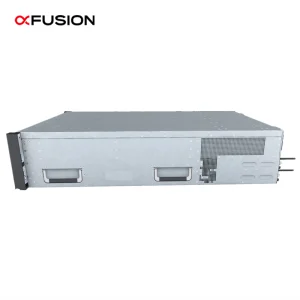
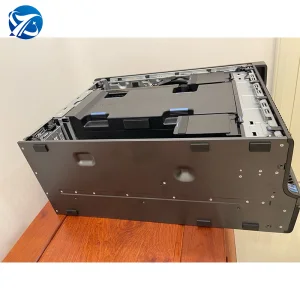
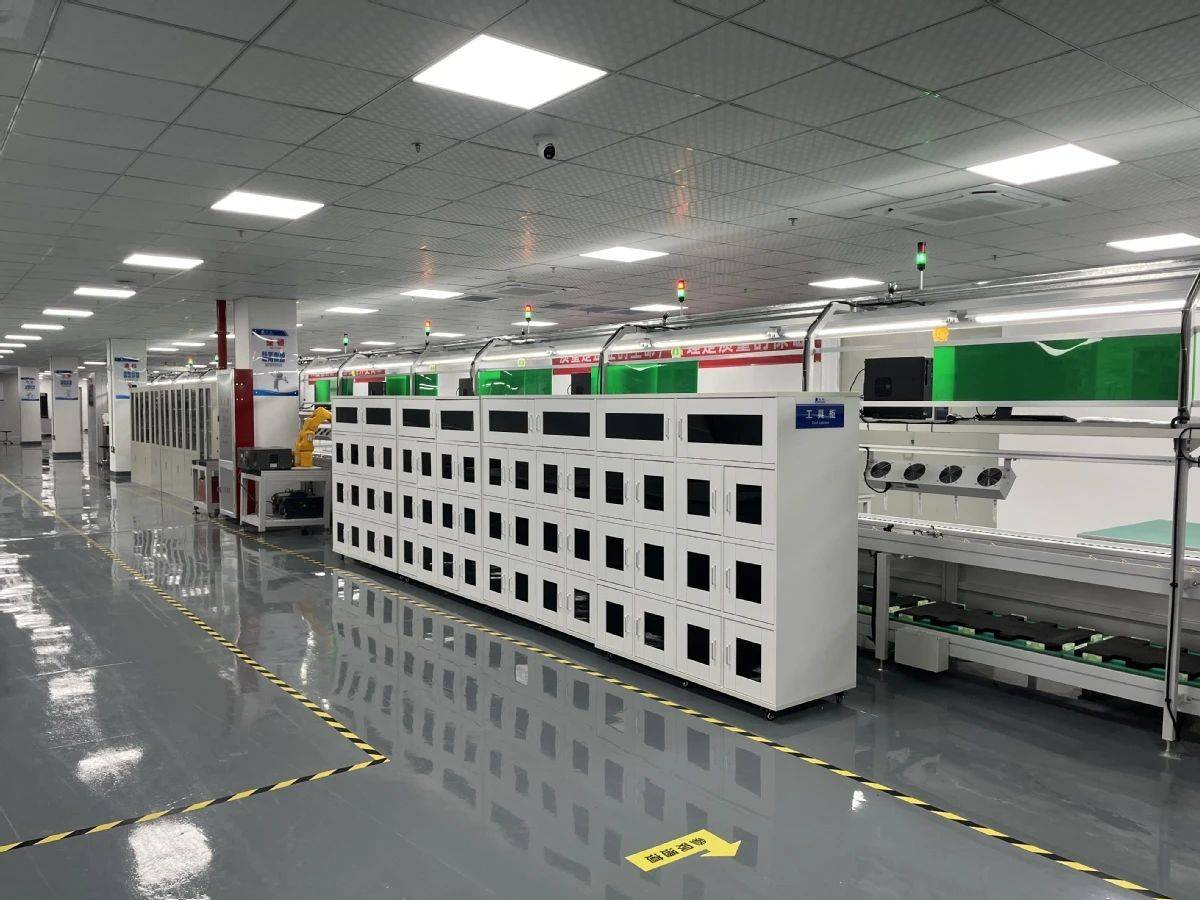
Explore our partner integration facilities, specialized hardware testing centers, and production floors where we verify system performance under heavy compute loads.