Elvantis
Elvantis
Elvantis
Premium server nodes, modular components, and deep learning compute hosts sourced directly from tier-one factories.
How developer setups and local data centers are shifting from custom tower builds to wholesale rackmounted system deployments.
Premium manufacturer specializing in high-performance AI GPU systems and scalable computing topologies.
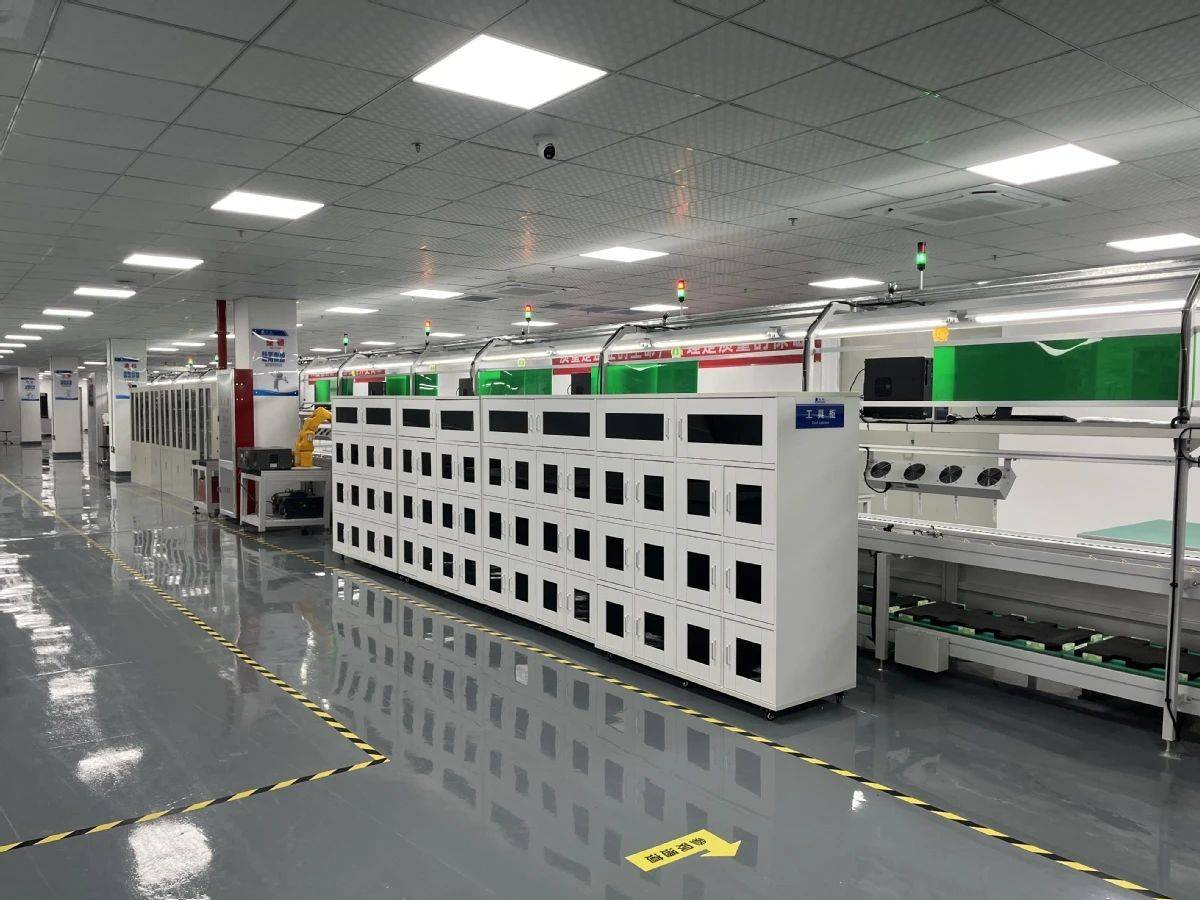
Elvantis Mesh Systems Ltd. represents the peak of high-density edge compute manufacturing. Operating a modern R&D and diagnostics facility of 380㎡, the company maintains over 10 years of industrial experience and 7 years of direct export history. By focusing on rack thermal structures, custom hardware chassis, and high-frequency trace testing, Elvantis ensures all systems withstand heavy enterprise workloads. Last year alone, they developed and launched 120 new products, confirming a rapid capability for design iterations.
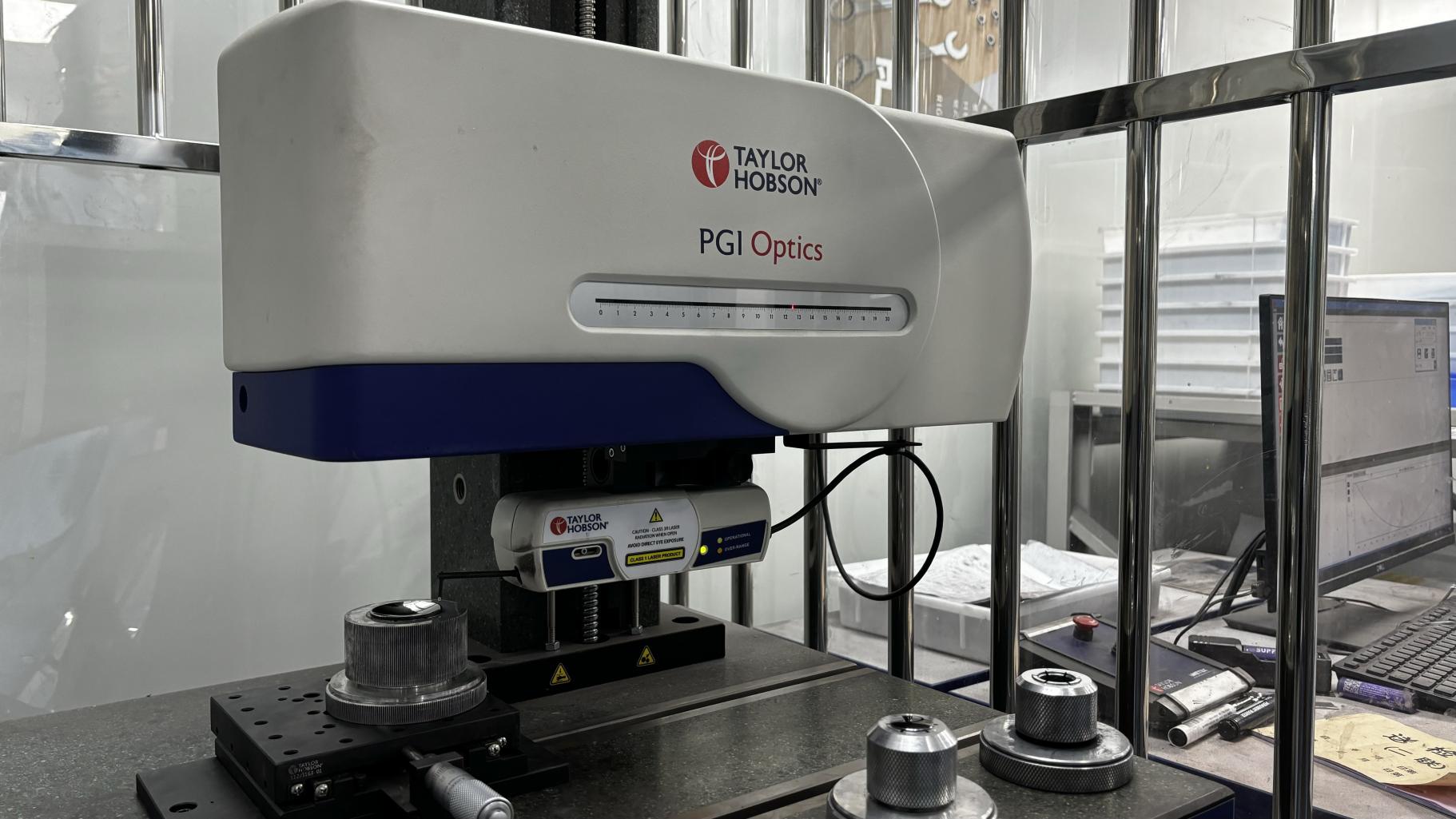
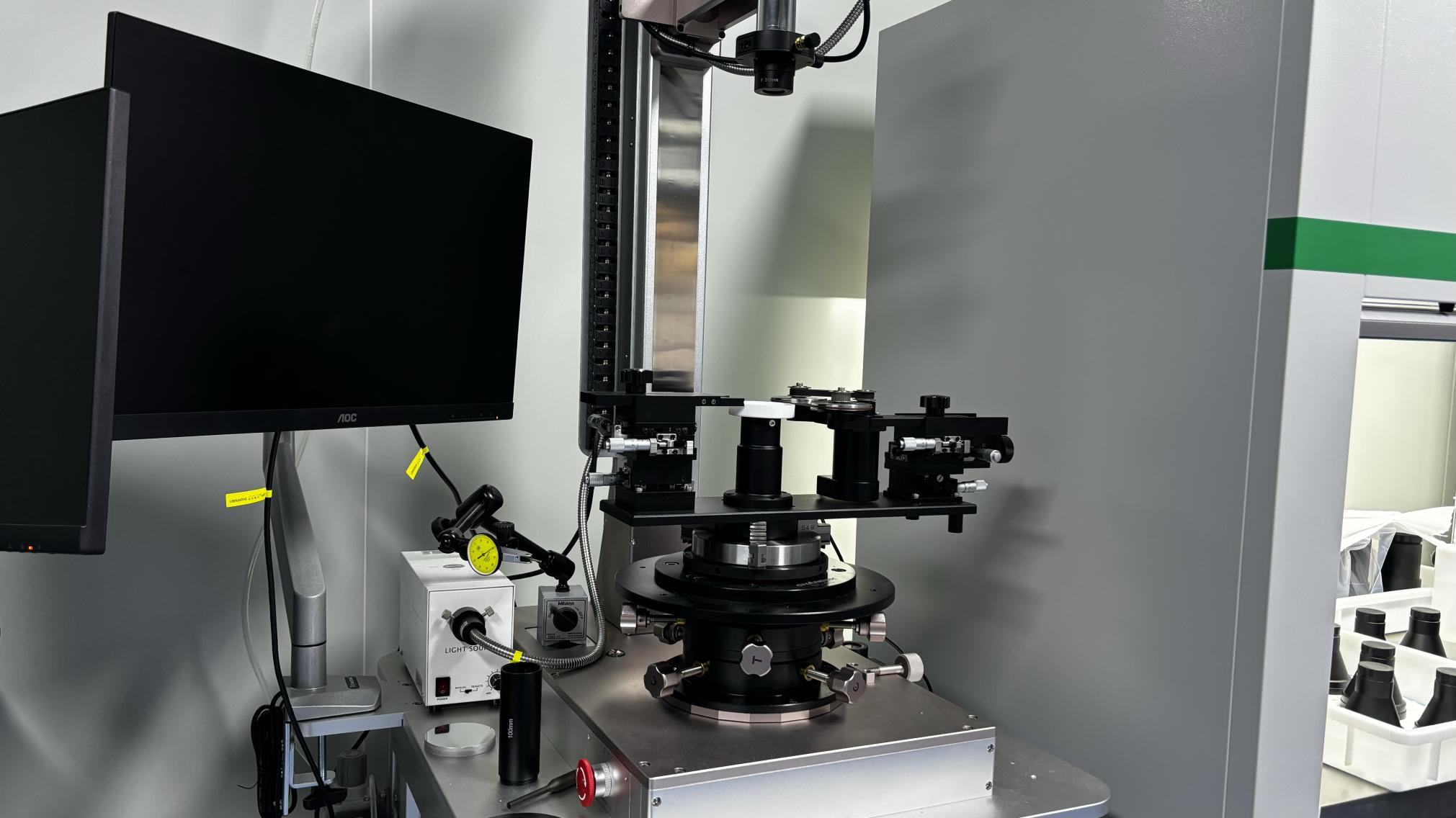
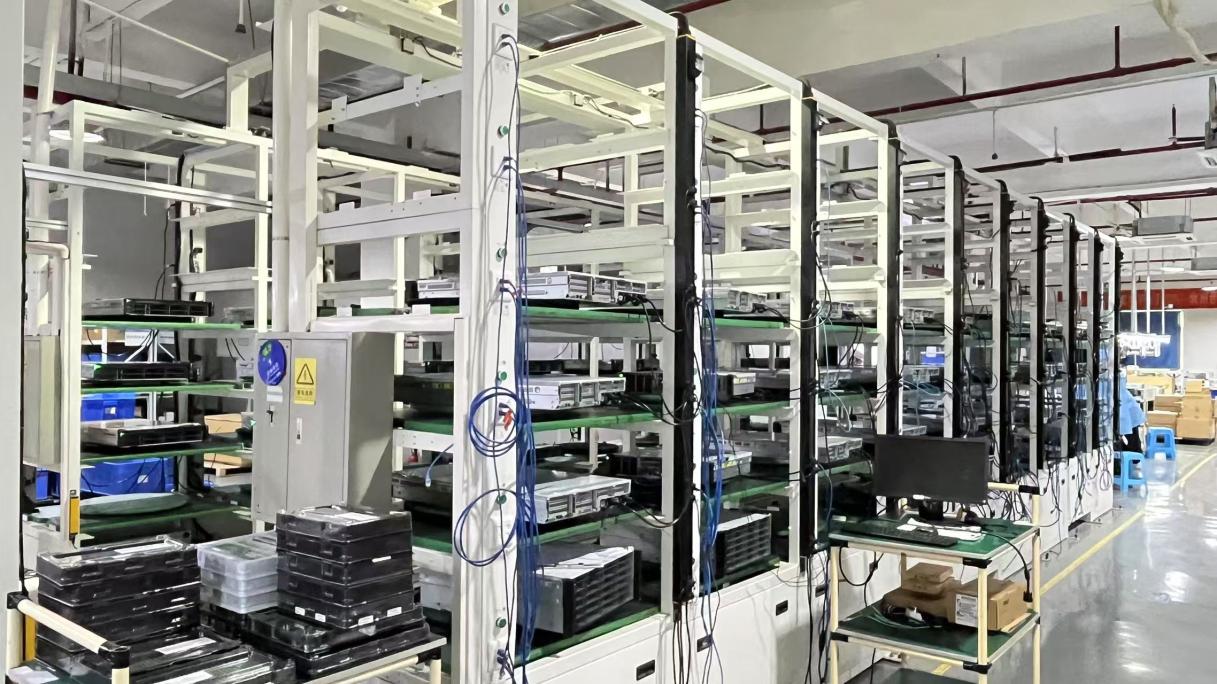
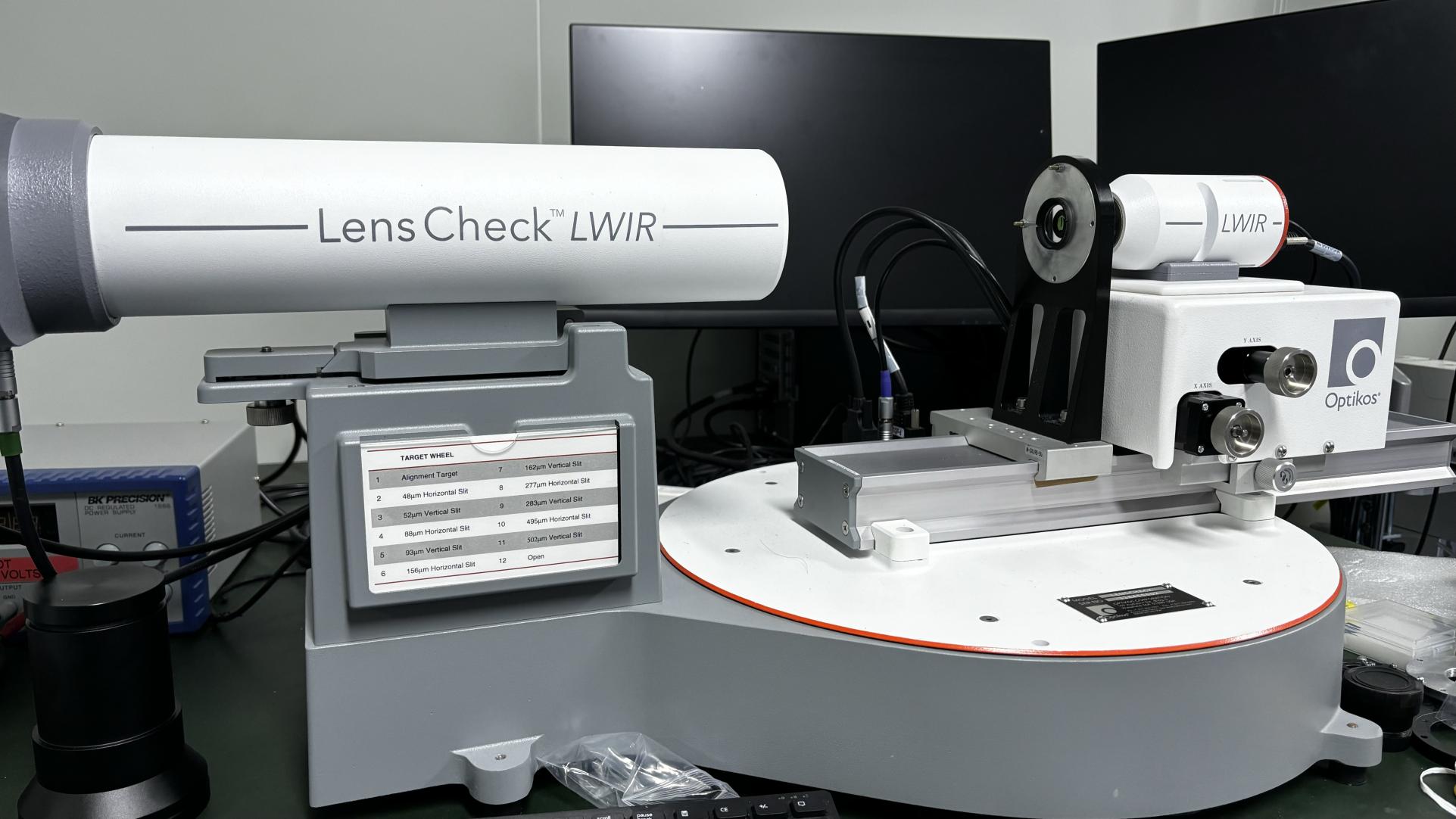
Every host shipped undergoes a rigorous multi-stage verification managed by a dedicated team of 35 QC experts. From ISO 9001 certified components to long-run stress testing under peak thermal loads, our production workflows guarantee stability. System diagnostic routines integrate automated optical inspections (AOI), high-load computational benchmarking (e.g., executing continuous neural network training runs), and comprehensive RAM loop tests to verify error-correcting codes (ECC) are fully functioning prior to packing.
Discover the structural and economic factors that make Chinese server factories the leading partners for global tech hardware.
Factories in Shenzhen and surrounding tech zones benefit from unparalleled access to hardware components. From controller cards to motherboard PCBs, chassis rails, and high-wattage power supplies, everything is sourced locally. This removes logistical overhead and reduces production cycle times for custom configurations.
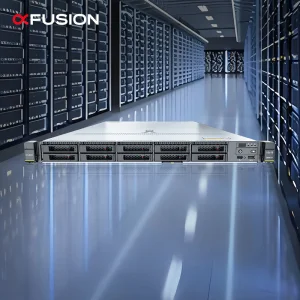
Whether configuring low-depth rack chassis (for shallow cabinets) or integrating quiet fan modules for home office environments, Chinese exporters provide rapid product customization. This includes custom BIOS settings, customized motherboard expansion layouts, and direct hardware branding.
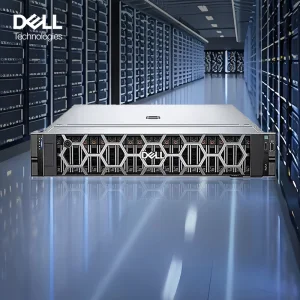
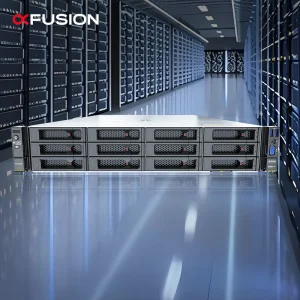
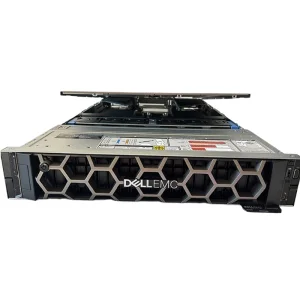
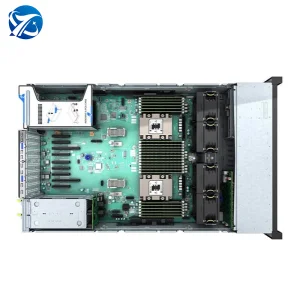
Wholesale purchasing models, direct raw component contracts, and optimized assembly pipelines significantly reduce unit costs. Homelab hobbyists and enterprise teams can acquire powerful 2U dual-socket Intel Xeon systems at a fraction of local retail costs, maximizing value per compute cycle.
A detailed look at processing cores, memory subsystems, and high-speed data planes optimized for continuous hypervisor operation.
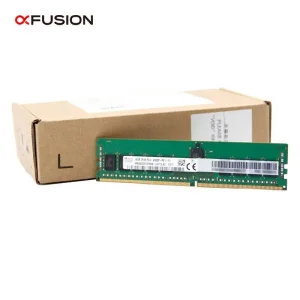
DDR4 vs. DDR5 ECC RAM: Standard systems typically lack error-correcting memory, leaving them vulnerable to bit-flips that can corrupt databases or disrupt hypervisor environments. Enterprise nodes sourced from factories utilize ECC DDR4/DDR5 systems, automatically correcting single-bit errors. This is crucial when running memory-intensive architectures like ZFS storage pools or high-density hypervisors.
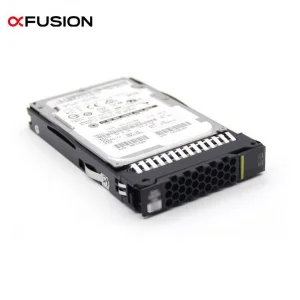
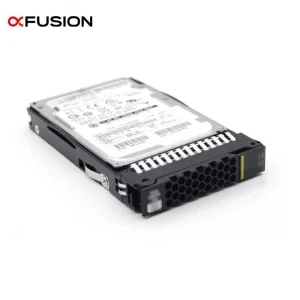
SAS vs. SATA Pipelines: While SATA hard drives offer cost-effective, high-capacity bulk storage (ideal for local media servers or NAS storage), SAS drives deliver up to 12Gb/s transfer speeds and dual-port pathways. This ensures high availability and fast speeds for active database arrays, file servers, and high-frequency applications.
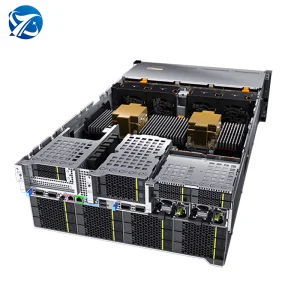
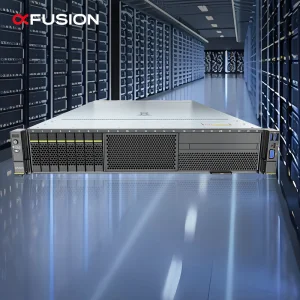
As developers transition to hosting private, offline AI assistants, home lab specifications have shifted towards GPU acceleration. Systems like the FusionServer G5500 V6 support multi-GPU additions, enabling high-performance compute capabilities right in a home office or workshop.
Running frameworks like Ollama, LocalAI, or specialized DeepSeek LLM models requires high PCIe bandwidth (PCIe Gen 4 or Gen 5 lanes) to feed model weights into GPU VRAM. Sourcing rack chassis with dedicated cooling paths and high-wattage power distribution boards ensures your AI clusters operate efficiently under sustained loads.
Safeguarding international shipping, ensuring voltage compatibility, and meeting regulatory requirements for a seamless setup.
Exporters pre-install quiet, temperature-regulated cooling fans to lower decibel levels for residential areas. They also configure BIOS settings for lower power modes, optimizing electricity use for home labs.
All shipped systems comply with key international standards (CE, FCC, RoHS, and UL guidelines). This guarantees component safety, electrical shielding, and compliance with local import regulations.
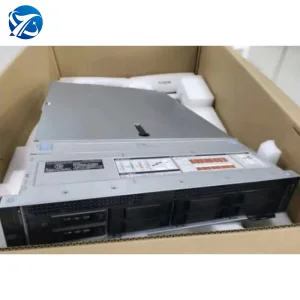
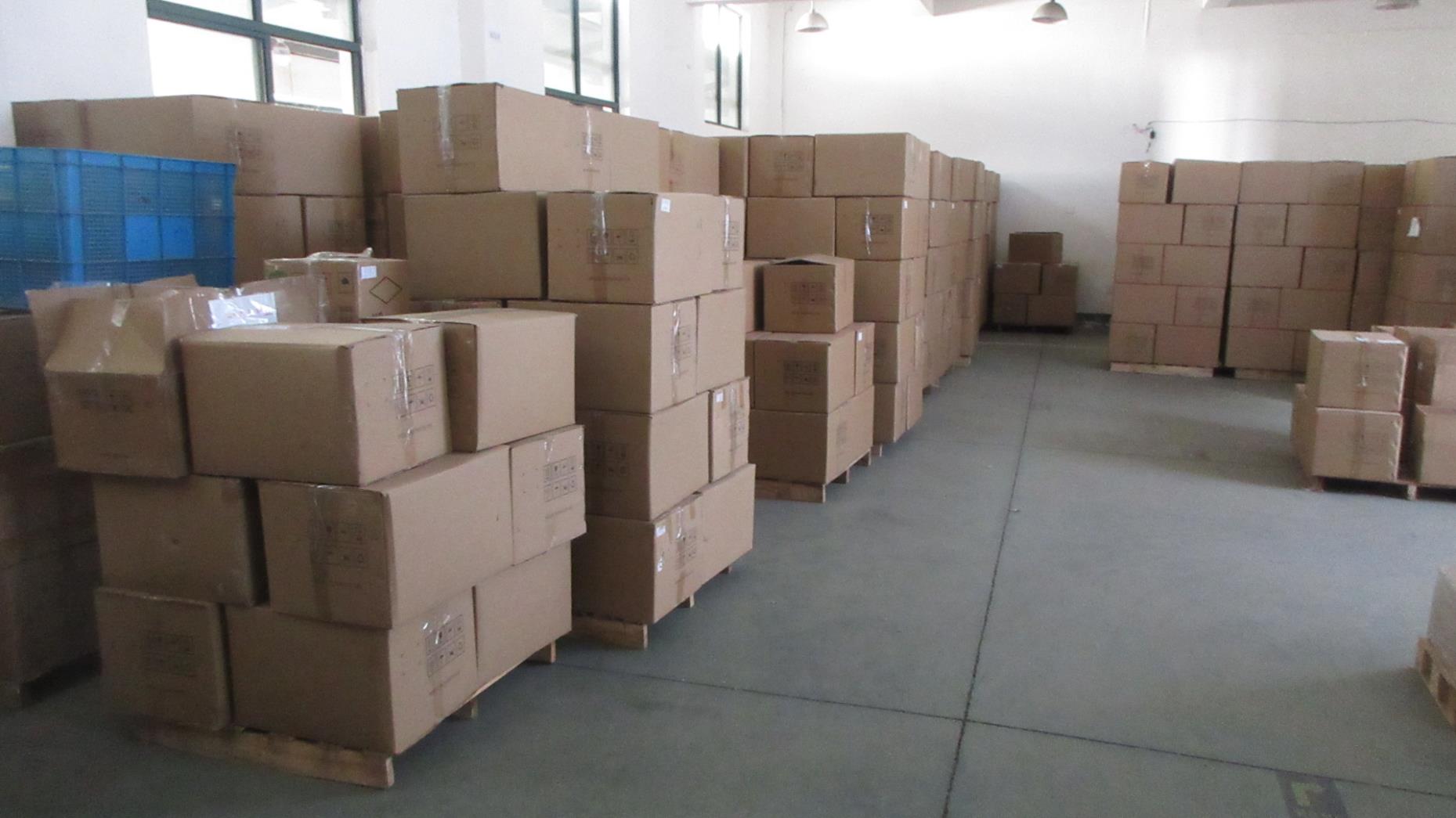
Exported servers are secured in custom, anti-static foam-molded packaging to prevent shock damage during long-distance transit. Shipments also include full tracking and customs clearance support.
Take a look inside the engineering spaces and quality assurance processes where our home lab and enterprise servers are built and tested.
Key information on customization options, international logistics, power configuration, and after-sales support.
Our wholesale structures accommodate both growing operations and larger enterprise deployments. For standard 1U/2U configurations, the MOQ starts at just one unit. For fully custom OEM designs or chassis modifications, the MOQ is typically 5 to 10 units, depending on the complexity of the changes.
We use industry-standard components (such as Intel Xeon processors, LSI/Broadcom controllers, and Intel network cards) that are widely supported by major hypervisors. Before shipping, we can pre-test systems with your preferred virtualization platform on request.
Yes. Enterprise rack units are designed for datacenter airflow and can be noisy. For home office deployments, we offer optional PWM-controlled low-noise fans and customized BIOS fan curves. This significantly reduces noise while maintaining safe operating temperatures.
We support multiple payment methods, including telegraphic transfers (T/T), L/C, and secure digital platforms. Shipping options include air freight for urgent configurations and sea or rail freight for larger, cost-sensitive orders. We handle all export paperwork and customs documentation.
Explore our full line of rackmount servers, network switches, and scalable storage options to build out your infrastructure.