Elvantis
Elvantis
Elvantis
How high-performance server architecture, real-time GPU processing, and high-throughput data distribution act as the backbone of next-generation enterprise Audio-Visual networks.
Legacy analog and direct point-to-point digital signals are obsolete. Modern AV relies on SMPTE ST 2110 and NDI architectures to distribute uncompressed multi-channel video and high-fidelity audio streams over enterprise gigabit LAN and WAN infrastructures, demanding high-speed Ethernet fabrics and robust network routers.
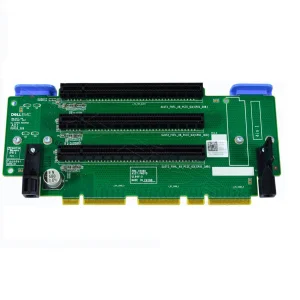
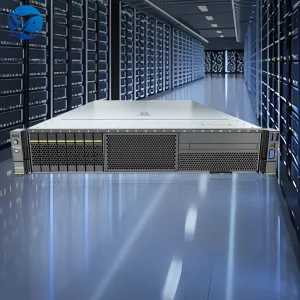
Real-time virtual production, augmented reality (AR) studio setups, and complex projection mapping demand heavy GPU capabilities. High-density rack-mount configurations house custom GPU risers and PCIe Gen4/Gen5 lanes to orchestrate pixel-dense calculations without latency.
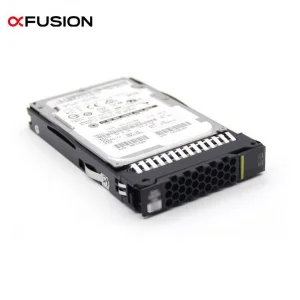
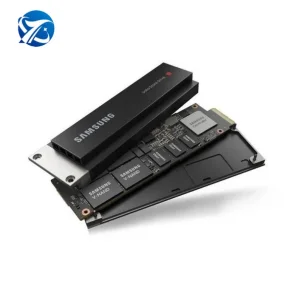
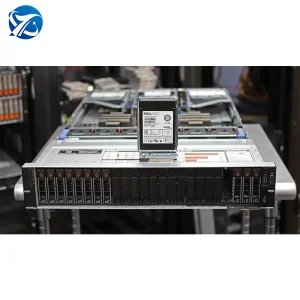
Raw 4K and 8K workflows produce massive storage footprints. AV media storage pipelines utilize hybrid architectures, blending hot-tier Enterprise NVMe SSD storage with high-capacity SATA HDD NAS arrays to ensure reliable video ingest, edit, and playout without dropped frames.
Understanding supply chains, global trade standards, and production scale of high-performance visual computing components.
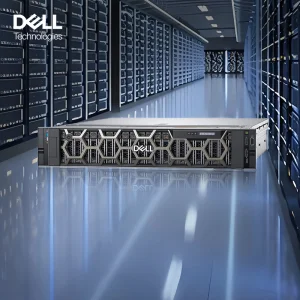
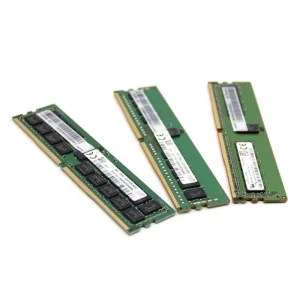
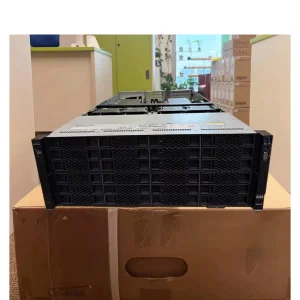
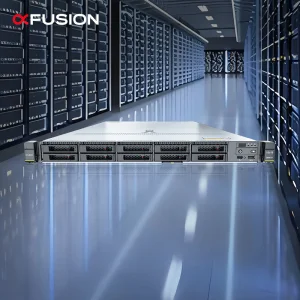
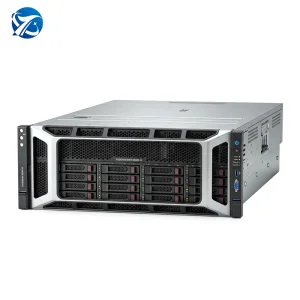
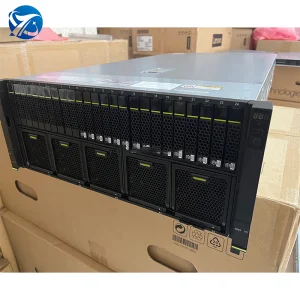
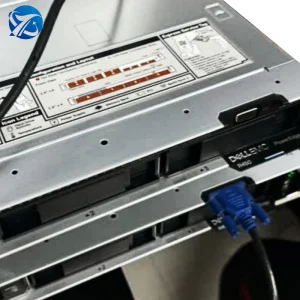
Modern enterprise audio-visual frameworks no longer run on localized media boxes. Instead, centralized high-compute server nodes handle video transcoding, AI-driven digital signage analytics, and smart space management. Leveraging modular hardware such as GPU expansion kits, high-frequency DDR4/DDR5 ECC RAM modules, and multi-socket Xeon computing blocks allows systems integrators to customize deployments from live stadiums to corporate conference centers.
As a global procurement partner, understanding manufacturer capabilities is vital for supply chain planning. Elvantis Mesh Systems ensures hardware compatibility through strict verification checks. With redundant component design, rigorous thermal stress testing, and component standardization, we support system operators across North America, Europe, and the Middle East in avoiding single-points-of-failure in live broadcast operations.
Pioneering high-density processing infrastructure and enterprise computing components for international systems integrators.
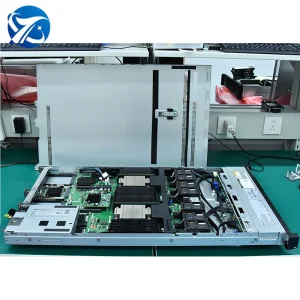
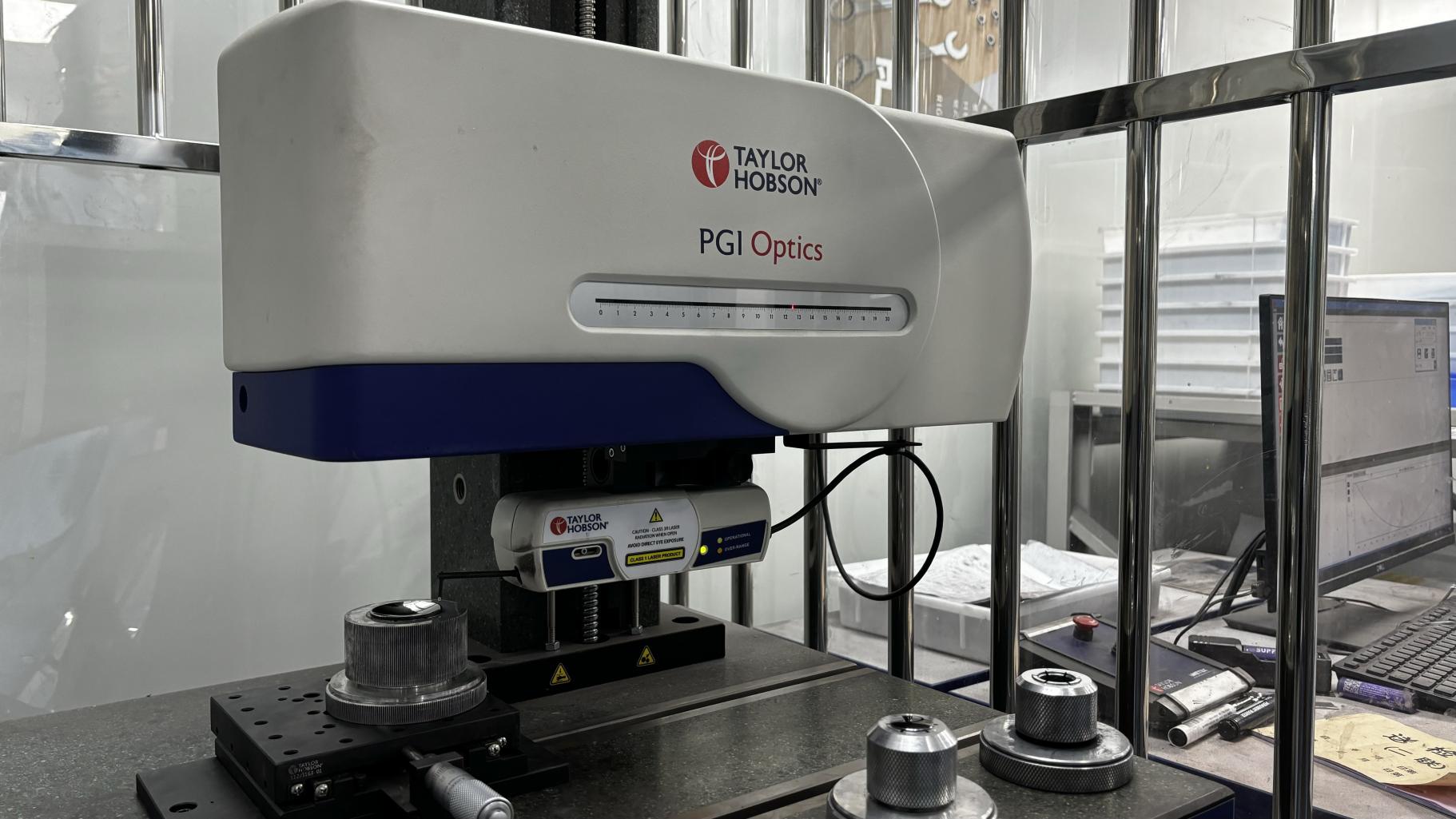
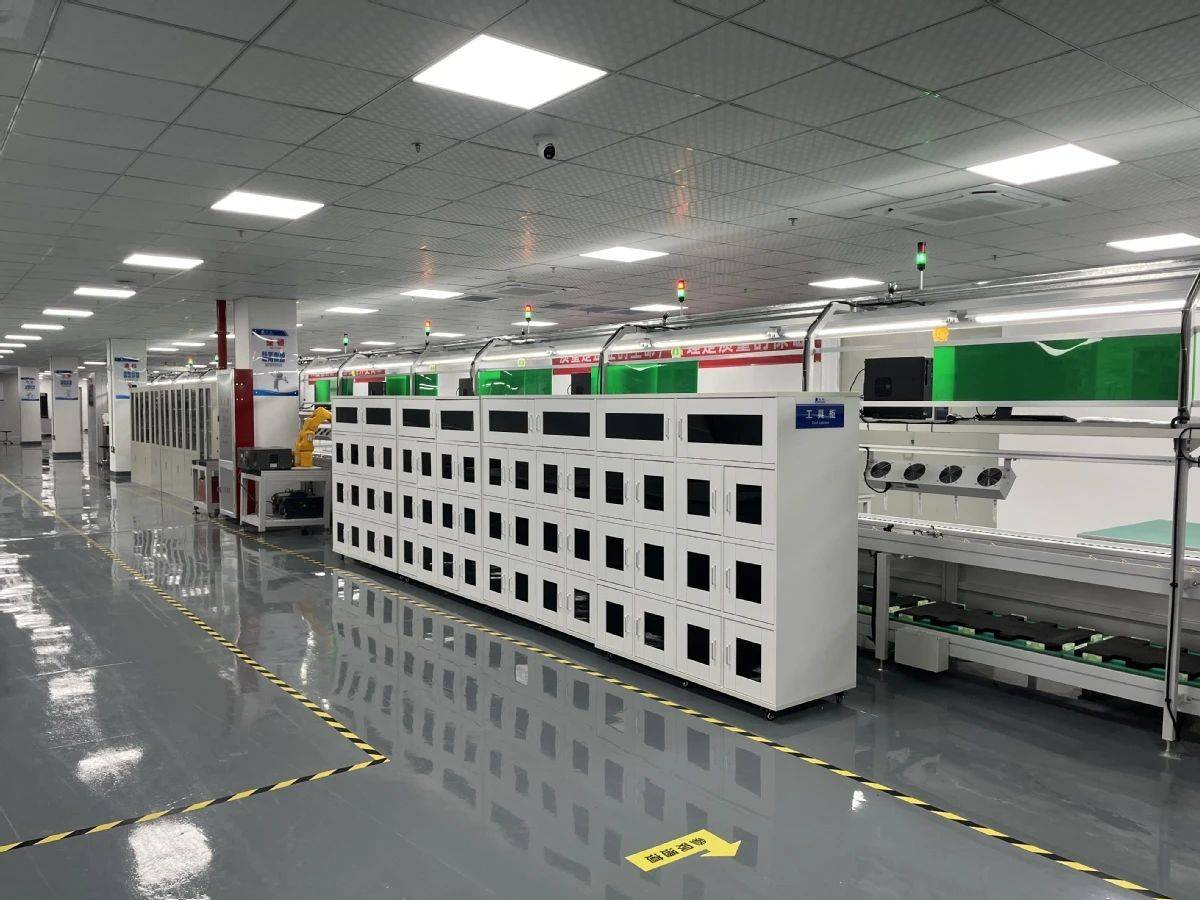
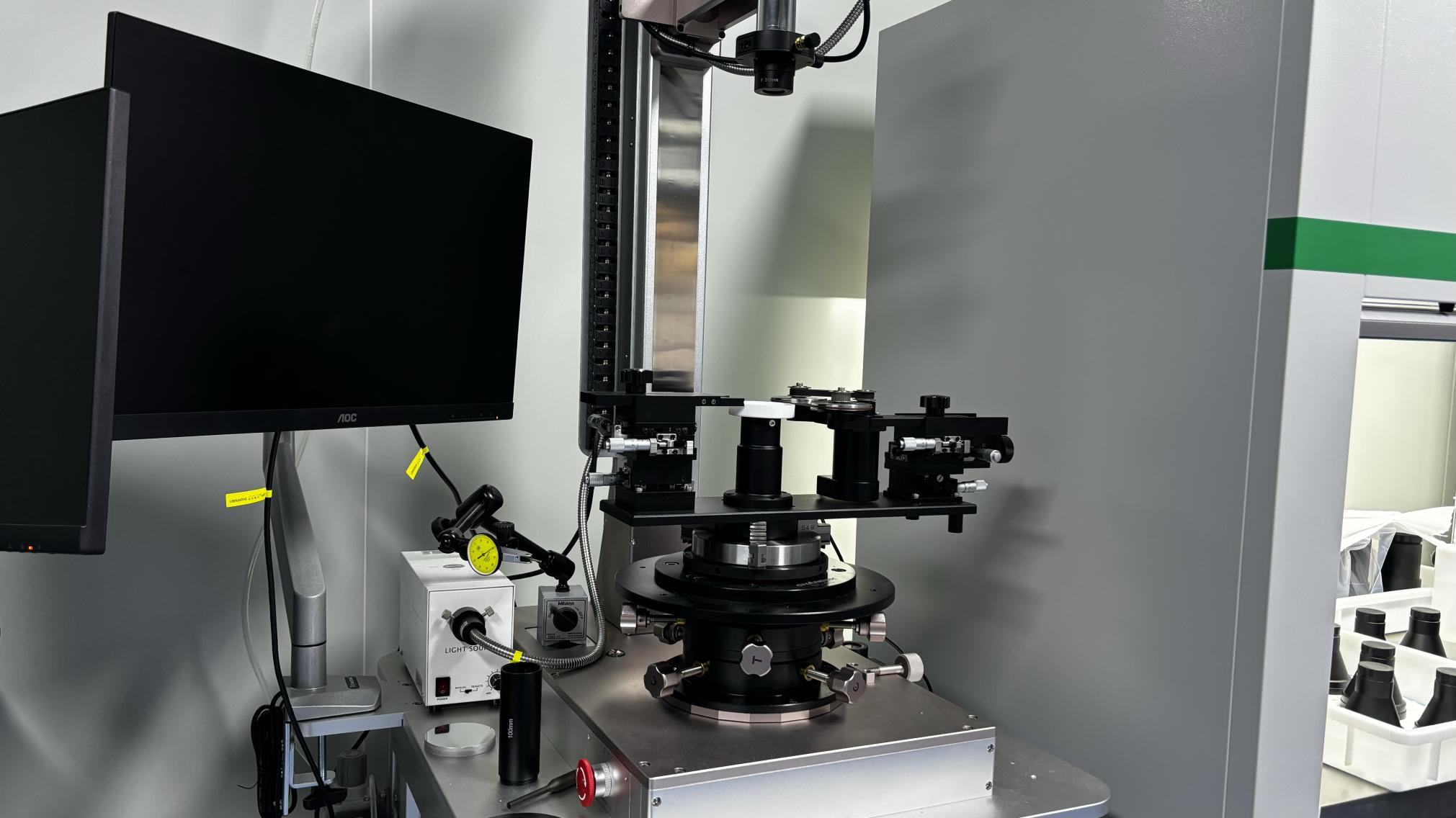
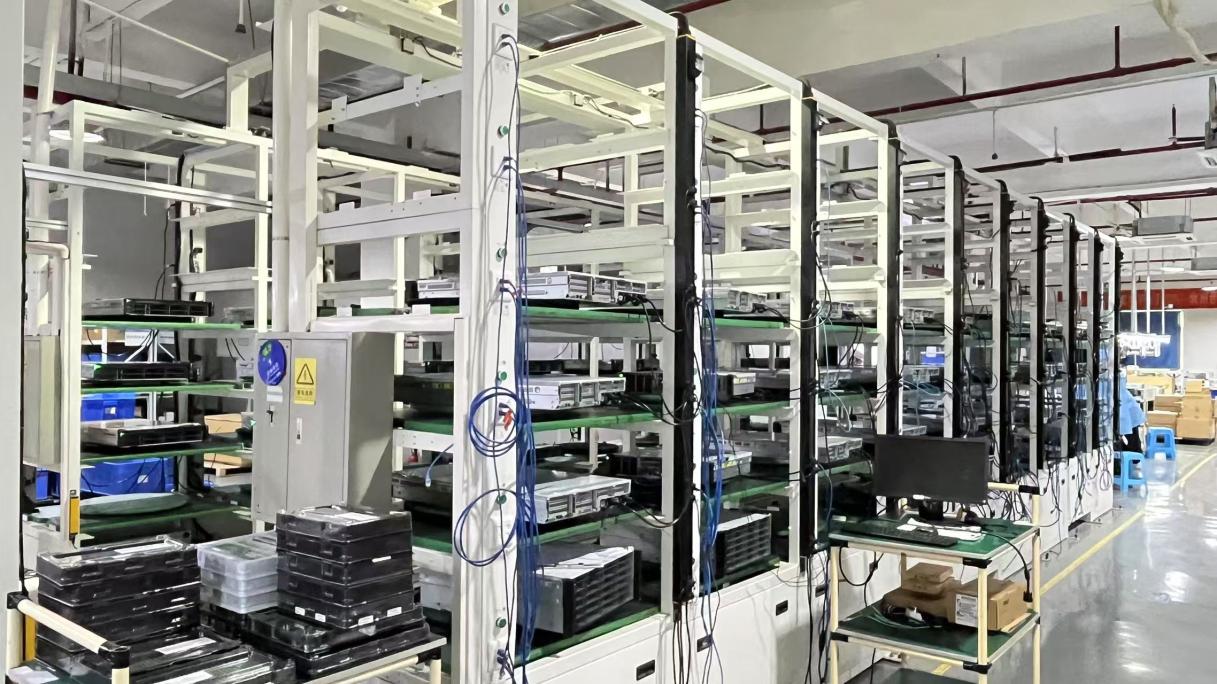
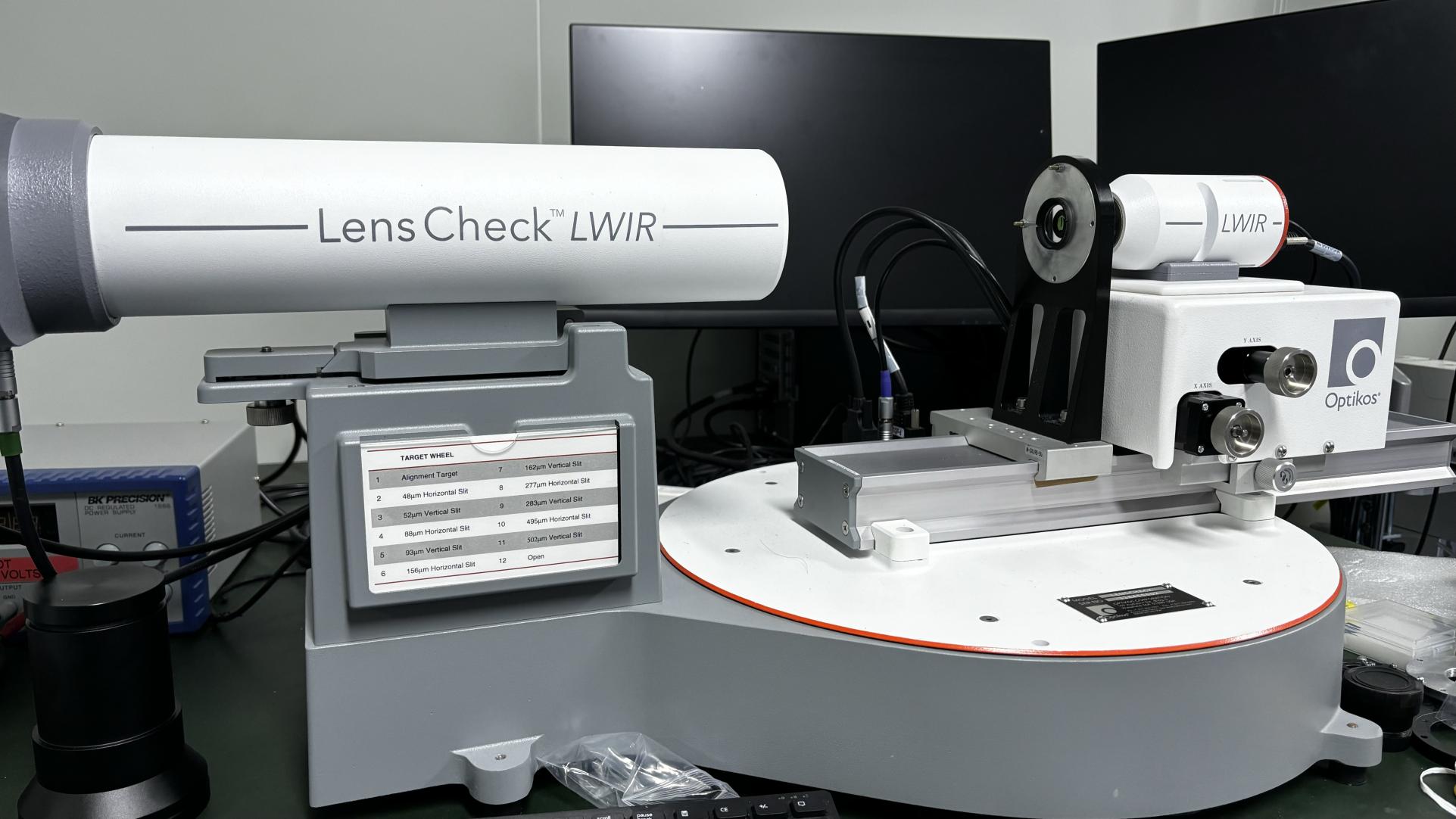
Our dedicated group of 35 QC professionals manages a strict validation pipeline. We conduct Automated Optical Inspections (AOI), full hardware system diagnostics, thermal cycling tests, and extended burn-in cycles under extreme workloads to guarantee zero out-of-box failures in critical settings.
We offer deep integration options, from thermal layout design for high-performance servers to custom bios, custom GPU layouts (PCIe riser cards), and multi-terabyte SSD RAID storage configuration. With over 120 new products designed and iterated annually, we quickly adapt to the evolving demands of enterprise AV-over-IP and server computing.
Where high-performance server hardware meets the requirements of complex media installations.
Powering real-time LED wall backgrounds using cluster-nodes built with high-throughput processors and advanced GPU risers, ensuring seamless synchronization with zero camera tracking latency.
Deploying G5200 Series AI inference servers to scan thousands of video input feeds for security and operational monitoring in smart cities and major transport hubs.
Running core visualization software across multi-socket workstation servers to distribute multi-screen operator consoles and coordinate emergency response protocols.
The shift toward high-performance computing, liquid cooling, and AI-accelerated workflows.
As GPU and CPU thermal footprints grow, server design is shifting from standard air cooling to liquid-to-air cooling options. Keeping hardware within safe thermal envelopes ensures reliable operation in demanding AV workloads, such as live multi-angle streaming and real-time rendering.
The integration of DeepSeek and local LLM architectures into video delivery pipelines enables real-time captioning, automated video editing, metadata tagging, and adaptive translation. High-density GPU configurations, backed by robust PCIe riser kits, provide the compute required to process these workflows at the network edge.
Ensuring hardware imports meet regional safety, radiation, and environmental guidelines.
All shipped server architectures, power supplies, and storage systems meet FCC Part 15 subpart B standards and are certified for UL-62368 safety rules.
✓ UL & FCC CertifiedCompliant with CE marking requirements, EN55032 EMC regulations, and the RoHS directive to limit hazardous materials in electronic assemblies.
✓ CE & RoHS CompliantAdhering to regional standards including CB schemes, Saudi SASO, and local customs regulations for streamlined import processing.
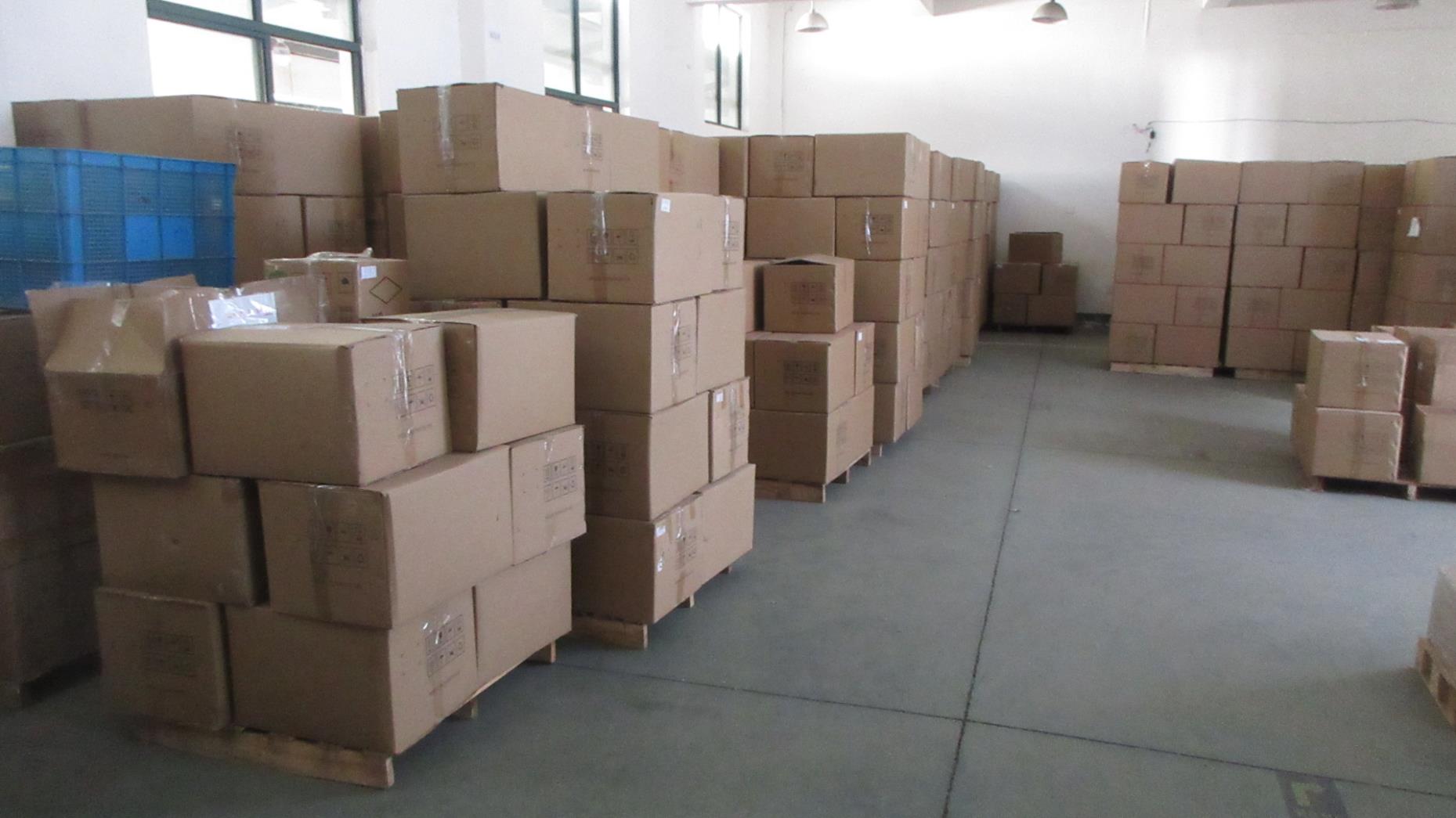
✓ CB Standard & SASO AlignedQuality assurance and assembly processes at our 380m² facility.
Answers to technical and commercial queries for hardware systems integrators.