Elvantis
Elvantis
Elvantis
Premium 1U, 2U, 4U, and High-Density Multi-Socket Rack Servers Designed for AI Training and Data Center Scaling
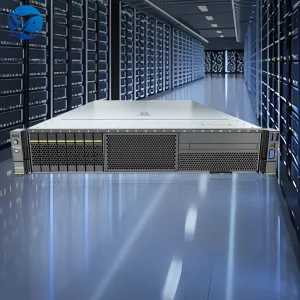
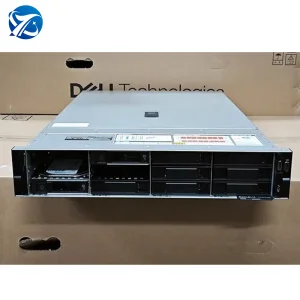
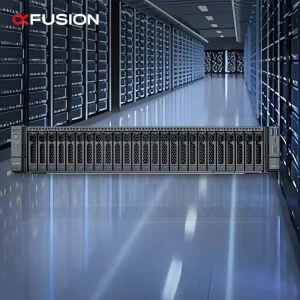
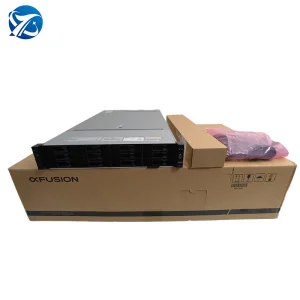
Analyzing Hardware Topologies, Power Dynamics, and Thermal Layouts for AI & HPC Infrastructure
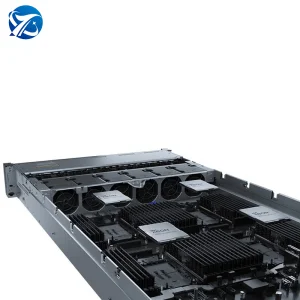
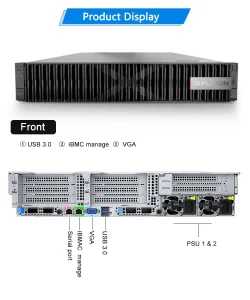
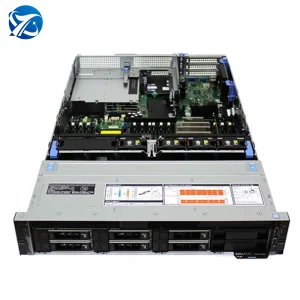
In the modern enterprise landscape, processing capacity is no longer restricted by basic CPU capabilities. As artificial intelligence models scale exponentially, data centers face structural bottlenecks. High-density rack configurations, particularly 6U Rack Servers and multi-GPU systems, have emerged as the standard architecture for modern workloads. By utilizing a 6U form factor, system designers can optimize thermal airflow, power bus distribution, and physical space to host multi-accelerator GPU configurations, liquid cooling manifolds, and enterprise storage arrays in a single chassis.
Unlike standard 1U or 2U compute modules, which struggle under the thermal loads of multiple high-wattage components, 6U rack server enclosures provide the spatial volume necessary to separate critical system subsystems. A typical 6U server layout is divided into three thermal zones:
"For modern training of LLMs, such as DeepSeek 671B configurations, standard 2U layouts present significant cooling and PCIe lane constraints. Transitioning to specialized high-density rack infrastructures allows for optimal PCIe topology without signal degradation."
6U rack servers are utilized in specific high-compute enterprise scenarios where operational reliability is critical:
Used for running large-scale LLM training and high-concurrency inference pipelines (e.g., DeepSeek architecture) directly on bare-metal systems with unified high-speed interconnects.
Ideal for molecular dynamics modeling, aerodynamic simulations, and complex financial analysis that require intense parallel computing workloads.
Enables hyper-converged infrastructure deployments where computing power, high-speed NVMe storage, and networking are integrated into a single chassis.
At high system densities, power consumption per rack can exceed 30kW. Standard air-cooling methods must be optimized through advanced thermodynamic design, including custom aluminum or copper heatsinks, vapor chambers, and dedicated fan speed controllers. However, for systems handling multiple accelerators, hybrid liquid cooling systems (utilizing direct-to-chip water blocks and external cooling manifolds) are increasingly preferred. This approach lowers the Power Usage Effectiveness (PUE) of data centers to under 1.15, meeting strict international environmental and energy efficiency regulations.
| System Metric | Standard Air-Cooled 6U Server | Liquid-to-Air Hybrid 6U Server | Direct Liquid Cooled (DLC) Chassis |
|---|---|---|---|
| Max TDP Capacity per Node | Up to 450W per Processor / GPU | Up to 700W per Accelerator | Exceeding 1000W per Compute Core |
| Thermal Resistance (Rca) | ~0.12 °C/W | ~0.08 °C/W | < 0.04 °C/W |
| Typical Operational PUE | 1.35 - 1.50 | 1.20 - 1.30 | 1.08 - 1.15 |
| Acoustic Footprint | High (>85 dBA under load) | Moderate (<70 dBA) | Low (<55 dBA at cooling unit) |
Verified Technical Strength, Industry Experience, and International Logistics Infrastructure
In the high-performance hardware market, supply chain continuity is as critical as technical specifications. Established in 2016, Elvantis Mesh Systems Ltd. serves as a reliable manufacturing and R&D partner, specializing in scalable AI GPU servers and high-density computing infrastructure. Over a decade of industry development, Elvantis has built a network of approximately 850 cooperative partners, securing access to rare raw materials, system board components, and structural steel chassis fabrics.
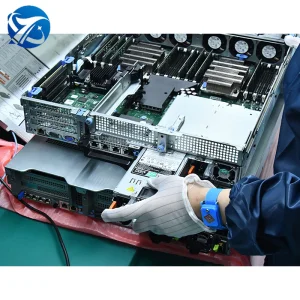
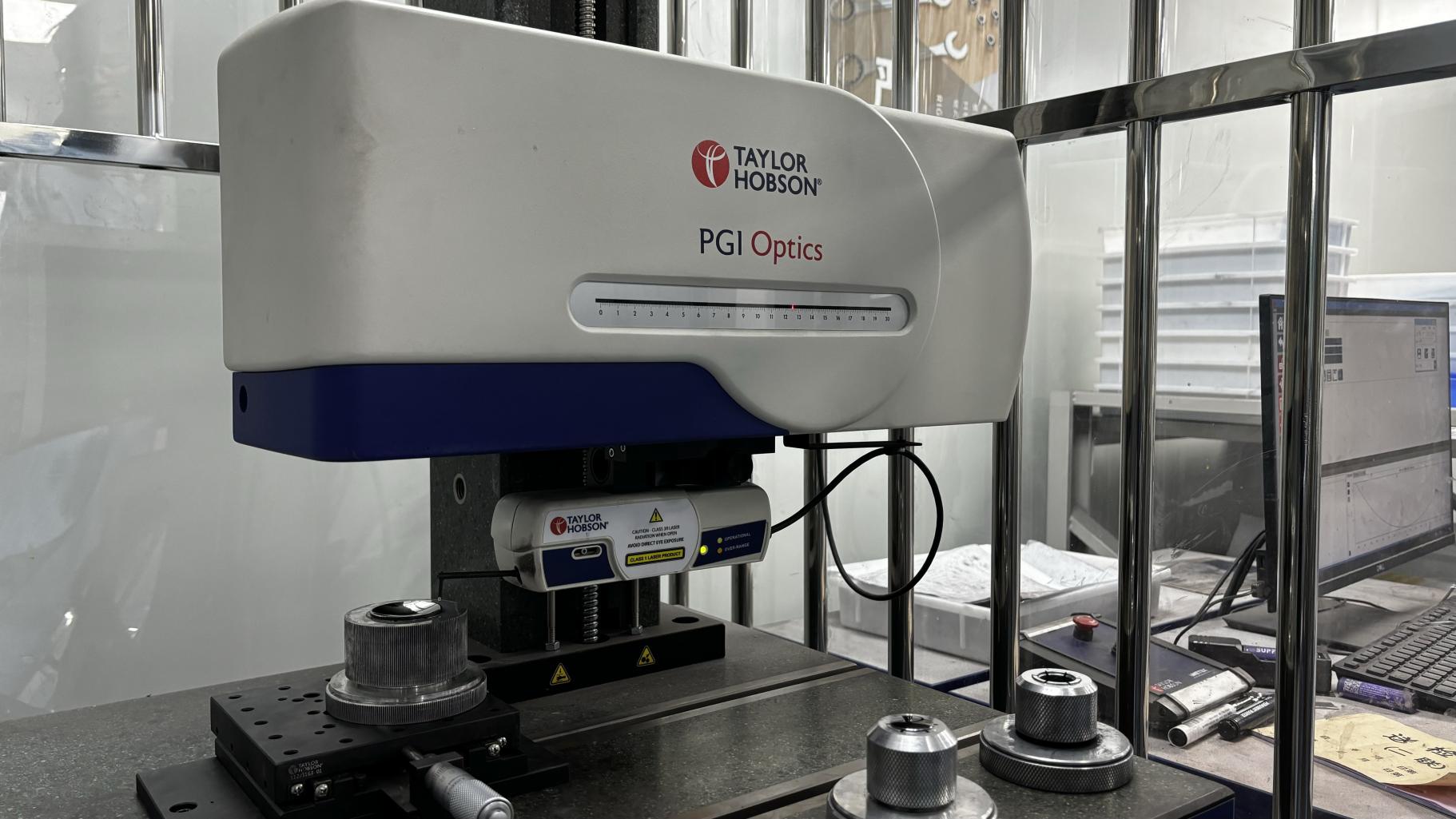
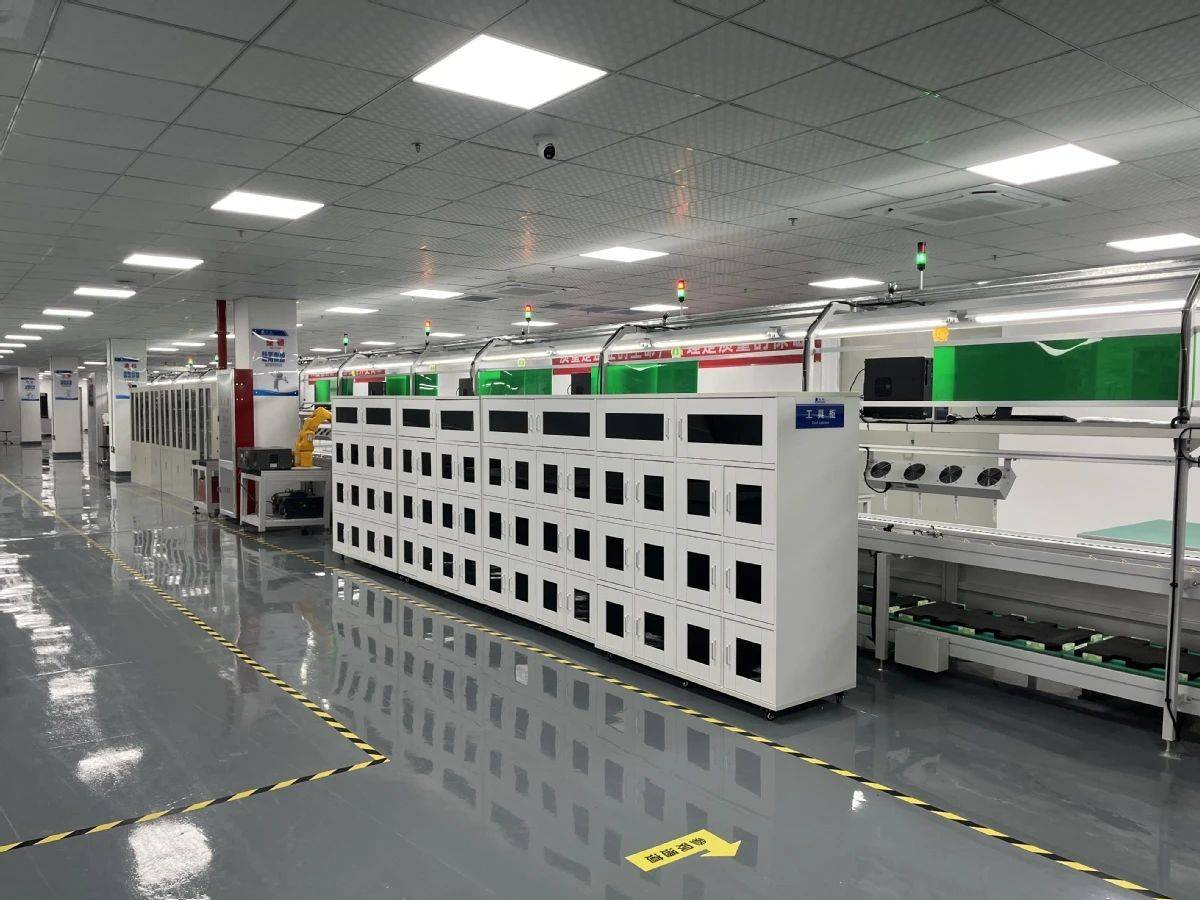
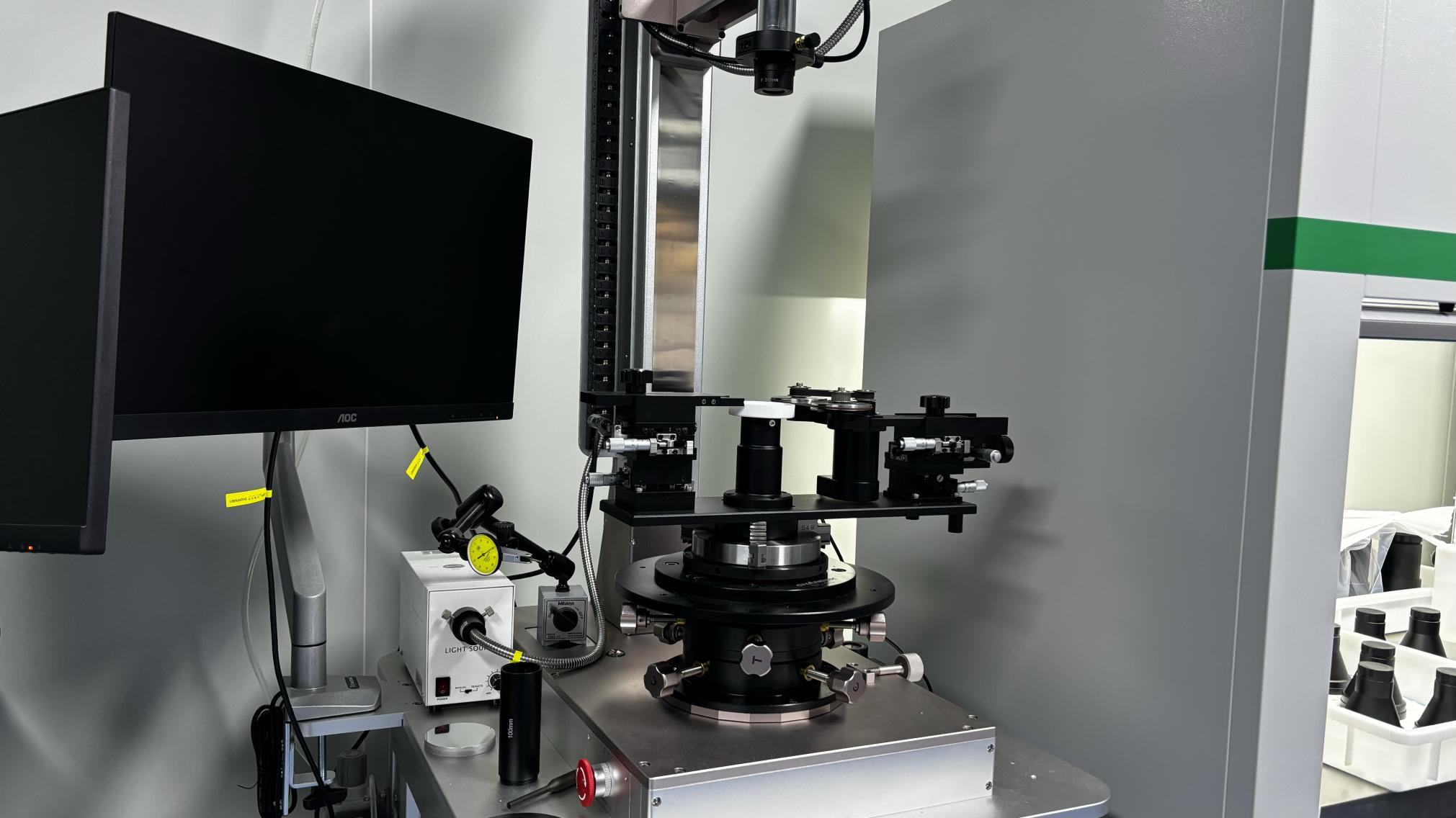
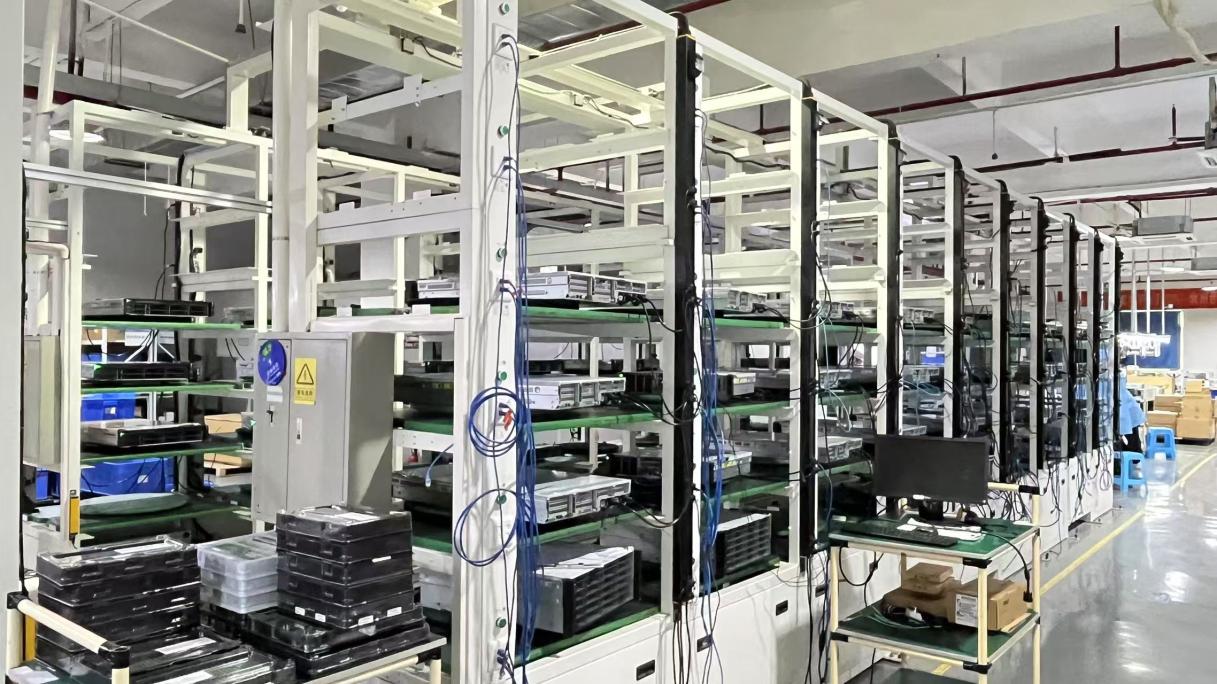
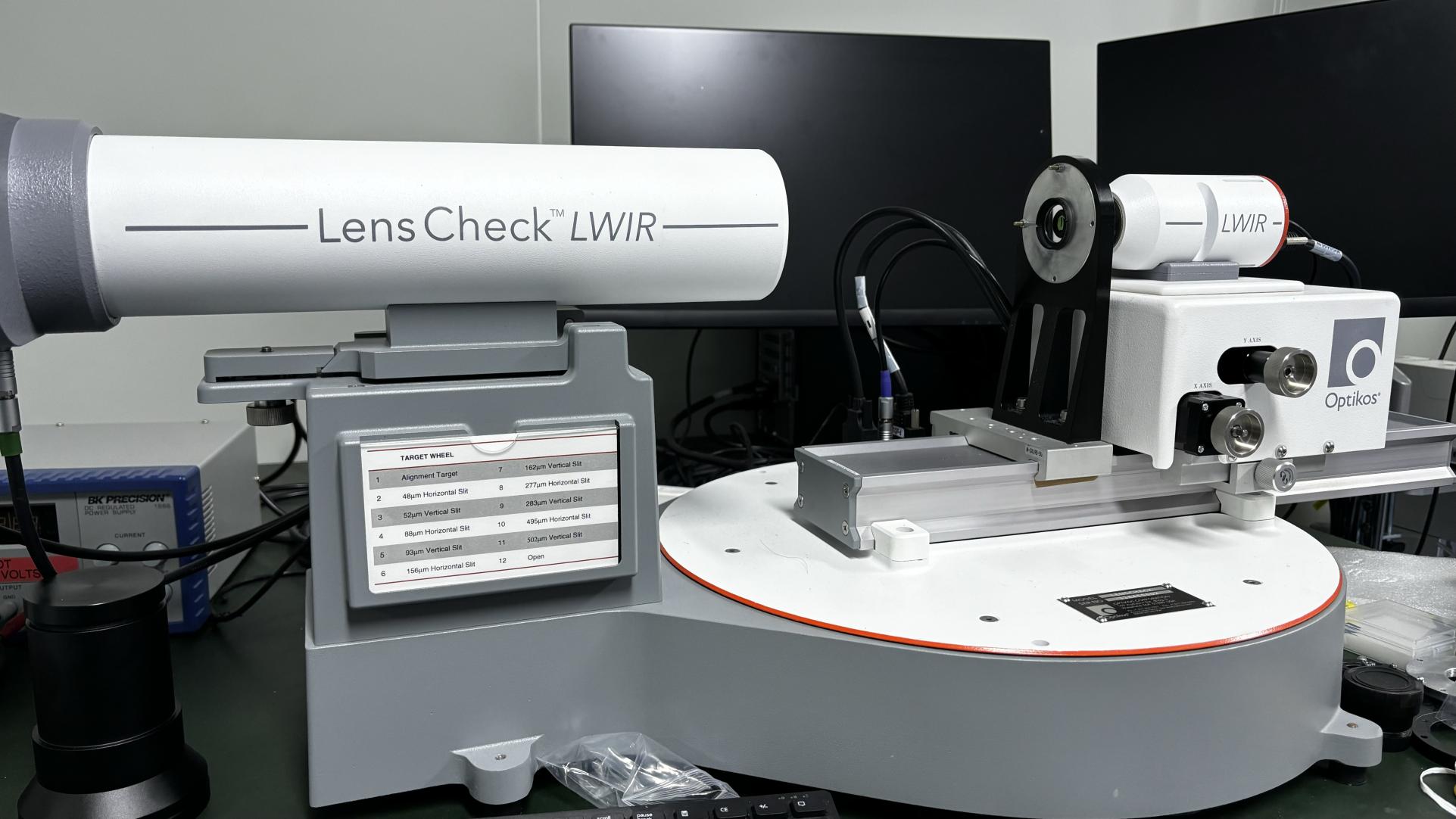
Operating a specialized facility with integrated testing units, Elvantis relies on a team of 180 engineers and technical staff to drive product development. This team launched 120 new products over the past fiscal year, enabling rapid updates to match the lifecycles of major chipset manufacturers. With a team of 35 dedicated QC professionals, Elvantis runs strict hardware diagnostic procedures, automated optical inspections (AOI), and full-system stress tests before export.
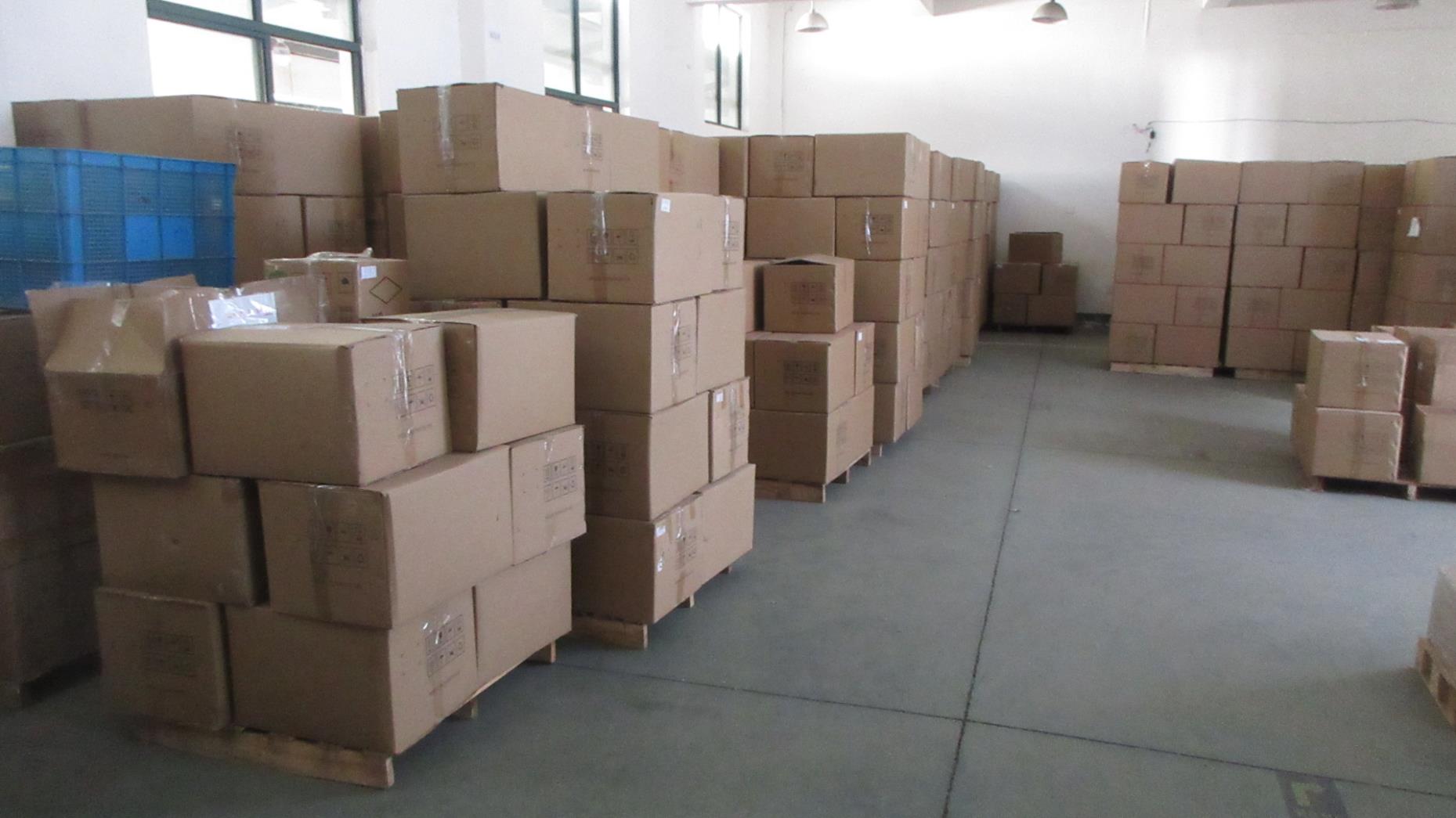
Here is an overview of our state-of-the-art laboratory, manufacturing assemblies, and testing processes:
As server architectures transition from PCIe Gen 5 to Gen 6, and eventually Gen 7, signal integrity is a key focus. High-density servers require shorter traces to prevent packet loss and signal degradation. Elvantis is actively addressing this by integrating retimer chips directly onto host channel adapters and using high-grade, low-loss PCB substrates.
Furthermore, the integration of Compute Express Link (CXL 3.0) technology allows for shared pools of memory across multiple compute nodes. This enables 6U servers to access memory pools directly over high-speed optical fabrics, reducing latencies in databases and distributed applications. Our upcoming designs incorporate dedicated CXL routing planes, preparing systems for future requirements in high-density computing environments.
Deploying high-performance computing hardware globally requires strict compliance with international standards. Elvantis maintains certifications including CE, FCC, RoHS, and UL, ensuring seamless integration into enterprise data centers in North America, Europe, the Middle East, and Southeast Asia. With approximately 7 years of export experience, Elvantis supports global deliveries through secure, custom wooden crating and shipping methods designed for sensitive electronic systems.
We provide localized technical assistance through global service contracts, offering on-site parts replacement and remote IPMI/BMC diagnostic support. Our engineers can also customize BIOS and BMC firmware configurations to align with specific network security frameworks, providing a reliable foundation for enterprise systems.
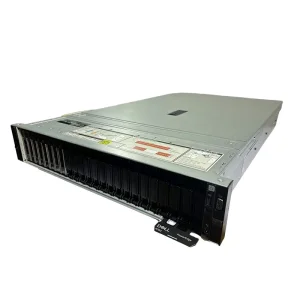
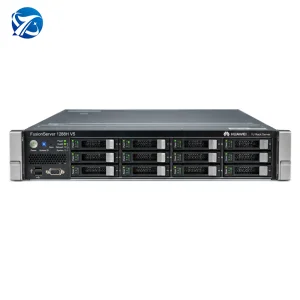
Highly Configurable Multi-Socket Processors, Network Storage Servers, and Expansion Cards
Detailed Answers Concerning Specifications, OEM Customization, and Wholesale Shipments