Elvantis
Elvantis
Elvantis
Robust cloud backend infrastructure supporting real-time data ingestion, high-speed routing, and telemetry database arrays for worldwide logistics deployment.
Modern commercial fleet operations and intelligent transportation systems (ITS) require high-fidelity telemetry collection at the vehicle level combined with low-latency computing backbones in data centers. As a prominent China Telematics Equipment Supplier and Exporter, we bridge the gap between robust vehicular hardware (T-Boxes, OBD-II interfaces, IP67-rated fleet gateways) and high-density, AI-ready data infrastructure.
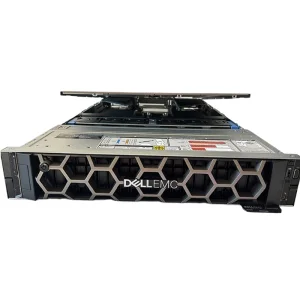
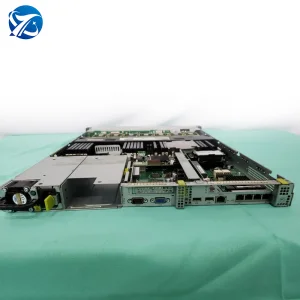
With processing requirements escalating due to massive influxes of dynamic vehicle data—ranging from CAN-bus telemetrics to real-time ADAS video feeds—fleets can no longer rely on lightweight cloud microservices alone. Our hardware catalog comprises edge-ready telematics controllers along with top-tier 2U rack servers, enterprise RAID controllers, and specialized GPU machines configured to compute models like DeepSeek, ensuring your organization possesses both high-efficiency data collection devices and the compute capacity to parse them instantly.
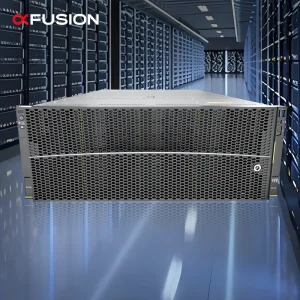
By combining heavy computational capacity (e.g., enterprise xFusion and Dell platforms) with localized vehicular sensor arrays, global operators minimize telemetry dropouts, reduce dynamic latency from 500ms down to sub-10ms, and maintain end-to-end data integrity over cellular LTE/5G and satellite redundancies.
Elvantis Mesh Systems Ltd. (elvantismesh.com) is built on engineering precision, scale, and high-density computing production capabilities.
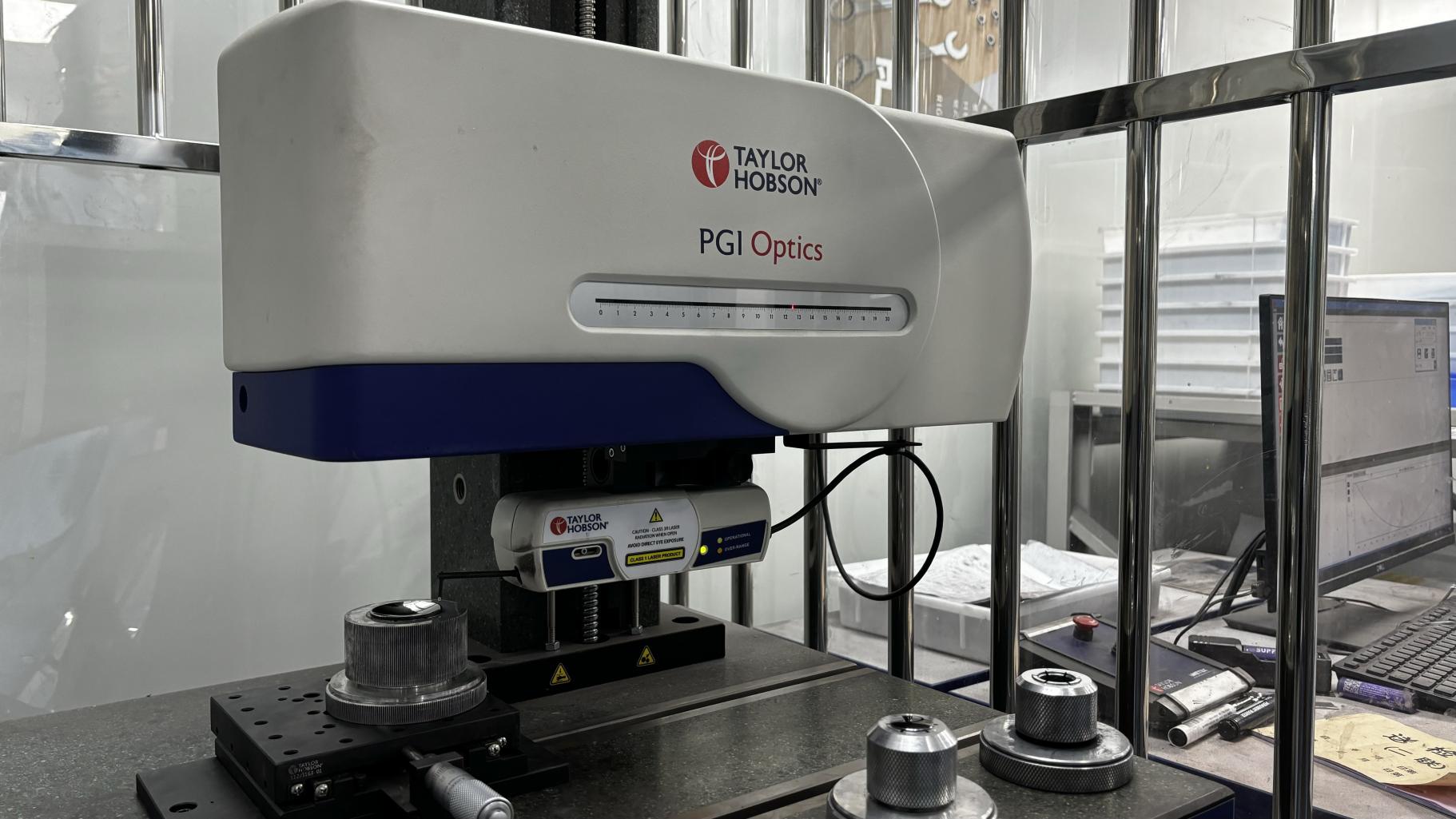
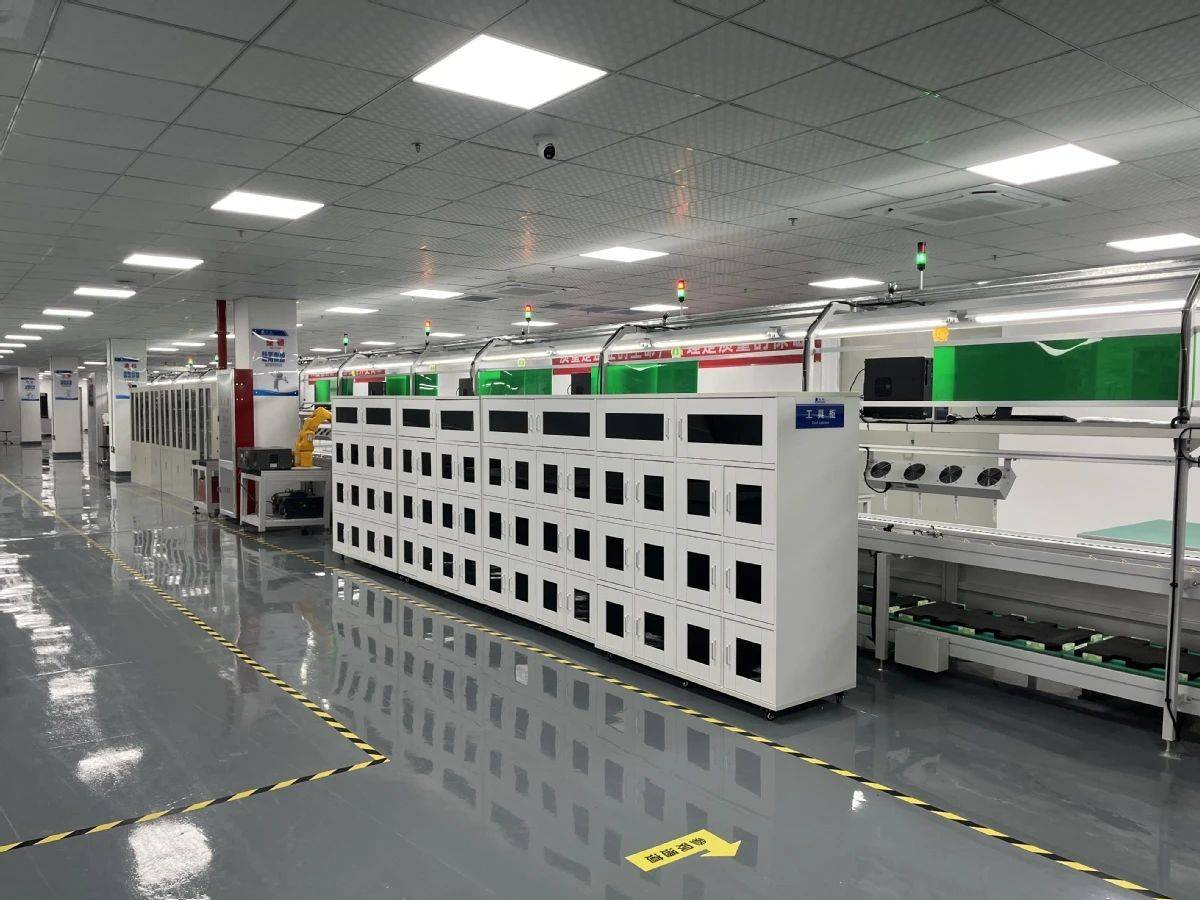
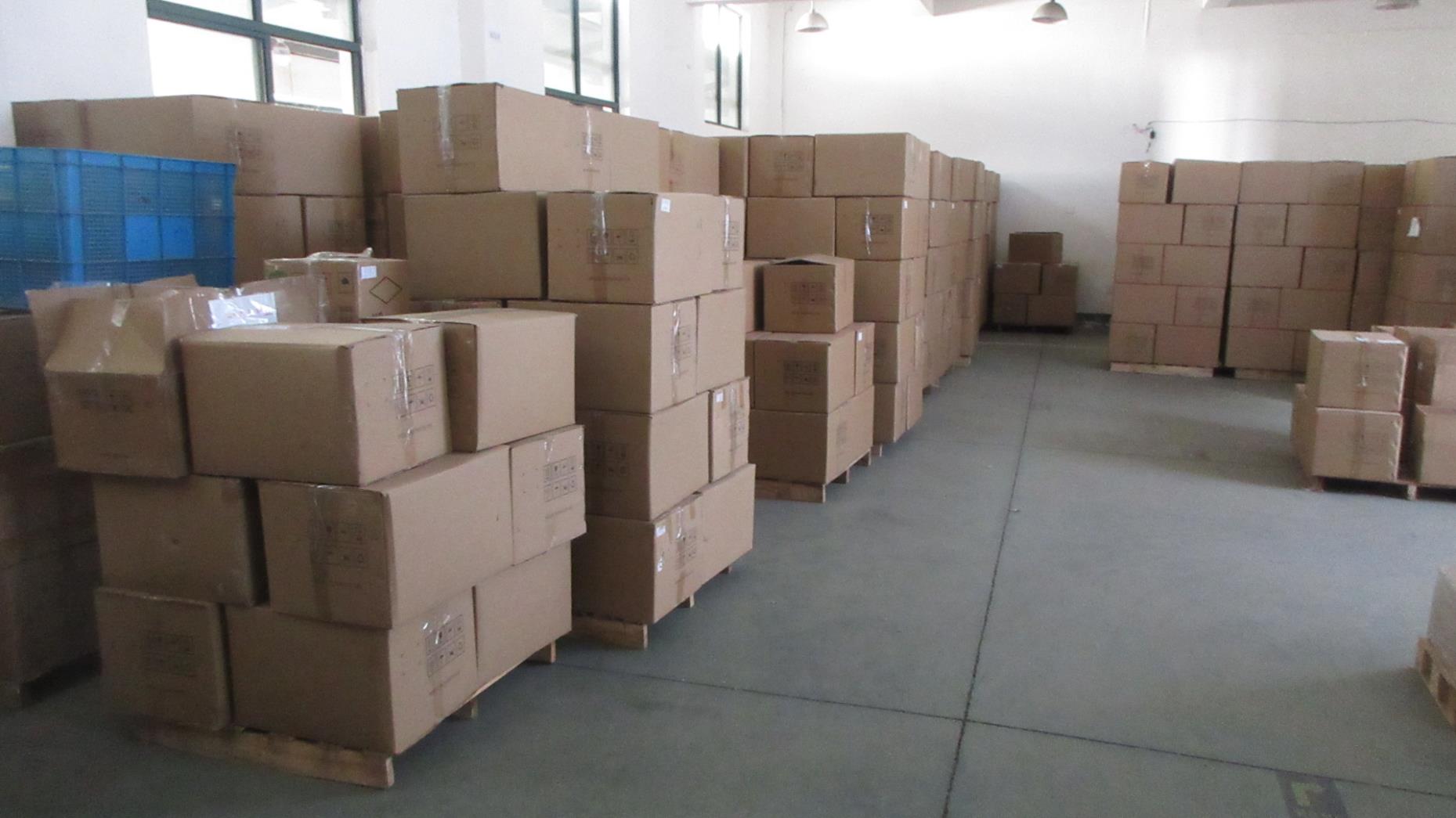
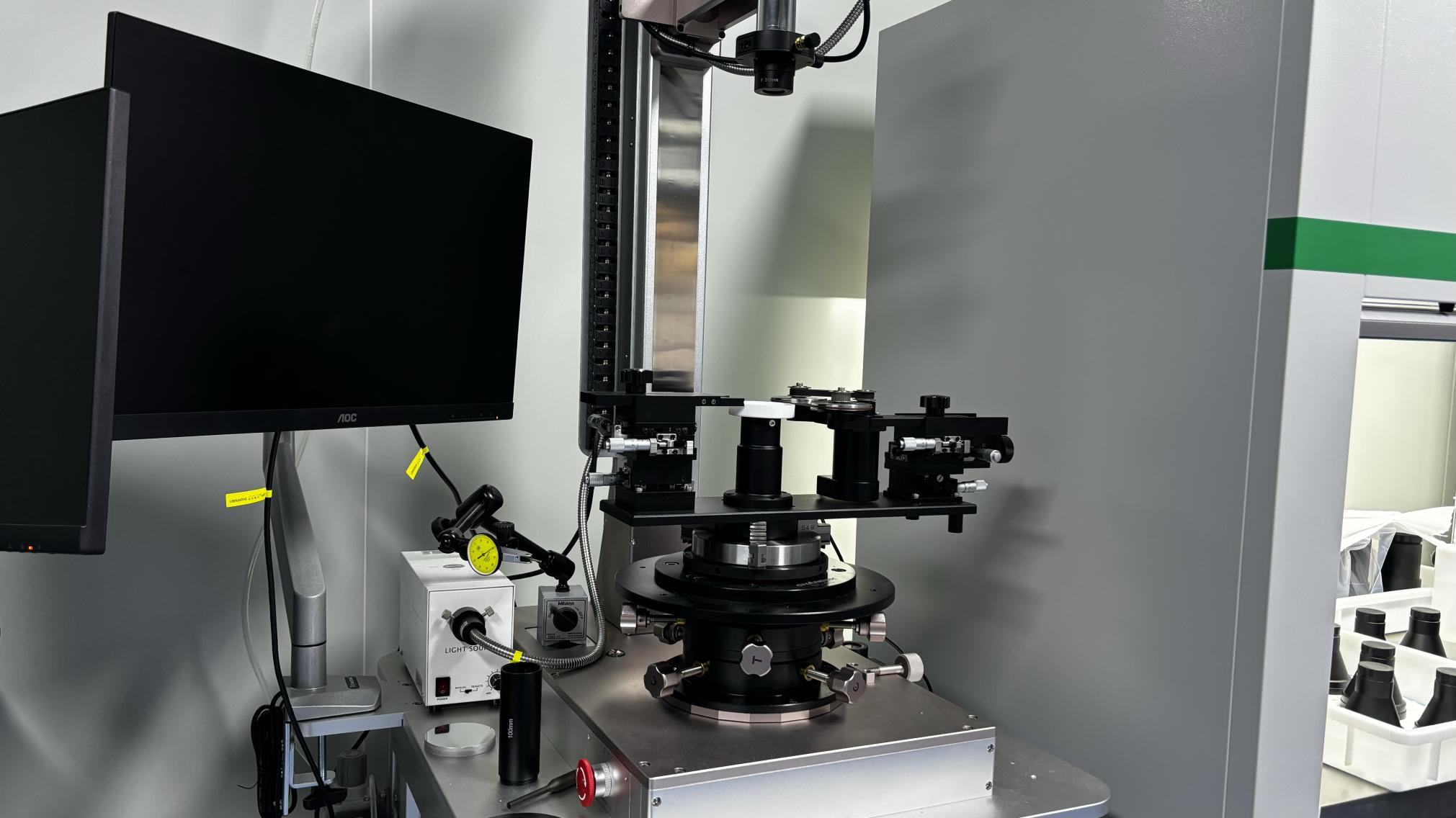
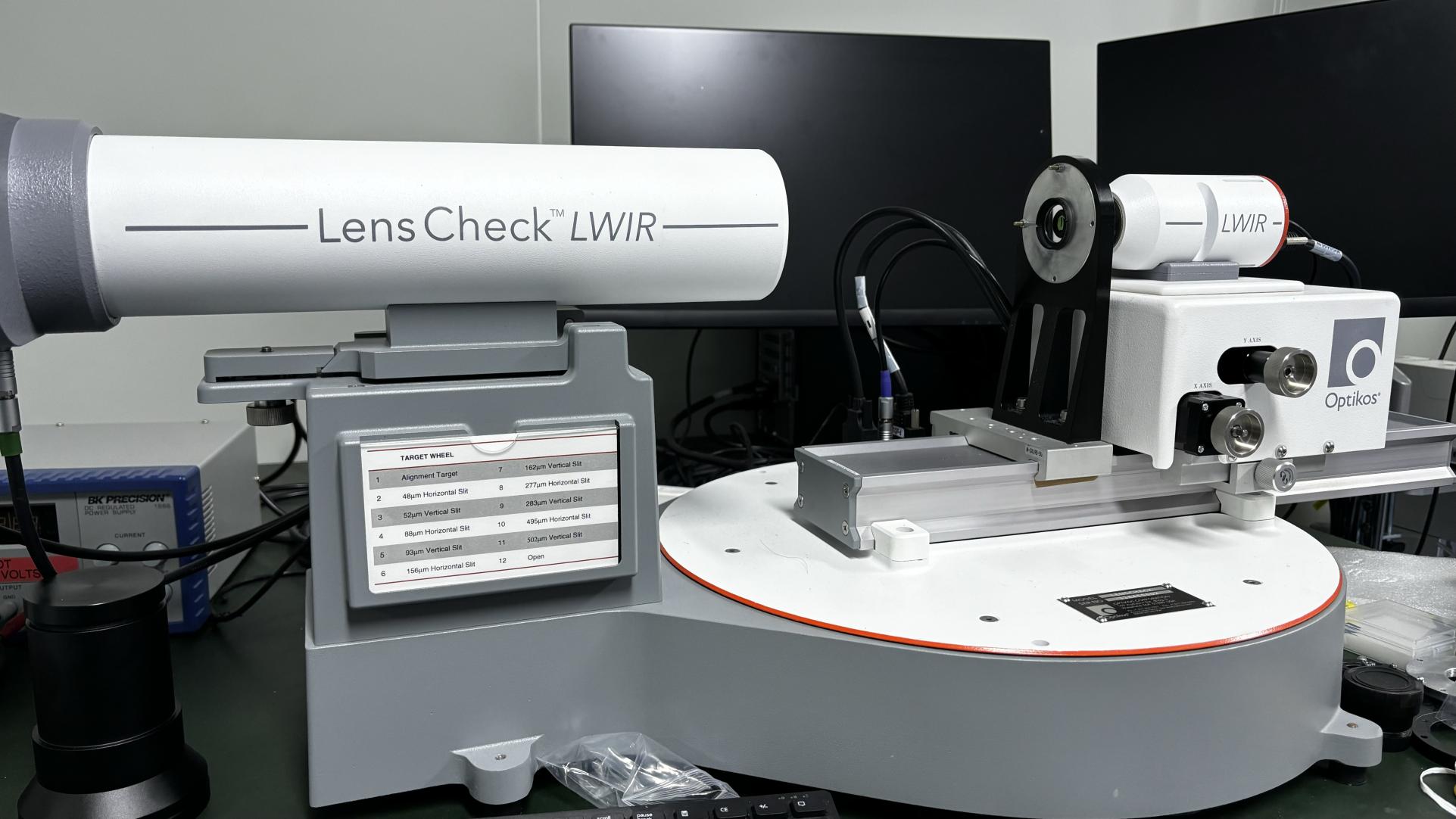
Operating a specialized manufacturing, testing, and system integration complex encompassing 380㎡ of cleanroom and benchmarking space, Elvantis Mesh Systems Ltd. addresses international market requirements through rigorous hardware verification. With over 10 years of industry experience and 7 years of direct export footprint, we coordinate a global delivery pipeline serving high-tech fleets, data centers, and industrial IoT integration partners across North America, Europe, the Middle East, and Southeast Asia.
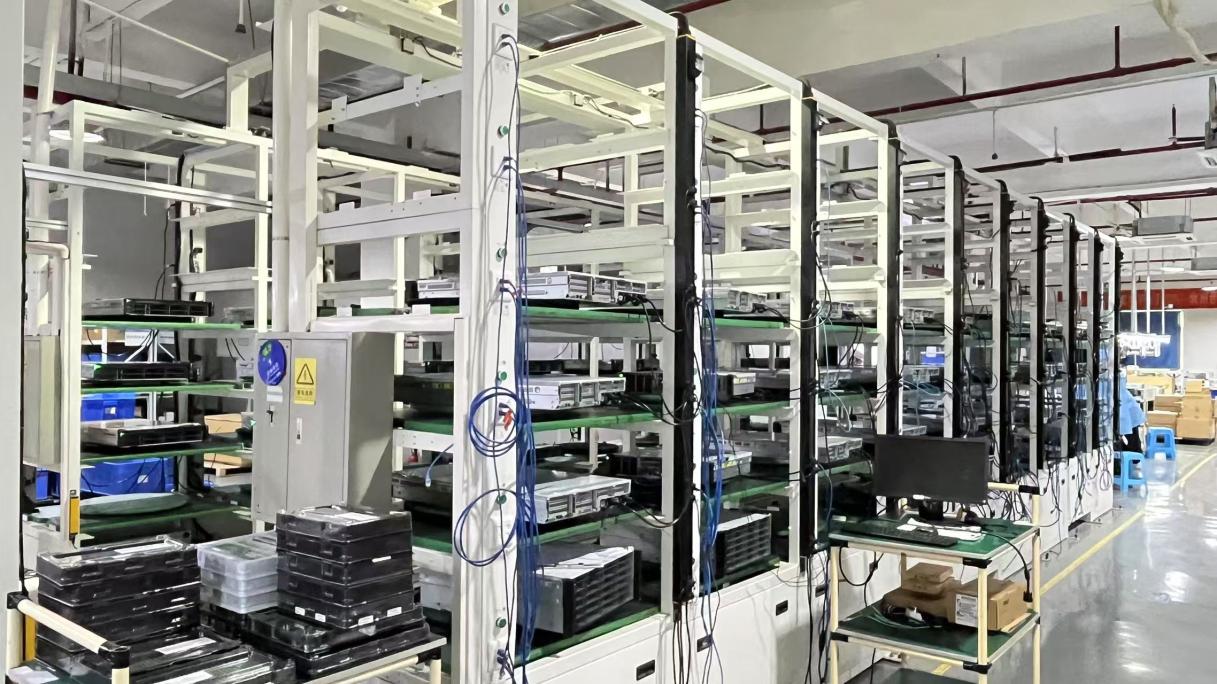
Our Quality Assurance system leverages 35 dedicated QC professionals executing comprehensive Automated Optical Inspection (AOI), high-temperature environmental burn-in trials, and heavy thermal cycling. This ensures that every server, RAID array, and vehicle telematics terminal operates with 99.999% uptime even under challenging temperature gradients (-40°C to +85°C for vehicular systems).
Understanding the technical and logistical superiority driving global fleet modernization programs.
With approximately 120 new products launched annually, our production lines iterate rapidly. This agility translates to customizable OBD protocol support (J1939, J1708, OBD-II) and tailored enclosure configurations.
Leveraging a cluster of 850 cooperative component partners across Shenzhen and neighboring high-tech zones, we guarantee uninterrupted sourcing of automotive-grade silicon, multi-band GNSS modules, and reliable cellular modems.
Our items are compliant with global vehicle regulations, certifications (CE, FCC, RoHS, E-Mark), and ISO 9001 quality management benchmarks, ensuring seamless integration with international transport fleets.
As heavy logistics and public transport assets scale globally, several technology paradigms dictate procurement cycles. The integration of Artificial Intelligence (AI) at the Edge is the foremost evolution. By deploying neural processing units (NPUs) within vehicle terminals, telematics equipment no longer just logs GPS coordinates; it interprets driving behavior, detects forward collisions via ADAS, and monitors cabin safety (DMS) locally. This filters out 90% of redundant data, uploading only key event metrics to central database arrays.
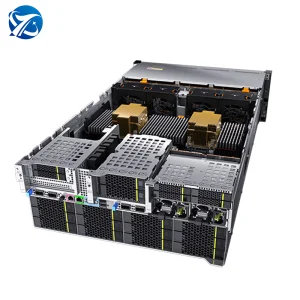
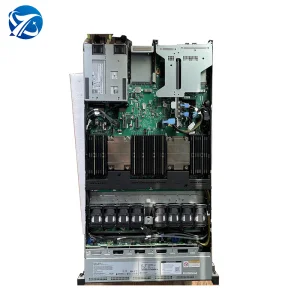
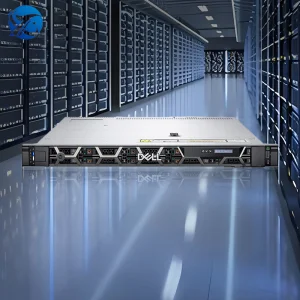
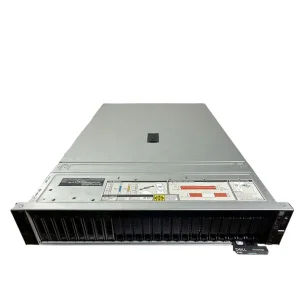
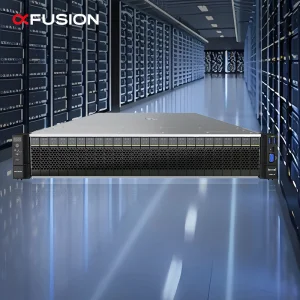
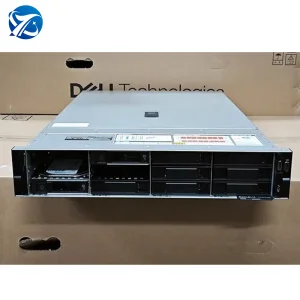
Concurrently, backend servers are shifting towards hyperconverged architectures. Traditional virtual machines are giving way to containers running on bare-metal systems like the xFusion 2288H V6 or the PowerEdge R760, optimized with high-performance storage arrays managed by enterprise RAID controller cards (e.g., LSI 9560-16I). These setups process localized vehicle signals and convert them into real-time routing parameters, load scheduling, and preventative maintenance cycles.
Whether dealing with smart city bus networks, temperature-sensitive cold chain tracking, or heavy mining equipment diagnostics, the structural chain remains consistent: Sensors & Telematics Hub -> Cellular Uplink -> Edge AI Gateways -> Cloud Infrastructure (Compute/Storage Server Arrays). Our mission is supplying both ends of this technological chain, reducing hardware friction and maximizing long-term deployment viability.
A look at our technical focus areas and product configurations demonstrates our commitment to design consistency, component reliability, and industrial deployment suitability.
Global enterprise purchasers encounter complex integration pathways, diverse geographical network topologies, and dynamic international certifications. We align our manufacturing practices to resolve these friction points:
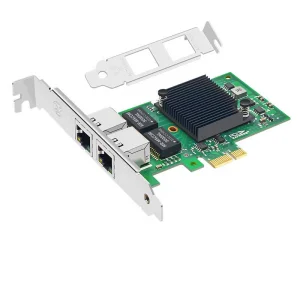
As data flows from thousands of connected vehicles, backend storage arrays face write-amplification challenges. Utilizing hardware RAID cache controllers, such as the LSI 9560-16I with high-speed PCIe 4.0 interfaces, guarantees that telematics databases record raw spatial-temporal records without I/O drops.
Additionally, modern fleet operations running AI route-optimization algorithms or driver-assistance neural network training rely on GPU compute nodes like the FusionServer 5288 V6 or the xFusion G5500 V7, creating a cohesive edge-to-core hardware environment.
Technical clarifications regarding telematics systems, hardware configuration, and logistics operations.
Our hardware units support standard automotive and industrial standard protocols, including OBD-II (SAE J1979) for passenger cars, SAE J1939 and J1708 protocols for heavy-duty trucks, alongside various RS232, RS485, and CAN-bus interfaces designed to capture engine diagnostics, fuel flow levels, and axle loads.
We run an ISO 9001-certified factory setting employing a 35-person quality control team. Products undergo Automated Optical Inspection (AOI) for circuit boards, automated environmental stress testing, high-G vibration testing simulation, and full-load stress validations before packaging and dispatch.
By deploying smart edge terminals, video analysis and driver behavior models are processed in the vehicle (sub-10ms latency). Traditional cloud-reliant systems, which send uncompressed feeds back to the central server, add hundreds of milliseconds of processing time and consume substantial cellular bandwidth.
Yes. We provide complete software development kits (SDKs) and open API access for all our telematics gateway hardware. This allows enterprise clients to flash custom firmware or integrate existing platform clients (e.g., standard MQTT brokers or cloud systems) directly into the device.
When a fleet scales to thousands of trucks, each sending coordinates and sensor metrics every 1-5 seconds, write operations on cloud databases become a bottleneck. Using cache-enabled RAID controllers (like the LSI 9560-16I with 8GB cache) prevents write serialization delays and protects against database corruption during power surges.
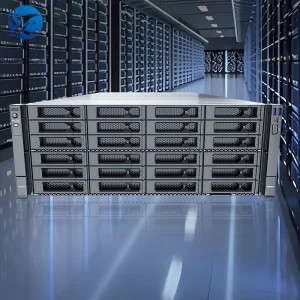
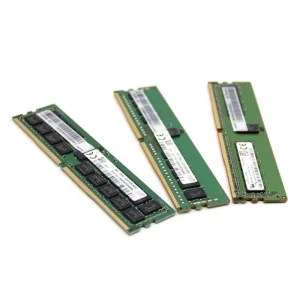
Scalable server options, memory hardware, and core components designed to process heavy telematics datasets and execute resource-intensive neural networking operations.