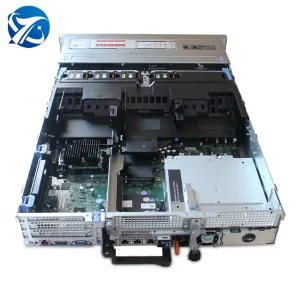
Elvantis
Elvantis
Elvantis
Explore our elite selection of high-density AI nodes, storage configurations, and multi-socket server modules optimized for extreme workloads.
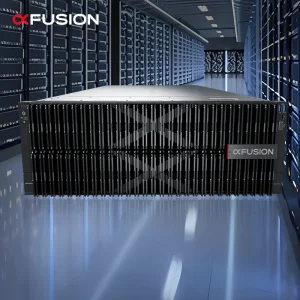
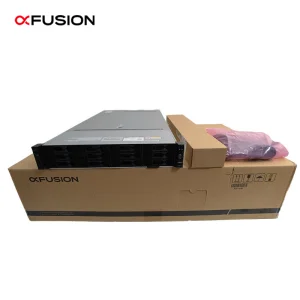
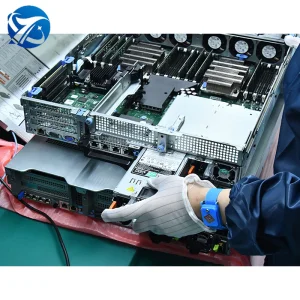
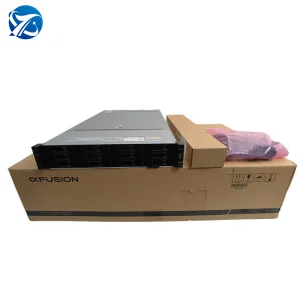
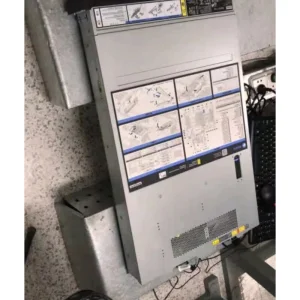
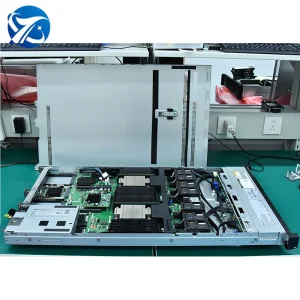
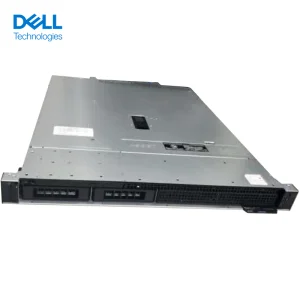
Elvantis Mesh Systems Ltd. (elvantismesh.com) is a high-performance AI GPU server manufacturer specializing in scalable computing infrastructure for artificial intelligence, high-performance computing (HPC), and data center deployments. The company focuses on designing advanced GPU cluster systems with optimized thermal architecture and flexible deployment configurations.
Established in 2016, Elvantis operates a modern production facility with a total building area of approximately 380㎡, supporting integrated R&D, assembly, testing, and quality assurance processes. The company has accumulated over 10 years of industry experience and approximately 7 years of export experience, serving global enterprise clients across multiple high-tech sectors.
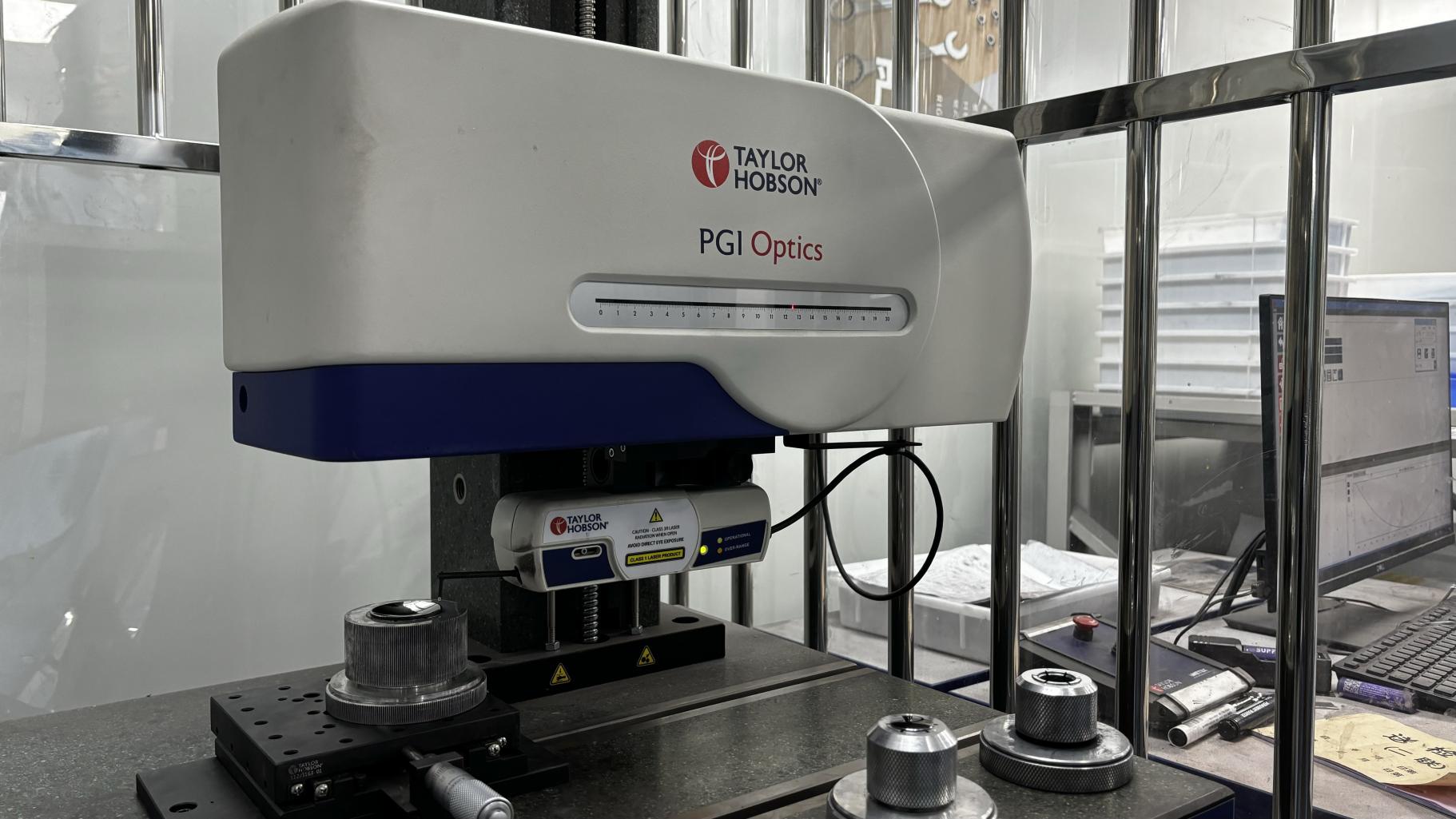
The surging global demand for localized AI compute capacity, specifically driven by open-source Large Language Models (LLMs) like DeepSeek, has fundamentally reshaped the server component supply chain.
Today's server component landscape faces two major industrial forces: the unprecedented centralization of hardware specifications required for hyper-scale models, and the simultaneous demand for decentralized, short-depth local edge deployments. Systems must handle continuous thermal envelopes exceeding 300W to 400W per CPU socket, and up to 700W per accelerator chip (GPU/NPU).
As a leading Chinese hardware manufacturer, Elvantis addresses these global market pressures. By leveraging an integrated domestic supply network of over 850 partners, we optimize raw materials procurement, PCB assembly (PCBA), chassis fabrication, and power distribution board design. This resilience guarantees consistent export cycles despite global supply chain fluctuations.
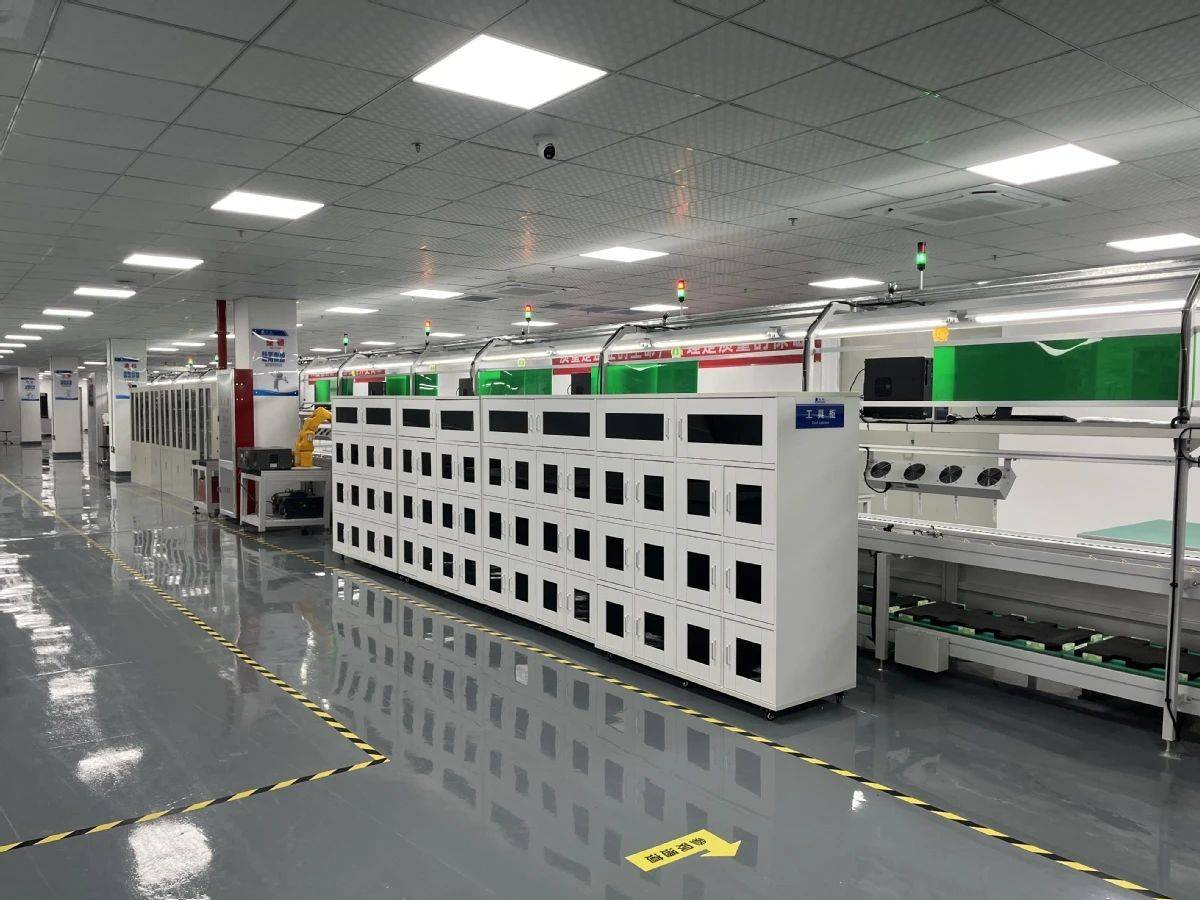
We engineer infrastructure tailored to solve the processing bottleneck, storage degradation, and networking latency across critical commercial ecosystems.
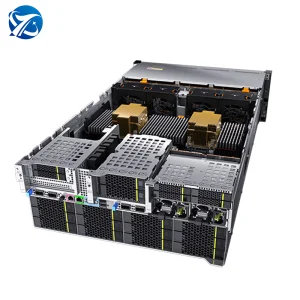
Optimized chassis architecture with multi-GPU support, designed specifically to scale workloads for models like DeepSeek, LLaMA, and custom transformer arrays. Our systems ensure uninterrupted power delivery via titanium-grade redundant PSUs and balanced airflow corridors that prevent GPU throttling during sustained workloads.
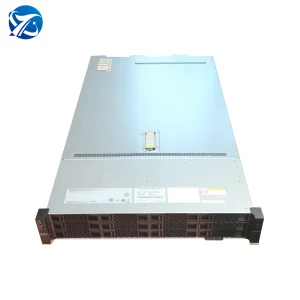
High-density 1U and 2U multi-node rack servers built to support hyper-virtualization workloads. Integrating multi-socket Intel Xeon scaling architecture, these components reduce spatial footprints while maximizing computing metrics per rack unit, bringing immediate cost benefits for hosting and cloud storage services.
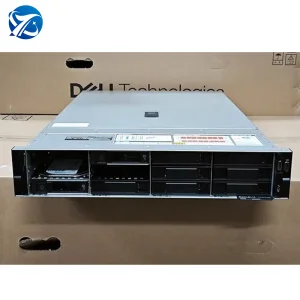
Hybrid storage setups accommodating high-capacity mechanical drives paired with ultra-fast NVMe SSDs. Features robust hot-swappability, redundant storage controller interfaces, and backplanes engineered with PCIe switches to ensure continuous data streams with zero packet loss.
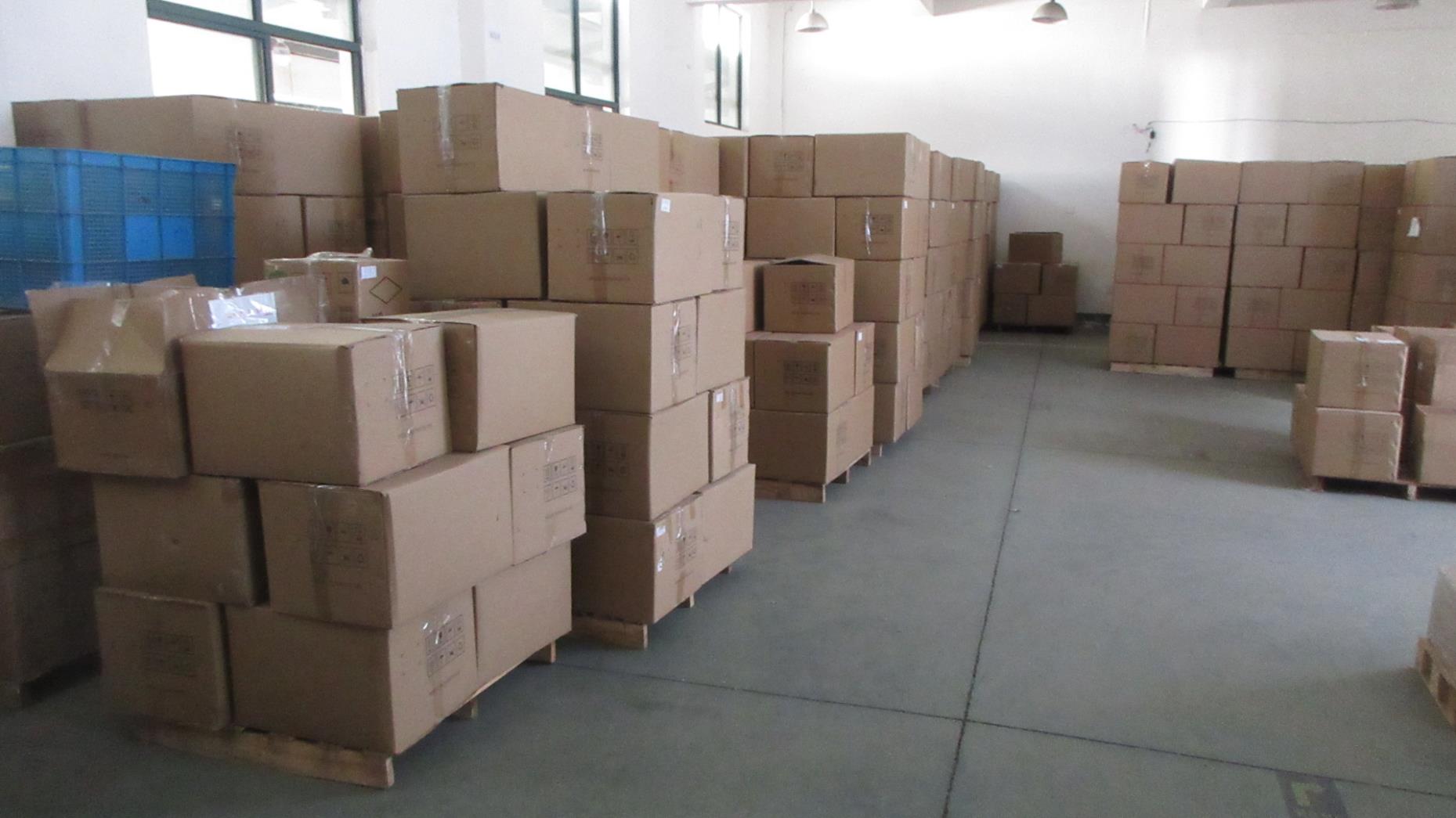
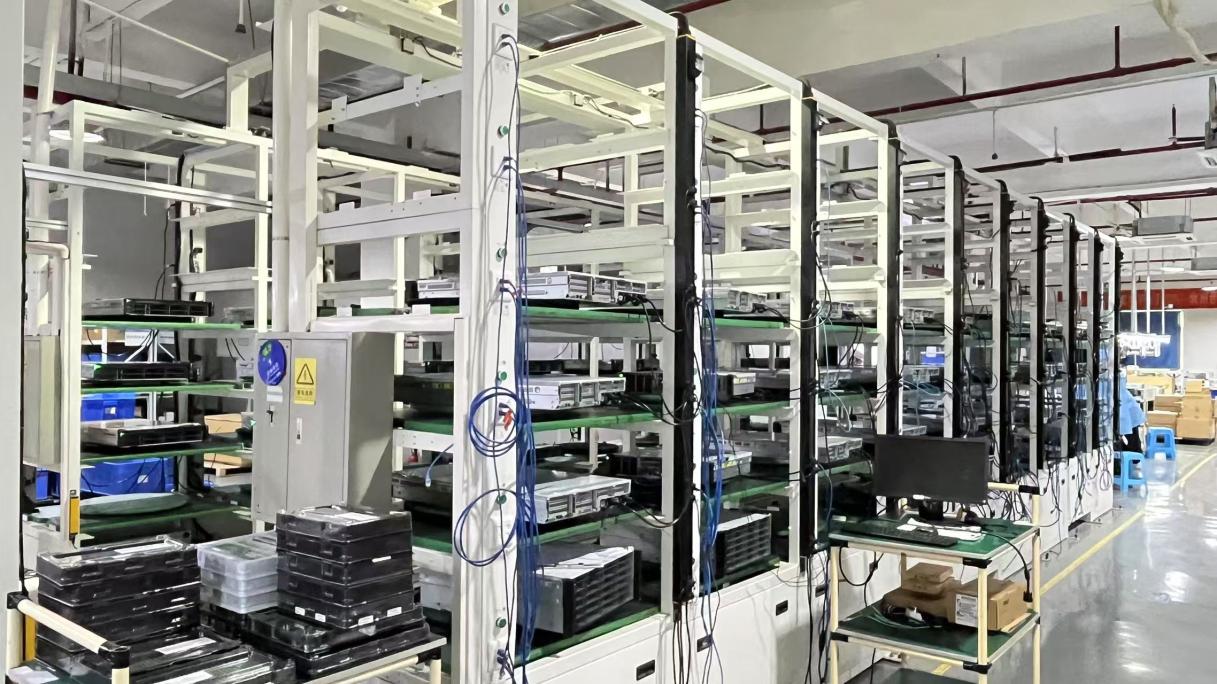
By operating our custom production base, Elvantis merges R&D and QC seamlessly. The feedback loop between our 180+ engineering staff and 35 dedicated QC professionals ensures that hardware anomalies are detected and designed out in early prototyping phases. Standard practices include automated optical inspections, signal trace simulations, and thermal load cycling validation inside isolated climate chambers.
As computing needs transition from standard workloads to trillion-parameter AI models, our engineering focuses on three key pillars: high-speed signal transmission, energy conservation, and system density.
Launching approximately 120 new products each year ensures that Elvantis remains aligned with the latest hardware iterations from industry giants like Intel, AMD, and NVIDIA. This agility allows our global clientele to immediately upgrade their processing pipelines with components optimized for current CPU architectures and high-density memory standards.
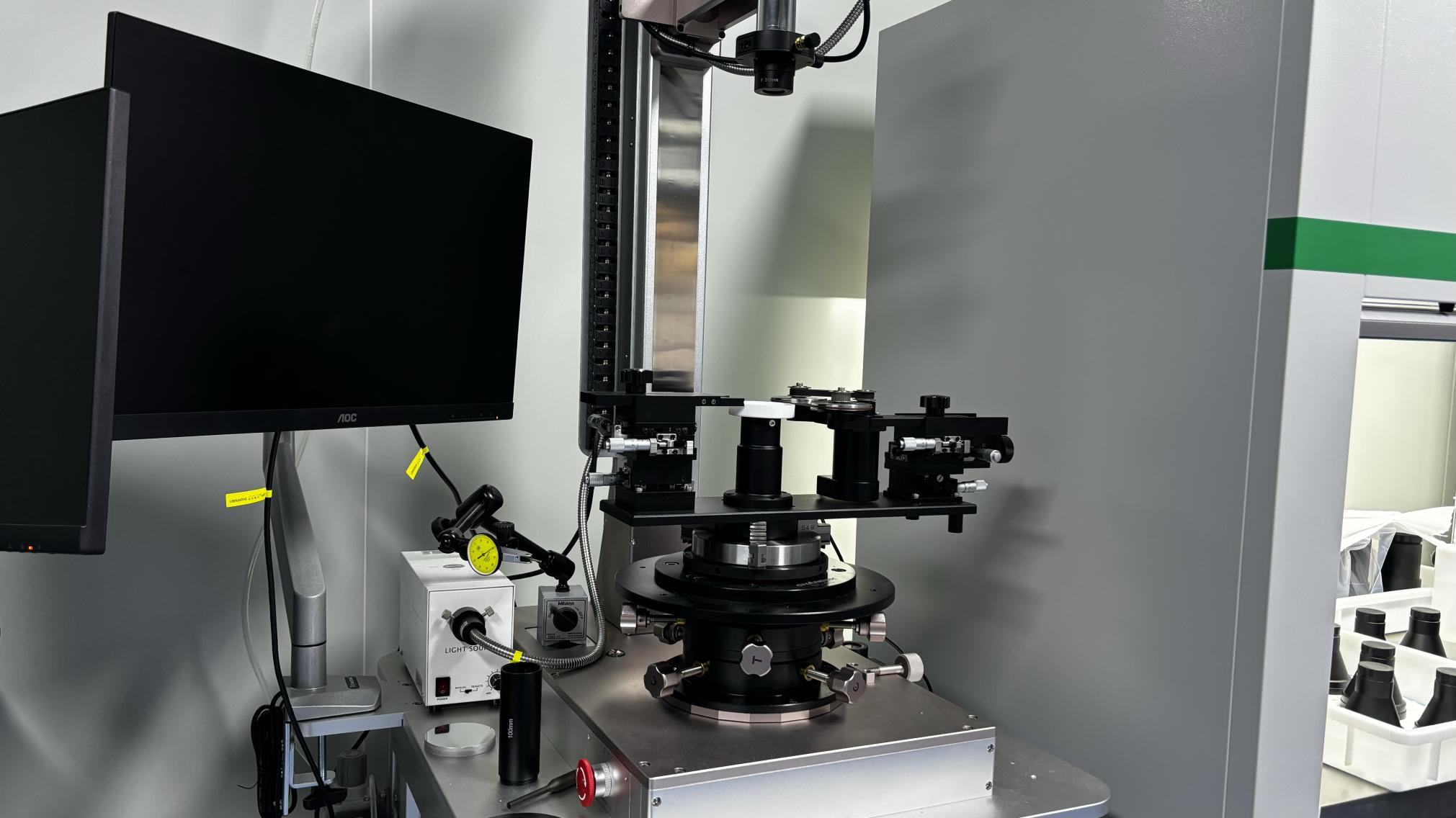
Operating across North America, Europe, the Middle East, and Southeast Asia requires rigorous compliance frameworks and localized customer support.
Exporting high-performance server components means meeting strict regional guidelines. All components leaving our facilities hold necessary certifications (CE, FCC, RoHS, UL, and localized electromagnetic compatibility standards). Our logistics team streamlines customs clearing, minimizing delays for global infrastructure rollouts.
Our quality assurance workflow runs under a comprehensive ISO 9001 structure. Led by our 35 dedicated QC professionals, the inspection workflow spans incoming components validation, in-line assembly diagnostics, and system-level thermal load validation. We make sure every piece of equipment performs reliably in enterprise setups.
Our products are engineered to support real-world, demanding deployments. For example, in space-constrained regional data centers in Europe or North America, our short-depth server models allow high-density compute clustering without requiring costly facility floor expansions. Similarly, in high-humidity climates of Southeast Asia, our customized conformal coating on server PCBs prevents corrosion, preserving hardware life and lowering maintenance costs.
Get clear, detailed answers to common architectural, purchasing, and custom configuration queries from global clients.
Yes. We offer end-to-end ODM services, modifying mechanical chassis structures, backplane architectures, and power supply arrays. Our engineering team can compile custom BIOS settings (e.g., locking PCIe speeds, adjusting CPU power limits, and custom fan curves) to match the computing profiles of specific large models.
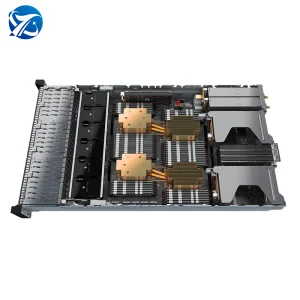
Our products use high-static pressure fans, segmented internal ducting, and optional liquid cooling loops. We analyze thermal profiles using CAD simulations during early engineering stages to ensure there are no hot zones, even under continuous compute workloads.
All exported server products conform to FCC (United States), CE (European Union), and RoHS environmental standards. Additionally, our components pass electromagnetic compatibility (EMC) testing and electrical safety assessments, ensuring smooth deployment in enterprise settings.
Standard configurations ship within 2 to 3 weeks of payment validation. Custom OEM/ODM orders requiring specialized PCB modifications, complex sheet metal alterations, or custom component procurement typically take 4 to 6 weeks, depending on component availability.
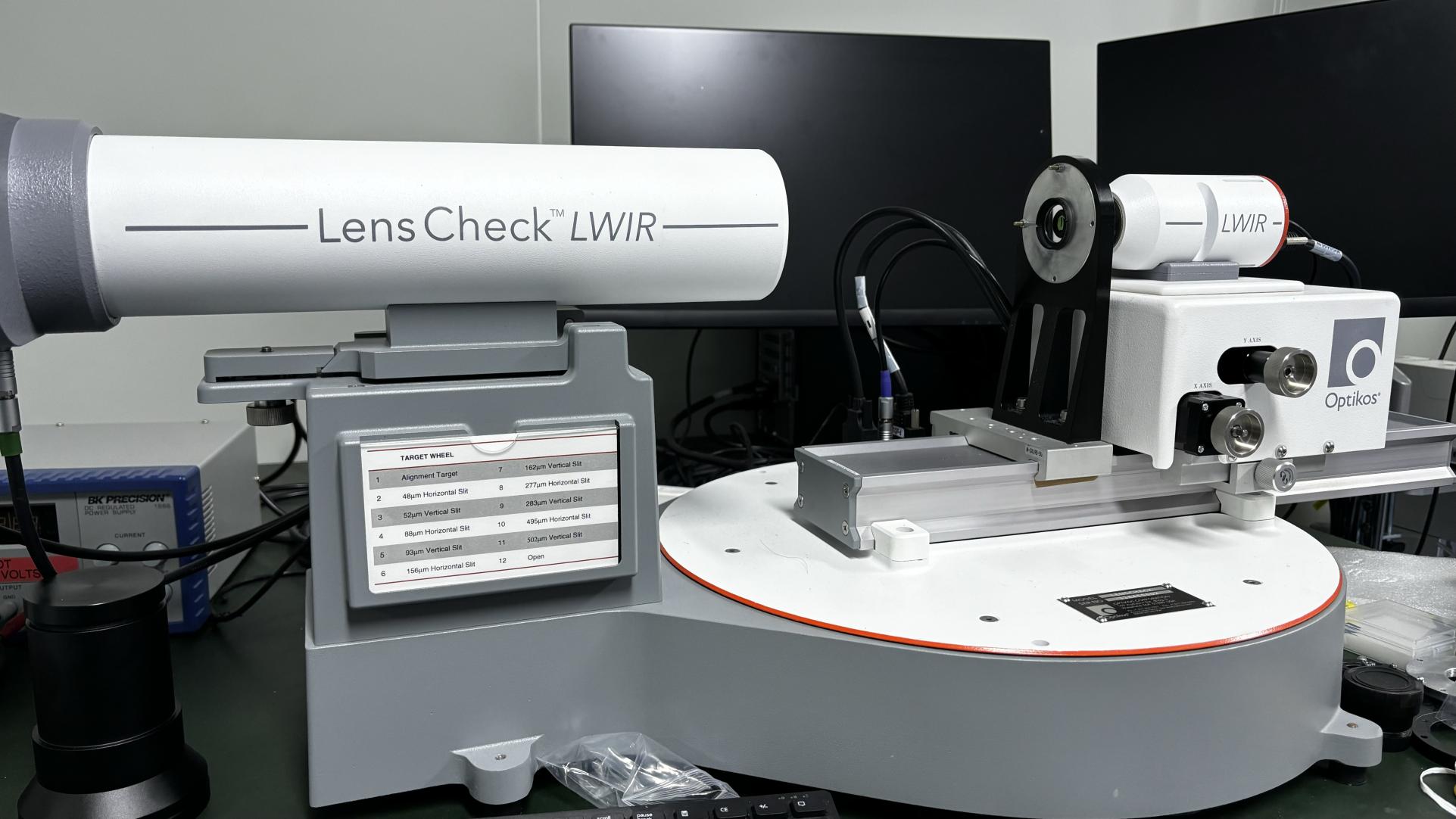
Our 35-person QC team uses a multi-tier testing pipeline. First, we perform Automated Optical Inspection (AOI) on all PCB layouts. This is followed by visual checks, physical assembly testing, hardware diagnostics, and a final 72-hour full-load stress run inside custom climate control chambers.
Browse our complete selection of modular platforms, high-performance expansion units, and enterprise storage racks built for modern workloads.