Elvantis
Elvantis
Elvantis
Industrial server architecture engineered for high-availability cloud deployments, local LLM training, and resilient storage.

Analyzing key vectors driving infrastructure investments in sovereign cloud networks and hardware-level encryption systems.
Strict regional data localized frameworks (GDPR, CCPA, HIPAA) demand hardware configurations featuring localized data isolation, secure hardware roots-of-trust, and dynamic firmware cryptographic locking mechanisms.
The global race to train and deploy Large Language Models (such as DeepSeek and LLaMA derivatives) has pushed data center architectures toward GPU-driven storage nodes, requiring PCIe Gen 5.0 lanes and optimized NVMe-oF pipelines.
Relying purely on software security leaves storage infrastructure vulnerable. Modern hyperconverged setups must deploy Hardware Security Modules (HSMs) and hardware-level RAID cards with 12G SAS and native AES-256 engines.
Modern computing environments require a symbiotic integration between low-latency storage arrays and compute-dense processing nodes. To prevent internal threats and supply chain vulnerabilities, engineering operations must construct physical security borders directly onto the server PCB.
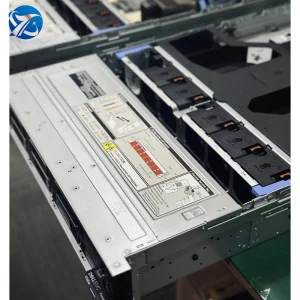
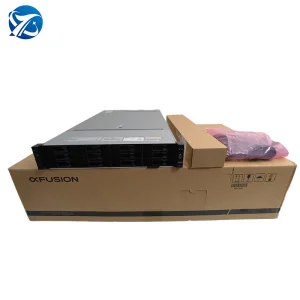
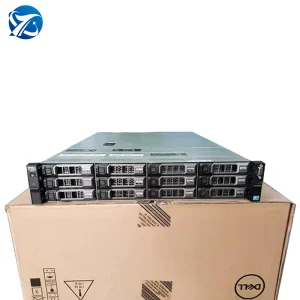
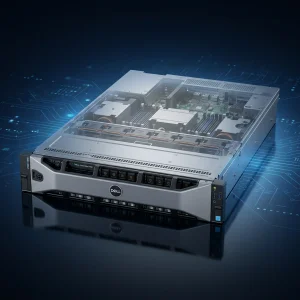
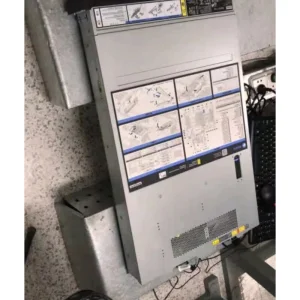
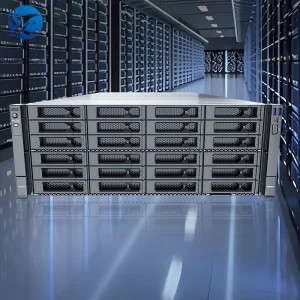
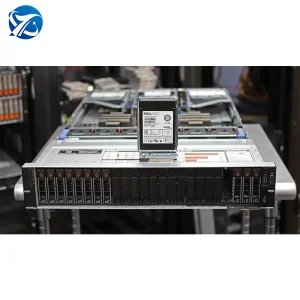
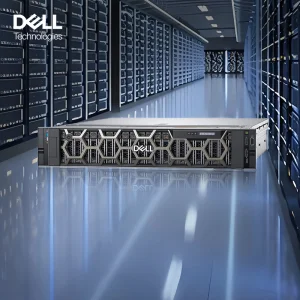
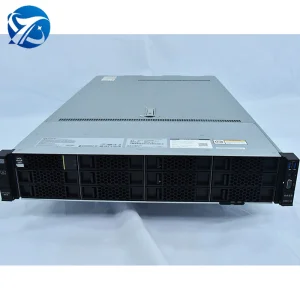
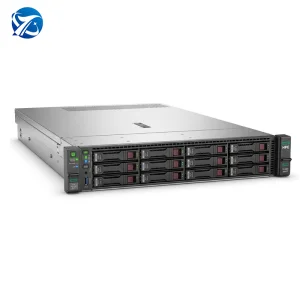
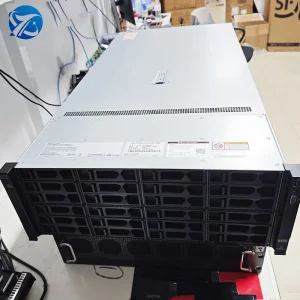
By coupling custom security firmware with high-performance physical hardware (like the dual-socket xFusion 2288H V7 or Dell PowerEdge R760XD2 platforms), enterprises can scale horizontally without risking internal cryptographic leakage.
Deep-dive engineering capability, global logistics channels, and rigorous quality manufacturing procedures.
Operating out of highly integrated facility structures, we customize hardware solutions for artificial intelligence, high-performance computing (HPC), and secure data repository applications.
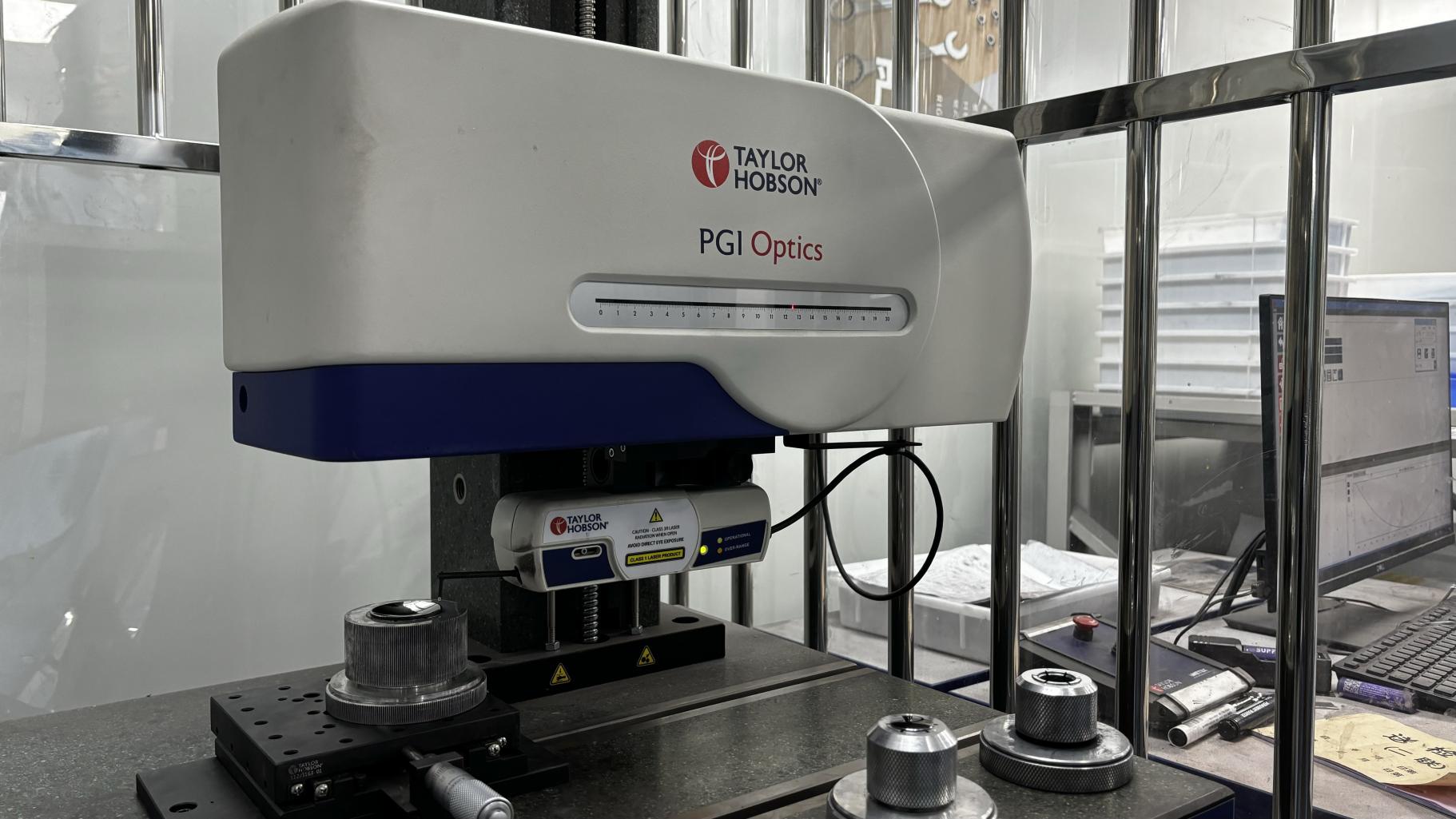
With over 10 years of structural server development and 7 years of high-volume export expertise, Elvantis ensures operational excellence through a 35-person dedicated QC division. Every compute platform undergoes strenuous stress routines, thermal cycling simulations, and signal path diagnostics to ensure field failures remain below 0.08%.
Our logistical network links over 850 raw component partners, guaranteeing parts supply continuity during global market instabilities. This extensive footprint ensures seamless delivery to our primary destination markets in North America, Europe, the Middle East, and Southeast Asia.
Where high-throughput hardware interconnects, local AI computation, and zero-trust firmware align over the next decade.
Compute Express Link (CXL 2.0 / 3.0) will radically decouple processing chips from storage pools. This allows massive clusters to run low-latency calculations across TBs of persistent DRAM/NAND memories without routing bottlenecking standard host CPUs.
Future iterations of hardware encryption must implement lattice-based algorithms directly onto FPGA and ASIC storage interfaces, neutralizing threats from decryption schemes powered by future quantum computer systems.
As rack power densities approach 100kW, standard forced-air cooling reaches its thermodynamic limit. Next-generation designs rely heavily on custom liquid loop blocks installed directly over internal processing chips and memory arrays.
For organizations operating across international borders, standard remote support is insufficient. We design localized technical assistance programs, providing global enterprises with on-site deployment consultation and custom replacement modules.
By enforcing strict source-code reviews on BIOS and BMC firmware, we ensure our clients receive secure computing equipment that is free from unauthorized access doors and fully aligned with local regulatory directives.
Crucial configuration, integration, and security answers for global procurement officers and datacenter architects.
Every motherboard and storage subsystem undergoes cryptographic hashing during final system assembly. We utilize TPM 2.0 hardware modules to run verified Secure Boot checks, ensuring the loaded UEFI and BMC firmware exactly match our secure engineering profiles before shipping.
Our systems undergo a 72-hour full-load validation cycle. This process includes thermal chamber testing at 40°C, high-throughput memory write/read diagnostics, and dynamic I/O routing stressing via advanced SAS/PCIe diagnostic systems to identify potential silicon anomalies.
Yes. Our R&D division has extensive experience with hardware customization. We can modify PCIe routing configurations, design customized system cooling blocks, implement alternative storage drive bays, and pre-load specialized hypervisor or OS environments directly at our manufacturing facilities.
Standard OEM production runs take 4 to 6 weeks, depending on component availability. For global shipments, we offer comprehensive transit insurance and support various shipping arrangements. Ongoing technical assistance is managed via dedicated engineers assigned to each client account.
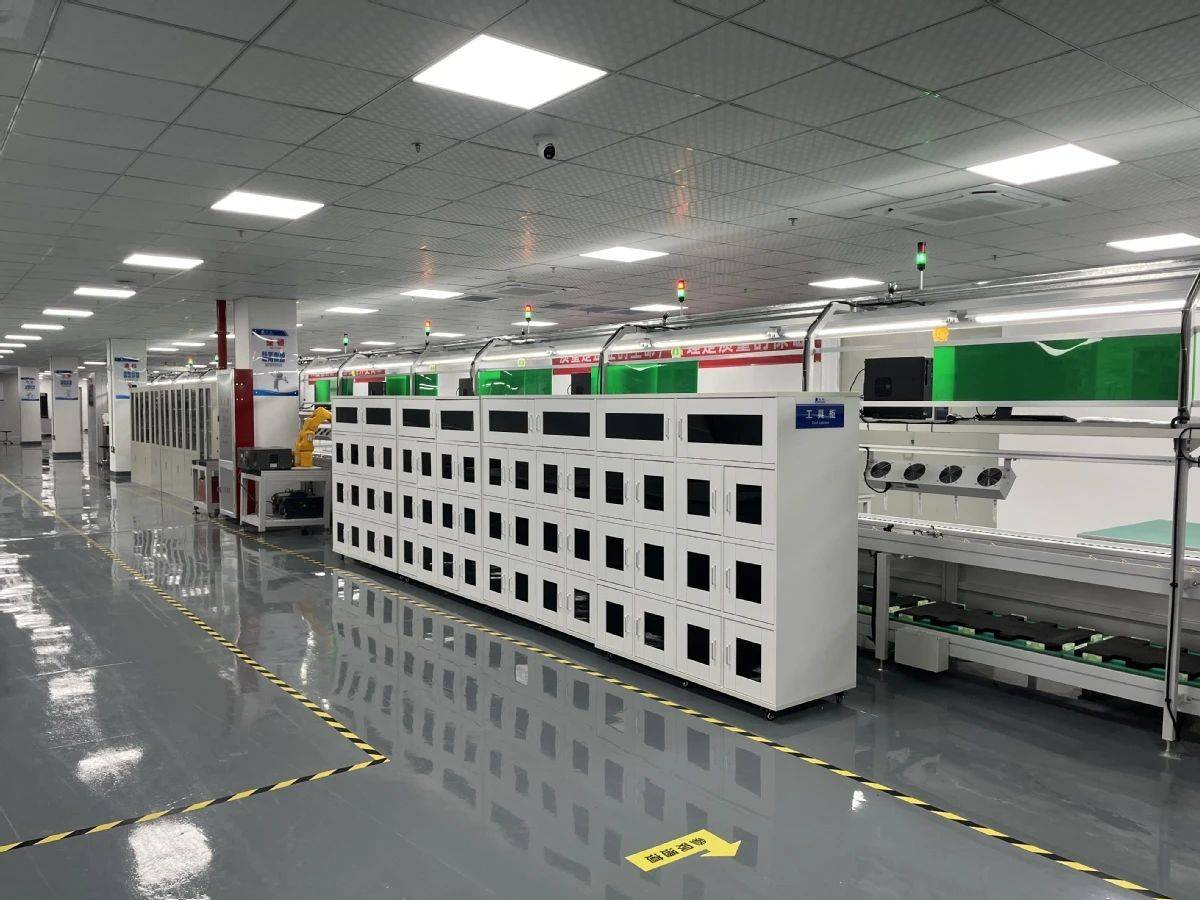
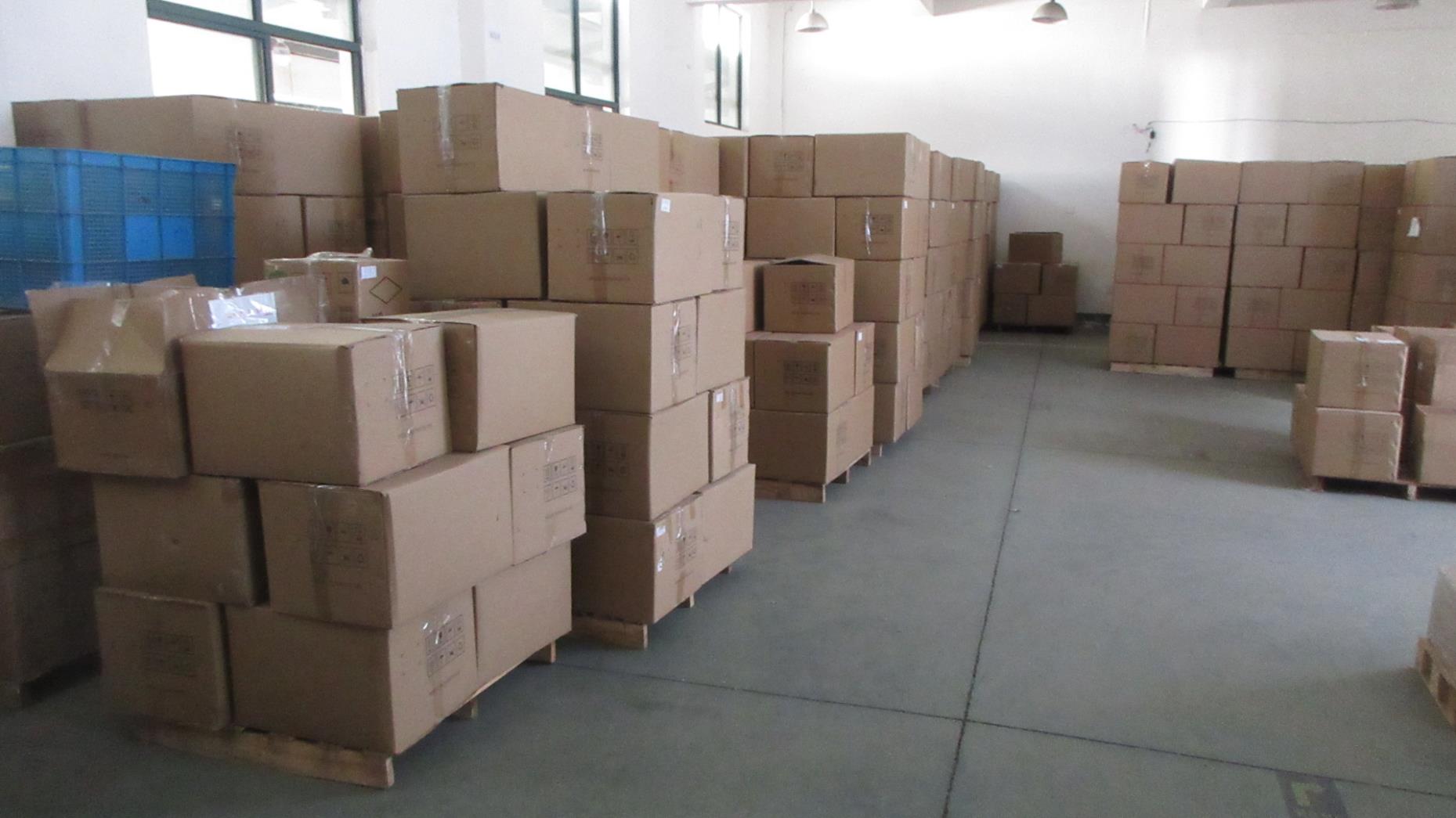
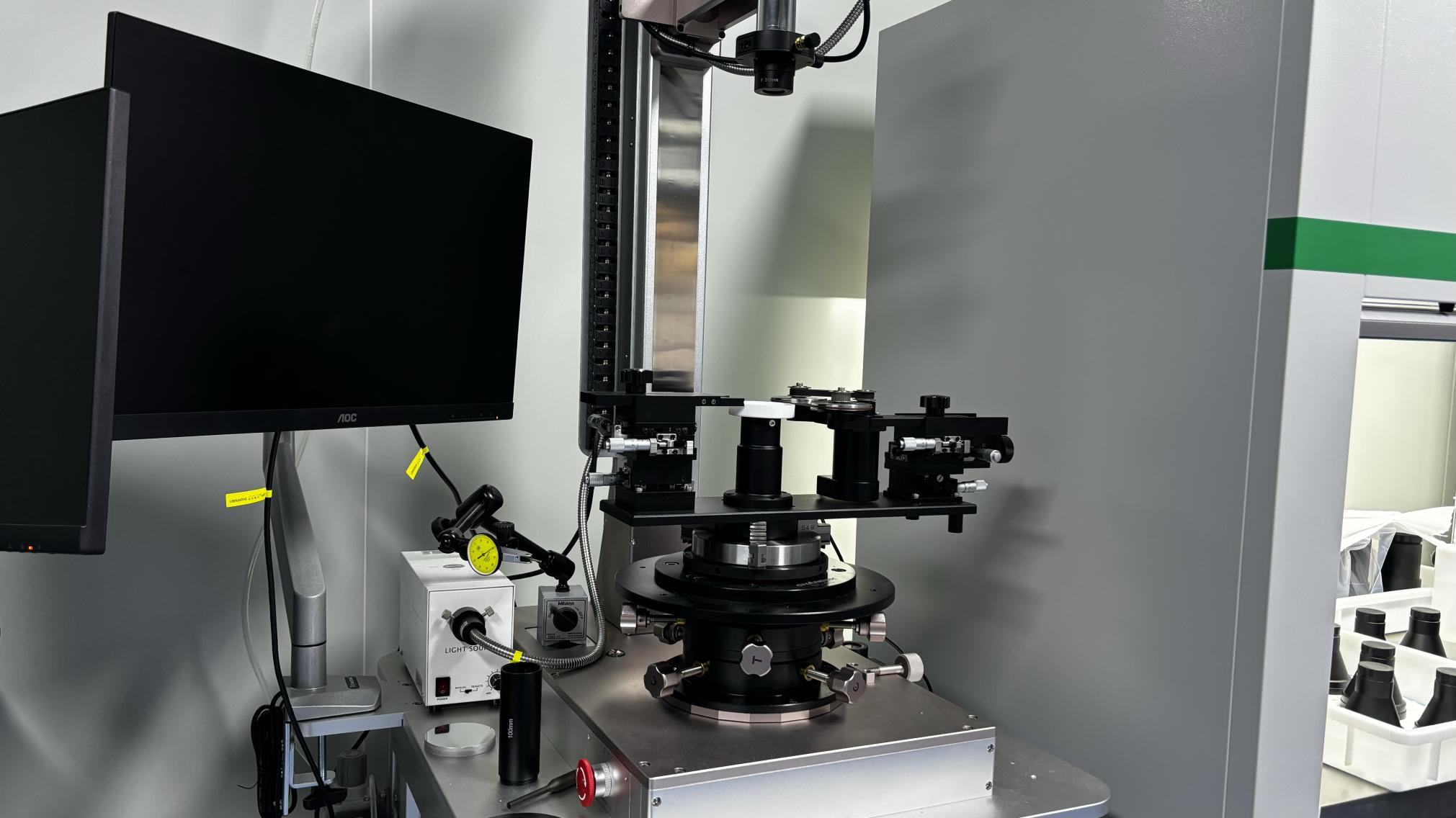
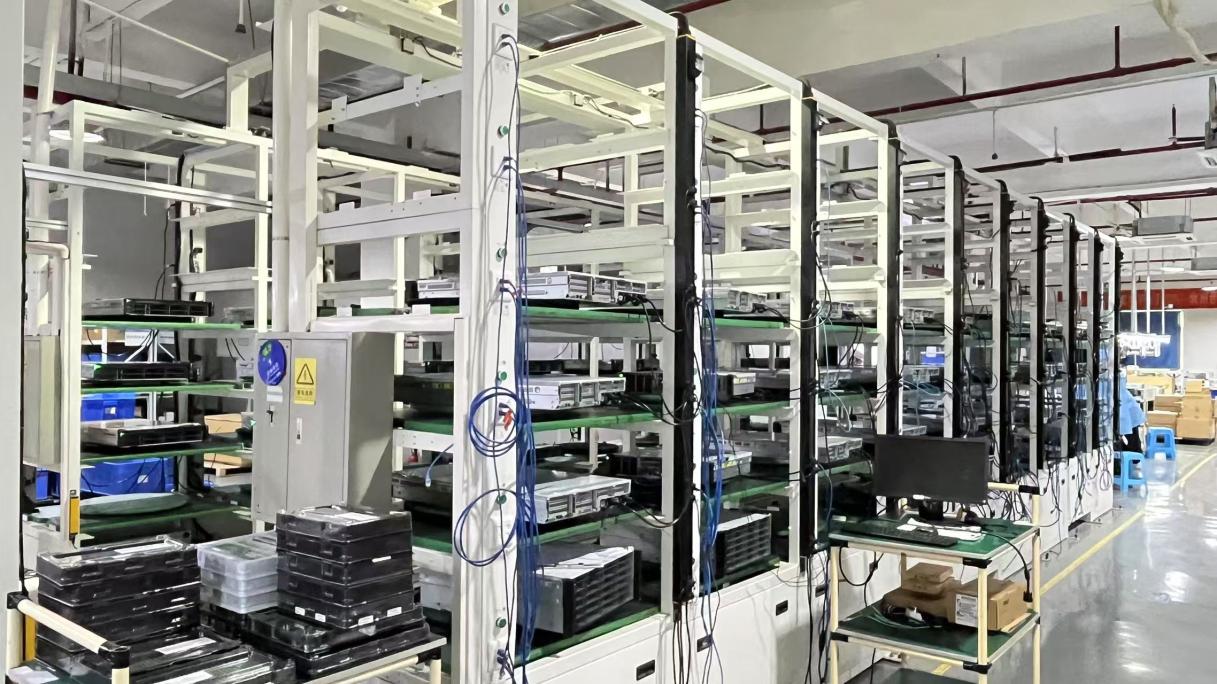
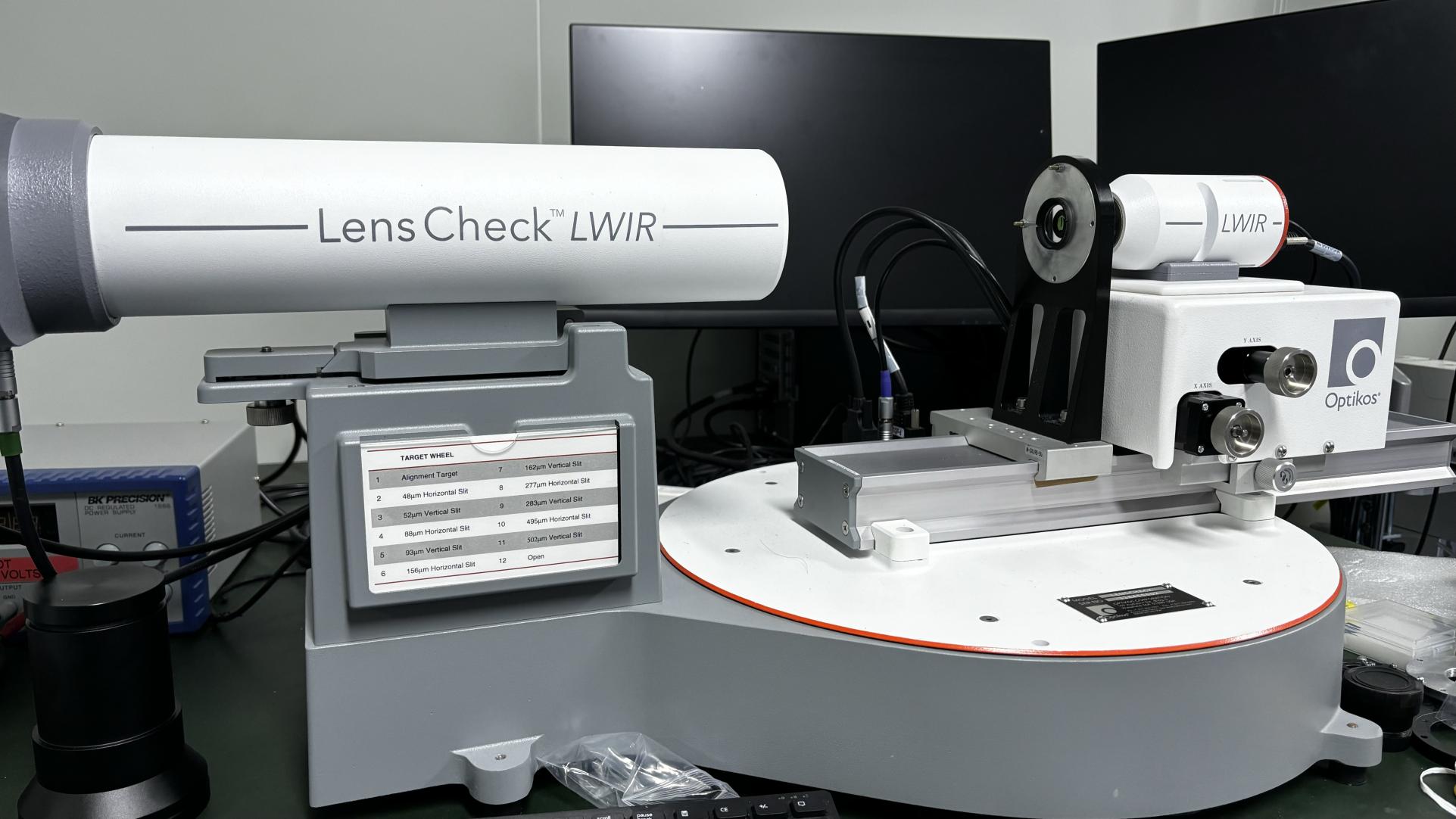
Take a virtual tour of our state-of-the-art testing floors, automated assembly lines, and global shipping warehouses.
Explore our high-density server configurations, fast storage interfaces, and high-speed network connectivity cards.