Elvantis
Elvantis
Elvantis
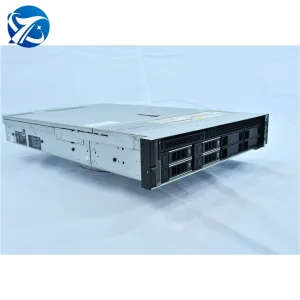
Premium server infrastructure configured to match optical backbone performance demands



A technical examination of high-performance transmission protocols and physical media in global network infrastructures
In the modern hyper-scale data center, the convergence of optical communication technologies and raw GPU cluster compute represents the singular answer to standard memory-wall limitations. As multi-node computation paradigms (such as DeepSeek, Megatron-LM, and large language model architectures) grow, interconnect bottlenecks become the defining constraint. Standard electrical cabling (copper) exhibits massive attenuation coefficients at frequencies above 50 GHz, making physical fiber optic equipment the indispensable standard for AI GPU cluster deployments.
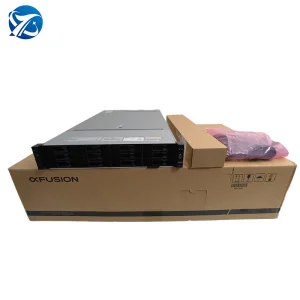
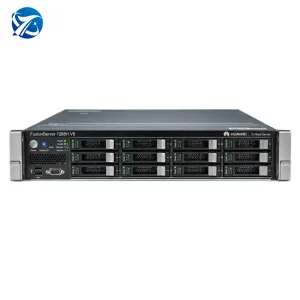
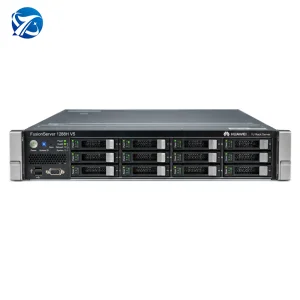
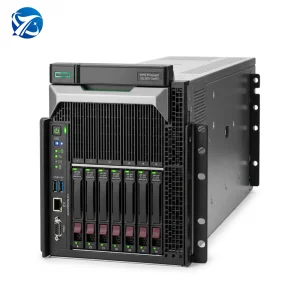
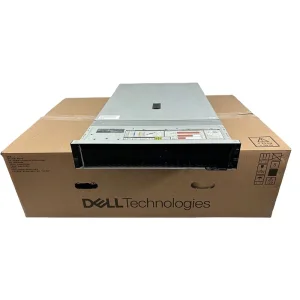
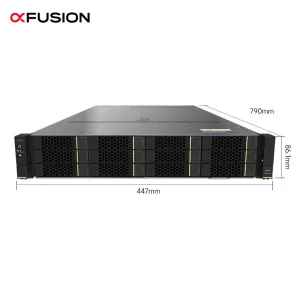
The physical network demands of high-performance computing (HPC) nodes, like the FusionServer 2288H V7 or HPE ProLiant DL380 Gen12, rely heavily on ultra-high bandwidth, low-latency architectures. Transitioning from 100G to 400G and 800G optical transceivers requires highly optimized active component manufacturing. Optical transceivers, active optical cables (AOC), and dense wavelength division multiplexing (DWDM) solutions must function seamlessly with the host's networking cards to prevent packet loss and high Bit Error Rates (BER) which instantly compromise large-scale training runs.
In high-density server configurations, traditional cabling restricts airflow and increases operational heat. Next-generation fiber optic switches and thin optical transceivers enable modular cooling schemes (including liquid-to-air cooling loops), driving down localized power usage effectiveness (PUE) ratios inside server rows.
By designing fiber optic transceivers that utilize Silicon Photonics (SiPh), leading Chinese manufacturers are lowering both production costs and physical footprints. These silicon photonics platforms integrate laser sources directly onto silicon chips, eliminating complex optical alignments and achieving high scalability.
Integrates laser sources and micro-optical elements directly onto silicon substrates, drastically reducing module power consumption and increasing long-term thermal stability.
Leverages Pulse Amplitude Modulation 4-level technology to double the data rate per channel, supporting the transition from legacy 100G NRZ interfaces to modern 800G standards.
Precision-molded MPO/MTP physical contacts limit insertion losses to under 0.35dB, guaranteeing optical budget margins over complex network fabrics.
Synthesizing logistics, multi-region certifications, and technical optimization frameworks for international buyers
Telecommunications operators globally require physical plant reliability. For FTTH (Fiber to the Home) and FTTB (Fiber to the Building) rollouts, the primary purchasing vectors are weather-resistance, compliance with ITU-T recommendations (G.652.D and bend-insensitive G.657.A1/A2 specifications), and installation efficiency. As telecommunications companies scale their optical distribution networks (ODN), utilizing pre-connectorized drop cables and high-performance PLC splitters minimizes field labor costs and deployment errors.
For metropolitan networks, DWDM optical transport systems allow carriers to maximize fiber capacity without digging new trenches. The implementation of coherent optics at the edge allows for 100G/200G throughput on legacy fiber spans, bridging the gap between traditional telecommunication infrastructures and high-speed data exchanges.
Modern hyperscale environments call for robust Data Center Interconnect (DCI) technologies to bind independent cloud clusters. The use of Active Optical Cables (AOC) has surged, providing a reliable, pre-tested optical assembly for short-range top-of-rack (ToR) switch links. For intermediate links up to 2km, single-mode parallel optics (PSM4) or wavelength-multiplexed configurations (CWDM4) are used to balance physical fiber requirements and module unit cost.
Our solutions address high-density patch distribution frames, where physical space is at a premium. Utilizing ultra-dense LC duplex and MPO adapter patches, network architects can fit up to 144 fiber terminations within a single rack unit (1RU), maximizing routing capacity in high-density areas.
Deep learning clusters require dedicated optical backend networks. Unlike front-end networks that handle user-facing traffic, backend clusters use InfiniBand or ultra-low-latency RoCE (RDMA over Converged Ethernet) fabrics. This demands low-latency optical transceivers with latency-optimized internal Digital Signal Processing (DSP) or DSP-free designs (LPO - Linear-drive Pluggable Optics).
LPO reduces propagation latency and power consumption within the optical interface by using raw high-frequency analog signals directly from the switch ASIC, bypassing the digital conversion steps. This is a critical breakthrough for multi-thousand GPU clusters executing synchronous parallel computing tasks.
Integrating technical research, strict quality checks, and production capabilities
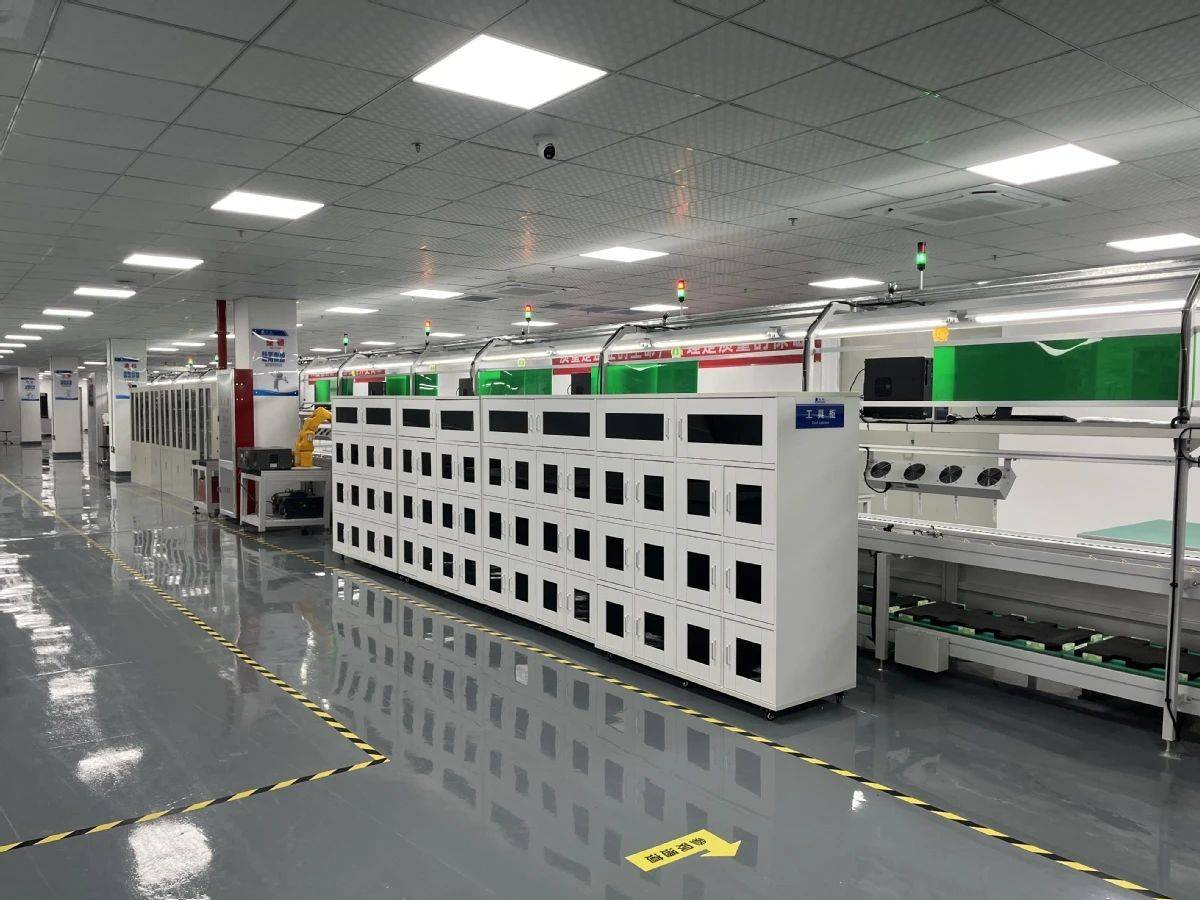
Established in 2016, Elvantis Mesh Systems Ltd. (elvantismesh.com) has grown to become a key developer of high-performance server structures, thermal management systems, and high-density networking products. The facility houses an integrated clean-room environment and development lab of 380㎡, which is optimized for high-performance server architectures, high-density computing designs, and clean optical interconnect validation.
With over 10 years of industry experience and 7 years of export history, the company maintains stable connections across all levels of the manufacturing chain. In the past year alone, Elvantis introduced 120 new products, highlighting our focus on agile engineering and keeping pace with changing AI standards. Our R&D team features 180 engineers and technical staff focused on computing efficiency, liquid cooling loops, and high-speed signal integrity.
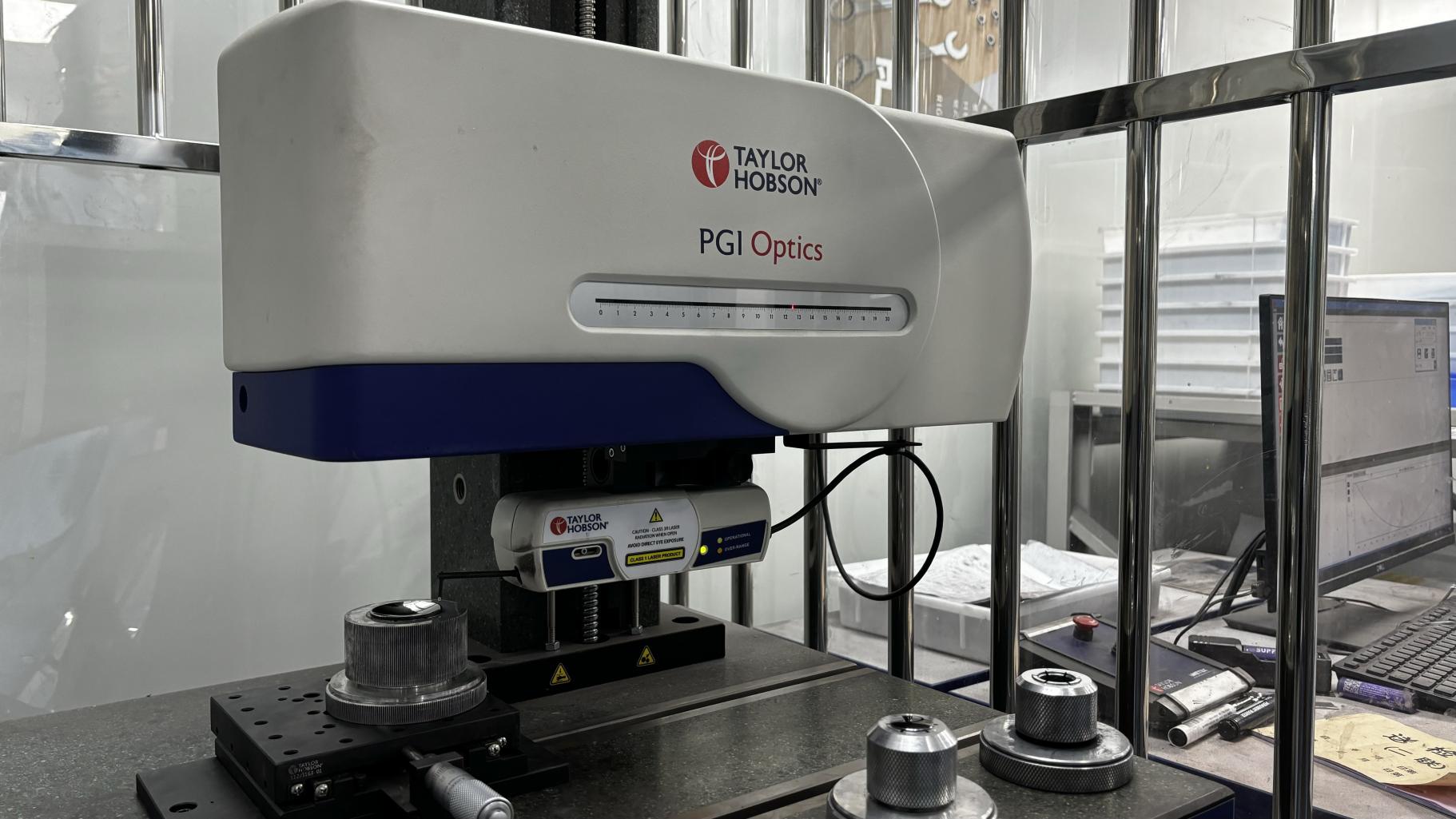
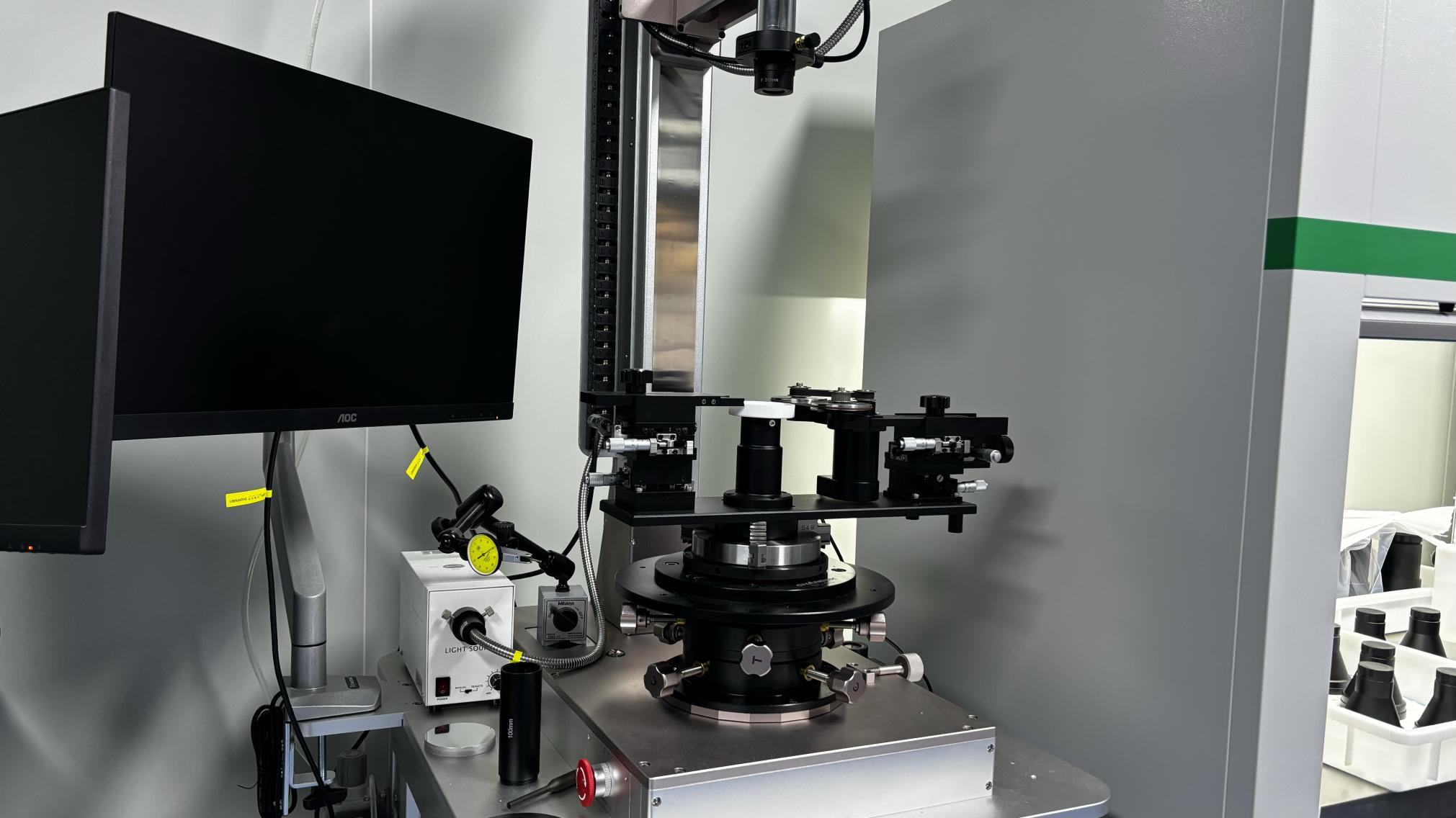
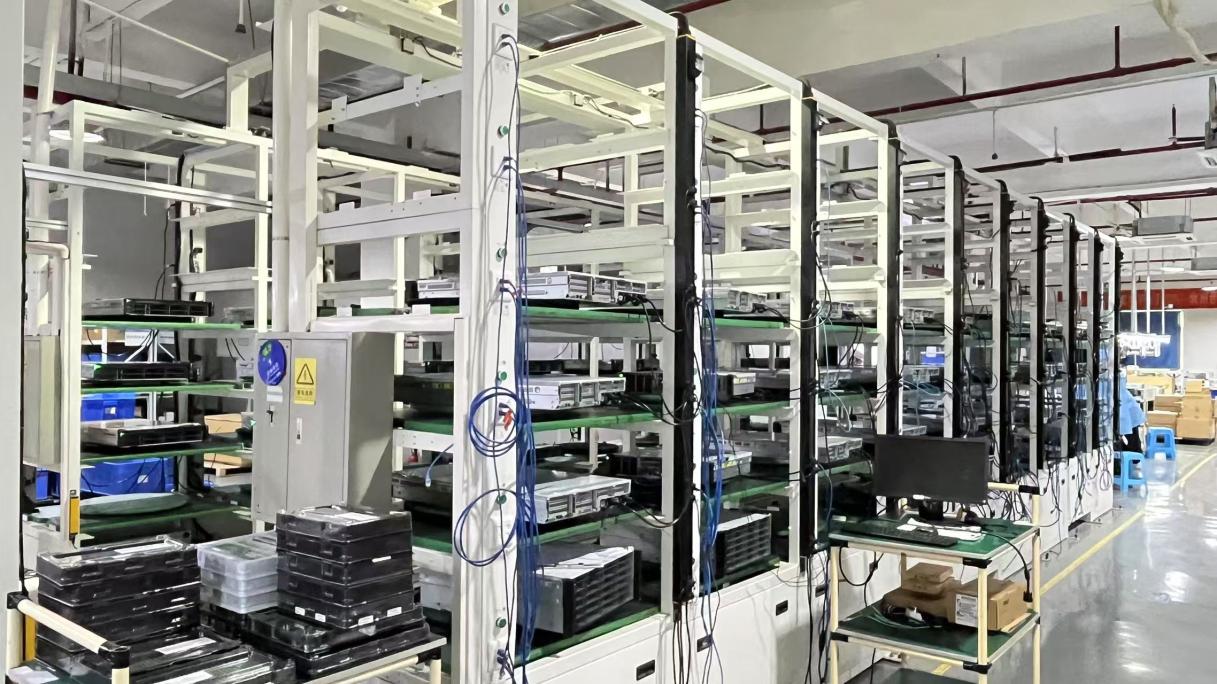
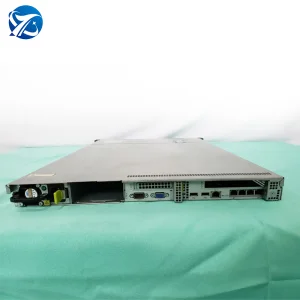
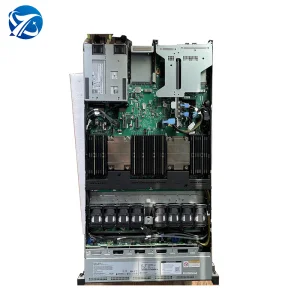
Our quality control protocols rely on a multi-layer quality assurance system backed by 35 dedicated QC professionals. Testing includes automated optical inspection (AOI), hardware diagnostics under load, burn-in testing, and thermal cycling validation to ensure reliability before export.
International deployments require strict regulatory compliance. Elvantis ensures all products conform to local electrical and safety requirements across North America, Europe, the Middle East, and Southeast Asia. We maintain CE, FCC, RoHS, and REACH certifications.
Additionally, our passive optical components are tested to meet GR-326-CORE reliability standards, ensuring structural durability in extreme humidity, thermal fluctuations, and physical vibration.
We offer extensive hardware customization options, from custom-length Active Optical Cables (AOC) with specific EEPROM programming to rack-level integration, custom liquid-cooling adapters, and custom firmware profiles.
Detailed engineering explanations answering key procurement and integration inquiries
Silicon Photonics integrates complex optical components (modulators, waveguides, photodetectors) onto a single silicon substrate. This significantly lowers overall manufacturing complexity, increases yield rates, reduces power consumption, and delivers superior thermal stability compared to traditional discrete optics.
G.652.D is the standard single-mode fiber optimized for long-distance transmissions with low attenuation. G.657.A1 and A2 are bend-insensitive fibers that tolerate sharp bends without significant signal loss, making them the standard choice for FTTH drop cables and tight bends within dense patch panels.
While copper DAC cables are economical for short connections under 3 meters, they become heavy and thick, restricting airflow. AOCs offer thin, flexible, lightweight cables up to 100 meters, which improves airflow in dense computing environments and eliminates electromagnetic interference (EMI) issues.
Our quality assurance protocols include 100% Insertion Loss and Return Loss validation, 3D interferometer analysis for connector end-faces, and environmental chamber testing. For active networking units, we perform real-time bit error rate (BER) checks and thermal cycling tests under load.
LPO removes the digital signal processor (DSP) from the transceiver module, relying instead on the host switch's internal ASIC to drive the analog optical signal directly. This reduces latency to the sub-nanosecond level and cuts optical transceiver power consumption by up to 50%.
Enterprise platforms optimized for demanding modern network environments

A look inside our technical testing and quality validation environments