Elvantis
Elvantis
Elvantis
Select architectural nodes optimized for high-concurrency cloud computing, DeepSeek AI clustering, and enterprise data virtualization.
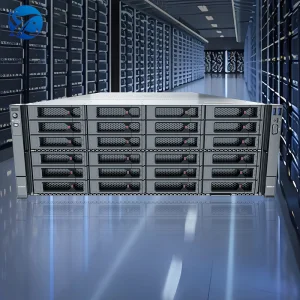
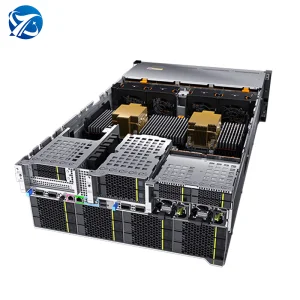
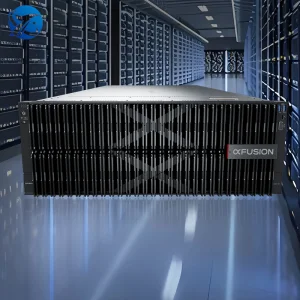
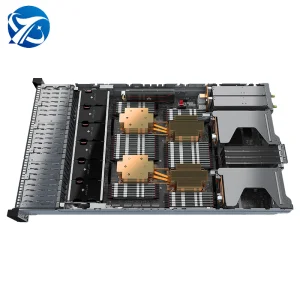
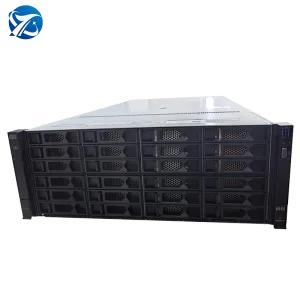
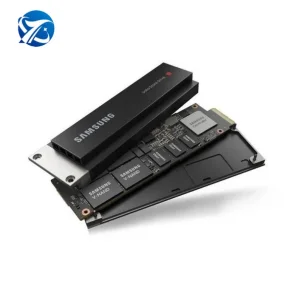
The global enterprise data environment is experiencing an unprecedented architectural shift. Driven by deep neural networks, large language models (LLMs) like DeepSeek, and high-frequency analytical computing, standard localized database infrastructures have evolved into massive, geographically distributed multi-tenant cloud storage matrices. The modern industrial landscape demands hardware that not only preserves data integrity but guarantees sub-millisecond execution speeds under massive parallel access requests.
In this high-performance computing paradigm, cloud storage is no longer classified as passive archival blocks. It has integrated directly into the processing pipeline, transitioning to PCIe Gen 5 architectures, compute express links (CXL), and software-defined high-density NVMe pools. Leading global enterprise clients—ranging from Tier-1 hyperscale hyperscalers to AI research institutes—require dynamic provisioning of block, file, and object storage systems. Manufacturers based in key technological manufacturing hubs like China have adapted to this paradigm by optimizing thermal management, minimizing high-frequency signal degradation on printed circuit board designs, and engineering ultra-dense chassis layouts to maximize storage per rack unit.
"By 2026, over 80% of enterprise workloads will rely on software-defined storage architectures built upon standard high-performance white-box hardware platforms, demanding extreme customization at the firmware and controller level."
Furthermore, energy consumption metrics have forced a revolution in power delivery and rack density. Modern hyper-converged nodes utilize platinum or titanium-grade hot-swappable dual redundant power supplies (PSUs), complex smart cooling fans, and structured airflow pathways to mitigate the massive heat signatures produced by dual-socket Intel Xeon or AMD EPYC processors operating alongside dense arrays of enterprise SAS/NVMe drives and AI accelerator GPU cards.
Our proven track record in manufacturing next-generation computing infrastructure.
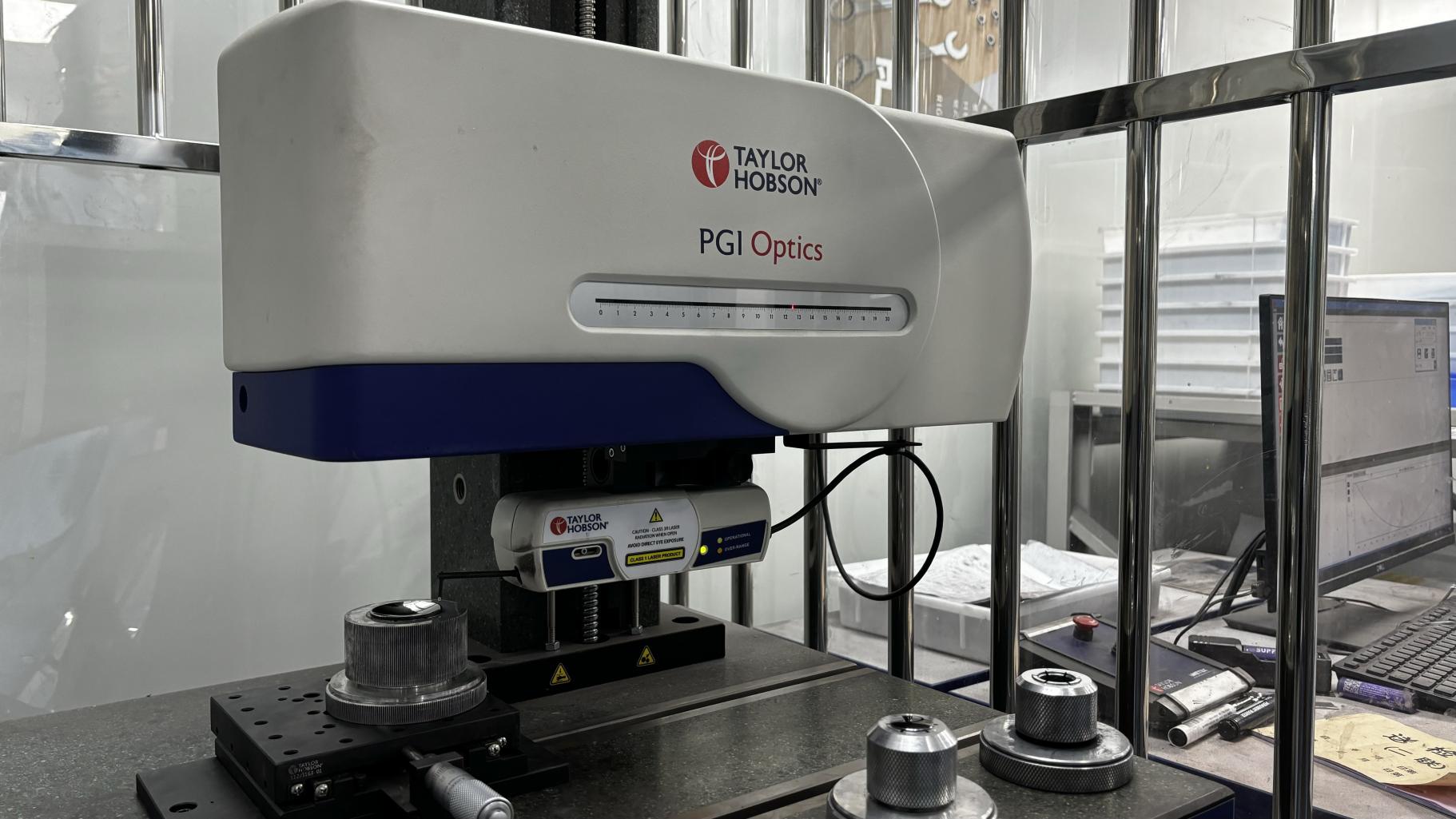
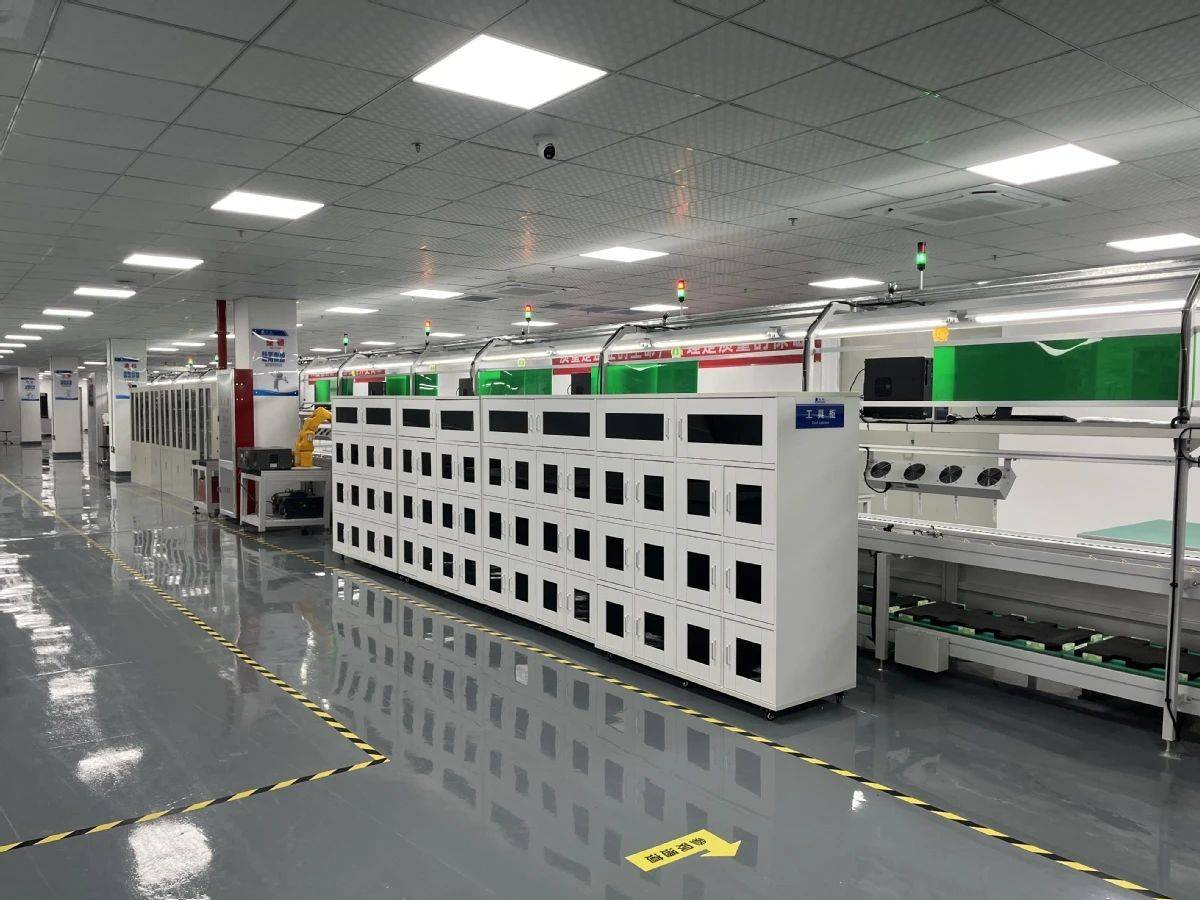
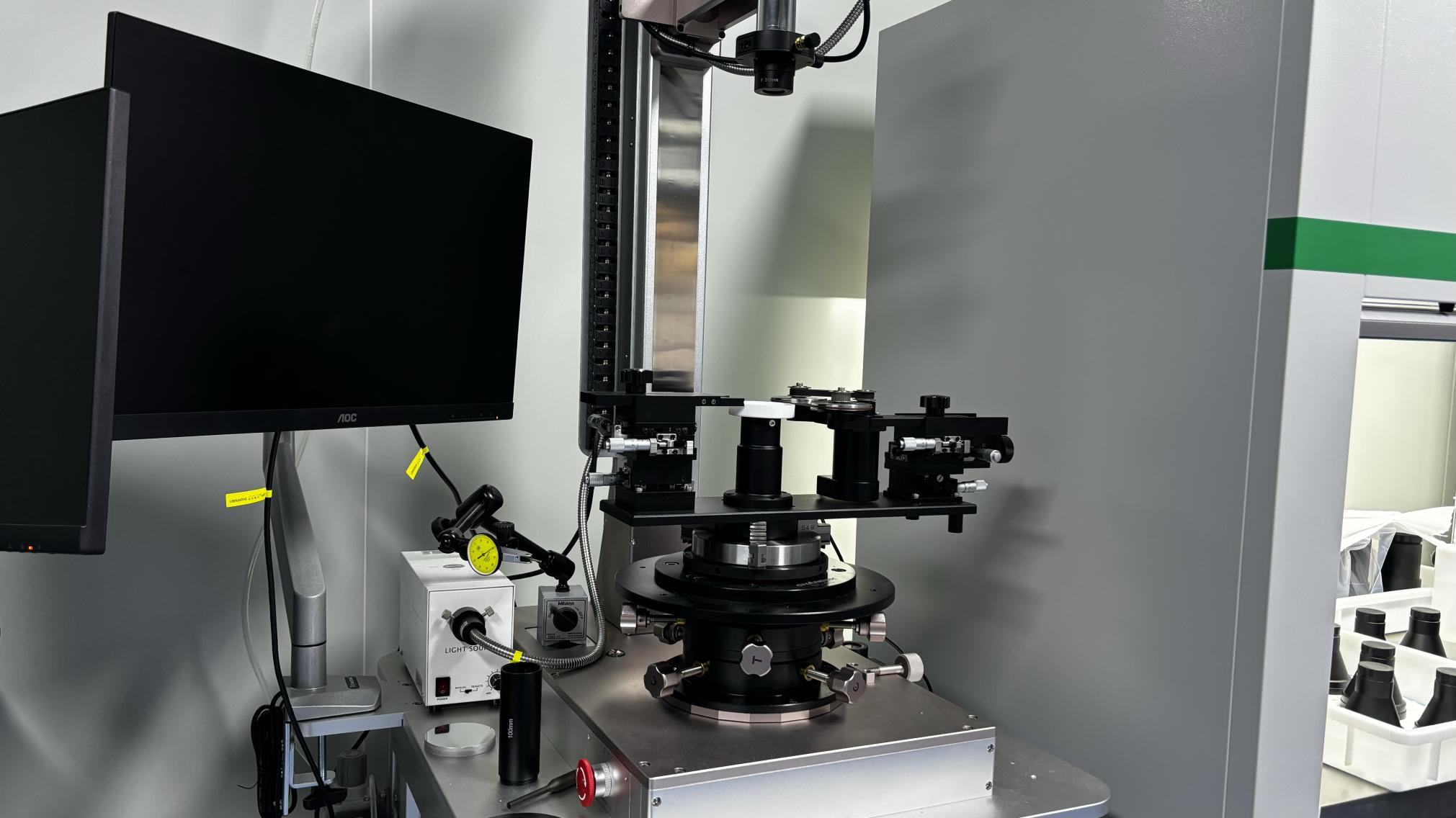
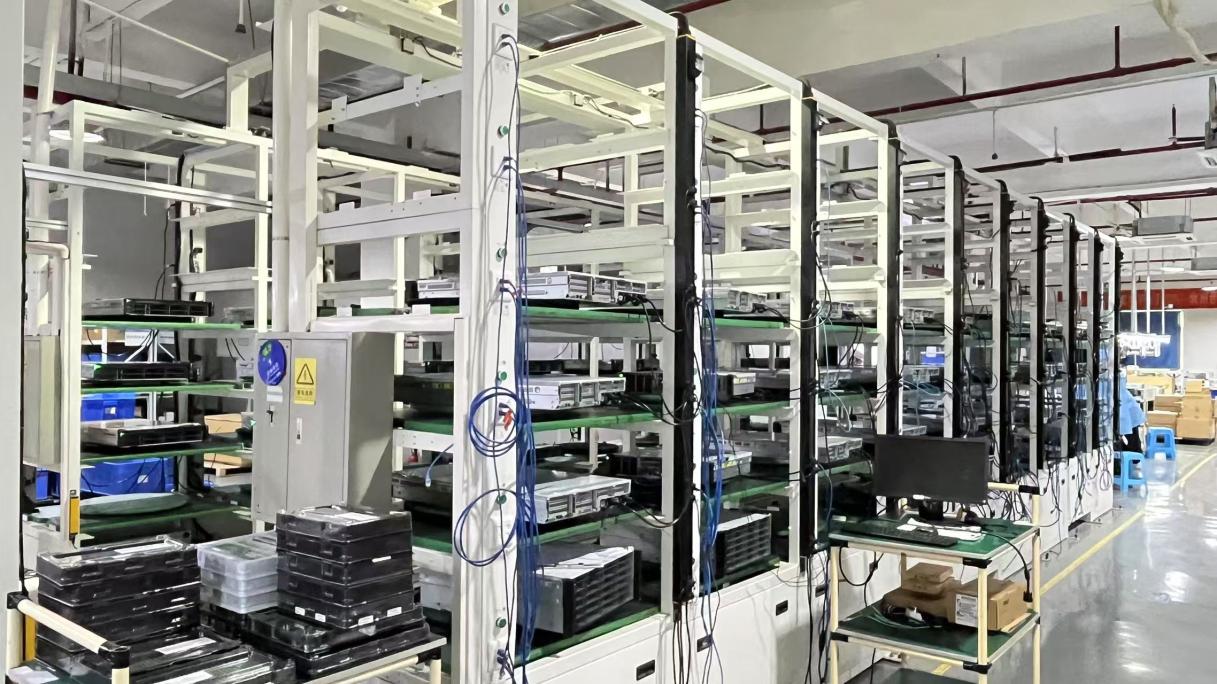
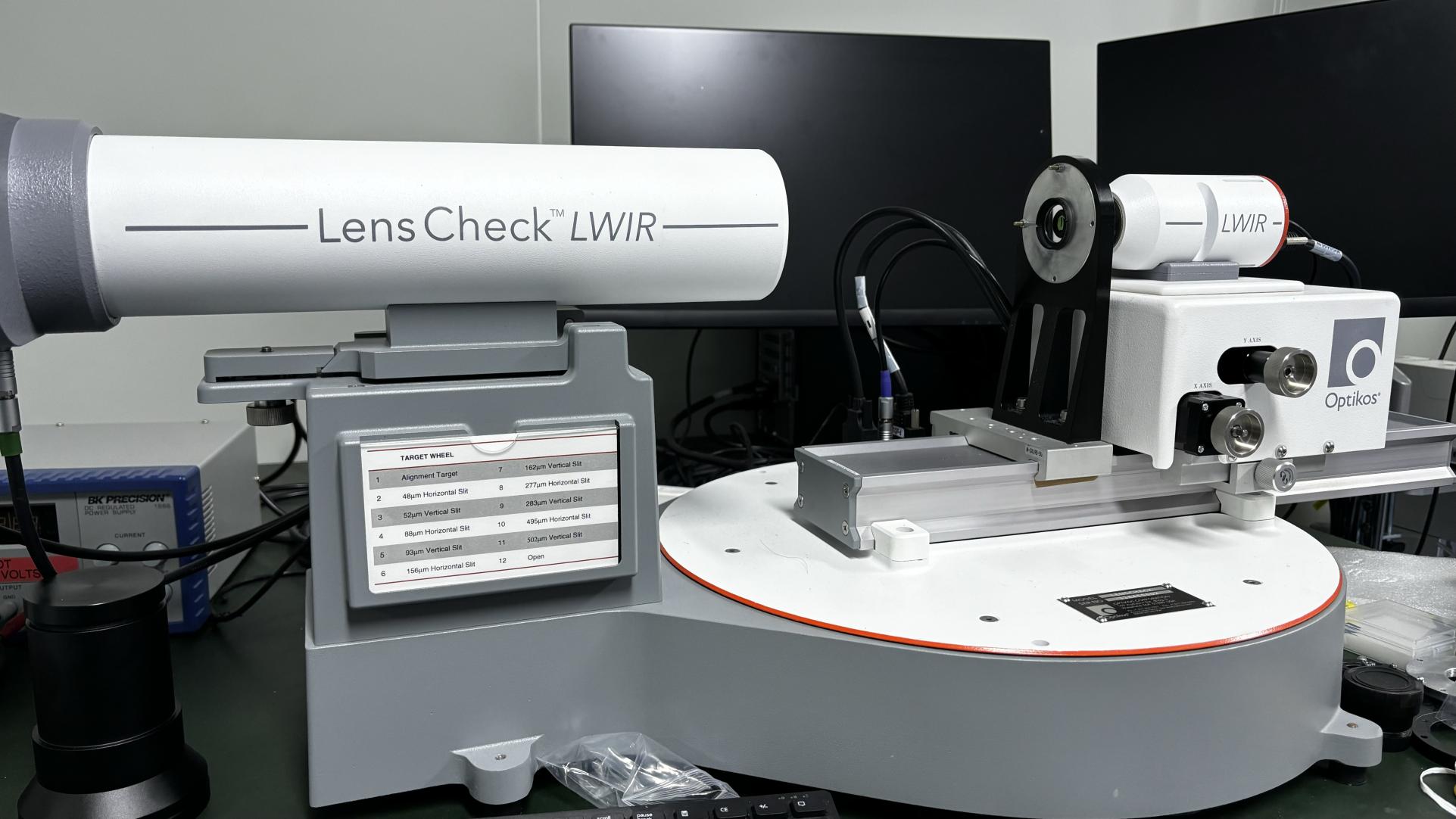
Operating a state-of-the-art 380㎡ specialized testing facility dedicated to rapid prototyping, signal integrity testing, thermal mapping, and custom firmware flashing. This pilot production environment ensures all system revisions undergo rigorous burn-in protocols before batch replication.
Governed by 35 dedicated Quality Control professionals implementing multi-layer testing regimes. From automated optical inspection (AOI) to full-system stress tests simulating continuous maximum computational workloads, ensuring maximum server reliability and zero-defect deployments.
Demonstrating unmatched design flexibility and agility by introducing over 120 new products annually. We rapidly integrate evolving chipsets, controller protocols, and physical layout designs to meet the evolving demands of enterprise AI infrastructure.
The manufacturing ecosystem in China offers unique, structural efficiencies that cannot be easily replicated elsewhere. The geographical consolidation of raw material suppliers, component factories, chip packaging facilities, and assembly units within the Guangdong-Shenzhen-Dongguan industrial clusters creates a localized, high-velocity network. This close physical proximity drastically reduces logistical lead times and allows our R&D engineers to collaborate directly with component fabricators, facilitating real-time troubleshooting and layout adjustments.
Our network of over 850 strategic cooperative partners provides unmatched supply chain resilience. Even during periods of global semiconductor volatility, we secure stable allocations of flash controllers, memory wafers, specialized riser cards, and high-quality server chassis. This procurement power translates to cost savings that we pass directly to our clients, offering superior value without compromising on components or manufacturing tolerances.
Furthermore, China's factory floors benefit from highly automated assembly lines, advanced robotic welding, and automated hardware diagnosis. This ensures high structural consistency across every server unit built. Our production facilities maintain ISO 9001 certification, adhering strictly to global quality assurance models to ensure that every server rack exported matches or exceeds western standards of operational longevity.
The hardware architecture underpinning cloud storage is undergoing rapid evolutionary progress. The industry is currently transitioning from PCIe Gen 4 to PCIe Gen 5 interfaces, which double the data transmission bandwidth. This leap enables NVMe enterprise SSDs to achieve read speeds exceeding 14,000 MB/s, unlocking new potentials for read-intensive workloads. Looking ahead, our R&D division is actively working on integration paths for PCIe Gen 6 and CXL 3.0 technology, aiming to create dynamic memory-centric infrastructure arrays.
Integrating advanced PM9A3/PM1643A series enterprise SSDs directly onto PCIe Gen 5 bus configurations, achieving unparalleled I/O operations per second (IOPS). Implementation of dual-port SAS and NVMe drives to prevent single-point failures within high-availability SAN storage arrays.
Deploying Compute Express Link (CXL) architectures to enable pooled, shared memory pools between host CPUs and storage controllers. Development of hybrid direct-to-chip liquid cooling plates for 4U high-density storage arrays to handle rising TDP configurations of newer controllers.
Incorporating on-controller machine learning engines to dynamically manage wear leveling, predict storage failure anomalies, and auto-route hot data paths. Moving from copper traces to optical silicon interconnects to eliminate electrical resistance and signal loss across massive backplane configurations.
Through this structured technology roadmap, Elvantis ensures that its hardware platforms remain forward-compatible, shielding enterprise investments from premature obsolescence while keeping pace with the demands of global computing architectures.
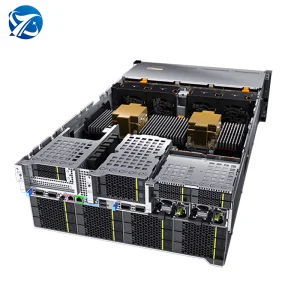
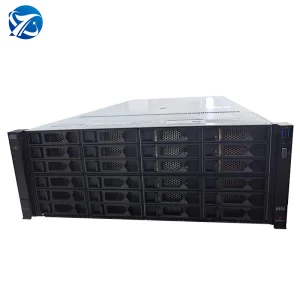
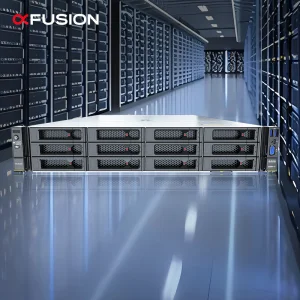
Enterprise storage hardware must perform reliably across diverse operational environments. Our server systems, including 4U high-density arrays and 2U rack servers, are engineered to excel in specific localized deployment scenarios:
Integrating high-density GPU computing nodes with ultra-fast NVMe storage tiers. By leveraging PCIe Gen 5 pipelines, the latency between GPU memory and SSD storage is minimized, facilitating rapid model training, fine-tuning, and inference pipelines.
Designed for large-scale corporate networks where multi-departmental data access must remain seamless. Our hardware platforms support Ceph, GlusterFS, and traditional ZFS configurations, offering flexible storage volumes with auto-failover safeguards.
Perfect for deployment in regional carrier data hubs where physical footprint and thermal thresholds are highly restricted. The shallow-depth chassis designs and high-efficiency power architectures perform optimally in varied temperature zones.
Deploying critical hardware infrastructure requires strict adherence to international safety and data regulations. Every hardware system we build undergoes validation testing to comply with FCC, CE, RoHS, and WEEE directives, ensuring seamless clearance at global customs and compliance in end-user jurisdictions.
We provide comprehensive OEM/ODM options to meet localized data laws, such as GDPR in Europe and HIPAA in the United States. This includes integrating Trusted Platform Modules (TPM 2.0) directly onto the motherboards, and developing custom UEFI/BIOS configurations to restrict boot protocols and secure cryptographic signing keys.
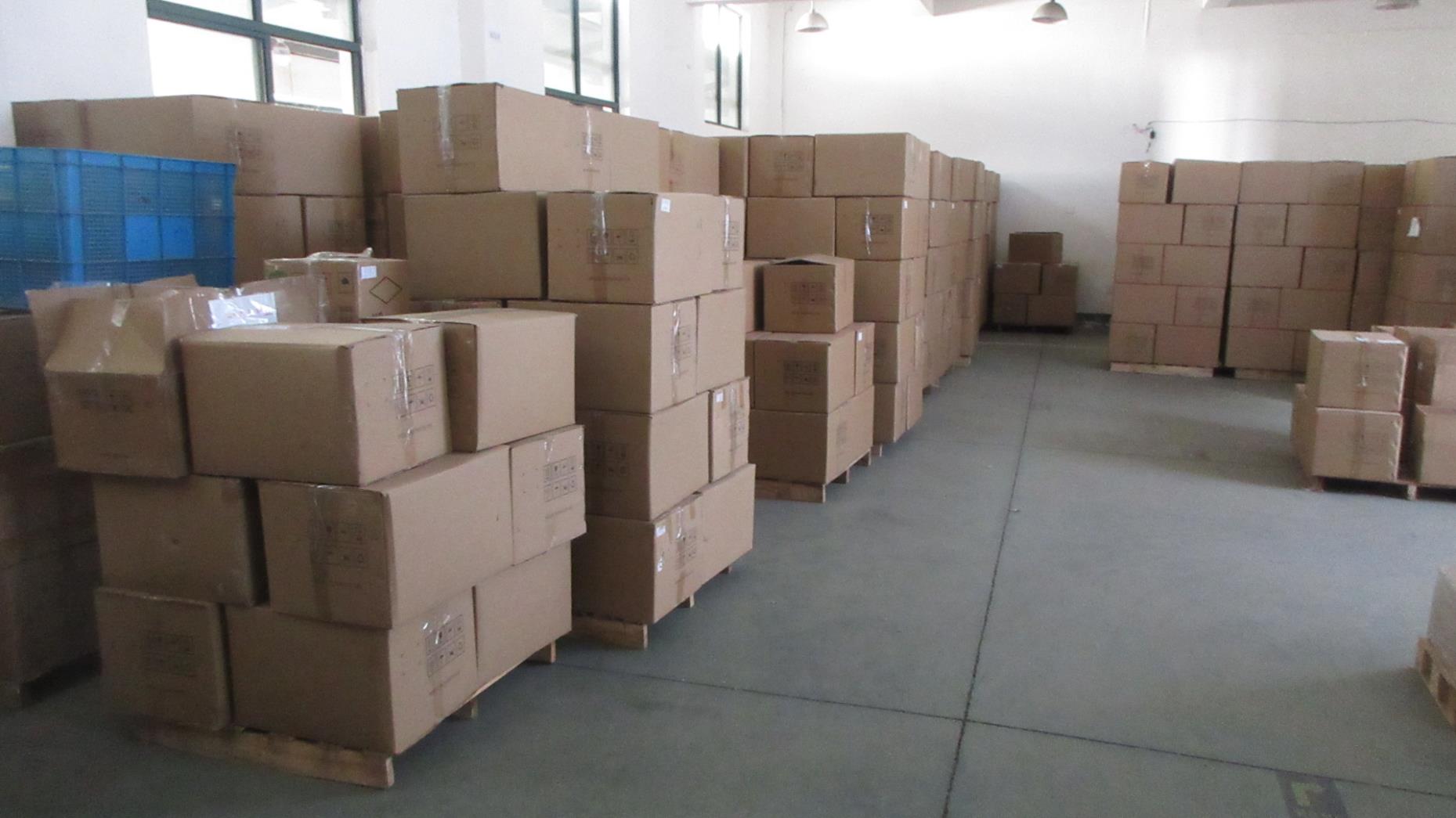
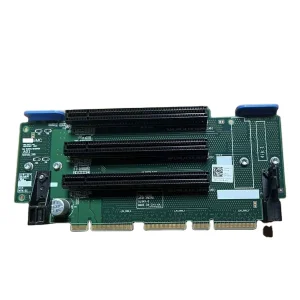
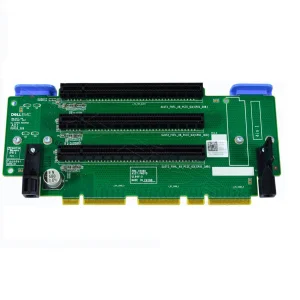
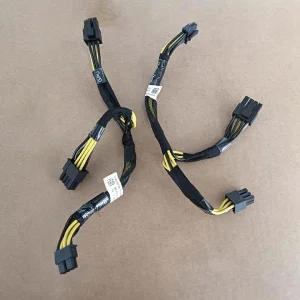
Our localized support agreements feature custom SLA levels, providing multi-lingual technical assistance, advance warranty replacements, and spare parts logistics. By stocking component kits—including riser cards, power cables, and replacement drives—near regional shipment hubs, we ensure business continuity for all operational data centers.
Common inquiries regarding deployment, hardware compatibility, and manufacturing specs.
Select modular components, high-density AI data servers, and enterprise interface expansions.
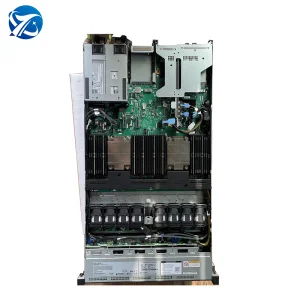
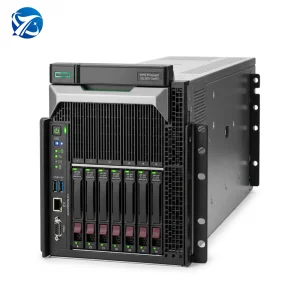
Visual insights into our assembly lines, integration floors, and testing setups.