Elvantis
Elvantis
Elvantis
Enterprise-grade server chassis, system accelerators, and storage layers built for massive parallel virtualization workflows.
In the era of hyper-distributed workforces, cloud-native virtualization, and rapid artificial intelligence integration, the legacy desktop paradigm presents escalating security, operational, and capital expenditures. Virtual Desktop Infrastructure (VDI) has transitioned from a niche consolidation tool for remote terminals into a crucial baseline infrastructure pattern for enterprises globally.
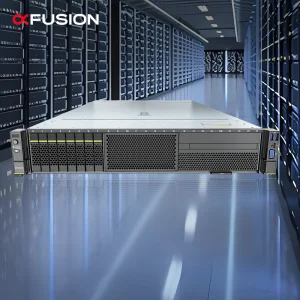
By shifting to 2U 2-socket architectures with next-generation multi-core Xeon processing nodes, enterprises achieve unprecedented density ratios, supporting hundreds of concurrent VDI sessions per unit chassis.
VDI environments ensure that intellectual property and high-value customer datasets never physically leave the secure confines of the localized data center, mitigating endpoint vulnerability vectors.
Dynamic provisioning of virtualized instances allows system administrators to deploy, configure, spin down, or patch operating system builds across thousands of users in minutes, rather than days.
Our facility offers vertically integrated VDI and AI server engineering built on high-precision capabilities.
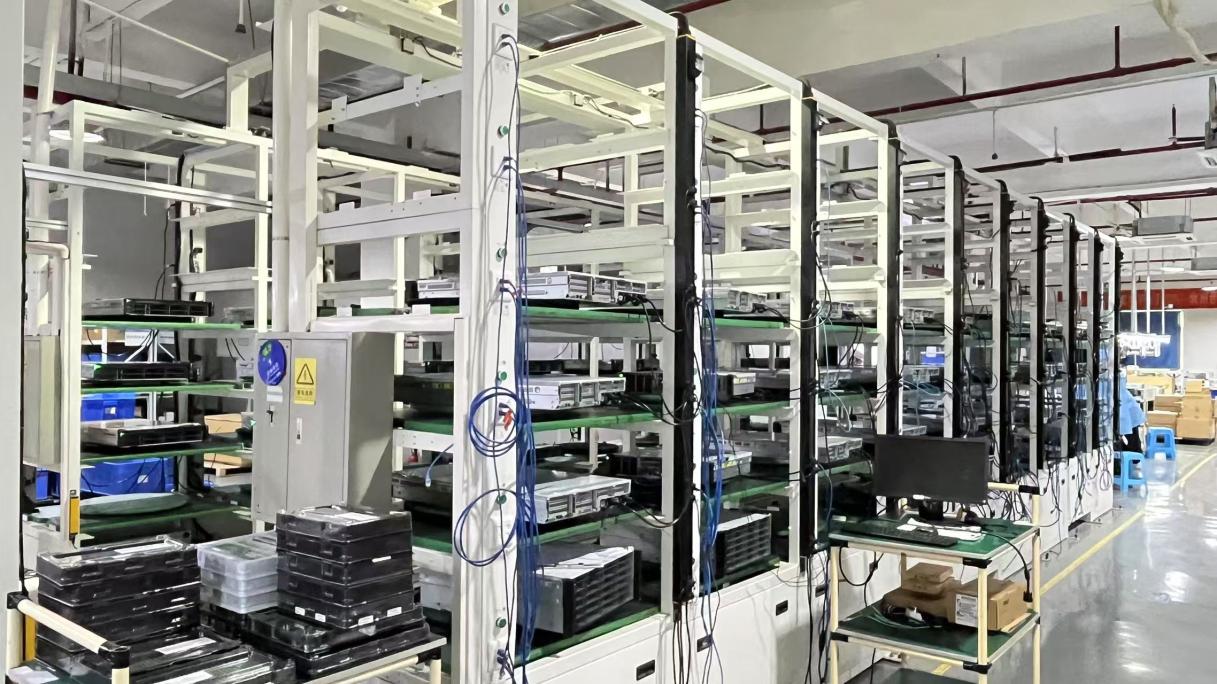
As global technology networks shift toward distributed computational topologies, our advanced fabrication plants provide rapid iterations. We customize server hardware layout, thermal profiling, and system-level configuration under an extensive multi-tier Quality Assurance umbrella.
ISO 9001 Compliant Quality SystemDeploying virtualized environments at scale demands a granular understanding of physical infrastructure limitations. The most common failure modes for VDI solutions stem from bottlenecks in storage I/O, memory bandwidth constraints, and system latency under peak utilization hours. Our custom architectures address these issues through optimized hardware design.
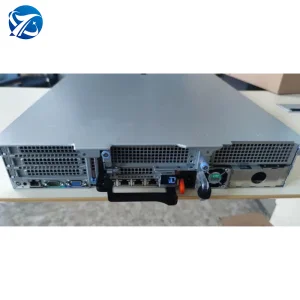
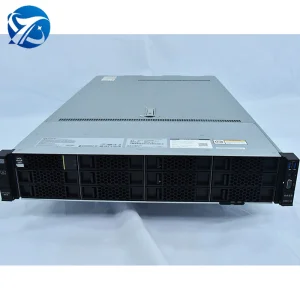
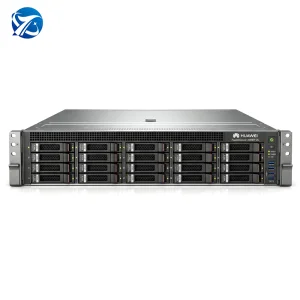
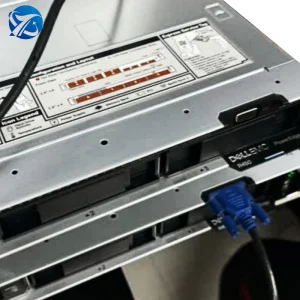
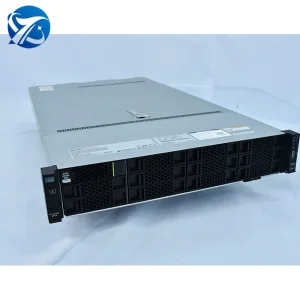
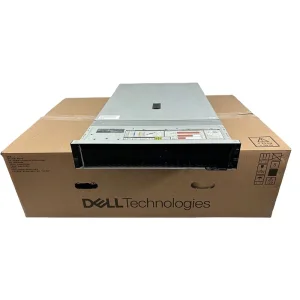
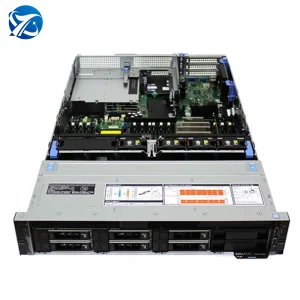
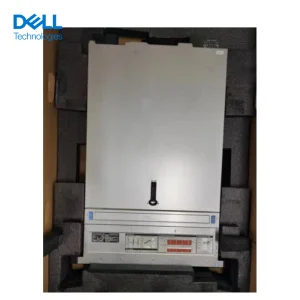
Using enterprise nodes such as the xFusion 2288H V6 or Dell PowerEdge R760 platforms allows system integrators to configure dual Intel Xeon Scalable processors with up to 80 physical cores per system. This enables deep multi-tenant density ratios while reserving enough compute overhead to prevent latency spikes during high-load shifts.
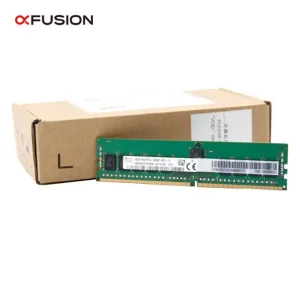
VDI hypervisors demand exceptional memory bandwidth. With server RAM options like DDR5 RDIMM 6400MHz, system throughput is accelerated significantly. ECC (Error-Correcting Code) functionality acts as a defense system, correcting single-bit errors in real-time, preventing catastrophic hypervisor host crashes that could affect hundreds of connected VDI sessions simultaneously.
Ensure a minimum allocation of 8GB of physical DDR5 memory per generic worker, scaling to 32GB+ for high-performance power users. Integrating RDIMMs running at 6400MHz ensures that the memory bus does not become a bottleneck under complex operations.
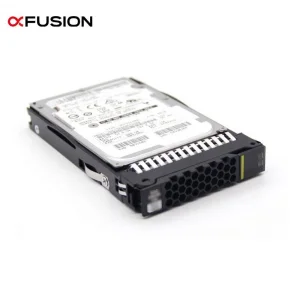
IOPS boot storms represent one of the most critical operational challenges in enterprise VDI. Utilizing enterprise SATA and NVMe solid-state storage (e.g., PM893 series SSDs) configured with hardware controllers like the LSI 9560-16i 8GB PCIe Gen 4.0 RAID card ensures rapid read/write speeds, enabling fast boot times and system responsiveness.
A deep look into the structural efficiency, component supply chain depth, and quality control systems of the global manufacturing capital.
By leveraging an expansive network of over 850 cooperative component partners, our production facilities enjoy direct, low-latency access to raw raw-material inputs, microchips, backplane PCBs, and cooling assemblies. This allows us to scale manufacturing volume rapidly while minimizing lead times.
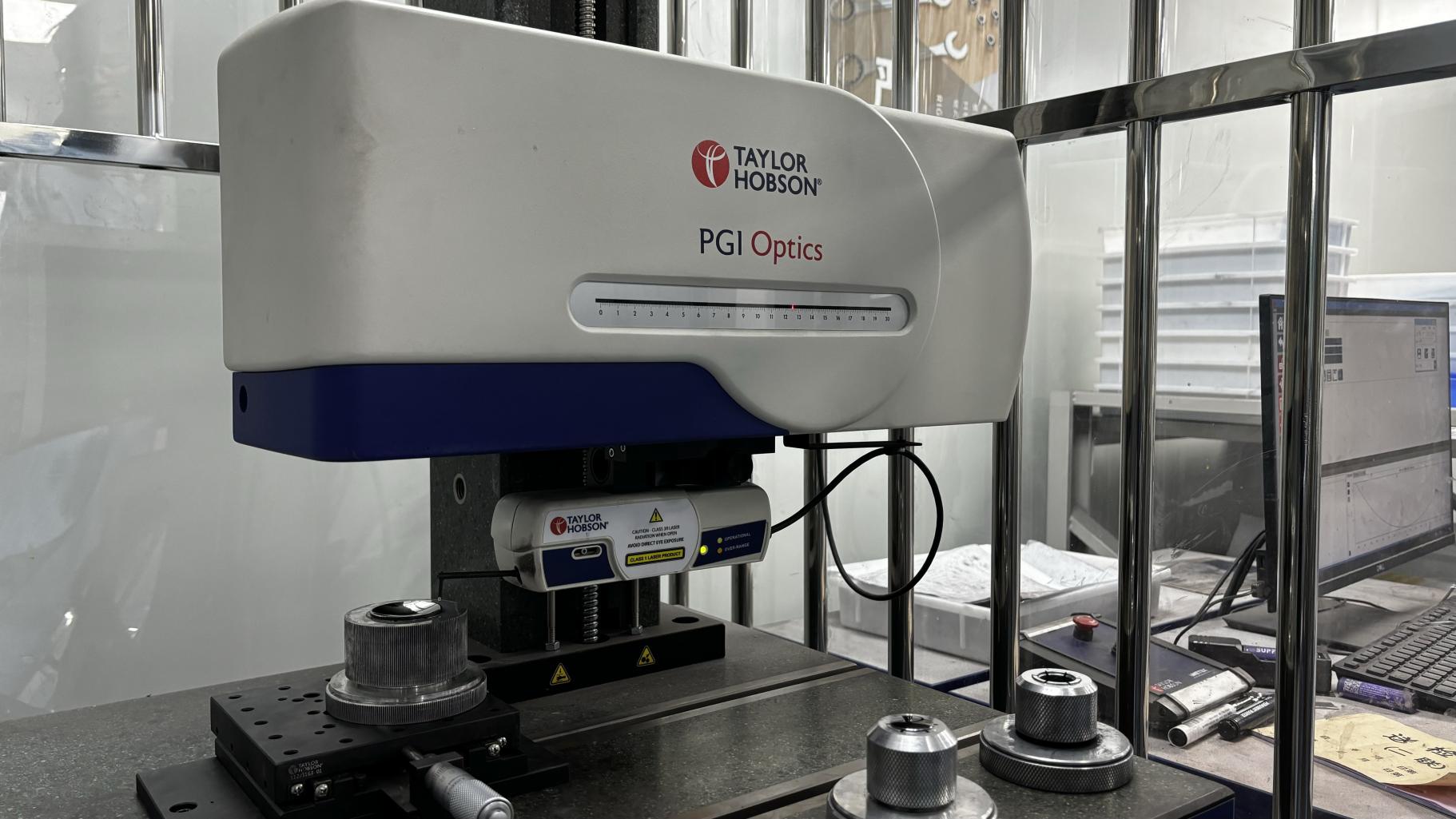
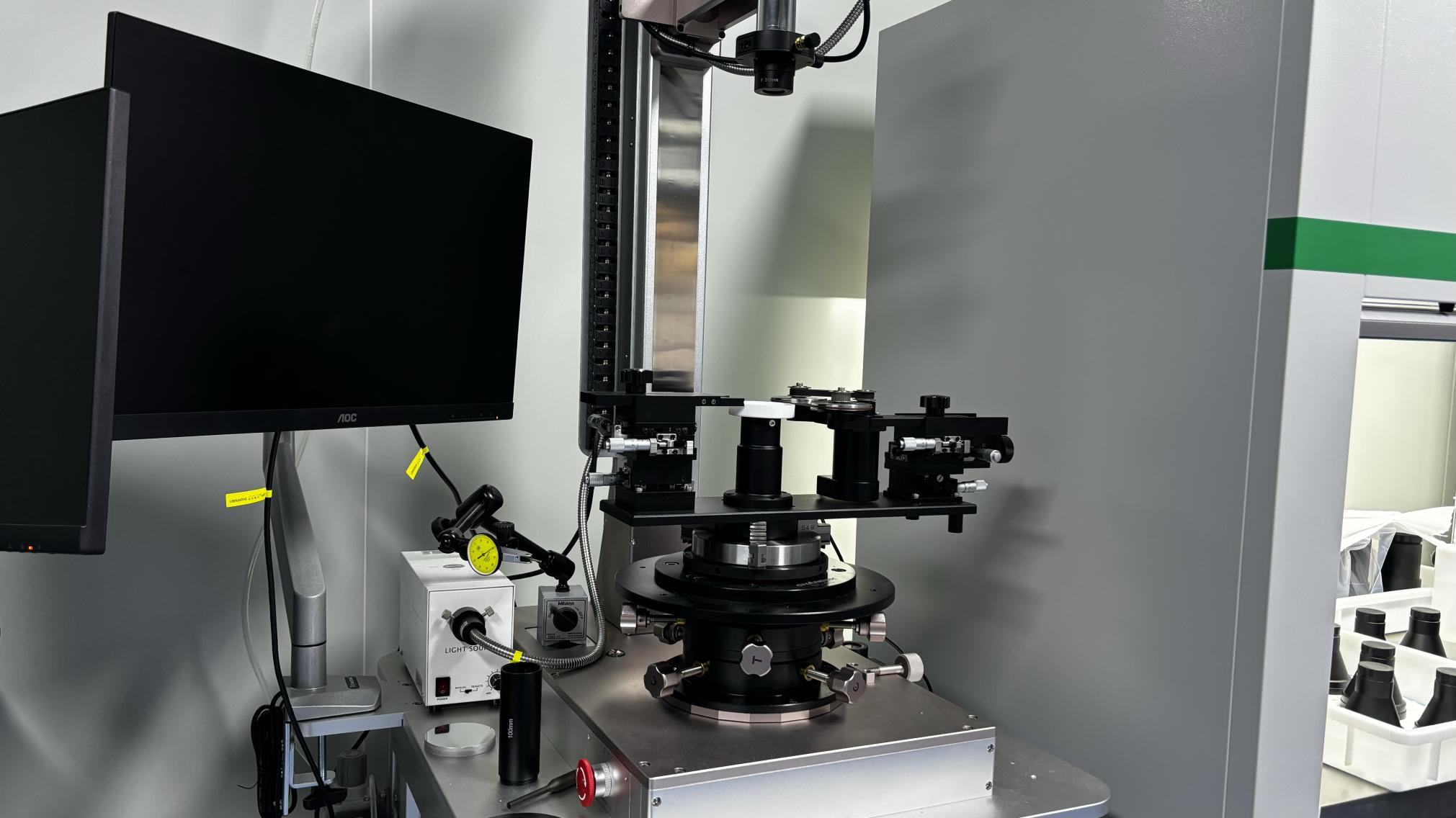
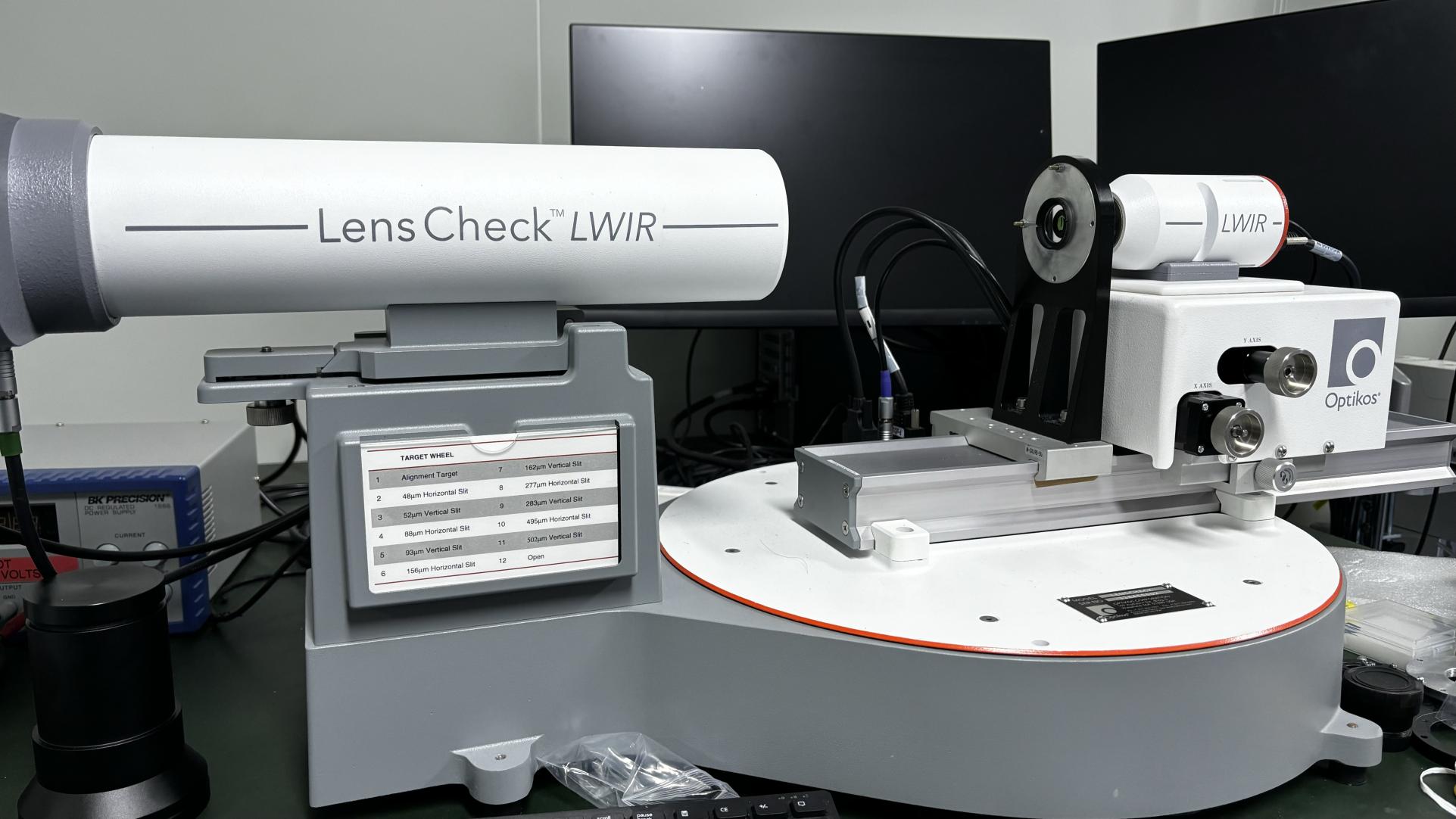
Our quality assurance framework utilizes a team of 35 dedicated QC professionals. Systems are subjected to Automated Optical Inspection (AOI), high-temp thermal cycling, burn-in verification under full AI workload scenarios, and multi-day load stress testing prior to worldwide container packing.
Unlike standard off-the-shelf system vendors, our factory provides depth in hardware engineering modifications. Whether it involves re-designing server front plates for specialized chassis, altering PCIe configurations, or developing BIOS setups for bare-metal hyperscale networks, our 180+ R&D team can implement custom client designs.
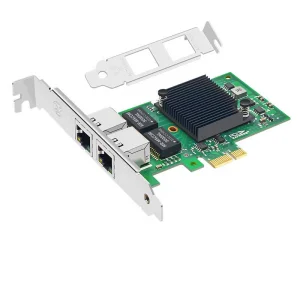
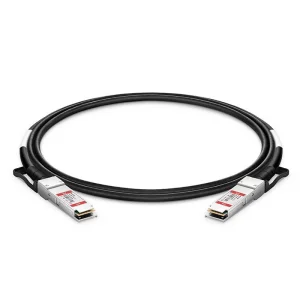
Build robust virtual clusters using enterprise-tier solid-state drives, high-density host controllers, and multi-gigabit low-latency interconnects.
Crucial information for technical architects and procurement teams designing global enterprise networks.
Elvantis Mesh Systems Ltd. (elvantismesh.com) is an AI GPU and VDI server manufacturer specializing in scalable computing infrastructure for artificial intelligence, high-performance computing (HPC), and data center deployments. Since our founding in 2016, we have focused on designing server solutions with optimized thermal architectures and flexible configurations.
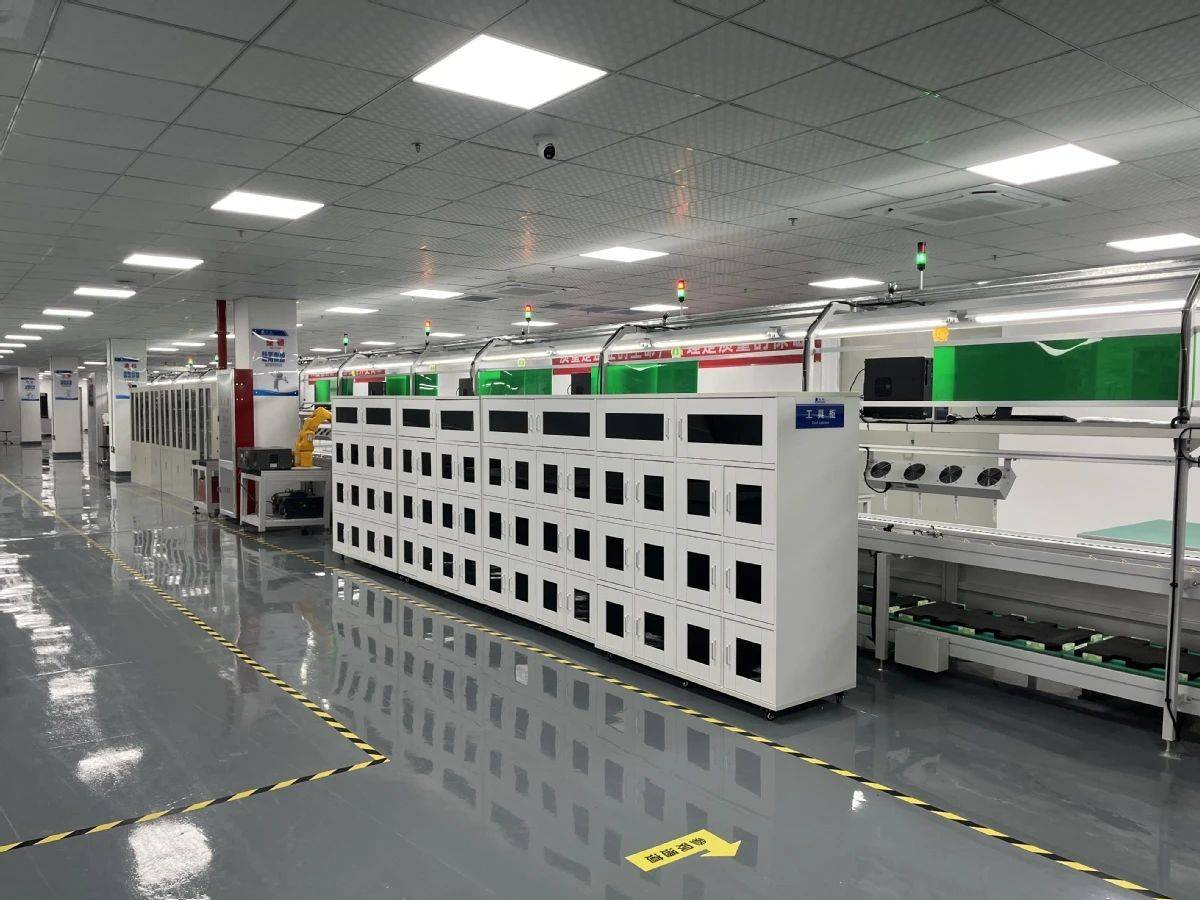
Operating from a production facility of approximately 380㎡, our company integrates assembly, testing, and quality assurance processes. With 10 years of industry experience and 7 years of export history, we serve global enterprise clients across North America, Europe, the Middle East, and Southeast Asia.
Our export operations are supported by a partner network of around 850 suppliers, ensuring component supply chain stability. We employ a multi-layered quality control framework based on ISO 9001 management standards, utilizing automated optical inspection, diagnostic testing, and full-load burn-in verification.
Our quality control team comprises 35 professionals who oversee every phase of assembly and configuration.