Elvantis
Elvantis
Elvantis
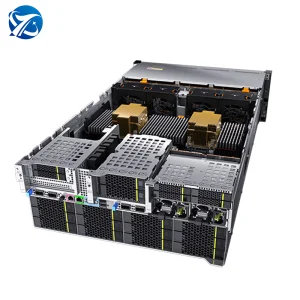
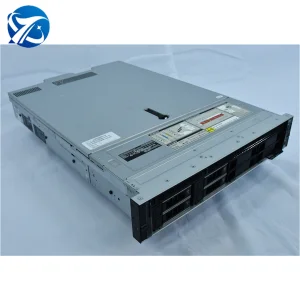
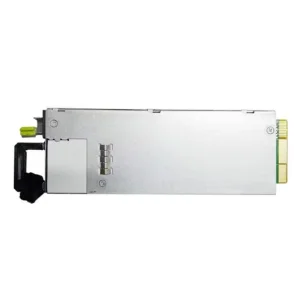

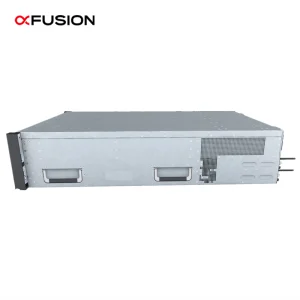
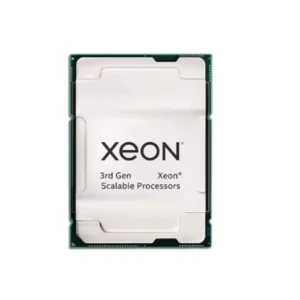

Elvantis Mesh Systems Ltd. is a global technology pioneer, engineering top-tier, hardened GPU/CPU servers and next-generation storage platforms for mission-critical deployments.
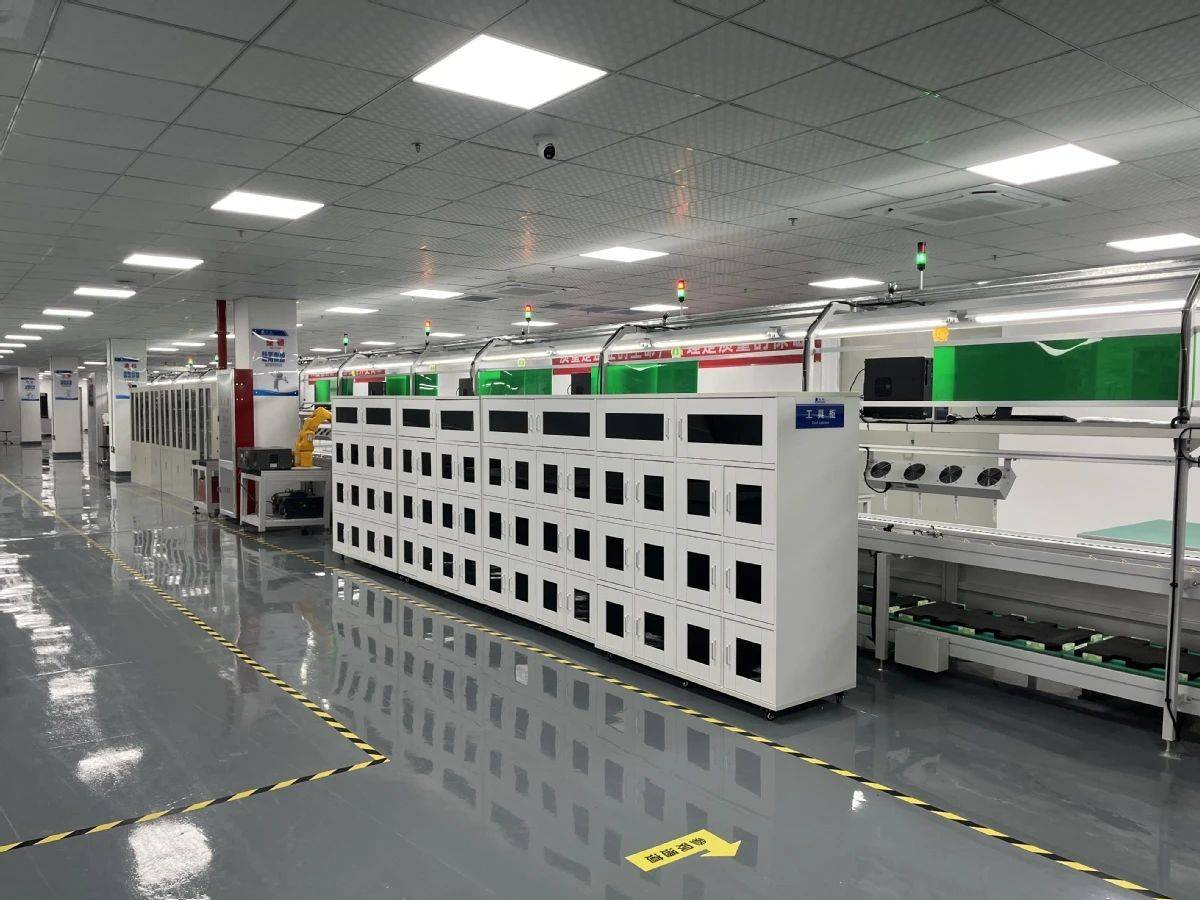
Founded in 2016, Elvantis Mesh Systems Ltd. (elvantismesh.com) stands at the absolute vanguard of computational hardware innovation. Operating a specialized 380㎡ advanced prototyping and testing facility, we have fused over 10 years of deep industry expertise with 7 years of seamless global export capabilities to address the core security threats facing modern data centers.
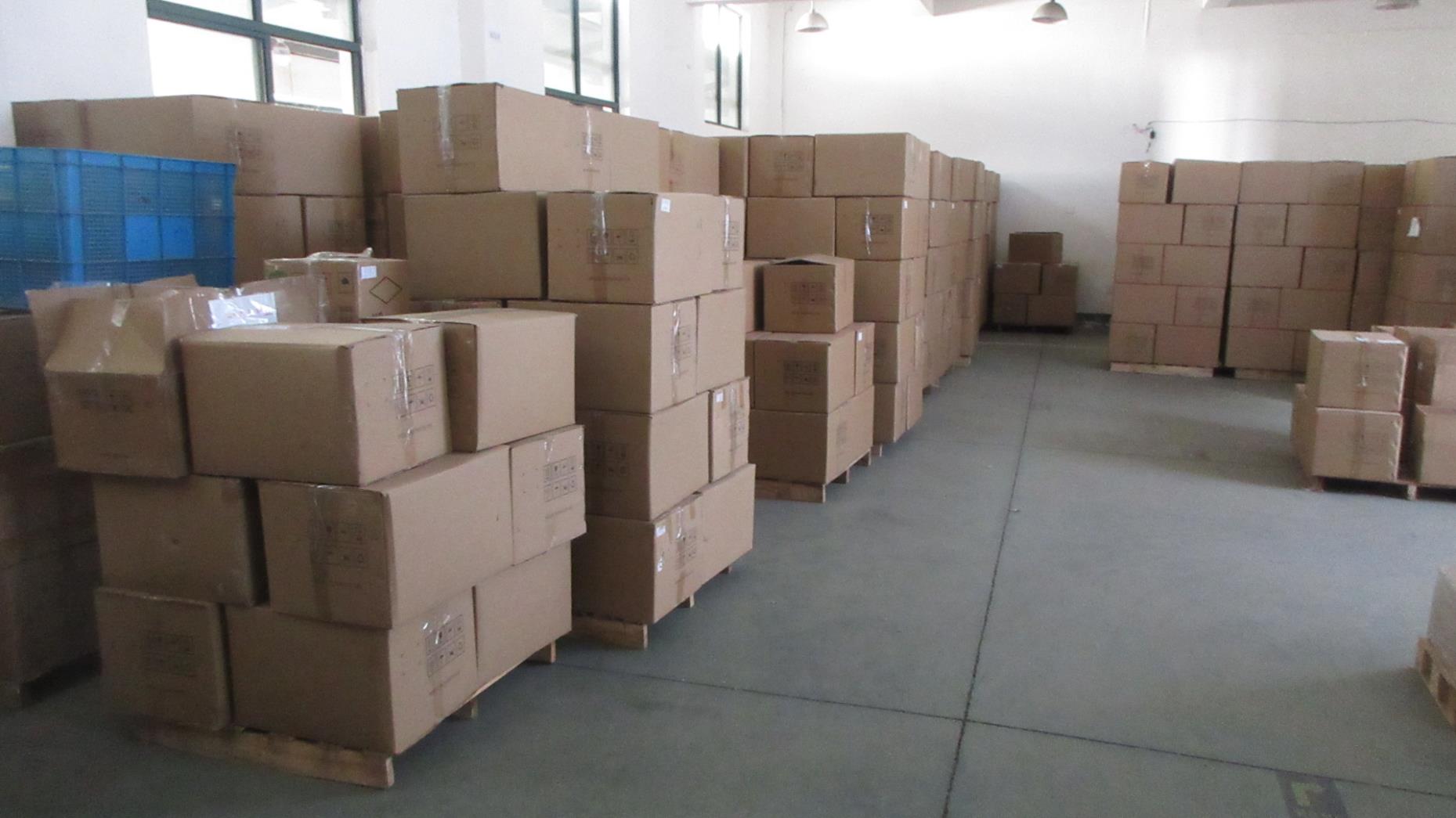
Our operation is underpinned by an expansive hardware ecosystem, supported by over 850 cooperative supply chain partners. This unparalleled network enables us to maintain design and shipping velocity, generating an annual export footprint of USD 12 million. We don't merely assemble hardware; we build verified integrity.
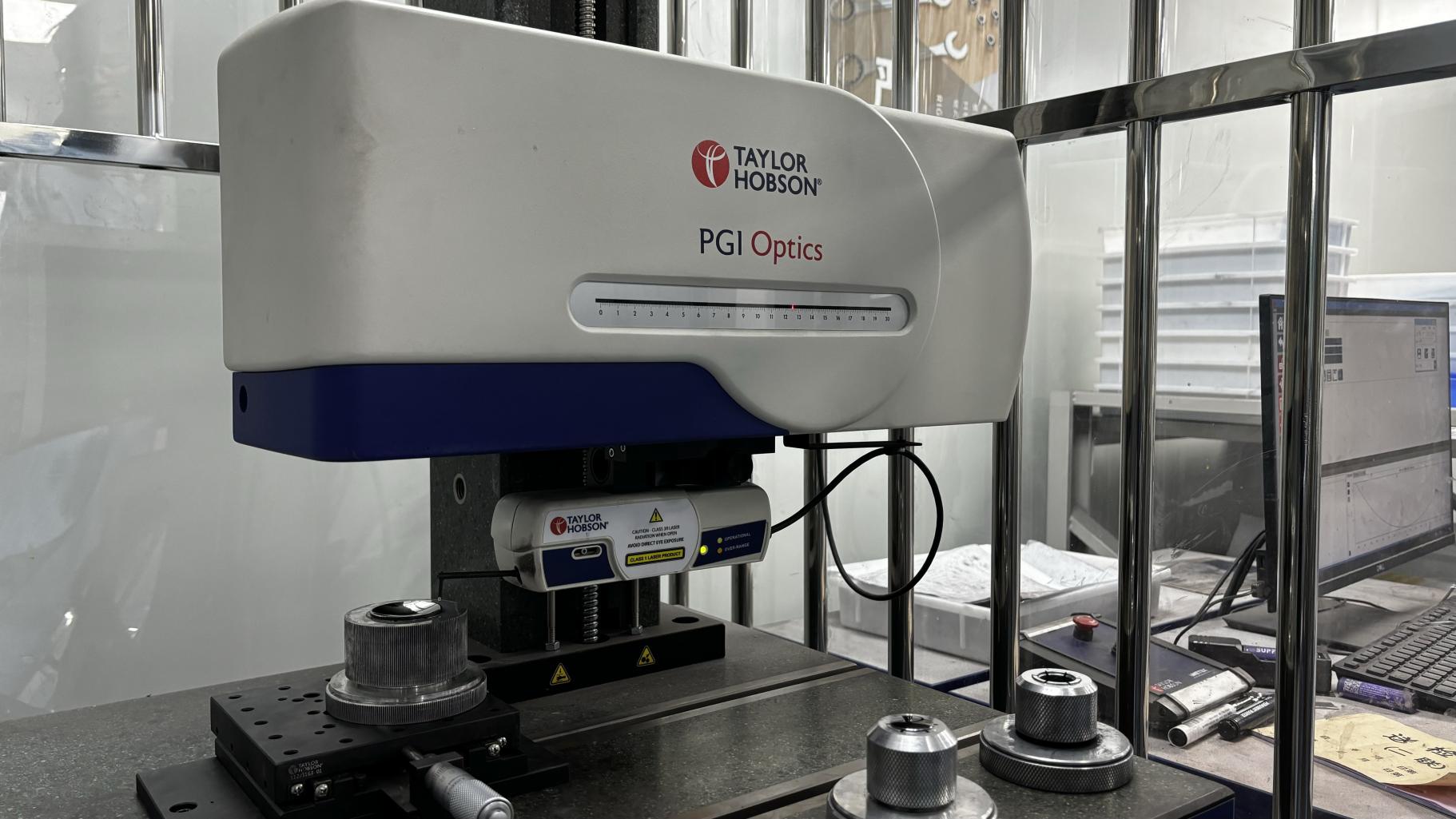
Each platform we configure is subjected to a strict multi-layer quality assurance system. This involves rigorous testing regimes including high-stress burn-in cycles, environmental chamber testing, and Automated Optical Inspection (AOI). Our quality validation framework is orchestrated by a dedicated division of 35 QC inspectors, guaranteeing defect-free compliance prior to shipment.
Deploying hardened security servers across demanding industries to safeguard critical workloads from advanced threats.
Securing Deepseek LLM clusters and proprietary models from code injection, reverse engineering, and hostile parameter tampering at the hardware layer.
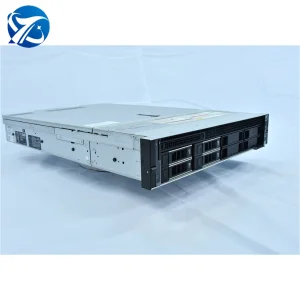
Deploying hardened 2U compute blocks for municipal nodes, strictly verifying operating system boot states through hardware TPM 2.0 validation.
Processing transactions within Hardware Security Modules (HSM), leveraging cryptographic key rotation directly separated from default hypervisor control loops.
| Deployment Arena | Critical Hardware Component | Primary Vulnerability Mitigated | Standard Security Control |
|---|---|---|---|
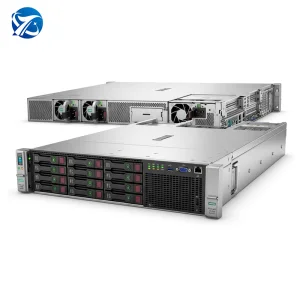
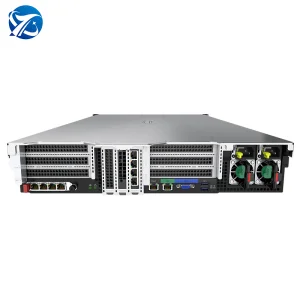
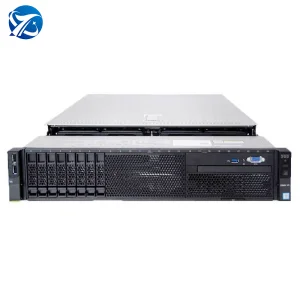
| High-Performance Compute (HPC) | xFusion 2288H V7 Compute Nodes | Inter-VM Memory Snooping & Side-channel leaks | AMD SEV-SNP / Intel SGX Enclave Architecture |
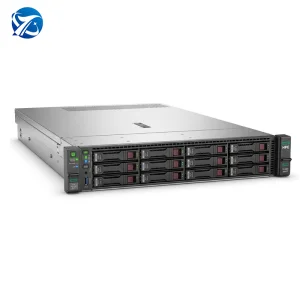
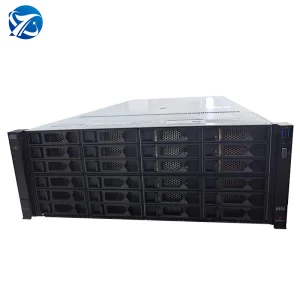
| Hyperscale Cloud Storage | FusionServer 5288 V6 Dense Systems | Firmware injection attacks via untrusted PCI Express lines | Hardware-enforced Silicon Root of Trust (RoT) |
| Edge AI Inferencing | FusionServer G5200 V7 GPU Infrastructure | Hostile physical manipulation of GPU cache memory | TPM 2.0 cryptographical validation at startup |
A deep look into how Elvantis systems address hardware-level security, root-of-trust validation, and advanced firmware resilience.
Our R&D division, featuring 180 engineers, is committed to creating secure computing environments that start at the hardware level. The core of this focus is building a Silicon Root of Trust (RoT) directly onto the motherboard's main control unit. By anchoring security in the silicon itself, we establish a cryptographically verifiable chain of trust that starts the second power is applied to the server.
Modern cloud systems face sophisticated attacks that target the firmware before the operating system even boots. Standard defense methods are often bypassed by persistent UEFI/BIOS exploits. Elvantis addresses this vulnerability by implementing automated BIOS validation and hardware-enforced write locks, protecting our systems against malicious firmware updates.
We are also advancing confidential computing technologies. By using secure hardware-encrypted enclaves, our rack architectures enable clients to process sensitive workloads while keeping memory contents hidden from host operating systems, hypervisors, and data center personnel.
Implementing cryptographically signed UEFI payloads verified against root public keys stored inside read-only chip registers. This prevents unauthorized firmware modifications and ensures system boot-path integrity.
Establishing separate Baseboard Management Controller (BMC) monitoring systems that use isolated networks to inspect system health, verify component authenticity, and detect anomalous activity.
Moving toward standard Multi-Key Total Memory Encryption (MKTME). This isolates container processes and AI training workloads at the silicon level, protecting data even in high-density multi-tenant environments.
Leveraging China's manufacturing clusters to deliver reliable compute systems at scale while maintaining strict security standards.
The manufacturing capabilities of Elvantis Mesh Systems Ltd. are built on China's highly integrated electronics hardware ecosystem. Centered in South China's key industrial hubs, our facility works in close coordination with 850 verified component suppliers. This extensive network ensures access to raw materials, printed circuit boards, high-grade power supplies, and structural steel chassis.
This geographic positioning enables us to navigate complex production timelines and respond quickly to hardware design changes. While standard manufacturers may struggle with component sourcing delays, our supply chain integration helps us maintain production schedules and minimize lead times.
We combine production speed with rigorous quality controls. Each part of the assembly process is documented, tracking raw components back to their source. This level of traceability helps prevent the introduction of counterfeit components, ensuring that every GPU, motherboard, and memory module meets strict standards.
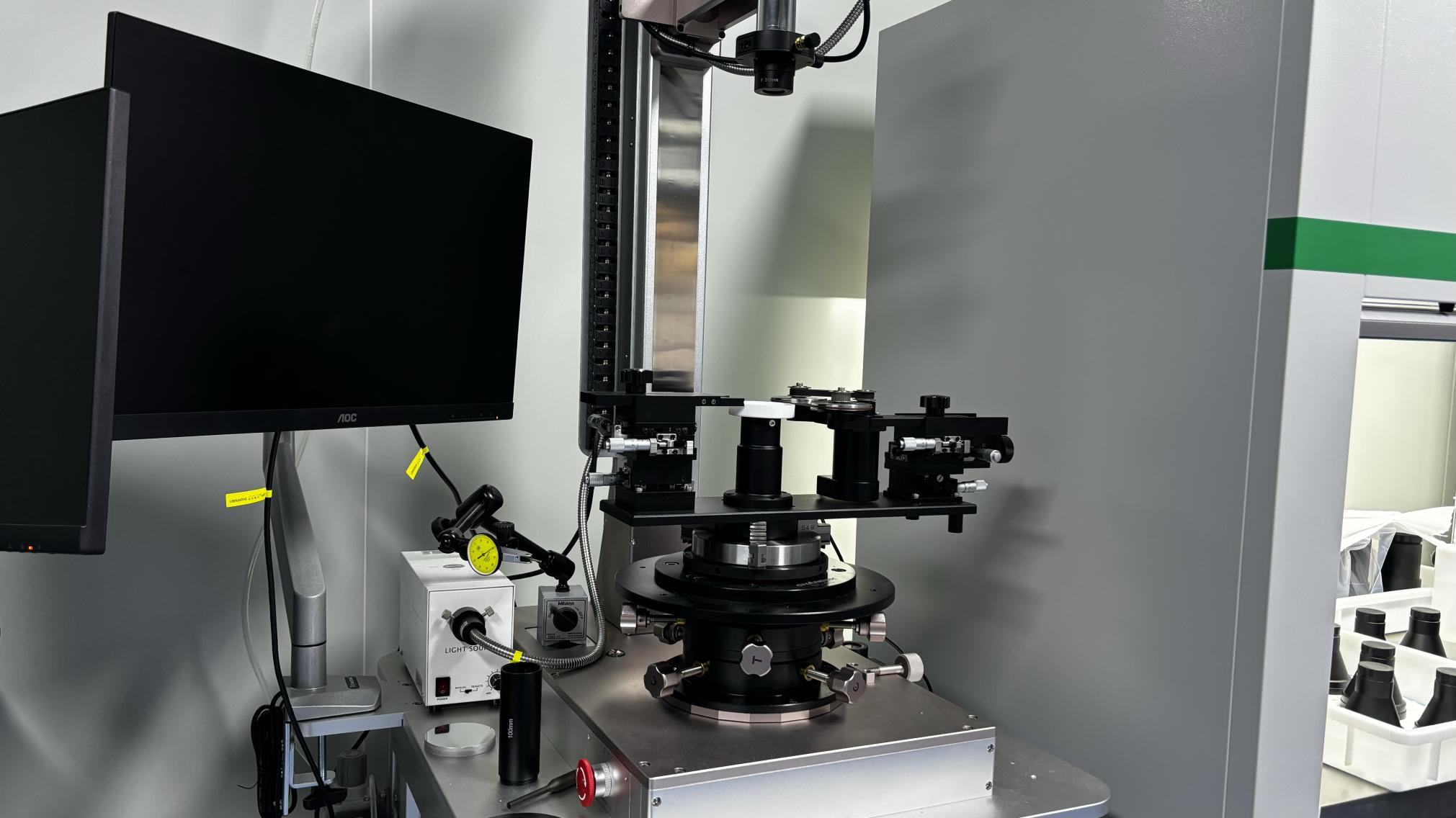
Our quality control program is managed by a team of 35 quality control specialists who work independently of our assembly teams. Testing begins with components, which undergo Automated Optical Inspection (AOI) to verify solder point integrity and identify microscopic defects before boards are mounted in server frames.
After assembly, every system is subjected to extensive burn-in testing. We stress CPUs, GPUs, memory, and power distribution subsystems under full processing loads for extended periods. This thermal and electrical stress testing helps identify early-life hardware failures in our facility, rather than at a client's data center.
Finally, we conduct network security audits on our systems. This includes verifying that BMC ports are secured, bios passwords are set to customer requirements, and default passwords are deleted. We also verify that firmware matches verified hashes, confirming the software stack is secure prior to packaging and shipping.
Understanding the rise in cyber attacks, physical intrusions, and firmware exploits that threaten modern enterprise infrastructure.
Modern organizations face an increasingly sophisticated threat landscape. Cybersecurity is no longer just about software firewalls and virtual network isolation. Threat actors are targetting the physical hardware and low-level firmware that form the foundation of cloud computing platforms.
At the same time, the deployment of large language models (such as Deepseek) has made GPU compute clusters high-value targets for data theft and unauthorized system access. An exploit at the hypervisor or BIOS layer can compromise multi-tenant isolation, exposing proprietary models and training data to unauthorized actors.
Elvantis addresses these challenges by incorporating physical tamper protection and active environment monitoring into our designs. Intrusion sensors on chassis can alert administrators to unauthorized physical access, while secure firmware verification helps ensure that system components remain clean and uncompromised.
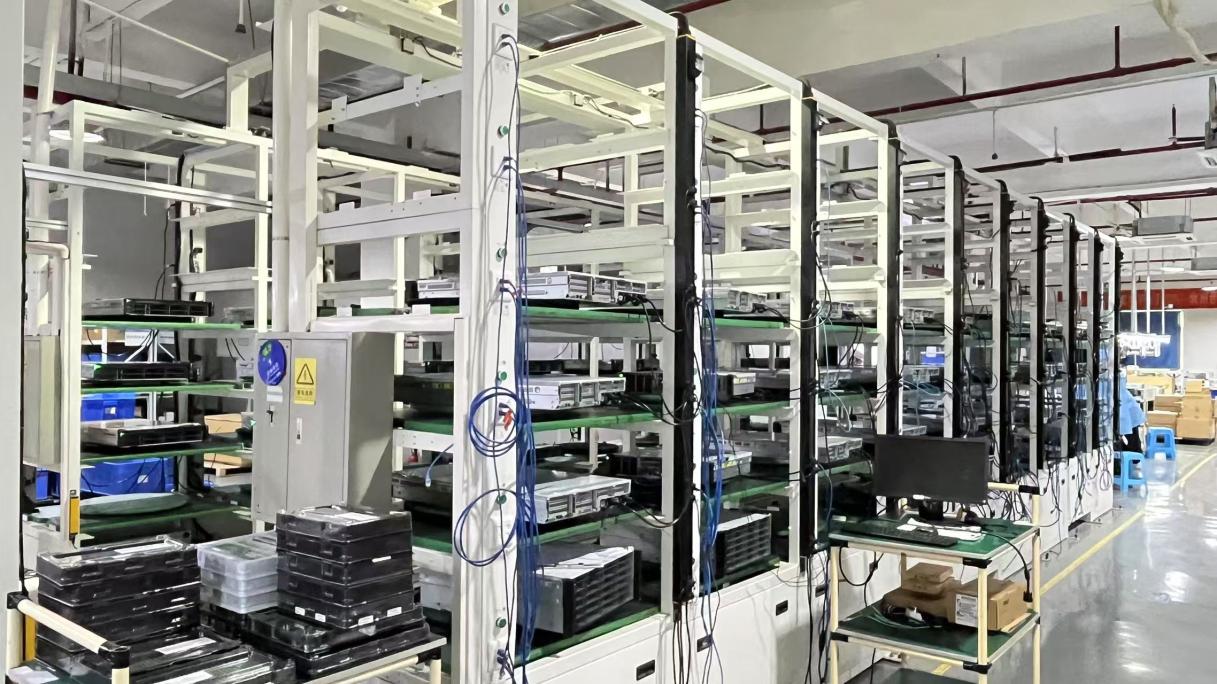
Aligning hardware and firmware configurations with international compliance requirements, data sovereignty laws, and regional security standards.
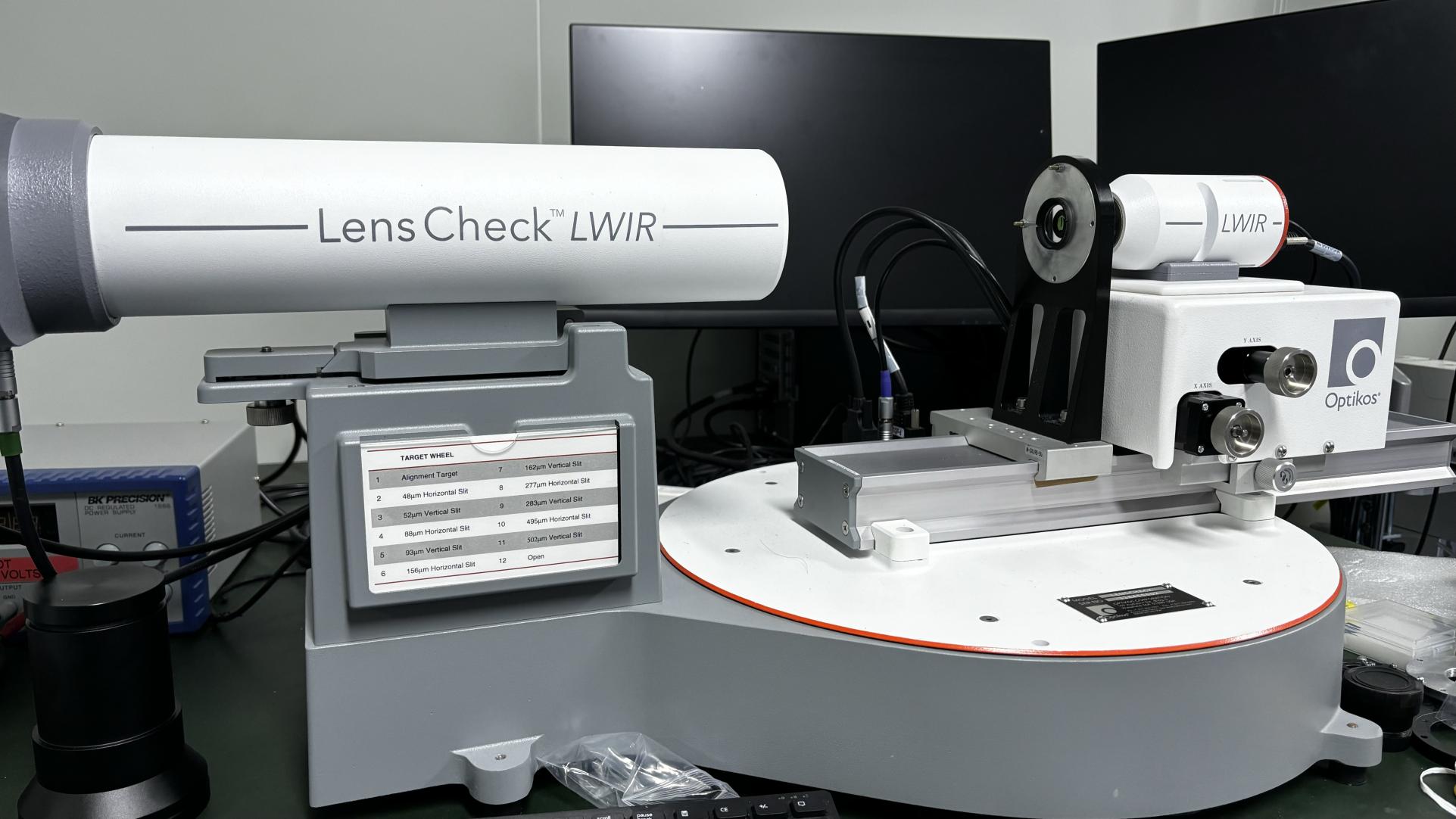
Deploying servers globally requires compliance with a complex network of local regulations, including Europe's GDPR, the United States' HIPAA, and various regional data sovereignty laws. Hardware systems must support security frameworks that allow operators to control where data resides, how it is encrypted, and who has administrative access.
Elvantis supports compliance by providing customization options for system BIOS and firmware configurations. We work with clients to disable non-compliant interfaces, configure localized cryptographic algorithms, and lock down remote management ports to align with specific regional standards.
We provide OEM and ODM configuration services that allow enterprises to customize our platforms to meet their specific compliance needs. Whether you require physical storage locking systems, custom TPM settings, or unique firmware profiles, Elvantis can configure a system that meets your security and operational guidelines.
Get technical answers about our hardware security integrations, custom configurations, and global supply chain services.